Article Highlights:

  • Argentina requires proof of valid health insurance covering medical, hospitalization and evacuation.
  • Ecuador’s Galápagos Islands demand proof of travel health insurance upon entry.
  • Insurance requirements help protect fragile healthcare systems and ensure visitor safety.
  • Evacuation protection is critical due to South America’s remote trekking and island regions.
  • Global Rescue membership ensures world-class evacuation and medical support beyond traditional insurance.


South America has long been a magnet for adventurous travelers, whether trekking Patagonia, exploring the Amazon rainforest, cycling Bolivia’s Death Road or snorkeling among the wildlife-rich Galápagos Islands.

“South America is my backyard. I’ve been exploring every corner of this incredible continent for more than 40 years. The mix of people, cultures, food, geography, history and wildlife is truly astounding,” said Sergio Ballivian, owner, Sergio Photo Tours. “Bolivia, in particular, is raw, untrammeled and breathtakingly beautiful. But once you’re off the grid, there’s little infrastructure. That’s why I recommend comprehensive emergency evacuation protection from Global Rescue. When you’re in the middle of nowhere, that peace of mind is essential.”

But before you set foot on the continent, you’ll need to pay attention to an increasingly common requirement: mandatory travel health insurance.

Several South American nations now require proof of medical insurance, evacuation protection and repatriation coverage before granting entry. Even in countries where it’s not legally mandated, savvy travelers recognize that South America’s vast distances, rugged terrain, and limited hospital infrastructure make travel health insurance with evacuation coverage essential.


Argentina: Mandatory Health Insurance

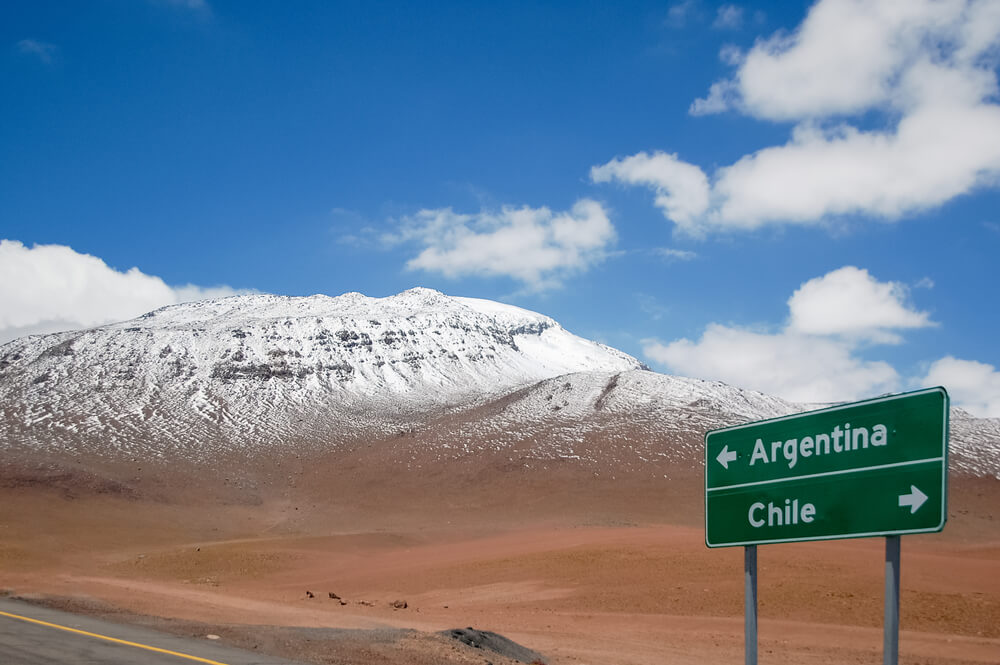
As of July 2025, Argentina requires all non-resident foreign travelers to carry valid travel medical insurance. The policy must cover:

  • Medical emergencies and hospitalization
  • Repatriation of remains
  • Medical transfer or evacuation if needed

Travelers must present proof of insurance at official entry points, such as airports and land borders. This marks a shift from Argentina’s earlier relaxation of COVID-era restrictions, highlighting the government’s desire to protect both travelers and local healthcare systems.

For those trekking in Patagonia or venturing to remote areas like Tierra del Fuego, evacuation coverage is particularly vital. The cost of transporting a patient by air ambulance to Buenos Aires — or even to neighboring Chile — can run into the tens of thousands of dollars.


Ecuador: Galápagos Islands Rule

While Ecuador’s mainland does not mandate travel insurance for all visitors, entry to the Galápagos Islands comes with a special condition: proof of valid travel health insurance.

The Galápagos are one of the world’s most pristine and remote ecosystems. Medical facilities on the islands are limited, and serious cases often require evacuation to mainland Ecuador — or even international transfer for specialized care.

This requirement ensures that tourists can receive necessary treatment without burdening the fragile healthcare infrastructure of the islands. For travelers, it underscores the importance of evacuation protection when visiting isolated destinations.

How Is It Enforced?

Argentina requires travelers to present proof of health insurance, often checked at border control, with a particular focus on COVID-19 coverage. In Ecuador, proof of health insurance is required for entry to the Galápagos Islands and is enforced by park authorities.


Why South America Requires Health Insurance

Both Argentina and Ecuador’s Galápagos mandate travel health insurance for the same reasons seen in other continents:

  • Protecting travelers – Ensuring visitors can afford emergency care.
  • Protecting healthcare systems – Preventing unpaid medical bills.
  • Facilitating evacuations – Guaranteeing resources are available for air or sea transfers.

Given South America’s geography, these rules are especially important. From the Andes Mountains to Amazon riverboats, emergencies often occur far from advanced hospitals.


Risks That Make Insurance Essential in South America

Even beyond the mandated countries, South America presents unique risks that make medical and evacuation protection a must:

  • High-altitude trekking – Popular in Peru, Bolivia and Chile, altitude sickness can require urgent evacuation.
  • Adventure activities – From rafting to climbing, accidents happen.
  • Wildlife exposure – Insects and animals in the Amazon pose medical risks.
  • Remote locations – Long distances between rural areas and major hospitals.

Without proper coverage, a traveler could face six-figure evacuation bills.


Traveler Mistakes To Avoid

  • Thinking insurance isn’t enforced – In Argentina, officials may deny entry without proof.
  • Skipping evacuation protection – Critical in remote trekking zones and the Galápagos.
  • Buying policies with exclusions – Some insurers exclude high-risk adventure sports.
  • Not carrying proof – Printed or digital copies of insurance documents are essential.


How To Choose the Right Travel Health Insurance for South America

Travelers should secure a policy that includes:

  • Medical coverage (hospitalization, surgery, outpatient care).
  • Emergency evacuation protection (particularly for remote trekking and islands).
  • Repatriation of remains (often required by governments).
  • Adventure sports coverage (important for trekking, climbing, and diving).
  • 24/7 assistance services for logistical support.


Beyond Argentina & Ecuador: Why Insurance Matters Across the Continent

Even in South American countries without official mandates — such as Brazil, Chile or Peru — insurance is vital. Imagine breaking an ankle while hiking Machu Picchu or falling ill deep in the Amazon. Local treatment might be possible, but evacuation to a major hospital in Lima — or even abroad — could easily exceed $75,000–$100,000.

In short, South America’s natural wonders are breathtaking, but they also highlight the need for reliable medical and evacuation protection.


The Global Rescue Connection

While traditional travel health insurance satisfies government requirements in countries like Argentina and Ecuador, its protections often stop short when evacuation is needed. Most policies cover medical costs but leave travelers on their own to arrange rescue or transport in a crisis.

A Global Rescue membership bridges that gap with field rescue, air evacuations and crisis response services. Whether you’re stranded on a Galápagos Island, suffering altitude sickness in Peru or trekking in Patagonia, Global Rescue can coordinate and execute an evacuation to advanced care, or even back home.

With South America tightening its entry rules, including Argentina’s new mandatory medical insurance, the smartest plan is clear: pair traditional health coverage for compliance with a Global Rescue membership for evacuation and advisory support. Together, they deliver full protection and the freedom to embrace one of the world’s most adventurous continents with confidence.