Article Highlights:

  • Visiting new destinations is the top 2026 travel resolution, despite growing uncertainty.
  • Shoulder season travel is rising as travelers seek value and fewer crowds.
  • More than half of travelers prefer lesser-known destinations over traditional hotspots.
  • Most travelers believe international travel is more dangerous or unpredictable.
  • Risk awareness is driving smarter planning, not less travel.


In 2026, travelers are asking a more pointed question than ever before: is it safe to travel? The answer, increasingly, is not a simple yes or no. Instead, travelers are weighing opportunity against uncertainty and choosing exploration, often to lesser-known destinations, even as they anticipate greater danger and unpredictability in international travel.

According to the Global Rescue Winter 2026 Traveler Sentiment and Safety Survey, visiting a new country, destination or continent is the top travel resolution for the year ahead. Overall, 41% of respondents say their most important 2026 travel resolution is to visit someplace new, signaling a sustained appetite for global mobility despite persistent security concerns, geopolitical instability and uneven access to medical care in many regions.

Rather than pulling back, travelers are recalibrating. They are traveling differently, selecting shoulder seasons, avoiding crowds and prioritizing destinations that feel undiscovered. The result is a travel environment where curiosity remains strong, but preparedness has become non-negotiable.

“Travelers are clearly prioritizing discovery in 2026,” said Dan Richards, CEO of The Global Rescue Companies and a member of the US Travel and Tourism Advisory Board at the US Department of Commerce. “Whether it’s a first-time destination or an entirely new region, that sense of exploration comes with added complexity, and it reinforces why medical, security and evacuation preparedness remain essential.”


New Destinations Top 2026 Traveler Resolutions

The desire to explore new destinations defines the 2026 traveler mindset. While 41% of all respondents rank visiting someplace new as their top resolution, the motivation is especially pronounced among women. Nearly half (46%) say new destinations are their top priority, compared to 40% of men.

Geographic differences are even more striking. Fifty-four percent of non-US travelers prioritize visiting new destinations, versus just 38% of US travelers. US respondents, instead, are more focused on traveling more often. Twenty-one percent cite increasing travel frequency as their top resolution, compared to 15% of non-US travelers.

This distinction suggests that while American travelers may favor repeat destinations or familiar regions, international travelers are more inclined to expand their geographic footprint, often into areas with fewer established tourism services and limited emergency response infrastructure.


Shoulder Season Travel

As travelers seek fewer crowds and better value, shoulder season travel, also known as hidden-season travel, is becoming the new normal. While 57% of travelers say they expect to travel internationally during off-peak periods about the same as before, 34% say they are more likely to do so in 2026.

Women again lead this trend, with 39% saying they are more inclined toward shoulder season travel, compared to 33% of men. US travelers remain more cautious, with 10% saying they are less likely to travel off-peak, compared to just 1% of non-US travelers.

“Hidden-season travel offers fewer crowds and often better value, but it can also mean limited infrastructure and reduced local services,” Richards said. “Travelers need to balance opportunity with risk awareness.”

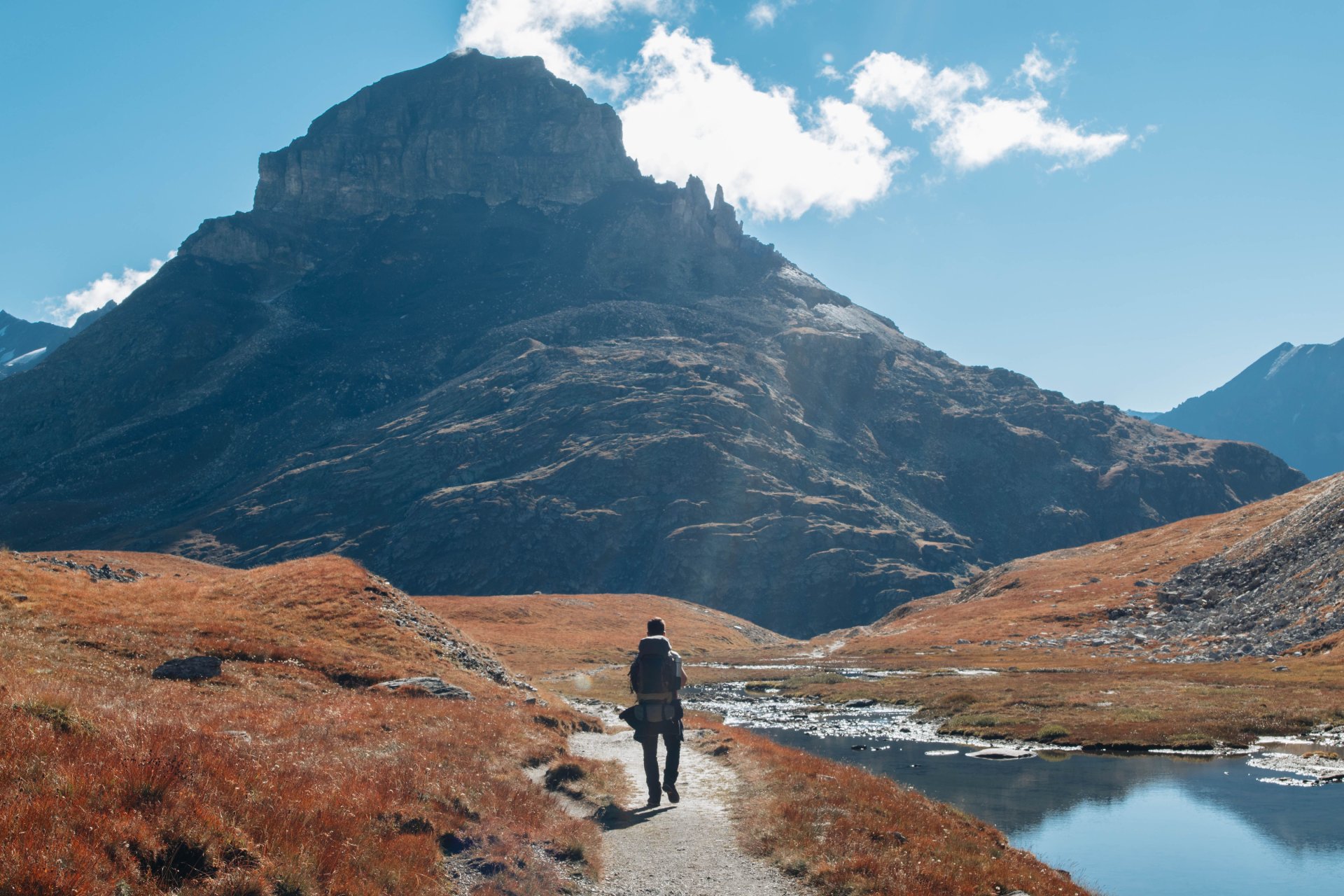
Reduced airline schedules, weather volatility and limited access to hospitals or emergency transport can turn minor incidents into serious emergencies during shoulder seasons, particularly in remote destinations.


Lesser-Known Destinations Strongly Preferred

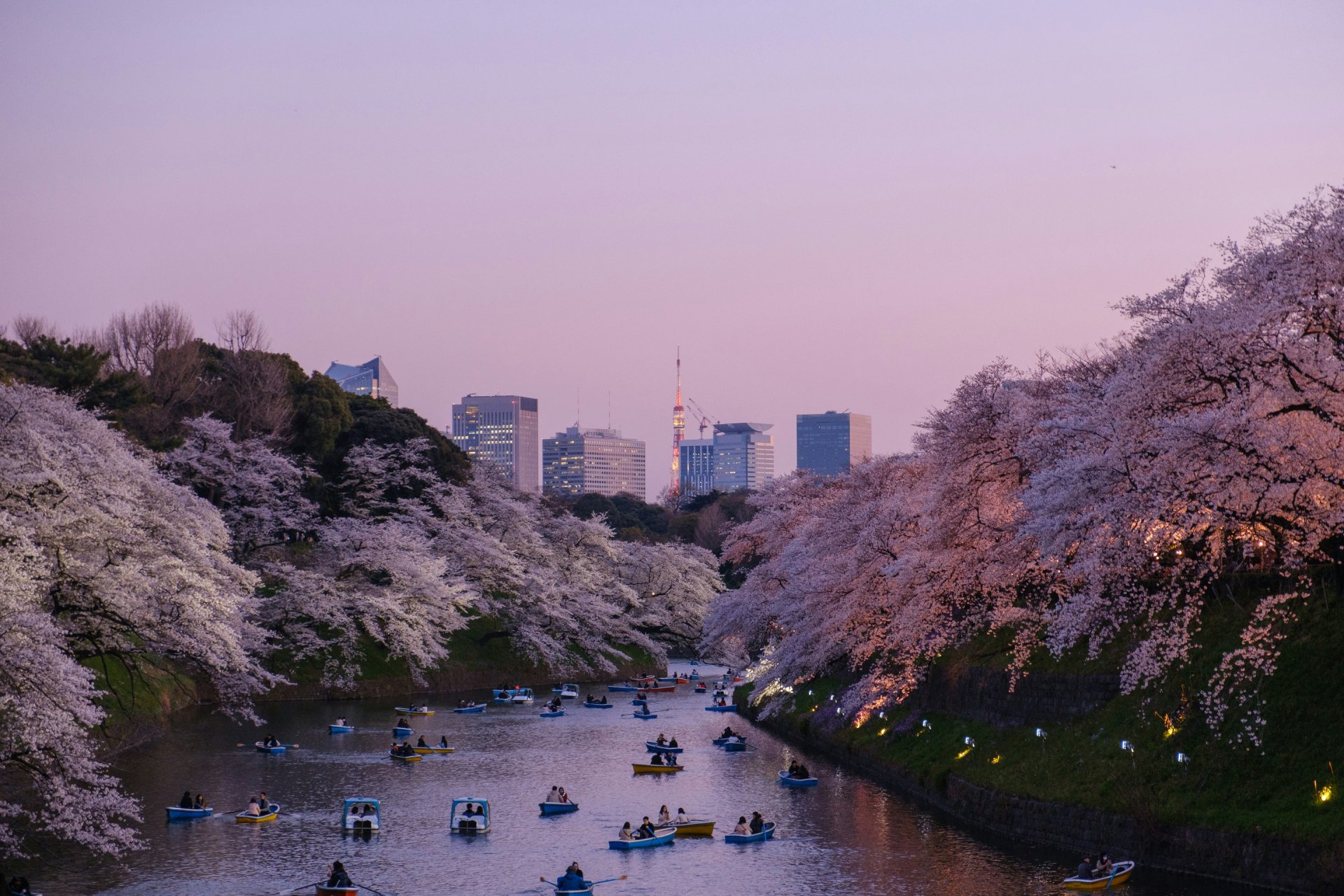
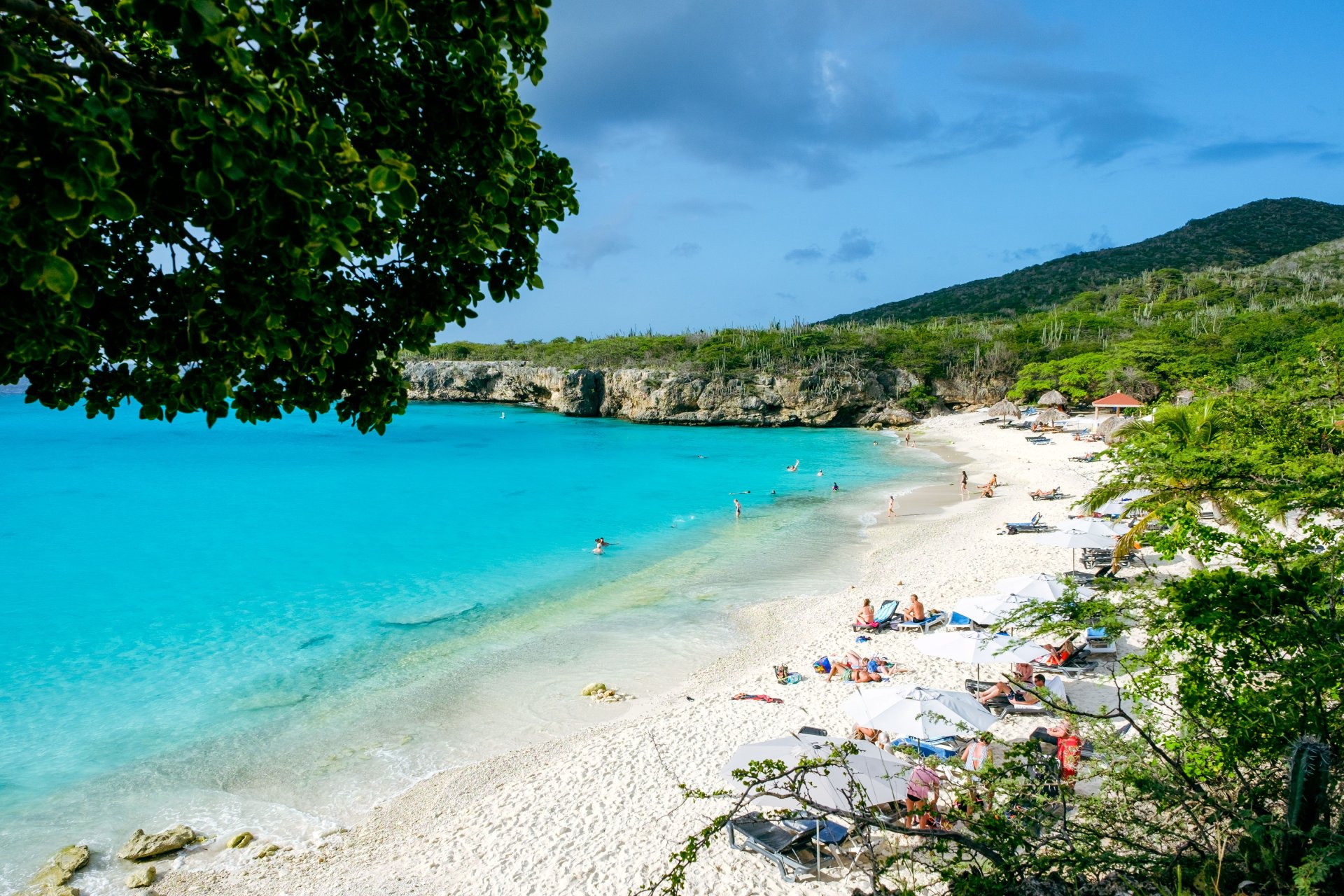
Destination choice further reinforces the shift toward exploration. More than half of travelers surveyed, 52%, say they prefer lesser-known international destinations with fewer crowds in 2026. Only 12% favor well-known destinations with established tourism infrastructure, while 27% report no strong preference.

Women overwhelmingly favor lesser-known destinations, with 63% selecting this option compared to 49% of men. Non-US travelers also demonstrate a stronger preference for emerging or less crowded destinations, at 55%, compared to 52% of US travelers.

“Travelers are pushing beyond traditional hotspots,” Richards said. “That trend increases the importance of having rapid access to medical care, evacuation services and real-time security intelligence, especially in destinations where resources may be limited.”

In many of these destinations, access to advanced trauma care, reliable emergency transport or timely medevac services can be limited or nonexistent, raising the stakes when something goes wrong.


Travelers Expect Greater Danger and Unpredictability

While exploration remains a priority, travelers are under no illusion about the risks. A majority believe international travel in 2026 will be either more dangerous or increasingly unpredictable compared to pre-2020 travel.

Overall, 38% of travelers say international travel danger will be unpredictable, while 36% believe it will be more dangerous. Only 1% believe travel will be less dangerous and 21% say it will be neither more nor less dangerous than before.

Men are more likely to describe travel as more dangerous, while women are significantly more likely to label it unpredictable. Non-US travelers express heightened concern overall, with 49% saying danger will be unpredictable compared to 34% of US travelers.

“Unpredictability is now viewed as the defining feature of international travel,” Richards said. “That has serious implications for preparedness and resilience.”

Concerns about kidnapping, extortion and violent crime are widespread. Eighty-two percent of travelers report some level of concern and women consistently report higher levels of anxiety than men. These concerns are shaping destination choices, timing decisions and the demand for professional support.


Selective Travel in High-Risk Regions

Expert warnings about ongoing conflict, organized crime and political instability are strongly influencing traveler behavior. Nearly 67% of travelers say they would avoid travel to Israel and neighboring states entirely or do not plan to travel there regardless of conditions.

Mexico and Colombia present more nuanced pictures. Many travelers say they would only visit specific areas with added precautions, while others have no plans to travel there at all. Very few say they would travel as normal and simply accept the risk.

“These regional responses reinforce why travelers view the global risk environment as unstable,” Richards said. “People are not disengaging from international travel, but they are far more selective, informed and risk-aware.”

When asked to rate their overall international travel safety confidence on a scale of 1 to 10, travelers clustered around 3 to 3.5, indicating moderate unease rather than fear-driven avoidance.


Medevac and The Global Rescue Connection

Travel safety depends on preparation, research, real-time intelligence and access to professional support, like medical evacuation, when conditions change suddenly due to illness, injury, unpredictable natural disaster or security.

As travelers venture into lesser-known destinations and shoulder seasons, the margin for error narrows. Limited medical facilities, delayed emergency response and logistical challenges can quickly escalate routine incidents into crises requiring medevac or security evacuation.

Global Rescue exists for precisely this environment. With integrated medical, security, medevac and intelligence services, Global Rescue provides travelers with the confidence to explore boldly while remaining prepared for the unexpected. In an era defined by unpredictability, the most resilient travelers are those who plan not just for the journey, but for what happens when plans change.