Article Highlights:

  • Spain’s Roman, Moorish and European influences create one of the richest cultural landscapes in Europe.
  • Tourism drives Spain’s economy, making the country highly accessible and competitively priced.
  • Climate varies dramatically by region, shaping the best time to visit Spain.
  • Petty crime is common, but most visits remain safe with basic precautions.
  • Medical care meets international standards, though non-EU travelers should plan coverage carefully.


Spain remains one of the most compelling destinations for international travelers, blending ancient civilizations, modern European sophistication, and some of the world’s most competitive tourism infrastructure. Whether wandering Roman ruins, admiring Moorish palaces, enjoying late-night tapas culture or relaxing along nearly 5,000 kilometers of coastline, Spain offers exceptional depth and accessibility. For travelers planning Spain travel today, understanding the country’s history, regional diversity, climate patterns and safety considerations adds both confidence and value to the experience.


Why Spain Is Worth Visiting

Spain is highly worth visiting for travelers seeking value, culture, and variety. Compared to other Western European destinations, Spain often offers more affordable accommodations, dining and transportation without sacrificing quality. Its cultural and historic depth spans centuries, from Roman roads to Moorish palaces and royal residences. Landscapes range from sunny beaches to green northern hills, while Spanish cuisine—defined by tapas, paella, wine and regional specialties—remains one of Europe’s most celebrated. Spain is also easy to navigate independently, supported by excellent rail networks and traveler-friendly infrastructure.

Timing matters. Spring and fall deliver the most balanced experience, while summer is ideal for coastal escapes but challenging for inland cities. Regional differences in climate and culture reward travelers who plan beyond a single destination and explore Spain’s contrasts.


Iconic Cities and Destinations

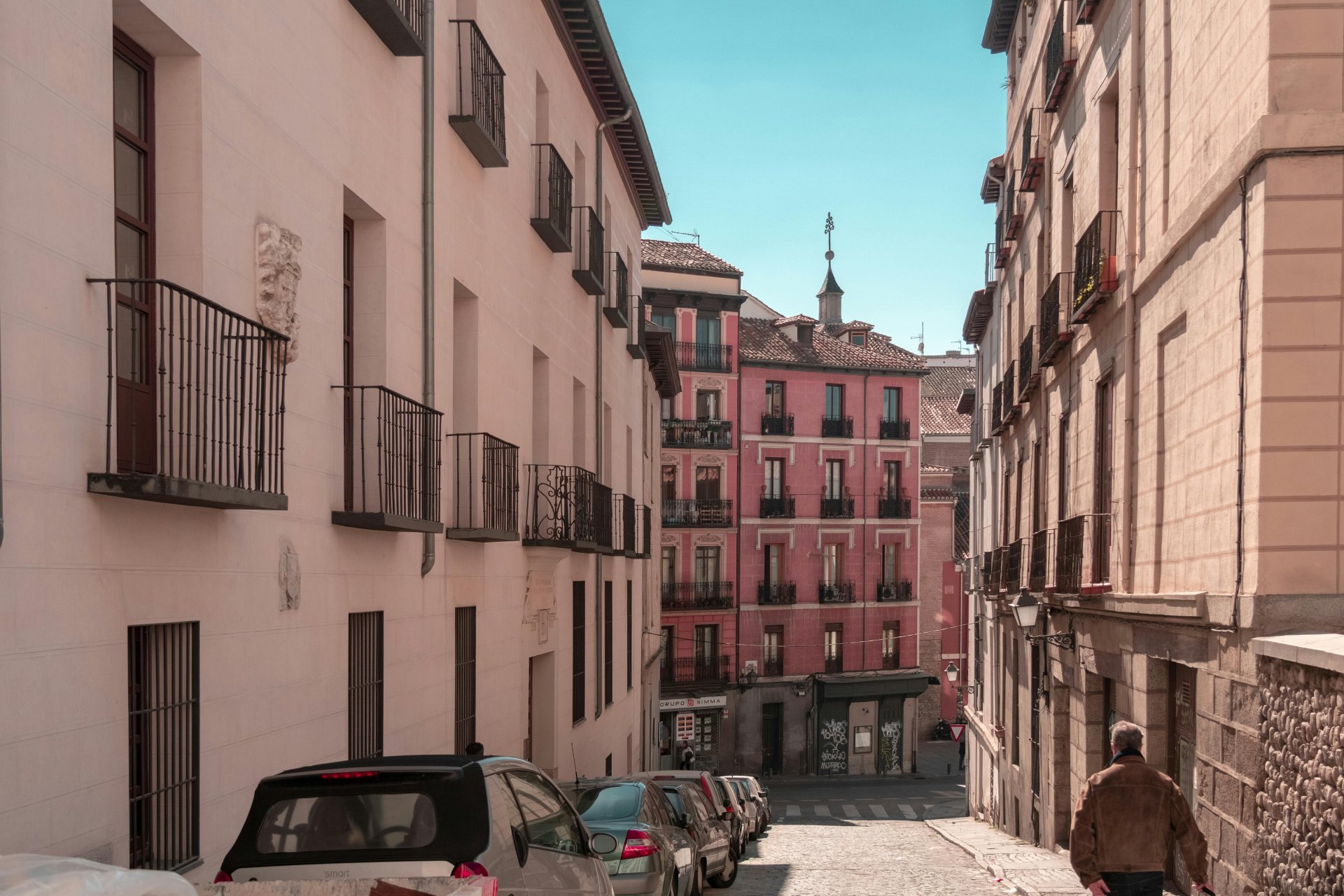
Spain’s cities offer distinctly different experiences. Madrid, the capital, combines royal heritage, world-class museums, and a thriving culinary scene. Barcelona merges Gothic architecture with modernist masterpieces, including Antoni Gaudí’s Sagrada Familia, while maintaining a vibrant Mediterranean energy. Ibiza and Ibizia are internationally known for nightlife and beaches, yet they also offer quieter countryside escapes and historic old towns.

Beyond cities, Spain’s geographic diversity includes rugged northern coastlines, fertile wine regions, arid plains and snow-capped mountain ranges, making it equally appealing to leisure travelers, adventure seekers and cultural tourists.


A Nation Shaped by History and Transformation

Spain’s cultural richness is inseparable from its layered history. The Romans established infrastructure, language foundations and urban planning still visible today. Moorish rule left a profound architectural, agricultural and intellectual legacy, particularly in southern Spain, with enduring landmarks such as the Alhambra in Granada and the Great Mosque of Córdoba. French and broader European influences further shaped Spain’s governance, cuisine and art.

Modern Spain emerged following the death of dictator Francisco Franco in 1975. The country’s transition to a liberal democracy marked a turning point, opening Spain to global markets and political integration. Spain is officially a constitutional monarchy and joined the European Union in 1986, accelerating economic development and modernization. Today, Spain’s economy is among the largest in the world, driven largely by the services sector, with Spain tourism serving as a cornerstone of national growth and global competitiveness.


Population, Language and Cultural Identity

Spain has a population exceeding 47 million people, representing a mix of Nordic and Mediterranean heritage. Roman Catholicism remains influential, with more than half the population identifying as Catholic, though contemporary Spain is largely secular in daily life.

Linguistic diversity is a defining feature of Spain culture. Castilian Spanish is the official national language and spoken by roughly three-quarters of the population. Catalan is widely spoken in Catalonia, Valencia and the Balearic Islands. Galician is official in Galicia, while Basque is spoken in the Basque Country. Travelers may encounter multiple languages on signage, menus and public transportation, reflecting Spain’s strong regional identities.

Political tensions persist in some regions, particularly Catalonia, where efforts to pursue independence have fueled protests and demonstrations in recent years. While these events rarely affect travelers directly, they can disrupt transportation and city centers temporarily.


Geography and Spain Climate Considerations

Spain occupies most of the Iberian Peninsula in southwestern Europe. It borders France and Andorra to the northeast, Portugal to the west and Gibraltar at its southern tip across from Morocco. Spain’s extensive coastline touches the Mediterranean Sea, the Atlantic Ocean and the Bay of Biscay, creating dramatic regional climate differences.

The north and northwest experience higher rainfall and greener landscapes, while central Spain endures extremely hot, dry summers and cold winters. Southern and eastern Mediterranean regions feature hot, humid summers and mild winters, making coastal areas popular year-round destinations. Understanding Spain climate variations is essential when deciding the best time to visit Spain, particularly for travelers planning outdoor activities or city sightseeing.

Spring and fall are widely regarded as the most comfortable seasons for cultural exploration, while summer is best suited for beach destinations such as the Costa del Sol, Ibiza and Majorca, though inland cities can become intensely hot.


Safety and Healthcare Considerations

Most visits to Spain occur without major security incidents, and the country is considered generally safe. Petty crime, however, is common, particularly pickpocketing and bag slashing. These crimes occur most frequently near transportation hubs, tourist attractions, markets, restaurants and hotels. Travelers should remain vigilant, especially in crowded urban environments.

Spain also faces an elevated but controlled risk of terrorist activity, consistent with other major Western European nations. Protests and demonstrations occur regularly, particularly related to political or labor issues and may cause temporary disruptions. Travelers are advised to avoid large gatherings and monitor local conditions.

Medical facilities and services in Spain meet international standards. European Union nationals with a European Health Insurance Card may access state health services, though eligibility is determined locally. Non-EU travelers may be responsible for medical costs upfront, making travel medical planning essential.

Spain’s healthcare system is decentralized, meaning standards and procedures can vary by region. Travelers should bring adequate supplies of prescription medications, as equivalents may not be readily available or may require a local prescription.


Food and Water Safety

Food safety standards in Spain are generally high. While tap water is often potable, bottled water is recommended to reduce the risk of gastroenteritis caused by local bacteria. Dairy products are typically pasteurized, and fruits and vegetables should be washed or peeled. Travelers should avoid undercooked meat and seafood.

Ciguatera fish poisoning is a known risk in Spain, particularly from certain reef fish species. Limiting consumption of barracuda, grouper, moray eel, amberjack, sea bass and sturgeon reduces exposure.


The Global Rescue Connection

Spain offers an exceptional travel experience: rich history, diverse culture, world-class cities, beautiful coastlines, reliable infrastructure and strong healthcare by international standards. For most travelers, a visit to Spain is smooth, rewarding and memorable. Still, even in highly developed destinations, medical and security emergencies can occur without warning, often away from major urban centers or complicated by language barriers and regional variations in care.

For example, Global Rescue assisted a member hiking the Camino de Santiago who suffered a serious knee injury from a fall at a hotel and needed coordinated hospital care, medical equipment, physician clearance and specialized return travel home. In another example, Global Rescue aided a member injured in a bicycling accident in Muro, Majorca. These cases underscore how even non-extreme incidents can quickly require expert coordination, making Global Rescue a valuable safeguard for travelers exploring Spain with confidence.

A Global Rescue membership adds a critical layer of protection by providing 24/7 medical advisory services, field rescue, medical evacuation and in-depth Destination Reports that help travelers understand local risks, healthcare access and security conditions before and during their trip.