Article Highlights:

  • The Dominican Republic blends African, European and Taino influences through food, music, dance and daily life.
  • Iconic destinations range from historic Santo Domingo to remote Bahía de las Águilas and resort-centric Punta Cana.
  • Tourist areas are generally safe, with strong infrastructure and dedicated tourist police.
  • Spanish is the official language, but English is widely spoken in major tourist regions.
  • Urban medical facilities are reliable, though travelers should carry insurance and evacuation coverage.


The Dominican Republic is one of the Caribbean’s most dynamic destinations, offering travelers an enticing blend of sun-soaked beaches, deep-rooted history, rhythmic music and warm hospitality. Sharing the island of Hispaniola with Haiti, this nation occupies the eastern two-thirds of the island and has evolved into a tourism powerhouse while retaining strong cultural traditions shaped by centuries of influence. From the colonial streets of Santo Domingo to the pristine sands of Bahía de las Águilas and the resort-lined shores of Punta Cana, the Dominican Republic delivers far more than a typical beach escape.


Do You Know the Importance of Taino?

Long before European contact, the island was inhabited by the Taino people, whose agricultural practices, spiritual beliefs and language shaped early Caribbean life. While the Taino population was tragically decimated during colonization, their legacy remains visible today in Dominican vocabulary, cuisine and symbolism. Words like “hamaca” (hammock) and staple ingredients such as cassava trace directly back to Taino origins.

Spanish colonization began in the late 15th century, making Santo Domingo the oldest continuously inhabited European settlement in the Americas. African influences followed through the transatlantic slave trade, forming the foundation of modern Dominican identity. Over time, these cultural streams blended into a society defined by rhythm, resilience and expression.


Is the Merengue Central to the Dominican Republic?

Music is vital to Dominican life. Merengue, the national dance and music style, emerged in the 19th century with African drum patterns, European melodies and Taino rhythms. Its fast-paced beat and lively footwork reflect the country’s celebratory spirit. Bachata, once considered music of the rural poor, evolved into an internationally recognized genre expressing romance, heartbreak and longing.

Fashion in the Dominican Republic mirrors its climate and culture, bright colors, flowing fabrics and practical designs dominate. Traditional clothing worn during festivals often features ruffles and embroidery, echoing Spanish colonial styles adapted for the tropics.

Dominican food tells the story of its people. Spanish cooking techniques, African flavors and Taino ingredients combine into hearty, comforting dishes. Mangú, made from mashed plantains, reflects African culinary traditions, while stews like sancocho blend indigenous root vegetables with European meats. La Bandera Dominicana, the everyday national meal of rice, beans, meat and salad, symbolizes balance, simplicity and nourishment.

Drinks such as rum and the herbal infusion mamajuana (a potent herbal liqueur made by soaking tree bark, herbs, spices, rum, red wine and honey) have ceremonial and social significance, while local beer brands like Presidente are staples at gatherings and celebrations.


How Is Punta Cana Different From Santo Domingo?

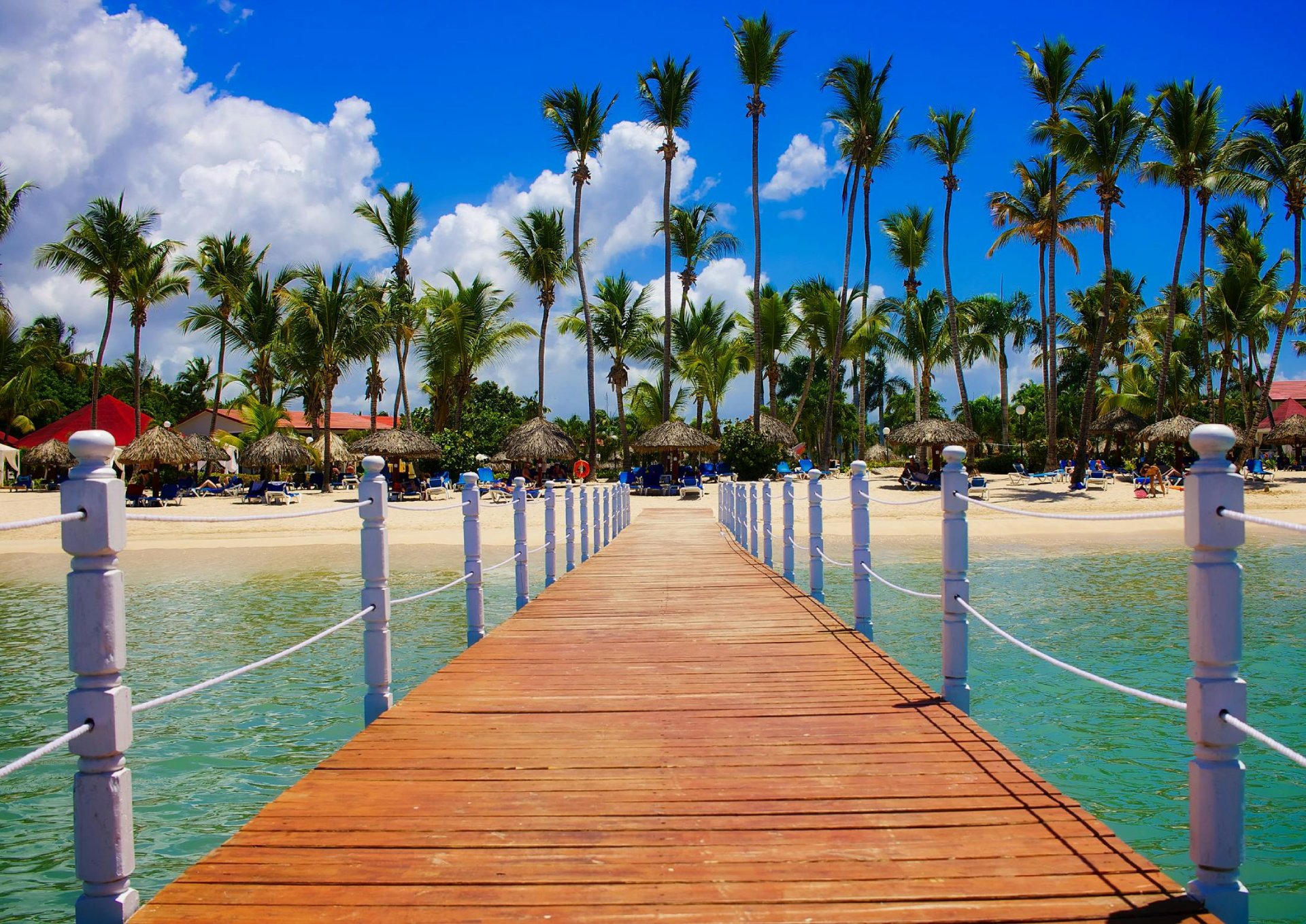
Punta Cana remains the Dominican Republic’s most famous destination, known for its all-inclusive resorts, turquoise waters and ease of travel. It’s ideal for first-time visitors seeking comfort, beach relaxation and organized excursions.

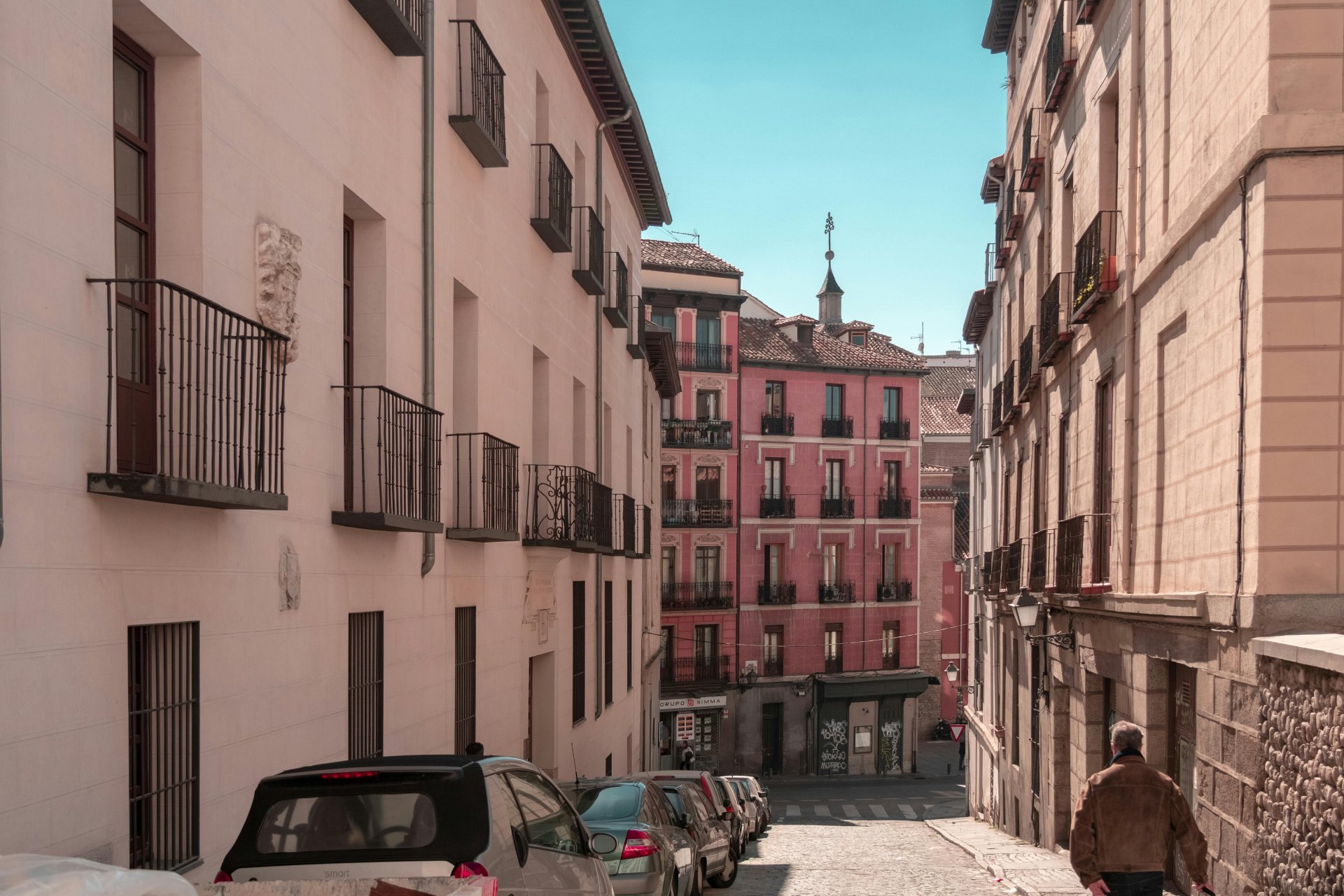
Santo Domingo offers a different experience altogether. The Zona Colonial, a UNESCO World Heritage Site, features cobblestone streets, centuries-old cathedrals and museums that chronicle the birth of the New World. It’s a living classroom of Caribbean history.

For travelers craving untouched beauty, Bahía de las Águilas stands apart. Located within Jaragua National Park near the southwestern coast, this beach is consistently ranked among the most beautiful in the Caribbean. With no major development, it offers tranquility, crystalline waters and sweeping desert-meets-sea landscapes.


Is the Dominican Republic Safe?

Safety is a top concern for travelers and the Dominican Republic is generally safe for tourists, particularly in established destinations like Punta Cana, Puerto Plata and Santo Domingo’s historic districts. Tourism is critical to the national economy and the government invests heavily in visitor protection through a specialized tourist police force known as Politu

Travelers should exercise increased caution due to crime, however, as advised by the US Department of State. Petty theft, pickpocketing and occasional armed robberies occur, especially outside resort areas or after dark. Visitors are encouraged to stay in well-lit areas, use reputable transportation and avoid displaying valuables.

The Dominican Republic shares a land border with Haiti, a nation currently experiencing significant political instability, economic hardship and security challenges. While these issues rarely affect mainstream tourism within the Dominican Republic, border regions can experience heightened tensions and increased crime. Travelers should avoid crossing into Haiti and steer clear of border zones unless part of an official, guided program.

The Dominican government actively manages border security and resort areas remain insulated from neighboring instability. Still, awareness and adherence to travel advisories are essential.


Language, Etiquette, Laws and Daily Life

Spanish is the official language, but English is widely spoken in tourist-facing roles. Learning a few Spanish phrases enhances interactions and is warmly appreciated. Dominicans value politeness, greetings and personal connection. A relaxed approach to time is common and schedules may be flexible.

Dress codes are casual yet respectful. Beachwear belongs on the coast, while cities and rural areas call for more conservative attire. Photography etiquette matters, always ask before photographing individuals.

Drug laws are strict and possession of illegal substances carries severe penalties. Camouflage clothing is prohibited for civilians. Driving can be chaotic, making private drivers or organized transport preferable. Cell coverage is strong in most areas and Wi-Fi is widely available, reducing the need for satellite communication unless traveling to remote regions.

Private hospitals in major cities such as Santo Domingo and Santiago provide reliable medical care, though facilities in rural areas may be limited. Travelers should carry adequate insurance, including emergency medical evacuation coverage. English-speaking medical staff are not guaranteed and upfront payment is often required.

Food and water safety also require attention. Bottled or purified water is essential and travelers should avoid raw foods, unpasteurized dairy and ice from unknown sources.


The Global Rescue Connection

The Dominican Republic offers exceptional value, diverse landscapes and cultural depth rarely matched in the Caribbean. Whether you’re seeking romance, adventure, history or relaxation, the country delivers a layered travel experience that rewards curiosity beyond the resort gates. With reasonable precautions and thoughtful planning, it remains one of the most compelling destinations for North American travelers.

Traveling to the Dominican Republic offers extraordinary rewards, but like any international destination, it also comes with variables that travelers cannot always control. Medical emergencies, serious injuries during outdoor activities, sudden civil unrest or natural disasters can escalate quickly, especially in areas where local emergency response and medical infrastructure may be limited. This is where a Global Rescue membership becomes a critical layer of protection.

Unlike traditional travel insurance, Global Rescue provides field rescue from the point of illness or injury, even in remote or hard-to-reach locations. Whether a traveler is injured while hiking in the Cordillera Central, exploring remote coastal regions near Bahía de las Águilas, or traveling outside major urban centers, Global Rescue deploys medical and rescue teams to extract members and transport them to the most appropriate medical facility, not simply the nearest one. When local hospitals cannot provide adequate care, Global Rescue coordinates medical evacuation to a vetted facility or the member’s hospital of choice.

Equally valuable is 24/7/365 access to medical advisory services. Travelers can speak directly with experienced paramedics, nurses and physicians for guidance on symptoms, treatment options and local medical resources, helping them make informed decisions without guesswork. This support is especially important in destinations where language barriers or inconsistent care standards may complicate treatment.

For travelers concerned about security risks, adding Global Rescue’s security add-on membership offers an additional safeguard. In the event of civil unrest, political instability, earthquake or potential spill-over violence from neighboring Haiti, the security add-on provides access to expert security advisors and, if necessary, coordinated extraction. Staffed by former military and special operations professionals, the security team monitors evolving threats and assists members with evacuation planning, secure movement and situational guidance when conditions deteriorate.

The Dominican Republic remains a welcoming and rewarding destination, but preparedness is essential. A Global Rescue membership ensures that no matter where you are, or what unfolds, you have a single, reliable lifeline for medical, rescue and security support, delivering peace of mind when it matters most.