Article Highlights:

  • The Bahamas offers far more than Nassau resorts, with Exuma and other islands delivering safer, quieter and more immersive travel.
  • US citizens need a valid passport, proof of onward travel and completed customs forms to enter the Bahamas by air.
  • The Bahamas and Exuma are generally safe, but medical infrastructure varies widely by island.
  • Traditional travel insurance often fails where evacuation memberships excel.
  • Global Rescue is especially valuable for older travelers, families and those leaving resort environments.


For US travelers, the Bahamas often feels familiar, close, English-speaking and visually iconic. Yet beneath the postcard imagery lies a diverse archipelago of more than 700 islands and cays, each offering a distinct experience. From the energy of Nassau to the serenity of Exuma, travel to the Bahamas rewards those who look beyond cruise ports and all-inclusive assumptions.

The Bahamas also occupies a unique place in international travel planning. While it’s geographically close to the US, often just a two- to three-hour flight from Florida, it is still a foreign country with different medical systems, infrastructure realities and emergency-response limitations once you leave major population centers. For serious international travelers, that distinction matters.


What Do You Need To Go to the Bahamas?

A common question is simply, what do you need to go to the Bahamas? For US citizens traveling by air, the requirements are straightforward but non-negotiable. You must have a valid US passport book that remains valid for the duration of your stay. You’ll also need proof of onward or return travel, such as a round-trip airline ticket.

Travelers must complete the Bahamas C17 customs form, which is now typically handled electronically prior to arrival. While visa-free entry is standard for tourism stays, immigration officials may ask about accommodations and length of stay. Nassau passport requirements follow these national rules and they apply equally whether you’re staying in a resort, visiting family or island-hopping through the Out Islands.

Cruise travelers should note that closed-loop cruises from Florida sometimes allow alternative documents, but air travel from the US to the Bahamas requires a passport. For travelers planning side trips or unexpected returns, especially due to weather or medical needs, a passport book is essential.


Is the Bahamas Safe?

Another frequent concern is safety. Broadly speaking, the answer to is the Bahamas safe is yes, for tourists who take standard precautions. Major resort areas, including Nassau and Paradise Island, maintain a strong security presence. Violent crime involving visitors is uncommon and most incidents are localized and avoidable with situational awareness.

That said, the Bahamas is not monolithic. New Providence (home to Nassau) is more urban and busy, while the Family Islands are quieter and more community-oriented. Travelers venturing outside resort zones should exercise the same awareness they would in any international destination.


Is Exuma Safe?

Travelers asking is Exuma safe are usually reassured to learn that Exuma is considered one of the safest areas in the country. With a low crime rate, welcoming local communities and limited urban congestion, the Exumas appeal to travelers seeking tranquility, boating, diving and pristine beaches. Safety concerns here are far more likely to involve boating mishaps, weather exposure or medical emergencies than crime.


Choosing the Best Islands in the Bahamas

There is no single answer to the best Bahama island to visit or even the best islands in the Bahamas, because the right choice depends on your travel style.

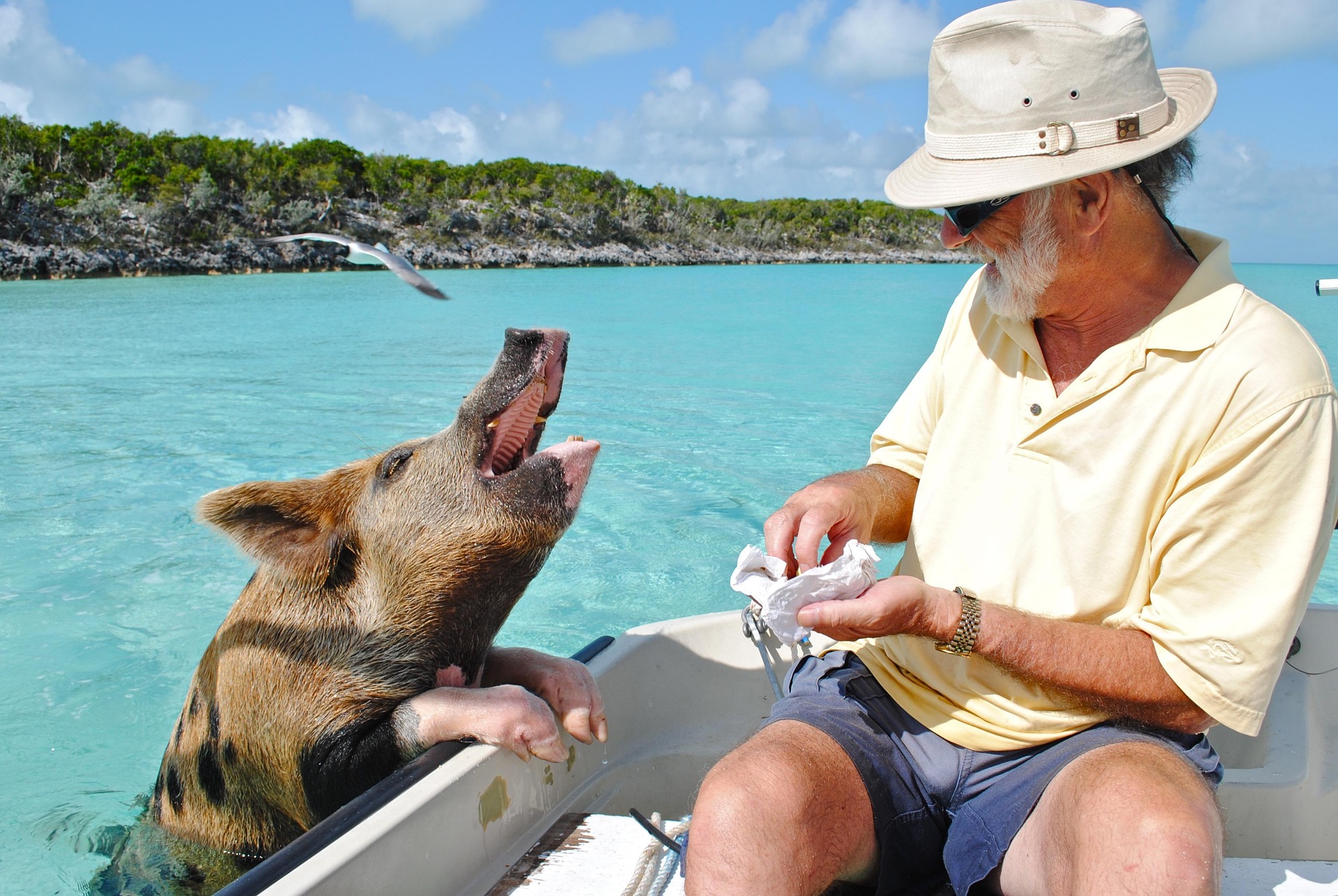
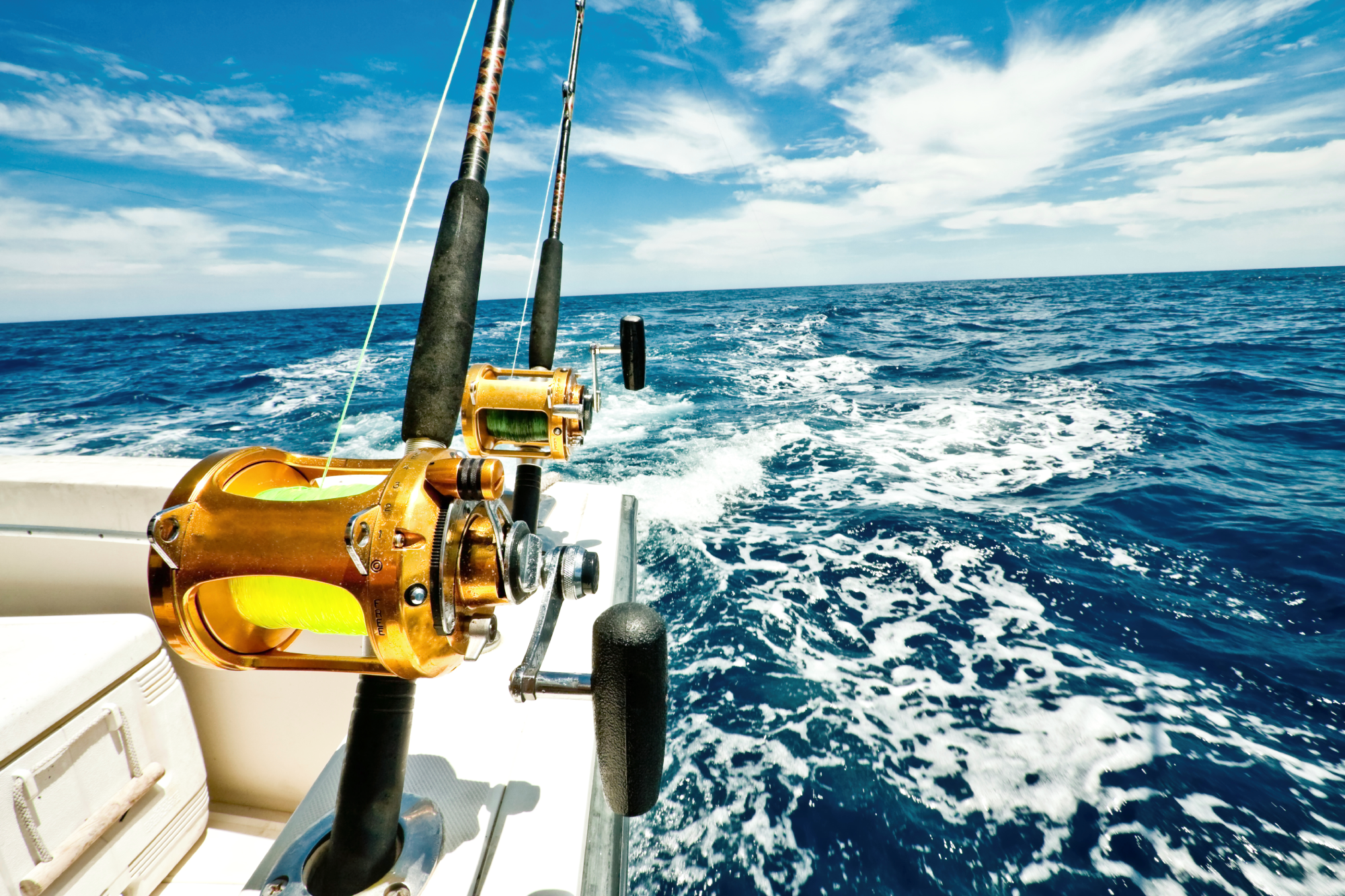
Nassau and Paradise Island suit travelers who want dining, nightlife, casinos and easy logistics. The Exumas are famous for crystal-clear water, uninhabited cays and experiences like swimming pigs, making them ideal for nature-focused travelers. Eleuthera and Harbour Island attract those seeking pink-sand beaches and boutique elegance, while islands like Andros appeal to divers and anglers.

The best places to visit in the Bahamas often involve combining one major hub with a quieter island, balancing convenience with immersion.


Travel Protection: Insurance vs. Evacuation Memberships

For serious international travelers, especially those leaving resort zones, traditional travel insurance often falls short. Insurance typically reimburses expenses after the fact and may exclude or delay approvals for medical evacuation. A dedicated medical and security evacuation membership, by contrast, focuses on extraction and transport, moving you to appropriate care quickly rather than reimbursing later.

Many US travelers ask whether Global Rescue is worth the money if they only take one or two major international trips annually. The answer depends on risk tolerance, destination profile and personal circumstances. For travelers visiting remote islands, engaging in boating or adventure activities or traveling during hurricane season, the value proposition is strong. One serious incident can outweigh years of membership costs.


Is Global Rescue a Good Fit for Older Travelers or Teens?

For US travelers aged 65+, concerns about age limits and medical restrictions are common. Global Rescue does not impose upper age limits and evaluates cases based on medical necessity rather than age alone. Older travelers often benefit the most, as they are statistically more likely to require medical transport and continuity of care back home.

Travelers who most often regret choosing standard insurance over Global Rescue include those who suffer orthopedic injuries, cardiac events or complications in destinations with limited medical infrastructure. Families, boaters, divers and travelers assuming resorts equate to US-level care frequently reassess after a single serious incident.

Parents sending teens on international study or exchange programs should insist on evacuation protection that includes medical, security and crisis-response coordination, not just insurance reimbursement. Programs should demonstrate clear protocols for extraction, communication and parental involvement during emergencies.


The Global Rescue Connection

The Bahamas may feel close to home, but medical realities can change quickly once an incident occurs, especially outside Nassau or Paradise Island.

While visiting Marsh Harbour, Bahamas, a Global Rescue member tripped, fell and suffered a severe knee injury. She contacted Global Rescue immediately while her friends arranged a taxi to a local medical center. An X-ray revealed a broken kneecap and the treating physician strongly recommended further evaluation and treatment in the United States.

Global Rescue medical operations reviewed the case and agreed that immediate treatment was necessary. With no further travel plans and a preference to receive care near her home in Miami, Global Rescue arranged two business-class seats for the member and her non-medical escort on a flight from the Bahamas to Miami. The team coordinated her hospital admission upon arrival and provided wheelchair and luggage assistance throughout the journey.

The member expressed her gratitude and confirmed no further assistance was required, but the outcome underscored a critical lesson echoed across Global Rescue’s case history: even in destinations as familiar and welcoming as the Bahamas, having a dedicated medical evacuation and support membership can make the difference between uncertainty and decisive care.