Article Highlights:

  • May and June align global fish migrations with optimal regional conditions, from tropical billfish to Arctic cod.
  • Offshore destinations often combine world-class fishing with limited medical and emergency response.
  • Weather variability and early storm seasons heighten operational risk during peak fishing months.
  • Fishing methods range from fly fishing and light tackle to deep-water offshore trolling, each with distinct safety considerations.
  • Remote fisheries demand advance planning for medical, evacuation and advisory support.


May and June represent one of the most dynamic periods on the global fishing calendar. Across hemispheres, warming waters trigger migratory movements of large pelagic species, tropical regions enter their productive “green season,” and high-latitude destinations open up under extended daylight.

For traveling anglers, this window delivers exceptional diversity, from offshore marlin grounds and reef-lined flats to cold-water cod fisheries and African river systems. It also introduces a common operational reality: many of the world’s best fishing destinations are remote, weather-exposed and lightly resourced from a medical and emergency-response standpoint.


What Fishing Destinations Matter?

The Bahamas for Marlin and More

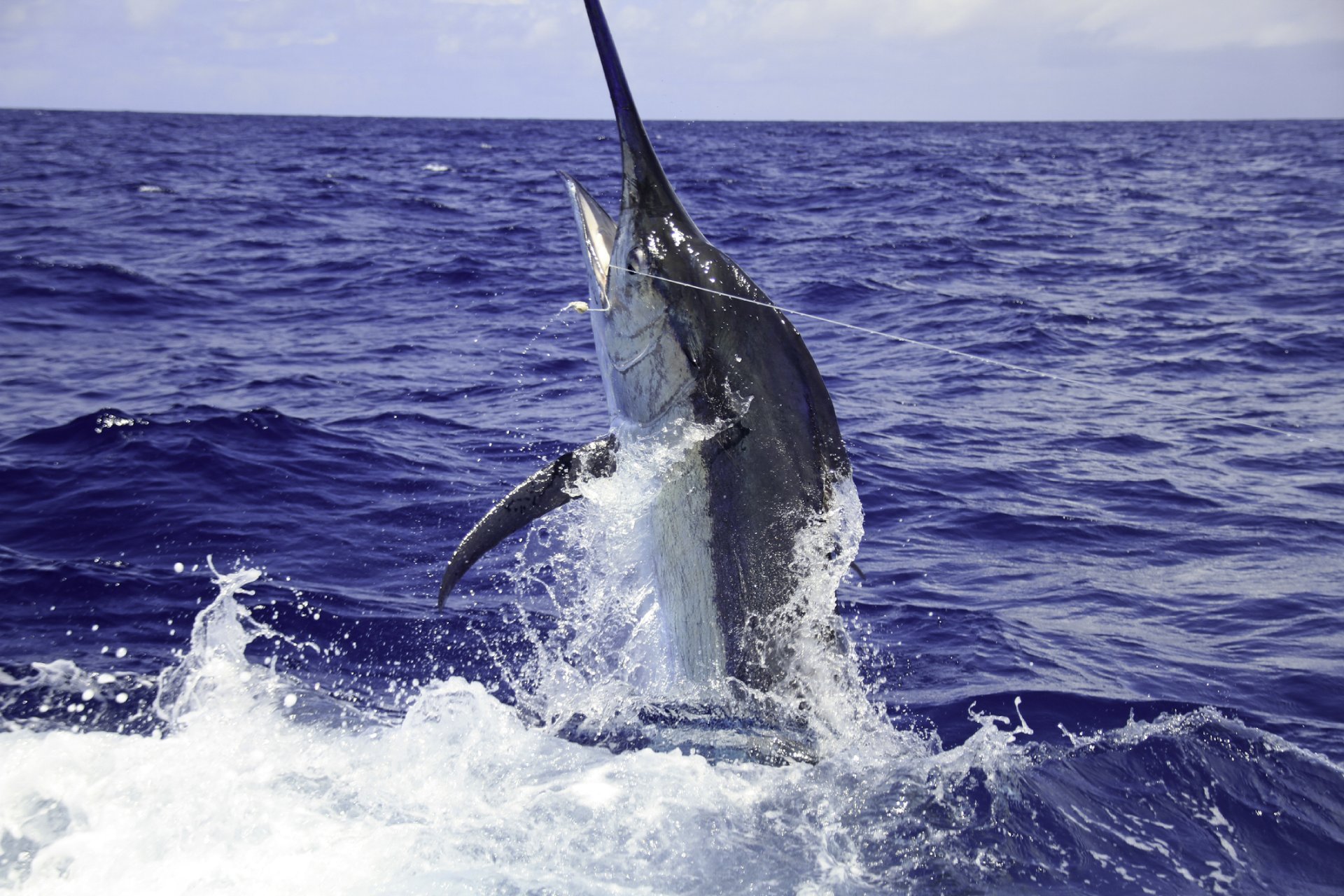
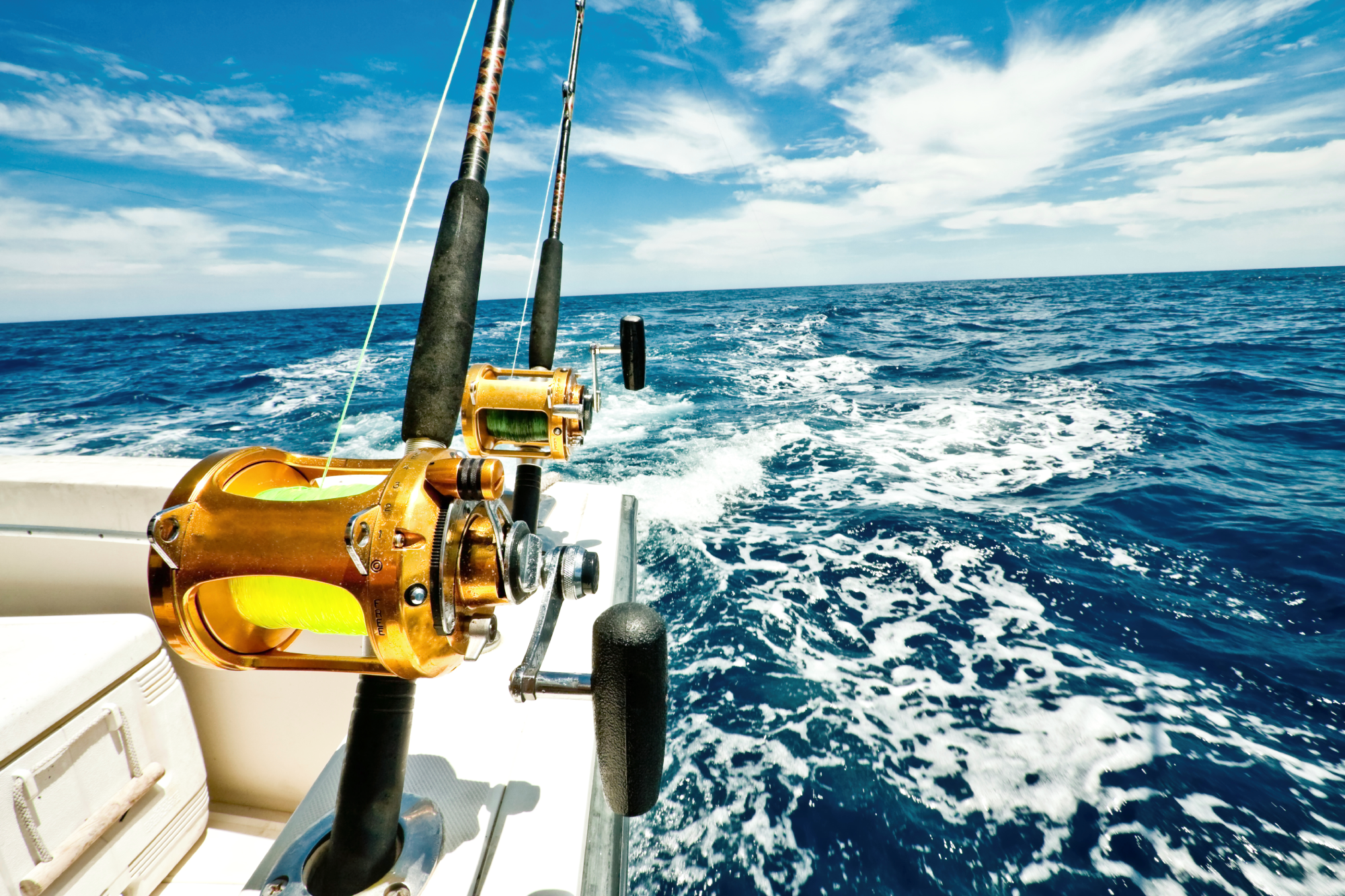
The Bahamas, particularly Abaco, Grand Bahama and Chub Cay, anchor the early summer billfish season in the western Atlantic. These islands are synonymous with blue and white marlin, wahoo and a strong yellowfin tuna presence, especially around the Tongue of the Ocean. Fishing here is primarily offshore trolling and live-baiting, though light-tackle enthusiasts target smaller “rat” marlin during peak tournament weeks. Weather is generally stable in May, with rising humidity and the early edges of hurricane season appearing in June. Healthcare infrastructure varies widely: Nassau offers modern hospitals, but out islands rely on small clinics and air transport for serious care. First responders are limited outside population centers and offshore incidents can involve long response times. Security risks are generally low in the Abacos and Chub Cay, though standard maritime vigilance is advised.


Mahi Mahi in Mexico

Mexico offers two distinct May–June fisheries. Cabo San Lucas marks the beginning of blue marlin and black marlin season, with striped marlin still present and yellowfin tuna and mahi mahi mixed in. Fishing is predominantly offshore trolling and kite fishing in open Pacific conditions, where sudden weather shifts and heavy seas are not uncommon. Cabo’s private healthcare facilities are strong by regional standards, but evacuation is often required for trauma or cardiac events. On the opposite coast, the Yucatan and the Yucatan Channel come alive in June with mahi mahi, billfish and tarpon migrations along the flats and channels. Fly fishing and light spinning dominate inshore, while offshore boats pursue pelagics. Healthcare access outside Cancún and Mérida is limited and seasonal storms can complicate logistics.


Tarpon Migration in Belize

Belize is defined in May and June by its tarpon migration, one of the Atlantic’s most celebrated inshore events. Large tarpon move along the reef and river mouths, attracting fly anglers from around the world. Permit and bonefish round out the flats species, while offshore anglers encounter mahi mahi and occasional marlin. Weather is hot and humid, with afternoon storms common. Belize City has the country’s best hospitals, but care in fishing lodges and outer atolls is minimal. First responder capabilities are basic and evacuation is the primary option for serious injury. Crime risks exist in urban areas, though fishing regions are generally insulated.


Trolling in the Dominican Republic

The Dominican Republic’s north and east coasts see a strong presence of blue marlin and white marlin in late spring, with May and June producing consistent action on light tackle. Offshore trolling dominates, often within sight of land, but infrastructure drops off quickly outside major ports. Santo Domingo offers advanced medical facilities, while coastal towns rely on small hospitals and clinics. Weather risks include sudden squalls and the early Atlantic hurricane pattern. Security considerations vary by region, with travelers advised to rely on reputable operators.


Norway for Cod, Halibut and Haddock

Norway’s Lofoten Islands present a dramatic contrast. By June, the midnight sun enables around-the-clock fishing for cod, halibut and haddock in cold, nutrient-rich waters. Fishing styles include deep-water jigging and bait fishing from small boats in exposed seas. Weather can change rapidly, with cold water presenting hypothermia risks year-round. Norway’s healthcare system is world-class, but response times in Lofoten can be extended due to distance and weather. Maritime rescue is capable yet dependent on conditions, making risk planning essential.


Costa Rica Trolling for Wahoo and Dorado

Costa Rica’s Pacific coast enters its green season in May, bringing nutrient runoff that fuels dorado, yellowfin tuna, wahoo and marlin. Offshore trolling is the primary method, complemented by inshore roosterfish and snapper. Rainfall increases, but fishing quality remains high and crowds thin. Healthcare in San José is excellent, though coastal clinics are limited. Evacuation is often required for serious incidents offshore. Petty crime exists, but fishing regions are generally stable.


Blue Marlin in Hawaii

Hawaii, particularly Kona, is a global benchmark for blue marlin in June, along with mahi mahi and tuna. Calm seas and consistent currents define the season, with trolling and live baiting dominating. Healthcare access on the Big Island is adequate, though advanced care may require inter-island transfer. Offshore fishing distances are significant and response times at sea can be lengthy despite strong US Coast Guard capabilities.


Botswana Fly Fishing

Botswana’s Chobe River offers a freshwater counterpoint. June marks the dry season, concentrating tigerfish in receding channels and making for aggressive topwater and fly fishing. Conditions are hot but stable, with wildlife risks, hippos, crocodiles, present on the water. Healthcare infrastructure is limited outside major towns and evacuation to South Africa is common for serious cases. Security risks are low, but the remoteness of the river system defines the operational risk profile.


The Global Rescue Connection

Across all these destinations, natural hazards, storms, heat, cold exposure and wildlife, intersect with limited first responder coverage. May and June deliver exceptional fishing precisely because they place anglers where infrastructure is thinnest and conditions most dynamic.

International fishing in May and June often means operating far from population centers, hospitals and rapid-response services. Offshore incidents, injuries in remote lodges or sudden medical emergencies can quickly exceed local capabilities, particularly in developing regions or high-latitude environments.

A Global Rescue membership provides access to field rescue, medical evacuation and medical advisory services designed for precisely these scenarios. For anglers pursuing marlin off remote islands, tigerfish in African rivers or cod under the midnight sun, the ability to coordinate expert evacuation and care can be as essential as the right tackle, transforming risk exposure into managed adventure.