Article Highlights:

  • High-altitude helicopter evacuations on Mount Everest and nearby Himalayan peaks, with up to 25 rescues per day during peak season.
  • Medevac missions on Mount Kilimanjaro rescuing climbers suffering from edema, altitude sickness and respiratory emergencies.
  • Wide-scale helicopter rescues during major United States flooding events that required rooftop and swift-water extractions.
  • Grand Canyon National Park’s surge in helicopter rescues, with 13 extractions in a single week driven by heat illness, dehydration and injuries.
  • International medevac operations transporting injured or ill travelers from Costa Rica, Ecuador, Pakistan and other regions to hospitals capable of providing advanced care.


The year 2025 delivered some of the most remarkable rescue operations in recent memory. It highlighted exactly what Global Rescue does for its members whether it’s field rescue, medevac rescues or security extractions in an era of expanded remote adventure tourism, business travel to riskier destinations and leisure trips to regions with limited rescue infrastructure. Travelers are pushing themselves to more remote corners of the earth.

From the Himalayas to the deserts and from flood zones to remote jungles, expert rescue teams stepped into situations where minutes mattered and survival hung in the balance.

From the dramatic to the mundane and the technically demanding to the logistically challenging, Global Rescue successfully executed the most awe-inspiring rescues of the year, missions that demonstrate the extraordinary skill and coordination required to save lives when the world’s most unforgiving circumstances turn “oh, wow!” to “uh oh!”


High-Altitude Rescues in the Himalayas and Beyond

The top of the world is one of the most dangerous rescue environments anywhere and 2025 proved no exception. The Mount Everest climbing season brought a surge in rescue operations, with helicopter evacuations becoming a daily occurrence. At the height of the season, as many as 25 rescues per day were conducted in the Everest region and surrounding Himalayan peaks.

Many evacuations involved altitude-related illness, including high-altitude pulmonary edema and high-altitude cerebral edema, both of which can escalate from mild symptoms to life-threatening emergencies within hours. Other rescues addressed traumatic injuries from falls, frostbite cases and climbers incapacitated by exhaustion or hypoxia.

Beyond Nepal, dangerous high-altitude rescues unfolded on Mount Kilimanjaro as well. Climbers were evacuated for severe altitude sickness, respiratory complications, asthma attacks and edema. One climber suffering possible HACE became unable to walk and was rescued by helicopter from a high camp. Another climber experiencing chest pain, vomiting and hypoxia was airlifted for emergency treatment.

Each extraction at altitude is far more complex than a typical medevac. Thin air reduces helicopter lift, weather shifts rapidly and terrain offers little room for pilot error. These missions represent some of the most technically challenging helicopter rescues conducted anywhere in the world and the success of these operations in 2025 shows the increasing sophistication of global rescue efforts on the world’s highest mountains.


Water, Weather and Wilderness: Rescue in Extreme Environments

While high-altitude rescues made headlines, 2025 also delivered dramatic rescues in environments just as dangerous — flood zones, deserts and vast wilderness regions.

In the American Southwest, Grand Canyon National Park endured an intense early-summer heatwave. Backcountry rescues spiked, with park teams performing 13 helicopter extractions in seven days. Hikers experiencing severe dehydration, hyponatremia, heat stroke and traumatic injuries required rapid airborne evacuation from inner-canyon trails where ground teams could not reach them quickly enough.

Meanwhile, regions across the United States faced catastrophic summer flooding. In several states, helicopter rescue crews retrieved stranded residents from rooftops, cars, swollen rivers and entire neighborhoods cut off by rising water. These missions were conducted in fierce weather, strong winds and unstable conditions, where precision flying and rapid medical response were essential.

Elsewhere, wilderness rescues in remote forests, deserts and canyons required highly coordinated field rescue and medevac operations. Hikers and explorers facing broken bones, heat illness, severe dehydration, snake bites and traumatic injuries were extracted using both helicopter rescue and coordinated ground teams working in tandem.

These missions demonstrated the versatility of modern rescue operations, proving that helicopter rescue is not just a specialty for mountaineers, but a critical tool for flood survivors, stranded motorists, backcountry adventurers and anyone caught in a fast-developing emergency.


Road Accidents, Remote Trauma and International Medevac

Not all of 2025’s rescue stories involved extreme sports or natural disasters. Many of the most dramatic operations involved ordinary travelers experiencing major medical emergencies in locations without adequate healthcare.

In Central America, a traveler with a cervical spine injury required urgent medevac transport after a road accident. Local facilities could stabilize the injury but could not provide the specialized surgery required for recovery. A medical evacuation flight transported the patient to a higher-level trauma center abroad.

In South America, a motorcyclist struck in a remote area sustained a severe leg fracture. After stabilization in a small regional clinic, he was escorted on a commercial medical flight to return home for definitive surgery.

Across the high mountains of Pakistan’s Karakoram range, trekkers suffered frostbite, altitude illness and gastrointestinal distress severe enough to require emergency evacuation. Teams coordinated helicopter extraction, temporary medical stabilization in remote villages and international medical transport to facilities capable of managing the conditions.

Each of these operations demonstrates a growing global reality: travelers are exploring farther, hospitals do not exist everywhere and medical emergencies often occur where advanced care is not available. Medevac operations, whether by air ambulance or medically supported commercial flight, are increasingly essential to global mobility and safety.


The Expanding Importance of Helicopter Rescue in 2025

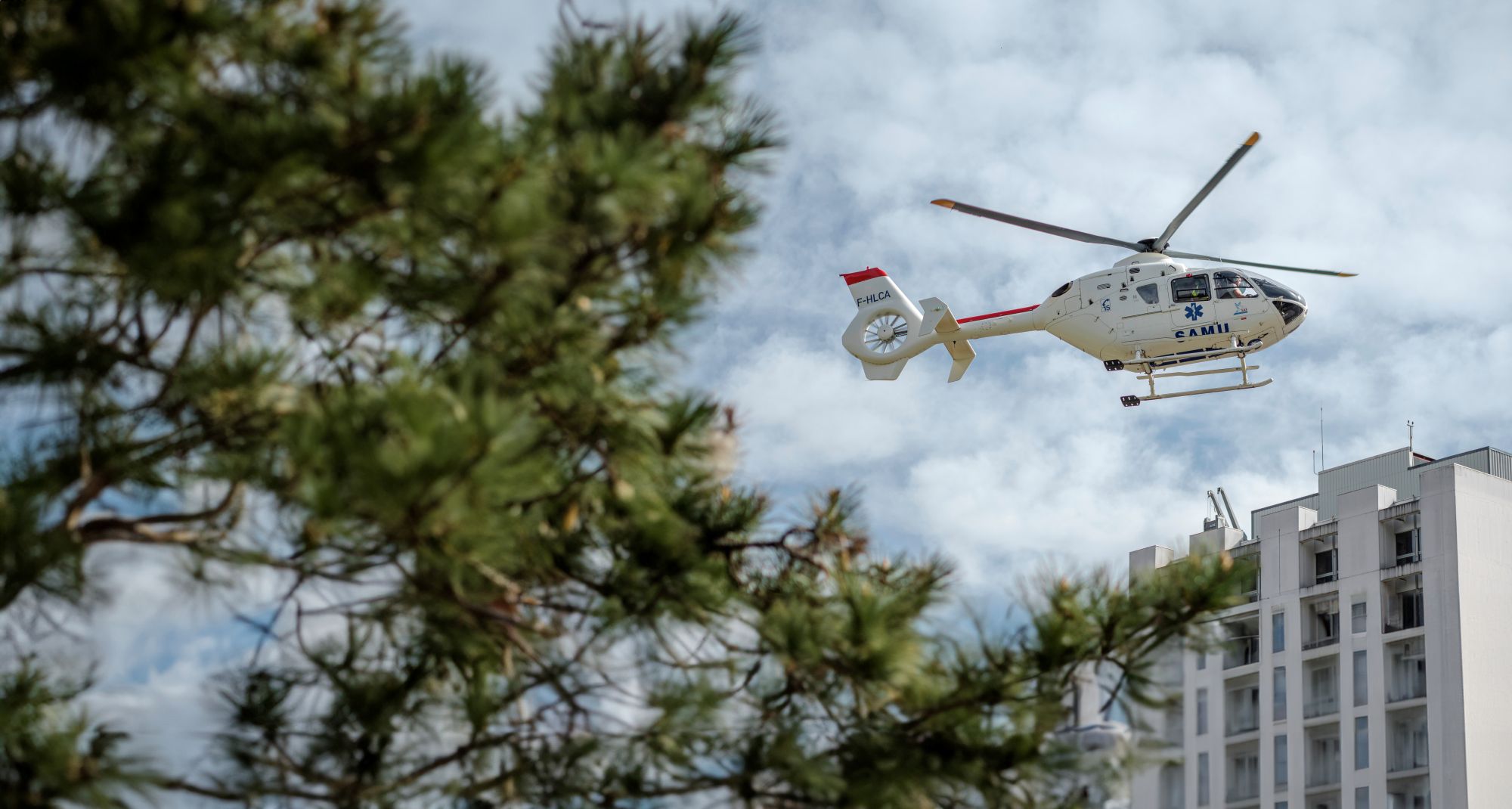
A notable trend in 2025 was the rising demand for helicopter rescue capabilities worldwide. More people are traveling to remote areas, extreme weather events are increasing and adventure tourism continues to grow. Helicopter rescue has become a primary response tool — not a last resort — for medical crises, disaster response and wilderness emergencies.

Across the globe, governments, private rescue organizations and travel assistance teams ramped up their helicopter fleets and training programs. The missions conducted this year illustrate why: helicopters can reach locations that ground responders simply cannot, including steep mountainsides, flooded neighborhoods, desert canyons and remote jungles.

The future of rescue will involve more aircraft, more specialized medical crews and more integration between local authorities and global rescue providers. The rescues of 2025 show how critical these capabilities already are, and how expanding them will save countless lives.


Why These Rescues Matter

The rescues of 2025 offer powerful lessons about risk, preparedness and the lifesaving potential of rapid response. They remind travelers and adventurers that remote environments come with unpredictable dangers and even carefully planned trips can turn into medical emergencies requiring immediate intervention.

They also highlight how essential global rescue infrastructure has become. A modern rescue is not just a helicopter or a medic; it is a coordinated system involving communications teams, medical consultants, logistics experts, regional authorities, pilots, paramedics and international transportation specialists.

What ties all of 2025’s most spectacular rescues together is a simple truth: without timely field rescue or medevac, many of these stories would have had very different outcomes.


The Global Rescue Connection

The events of 2025 clearly show that when emergencies unfold in the world’s most remote or dangerous environments, having access to field rescue, medevac and expert medical advisory services is essential. A Global Rescue membership provides the support necessary to coordinate and execute rescues like the ones described in this article.

Whether you are climbing at altitude, traveling internationally, volunteering abroad, trekking into wilderness terrain or simply exploring unfamiliar destinations, unexpected medical emergencies can strike without warning. Global Rescue ensures that you are not alone when they do. With access to evacuation, medical advisory, field rescue teams and worldwide medevac capabilities, travelers can explore with confidence knowing that expert help is always within reach.