Article Highlights:

  • Canada combines world-class cities with some of the most remote wilderness on earth.
  • Montreal, Toronto and Vancouver anchor the country’s cultural and business travel appeal.
  • Skiing, fishing and hunting in Canada often take place far beyond standard infrastructure.
  • Northern lights, Arctic expeditions and fly-in lodges define Canada’s most extreme adventures.
  • Global events like the FIFA World Cup will significantly impact travel demand in key cities.


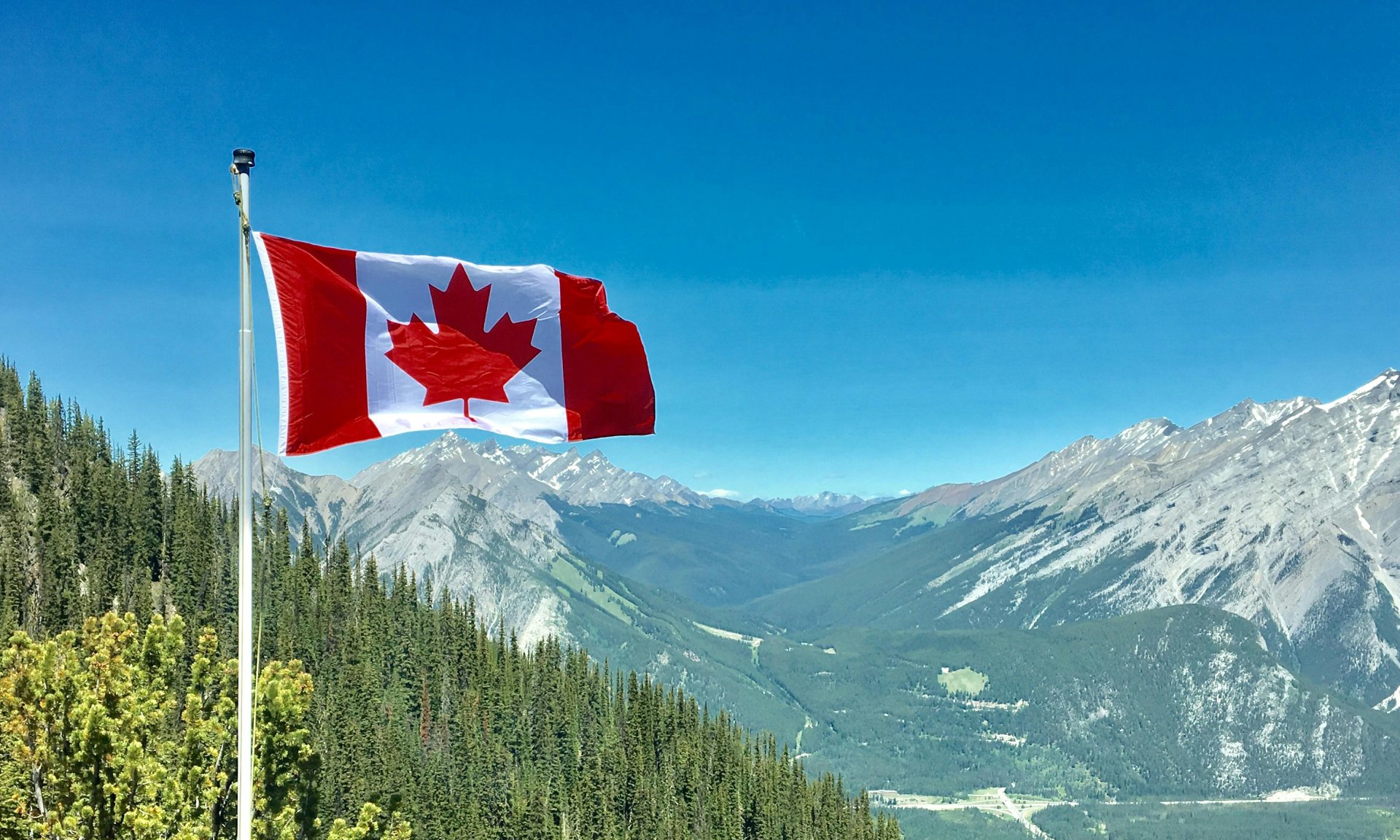
Canada is absolutely worth visiting, offering a rare combination of vast, untamed wilderness and some of the world’s most livable, multicultural cities. From the cultural sophistication of Montreal and Toronto to the mountain-and-ocean drama of Vancouver and British Columbia, the country delivers year-round appeal for adventure seekers, business travelers, retirees and leisure travelers alike. Whether the draw is skiing in Canada’s legendary powder, fly-in fishing in remote northern lakes, hunting in Canada’s rugged backcountry or witnessing the northern lights in Canada’s far reaches, the country rewards travelers willing to explore both its cities and its wild spaces.

Canada’s sheer size shapes every aspect of the travel experience. It is the second-largest country in the world, stretching from the temperate rainforests of British Columbia to the Arctic tundra of Nunavut. This scale creates extraordinary diversity. One trip can include world-class dining in Toronto, European-style cafés in Montreal, coastal hiking in Vancouver and glacier-fed lakes in the Rocky Mountains. It also means that travel planning matters. Distances between regions are vast, weather can vary dramatically and reaching the most rewarding destinations often requires specialized logistics.


Montreal, Toronto and Vancouver: Canada’s Urban Anchors

Canada’s major cities are a major reason it consistently ranks among the best countries in the world to visit.

Montreal blends French and English influences into a cultural identity unlike anywhere else in North America. Its historic Old Montreal, vibrant arts scene, festivals and culinary culture make it one of the most compelling leisure cities in the country. It is walkable, lively and distinctly European in feel.

Toronto is Canada’s economic engine and most cosmopolitan city. As a global hub for finance, technology, film and business, it attracts international travelers year-round. The city’s neighborhoods reflect its multicultural population and its proximity to Niagara Falls adds an easy natural escape for visitors.

Vancouver offers one of the most dramatic urban settings in the world. Mountains rise directly from the ocean, creating instant access to skiing, hiking, kayaking and wildlife viewing. For travelers who want outdoor adventure without sacrificing urban sophistication, Vancouver and the surrounding areas of British Columbia are unmatched.


Adventure Travel in Canada: World-Class and Often Remote

Canada is one of the premier adventure travel destinations on the planet, largely because so much of the country remains undeveloped and wild.

Skiing in Canada is legendary. British Columbia alone offers some of the best terrain on earth, from major resorts like Whistler Blackcomb to remote heli-skiing operations in Bella Coola, Bell 2 Lodge and the Monashee and Selkirk Mountains. Quebec’s Chic-Chocs Mountains provide rugged backcountry skiing with a distinctly different, windswept character.

Fishing in Canada attracts anglers from around the world. Remote fishing destinations in northern Saskatchewan, Manitoba and the Northwest Territories offer fly-in lodge experiences focused on trophy northern pike, lake trout and arctic grayling. Along the British Columbia coast, remote wilderness lodges provide world-class salmon and steelhead fishing in pristine settings.

Hunting in Canada is equally iconic and often logistically demanding. The Yukon Territory, northern British Columbia, Nunavut and the Northwest Territories offer wilderness hunts for species such as Dall sheep, Stone sheep, caribou, muskoxen, moose and bear. These hunts take place far from infrastructure, often accessible only by bush plane or river travel.

For travelers seeking true isolation, Canada’s most remote destinations deliver once-in-a-lifetime experiences. Baffin Island in Nunavut is renowned for extreme Arctic expeditions. Torngat Mountains National Park in Newfoundland and Labrador offers isolated hiking in a stark, breathtaking landscape. The Great Bear Rainforest in British Columbia combines coastal fjords, old-growth forest and rare wildlife. Churchill, Manitoba is famous for polar bear viewing and northern lights in Canada’s remote tundra.


Leisure Travel and Seasonal Appeal

Canada offers strong seasonal variety. Summer brings hiking, whale watching, festivals and long daylight hours. Fall delivers spectacular foliage, especially in Quebec and Ontario. Winter transforms the country into a global destination for snow sports and northern lights viewing. Spring is quieter but rewarding in cities and coastal regions.

Leisure travelers benefit from Canada’s reputation as one of the safest and most welcoming countries in the world. Its national parks, clean cities and well-maintained infrastructure make it approachable even for first-time visitors.


Business Travel and Global Events

For business travelers, Canada’s major cities are globally connected and efficient. Toronto and Vancouver in particular serve as gateways between North America, Europe and Asia. Strong financial systems, stable governance and a skilled workforce make Canada a frequent destination for conferences and corporate travel.

Canada will also play a role on the world stage during the FIFA World Cup, with matches hosted exclusively in Toronto and Vancouver. This global event will significantly impact travel to Canada during the tournament period, increasing demand for flights, hotels and transportation in those cities. Travelers planning visits during that time should expect higher prices, limited availability and increased crowding, especially in downtown areas and near stadiums.


Pros and Cons of Traveling to Canada

Canada’s strengths are substantial, but travelers should consider a few practical realities.

On the positive side, the country offers stunning natural beauty, vibrant cities, safety and cultural diversity. Outdoor recreation opportunities are unmatched and infrastructure in major regions is excellent. Canada is also perceived as welcoming and easy to navigate for international travelers.

On the downside, the country’s size means travel times can be long and internal flights expensive. Major cities such as Toronto, Vancouver and Montreal can be costly, particularly during peak seasons. Weather is another factor; winters can be severe and even summer conditions can change quickly in mountain and northern regions. Remote adventure travel often requires specialized planning, guides and contingency support.


The Global Rescue Connection

Traveling in Canada often means venturing far beyond urban centers, especially for adventure travel, extended leisure stays, or retirement abroad. While Canada is known for high-quality healthcare in major cities, first responders and medical facilities may not be readily available in remote regions such as the Arctic, northern forests, backcountry ski zones, or fly-in fishing and hunting areas. Delays caused by weather, distance, or limited access can quickly turn otherwise manageable injuries or illnesses into serious medical events.

That reality becomes clear in real-world scenarios. A 38-year-old U.S. traveler sustained multiple rib fractures and a dislocated shoulder following a skiing accident in Alberta. After receiving an initial medical evaluation, he needed to return home to New York for further treatment. Global Rescue coordinated the logistics and provided a non-medical escort, ensuring a safe and seamless transfer back to the United States, where he was admitted for continued care.

In another case, an SOS device owner contacted Global Rescue operations from British Columbia after an individual suffered severe burns to his foot from a camp stove accident. While the injured person was stable and responsive, he was in a remote location with limited access to immediate care. Global Rescue coordinated with first responders, supported on-site first aid efforts, and assisted in the rescue and recovery process—bridging the gap between wilderness injury and definitive care.

For travelers in Canada’s most isolated regions, preparation can be the difference between delay and decisive action. That was the case for Louis Cairo, owner and managing partner of GWC Injury Lawyers in Chicago, who was injured while traveling in the remote Stikine Region of northwestern British Columbia, an area roughly the size of Alabama with a population of about 1,000 people. Cairo’s expedition involved daily horseback travel and mountain travel while living entirely off-grid.

When his horse fell down a steep incline, Cairo was thrown more than 15 feet and suffered significant leg and knee injuries. Medical help was more than six hours away, and the terrain made self-evacuation impossible.

“There was no way I could have possibly gotten back on a horse and ridden through mountains, bogs and rivers to get to the lake where a float plane could pick me up,” Cairo said.

Using a satellite phone, Cairo’s team contacted Global Rescue and soon after a helicopter reached a clearing near the camp and transported him to Dease Lake, where he was in an emergency room within an hour of landing.

“That speed to care made all the difference,” Cairo said, noting that without evacuation, his injuries could have been far more severe, or permanent.

A Global Rescue membership provides critical support in exactly these scenarios. Field rescue, medical evacuation, and medical advisory services become especially valuable when traveling or living in areas where local resources are limited or inaccessible. For travelers considering extended stays or retirement abroad in Canada’s quieter, more remote regions, Global Rescue adds an essential layer of preparedness, ensuring access to expert assistance when it matters most, no matter how far from help they may be.

Global Rescue memberships also include personalized advisory services and 24/7 emergency assistance, reinforcing peace of mind for travelers who understand that in remote environments, accidents don’t need to be dramatic to become dangerous—they just need to happen far from help.