Article Highlights:

  • Speech, social media and photography laws vary dramatically worldwide and can criminalize everyday traveler behavior.
  • Countries such as China, Vietnam and Egypt actively monitor digital expression and enforce broad censorship laws.
  • Photography restrictions in places like the UAE and Egypt frequently catch tourists off guard.
  • US Department of State travel alert levels do not always reflect speech-related legal risks.
  • Travelers must understand local laws before arrival, not after an incident occurs.


International travel today extends far beyond visas, vaccinations and packing lists. In many countries, what you say, post online, photograph or even “like” on social media can carry legal consequences that surprise travelers accustomed to broad civil liberties at home. Laws governing speech, expression, photography and digital behavior vary dramatically by country and ignorance of them offers no protection.

For US travelers, understanding these legal and cultural boundaries is essential, especially as governments expand digital surveillance, censorship and enforcement against perceived dissent. The US Department of State regularly emphasizes these risks in its travel advisories, which range from Level 1 (Exercise Normal Precautions) to Level 4 (Do Not Travel). In destinations with strict speech or media controls, even routine tourism activities can escalate into serious legal trouble.


Why Speech and Social Media Laws Matter More Than Ever

Smartphones, cloud storage and social platforms mean your opinions now travel with you. Authorities in some countries actively monitor digital communications, inspect devices at borders and retroactively prosecute online behavior. Posts made months, or even years, earlier can become grounds for questioning or detention once you arrive.

This reality is especially important in destinations where freedom of expression is limited or undefined by Western standards. What may be protected speech in the United States can be interpreted as defamation, subversion, blasphemy or national security threats elsewhere.


Countries With the Strictest Speech & Social Media Laws

China: Discussions around free speech in China, China freedom of speech and freedom of expression China consistently highlight one of the world’s most advanced censorship systems. The “Great Firewall” blocks platforms such as Google, Instagram, Facebook, WhatsApp and X/Twitter. Online activity is monitored and laws governing national security, misinformation and public order are broadly defined.

Travelers have been questioned or detained for social media posts, academic research, photography or comments viewed as critical of the Communist Party, Taiwan, Tibet, Hong Kong or Xinjiang. China typically carries a Level 3: Reconsider Travel advisory due to arbitrary enforcement of laws and exit bans.

North Korea represents the extreme end of speech control. There is no independent media, no free internet access for citizens and absolute government oversight of information. Foreigners are closely supervised, photography is tightly restricted and accessing outside information can result in severe punishment. The US Department of State maintains a Level 4: Do Not Travel advisory.

Iran enforces strict controls on journalism, online expression and social media platforms. Journalists, academics and travelers have been detained for posts, interviews or photography deemed political or culturally inappropriate. VPN use is common but illegal. Iran remains under a Level 4: Do Not Travel advisory.

Eritrea and Turkmenistan: These countries are among the least free in the world for press and speech. Independent journalism is virtually nonexistent and foreign travelers may face scrutiny for research, writing or photography. Both countries are known for arbitrary detention and state surveillance.

Vietnam: Freedom of speech in Vietnam is constitutionally limited by national security laws. Authorities monitor online content, require removal of posts and prosecute individuals for criticism of the government. Travelers involved in journalism, advocacy or research face elevated risk. Vietnam is typically designated Level 1 or Level 2, but speech-related risks remain significant.

Russia and Belarus: Both countries employ repressive laws to silence journalists and opposition figures. Online speech, protests and media work can lead to detention. Travelers may be questioned about political views or past social media activity. Russia carries a Level 4: Do Not Travel advisory, while Belarus is also Level 4.


Countries With Strict Photography & Surveillance Laws

Photography restrictions often surprise travelers because violations may seem accidental.

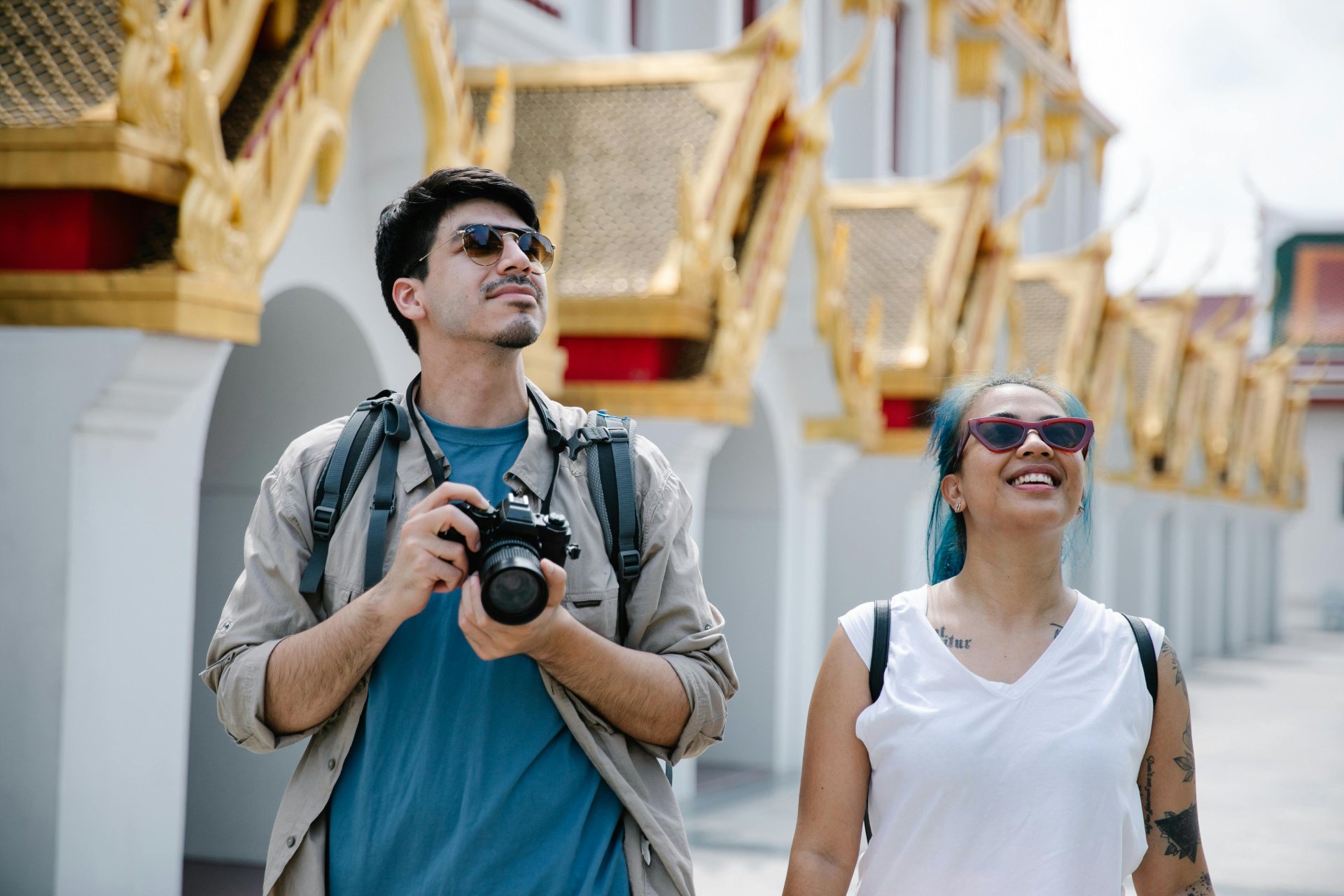
In the United Arab Emirates (UAE), photographing people without consent, government buildings, palaces, military installations or airports can result in heavy fines or jail time. Even sharing images online may be prosecutable. The UAE generally carries a Level 1 or Level 2 advisory, underscoring that low crime does not equal legal leniency.

Egypt enforces strict photography bans around military sites, infrastructure and archaeological locations such as specific tombs in the Valley of the Kings. Freedom of speech in Egypt is limited and journalists and researchers face heightened risk. Egypt is currently Level 3: Reconsider Travel.

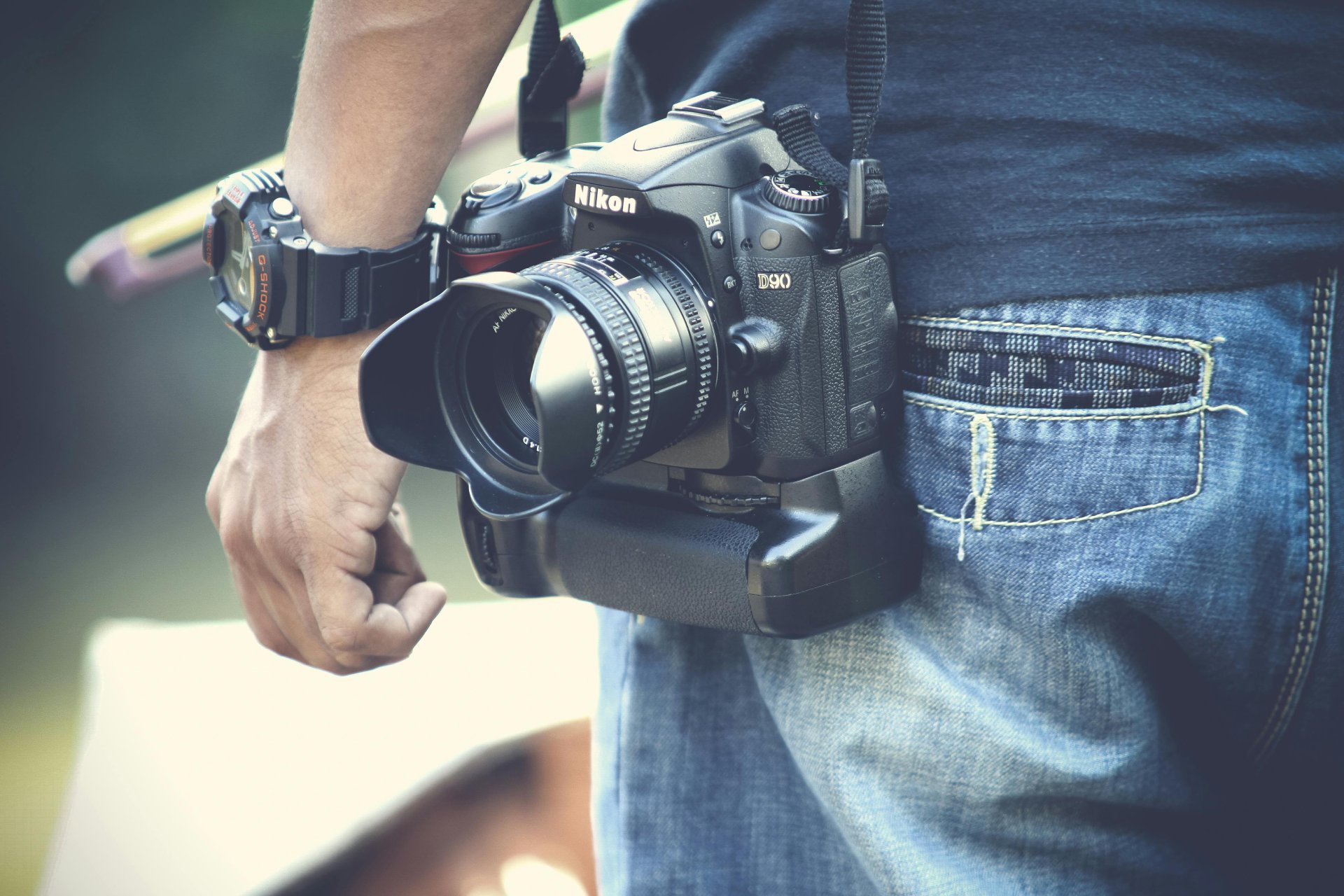
Algeria restricts photography of police, government buildings and sometimes women without consent. South Korea, while democratic, has strict privacy laws governing filming or photographing individuals without consent, especially with hidden or long-range lenses.


Regional Trends in Digital Restriction

Restrictions are not limited to authoritarian states. Democracies are also tightening digital regulations, albeit for different reasons.

France and Spain have passed laws addressing hate speech, misinformation and social media access for minors. While enforcement is generally transparent, travelers should be mindful that online behavior can still fall under local jurisdiction.

In India and Pakistan, debates over freedom of expression in India, freedom of speech in India and freedom of speech in Pakistan have intensified. Governments increasingly demand content takedowns, block platforms during unrest and prosecute speech under national security or religious laws. Both countries are typically Level 2: Exercise Increased Caution, but legal risks related to speech are real, especially during political or religious tensions.


How These Laws Impact International Travelers

For travelers, the consequences of violating speech or media laws can include:

  • Questioning or detention at airports or hotels.
  • Confiscation of phones, cameras or laptops.
  • Fines, deportation or travel bans.
  • Arrest and imprisonment without transparent legal processes

Even passive behavior, such as reposting content, attending demonstrations or photographing the “wrong” location, can trigger enforcement.


The Global Rescue Connection

Navigating speech, photography and social media laws abroad requires more than common sense, it requires reliable, destination-specific intelligence. A Global Rescue membership provides travelers with detailed destination reports outlining local laws, cultural sensitivities and practical dos and don’ts for each country, including guidance on digital behavior and photography restrictions.

In situations where travelers face detention, questioning or legal uncertainty, Global Rescue can also assist with legal locator services, helping members identify appropriate local legal resources quickly. When traveling to countries with strict speech controls or heightened surveillance, this kind of advance preparation and on-the-ground support can make the difference between a manageable complication and a life-altering crisis.

For international travelers, understanding the limits of expression is an essential part of responsible, informed global travel.