Article Highlights:

  • How embassies assist with passport replacement and repatriation during civil unrest.
  • How to contact embassies and consulates abroad for emergencies and non-emergencies.
  • When and how travelers should visit diplomatic offices in person.
  • What embassy services cover, and where their limitations begin.
  • How Global Rescue fills the gap with field rescue, medical evacuation and advisory support.


When traveling abroad, your embassy or consulate is one of the most reliable sources of assistance you have. Many travelers, however, don’t know how to reach these offices or what help they actually provide. Whether you’re looking for routine passport services, need legal guidance or suddenly find yourself in a situation involving civil unrest, knowing how to contact your embassy and what to expect can dramatically influence your safety and peace of mind.

Travelers often picture embassies as places people turn to only during emergencies. In reality, they routinely help with a wide range of travel-related needs, from replacing lost documents to answering questions about local laws. When emergencies do occur, such as a stolen passport, an arrest, a medical issue or a rapidly deteriorating political climate, embassies and consulates serve as critical lifelines for citizens who need authoritative guidance and government support.


Embassy or Consulate: What’s the Difference and Whom Should You Contact?

Embassies and consulates serve similar functions but operate in different locations and capacities. An embassy is located in a country’s capital and functions as the main diplomatic hub. A consulate, often located in major regional cities, focuses more directly on citizen services. Travelers may encounter US embassies and consulates, Canadian embassies and consulates, the UK embassy and British consular offices or the diplomatic missions of any other country, depending on their nationality.

If you are traveling outside the capital city, you will typically get faster help from the nearest consulate. If you are in or near the capital, the embassy is likely your primary point of contact. In both cases, consular staff provide the same essential assistance: they help citizens navigate difficult situations, coordinate with local authorities and provide documentation and guidance that only a government can issue.


How To Contact Your Embassy Abroad

Most travelers begin with a simple question: “What number do I call?”

Every embassy and consulate maintains emergency and non-emergency phone lines. For Americans, these are listed at usembassy.gov, along with the 24/7 State Department hotline at +1-202-501-4444. Canadians can call the government’s Emergency Watch and Response Centre at +1-613-996-8885, while UK travelers can reach the global assistance line at +44 20 7008 5000. Local embassy or consulate numbers are also published on official government travel sites.

When you call, ask specifically for American Citizen Services, Canadian Citizen Services, British Citizen Services or the appropriate citizen services department for any other country, depending on your nationality. These departments handle traveler emergencies, documentation needs and general assistance.

A common question is whether travelers can physically visit the embassy or consulate. In most cases, yes, travelers can appear in person for routine services or urgent matters. But during emergencies, political demonstrations or security incidents, diplomatic offices may temporarily restrict entry or adjust operations. It’s always best to call before approaching the building, especially if unrest is occurring nearby. Embassies can become symbolic gathering points during protests and travelers should avoid placing themselves in harm’s way.


Why Travelers Contact Their Embassy

Travelers contact their embassies for many reasons — some urgent, others routine. A lost passport, an unexpected hospitalization, a misunderstanding with law enforcement or simply confusion about local rules can send a traveler searching for help. Embassies offer key forms of support, including guidance, documentation and communication with authorities. During major crises such as political unrest, their role becomes even more important.

One of the most common forms of assistance involves passport replacement. If your passport is lost, stolen or damaged, consular officials can issue an emergency travel document or a full-validity replacement, depending on the circumstances. During civil unrest, they may accelerate this process so travelers can leave the country quickly. Many travelers do not realize that a missing passport, even if no emergency is occurring, can be resolved at any embassy or consulate overseas.

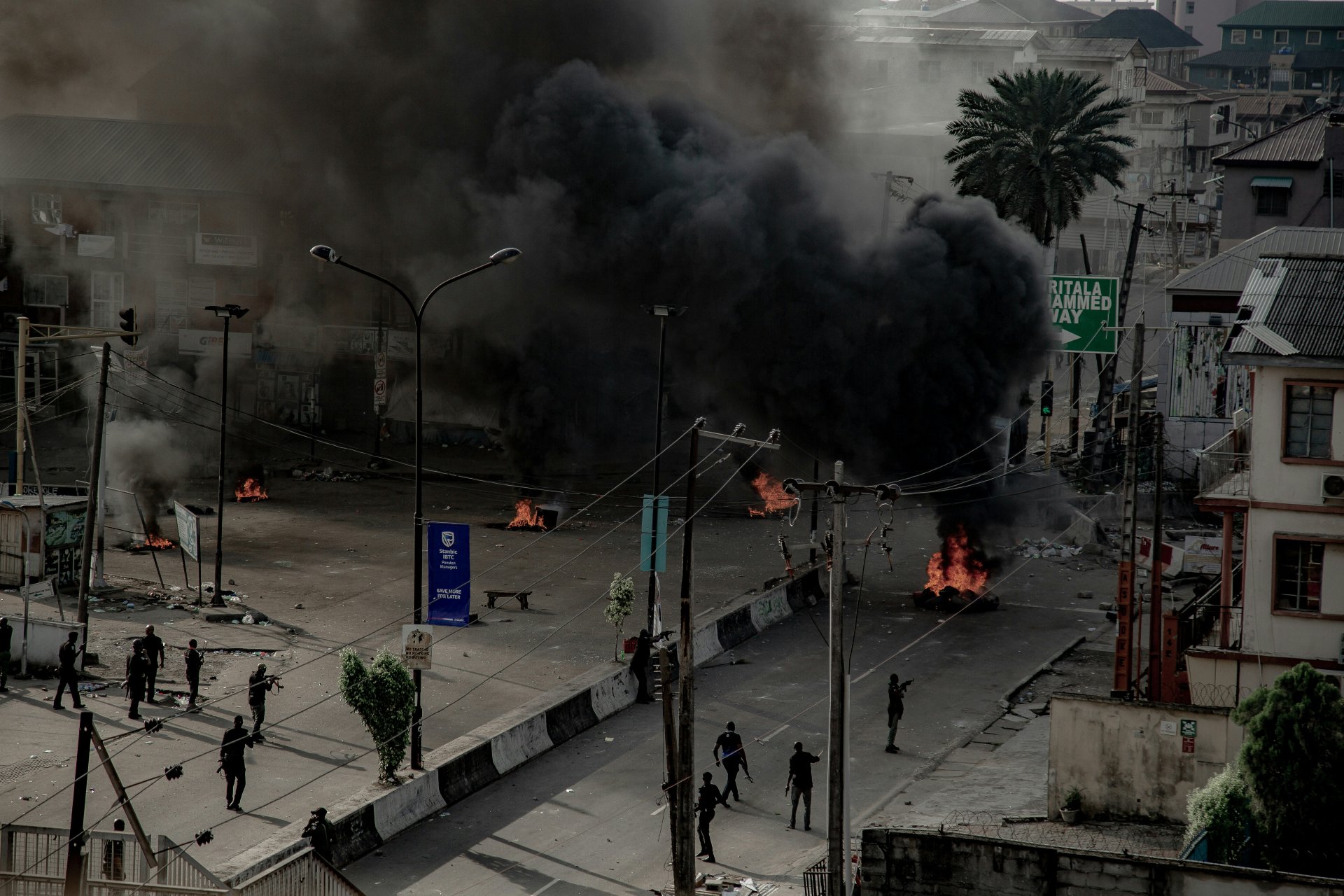
Another significant category of assistance involves crisis and repatriation support. When demonstrations escalate or political stability deteriorates, embassies monitor events closely and issue official guidance. They may instruct travelers to shelter in place, avoid specific areas or follow predetermined routes to safer locations. In some situations, they coordinate assisted departures or support repatriation efforts, though these operations depend on local conditions and are not guaranteed. Their role is advisory and coordinative, not a substitute for private rescue services.

Travelers also turn to embassies when they face arrest or detention, which can occur during political turmoil or even through misunderstandings. While consular officers cannot secure a traveler’s release or influence local legal proceedings, they can ensure access to legal representation, communicate with family members and monitor the traveler’s welfare in custody.

Medical issues are another common reason travelers reach out. Although embassies cannot pay medical bills or arrange medical evacuations, they can recommend hospitals, communicate on a traveler’s behalf and assist with documentation and coordination. When someone is injured during civil unrest, whether from crowd activity, police actions or accidents, this guidance becomes particularly valuable.

Embassies also help those who become victims of crime. Theft, assault and harassment often increase during periods of instability. Consular staff can explain how to report crimes to local authorities, assist in replacing passports and help victims communicate with family or support networks.


Non-Emergency Embassy Support for Travelers

In addition to emergencies, people visit embassies for everyday services: notarizing documents, registering births or deaths abroad, obtaining legal guidance, accessing limited emergency financial assistance, asking questions about local customs or submitting ballots for elections back home. These administrative functions often go unnoticed until travelers need them.

Finally, during political unrest, embassies act as information hubs. They issue safety alerts, advise travelers on movement restrictions and help citizens understand rapidly changing situations. Travelers, however, must also recognize that embassies have limitations. They cannot override local law, evacuate citizens by force, pay for hotels or transportation or provide armed protection. Their diplomatic mandate places clear boundaries around what they can do.

Understanding these boundaries is essential, because many travelers assume their government will physically rescue them in a crisis. In reality, embassies offer guidance, communication, documentation and coordination, not tactical rescue or medical evacuation.


The Global Rescue Connection

This is where Global Rescue becomes indispensable. While embassies provide critical diplomatic support, they are not designed to perform the operational tasks travelers most urgently need during emergencies, especially those involving danger, injury or unstable political environments. Global Rescue fills this gap with capabilities no government office can offer on demand.

With a Global Rescue membership, travelers gain access to field rescue, enabling extraction from the point of illness, injury or danger. They also receive medical evacuation to their home hospital of choice, medical advisory services staffed by expert physicians, security evacuation assistance during civil unrest and real-time travel intelligence to help them avoid hazards altogether.

Embassies guide you. Global Rescue gets you out.