Article Highlights:

  • 63% of travelers say government advisories influence their destination choices, with women and younger travelers being more affected.
  • A 14% drop in concerns about how Americans are perceived abroad, signaling an improvement in global sentiment.
  • 71% of travelers report no changes to their plans despite international policy concerns, though younger travelers are more likely to adjust.
  • Destinations in Israel, Pakistan and China top the list for avoidance due to updated government advisories.
  • 72% of travelers are considering or planning to obtain security extraction protection due to rising global instability.


Government-issued travel advisories have long been a key factor influencing travelers’ decisions. But with global uncertainty on the rise, these advisories are now having a more significant impact than ever before. According to the Global Rescue Summer 2025 Traveler Safety and Sentiment Survey, 63% of the world’s most experienced travelers report that government travel advisories affect their destination choices to at least a moderate degree. This growing reliance on safety information has reshaped how people approach international travel.

The survey reveals that safety concerns continue to weigh heavily on the minds of travelers. Whether it’s political unrest, natural disasters, or health-related crises, government travel advisories provide essential updates to travelers seeking reassurance before embarking on a journey. The information is not just a minor consideration; it significantly influences where people choose to go — and where they avoid.

Interestingly, the survey found that women are more likely than men to be influenced by these advisories, with a 6% difference. Furthermore, younger travelers, particularly those under 35, are more likely to report that travel advisories impact them “a great deal” compared to older generations (11% vs. 8%). These trends highlight the increasing importance of safety information and its role in shaping travel behavior.

Dan Richards, CEO of The Global Rescue Companies, underscores the impact of these findings, stating that “safety information from official government sources plays a decisive role in where people are willing to travel.” This shift towards prioritizing safety has led to a heightened focus on emergency preparedness, including memberships and services like Global Rescue, which offer travel security and medical evacuation options.


Perceptions of American Travelers: A Changing Landscape

The Global Rescue survey also sheds light on evolving perceptions of American travelers. Perceptions of Americans traveling abroad dipped in early 2025, but the latest survey indicates improvement, specifically a 14% drop in the number of travelers expecting negative views of US citizens abroad. This shift marks a significant upgrading in global sentiment toward American travelers, a trend that is particularly encouraging for the tourism industry.

Dan Richards notes that this improvement is “a meaningful drop in concern about how Americans are perceived internationally.” While there is still wariness about political developments, the data suggests that most travelers are moving forward with their plans, feeling more confident in their ability to navigate geopolitical tensions.

Despite this positive shift, some travelers remain cautious. For instance, 13% of respondents reported altering their travel due to such concerns, while 16% were still considering changes. The majority (71%) of respondents said that their travel plans have not changed. The survey further reveals that younger travelers under 35 are more likely to adjust their plans than older travelers, with 22% of younger respondents reporting changes to their travel plans compared to just 9% of older travelers.


Asia, Europe, the Americas and the Middle East: Risky Destinations

The influence of government advisories is most visible when considering which destinations travelers are choosing to avoid. In Asia and the Middle East, travelers most frequently reported avoiding destinations like Israel (64%), Pakistan (63%), Jordan (49%), China (45%) and the UAE (35%). Notably, women were more likely than men to avoid Israel and Jordan, with a 12% difference in response rates.

In Europe, however, the majority of respondents (59%) said they would not avoid any destination despite elevated advisories. Albania was the most frequently avoided country in Europe, cited by 22% of respondents, followed by France and Spain.

In the Americas, Colombia (34%), Mexico (33%) and the Dominican Republic (29%) were the countries most avoided. US-based travelers were far more likely to avoid Mexico and the Dominican Republic than non-US travelers, signaling a regional divide in the influence of government advisories on travel plans.


The Growing Demand for Security Extraction Protection

As concerns over international instability grow, 72% of survey respondents indicated they plan to obtain traveler security extraction protection or are considering it. This rise in interest reflects a broader trend in the travel industry: more travelers are seeking peace of mind by investing in services that can quickly evacuate them from potentially dangerous situations.

Non-US travelers were slightly more likely than US-based travelers to consider obtaining such protection (4% more likely), further emphasizing the global nature of these concerns. Security membership services, like those offered by Global Rescue, have become a core part of travelers’ safety plans, offering a lifeline in the event of a crisis, whether caused by political unrest, natural disasters or regional instability.


Domestic Unrest: A Growing Concern for International Travelers

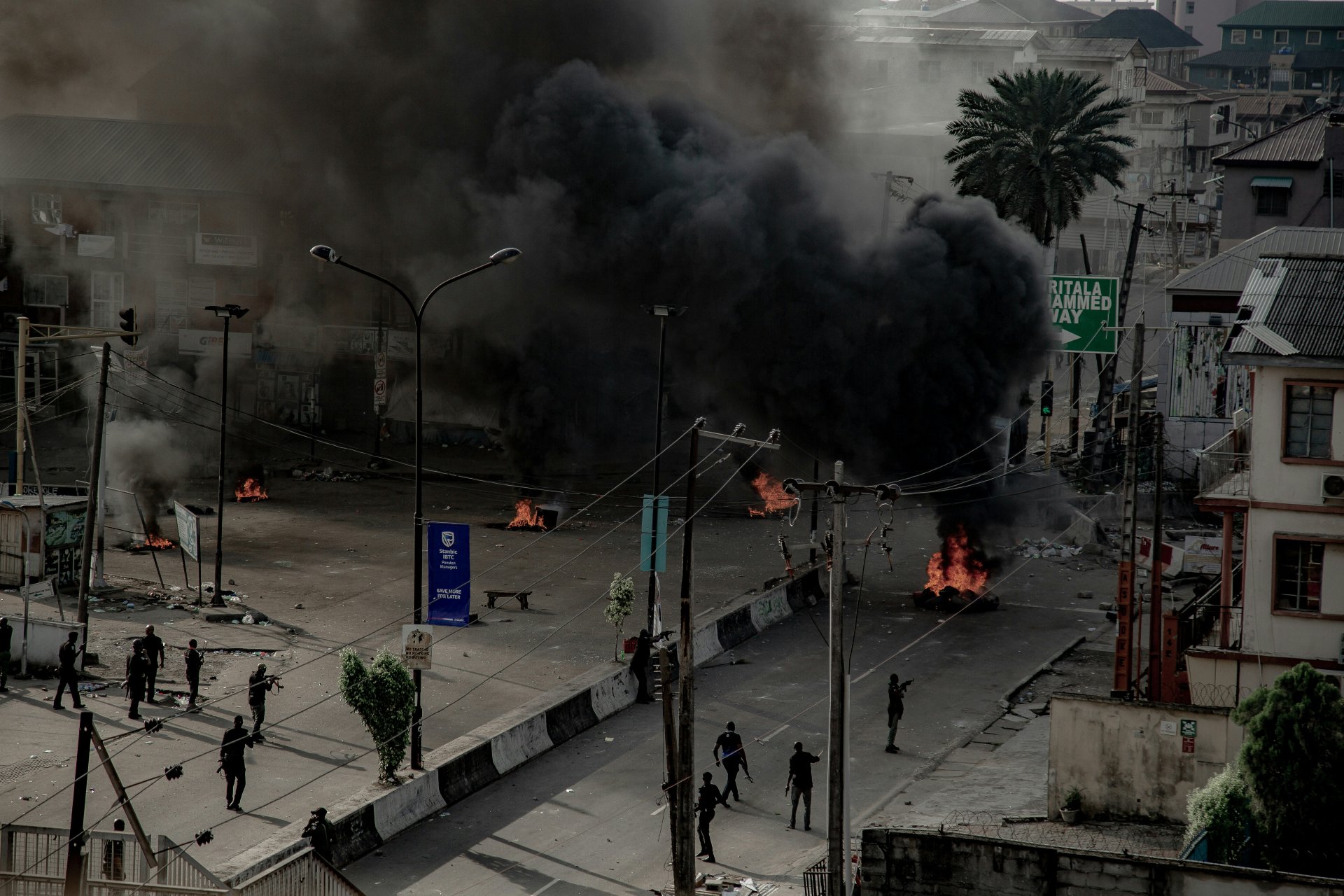
While international tensions dominate the global stage, domestic unrest in the United States is also affecting travel plans. According to the survey, 52% of respondents said that their US travel plans have not changed due to domestic unrest. International travelers, however, are more likely to reconsider travel to or within the US due to concerns over protests and political instability. Nearly 12% of non-US travelers reported canceling travel to the US because of these factors, a stark contrast to the 1% of US-based respondents who canceled travel within the country.

The survey also found that 62% of respondents worldwide said that the political climate in the US does not affect their travel plans. But only 26% of non-US respondents felt the same way. This disparity highlights a growing perception gap between American and international travelers. The data suggests that political factors are increasingly influencing the decisions of non-US travelers, with nearly 20% of them reconsidering future trips to the US due to concerns over civil unrest and political tensions.

Younger travelers, particularly those under 35, are most responsive to political factors and civil unrest. Almost 10% of respondents in this age group reported postponing US travel due to political concerns, more than double the rate of those aged 55 and older. Additionally, 8% of travelers under 35 said they had canceled their US travel plans entirely due to protests or unrest. These findings underscore the significant impact of political developments on younger generations, who are more likely to react to shifts in the political climate.


The Global Rescue Connection

Traveling in 2025 requires careful consideration of safety, security and global developments. As the world continues to navigate political, social and environmental challenges, travelers are increasingly turning to government travel advisories for guidance. Whether it’s adjusting travel plans in response to unrest or seeking security extraction services for peace of mind, it’s clear that safety is paramount.

At Global Rescue, we understand the importance of keeping travelers safe in unpredictable situations. Our services are designed to provide the backup and support you need, whether you’re exploring a new country or navigating domestic unrest. As the world continues to evolve, we remain committed to ensuring that our members are never left behind, offering critical resources, support and evacuation services when needed most. Stay informed, stay safe and let us be your guide in the face of uncertainty.