Article Highlights:

  • Countries with strict, mandatory food labeling laws offer the safest environments for travelers with food allergies.
  • The UK, EU, Italy, Australia, Canada and the US lead globally in allergen disclosure and food inspection.
  • China, Japan, Southeast Asia and parts of Latin America pose higher risks due to hidden ingredients.
  • Food allergies and food poisoning are distinct risks, but both can become serious abroad.
  • Global Rescue memberships add critical protection through medical advisory, evacuation and destination intelligence.


For travelers living with food allergies, international travel can feel like navigating a culinary minefield. While some countries lead the world in transparent food labeling, rigorous food inspection and public health protections, others still rely heavily on informal food systems, vague ingredient disclosure or cultural cooking practices that make allergen avoidance extremely difficult.

Understanding how food labeling laws, nutrition facts label standards and food safety enforcement differ around the world is just as important as booking flights or accommodations. For travelers with severe allergies, these differences can determine whether a destination feels liberating, or dangerous.


Why Food Labeling Laws Matter Abroad

Food allergies don’t stop at borders, but legal protections often do. In countries with strong food labeling requirements, allergens must be clearly identified on packaged foods and, increasingly, on restaurant menus. These laws reduce accidental exposure and improve emergency outcomes through awareness and accountability.

In contrast, destinations with weaker food inspection regimes or limited allergen disclosure may present hidden risks, especially where sauces, oils and spice blends are prepared in bulk or shared across dishes. In those regions, travelers must rely heavily on personal vigilance rather than regulatory safeguards.


The Best Countries for Food Allergy Safety

The safest countries for travelers with food allergies share three traits: mandatory allergen disclosure, strong enforcement of food labeling laws and high public awareness driven by public health initiatives.

The United Kingdom and European Union remain global leaders in this space. EU regulations require the disclosure of 14 major allergens on packaged foods and in restaurants, making it far easier for travelers to assess risk. Nutrition facts label standards are consistent across member countries and enforcement is taken seriously through national food inspection agencies.

Italy deserves special mention, particularly for travelers with celiac disease. The country has one of the highest levels of gluten-free awareness in the world, supported by a national celiac registry and certified gluten-free restaurants. Gluten-free alternatives are widely available even in small towns, reflecting a deeply ingrained public health commitment.

Australia and New Zealand also rank among the safest destinations. High rates of food allergies have driven advanced labeling standards, strong consumer protections and widespread restaurant training. Allergen statements are clear, standardized and enforced, making both countries reassuring destinations for allergy-sensitive travelers.

Canada and the United States round out the list of top performers. Canada mandates plain-language allergen disclosure and maintains strict food inspection standards. In the US, the Food Allergen Labeling and Consumer Protection Act (FALCPA) requires disclosure of major allergens on packaged foods and restaurant awareness is generally high in urban and tourist areas.


High-Risk and Challenging Destinations for Food Allergies

While many destinations offer extraordinary culinary experiences, some require heightened caution for travelers managing food allergies.

China presents significant challenges due to widespread use of soy sauce, fermented pastes and shared cooking surfaces. Ingredients are often added late in preparation and formal food labeling standards can vary widely by region. Cross-contamination is common, particularly in street food settings.

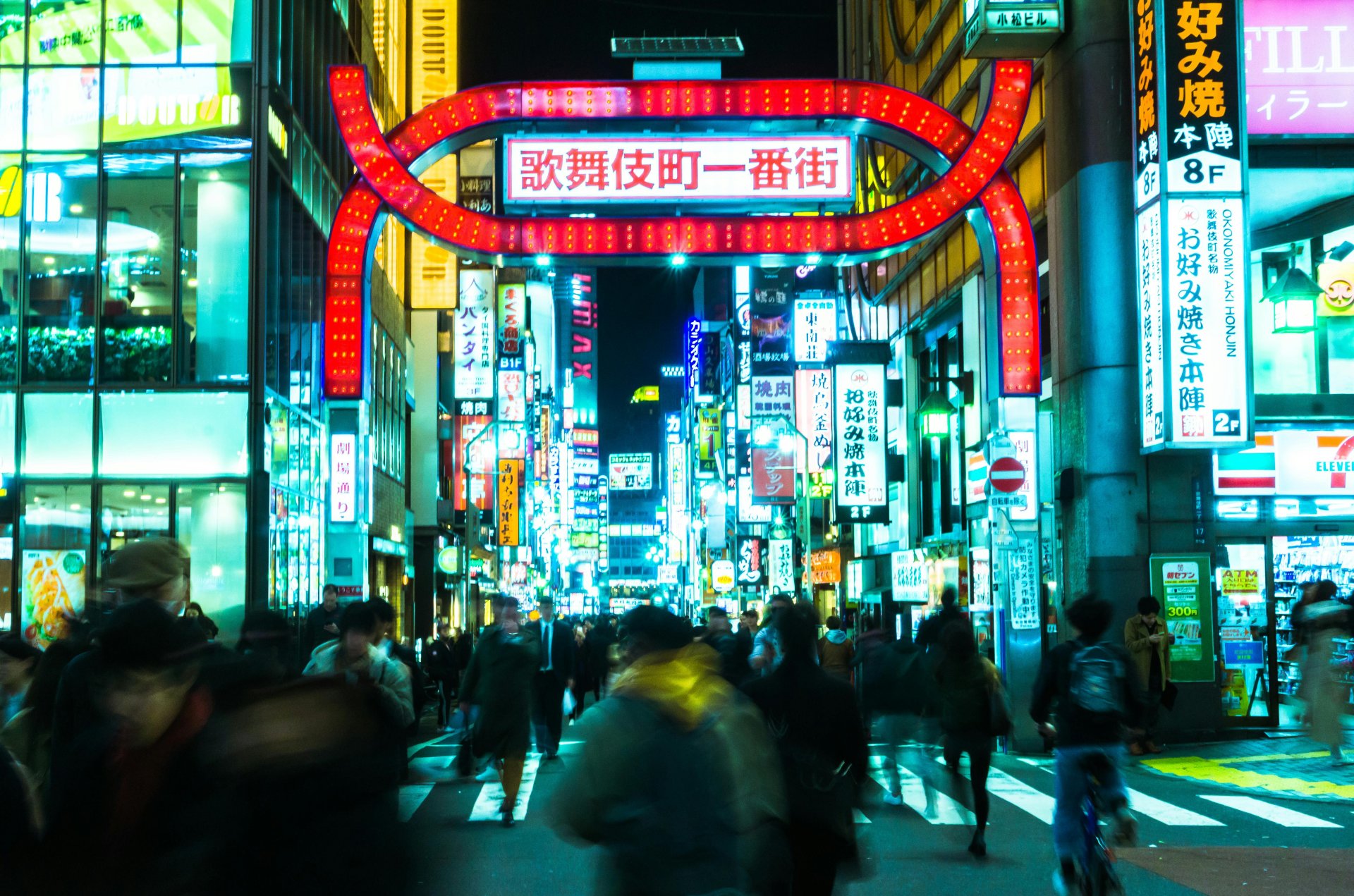
Japan can be surprisingly difficult for travelers with seafood, nut or sesame allergies. Many dishes contain dashi, a fish-based stock that may not be disclosed or considered an “ingredient” in the traditional sense. Peanut and sesame oils are also commonly used, sometimes without explicit mention.

Across Southeast Asia, including Thailand and Vietnam, peanuts, tree nuts, shellfish and fish sauce are culinary staples. Street food culture, while vibrant, typically lacks standardized food labeling or consistent food inspection practices, increasing exposure risk.

Latin America and the Caribbean occupy a mixed category. Many cuisines naturally avoid wheat or dairy, which can benefit some travelers, but restaurant-level allergen disclosure is often inconsistent. Travelers may encounter excellent food safety in upscale settings and far less clarity elsewhere.


Food Allergies vs. Food Poisoning: Why the Distinction Matters

Allergic reactions are not the only food-related risk travelers face. Foodborne illness remains a global concern, especially in regions with limited refrigeration or inconsistent food inspection.

“Food poisoning usually happens because you ate something that wasn’t stored or cooked well. It feels like the flu, but the symptoms resolve on their own,” said Jeff Weinstein, medical operations manager at Global Rescue.

For international travelers, however, even routine illness can escalate quickly.

“When you travel to a place that’s remote to you, there’s a lot of germs your body is not used to. A really bad case of food poisoning can become an emergency,” said Weinstein, medical operations manager at Global Rescue.

This distinction matters because allergic reactions often require immediate intervention, while severe foodborne illness may require evacuation if adequate care is unavailable locally.


Practical Advice for Allergy-Sensitive Travelers

Preparation remains the strongest defense when traveling internationally with food allergies. Carrying professionally translated allergy cards helps bridge language gaps and reduce misunderstandings in countries with lower allergy awareness.

Understanding local ingredients is equally important. Fish sauce in Thailand, dairy in French cuisine or nut oils in East Asia may not be obvious from menu descriptions. Researching regional cooking practices in advance can prevent dangerous assumptions.

Travelers who want to go deeper into regulatory differences can access several authoritative global resources.

The Food and Agriculture Organization’s Legislative and Policy Database (FAOLEX) provides searchable access to national food laws worldwide, offering insight into allergen disclosure and food safety frameworks.

The USDA Foreign Agricultural Service publishes Global Agricultural Information Network (GAIN) reports, which include detailed analyses of food labeling, import regulations and inspection practices in more than 100 countries.

Additional resources include the Center for Food Safety for international labeling insights, India’s Food Safety and Standards Authority (FSSAI) and Brazil’s National Agency of Sanitary Surveillance (ANVISA), both of which publish country-specific regulations.

When researching, focus on country-specific agencies, verify that regulations are current and note that labeling laws often vary by product category. Reviewing allergen maps, such as those maintained by the University of Nebraska, can also clarify how local laws compare globally.


The Global Rescue Connection

For travelers managing food allergies, preparation goes beyond reading labels. A Global Rescue membership provides access to medical advisory services before departure, helping travelers understand destination-specific risks and food safety realities. Destination Reports offer country-by-country insights that help travelers assess healthcare quality, emergency response capabilities and regional risk factors.

If a severe allergic reaction or foodborne illness occurs, Global Rescue’s field rescue and medical evacuation services ensure access to appropriate care, even in remote or under-resourced regions. When food safety becomes a medical emergency, having expert support can make the difference between disruption and disaster.