Article Highlights:

  • Germany is a low-risk country with strong infrastructure, but petty crime and isolated hate incidents do occur.
  • Medical care is excellent; there are no required vaccines, but TBE and Lyme disease are concerns in forested areas.
  • Festivals and political demonstrations increase the risk of theft and unrest; crowd awareness is essential.
  • Transportation strikes and legal restrictions (e.g., hate speech, gestures) can catch travelers off guard.
  • Tap water is safe, public transport is efficient and most Germans speak English in tourist zones.


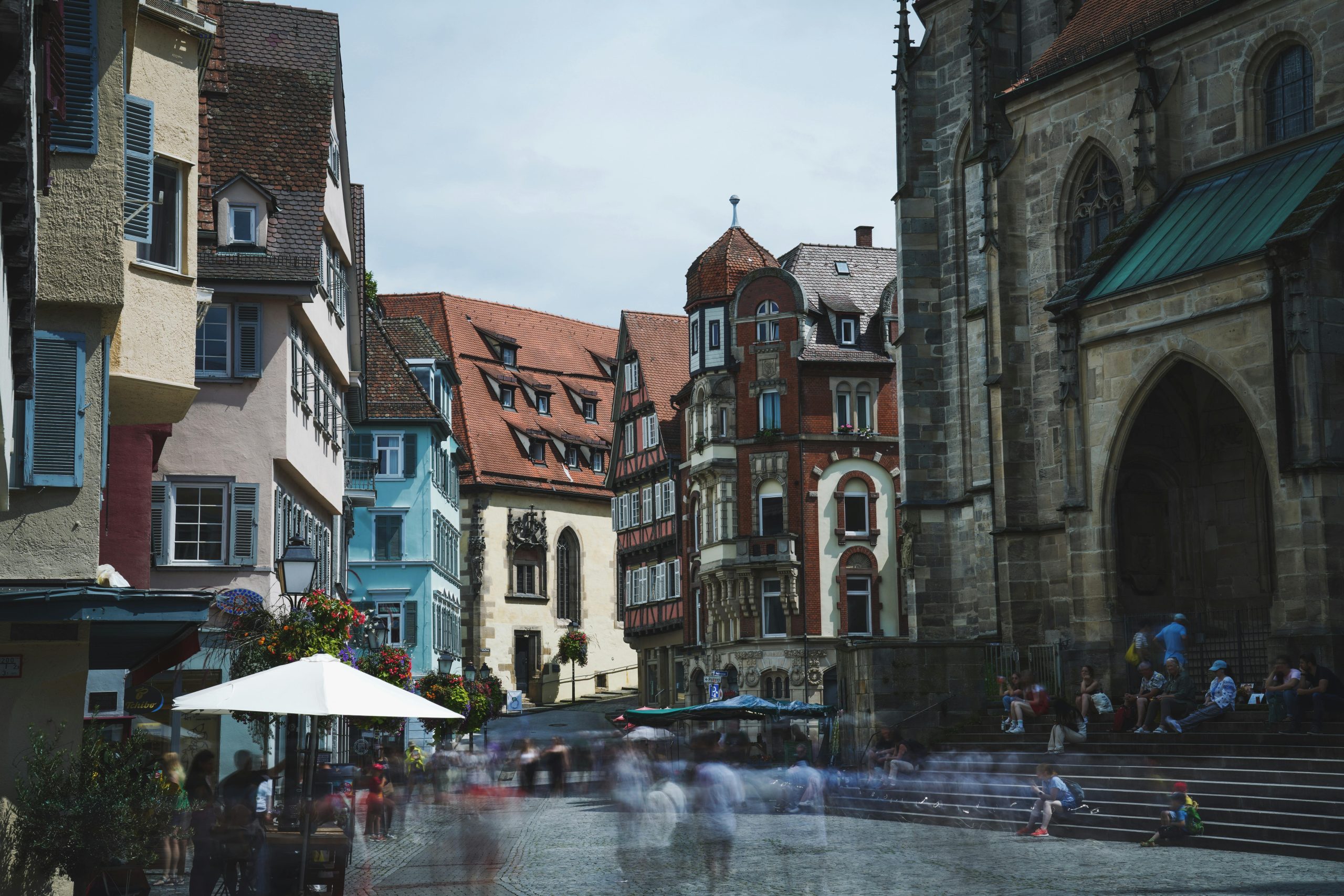
Germany is one of Europe’s most welcoming and efficient destinations, offering travelers a perfect blend of old-world charm, cutting-edge infrastructure and a high degree of safety. Whether you’re exploring the street art of Berlin, enjoying a stein at Oktoberfest or wandering through fairytale castles and alpine towns, it’s no wonder people often ask: Is Germany worth it? The answer is a resounding yes. But like any international trip, successful travel to Germany requires preparation and awareness of current health, safety and logistical details.


The Global Rescue Connection

While Germany has a low overall risk rating and most visits are uneventful, emergencies can still happen, even in countries considered safe. One such case involved a Global Rescue member who suffered a serious leg injury after falling between a train and the platform while vacationing with his family. Emergency care was arranged, and once the extent of the injury became clear, Global Rescue deployed a medical team to Germany, oversaw his discharge and escorted him home to Houston. The situation was resolved smoothly thanks to planning, support and swift action.


Is Germany Safe?

Overall, yes. It is a stable democracy at the heart of the European Union, bordered by nine countries and flanked by the North and Baltic Seas. Summers are warm, winters are chilly and rain is relatively consistent throughout the year. Most of Germany’s 85 million residents are ethnically German and speak German, although English is commonly used in cities, airports and hotels.

Security concerns are minimal. The most common risks involve petty crime, such as pickpocketing and bag snatching, especially in high-traffic areas like train stations, Christmas markets and tourist sites. Credit card fraud is also on the rise, so travelers are advised to use bank-affiliated ATMs and steer clear of untrustworthy currency exchanges.

Germany faces a moderate threat of terrorism, primarily from lone-wolf actors or extremist groups. Travelers should stay alert in crowded places, follow local news and remain aware of their surroundings. Demonstrations are also common in major cities, and while they are usually peaceful, they can occasionally turn volatile. Avoid protest zones during major political events or holidays.

Social conduct and local laws in Germany are taken seriously. Gestures or comments referencing the Nazi era are illegal and punishable. Public insults, hate speech and even loud, disruptive behavior may result in fines or arrest. Germany is generally LGBTQ+-friendly, but isolated hate crimes, particularly in parts of the former East Germany, do still occur. Travelers who wear religious or cultural clothing may also experience unwanted attention in some conservative or rural areas.


German Healthcare, Food and Fun

For emergencies, dial 112 for fire and ambulance or 110 for police. The US Embassy in Berlin can be reached at (+49) 30-8305-0. Additionally, Canadian, British and Australian embassies are also available. Global Rescue members have 24/7 access to emergency response and evacuation services from anywhere in Germany.

Medical care in Germany is modern and reliable. Emergency response is efficient, with many doctors speaking English. Pharmacies (“Apotheken”) are common and well-stocked. No vaccinations are required for entry; however, travelers should stay current on routine immunizations and consider additional vaccinations, such as Hepatitis A/B or tick-borne encephalitis (TBE), especially if hiking in rural areas. Lyme disease, hantavirus and West Nile Virus have been reported in forested or riverine zones, so insect precautions are advisable.

Germany maintains high standards for food and water safety. Tap water is safe to drink unless marked otherwise with signs like “kein Trinkwasser.” The country also boasts one of the best rail systems in Europe. The InterCity Express (ICE) trains connect major cities at high speeds, while regional trains provide efficient access to smaller towns. The Autobahn is well-maintained, although some sections have no speed limits. Drive cautiously and defensively.

Public transit options including buses, trams and metro systems are modern and punctual. Ride-hailing services such as Uber are available in major urban centers. US travelers can use their valid driver’s license for up to six months, but carrying an International Driving Permit is recommended for added peace of mind.

Festivals such as Oktoberfest and the holiday markets are highlights of German culture but also attract large crowds and with them, elevated risks of theft and alcohol-related incidents. Plan for safe transport and remain vigilant in crowded spaces, especially after dark. Germany also experiences occasional transportation strikes, particularly among airline and rail workers. These can disrupt plans without much notice, so it’s wise to monitor updates and have backup travel options.


Germany Traveler Tips

Travelers entering Germany from the US can stay visa-free for up to 90 days for tourism or business. A passport valid for at least three months beyond your intended departure is required. As part of the Schengen Zone, time spent in other participating countries also counts toward your 90-day total. Travelers must declare cash exceeding €10,000 and avoid importing restricted items like Nazi memorabilia, counterfeit goods, certain animal products and undeclared alcohol or tobacco in large quantities.

Check your health insurance policy before traveling to confirm it includes international traveler protection for field rescue, medical evacuation and medical advisory services. If not, purchasing a Global Rescue membership is strongly recommended. Bring essential medications with you, along with copies of prescriptions; some US medications may not be available or permitted in Germany.

To protect yourself while traveling, keep a photocopy of your passport, avoid flashy jewelry or electronics in public and use a dummy wallet in crowded areas. Avoid walking alone late at night in unfamiliar neighborhoods and respect cultural expectations. Germans value punctuality, quiet in public spaces and personal responsibility.

With its strong infrastructure, exceptional healthcare, efficient transportation and low crime rates, Germany is a standout destination for all types of travelers. So, is Germany worth it? Absolutely. With the right travel protections and situational awareness, your experience in Germany will be safe, seamless and unforgettable.