Article Highlights:

  • Japan tops global dream-trip rankings and Kyoto is among the top three destinations recommended for first-time international travelers.
  • Kyoto offers temples, traditions, world-class cuisine and an easy introduction to Japan’s culture.
  • Adventure travelers flock to Mount Fuji, the Alps and Hokkaido for climbing, trekking and exceptional ski conditions.
  • Japan’s risk rating is low, with minimal crime but notable seismic activity and a moderate health-risk profile.
  • Strict medication rules and language barriers in medical settings make pre-trip preparation essential.


If every traveler in the world could unwrap one dream trip, the latest Global Rescue Fall 2025 Traveler Sentiment and Safety Survey says the winner is clear: Japan. Nearly one in four respondents chose Japan as their ideal “travel gift” destination and the enthusiasm is even stronger among non-US travelers, where almost a third picked it. Its blend of neon skylines and centuries-old shrines — bullet trains, bamboo forests, world-class sushi and ultra-modern convenience — makes it feel like several vacations in one.

The survey also asked: If you could send someone abroad for the very first time, where would you send them?

Kyoto, Japan, ranked in the top three worldwide, with 9% of respondents selecting this city of temples, tea houses and traditional machiya townhouses as the perfect introduction to international travel. That kind of endorsement from experienced travelers says a lot about how welcoming, accessible and unforgettable Japan can be.


Why Japan Works for Every Type of Traveler

Japan is unusually versatile. Few destinations meet the needs of leisure, adventure and business travelers as seamlessly.

For leisure travelers, Japan offers classic bucket-list experiences: cherry blossoms blush over Tokyo parks in spring, Kyoto’s temples glow in autumn, mountain onsen villages offer soaking in mineral-rich pools and sushi masters turn seafood into edible art.

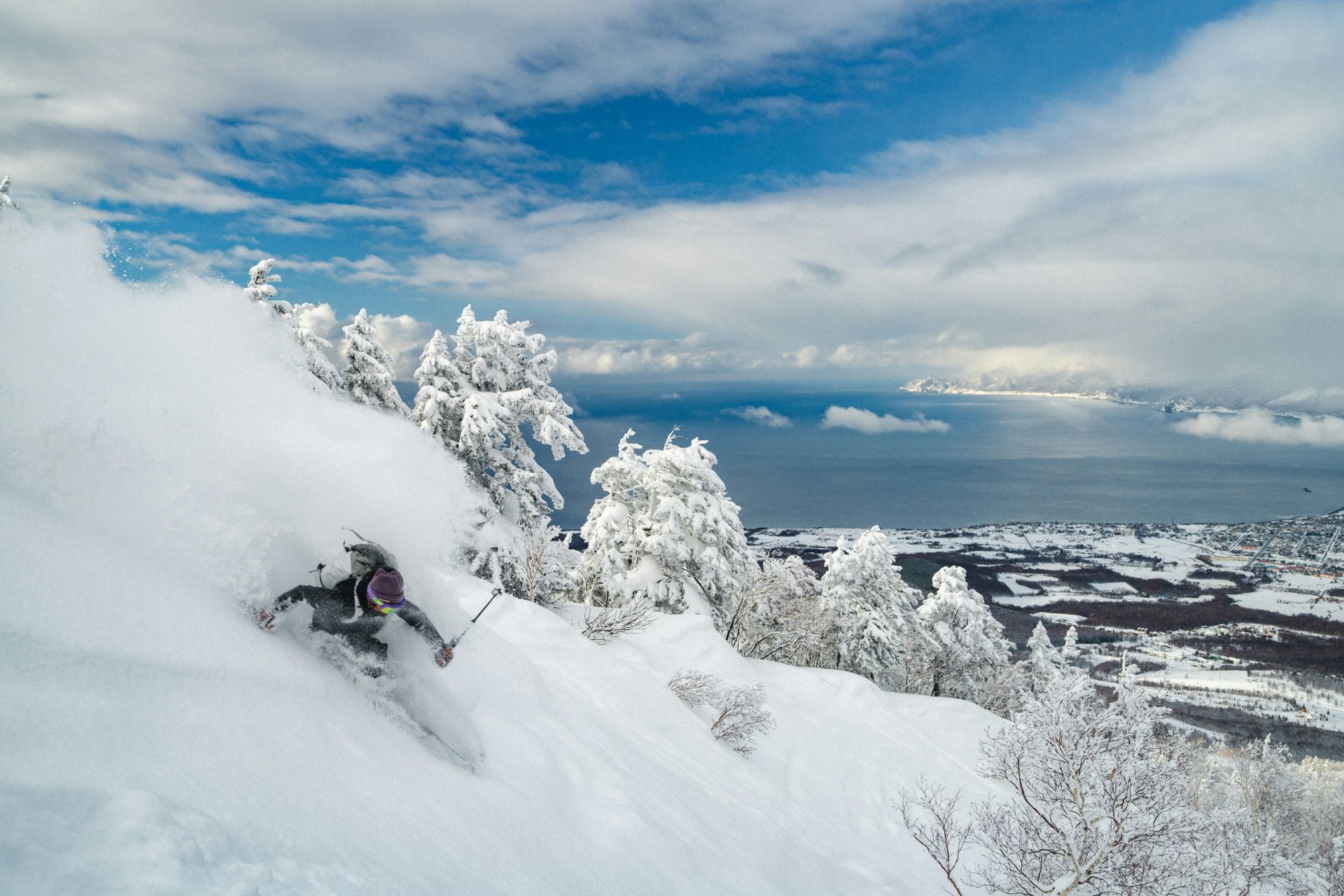
Adventure travelers flock to its landscapes. Mount Fuji offers a manageable yet majestic climb in summer, while the Nakasendō trail and Japanese Alps offer multi-day treks through dramatic terrain. In winter, deep powder in Hokkaido and Nagano draws skiers and snowboarders from around the world.

Business travelers appreciate the reliability: trains timed to the second, airports connected to city centers, meeting culture built on punctuality and widespread high-speed connectivity. The country is also ideal for “bleisure” — extend a business trip by riding the Shinkansen to Kyoto or soaking in a Hakone hot spring with Fuji views.


Kyoto: A First-Timer’s Perfect Introduction

Kyoto is the city seasoned travelers recommend to anyone who has never been abroad. It’s accessible yet deeply cultural, offering softer edges for new international travelers.

Here visitors can:

  • Walk through the iconic vermilion gates of Fushimi Inari.
  • Watch sunlight glint off the Golden Pavilion (Kinkaku-ji).
  • Wander Gion’s narrow lanes at dusk, where lanterns glow and the silhouette of a geiko might appear.

Culinary travelers adore Kyoto’s food culture, from kaiseki tasting menus to tofu-based specialties and neighborhood sushi counters. It’s a city where history and hospitality blend seamlessly.


Japan’s Adventure Menu: Fuji, Snow and Sea

Adventure in Japan is both dramatic and accessible.

Mount Fuji is the nation’s most famous peak and a symbol recognized worldwide. The official climbing season (July–September) offers mountain huts, staffed stations and well-marked trails. Still, altitude, weather and crowds mean hikers must prepare properly.

Hokkaido and the Japanese Alps offer some of the world’s lightest, driest powder. Resorts such as Niseko, Hakuba and Furano attract beginners, families and expert skiers alike. After ski days, onsen baths framed by falling snow are a quintessential Japanese experience.

Warm-weather travelers can head to Okinawa’s turquoise waters for diving and snorkeling or kayak along rugged coastlines in Honshu and Shikoku. Japan’s waters are clean, clear and attract marine-life enthusiasts and paddlers year-round.


Business + Leisure: Japan’s Seamless Mix

Japan excels at hosting business travelers — and tempting them to stay.

Tokyo and Osaka are global corporate hubs with cutting-edge hotels and convention facilities. After hours, travelers can hop a train to a coastal ryokan, visit a Michelin-starred sushi bar or spend a weekend hiking among cedar forests or skiing on fresh snow.

Cultural etiquette adds depth: exchanging business cards, polite greetings and orderly meetings make interactions feel intentional and respectful. Combined with extraordinary food and efficient infrastructure, business trips frequently become longer explorations.


Risk Overview: Low Risk With Natural Hazards

Japan’s overall risk rating is Low, thanks to a low security risk and a moderate health risk profile.

Japan is one of the safest countries in the world. Violent crime rates are low, public transportation is safe and clean and petty crime is rare. However:

  • Women sometimes report unwanted touching or harassment on crowded trains.
  • Women-only train cars are available on many routes during rush hours.

Japan experiences frequent seismic activity. Earthquakes can cause infrastructure disruption or, rarely, tsunamis. Travelers should understand hotel evacuation procedures, pay attention to local alerts and know the “drop, cover and hold” basics.

Medical care in Japan is high-quality, but not all hospitals have English-speaking staff. Visitors usually must show proof of ability to pay before receiving treatment.

Vaccines:

  • None are required for entry.
  • Travelers should be up-to-date on routine vaccines (MMR, DPT, polio, varicella).
  • Hepatitis A, Hepatitis B and seasonal influenza vaccines are commonly recommended depending on itinerary.
  • Those engaging in significant outdoor activities or long rural stays may discuss Japanese Encephalitis or rabies vaccination with their provider.

Food Safety:

Japan has strict hygiene standards. Still, travelers should avoid undercooked meats, unpasteurized dairy and poorly refrigerated foods. Sushi is generally very safe in reputable establishments due to strict handling standards.

Medication Restrictions:

Japan has some of the strictest medication-import rules in the world. Certain common prescriptions or OTC medications may be restricted or require special documentation. Travelers should bring sufficient quantities in original packaging with a physician’s letter.


Why Japan Deserves Its #1 Spot

Japan earns its place at the top of global travel wish lists because it offers:

  • A welcoming environment for first-time international travelers.
  • Culinary excellence that ranges from simple ramen to refined sushi craftsmanship.
  • Some of the best hiking, climbing, skiing and coastal adventures in Asia.
  • A harmonious blend of tradition and modernity that feels both inspiring and immersive.
  • A safety profile that is strong overall, with natural-hazard awareness and medical-preparation considerations easily managed with planning.

Japan is one of the rare destinations where travelers return again and again and always find something new.


The Global Rescue Connection

No matter how safe a destination may be, emergencies still happen, especially in a country where earthquakes, typhoons and remote mountain trails are part of the landscape. A slip on a Fuji descent, a skiing injury in the Alps or a sudden illness in a rural town without English-speaking physicians can alter your plans quickly.

A Global Rescue membership ensures travelers have access to:

  • Field rescue
  • Medical evacuation to the hospital of their choice
  • 24/7 medical advisory support
  • Security advisory services during natural disasters or disruptions

If Japan is on your travel wish list, or if you’re gifting someone their first-ever trip abroad, pairing it with Global Rescue means they can explore Kyoto’s temples, climb Mount Fuji or savor perfect sushi with confidence and protection.