By clicking "Allow All", you agree to the storing of cookies on your device to enhance site navigation, analyze site usage, and assist in our marketing efforts. Privacy Policy
Cookie Settings
Privacy Preference Center
When you visit any website, it may store or retrieve information on your browser, mostly in the form of cookies. This information might be about you, your preferences or your device and is mostly used to make the site work as you expect it to. The information does not usually directly identify you, but it can give you a more personalized web experience. Because we respect your right to privacy, you can choose not to allow some types of cookies. However, blocking some types of cookies may impact your experience of the site and the services we are able to offer.
Necessary
Necessary cookies help make a website usable by enabling basic functions like page navigation and access to secure areas of the website. The website cannot function properly without these cookies.
Analytics
Analytics cookies help website owners to understand how visitors interact with websites by collecting and reporting information anonymously.
Marketing
Marketing cookies are used to track visitors across websites. The intention is to display ads that are relevant and engaging for the individual user and thereby more valuable for publishers and third party advertisers.
Some website functions will be unavailable on Saturday, March 7th from 12:00 — 8:00 a.m. EST due to scheduled maintenance. All emergency response services remain unaffected.
Some website functions will be unavailable on Saturday, March 7th from 12:00 — 8:00 a.m. EST due to scheduled maintenance. All emergency response services remain unaffected.
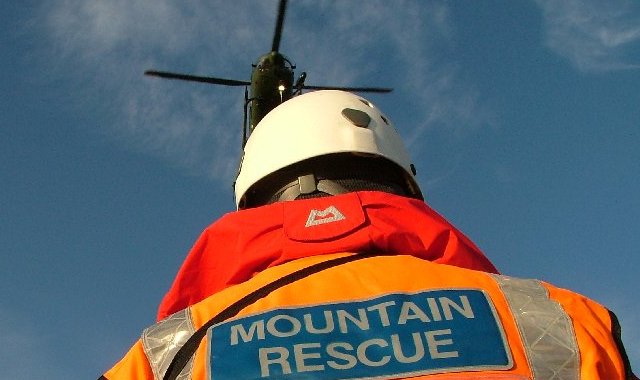
Ama Dablam is one of the toughest mountains for high-altitude climbers. It’s also one of the toughest for rescue operations. The high winds, rapidly changing weather conditions and troublesome terrain prevent some helicopter rescues from…
This site uses cookies. By continuing to use our site, you are agreeing to our Privacy Policy
Download the complete Risk Assessment
join our mailing list
GET ACCESS TO GRID
DOWNLOAD THE REPORT
DOWNLOAD THE REPORT
VIDEO
Loading...
FREE DESTINATION REPORT
have you signed up for our global rescue newsletter?
LEGAL NOTICE
Mobile Apps:
Global Rescue Mobile Apps are designed for operation on the current versions of Android and iOS operating systems. Availability of services is subject to your equipment compatibility, connectivity and signal in your location. There is no guarantee that all features and functionality will be available in your location. Use and availability of the Mobile Apps are subject to your service provider’s plan and may be subject to additional fees from your provider. The download and use of a Global Rescue Mobile App is subject to the terms of your Member Services Agreement and the applicable End User License Agreement (EULA).
For individuals 85+, medical transport is not included in membership. Members 85+ may purchase medical transport on a fee for service basis.
Mobile Apps:
Global Rescue Mobile Apps are designed for operation on the current versions of Android and iOS operating systems. Availability of services is subject to your equipment compatibility, connectivity and signal in your location. There is no guarantee that all features and functionality will be available in your location. Use and availability of the Mobile Apps are subject to your service provider’s plan and may be subject to additional fees from your provider. The download and use of a Global Rescue Mobile App is subject to the terms of your Member Services Agreement and the applicable End User License Agreement (EULA).