Article Highlights:

  • Spain ranks in the top-five global dream-trip destinations, driven by its blend of culture, cuisine, art and relaxed lifestyle.
  • Madrid and Barcelona anchor most trips, offering world-class museums, Gaudí architecture, tapas culture and fast connections to the rest of Spain.
  • Spain’s culinary appeal centers on tapas, paella, olive oil and Spanish wine, making every meal an essential part of the trip.
  • Nature lovers find mountains, coasts and islands for hiking, skiing, surfing and quiet retreats, from the Pyrenees to the Mediterranean.
  • Overall risk is low, with excellent health care and manageable security concerns, but petty crime and occasional unrest require smart awareness.


According to the Fall 2025 Global Rescue Traveler Sentiment and Safety Survey, if every traveler could receive one trip as a gift, Spain ranks firmly in the top five. That’s no surprise to anyone who has wandered a tapas bar in Madrid, watched the sun sink behind Barcelona’s skyline or stood in silent awe inside the Alhambra’s courtyards.

Spain’s appeal is broad and deep. It offers serious culture and art, legendary cuisine (from paella to pintxos), rugged mountains and wild coastline, plus a lifestyle that seems designed for slow evenings and late-night conversations. For leisure, adventure and business travelers alike, Spain combines European efficiency with Mediterranean warmth and rhythm.


Madrid and Barcelona: Twin Gateways to Spain

Most trips begin in Madrid or Barcelona, each an ideal launchpad into the country’s diversity.

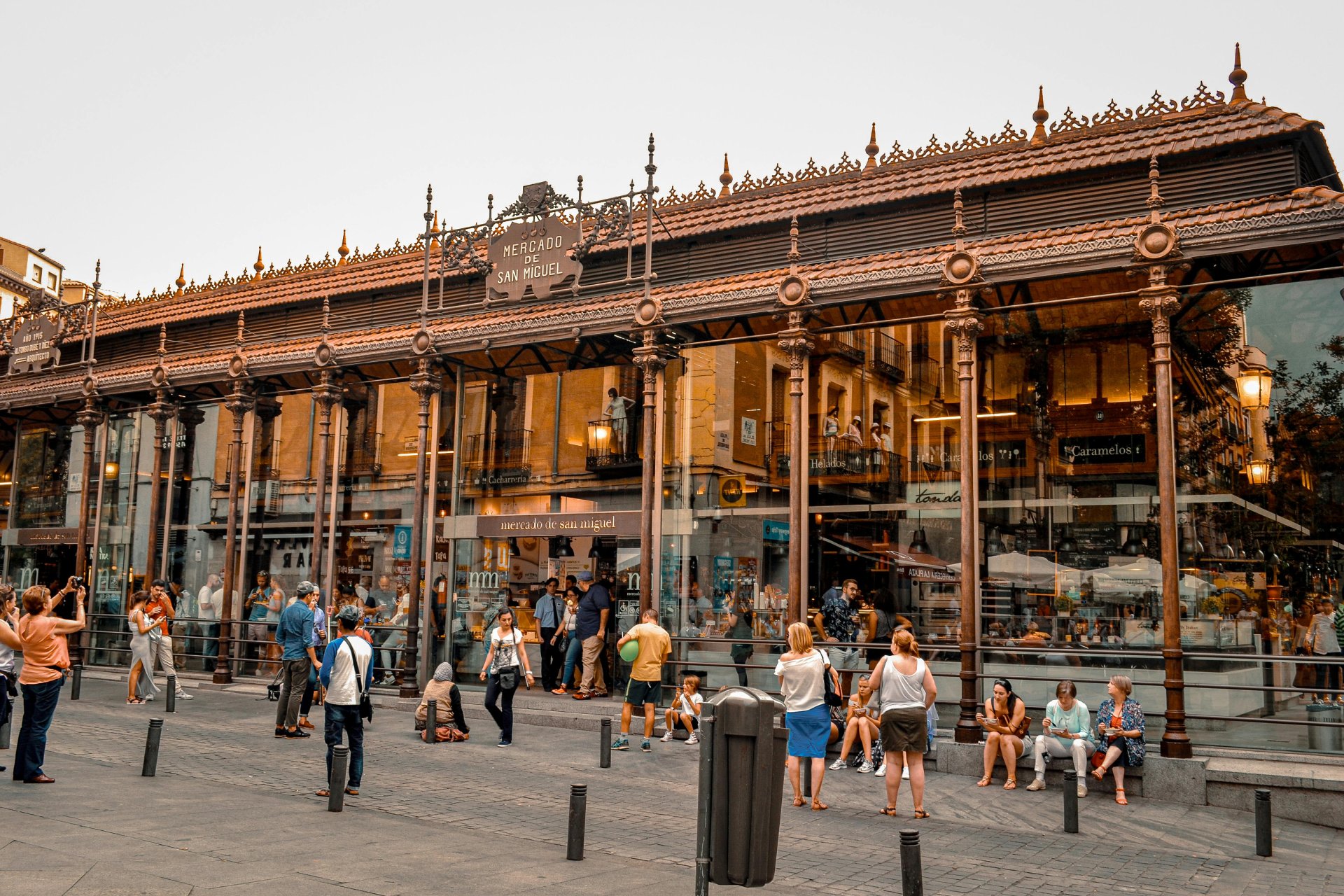
Madrid is Spain’s political and geographic heart — a city of grand boulevards, royal palaces and world-class art museums. The “Golden Triangle” of the Prado, Thyssen-Bornemisza and Reina Sofía holds treasures by Picasso, Goya, Velázquez and Dalí. After museum time, locals spill into plazas for tapas, vermouth and conversation. Late dinners, lingering over shared plates and Spanish wine, are more ritual than meal.

Barcelona adds a different energy. Its Mediterranean setting, Gaudí architecture and beachside promenades fuse into a city that feels both coastal and cosmopolitan. The Sagrada Familia’s spires rise above neighborhoods where you can snack on bombas and grilled seafood, stroll down La Rambla or get lost in the Gothic Quarter’s alleys. For many travelers, pairing Madrid and Barcelona in a single trip provides a vivid introduction to Spain’s internal contrasts: Castilian and Catalan, inland and coastal, royal and rebellious.

Spain’s extensive high-speed rail network makes moving between cities remarkably easy, turning multi-city itineraries into smooth, scenic rides rather than stressful transfers.


Culture, History and Art: Living in a Museum

Spain’s cultural story stretches from Roman ruins and Moorish palaces to modernist marvels and contemporary street art.

In Andalusia, the Alhambra in Granada and the Mosque–Cathedral of Córdoba reveal centuries of Islamic, Christian and Jewish influence layered within their walls. Seville’s cathedral and Real Alcázar continue the theme: ornate stone, intricate tiles and courtyards built for shade and storytelling.

Art lovers could spend entire trips just following Spain’s masterpieces. In addition to Madrid’s museums, Barcelona offers the Picasso Museum and Fundació Joan Miró, while Figueres is home to Salvador Dalí’s surreal theatre-museum. Throughout the country, smaller galleries and public art keep Spain’s creative heritage firmly alive rather than tucked away.

And then there’s flamenco — a visceral blend of guitar, song, dance and handclaps born in Andalusia’s Roma and Andalusian communities. Seeing a live flamenco performance in Seville, Granada or Jerez is less like attending a show and more like witnessing an emotional storm.

Spain’s festival calendar adds yet another layer. From solemn Holy Week processions to La Tomatina and other local fiestas, the country’s sense of celebration runs deep. The best-known, of course, is the Running of the Bulls in Pamplona, a controversial and high-risk event where culture, adrenaline and tradition collide. Even if you opt to observe from a safe distance (or skip it entirely), understanding its place in Spanish culture helps you grasp the country’s complex relationship with ritual and spectacle.


Taste of Spain: Tapas, Paella and Olive Oil

Food is one of the strongest reasons Spain ranks so high on global wish lists. Meals stretch for hours and the country’s agricultural riches show up on every plate.

Tapas are the backbone of Spanish dining. It’s a parade of small dishes meant to be shared. Patatas bravas, croquettes, grilled octopus, garlicky shrimp, jamón ibérico shaved paper-thin — each bar has its specialties. Hopping from one bar to another, trying a dish or two at each, becomes its own form of sightseeing.

Paella, originating from Valencia, is Spain’s most internationally famous dish. Traditionally cooked in a wide pan over open flame, it combines rice with saffron, vegetables and proteins like seafood, chicken or rabbit. Trying paella near its birthplace or in a seaside town adds to the experience, but you’ll find excellent versions across the country.

Spain is also the world’s largest producer of olive oil and you’ll taste it everywhere: drizzled over toasted bread with tomato, finishing grilled vegetables or adding depth to seafood.

On the drinks side, Spanish wine is a universe in itself. Rioja and Ribera del Duero deliver robust reds; Rueda and Albariño offer crisp whites; Cava brings sparkling celebrations to everyday moments; and sherry from Jerez spans the spectrum from bone-dry to lusciously sweet. Pairing local wines with regional dishes turns even a simple lunch into a memorable event.


Mountains, Coastlines and Nature

Beyond the cities and coast, Spain surprises many travelers with its variety of natural landscapes.

To the north, the Pyrenees form a rugged border with France, offering hiking, skiing and tiny stone villages tucked into valleys. Nearby, the green hills of Galicia and Asturias resemble a dreamlike blend of Celtic cliffs and Spanish culture.

In central Spain, high plateaus and national parks provide hiking, climbing and stargazing far from city lights. Southward, Sierra Nevada’s peaks rise above Andalusian plains, sometimes offering the surreal possibility of skiing in the morning and swimming in the Mediterranean in the afternoon.

On the coasts, Spain’s personality changes again. The Costa Brava offers rocky coves and small fishing towns; the Costa del Sol provides beach resorts and nightlife; and the Balearic and Canary Islands add volcanic landscapes, black-sand beaches and unique ecosystems. Whether you want to walk quiet coastal paths, dive, surf or simply sit by the sea with a glass of Spanish wine, nature is never far away.


Spain for Business and Bleisure

Spain isn’t just a holiday destination; it’s a major hub for business, conferences and remote work. Madrid and Barcelona host international events in finance, tech, design and culture. Modern conference centers, a strong digital infrastructure and abundant hotels make logistics straightforward.

For business travelers, Spain shines in its “bleisure” potential. With the workday done, it’s easy to step into a tapas bar, catch a flamenco show or take a quick high-speed train trip to another city for the weekend. The relaxed pace — punctuated by strong coffee, late dinners and lively plazas — encourages visitors to slow down and connect with the place rather than just pass through boardrooms and airports.


Risk and Health Overview: Low Risk, High Awareness

Spain’s overall risk rating is low, with both security and health risks considered low for most travelers. Medical facilities generally meet international standards, especially in larger cities and emergency care is widely available.

The main safety issue for visitors is petty crime, especially pickpocketing and bag snatching. These incidents are most common around transportation hubs, crowded tourist sites, markets, restaurants and some hotels. Simple precautions, like wearing money belts, avoiding dangling bags, staying alert in crowds and keeping valuables out of back pockets, go a long way toward reducing risk.

Protests and strikes are relatively common and can temporarily disrupt public transportation or access to certain areas. While these events are usually peaceful, it’s wise to avoid large gatherings and monitor local news and guidance. There is also an elevated, though generally background, risk of terrorist activity, similar to other major Western European countries; situational awareness and adherence to local security recommendations remain important.

On the health side, travelers enjoy a favorable environment. No immunizations are required for entry into Spain, though being up to date on routine vaccines (like MMR, DPT, polio and varicella) is recommended and some travelers may consider hepatitis B or other vaccines depending on their activities and health history. Basic precautions — safe food and water habits, sun protection and insect precautions in affected regions — will help prevent most common travel-related issues.


The Global Rescue Connection

For all its comforts and low overall risk, Spain still presents real-world challenges. A twisted ankle trekking in the Pyrenees, a serious illness on a remote island, a traffic accident on a winding coastal road or a sudden medical emergency during a business trip can upend even the best-planned itinerary. Navigating unfamiliar hospitals, language barriers and complex logistics adds stress when you can least afford it.

A Global Rescue membership helps turn those unknowns into manageable problems. Members have access to:

  • Field rescue if they are injured or stranded in hard-to-reach areas.
  • Medical evacuation to the hospital of their choice, not just the nearest facility.
  • 24/7 medical advisory services, connecting them to critical care experts who can interpret symptoms, review treatment plans and coordinate care.
  • Security advisory support that can help travelers understand evolving risks from protests, unrest or terrorism and make informed decisions about where to go and when.

If Spain is on your travel wish list, pairing your trip with Global Rescue support means you can fully savor late-night tapas, sunlit plazas and mountain vistas knowing expert help is always within reach.