Article Highlights:

  • Security conditions vary significantly across Mexico, making risk awareness and destination selection essential for World Cup 2026 travelers.
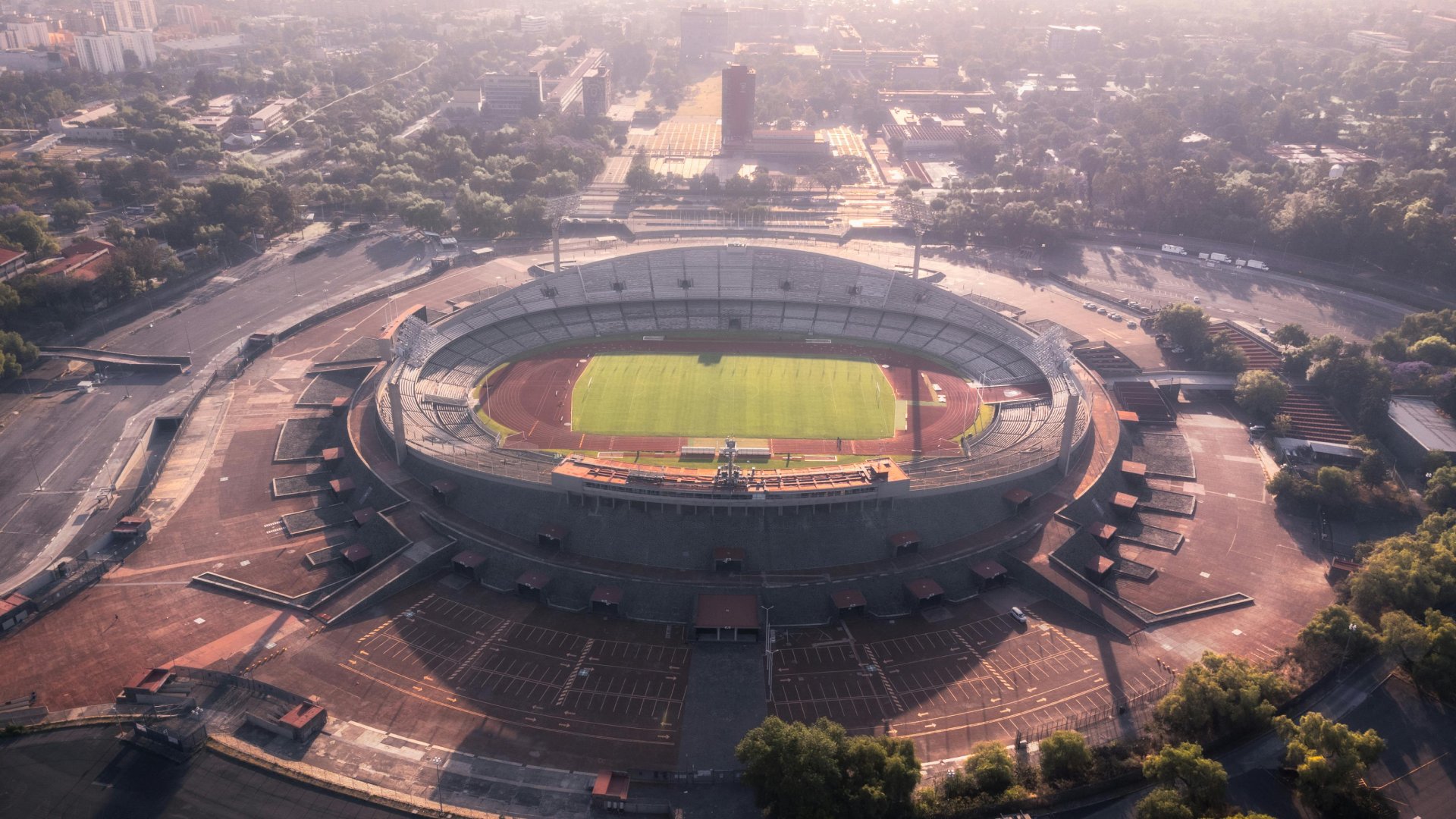
  • Mexico will host the FIFA World Cup 2026 at Estadio Azteca, Estadio Akron and Estadio BBVA, with Mexico City opening the tournament.
  • Travel risks vary widely by region, making destination choice and preparation essential.
  • Mexico City offers the strongest healthcare infrastructure, while rural areas remain limited.
  • Transportation, water safety and medical planning are critical for international travelers.


Mexico offers extraordinary travel experiences, but security — not scenery — is the first variable serious travelers should evaluate. Conditions are not uniform. They shift by state, city and even neighborhood, requiring a more granular approach than many visitors expect.

For World Cup 2026, major host cities — Mexico City, Guadalajara and Monterrey — will operate under heightened security protocols. Expect increased police presence, controlled stadium access and reinforced tourist zones. These measures reduce risk inside event corridors, but they do not eliminate broader environmental factors.

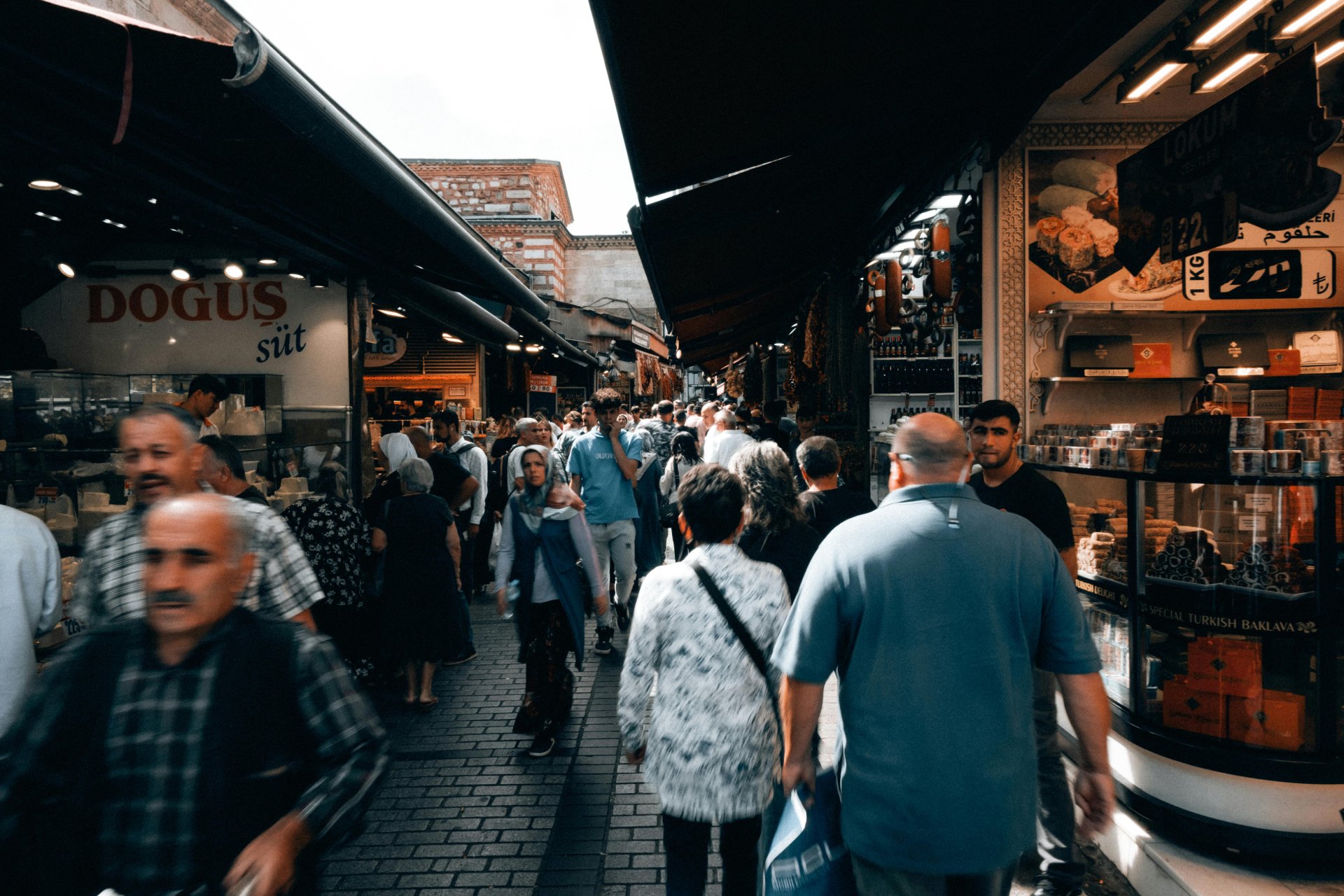
Petty crime such as pickpocketing and theft is common in crowded environments, particularly public transit hubs and large gatherings like matches. More serious risks, including organized crime and express kidnapping, remain localized but real in certain regions. The practical takeaway is straightforward: where you go and how you move matters.

Travelers who treat Mexico as a single, uniform destination often underestimate this variability. Those who approach it as a collection of distinct risk environments tend to navigate it far more effectively.


Mexico and the FIFA World Cup 2026

Mexico will once again take center stage in global football, hosting matches across three iconic venues.

Mexico City will anchor the tournament at Estadio Azteca, the only stadium in history to host three World Cups. It will also host the opening match, placing the capital at the center of global attention. Guadalajara’s Estadio Akron brings modern design and one of the most passionate fan bases in the country, while Monterrey’s Estadio BBVA represents one of Latin America’s most advanced stadium environments.

For travelers, these venues offer world-class experiences, but they also concentrate crowds, increase movement complexity and elevate opportunistic crime risk. Planning transportation and arrival logistics in advance is not optional during major match days.


Mexico City: Infrastructure, Altitude and Urban Complexity

Mexico City is the country’s most developed urban environment and offers the strongest combination of infrastructure, healthcare and international accessibility.

Private hospitals meet high standards, making the city the safest location in Mexico from a medical standpoint. That distinction becomes critical in emergencies, especially compared to rural or coastal regions where capabilities drop significantly.

Mexico City, however, introduces its own challenges. At over 7,300 feet, altitude can affect visitors, particularly during physically demanding activities like navigating stadium crowds or long walking days.

Urban density also creates layered security considerations. Crowded metro systems, traffic congestion and large public gatherings increase exposure to petty crime. Rideshare platforms such as Uber and Didi are generally more controlled and reliable than street taxis or public transit during peak periods.


Food, Mezcal and Water Safety

Mexico’s cultural appeal is inseparable from its cuisine. From Mexico City’s fine dining to Oaxaca’s traditional kitchens, food is a central part of the experience.

Oaxaca stands out for its culinary heritage and its deep connection to mezcal (also spelled mescal), a spirit rooted in regional identity. Visitors often tour distilleries and explore traditional production methods, adding depth to the travel experience.

Yet food and water safety remain operational concerns. Tap water is not safe to drink due to contamination risks within distribution systems. Bottled or purified water is essential, and ice or raw foods should be approached cautiously. Street food can be exceptional, but vendor selection matters. High turnover, visible hygiene practices and local popularity are useful indicators of safety.


Transportation and Movement Risk

Mobility in Mexico requires more planning than many travelers anticipate. Public transportation systems are extensive but crowded, making them prime environments for theft. For World Cup travelers, this risk increases significantly around match venues and transit corridors.

Driving introduces additional variables. Road conditions vary, signage can be inconsistent and nighttime travel — particularly on highways — is strongly discouraged due to both safety and security concerns. The most reliable approach is controlled transportation: hotel-arranged vehicles, vetted private drivers or established rideshare platforms.

Emergency services are accessible via 911, but response times and capabilities can vary. Travelers should not assume US-level consistency, particularly outside major cities.


Risk Overview: A Layered Environment

Mexico’s overall risk profile is best described as moderate, but that classification masks important nuances. Security risks range from petty theft in tourist zones to organized crime activity in specific states. Demonstrations occur regularly and can escalate quickly, disrupting transportation and access.

Health risks also vary. Mexico City offers reliable care, but outside major urban centers, medical infrastructure can fall below international expectations. Many facilities require upfront payment before treatment, which can delay care in urgent situations.

Natural hazards further complicate planning. Hurricanes affect coastal regions, earthquakes occur periodically and volcanic activity remains an ongoing consideration in certain areas.

For travelers attending the FIFA World Cup 2026, the intersection of large crowds, infrastructure strain and regional variability makes preparation a critical component of the experience.


Before You Go: Entry and Preparation

Travel requirements are straightforward. US and Canadian citizens do not need a visa for stays under 180 days but must carry a valid passport and complete the Forma Migratoria Múltiple upon arrival. Customs regulations are strict. Firearms are prohibited, and certain medications or cash amounts must be declared.

Preparation should extend beyond documentation. Travelers benefit from pre-planning transportation, understanding regional risks and identifying medical facilities in advance — particularly if traveling beyond major cities.


The Global Rescue Connection

Mexico delivers culture, energy and once-in-a-generation events like the FIFA World Cup 2026 — but it also presents a layered risk environment where medical and security variables can change quickly.

A Global Rescue membership addresses the gaps that traditional travel planning cannot. Members receive field rescue from the point of illness or injury, medical evacuation to the most appropriate facility and 24/7 access to medical advisory services. Whether navigating altitude in Mexico City, traveling between host cities or exploring Oaxaca, expert support is always within reach.

The Security Add-On becomes especially valuable in a destination like Mexico. It provides real-time intelligence, security advisory support and, if conditions deteriorate, coordinated security extraction. Staffed by former military and special operations professionals, these teams monitor evolving threats, guide decision-making and assist with safe movement when environments become unstable.

For World Cup travelers, this combination matters. Large-scale events amplify both opportunity and risk. Crowds surge, infrastructure strains and situational awareness becomes harder to maintain.

Global Rescue transforms that uncertainty into structure. Instead of reacting to problems, members operate with a defined safety net — medical, logistical and security — already in place.

In a destination as dynamic as Mexico, that difference is operational.