Article Highlights:

  • Mexico remains a top travel destination, but safety varies by region; travelers should avoid high-risk areas, such as Sinaloa and Michoacán.
  • Medical risks range from foodborne illnesses and unsafe water in Mexico to limited access to care in rural areas; bottled water and vaccinations are recommended.
  • Private healthcare is of high quality but expensive; emergency services and evacuation support can be critical, making traveler protection with Global Rescue essential for travelers.
  • Use trusted transportation services (such as Uber or hotel taxis), avoid driving at night and exercise caution when using public transit in crowded cities.
  • Enjoy the rich culture and incredible Mexican food, but be aware of local customs, legal differences and emergency contact options.


Mexico remains one of the world’s most sought-after travel destinations, known for its warm hospitality, breathtaking landscapes and extraordinary cultural richness. Whether you’re drawn to the white-sand beaches of Tulum, the vibrant street art of Mexico City or the flavors of authentic Mexican food in Oaxaca, the country delivers unforgettable experiences. For international visitors, especially first-time visitors, however, the question often arises: Is Mexico safe to visit?

The answer depends on where you go, how you travel and how prepared you are. While millions travel safely each year, Mexico’s risks vary significantly by region. Crime, health hazards and unpredictable infrastructure can quickly turn a dream trip into an emergency without proper precautions.


The Global Rescue Connection

One such example involved a US Global Rescue member who sustained a serious injury while paragliding in Mexico. After initially experiencing back pain, he was later diagnosed with a traumatic brain injury and a burst vertebral fracture. Local facilities were not equipped for the needed care. Global Rescue arranged his transfer, medical coordination and ultimately ensured a safe return home. This incident underscores the importance of travel insurance for Mexico, as well as the need for immediate access to emergency medical and evacuation services.


Is Mexico Safe?

For the most part, yes, especially in well-trafficked tourist hubs like Cancún, Playa del Carmen, Mexico City, Los Cabos and Puerto Vallarta. These areas benefit from a visible security presence and are generally well-equipped for international visitors. Regions such as Sinaloa, Tamaulipas, Guerrero and Michoacán, however, are best avoided due to organized crime and cartel activity.

Common security issues include petty theft, card skimming, express kidnappings and virtual scams. To reduce risk, travelers should rely on hotel-recommended taxis or rideshare apps, avoid nighttime travel — especially on highways — and stay clear of protests and unfamiliar rural areas.

Culturally, travelers will find warm, welcoming people and strong regional pride. Conservative dress is appreciated in religious sites and small towns and it’s wise to avoid public discussions of politics or drugs. Laws are enforced differently than in North America, and even small infractions can result in fines or detention. LGBTQ+ travelers are broadly accepted in tourist areas, with same-sex marriage legal nationwide. Still, discretion is advised in conservative regions. People of Asian descent may face some residual pandemic-era bias, but reports of discrimination have declined.


Mexican Food and Mexican Water

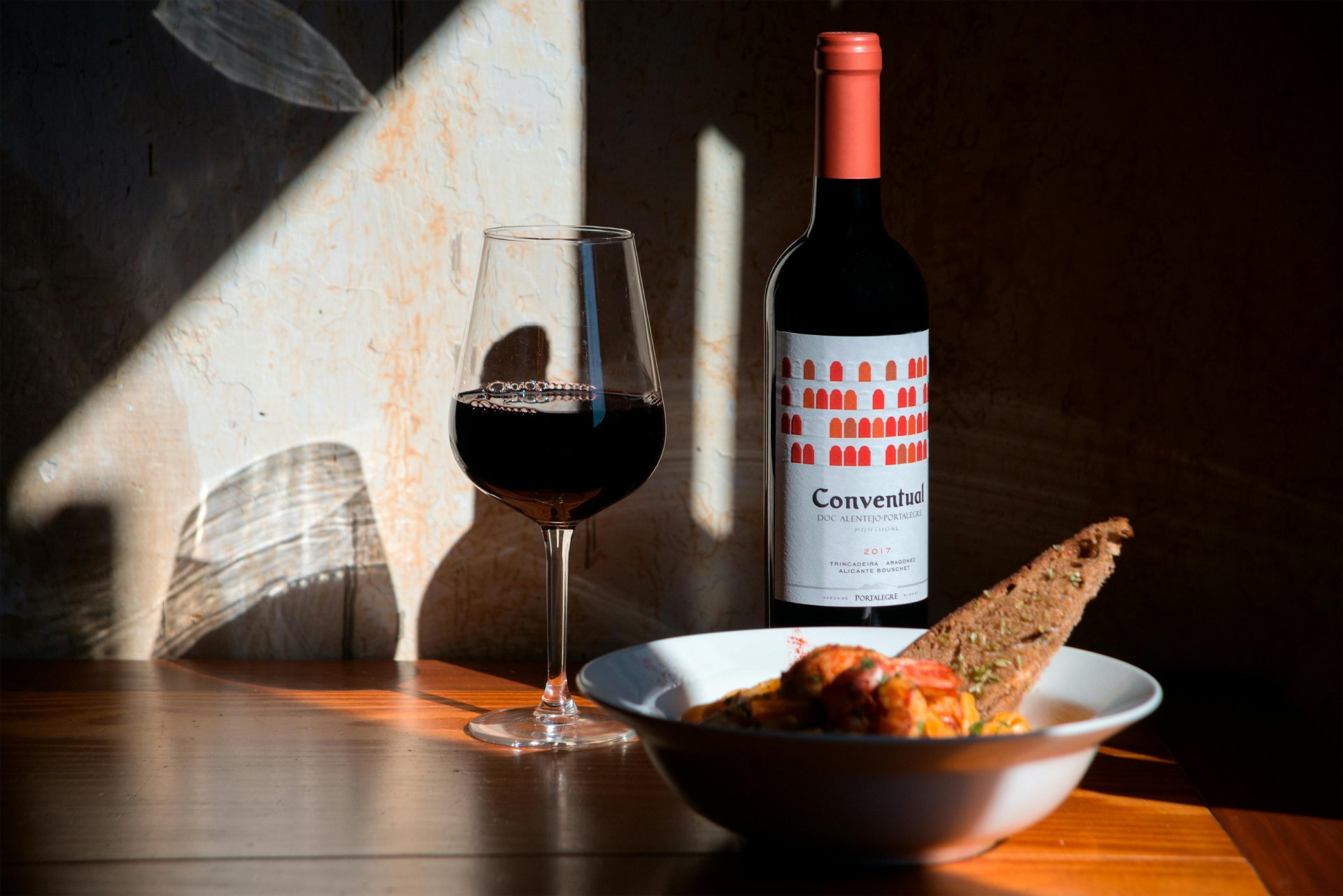
Mexican cuisine is renowned worldwide for its bold flavors, regional diversity and cultural depth, so much so that UNESCO recognized it as an Intangible Cultural Heritage of Humanity. From traditional dishes like mole and tamales to modern interpretations found in fine dining establishments, Mexico offers an exceptional culinary experience.

The country is also home to several Michelin-starred restaurants, including Mexico City’s Quintonil and Pujol, which rank among the best in the world for their innovative use of local ingredients and refined presentation. Street food is an integral part of the Mexican culinary landscape, offering delicious and affordable options such as tacos al pastor, elotes and tamales. While most street vendors follow safe food handling practices, travelers should choose stalls with high turnover, observe the hygiene conditions and avoid anything that looks undercooked or has been sitting out for too long to minimize the risk of foodborne illness.

Mexican tap water is generally not considered safe to drink. Although the water is typically purified at the source, contamination often occurs during distribution due to aging infrastructure or poorly maintained pipes. According to Mexico’s Ministry of Health, millions of waterborne illness cases are reported each year, underscoring the risk. To avoid getting sick, travelers should avoid drinking tap water altogether. Instead, use bottled water, boil water before use, or carry a water purifier bottle designed to filter out bacteria and viruses. With simple precautions, you can stay hydrated safely while enjoying your trip to Mexico.


Traveler Tips

Medical risks include traveler’s diarrhea, mosquito-borne diseases (such as dengue and Zika) and prolonged ambulance wait times in certain areas. Recommended vaccinations include Hepatitis A, Hepatitis B and typhoid, particularly for longer or rural visits. Basic insect protection is advised in coastal and tropical areas.


Emergency Services

Emergency services can be reached by dialing 911. The US and Canadian embassies in Mexico City are available for consular support. Global Rescue members can call for 24/7 emergency help and evacuation services from anywhere in the country.

Healthcare quality in Mexico ranges from world-class private hospitals in major cities to under-resourced clinics in remote areas. Unfortunately, accidents and illnesses, including food poisoning or reactions to Mexican water, can be difficult to manage without outside assistance. Travelers should avoid drinking tap water, stick to bottled beverages and exercise caution when consuming street food, regardless of how tempting the Mexican food scene may be. The vibrant culinary culture is a highlight, but it’s wise to research safe dining spots in advance.


Is Mexico Safe for Transportation?

Public transportation is widely available in urban centers, but it is not always reliable or safe. Buses and metros can be crowded and attract pickpockets. Rideshare apps such as Uber and Didi offer safer alternatives. If renting a car, be cautious. Driving in Mexico can be unpredictable due to poor signage, potholes or sudden checkpoints. An International Driving Permit is a good idea, and travelers should never drive on rural roads after dark.


Before You Go

US and Canadian citizens do not need a visa for tourist stays under 180 days. A valid passport is required, and you’ll be issued a Forma Migratoria Múltiple (FMM) on arrival. Be sure to retain this document because it must be returned upon exit. Declare prescription medications and cash over $10,000 to avoid penalties. Firearms are strictly prohibited.

Mexico uses the Mexican Peso (MXN) and Spanish is the official language. English is commonly spoken in major tourist areas. Bring Type A/B power adapters (same as in the US), and tip between 10–15%. Additionally, prepare for climate shifts: coastal regions are typically hot and humid, while the central highlands remain cooler year-round.

In the end, Mexico offers stunning natural beauty, rich traditions and world-class experiences, but it also requires situational awareness and a safety-first mindset. With a bit of planning, travelers can enjoy all the country has to offer while avoiding the most common hazards. And with travel insurance for Mexico through traditional providers and traveler protection memberships for emergency medical rescue and evacuation with Global Rescue, you’ll have the peace of mind that help is just a call away — whether you’re dealing with altitude sickness, a stolen passport or a serious medical emergency.