Article Highlights:

  • Helicopter rescues on Mount Kilimanjaro treated members with high-altitude pulmonary edema.
  • Multiple evacuations from Manaslu addressed frostbite, altitude illness and severe weakness.
  • A paragliding accident in Brazil required surgery and escorted air transport home.
  • A rescue in Switzerland airlifted a member after an injury in Saas-Fee.


Mission Briefs demonstrate Global Rescue’s operational role in delivering timely evacuation and medical care worldwide.

Travel rarely unfolds exactly as planned. One moment, a summit is in sight or a trail feels routine, the next, a cough turns into shortness of breath or a misstep becomes a complex fracture. Global Rescue has spent two decades delivering critical support in precisely these situations. Each month, hundreds of calls arrive from members facing everything from manageable ailments to life-threatening emergencies, and the team moves quickly to stabilize, evacuate and get members to safety.

Following operations capture a cross-section of recent missions across multiple continents, showing how altitude illness, trauma and sudden medical decline can upend even a well-prepared itinerary. Issue 63 of Mission Briefs includes helicopter rescues on Mount Kilimanjaro for altitude-related illness, emergency evacuations from Pakistan’s rugged Karakoram for frostbite and gastrointestinal distress and urgent medical transport for members injured in Costa Rica and Ecuador. From spinal surgery to high-altitude pulmonary edema, these cases underline both the unpredictability of international travel and the lifesaving importance of timely evacuation.

These real-life examples shed light on the realities of adventure, luxury and business travel and the critical support Global Rescue provides when the unexpected occurs. The missions that follow demonstrate medical judgment and logistical agility in equal measure, backed by a steadfast commitment to bringing members home safely, regardless of the location or severity of the condition.


Paragliding Ankle Rescue

A US member sustained an open right ankle fracture with a ligament tear during a paragliding takeoff at Rampa de Ubá near Castelo, Brazil. She was stabilized on site and transported by ground ambulance to a hospital, where surgeons placed an external fixator. After discharge with in-home nursing support, the treatment plan called for further surgery at her home of record. Ops arranged a medical escort and wheelchair-compatible air travel. She was safely escorted to Seattle and handed off for orthopedic follow-up.


Breathless on Kilimanjaro

A member from South Africa developed chest pain and difficulty breathing at Millennium Camp on Mount Kilimanjaro, Tanzania, after summiting. Ops could not reach the guides for an on-site assessment and coordinated options, as daylight limited air operations. A helicopter evacuation was arranged at first light to a regional city, then he was taken to a hospital where clinicians treated pulmonary edema. He was discharged with medications to recover at his lodge. He agreed to a condition check the next morning, but later attempts to reach him were unsuccessful.


Baruntse Hypoxia Unmasked

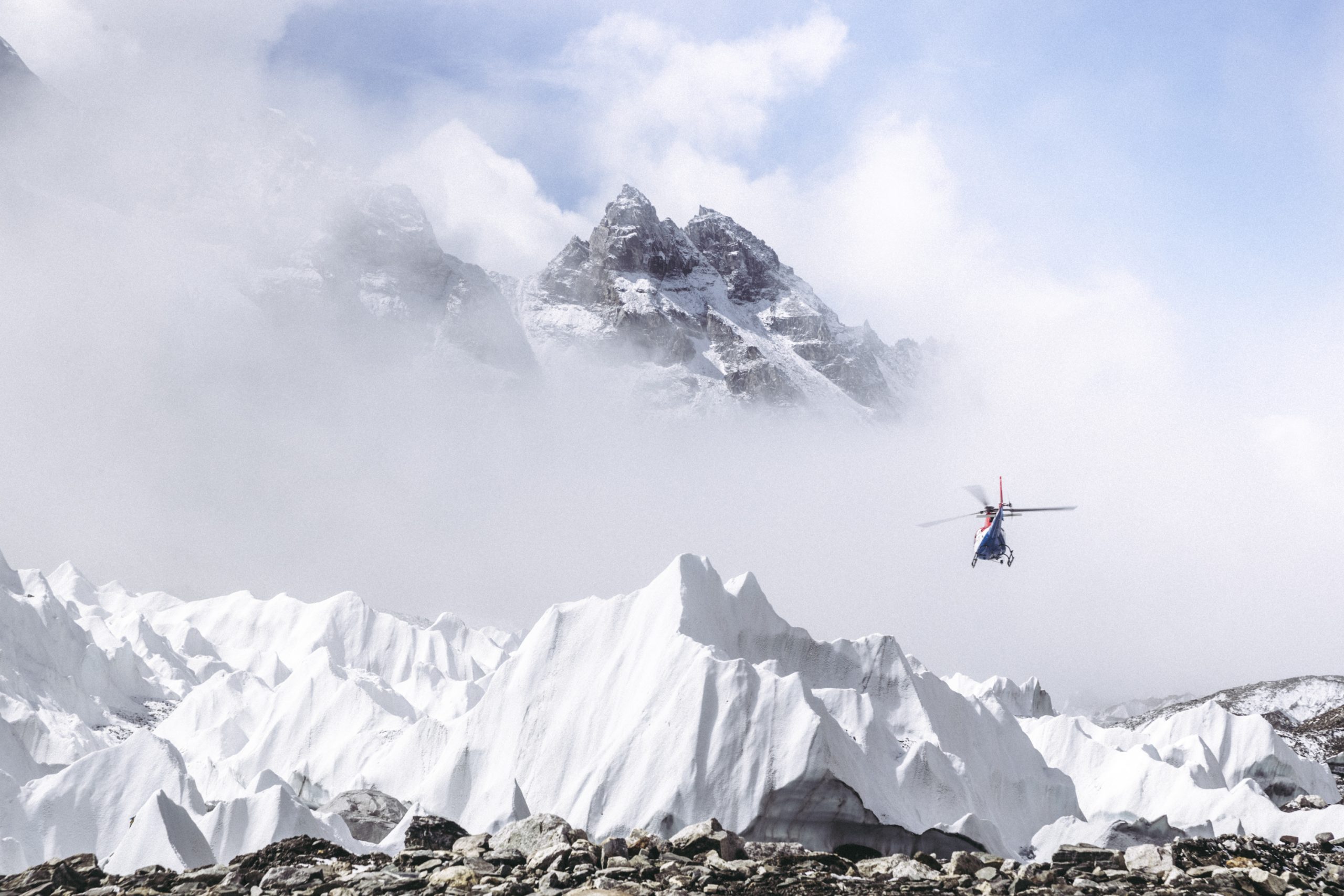
An Austrian member developed worsening hypoxia and weakness at Baruntse Base Camp, Nepal, after descending from about 20,000 feet/6,100 meters. Her oxygen saturation was 54 percent on room air, and she could walk only a few steps without help. Ops activated a helicopter from the Khumbu region and transferred her to Kathmandu. Hospital evaluation revealed pulmonary embolism and pneumonitis. She was admitted for several days and then discharged in stable condition, planning to return to Austria soon after.


Saas-Fee Airlift

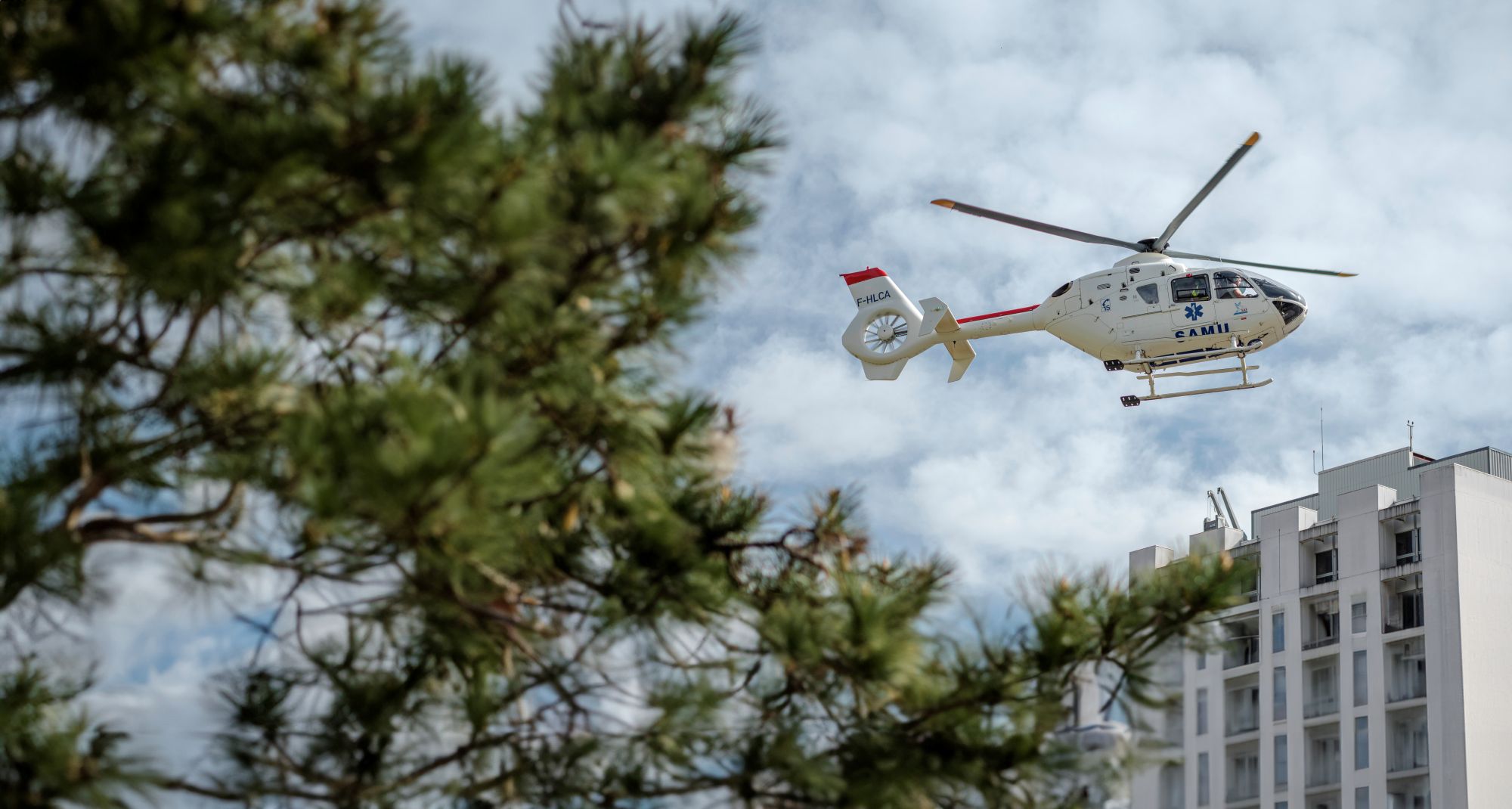
A member from the US sustained an unspecified injury on the Mittelallalin above Saas-Fee, Switzerland. He was helicoptered to a hospital in Visp for evaluation. The transport had been approved through internal leadership channels.


HAPE at Kibo

A US member developed a persistent cough, chest tightness, shortness of breath, a rapid heart rate at rest, and difficulty speaking complete sentences at Kibo Huts on Mount Kilimanjaro, Tanzania. Ops approved an urgent helicopter evacuation to a hospital for immediate evaluation. She was diagnosed with high-altitude pulmonary edema, treated and later discharged with medications.


Severe HAPE at Millennium

A member from the US experienced severe breathing difficulty with wheezing, a persistent dry cough, oxygen saturation of 60 percent on supplemental oxygen and a heart rate of 140 beats per minute at Millennium Camp on Mount Kilimanjaro, Tanzania. Ops approved a helicopter rescue to a medical center in Moshi. She was diagnosed with high-altitude pulmonary edema, treated and released in improved condition with nifedipine. The next day she reported feeling much better and declined further assistance.


Manaslu Altitude Illness

A 49-year-old Armenian member developed altitude-related illness at Manaslu Base Camp near Samagaun, Nepal, with severe weakness, inability to walk, shortness of breath and oxygen saturation of 82 percent. The weather delayed the air rescue until the next day. He was flown to a hospital in Kathmandu, treated in the emergency department, and then discharged. He rested in his hotel for two days before returning to Armenia. The final diagnoses were upper respiratory tract infection, acute mountain sickness and acute diarrhea.


Manaslu Ankle Swelling

A Japanese member became unable to walk at Manaslu Base Camp near Samagaun, Nepal, due to swelling in his left leg and ankle, accompanied by persistent flu-like symptoms, despite antibiotics having been started earlier in his home country. Medical consultation recommended helicopter evacuation for further evaluation. He was transported to a hospital where clinicians considered upper respiratory tract infection with acute altitude illness and gouty arthritis of the left ankle. He improved with treatment and was discharged with plans to return home shortly after.


Manaslu Frostbite Evac

A member from India sustained frostbite on the first and fifth toes of the left foot at Camp 2 on Mount Manaslu, Nepal, and also reported abdominal pain and vomiting. The weather delayed the helicopter until the following day. He was evacuated to a hospital in Kathmandu, treated, discharged and arranged daily outpatient visits for rewarming and dressing changes.


Frostbite with Chest Pain

Another member from India developed frostbite to the big toes of both feet at Manaslu Base Camp near Samagaun, Nepal, and reported chest pain with vomiting. Poor weather postponed the helicopter until the next day. He was evacuated to a hospital in Kathmandu and admitted for treatment and observation. He later declined further check-ins.


High Camp HAPE, HACE

A Singaporean member developed severe altitude illness at Manaslu Camp 2, Nepal, with intense headache, dizziness, chest pain, vomiting, poor intake and oxygen saturation below 55 percent. He was too weak to descend and had no Sherpa support. Ops approved helicopter evacuation to a hospital in Kathmandu. He was diagnosed with high-altitude pulmonary edema, high-altitude cerebral edema and dehydration. After oxygen and IV fluids, the symptoms resolved within a day. He was discharged in stable condition with guidance.


Toe Injury at Altitude

A UK member injured her toe during descent below Manaslu Camp 4, Nepal, with bluish discoloration, swelling, severe pain, dizziness, headache and shortness of breath. Attempts to assist her to lower camps were unsuccessful. Ops approved helicopter evacuation from Camp 3 to a hospital in Kathmandu. She was treated for frostbite of both great toes, acute mountain sickness, a syncopal episode and dehydration. She was discharged the next day with pain control and daily dressing instructions, then continued recovery in her hotel with plans to return to England soon after.


Island Peak Knee Injury

A member from Canada suffered a left knee injury while rappelling on Island Peak near Chukhung, Nepal. He could not bend or bear weight and required assistance to base camp. He also reported a brief loss of consciousness, headache, persistent cough and shortness of breath requiring supplemental oxygen. Global Rescue approved a helicopter evacuation to a hospital, where imaging showed a hairline fracture, and his leg was immobilized. He chose to continue treatment at a military hospital in India associated with his family and confirmed safe arrival.


The Global Rescue Connection

Every case in this edition highlights how quickly a routine climb, trek or adventure can shift into a medical emergency. From high-altitude pulmonary edema on Kilimanjaro to frostbite and altitude illness on Manaslu, from a fractured ankle in Brazil to an injury in Switzerland, the missions show the range of risks travelers face and the urgent need for expert response.

When altitude, injury or illness overwhelms in remote regions far from advanced care, rapid evacuation and coordinated medical support make the critical difference. Global Rescue delivers that connection, ensuring members are stabilized, transported and supported until recovery is underway.

A Global Rescue membership is more than peace of mind—it is immediate access to lifesaving expertise. With 24/7 medical advisory, field rescue and worldwide evacuation, travelers know that wherever they go, help is always within reach.