Article Highlights:

Morocco is generally safe to travel but requires caution in crowded areas and at night due to petty crime and scams.

Medical care is modern in cities but limited in rural areas; bottled water and proper vaccinations are essential.

Moroccan food is flavorful and widely available; Michelin-starred restaurants and clean street vendors offer safe and delicious options.

Tap water should be avoided; bottled water is strongly recommended for drinking and brushing teeth.

Global Rescue provides essential medical evacuation and advisory services for emergencies in remote regions.


Morocco is a country of vivid contrasts, where ancient medinas meet modern cities, where the Sahara Desert collides with the Atlantic Ocean and where travelers can explore Roman ruins, Berber villages and colorful souks all in a single journey. With growing tourism infrastructure and nonstop flights from North America, Morocco continues to rise in popularity among travelers seeking cultural depth, outdoor adventure and historic beauty.


Mountains and Medinas

The mountains of Morocco offer some of the most dramatic and diverse landscapes in North Africa, attracting trekkers, climbers and nature lovers year-round. The towering High Atlas range, home to Jebel Toubkal, North Africa’s highest peak at 13,671 feet/4,167 meters, features snow-capped summits, rugged trails and traditional Berber villages that feel worlds away from the bustling cities below.

To the north, the Rif Mountains boast lush green valleys and the charming blue city of Chefchaouen, while the Middle Atlas is known for cedar forests, alpine lakes and a cooler, more temperate climate. These regions provide a stunning backdrop for adventure, but travelers should be prepared: weather can change quickly, trails are often remote and emergency medical access is limited. Guided treks, proper gear and travel protection are highly recommended for those venturing into Morocco’s mountainous terrain.

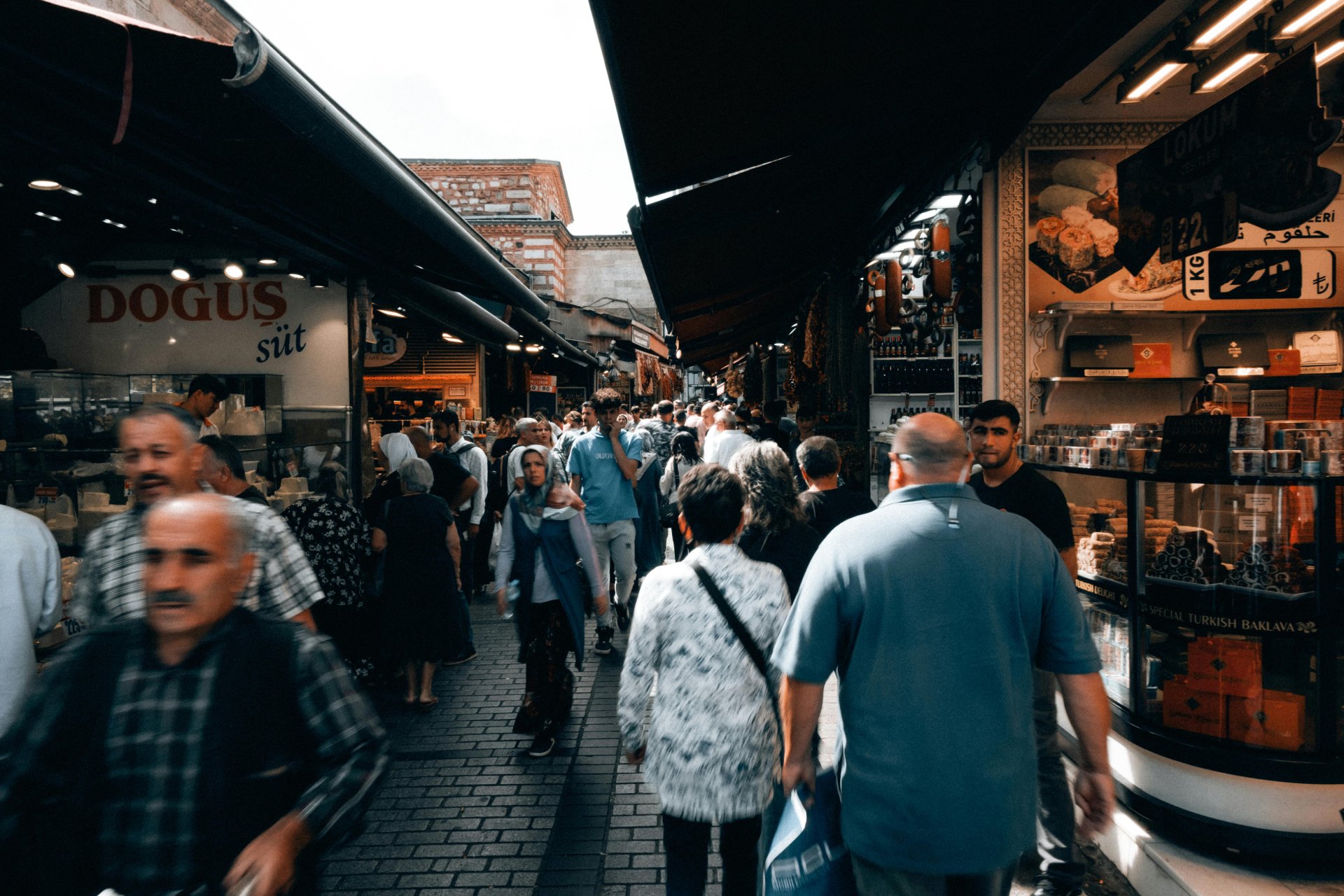
Morocco’s medinas are the beating heart of the country’s cultural heritage — walled, labyrinthine old towns where history, commerce and daily life collide in a vibrant swirl of color, scent and sound. From the sprawling souks of Marrakech and the historic alleyways of Fez to the coastal charm of Essaouira and the blue-washed serenity of Chefchaouen, each medina offers a unique sensory experience.

Narrow, winding streets lead past centuries-old mosques, ornate riads, artisan workshops and spice-filled stalls where the aroma of Moroccan food like tagine, olives and fresh mint tea fills the air. While medinas are largely safe to explore, they can be overwhelming due to their maze-like layouts, heavy foot traffic and persistent street vendors. Hiring a licensed local guide can enhance the experience and help visitors navigate these ancient quarters with ease and cultural insight.


The Global Rescue Connection

Despite its warm hospitality, Morocco is considered a moderate-risk destination due to regional instability, occasional terrorism threats and healthcare disparities in rural regions.

As one Global Rescue member learned firsthand, even routine travel can turn serious. While exploring the country by motorcycle, the member suffered a broken leg and was hospitalized for surgery. After monitoring in a local ICU, Global Rescue arranged an airborne medical evacuation back to San Francisco, including a fit-to-fly certificate, a business-class seat equipped for leg elevation and a travel companion for support.

The case illustrates how even moderate-risk destinations can present critical challenges when accidents happen far from home, and the essential value of expert support during medical emergencies.


Is It Safe To Travel to Morocco?

Generally, yes. Millions visit each year without incident, and the government maintains tight security in major cities and at popular tourist attractions. Petty crime, scams and occasional protests, however, are risks visitors should prepare for. In crowded areas like Marrakech’s medina, Fez and Casablanca, pickpocketing and bag snatching are common.

Tourists may also encounter unofficial guides or aggressive vendors attempting to overcharge. Travelers should avoid walking alone late at night, especially in dimly lit areas and always agree on taxi fares in advance when using a taxi without a meter. The threat of terrorism remains low but present; security forces maintain a visible presence near hotels, public transportation and tourist hotspots.


Moroccan Food, Healthcare and Transportation

When it comes to dining, Morocco’s culinary scene is a major draw. From steaming tagines and couscous to sweet mint tea and flaky pastilla, Moroccan food is richly spiced and deeply satisfying. Several Moroccan restaurants have received Michelin recognition and global acclaim for their fine dining experiences, particularly in cities such as Marrakech and Casablanca. Establishments such as La Grande Table Marocaine offer elevated takes on traditional Moroccan cuisine in elegant settings, reflecting the country’s commitment to both heritage and innovation.

Street food in Morocco is flavorful, affordable and widely available in cities and villages alike. Dishes like grilled brochettes, msemen (Moroccan pancakes), harira soup and sardine sandwiches are local favorites. While most vendors follow safe food practices, it’s best to choose stalls with high customer turnover and visible hygiene standards. Travelers with sensitive stomachs may want to avoid food that has been sitting out too long or isn’t served hot. Tap water, even in cities, should be avoided; bottled or filtered water is the safest choice for drinking and brushing your teeth.

In case of emergency, police can be reached at 19, ambulances at 15 and fire services at 150. The US Embassy is in Rabat and can be reached at +212 (0) 5376-37600. Canadian and other foreign embassies are also based in the capital. Medical evacuation from rural or remote regions can be complicated; Global Rescue members have access to field rescue, airborne evacuation and 24/7 medical advisory services.

Healthcare in Morocco varies significantly. Urban centers such as Casablanca, Rabat and Marrakech have private clinics with acceptable standards of care, though they may still lack the capabilities of Western hospitals. In rural areas and remote desert or mountain regions, medical facilities are often limited, with outdated equipment and staff who do not speak English. Common health risks include gastrointestinal illnesses from contaminated food or water, as well as insect-borne diseases such as leishmaniasis, which is transmitted by sand flies or mosquitoes. Travelers should be up to date on vaccinations, including MMR, tetanus, hepatitis A, typhoid and rabies if venturing into remote areas. Bottled water is strongly recommended, as tap water is generally not safe to drink. Avoid ice cubes, unpeeled fruits and raw or undercooked meats to minimize health risks.

Transportation in Morocco has improved significantly in recent years, with the development of a growing network of modern highways and rail services. Official petit taxis are best suited for short rides within cities, while grand taxis are more suitable for intercity routes. Ride-hailing apps like Careem and Bolt are available in some urban centers. When using taxis, always agree on the fare or confirm that the meter is running. Morocco’s highways between major cities are modern and well-maintained, but rural roads may be poorly marked, dimly lit and shared with animals or pedestrians. ONCF trains are generally safe and reliable, while buses vary in quality. Avoid overcrowded or unofficial minivans. Driving is on the right-hand side and seatbelts are strongly recommended. Avoid driving at night in rural areas.


Morocco Traveler Tips

US and Canadian citizens can enter Morocco visa-free for up to 90 days. Travelers must carry a passport valid for at least six months beyond the date of entry. Proof of onward or return travel may be requested, and a customs declaration form may be required upon arrival. Travelers must declare any currency amount over $10,000 USD and should be aware that drones, firearms and some medications are restricted. Exporting antiques or cultural artifacts may require government permission.

Morocco is a Muslim-majority country with conservative social norms. While tourism is welcomed, visitors should respect local laws and customs. Drug possession is illegal and strictly punished. Public displays of affection are discouraged, especially in rural areas, and public intoxication can lead to arrest. Photographing police or military facilities is prohibited. Modest dress is advised, particularly in religious or rural areas and travelers should be discreet when eating or drinking in public during Ramadan. Tipping 5–10% is customary at restaurants and for tour guides.

LGBTQ+ travelers should be aware that homosexuality is criminalized under Moroccan law, though enforcement is rare in tourist areas. Most LGBTQ+ travelers report safe experiences when exercising discretion. Solo female travelers can safely explore Morocco, but unwanted attention is a common concern. Dressing conservatively and traveling with a group can help minimize harassment. Infrastructure for travelers with disabilities is limited outside major hotels, and medina streets may be uneven or inaccessible.

The Moroccan Dirham (MAD) is the local currency. Credit cards are accepted in cities, but cash is preferred in markets and smaller towns. Arabic and French are widely spoken, while English is common in tourist zones. Morocco operates on 220V power with European-style plugs (Type C/E) and the country sits in the GMT+1 time zone. The climate ranges from Mediterranean along the coast to desert in the interior and alpine in the mountains. Summers can be very hot; winters vary widely depending on elevation.

So, is Morocco safe? With smart planning, cultural respect and the right travel protections in place, Morocco is not only safe to travel but also endlessly enriching.