Article Highlights:

  • New Zealand ranks in the top three dream “gift trips” and is the number one destination travelers recommend for first-time international travelers.
  • Fjords, glaciers, volcanoes, beaches and unique wildlife make New Zealand an unmatched natural playground for leisure and adventure.
  • Adventure tourism thrives, from bungee jumping and jet boating to multi-day hikes and world-class skiing in the Southern Alps.
  • Culinary icons like Manuka honey, kiwifruit, lamb and Sauvignon Blanc showcase New Zealand’s rich food and wine culture.
  • Overall risk is Low, with excellent medical care and low crime, but travelers must respect earthquakes, tsunamis and other natural hazards.


According to the Fall 2025 Global Rescue Traveler Sentiment and Safety Survey, if every traveler could receive one trip as a gift, New Zealand ranks in the coveted top three. It attracts adventure seekers, nature lovers and movie-mad pilgrims chasing Middle-earth all at once. Just as important, when experienced travelers were asked where they would send someone who has never been abroad, New Zealand emerged as the number one choice, earning 21% of the vote. Its English-speaking environment, friendly locals and cinematic scenery make it a gentle introduction to the wider world without sacrificing a sense of awe.

This dual status — bucket-list fantasy and first-timer favorite — captures what makes New Zealand so special. It feels both thrilling and reassuring, a destination where you can bungee jump off a canyon bridge in the morning and be eating world-class lamb with a glass of Sauvignon Blanc by evening, knowing the systems around you are reliable and safe.

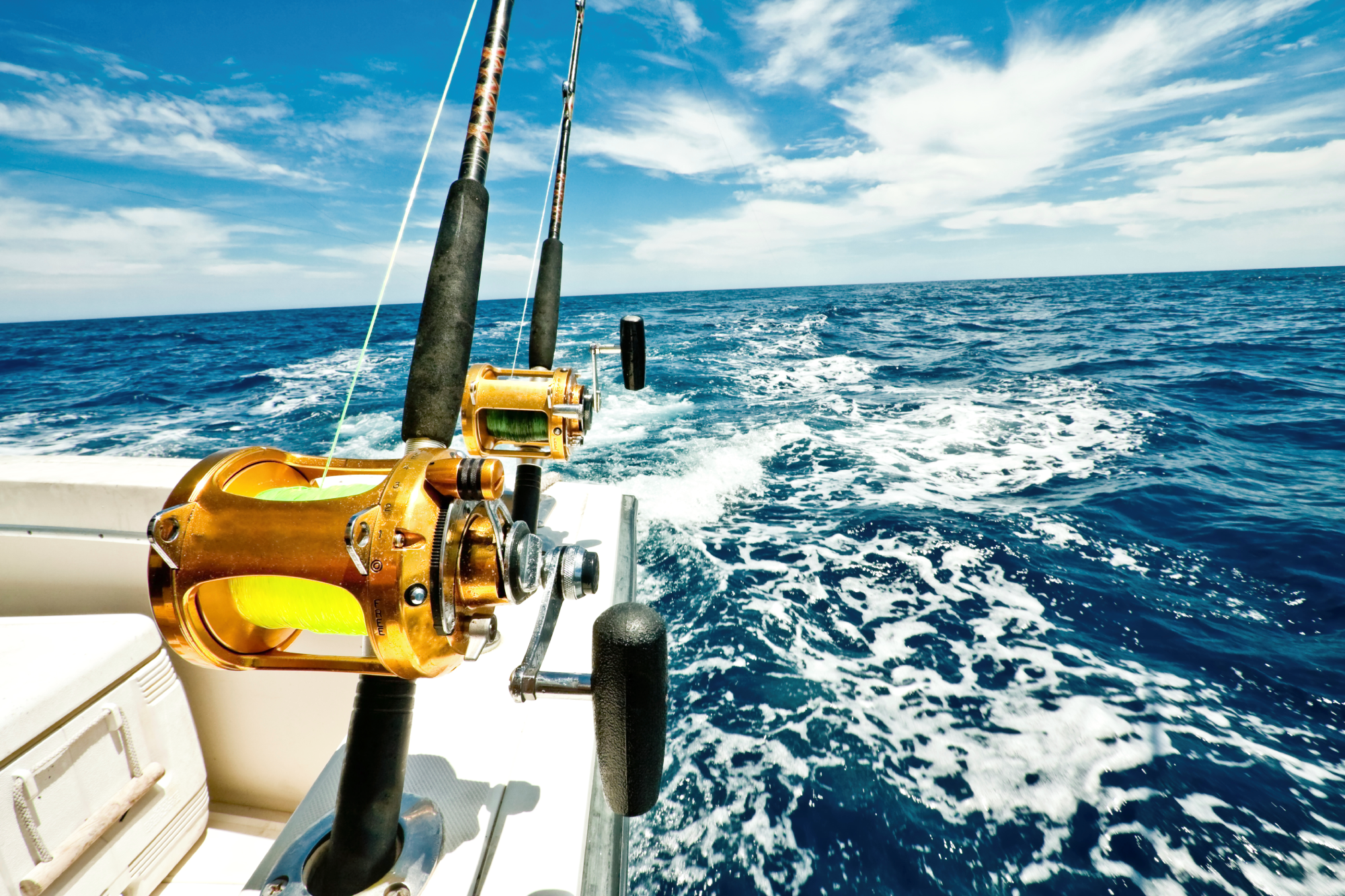
“Since the pandemic, travelers have increasingly sought safe, English-speaking destinations that are easy to navigate, and New Zealand has quickly become a top choice for serious anglers. Its pristine rivers, trophy trout, and the perfect mix of adventure, breathtaking scenery, and wine culture make it one of the most desirable spots for passionate anglers,’ said Jeremy Kehrein, manager, Orvis Adventures.


A Natural Playground at the Edge of the World

New Zealand’s landscapes are the stuff of postcards and film franchises. South Island fjords like Milford Sound plunge from misty cliffs into ink-dark water. Glaciers spill from mountain ranges toward temperate rainforests. Volcanoes and hot springs bubble and steam across the central North Island, while beaches, rolling hills and vineyard-covered valleys knit everything together.

Wildlife is just as distinctive. This is the home of the kiwi bird, a flightless, nocturnal symbol of the nation and of marine life-rich bays where dolphins, seals and whales are regularly sighted. For many visitors, simply driving between towns becomes part of the experience; the road itself winds past peaks, lakes and windswept coastlines that seem designed for slow travel and frequent photo stops.

The country’s natural drama also underpins its reputation as a set for The Lord of the Rings and The Hobbit trilogies. Fans can visit filming locations, walk in the shadow of the “Misty Mountains” and tour purpose-built sets, layering fantasy onto very real topography.


Adventure Capital for Every Adrenaline Level

Thanks to its varied geography, New Zealand is a global hub for adventure tourism. It is famously the birthplace of commercial bungee jumping and today travelers can leap from bridges, cliffs and purpose-built platforms in places like Queenstown, the self-proclaimed “adventure capital of the world.” Jet boating, canyon swinging, whitewater rafting and skydiving all thrive here.

For those who prefer their thrills on two feet, the country’s “Great Walks” and countless day hikes crisscross national parks and alpine landscapes. Trails like the Milford Track, Tongariro Alpine Crossing and Routeburn Track offer multi-day immersions in wilderness, with well-maintained paths and huts that still require serious preparation and respect for rapidly changing weather.

On the water, visitors can kayak along serene sounds, dive coastal reefs and explore penguin and seal colonies. In winter, the Southern Alps deliver ski and snowboard terrain with spectacular backdrops. Whether you are a seasoned adventurer or a curious beginner, New Zealand makes it easy to scale experiences up or down to your comfort level.


Taste of New Zealand: From Kiwifruit to Lamb

Food and drink are central to the New Zealand experience and provide easy entry points into local culture. The country is globally famous for its export products, including kiwifruit and Manuka honey. The latter, prized for its unique antibacterial properties, has become a staple in wellness circles and a must-buy souvenir.

In vineyards from Marlborough to Hawke’s Bay, New Zealand’s wines compete on the world stage. Crisp, aromatic Sauvignon Blanc is the country’s signature, but Chardonnay, Pinot Noir and other varietals round out tasting room menus with serious depth. Travelers can pair wine touring with scenic drives and coastal stops, making “cellar door” visits as much about the landscape as the glass.

Culinarily, lamb is a star protein, often served simply grilled or roasted to showcase its flavor. Farmers’ markets and modern restaurants alike highlight local produce and seafood alongside global influences. You might start your day with fresh kiwifruit, drizzle Manuka honey over yogurt, enjoy fish and chips by the sea for lunch, then sit down to lamb and a local Sauvignon Blanc at dinner.


Culture, Māori Heritage and the All Blacks

New Zealand’s identity is inseparable from its indigenous Māori culture. Te reo Māori (the Māori language) appears in place names and greetings; carved meeting houses, weaving, tattoos (tā moko) and traditional performances are visible throughout the country. Many visitors consider a guided cultural experience, such as a visit to a marae (meeting ground) or a performance that includes the haka, an essential part of understanding the nation’s story.

Rugby is the heartbeat sport and the national team, the All Blacks, is renowned worldwide. Their pre-match haka, rooted in Māori tradition, is as iconic as their white-on-black fern emblem. Catching a match in person or watching in a local pub gives travelers an immediate connection to everyday life and national pride.

Layered atop this is a laid-back, welcoming population. New Zealanders, often simply called “Kiwis,” have a reputation for friendliness, practical problem-solving and an easy sense of humor. For first-time international travelers, that human warmth matters as much as the scenery.


Business Trips, Bleisure and New Zealand’s Global Links

While New Zealand feels remote on the map, it is firmly connected to global business networks. Cities like Auckland and Wellington host thriving tech, film and service sectors. Conference facilities, high-speed internet and efficient air links across the country make it a practical destination for meetings and events.

Crucially, New Zealand is also a superb “bleisure” destination: it practically begs business travelers to stay a few extra days. A workweek in Auckland can easily expand into a wine-tasting weekend, a quick escape to geothermal Rotorua or a South Island side-trip to Queenstown or Fiordland. With English as the primary language and straightforward infrastructure, the logistical friction for extending a trip is low, while the experiential payoff is very high.


Risk and Health Overview: Low Risk, Big Nature

The overall risk rating for New Zealand is low, based on a low security risk and a low health risk profile, according to the US State Department. Crime levels are lower than in most Western countries; petty theft and pickpocketing are the main concerns for visitors, particularly in urban centers and at popular tourist sites. Police are generally effective and responsive and most visits are free of major security incidents.

The terror threat level is assessed as medium, but day-to-day life and travel patterns remain largely unaffected. Sensible situational awareness, like noting exits in crowded places and following local guidance, is usually sufficient for most travelers.

New Zealand’s biggest safety challenges come from nature. Sitting on the Pacific “Ring of Fire,” the country is prone to earthquakes, which can in turn spark tsunamis. Volcanic activity and wildfires are additional, if less frequent, hazards. Travelers should familiarize themselves with earthquake and tsunami procedures, heed posted warnings on trails and beaches and respect closures and weather advisories in national parks.

On the health side, New Zealand enjoys low levels of water-borne, vector-borne and communicable diseases and medical facilities — especially in major cities — are of high quality. Visitors typically pay for care out of pocket or through insurance and more remote islands or rural areas may require medical evacuation to larger centers in an emergency.

No immunizations are required for entry into New Zealand. However, travelers should be current on routine vaccines and may discuss Hepatitis A, Hepatitis B and seasonal influenza vaccination with their healthcare provider, especially if they plan extended stays or close contact with local communities. Standard precautions — frequent handwashing, safe food and water practices, sun protection and sensible sexual health measures — are usually sufficient to manage personal health risk.


The Global Rescue Connection

For all its safety advantages, New Zealand remains a country where the wild is very close at hand. A misstep on a remote hiking trail, a crash on a scenic back road, an unexpected illness far from a major hospital or a seismic event disrupting transport can turn a dream trip into a complicated crisis.

A Global Rescue membership adds a vital layer of protection. Members gain access to field rescue if they are injured or stranded in difficult-to-reach areas, medical evacuation to the hospital of their choice and 24/7 medical advisory support from experienced physicians. Security advisory services can help interpret local alerts, assess risk after earthquakes or other incidents and guide decisions about whether to shelter in place, move locations or return home.

If you are planning to make New Zealand your once-in-a-lifetime journey or gifting a first-ever international adventure to someone else, pairing that trip with Global Rescue support means you are not just sending them to spectacular fjords, vineyards and rugby stadiums. You are giving them the freedom to explore New Zealand’s mountains, coastlines and culture with the confidence that expert help is only a call away.