Submitted by Thomson Bike Tours, one of the world’s leading providers of premium guided cycling adventures.


Article Highlights:

  • Mountain weather can shift fast; smart layering keeps you safe from hypothermia in cold rain and overheating in the sun.
  • Dehydration and low visibility can quickly turn a great ride into a dangerous one.
  • Lights, basic tools, chargers and adapters prevent minor issues from becoming ride-stopping problems.
  • The right post-ride layers, footwear and essentials help you recover and enjoy each day.
  • When the unexpected happens, Global Rescue provides peace of mind so you can focus on the ride ahead.


A great cycling adventure begins long before you make the first turn of your wheels. It starts at home while you pack your bag. Good planning helps you stay safe, comfortable and ready for whatever each day brings. At Thomson Bike Tours, we see riders who arrive fully prepared, and we see riders who learn the hard way. The good news is that a little thought and preparation can prevent most problems later down the road.

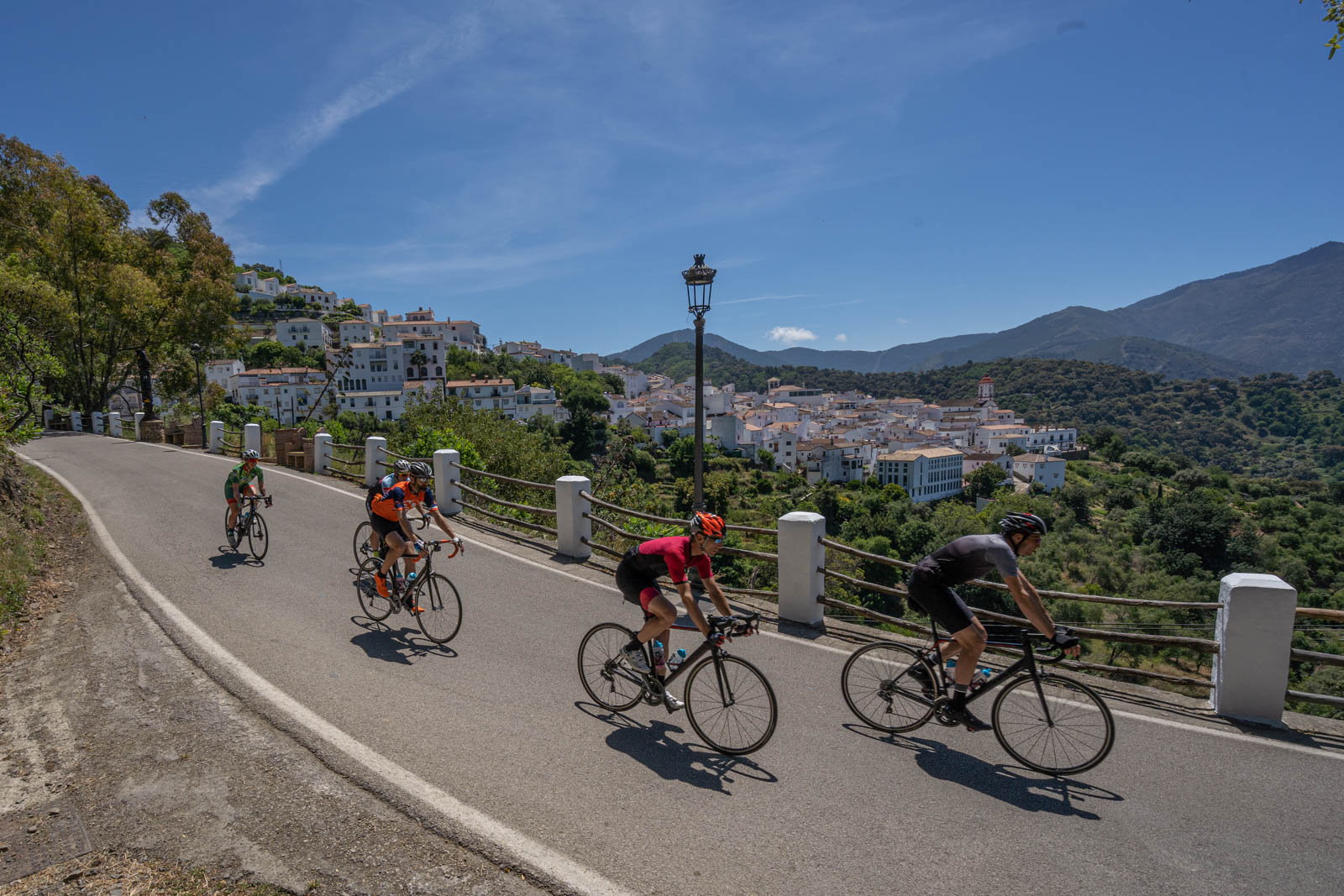
Packing smart starts with knowing how quickly conditions can change. Our most popular trips include the high mountains of Europe – the Pyrenees, Dolomites and Alps, where weather can shift from warm sun to cold rain in minutes. A wind vest, a light rain jacket, warm gloves and a skull cap can make the difference between a smooth climb and a rough one. When riders dress too light, the cold can lead to hypothermia. You lose heat fast, your hands get stiff and your legs slow down. It’s not only unpleasant, it’s unsafe for you and your fellow riders. The right layers help your body stay steady when the weather does not.


Layering, Hydration and the Weather Factor

Warm days bring their own challenges, so you also need gear that helps you stay cool. Light jerseys, shorts, sleeves, a bandana and sunscreen keep the heat from building up. If you overdress when the sun is strong, your body can trap too much warmth. This can lead to hyperthermia, where you feel dizzy, confused or drained. Once that happens, it becomes hard to enjoy the ride. Simple choices, like starting out in adaptable clothing, will keep your mind clear and body strong.

Hydration is another key part of any cycling trip. Long climbs, steady miles and bright sunlight take water from your body much faster than you expect. Have two bottle cages on your bike, pack bottles you like to use at home and bring a drink mix and salty snacks. Drinking often keeps your muscles working well and your mind sharp. Riders who forget to drink begin to feel slow and foggy, and crushing headaches can spring from nowhere. Dehydration makes reaction time drop, which can make handling the bike harder, especially on hairpin roads.


The Gear That Keeps Small Problems From Becoming Big Ones

Safety gear is just as important as clothing and drink. A small set of lights help other riders and drivers see you, even on quiet roads. Shade, tunnels and the dappled light of late afternoons can all hide a cyclist from view. Without lights, a driver may only notice you at the last moment, raising the risk of a collision. Good visibility is simple to pack and even easier to use.

Small tools also play a big part in a smooth ride. A seat bag with a spare tube or liquid sealant, tire levers and a CO2 adapter is enough for most quick fixes. Add your pedals, your shoes and your helmet, and you are ready to roll. But don’t forget your bike computer, charger, mount and a power adapter suitable for your destination. One strip with several plugs is even better. Riders who leave these out often lose half a day sorting out problems that could have been solved in minutes. A little kit can save a lot of time.

After the ride, comfort matters too. Bring layers: something light for the warm evenings and a warm fleece for the cooler ones, plus comfy shoes, and clothes for relaxing. Pack a swimsuit too, as many hotels will have a pool or you might even feel tempted to try a lake or river dip as you cycle by.


Planning for Comfort, Safety and the Unexpected

Travel basics should stay at the top of your list. Keep your passport, phone, charger cables, a battery pack, credit cards and any medicine in a waist pack so that it’s all easy to reach. Keeping these travel essentials close to hand makes travel smooth and helps you make good decisions at your destination, even after a long flight.

The final choice is how much you want to carry yourself. Some riders enjoy packing every item and heading out alone, otherwise known as bikepacking. Others prefer the ease of a group trip where a support van carries extra water, food and spare clothing. Either way, the goal is to enjoy the ride and good planning gives you freedom to do that.

But, even with the best planning, travel can still bring surprises. Weather can shift, luggage can get lost and small oversights can lead to bigger problems. Many of our guests choose to add Global Rescue travel assistance for extra peace of mind. It’s the “red button” you push in an emergency and it helps you stay focused on the adventure ahead instead of the what-ifs. With support ready when you need it, you only need to worry about the next climb. If your legs feel strong, the rest is covered.


The Global Rescue Connection

Bicycle accidents are down in the United States and Germany, but they still happen. Global Rescue received an urgent call about a New Hampshire woman who sustained a fractured pelvis following a serious bicycle accident during a bike tour in Upper Bavaria, Germany. Thankfully, there were no signs of a concussion or head injury, but she could not stand or walk. She was admitted to a local medical care center and discharged several days later. After advising her to use crutches and keep pressure off her right hip, the Global Rescue operations team coordinated the member’s return home and provided the necessary ground transportation in Germany and the U.S. Be prepared. Add Global Rescue to your trip and make your next Thomson Bike Tours adventure the best yet.