Article Highlights:

  • Portugal is considered a low-risk destination with strong infrastructure and generally high personal safety for travelers.
  • Lisbon and Porto combine historic architecture, vibrant culture and modern amenities.
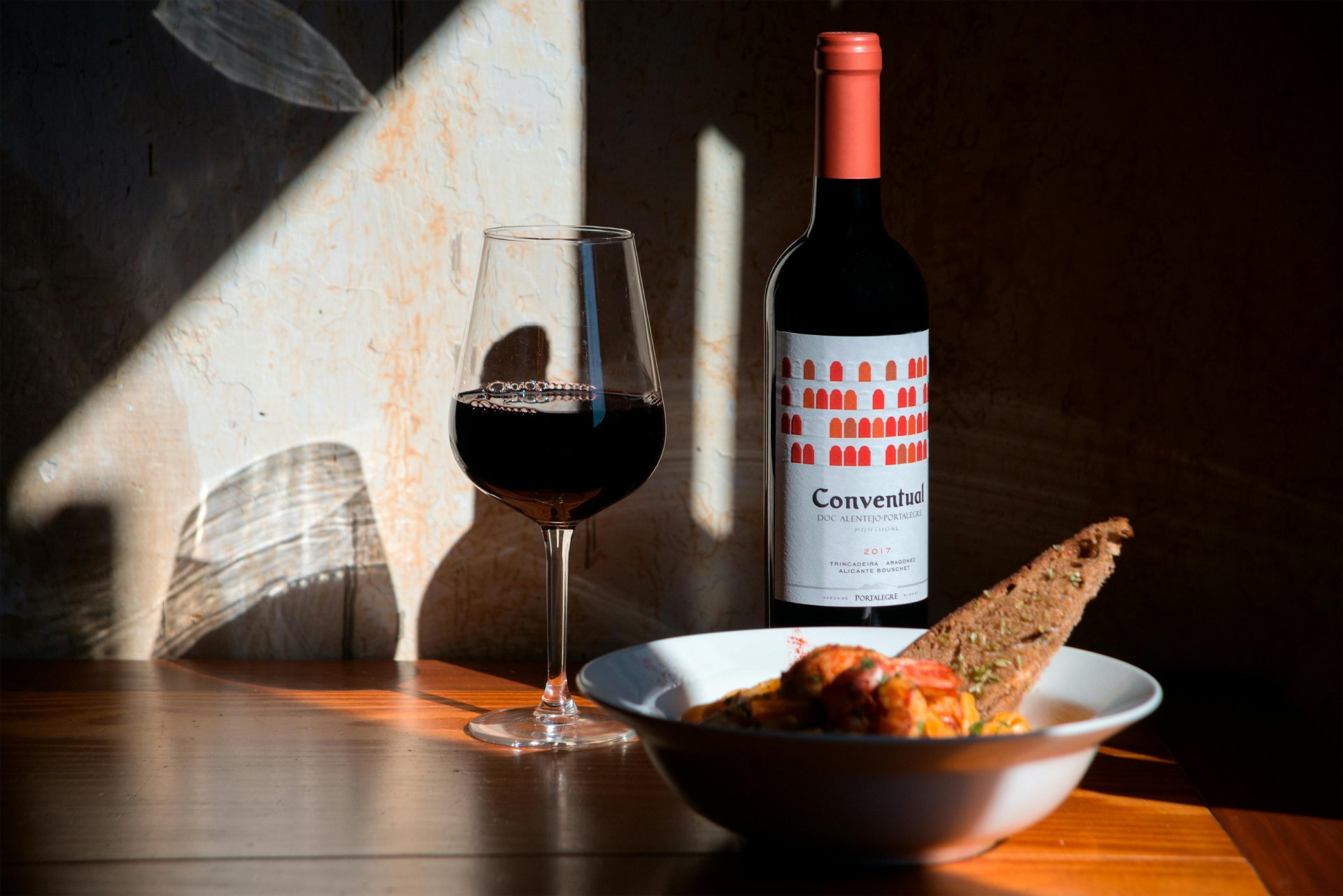
  • The Douro Valley is one of the world’s great wine regions, famous for port and port wine traditions.
  • Medical care is high quality in urban areas though access can be limited in rural regions.
  • Global Rescue provides critical support for travelers facing medical or evacuation emergencies.


Portugal stands as one of Europe’s most rewarding destinations, offering a balance of historic depth, culinary excellence and a relaxed Atlantic pace of life. Situated on the western edge of the Iberian Peninsula, Portugal borders Spain to the east and the Atlantic Ocean to the west, creating a maritime culture that has shaped its history for centuries. From the steep hills of Lisbon to the riverfront cellars of Porto and the terraced vineyards of the Douro Valley, the country delivers a travel experience that feels both refined and approachable.

Portugal’s geography contributes significantly to its appeal. The Tagus River divides the country climatically and culturally. Northern regions tend to be cooler and wetter, supporting lush landscapes and vineyards, while southern Portugal is warmer and drier with long stretches of coastline. The country is home to more than 10 million people, the majority of whom are ethnically Portuguese, alongside communities from former Portuguese colonies in Africa, Asia and South America. Portuguese is the official language, though English is commonly spoken in tourism and business settings, particularly among younger generations.


Lisbon and Porto

Lisbon, the capital, is a city defined by light, elevation and history. Built across seven hills, it offers sweeping views of the Tagus River, tiled facades known as azulejos and neighborhoods that retain a strong sense of identity. Alfama’s narrow streets echo with fado music, while districts like Chiado and Príncipe Real blend historic elegance with contemporary dining and shopping. Lisbon is also Portugal’s primary transportation hub, making it a practical gateway for international travelers.

Porto, in the north, presents a contrasting but equally compelling character. Known for its dramatic riverfront and medieval core, Porto is closely associated with port wine production. Across the Douro River in Vila Nova de Gaia, centuries-old wine lodges store barrels of aging port, offering tastings and insights into one of Portugal’s most famous exports. Porto’s compact size, walkable streets and rich culinary scene make it a favorite among travelers seeking authenticity without sacrificing comfort.


Douro Valley

Beyond the cities, the Douro Valley represents one of Portugal’s greatest cultural and agricultural treasures. Recognized as a UNESCO World Heritage Site, the valley is defined by steep terraced vineyards carved into hillsides along the Douro River. This region is the birthplace of port wine and a major producer of high-quality red and white wines. River cruises and vineyard visits allow travelers to experience both the scenic beauty and the generational traditions that define Portuguese winemaking. In addition to port, the country produces vinho verde, a light and refreshing wine associated with the northern regions and often enjoyed in warmer months.

Food plays a central role in Portuguese life. Seafood features prominently, reflecting the nation’s maritime heritage. Dishes like bacalhau, grilled sardines and arroz de marisco are staples, while regional specialties vary widely. Portugal also boasts a growing reputation for fine dining, with numerous Michelin-starred restaurants in Lisbon, Porto and resort areas. At the same time, casual dining remains accessible and high quality. Street food and neighborhood cafés serve fresh pastries, pork sandwiches and espresso at modest prices. Tap water is safe to drink throughout the country and food hygiene standards are generally high.


Security, Healthcare and Transportation

From a risk perspective, Portugal is classified as a low-risk destination. Security and health risks are considered low and most visits are free of serious concern. Crime has increased modestly in recent years, though incidents typically involve opportunistic theft rather than violent crime. Pickpocketing can occur in crowded tourist areas, public transportation and popular attractions in Lisbon and Porto. Travelers should remain attentive to their belongings, particularly in transit hubs and busy neighborhoods.

Public demonstrations do occur but are generally peaceful, planned in advance and well publicized. There is a general threat of terrorism across Europe, including Portugal, though the country has not experienced frequent incidents. Police are professional, well trained and visible and public transportation systems are reliable and safe.

Portugal’s healthcare system meets international standards, particularly in major urban areas. Lisbon and Porto are home to modern hospitals and private clinics, many with English-speaking staff. Medical care is more limited outside cities and travelers in rural areas may face longer response times. Public hospitals are generally less expensive than private facilities, though many require payment or a credit card upon admission. Emergency services are available through the universal number 112, but response times can vary.

European nationals carrying a European Health Insurance Card may access public healthcare benefits, though the card does not cover medical evacuation or ongoing treatment. Prescription medications cannot be mailed into Portugal, but pharmacies are widely available and often well stocked with generic alternatives. Some medications that are sold over the counter in the United States may require a prescription locally. Portugal also maintains five decompression chambers located in Lisbon, Porto, Madeira and the Azores, reflecting its maritime and diving activity.

Even in a low-risk country, unexpected incidents can disrupt travel plans. Slips and falls are among the most common travel-related injuries. In one case, a traveler fractured her kneecap after falling on steps while visiting Portugal. Following surgery, Global Rescue coordinated her return to the United States, arranging flights with extra legroom and ground transportation to her home. The situation underscored how quickly a routine accident can become a complex logistical challenge when traveling abroad.

Transportation within Portugal is efficient and straightforward. High-speed trains connect major cities, highways are modern and well maintained and ride-hailing services operate widely in urban areas. Travelers should be aware that some highways use electronic toll systems and rural roads may be narrow and winding. Comfortable footwear is essential, particularly in historic districts where cobblestones and steep inclines are common.

Portugal is widely regarded as inclusive and welcoming. LGBTQ+ travelers are protected by law and generally feel comfortable, especially in Lisbon and Porto. Solo travelers and families alike report positive experiences, though standard travel precautions always apply. Visitors from the United States and Canada can enter Portugal visa-free for up to 90 days within the Schengen Area, provided passport validity requirements are met.


The Global Rescue Connection

Portugal’s reputation as a safe, stable and welcoming destination is well earned. Political stability, low crime rates and high-quality healthcare make it an excellent choice for international travelers. However, safety does not eliminate risk entirely. Accidents, medical emergencies and logistical complications can arise even in the most prepared journeys. A Global Rescue membership provides travelers with access to field rescue, medical evacuation, medical advisory services and coordinated transport in the event of an emergency. For travelers exploring Portugal’s cities, wine regions and coastlines, Global Rescue offers an added layer of confidence that ensures help is available when it matters most.