Article Highlights:

  • A pre-travel health check reduces risk from illness, injury and medical emergencies abroad.
  • Traveler’s diarrhea and respiratory infections remain the most common travel-related illnesses.
  • A pre-travel health check helps travelers identify destination-specific risks before departure.
  • Knowing how to access quality medical care abroad can significantly reduce response time in an emergency.
  • Medical advisory and evacuation services provide critical support when preparation is not enough.


Travel planning today extends far beyond flights and accommodations. As international travel grows more complex and global risks more unpredictable, travelers are increasingly recognizing that health preparation is foundational. A pre-travel health check is one of the most effective steps travelers can take to protect their well-being, reduce disruption and ensure they are prepared to manage illness or injury far from home.

According to a Global Rescue survey of the world’s most experienced travelers, nearly a third of respondents identified injury or illness as their biggest concern during international travel. Health risks ranked above crime, political instability and logistical disruptions. While safety has always been part of travel decision-making, today’s environment has elevated health preparedness to a top priority.

“Whether it’s falling ill or experiencing an injury abroad, travelers are becoming more aware of the importance of having robust support systems in place,” said Dan Richards, CEO of the Global Rescue Companies. “Having the right resources available, whether that’s safety advisory or medical evacuation, can make all the difference when facing an emergency abroad.”


What’s in a Pre-Travel Health Check?

A pre-travel health check is not a single appointment or checklist item. It is a process that builds resilience into an itinerary before departure. It begins with a medical consultation to review chronic conditions, current medications and overall fitness for the journey ahead. This is particularly important for travelers heading to remote regions, developing countries or destinations with limited healthcare infrastructure.

Vaccinations are a critical component of this preparation. Beyond routine immunizations, travelers may require protection against hepatitis A and B, typhoid or yellow fever depending on destination. Some countries mandate proof of vaccination for entry, while others strongly recommend it due to regional disease prevalence. Timing matters, as certain vaccines require multiple doses or weeks to become fully effective.

Medication planning is equally important. Travelers should carry both printed and digital copies of prescriptions and confirm that their medications are legal in the destination country. Many nations restrict stimulant medications, opioids or certain anxiety treatments, even when legally prescribed at home. Packing a double supply of essential medications and splitting them between carry-on and checked baggage reduces the risk of loss or delay.


Common Illnesses and Injuries Among Travelers

Illness remains one of the most common disruptions to international travel, with traveler’s diarrhea consistently ranking as the leading complaint. It affects a significant percentage of travelers visiting regions with inadequate sanitation or water treatment. Caused by bacteria, viruses or parasites in contaminated food and water, traveler’s diarrhea can range from mild discomfort to severe dehydration requiring medical attention.

Respiratory infections are another frequent issue. Long-haul flights, crowded airports and close-contact environments increase exposure to influenza and the common cold. These illnesses often spread quickly and can derail travel plans within days of arrival.

Vector-borne diseases pose additional risks in tropical and subtropical regions. Mosquito-transmitted illnesses such as malaria, dengue fever, chikungunya and Zika remain prevalent across parts of Africa, Asia and Latin America. Prevention depends heavily on advance awareness, proper use of insect repellent and protective clothing and in some cases, prophylactic medication.

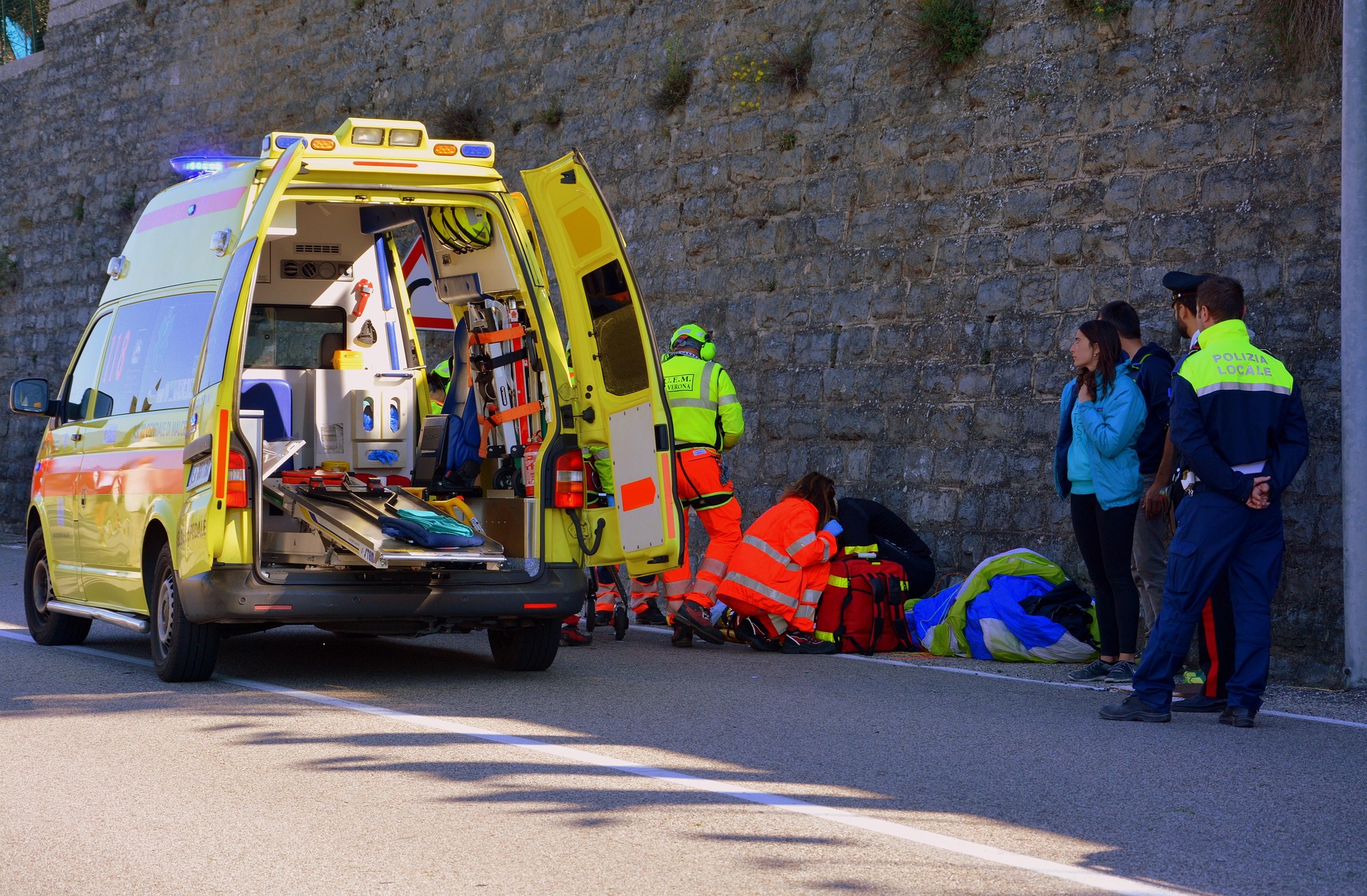
While infectious diseases receive significant attention, injuries represent the greater threat to traveler safety. Injuries cause more deaths among healthy US citizens abroad than all infectious diseases combined. Motor vehicle crashes are the leading cause of non-natural death for international travelers, particularly in countries where road safety standards differ from those at home. Drowning, falls and trauma related to adventure activities or unsafe infrastructure also account for a substantial number of serious injuries.

A pre-travel health check addresses these risks through informed planning. Travelers are advised to research local transportation conditions, avoid nighttime driving where appropriate and choose reputable transport providers. Understanding environmental hazards, emergency response capabilities and local laws further reduces exposure to preventable harm.


Upon Arrival

Preparation does not end upon arrival. Travelers should approach healthcare access with the same precision they apply to choosing lodging or dining options. Identifying a capable hospital within a reasonable distance, saving local emergency numbers and ensuring mobile connectivity are practical steps that enable rapid response when time matters most. Keeping essential documents, medications and assistance information readily accessible allows travelers to act decisively in an emergency.

This shift toward proactive planning reflects a broader change in traveler behavior. International trip preparation is no longer focused solely on experiences and reservations. Increasingly, travelers are relying on destination reports and professional advisories to understand health risks, security conditions and infrastructure limitations before departure.

“More travelers are proactively seeking advice and protection even before departure,” Richards emphasized. “They want to ensure they are ready to respond to unpredicted crises.”

The value of a pre-travel health check lies in its ability to replace uncertainty with informed decision-making. It empowers travelers to mitigate common risks, recognize symptoms early and navigate unfamiliar healthcare systems with confidence. However, even the most thorough preparation cannot eliminate every contingency. When serious illness or injury occurs abroad, access to expert medical guidance and evacuation services becomes essential.


The Global Rescue Connection

People traveling internationally for leisure or adventure must tailor their health precautions to the realities of each destination. Effective preparation means staying current on required and recommended vaccinations, practicing rigorous hygiene and taking preventive measures such as using insect repellent, maintaining hydration and understanding how to access medical care in an emergency. Recognizing the health risks unique to each region is what transforms preparation into meaningful protection.

Preventing and managing the illnesses and injuries most commonly linked to international travel requires advance planning and a thoughtful approach supported by reliable intelligence. Global Rescue Destination Reports provide in-depth insights for more than 200 countries and territories, covering health risks, entry requirements, security considerations and local infrastructure that can affect a traveler’s safety and response options.

Global Rescue is recognized worldwide for its expertise in travel risk management and delivers far more than information. Members gain access to field rescue, medical evacuation, medical advisory services and legal support when it matters most. With clear insight before departure and responsive assistance in the field, Global Rescue enables travelers to reduce risk and focus on their trip with confidence, knowing that expert help is always within reach, wherever their travels may lead.