Article Highlights:

  • The travel industry’s digital detox trend can increase danger, confusion and vulnerability abroad.
  • Experts, including former Navy SEALs, warn that smartphones are essential safety tools during international travel.
  • Travelers who disconnect often get lost, stranded or unable to call for help when emergencies strike.
  • Staying connected prevents scams, crime and navigation mistakes while enabling lifesaving communication.
  • You can reduce distractions without sacrificing safety by disabling social apps while maintaining communication tools.


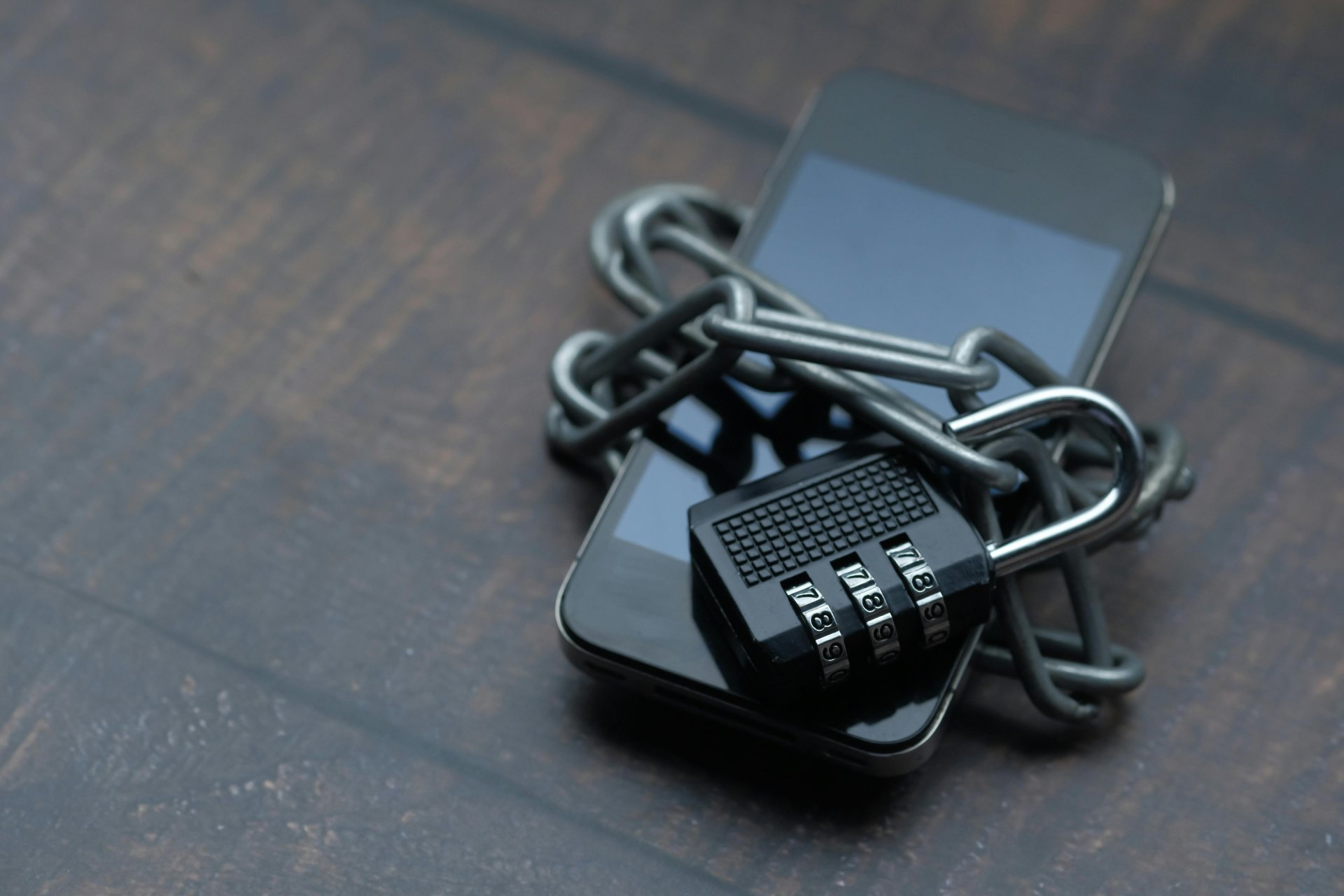
For years, the travel industry has marketed the digital detox as a salve for modern anxiety: ditch your phone, toss it into a hotel safe, wander aimlessly and live in the moment. It’s a seductive pitch, one that taps into traveler guilt, nostalgia and the fantasy of escaping FOMO (Fear of Missing Out) for some blissful JOMO (Joy of Missing Out).

The problem? For the average traveler, entirely abandoning your phone while abroad isn’t wellness. It’s recklessness.

In reality, your smartphone is less of a distraction and more of a digital safety net. It’s your wayfinding tool, your translator, your security device, your weather radar, your SOS beacon and your fastest connection to help when the unexpected happens. Disconnecting entirely may feel virtuous, but experts warn it often increases vulnerability, amplifies confusion and leaves travelers stranded, lost or unable to call for help when danger closes in.

The world hasn’t become safer simply because you want a break from notifications. And according to former military and elite security professionals, it’s time to rethink whether digital detox culture is doing travelers more harm than good.


The Reality of “Phone-Free Travel”

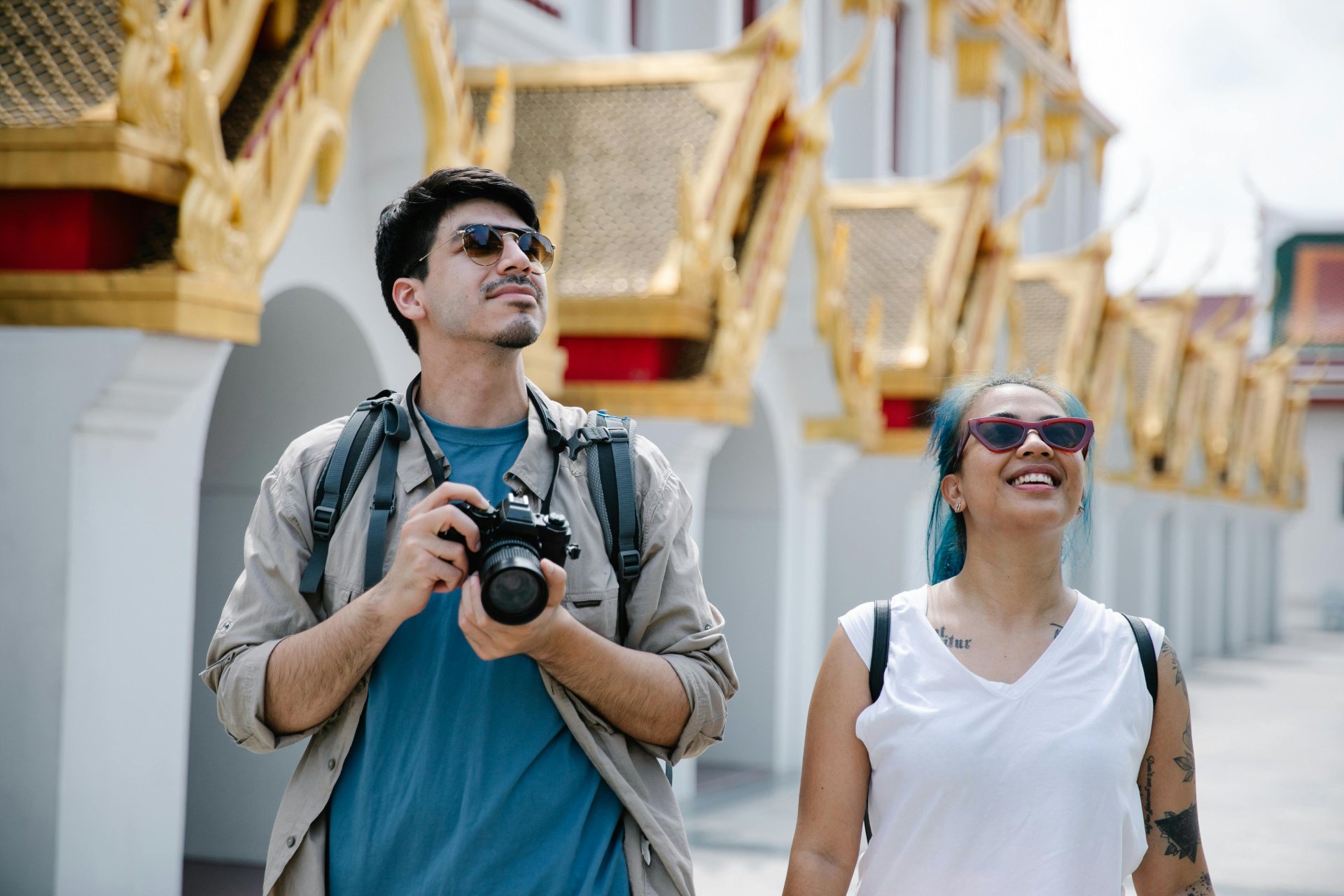
The travel industry often glamorizes the idea of going offline: no maps, no translation apps, no international calling plan, no SATCOM backup. But for most travelers, especially those visiting busy cities or remote regions for the first time, unplugging is potentially hazardous.

Harding Bush, Global Rescue’s associate director of security and a former Navy SEAL, says the advice to abandon your phone is misguided. “Your phone is a powerful safety device. Don’t discard it during international travel. Turn off the distractions, but keep it ready for emergencies and the unexpected.”

The digital detox trend assumes that safety infrastructure abroad mirrors what travelers rely on at home. It doesn’t. Getting lost in a maze of unfamiliar streets, misreading public transit routes, misinterpreting foreign language warning signs or accidentally entering a high-risk neighborhood because you wanted a “more authentic experience” can easily escalate into a crisis faster than most people imagine.

Without your phone, you lose your lifeline, literally and figuratively.


Do Travelers Regret Disconnecting?

Every year, international travel assistance providers hear from travelers who tried to disconnect and then realized too late that their devices were exactly what would have saved them.

Travelers who left their phones in a hotel safe to “live in the moment” report:

  • Getting hopelessly lost in a city with no street grid.
  • Being unable to call for help after an accident.
  • Missing weather alerts and walking straight into dangerous storms.
  • Failing to translate urgent messages or safety warnings.
  • Being unable to navigate transportation systems.
  • Having no way to share their location with friends or family.
  • Being stranded after a rideshare drop-off in an isolated area.

Bush says these experiences aren’t rare. “Staying connected is one of the simplest ways to protect yourself while traveling. Keep your phone charged, on you and accessible so a small problem doesn’t escalate into a crisis.”

What travelers want — fewer distractions — is valid. What the digital detox movement promotes — total disconnection — is not.


Your Smartphone Is a Safety Toolkit

The push to avoid phones misses what modern devices really are: essential survival tools. Bush underscores this point clearly: “Travel apps like weather, translation and navigation tools are safety tools that keep you aware of your surroundings wherever you go.”

Examples include:

  • Maps to prevent getting lost in unfamiliar or unsafe areas
  • Translation apps that help you read warnings, ask for help or understand instructions
  • Weather alerts that warn of flash floods, severe storms or extreme heat
  • Ride-hailing apps that eliminate the risk of rogue taxis
  • Emergency SOS features that contact local authorities at the tap of a button
  • Location-sharing tools that let trusted contacts know exactly where you are

Bush also warns against making unnecessary changes to your mobile setup abroad: “Avoid swapping your physical SIM card. Changing your number can block access to important data and prevent the people you rely on from reaching you when it matters.”

Instead, he recommends using an eSIM or international plan, something digital detox rhetoric rarely mentions.

Even more importantly, Bush says travelers must protect their phone number. “Treat your personal phone number as protected information when traveling. It’s a gateway to personal data that criminals can exploit.”

Digital detox advocates rarely acknowledge these risks.


Does Unplugging Make Travelers a Soft Target

When you’re not connected, you stand out, and not in a good way. Travelers wandering without situational awareness attract the attention of opportunistic criminals who look for easy victims.

Pickpockets, scam artists, extortion groups and even taxi fraud rings target travelers who:

  • Look lost.
  • Can’t translate what’s happening.
  • Aren’t receiving alerts about high-risk zones.
  • Have no backup communication device.
  • Can’t call or message someone on the spot.

According to security experts, the absence of a smartphone doesn’t project mindfulness; it projects vulnerability.

Being connected is strategic.

How To Reduce Distractions Safely

Digital detox culture offers a black and white choice: either be glued to your phone or abandon it altogether. But smart travelers know there is a safe middle ground.

Bush puts it simply: “You can still unplug by shutting off social media, but don’t disconnect from safety.” You can turn off notifications, delete or silence distracting apps, use airplane mode when resting, keep your phone on silent, limit screen time and leave your device in a pocket rather than your hand.

What you shouldn’t do is cut yourself off from emergency communication. Technology should support your wellbeing, not diminish it.

As Bush emphasizes, “Know how to share your location with others. When something goes wrong, knowing exactly where you are is one of the biggest advantages you can have.”

You don’t have to choose between being present and being prepared. You can enjoy your trip without jeopardizing your safety.


The Digital Detox Reality Check

While wellness influencers, minimalist travel bloggers and lifestyle brands may idealize the idea of digital separation, real-world travel experts see the consequences. They know the risks because they’ve responded to them.

Former military operators, private security specialists and travel risk managers all say the same thing: total digital detoxing during international travel is a dangerous misconception.

Travel can be transformative, inspiring and freeing. But it’s still unpredictable. In unfamiliar environments, connectivity is personal security.

Smartphones save lives. That may not be as trendy as a wooden-bowl breakfast on a Bali detox retreat, but it’s the truth.


The Global Rescue Connection

Staying connected is your first line of defense when things go wrong. But even with a phone in your pocket, emergencies abroad can escalate fast. That’s when expert support matters most.

A Global Rescue membership gives travelers access to field rescue, medical evacuation, medical advisory and global security support no matter where they are or how far they’ve traveled. Whether you face a medical crisis, become stranded or need urgent evacuation, Global Rescue’s teams, which include former military, intelligence and rescue professionals, are ready to help.

Because unplugging shouldn’t mean becoming unprotected.