Article Highlights:

  • Crowd control failures often result from small issues that escalate quickly in dense stadium environments.
  • Advance planning, including venue maps and rally points, significantly improves stadium safety outcomes.
  • Situational awareness allows early recognition of risk before conditions deteriorate.
  • Knowing how to respond to violence, explosions or stampedes can prevent serious injury.
  • Major events require the same risk discipline used in complex travel environments.


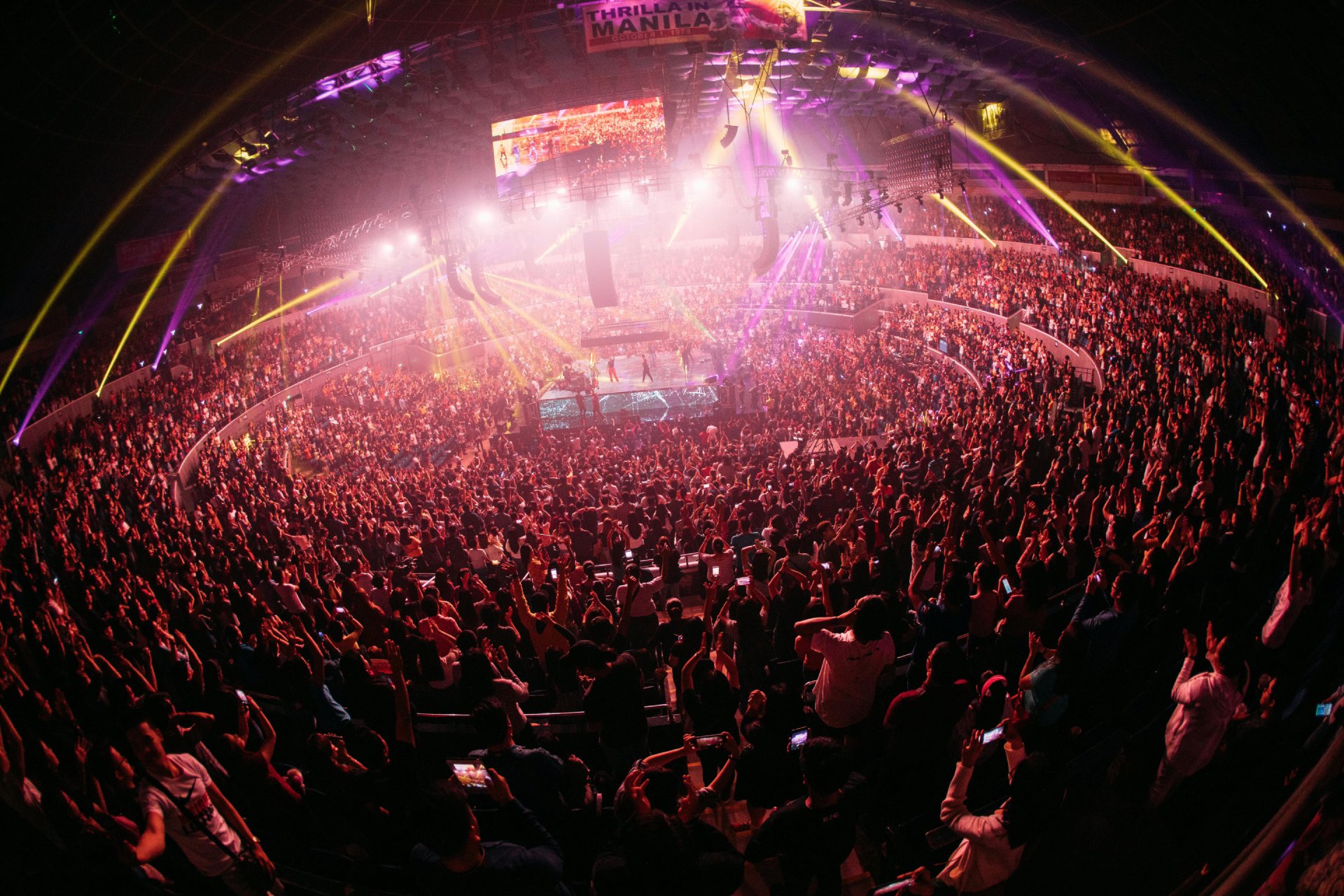
From the Super Bowl to the Winter Olympics to sold-out Lady Gaga or Ariana Grande concerts, major stadium events represent the peak of shared human experience. Tens of thousands of people gathered for sport, music and spectacle generate an unmatched level of energy. These events are designed to be memorable, immersive and thrilling. They are also complex environments where crowd control and stadium safety matter as much as the main attraction.

When everything goes right, a massive event feels effortless. When something goes wrong, confusion spreads fast. Lost children, medical emergencies, aggressive behavior, structural bottlenecks or sudden evacuations can turn excitement into risk in seconds.

Crowd safety is about preparation, awareness and knowing how to move decisively when conditions change.

Global Rescue’s security and medical experts work incidents in places far more remote than a football stadium or Olympic venue. But experience shows that emergencies are not limited to wilderness expeditions or overseas adventures. Large crowds concentrate risk and stadium environments demand the same disciplined thinking used in higher-risk travel settings.

If you are traveling to attend the Super Bowl in California, the Winter Olympics in Milan, a major Lady Gaga or Ariana Grande tour stop in Tokyo, London or Montreal or any other large gathering, understanding stadium safety fundamentals can materially reduce your exposure and improve your ability to respond under pressure.


Super Bowl and Stadium Crowd Control Matters at Major Events

Stadiums are designed to handle volume, but crowd behavior is unpredictable. A packed arena amplifies normal human reactions. Curiosity becomes congestion. Excitement becomes impatience. Stress becomes panic.

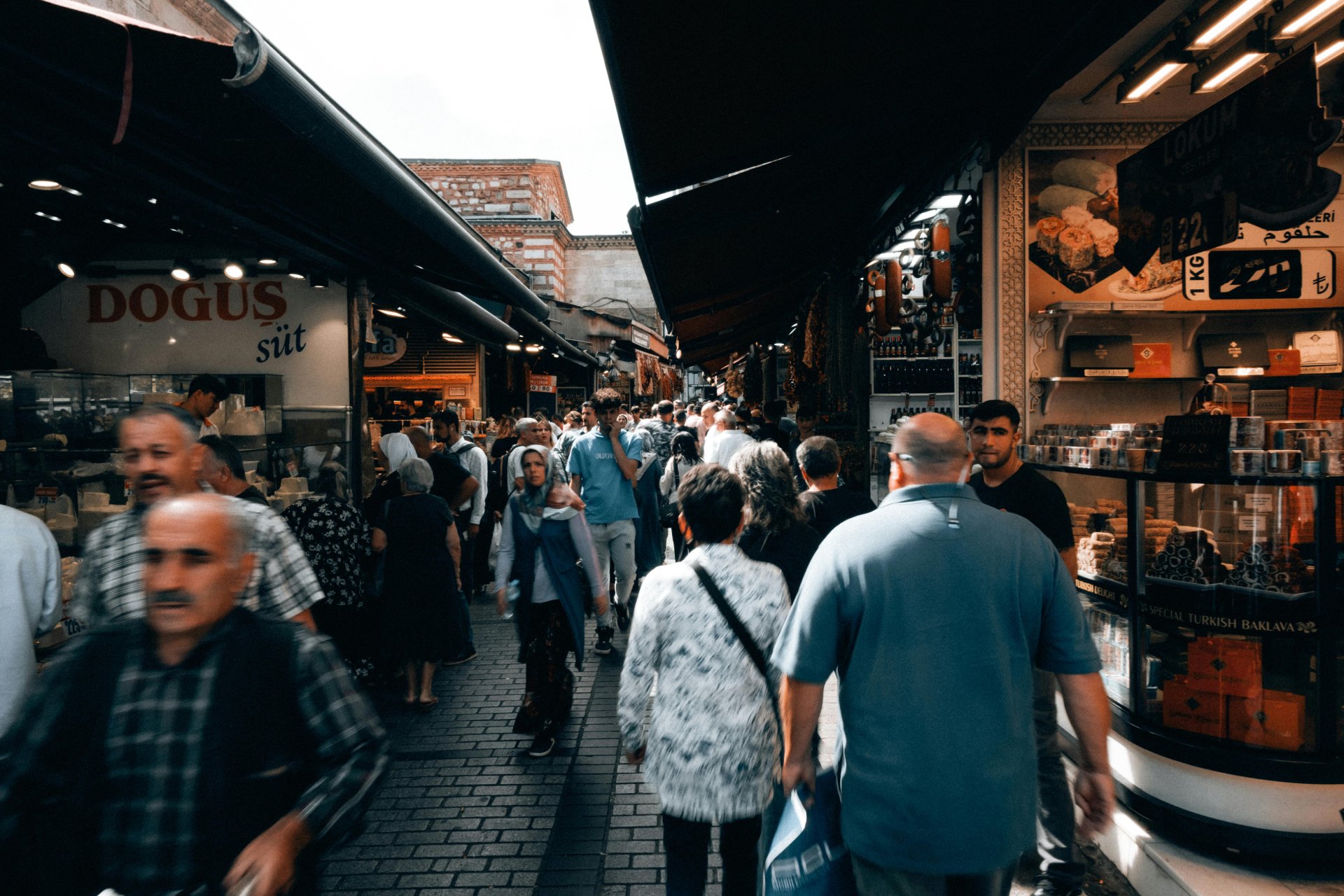
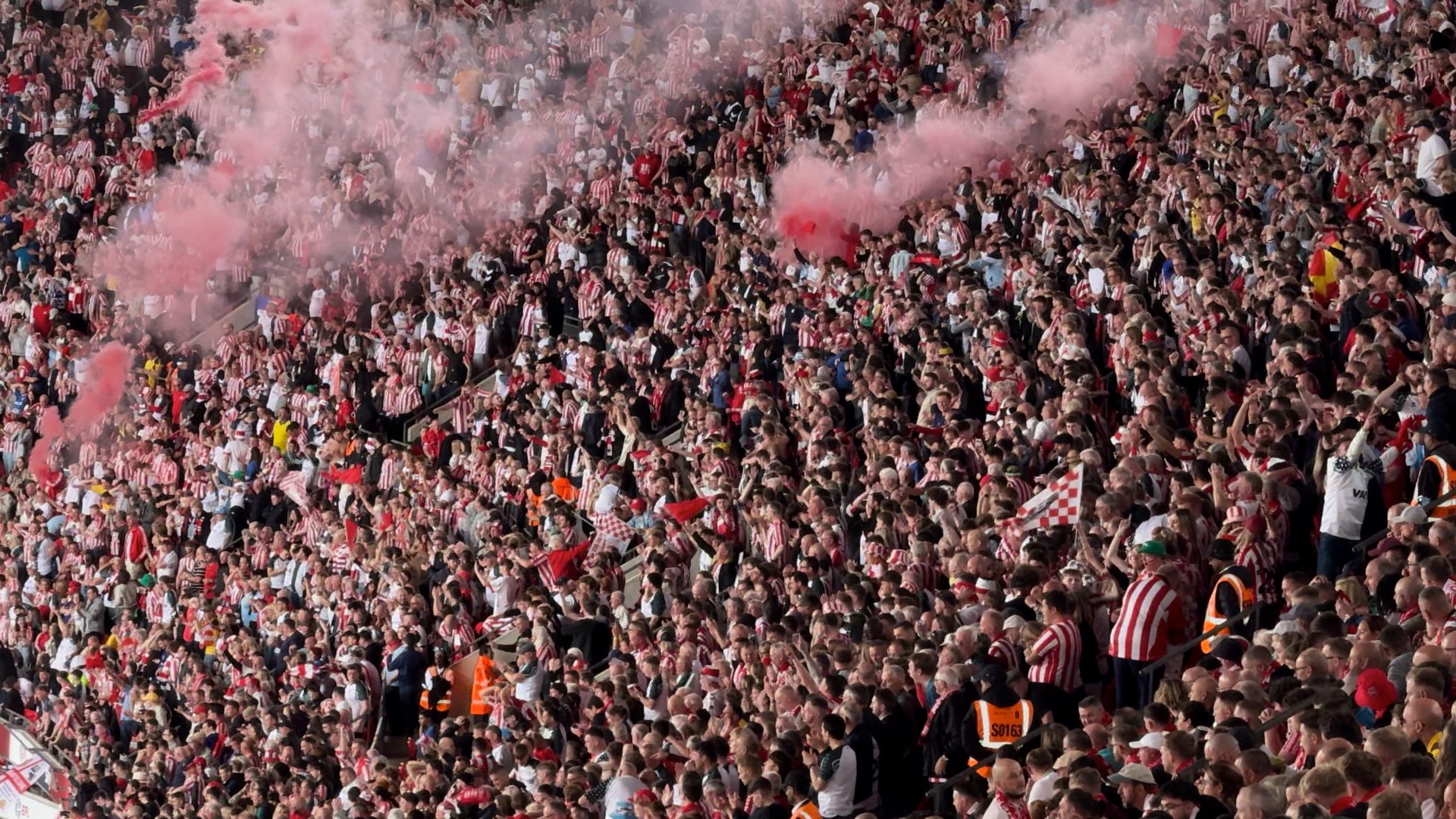
Crowd control failures rarely stem from one cause. They usually involve a convergence of factors such as bottlenecks at entrances or exits, alcohol consumption, poor communication, limited visibility and delayed response to minor disturbances. Once movement becomes restricted, even a small incident can cascade into a larger safety issue.

High-profile international events like the Super Bowl, the Winter Olympics or a Lady Gaga concert introduce additional variables. Temporary venues, international visitors unfamiliar with local language or layout, heightened security postures and tightly scripted schedules all increase complexity. Concert crowds add their own dynamics, particularly when fans surge toward stages or exits at the same time.

Understanding how crowds move, where pressure points form and how authorities respond allows you to act deliberately rather than react emotionally.


Winter Olympics Bound Means Pre-Planning

Crowd safety begins well before you scan your ticket.

Advance preparation is one of the simplest and most overlooked stadium safety measures. Large venues publish detailed maps for a reason. Knowing the layout reduces hesitation when seconds matter.

Save the venue map to your phone and identify where you are seated, where the nearest exits are located and where secondary exits might be if primary routes are blocked. Note restrooms, medical stations and security offices. If transportation hubs are outside the stadium footprint, understand the flow between those areas and the venue.

If you are attending with family or a group, establish three meeting points. Two should be inside the venue, separated by distance and one should be outside. Choose locations that are visually distinctive and well-lit. Avoid vague instructions. Everyone should be able to reach the rally point without additional guidance.

Think about clothing and equipment as functional choices, not fashion statements. Comfortable shoes matter more than many people realize. Evacuations rarely follow the shortest route and you may need to walk or move quickly for longer distances than expected. Fully charge your phone before arrival and carry a portable battery. Communication is essential in crowded environments.

For families traveling with children, discreet tracking devices attached securely can add a valuable layer of redundancy if separation occurs.


Situational Awareness Inside the Stadium

Situational awareness is not about constant vigilance or anxiety. It’s about calmly observing your surroundings and noticing patterns.

As you enter the venue, pay attention to how crowds are being managed. Note where security personnel are positioned and how emergency services are staged. Observe crowd density and how people are flowing through corridors, ramps and stairways. Identify choke points where movement slows.

Throughout the event, periodically reassess. If energy shifts abruptly, if a section becomes unusually agitated or if movement patterns change without explanation, those are signals worth acknowledging. Early recognition gives you more options.

Avoid clustering near railings, barriers or narrow passageways during peak movement times. When large numbers of people converge in constrained spaces, pressure builds quickly.

If you move around the venue, travel in pairs when possible and communicate clearly with others in your group. Specific plans prevent confusion. Ambiguous statements create unnecessary search behavior during stressful moments.


What To Do If Violence Breaks Out

Spectator aggression is not uncommon at major events. Most incidents remain localized, but curiosity often pulls bystanders closer, compounding the risk.

If you notice a disturbance, resist the urge to observe. Move away deliberately and put distance between yourself and the situation. Do not engage, film or attempt to intervene unless you are trained and directed by authorities.

Once clear, notify venue staff or security if safe to do so. You are not responsible for managing the incident, but timely reporting can help prevent escalation.

Position yourself near solid structures such as walls rather than remaining in open crowd flows. This reduces exposure to sudden movement and provides reference points if conditions deteriorate.


Responding to Explosions or Sudden Threats

Although rare, sudden violent incidents demand disciplined thinking. Instinct often drives people toward the most obvious exit, which can quickly become overcrowded.

Pause briefly if conditions allow. Assess your surroundings and identify less congested routes. The closest exit is not always the safest. Popular exits attract the highest density and can become secondary risk zones.

Move purposefully but avoid running unless there is immediate danger. Falling creates additional hazards in moving crowds. Maintain awareness of where emergency responders are likely to deploy and avoid converging on those paths if alternatives exist.

If communication networks become overloaded, rely on pre-established rally points rather than attempting repeated calls or messages.


Surviving a Stampede or Crowd Crush

Crowd crush events are among the most dangerous stadium scenarios because they develop rapidly and leave little margin for error.

If you are caught in a moving crowd, your priority is staying upright and protecting your breathing space. Position your arms in front of your chest with elbows out, similar to a boxer’s stance. This helps maintain balance and prevents compression of your torso.

Do not push against the crowd. Resistance wastes energy and increases the likelihood of falling. Instead, move with the flow while gradually angling diagonally toward the outer edge of the crowd. The goal is to escape density, not fight it.

Be especially cautious near choke points such as doorways, stairwells and narrow corridors. These areas concentrate force and dramatically increase risk.

Once you reach a wall or boundary, use it as a stabilizing reference while continuing to move away from the pressure zone.


Lady Gaga, Ariana Grande: The Reality of Stadium Safety

Large sporting events and concerts have always carried inherent risk simply because of scale. What has changed is the speed at which conditions can shift and the diversity of threats that must be considered. Crowd safety is no longer just about avoiding rowdy fans. It includes medical response times, communication breakdowns, evacuation logistics and individual decision-making under stress.

The Super Bowl, the Winter Olympics and global concert tours like Lady Gaga’s and Ariana Grande’s operate with sophisticated security and emergency plans. Even so, personal preparedness is still essential. Authorities manage the macro environment. Individuals manage their immediate space, their group and their choices.

Smart preparation does not diminish enjoyment. It increases confidence and allows you to focus on the experience rather than uncertainty.


The Global Rescue Connection

Major stadium events concentrate people, energy and risk into a single space. When emergencies occur, they demand rapid coordination, medical expertise and the ability to navigate complex environments under pressure.

A Global Rescue membership provides critical support beyond the venue gates. Members have access to field rescue coordination, medical evacuation, real-time medical advisory services and expert guidance when situations escalate. Whether attending a global sporting event, a high-profile concert or traveling internationally around these experiences, Global Rescue offers a layer of protection designed for moments when local systems are overwhelmed or uncertain.

Preparation, awareness and professional support form the foundation of safer experiences, wherever large crowds gather.