Article Highlights:

  • South Africa offers spectacular experiences, but travelers must stay alert due to high urban crime and road safety risks.
  • Tap water is generally safe in cities; street food is delicious and usually safe when purchased from clean, well-established vendors.
  • Michelin-starred restaurants and world-renowned wine estates enhance the country’s burgeoning culinary reputation.
  • Highlights include Table Mountain, Kruger National Park, Robben Island, Drakensberg Mountains and Stellenbosch.
  • Global Rescue provides vital medical evacuation and support, especially in remote or under-resourced regions.


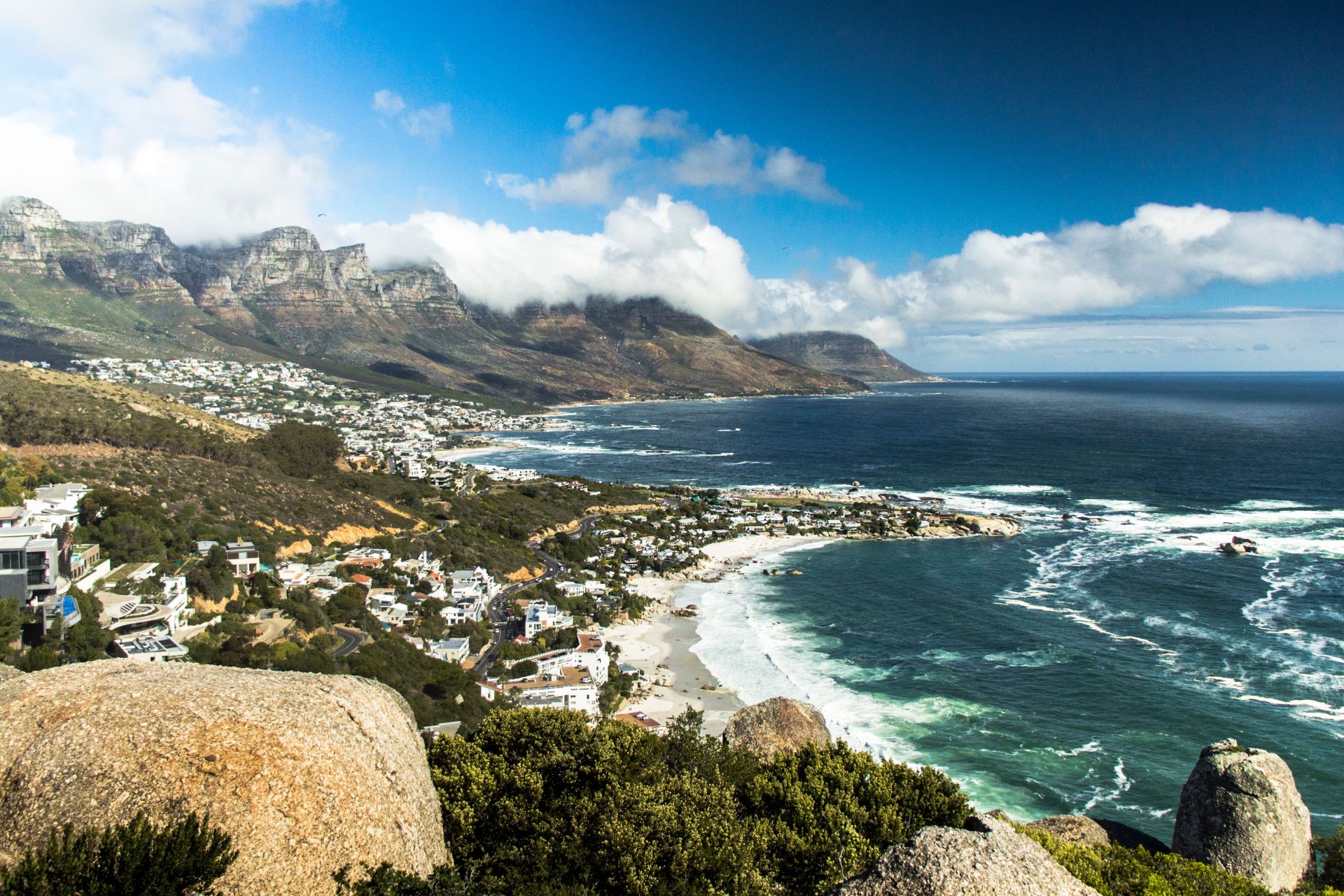
South Africa is a country of stunning contrasts, where luxury safari lodges meet cosmopolitan cities, rugged coastlines rival epic mountain ranges and wildlife encounters compete with world-class cuisine and wine. Whether you’re summiting Table Mountain in Cape Town, tracking the Big Five in Kruger National Park or sipping wine in the scenic valleys of Stellenbosch and Franschhoek, travel to South Africa promises adventure, beauty and deep cultural engagement.

Nature lovers will be captivated by the grandeur of the Blyde River Canyon, the soaring peaks of the Drakensberg Mountains and the marine life off the coast of Hermanus, a global whale-watching hotspot. Adrenaline seekers can go cage diving for great white sharks in Gansbaai, while wildlife enthusiasts can explore Addo Elephant National Park, a malaria-free reserve that’s ideal for families and first-time safari-goers.

The climate varies widely. Cape Town has a Mediterranean climate. Kruger sees summer rains and dry winters. The Drakensberg Mountains can be chilly even in summer.


South African Food and Wine

South Africa’s culinary scene continues to gain international acclaim. While not traditionally known for fine dining, the country is now home to several Michelin-worthy restaurants, most notably in Cape Town and the Winelands. Establishments like La Colombe and FYN have drawn global praise for fusing local ingredients with international flair. Dining in Stellenbosch or Franschhoek often includes a wine pairing, thanks to their proximity to some of the best South African wine estates.

South African wine is renowned for its bold reds, crisp whites and signature varietals like Pinotage and Chenin Blanc, produced in scenic regions such as Stellenbosch and Franschhoek. With a winemaking tradition that dates back over 350 years, the country combines old-world craftsmanship with new-world innovation, offering wines that rival the best in the world.

Street food is an essential part of the South African food experience. Visitors should try local favorites like bunny chow, boerewors rolls and vetkoek. Food stalls in well-trafficked areas are typically safe, although travelers should exercise the same precautions as they would anywhere, choosing vendors with busy setups and fresh offerings. In most urban areas, tap water is potable, but bottled water is recommended in rural zones or during long overland travel.

Culturally, South Africa is one of the most diverse nations on Earth, with 11 official languages and a population that reflects African, European and Asian heritage. Travelers can explore the vibrant streets of Soweto, take in the haunting history of Robben Island or wander the bustling markets of Durban. In Cape Town, a cable car ride up Table Mountain offers panoramic views, while Boulders Beach provides a charming detour to see the famous African penguins.


The Global Rescue Connection

While most tourist visits are trouble-free, the country does contend with high crime rates, uneven access to healthcare and transportation risks. Global Rescue has supported travelers through serious medical events, including a quadriceps rupture in the Northern Cape and a fracture in Cape Town, cases that highlight the need for medical and evacuation support even in popular tourist areas.

That said, is South Africa safe? Safety in South Africa varies greatly depending on location and situational awareness. Violent crime is concentrated in specific urban neighborhoods and can generally be avoided with proper precautions. Tourists may encounter petty crimes, such as pickpocketing or phone snatching, in areas like Johannesburg, Cape Town and Durban, particularly after dark. Visitors are advised to use secure transportation, avoid isolated areas at night and remain vigilant when using ATMs. Tourist hubs like the V&A Waterfront, Table Mountain and Stellenbosch are heavily policed and safe during daylight hours.


South Africa Traveler Tips

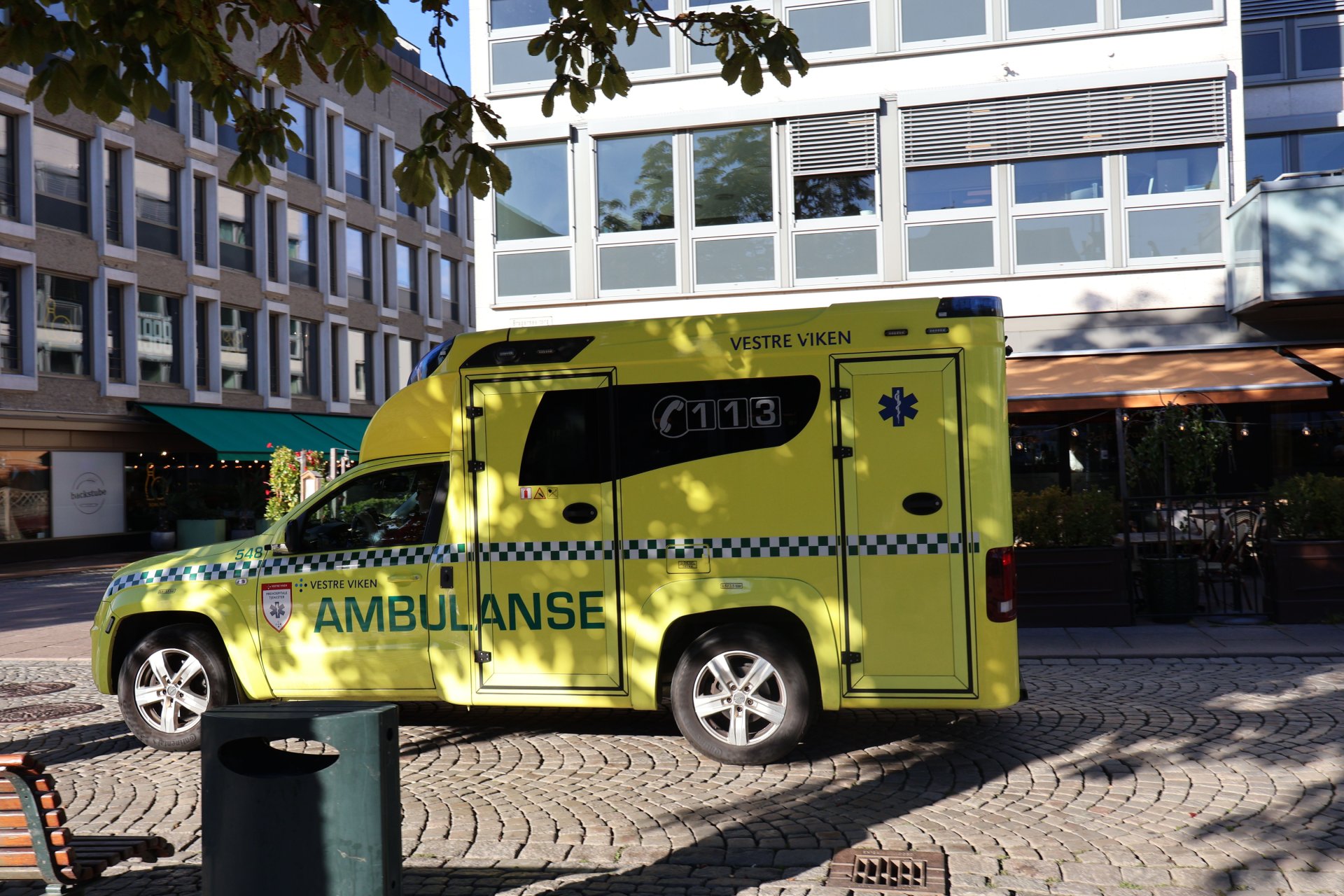
In case of emergency, South Africa offers private ambulance services that are faster and more reliable than public options. Police (10111) and ambulance/fire (10177) services are available nationwide, but response times vary outside of cities. The US and Canadian consulates are located in Johannesburg and Pretoria, respectively, while Global Rescue offers 24/7 medical evacuation and field rescue support for travelers in need.

South Africa’s healthcare system is a mix of public and private providers. While private hospitals in cities such as Cape Town, Pretoria and Durban offer excellent care, rural clinics often lack adequate resources. Injuries related to safaris, hiking, or adventure sports are common, as are road accidents, particularly outside major cities. Malaria is present in parts of Kruger National Park and surrounding provinces. Travelers should consider vaccinations for Hepatitis A, Typhoid and Rabies, especially if they plan to participate in outdoor activities or encounter animals. Bottled water is widely available and recommended in rural areas, though tap water in urban centers like Cape Town and Johannesburg is generally safe to drink.

Getting around South Africa can be rewarding but requires caution. Roads are often scenic but may be poorly lit, riddled with potholes or shared with livestock in rural areas. Driving is on the left-hand side and vehicle crime (such as carjacking) is more common after dark. Tourists are encouraged to avoid minibus taxis and instead use licensed cabs or ride-hailing apps, such as Uber and Bolt. For intercity travel, domestic flights are a reliable option that connects most major destinations.

LGBTQ+ travelers are protected by law and same-sex marriage has been legal since 2006. Conservative attitudes can prevail in rural areas, however. Solo female travelers should exercise caution, particularly at night and avoid isolated areas or public transport. Those with mobility needs will find modern hotels and airports accommodating, but access may be limited to historic or wilderness areas.

South Africa is a land of beauty and contrast, best navigated with preparation, respect and an adventurous spirit.