Article Highlights:

  • Layered security tools like portable door locks, Apple AirTags for luggage and RFID-blocking wallets provide real protection without bulk.
  • Communication gear such as satellite phones, portable Wi-Fi hotspots and power banks keeps travelers connected during emergencies.
  • Cybersecurity tools including VPNs, encrypted cloud storage and strong passwords are as critical as physical locks.
  • Anti-theft bags, hidden storage devices and personal alarms deter crime and reduce opportunity.
  • Preparation, discipline and mindset amplify the effectiveness of every safety gadget.


International travel has never been more accessible or more complex. From crowded transit hubs to unfamiliar hotels and increasingly sophisticated cybercrime, travelers today face risks that go far beyond lost luggage. The right safety gadgets can dramatically reduce exposure, while the wrong ones can offer a false sense of security or even create new vulnerabilities.

The difference between smart protection and wasted packing space comes down to choosing gear that actually works in real-world travel environments. The best safety gadgets protect your belongings, secure your accommodations, preserve your digital identity and keep you connected when infrastructure fails. The worst are bulky, unreliable or illegal in certain countries, making them liabilities instead of safeguards.


What Makes a Travel Safety Gadget Worth Packing?

Effective international travel safety gadgets focus on three priorities: securing personal items, reinforcing hotel room security and ensuring communication in emergencies. Tools that integrate seamlessly into your routine, rather than demanding constant attention, offer the highest value. A portable door lock or door stop alarm quietly reinforces hotel security. Apple AirTags for luggage provide real-time tracking without user intervention. RFID-blocking wallets protect sensitive data passively, without batteries or apps.

According to a Global Rescue Traveler Sentiment and Safety Survey, one in five international travelers have lost their phone or had it stolen while abroad. That statistic alone reframes safety gadgets not as accessories, but as essential infrastructure.


The Best International Travel Safety Gadgets

The most effective safety gadgets are lightweight, discreet and multi-functional. Portable door locks, often called Add-a-Locks, fit over hotel door latches to prevent unauthorized entry, even when a key is used. Paired with a door stop alarm, which emits a piercing alert if pressure is applied, these devices create both a physical and psychological barrier.

Apple AirTags or Tile trackers have become indispensable for luggage security. Apple AirTags for luggage allow travelers to track bags in real time using the Find My network, offering accountability when airlines fall short. While they don’t prevent theft, they dramatically improve recovery odds and situational awareness.

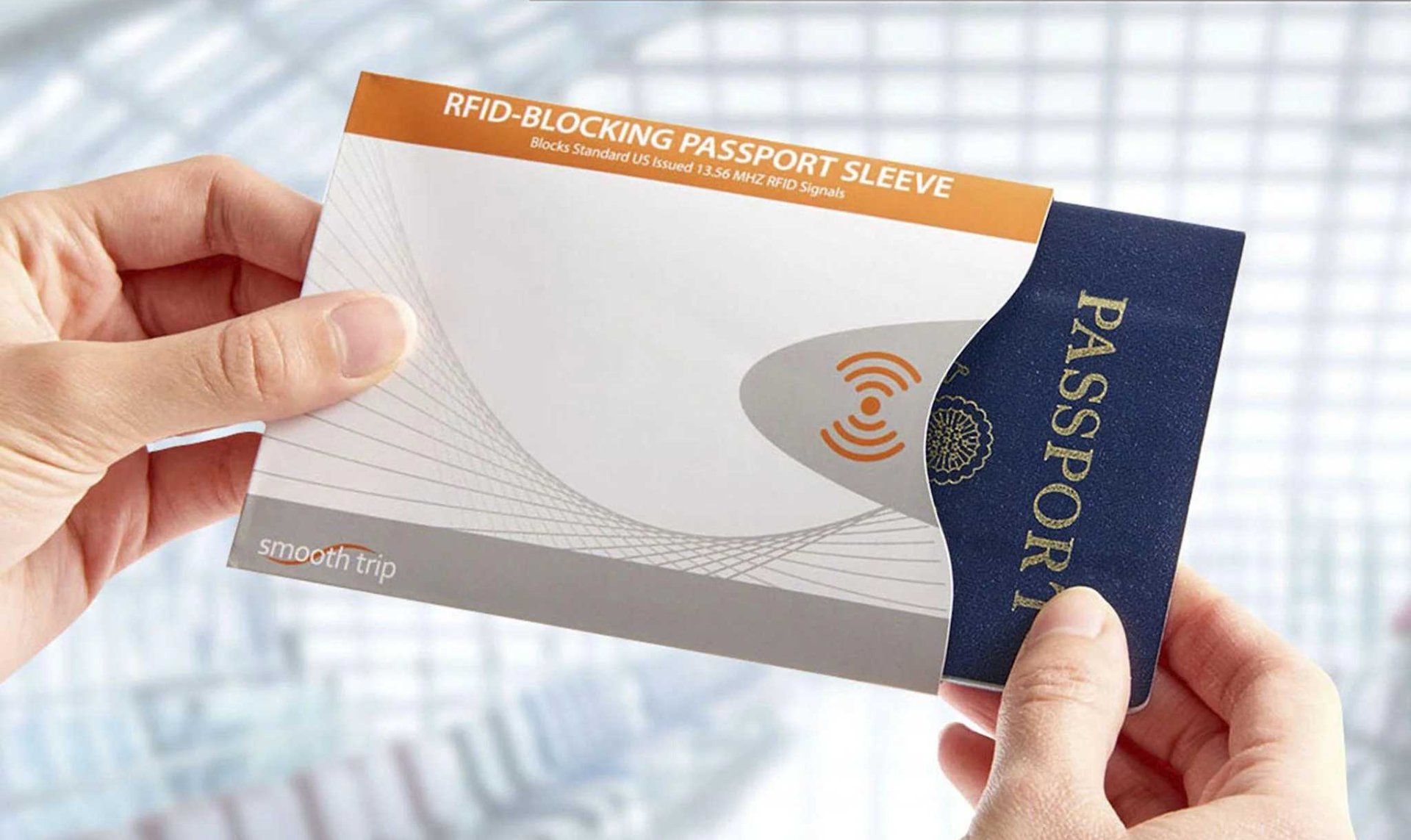
RFID-blocking wallets and RFID blocking passport holders protect travelers from electronic pickpocketing, a growing threat in crowded urban centers. These accessories block unauthorized scans of passports and credit cards, preventing data theft without requiring power or connectivity.

Personal safety alarms such as Birdie devices emit high-decibel sounds and flashing lights designed to draw attention and deter attackers. Anti-theft backpacks, often reinforced with slash-resistant materials and lockable zippers, reduce theft risk in transit hubs and public transportation.

Hidden storage tools, money belts, concealed fanny packs, scarves with hidden pockets and water bottles with secret compartments, protect cash and documents by keeping them out of sight and off easily accessed surfaces.

Connectivity tools matter just as much. Portable power banks ensure phones remain operational during long transit days or outages. Universal travel adapters prevent unsafe charging setups that can damage devices. For high-risk or remote destinations, satellite phones and portable Wi-Fi hotspots offer reliable communication when cellular networks fail.

Additional high-value tools include TSA-approved cable luggage locks, portable safes or wire mesh bags that secure valuables to immovable objects, slash-resistant crossbody bags, UV water purifiers like Steripen, compact first aid kits, drink cover scrunchies to prevent spiking, headlamps or compact flashlights and emergency safety whistles.

Together, these tools create layered protection that addresses theft, intrusion, health risks and communication failures.


Travel Gadgets That Sound Good, but Fall Short

Not every “safety” gadget earns its place in your bag. Overly complex smart locks that rely on unstable apps or Bluetooth connections often fail in real-world travel conditions. Cheap GPS trackers with limited global coverage create false confidence and stop functioning where travelers need them most.

Self-defense gadgets such as pepper spray or tactical weapons can be illegal in many countries and may lead to fines or detention at border crossings. Likewise, bulky personal safes that weigh down luggage or draw attention defeat their own purpose.

The rule is simple: if a gadget requires constant troubleshooting, legal research or charging to be effective, it’s likely not worth the risk.


Pre-Travel Preparation Is the Real Force Multiplier

To maximize safety in high-risk zones, preparation must be treated as a strategy rather than just a gear list. Global Rescue security experts emphasize that preparation acts as a form of camouflage; by blending into a disciplined routine, you become a harder target for external threats. This begins with robust information security: maintain encrypted digital backups of passports, visas, and evacuation plans in the cloud and on USB drives, while keeping physical copies as a fail-safe. Before departure, program local emergency numbers into your phone and keep a printed list handy. On the digital front, practice operational hygiene by patching all devices, removing sensitive data, and disabling Bluetooth and Wi-Fi auto-connect to block common entry points for hackers.

Ultimately, your equipment is only as effective as the mindset behind it. For medical contingencies, a compact first-aid kit equipped with hydration salts and stabilization tools is vital, but it serves only to bridge the gap until professional help arrives. In environments that do not forgive mistakes, gear provides the edge, but awareness and discipline provide the security. Success in the field relies on the seamless integration of your physical tools with a proactive, alert mindset—ensuring that your “edge” actually saves lives when it matters most.


What Makes a Travel Gadget an Essential When Things Go Wrong?

In a crisis, communication determines outcomes. Cellular networks are unreliable in many high-risk or remote regions. Satellite phones and SATCOM devices act as lifelines when the grid collapses. The satellite phone is a modern flare gun. When the grid fails, it cuts through the silence.

Portable Wi-Fi hotspots reduce reliance on unsecured public networks, while high-capacity power banks ensure devices don’t fail when you need them most. For travelers spending long hours in transit or visiting regions prone to outages, backup power isn’t optional, it’s survival infrastructure.

Strong passwords and multi-factor authentication are mandatory for international travel. Strong passwords are like strong perimeters, layered, reinforced and designed to keep intruders out. Avoid reusing credentials and update them before departure.

Encrypted cloud storage is a digital foxhole, your information goes in and stays protected under fire. Keeping documents off physical devices reduces loss exposure if phones or laptops are stolen.

Public Wi-Fi should always be treated as hostile. A VPN-enabled portable hotspot offers private, encrypted connectivity. A VPN is body armor for your data, invisible to you, but bulletproof against an ambush. Factory-resetting devices and installing only essential apps further limits exposure.


Business Travel and Personal Security Tools

For business travelers, discreet protection is key. Personal alarms and safety bracelets can summon attention instantly. Doorstop alarms and portable door locks add layers of security to hotel rooms where hardware may be unreliable.

Flashlights and headlamps become critical during blackouts or in poorly lit environments. Global Rescue’s Security Operations experts explain that security isn’t about paranoia, it’s about preparation, a doorstop alarm weighs ounces, but peace of mind is priceless.

Anti-theft bags, RFID-blocking passport holders, smart luggage locks, hidden money belts and portable safes all work together to deny criminals easy opportunities. The less attractive you appear as a target, the safer you become.


The Global Rescue Connection

Even the best safety gadgets have limits. When serious medical or security emergencies occur, equipment alone isn’t enough. A Global Rescue membership provides access to medical evacuation, field rescue and Destination Reports. With a Security Add-On member services include security extraction services, real-time security advisories and critical intelligence that helps travelers avoid trouble before it starts. Members gain 24/7 support from in-house medical professionals and security specialists who coordinate care and evacuation when local resources fall short.

These insights, combined with expert response capabilities, transform preparation into protection. Safety gadgets build your first line of defense. Global Rescue ensures there’s always a backup plan when the unexpected happens.