Article Highlights:

  • Japan ranks among the safest countries in the world but medical costs and evacuation risks still affect travelers.
  • US health insurance rarely works overseas, leaving visitors responsible for hospital bills in Japan.
  • Earthquakes, typhoons and mountain adventures introduce risks many travelers underestimate.
  • Standard travel insurance often reimburses expenses but may not coordinate rescues or evacuations.
  • Medical evacuation from Japan can cost tens or hundreds of thousands of dollars depending on the situation.


Japan sits at the top of many travelers’ dream lists. According to recent traveler surveys, it consistently ranks as the destination people most want to visit if they could take one ideal international trip. The appeal is obvious: futuristic Tokyo skylines, centuries-old temples in Kyoto, iconic climbs on Mount Fuji and culinary traditions that range from street ramen to world-class sushi.

Few countries combine modern efficiency, cultural depth and natural beauty as seamlessly. Visitors can ride high-speed trains between historic cities, soak in volcanic hot springs, explore bamboo forests and dine at Michelin-starred restaurants, all within a single trip.

But the question travelers often ask before departure is surprisingly practical: Do you really need travel insurance or traveler protection for Japan?

The short answer is yes. Not because Japan is dangerous, but because even in one of the safest countries in the world, medical care, natural hazards and evacuation logistics can become expensive and complex for international visitors.

Understanding why requires looking beyond Japan’s reputation for safety.


Japan: The Dream Trip Travelers Want Most

Japan’s popularity has surged among international travelers in recent years. It offers a rare blend of tradition and innovation that feels both accessible and immersive.

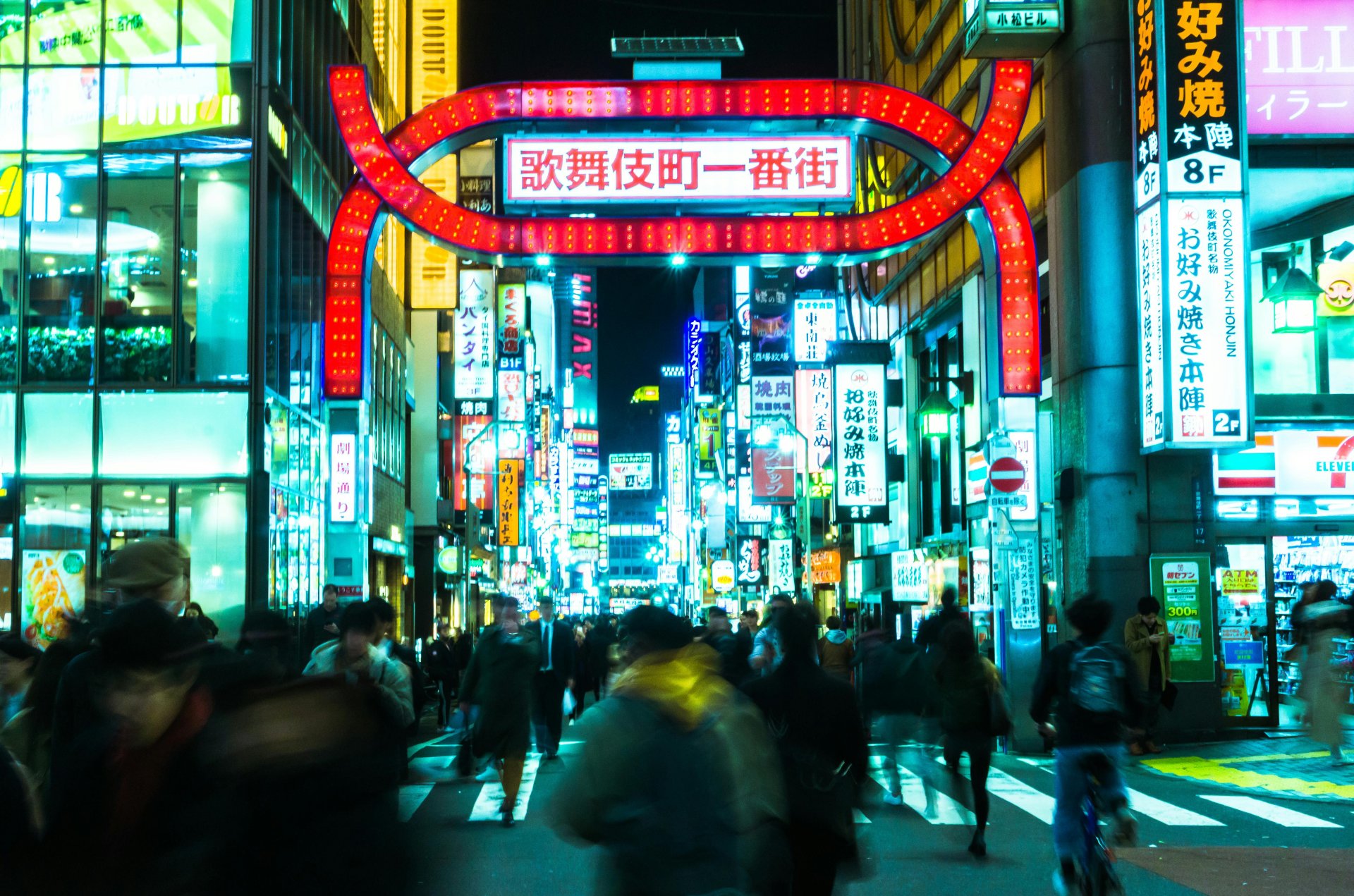
In Tokyo, neon-lit neighborhoods coexist with quiet shrines and centuries-old markets. Bullet trains connect the capital to Kyoto in a matter of hours, allowing visitors to step into another era of temples, tea houses and lantern-lit streets.

Kyoto in particular holds a special place in the travel imagination. It consistently ranks among the world’s top destinations for first-time international travel. Visitors can walk through the endless vermilion gates of Fushimi Inari Shrine, watch sunlight reflect off the Golden Pavilion and wander through the historic district of Gion.

The culinary experience is equally compelling. Japan’s food culture spans everything from casual ramen counters to meticulously prepared sushi served by master chefs.

Adventure travelers find plenty to explore as well. Mount Fuji, the country’s most famous peak, draws climbers during the summer season. Skiers flock to the powder-heavy slopes of Hokkaido and the Japanese Alps. Coastal regions and islands offer diving, kayaking and marine exploration.

Japan works just as well for business travelers. Cities like Tokyo and Osaka are global economic hubs with infrastructure that runs with near-perfect reliability.

In short, Japan delivers the kind of travel experience people imagine when they dream about exploring the world.

But that dream trip still requires practical preparation.


Is Travel Insurance or Traveler Protection Required for Japan?

Japan does not require travel insurance or traveler protection for entry. Visitors can enter the country without showing proof of insurance or evacuation coverage. That doesn’t, however, mean travelers should skip it.

Japan’s healthcare system is excellent, but tourists are not part of the national insurance program. That means visitors are responsible for paying medical costs themselves. And those costs can add up quickly.

Japan’s medical system ranks among the best in the world. Hospitals are modern, physicians are highly trained and public health standards are extremely high.

But international travelers often misunderstand how medical treatment works there.

First, most Japanese hospitals expect proof of payment before providing care. That means travelers without insurance may need to pay upfront. Next, not every hospital has English-speaking staff. While major urban hospitals in Tokyo or Kyoto may offer language support, smaller clinics or rural facilities may not. Third, US health insurance usually does not cover treatment abroad.

Even policies that claim international coverage often reimburse expenses later rather than paying the hospital directly. For travelers, this creates a common scenario: a medical emergency abroad followed by unexpected bills and complicated reimbursement claims.

While healthcare in Japan is often less expensive than in the US, it still carries significant costs for visitors. Examples can include: emergency room treatment, diagnostic imaging such as CT scans or MRIs, hospital stays, specialist consultations and surgical procedures.

Without insurance or evacuation coverage, travelers must typically pay these costs themselves before leaving the hospital. The financial exposure grows dramatically if evacuation becomes necessary.


Natural Disaster Risks Travelers Overlook

Japan’s safety reputation is well earned when it comes to crime. Violent crime rates are extremely low, public transportation is safe and cities are remarkably orderly.

The country sits on the Pacific Ring of Fire, however, one of the most seismically active regions on Earth. Japan experiences thousands of earthquakes each year, though most are minor. Still, travelers should understand the risks. Earthquakes can disrupt transportation or infrastructure. Large quakes may trigger evacuations or tsunamis. Typhoons affect Japan regularly during late summer and early autumn.

Hotels and buildings are engineered for seismic resilience and Japan’s disaster response systems are among the most advanced in the world. But disruptions still happen. Flights may be canceled. Transportation networks can shut down temporarily. Access to certain areas may become restricted.

Travel insurance can help cover trip interruption costs and traveler protection can when evacuations and security are needed during such events.


Adventure Risks: Mount Fuji and Beyond

Many travelers visiting Japan add outdoor activities to their itineraries. Climbing Mount Fuji, skiing in the Japanese Alps or trekking along historic trails like the Nakasendō route can be unforgettable experiences.

But these adventures carry risks that travelers sometimes underestimate.

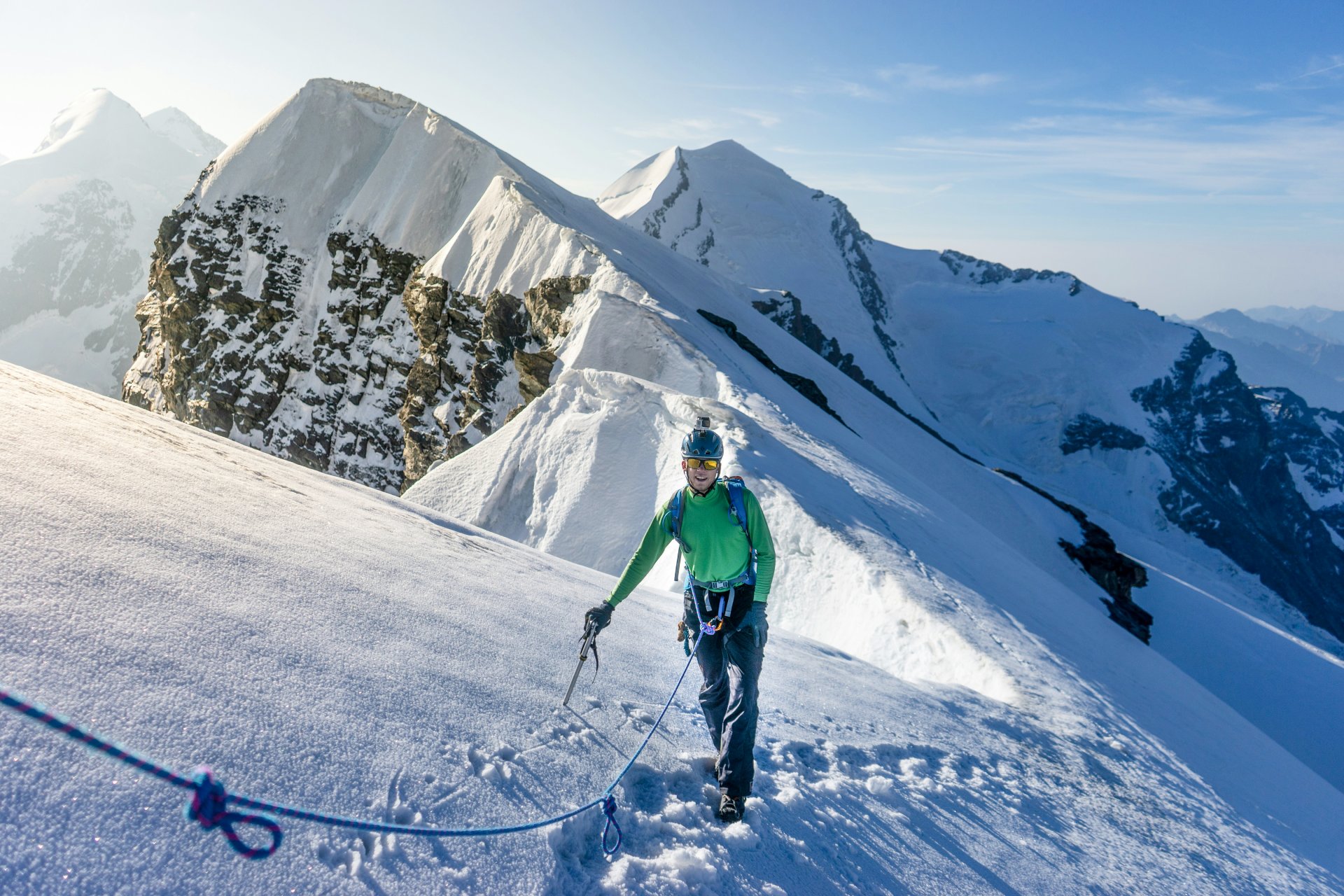
Altitude sickness can affect climbers on Mount Fuji. Sudden weather changes can complicate descents. Skiing injuries are common in alpine resorts. In rural areas, medical facilities may be smaller and evacuation to a larger hospital could be required.


When Travel Insurance Isn’t Enough

Travel insurance is helpful for covering trip cancellations, lost luggage and some medical expenses. But many travelers assume it also covers rescue and evacuation services. Often, it does not.

And if standard travel insurance policies do reimburse for field rescue and medical or security evacuation expenses, it happens long-after after the event and requires some of all of the following: claim forms, benefit committee approval, co-pays and deductibles.

This can create a gap in situations such as: injuries on mountain trails, accidents during outdoor adventures or medical emergencies in remote towns.

Specialized rescue services, like a Global Rescue membership, fill this gap by coordinating extraction from the point of injury and transporting travelers to appropriate care. Travel insurance handles the financial side. Rescue services handle the operational response. Understanding the difference can be critical during emergencies.


What Medical Evacuation From Japan Costs

Medical evacuation is one of the most expensive travel emergencies.

If a traveler requires specialized treatment not available locally, or prefers to recover in their home country, evacuation may involve: air ambulance flights, medical teams onboard aircraft, ground ambulance transfers, and coordination between hospitals.

Costs vary widely depending on distance and medical complexity. Evacuations can reach tens or even hundreds of thousands of dollars. For travelers visiting major cities like Tokyo or Kyoto, advanced hospitals are usually available. But serious injuries, complex surgeries or language barriers may still lead travelers to seek care closer to home.


The Global Rescue Connection

No matter how safe a destination may be, emergencies still happen, especially in a country where earthquakes, typhoons and remote mountain trails are part of the landscape. A slip on a Mount Fuji descent, a skiing injury in the Japanese Alps or a sudden illness in a rural town without English-speaking physicians can change travel plans quickly.

A Global Rescue membership helps travelers manage these situations with direct support rather than reimbursement.

Members have access to: field rescue from the point of illness or injury to a medical facility capable of appropriate care, medical evacuation to the hospital of their choice if needed, 24/7 medical advisory support, and security advisory services during catastrophes or disruptions caused by unpredictable natural disasters like earthquakes and tsunamis.

Real-world cases show how quickly these services can become essential.

In one case, a US member from Seattle slipped on stairs in Nakatsu, Japan, and suffered a patella fracture and tendon injury. After evaluation at a local hospital confirmed the damage, Global Rescue coordinated transportation and flight assistance so the member could return to the US for continued treatment.

In another case, a motorcyclist crashed in Hokkaido and suffered multiple fractures and a traumatic brain injury. After emergency stabilization in Japan, Global Rescue physicians coordinated a medical evacuation to Taiwan for advanced care.

These incidents illustrate an important reality: even in countries with excellent healthcare, complex injuries may require international coordination.

For travelers planning to explore Tokyo’s vibrant neighborhoods, wander Kyoto’s temples, climb Mount Fuji or savor perfect sushi, preparation matters.

Pairing a dream trip to Japan with Global Rescue ensures travelers can experience the country with confidence, knowing expert help is available if the unexpected happens.