Article Highlights:

  • Global Rescue has supported US Ski & Snowboard athletes through every Winter Olympics since 2006.
  • COVID-19 fundamentally reshaped Olympic medical response, accelerating remote medical advisory and evacuation planning.
  • The risks of alpine ski, snowboarding and freestyle skiing demand rapid-response expertise beyond venue-based care.
  • Milano Cortina 2026 introduces new venues, new disciplines and renewed safety challenges in the Italian Alps.
  • Global Rescue’s Olympic model mirrors the same protection available to travelers and athletes worldwide.


At the highest level of winter sport, Olympic medals are decided by fractions of a second, inches of air and the athlete’s ability to manage risk at extreme speeds. For nearly two decades, Global Rescue has played a critical role behind the scenes, supporting US Ski & Snowboard athletes and coaches as they compete in the Winter Olympics across alpine ski, snowboarding and freestyle skiing disciplines. From traditional concerns such as traumatic injury and evacuation logistics to the unprecedented challenges of the COVID-19 pandemic, Global Rescue’s Olympic mission has evolved alongside the Games themselves.


A Longstanding Partnership Built on a Risky Reality

Global Rescue’s support of US Ski & Snowboard dates back to the 2006 Winter Olympics and has continued through every Games since. This continuity reflects a shared understanding between elite sport organizations and medical-security professionals: winter Olympic competition environments are inherently high risk. Alpine ski racing involves downhill speeds exceeding 80 miles per hour. Snowboarding and freestyle skiing push aerial progression with massive jumps, spins and rotations. Crashes are not hypothetical; they are expected contingencies.

As international competition expanded and venues grew more complex, US Ski & Snowboard recognized the need for global medical advisory and evacuation expertise that extended beyond local organizers and host-nation systems. Global Rescue filled that gap by developing emergency action plans tailored to each Olympic host country, venue cluster and geopolitical context.


Pre-COVID Olympics: Injury, Security and Rapid Evacuation

Before 2020, Olympic medical planning for winter sports focused primarily on traumatic injury, rapid stabilization and evacuation. High-speed alpine ski events, aerials and slopestyle routinely produced concussions, fractures, ligament injuries and dislocations. While Olympic venues maintain on-site medical teams, complex injuries often require higher-level care or transport to facilities outside the host region.

Security considerations also varied by Games. During events such as Sochi, geopolitical tensions and terrorism concerns shaped emergency planning. Global Rescue’s role extended beyond medical response to include security advisory, extraction planning and coordination with international authorities if athletes or staff needed to leave a situation on short notice. Whether the trigger was injury, political instability or environmental risk, the operational principle remained the same: speed, clarity and medical continuity.


The COVID-19 Turning Point in Beijing

The 2022 Winter Olympics in Beijing marked the most dramatic shift in Olympic risk management in modern history. The COVID-19 pandemic transformed health risk from an individual medical issue into a systemic threat capable of sidelining entire teams. China’s closed-loop system restricted movement, limited outside access and prohibited on-site support from foreign medical and security personnel.

Despite those constraints, Global Rescue remained fully integrated into US Ski & Snowboard’s safety strategy. Athletes and staff had direct access to Global Rescue’s on-staff medical experts for real-time consultations with US-based physicians. These consultations extended beyond COVID-19 to include head injuries, orthopedic trauma and illness management within a highly restricted environment.

In cases of serious injury or illness, Global Rescue medical professionals worked alongside official Olympic and host-nation resources to assess evacuation options and continuity of care. The Beijing Games demonstrated that modern Olympic support must function even when physical access is limited, accelerating the importance of remote medical advisory, teleconsultation and contingency evacuation planning.


Post-Pandemic Evolution: From Crisis Response to Integrated Risk Management

The lessons learned during COVID now define how Global Rescue approaches Olympic support heading into the next winter cycle. Medical risk is no longer viewed in isolation. It intersects with extreme weather shifts, travel disruption, evolving security conditions and increasing physical demands driven by progression in snowboarding and freestyle skiing.

Athletes now face more unpredictable course conditions due to weather variability, artificial snow dependence and temperature swings. Venues such as steep alpine downhill courses amplify risk when ice, wind or mixed snow surfaces are present. Meanwhile, freestyle skiing and snowboarding continue to push trick difficulty, increasing impact forces even with advances such as airbag technology in speed events.

Global Rescue’s Olympic support reflects this reality by combining medical advisory, evacuation readiness and situational awareness into a single operational framework. That same framework is used daily for expedition athletes, adventure travelers and professionals operating in remote or high-risk environments worldwide.


Looking Ahead to Milano Cortina 2026

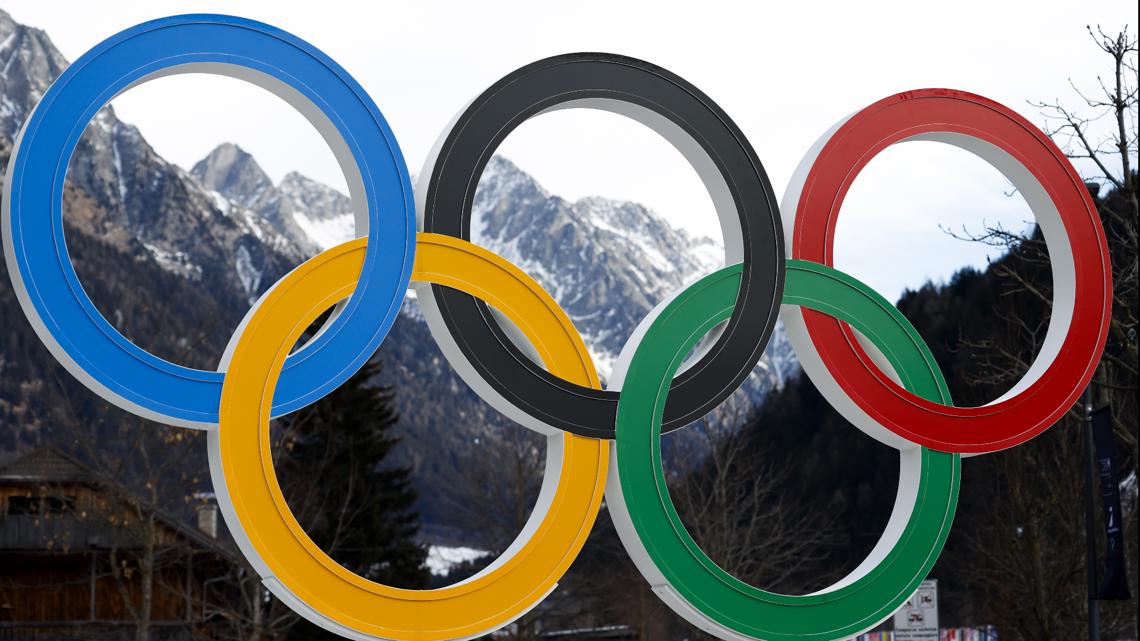
The 2026 Milano Cortina Winter Olympics will bring the Games back to iconic alpine terrain, with events spread across northern Italy. Alpine Skiing will take place in Bormio for men and Cortina d’Ampezzo for women, while Snowboarding and Freestyle Skiing will be hosted in Livigno. Disciplines will include slalom, cross, halfpipe, slopestyle and big air, alongside the Olympic debut of Ski Mountaineering.

These venues present a unique blend of beauty and danger. Courses like the Stelvio downhill are notoriously demanding, while freestyle venues require precise snow quality and wind management. The weather is an ever-present factor in winter sports competition and safety. Weather shifts are always a challenge for winter athletes. Wind, temperature and precipitation changes introduce unpredictability into snow quality and course preparation. It affects speed, control and ultimately athlete safety.

Although the 2026 US Ski & Snowboard Olympic teams are still being finalized, familiar names are emerging. Alpine Skiing stars such as Mikaela Shiffrin, Ryan Cochran-Siegle, Bryce Bennett and River Radamus headline a deep roster. Snowboarding features athletes like Jamie Anderson, Julia Marino, Hailey Langland and Redmond Gerard. Freeski and freestyle skiing contenders include Alex Hall, Alex Ferreira, Jaelin Kauf and Quinn Dehlinger. Each competes in disciplines where the margin for error is razor thin.


The Global Rescue Connection

While the Winter Olympics represent the pinnacle of competitive sport, the risks faced by Olympic athletes mirror those encountered by travelers and adventurers worldwide. The same factors apply: remote locations, severe weather, traumatic injury, illness and the need for rapid, expert response.

The 2026 Milano Cortina Winter Olympics will feature Alpine Skiing in Bormio (men’s) and Cortina (women’s), plus Snowboarding and Freestyle Skiing events in Livigno, with Snowboarding including Slalom, Cross, Halfpipe, Slopestyle and Big Air disciplines. A new addition is Ski Mountaineering, debuting with sprint and individual races for men and women, plus a mixed relay, highlighting endurance in the Italian Alps. Alpine Skiing venues include the Stelvio Ski Centre for men and the Tofane Alpine Skiing Centre for women, with traditional races alongside a new team alpine combined event.

The biggest dangers for 2026 Winter Olympians involve high-speed crashes, severe injuries such as concussions and fractures, unpredictable weather and snow conditions, challenging terrain and the extreme physical demands of elite performance. These risks are compounded by climate impacts and the progression of aerial disciplines.

Global Rescue’s long-standing support of US Ski & Snowboard demonstrates what comprehensive protection looks like at the highest level. That same model is available to individuals through Global Rescue membership, providing field rescue, medical evacuation, medical advisory and security support anywhere in the world. Whether on an Olympic course, a backcountry descent or an international journey, having expert medical and evacuation resources in place before something goes wrong is not a luxury. It is a critical component of responsible travel and performance in high-risk environments.