Categories:
Mission BriefsResourcesJanuary 6, 2026
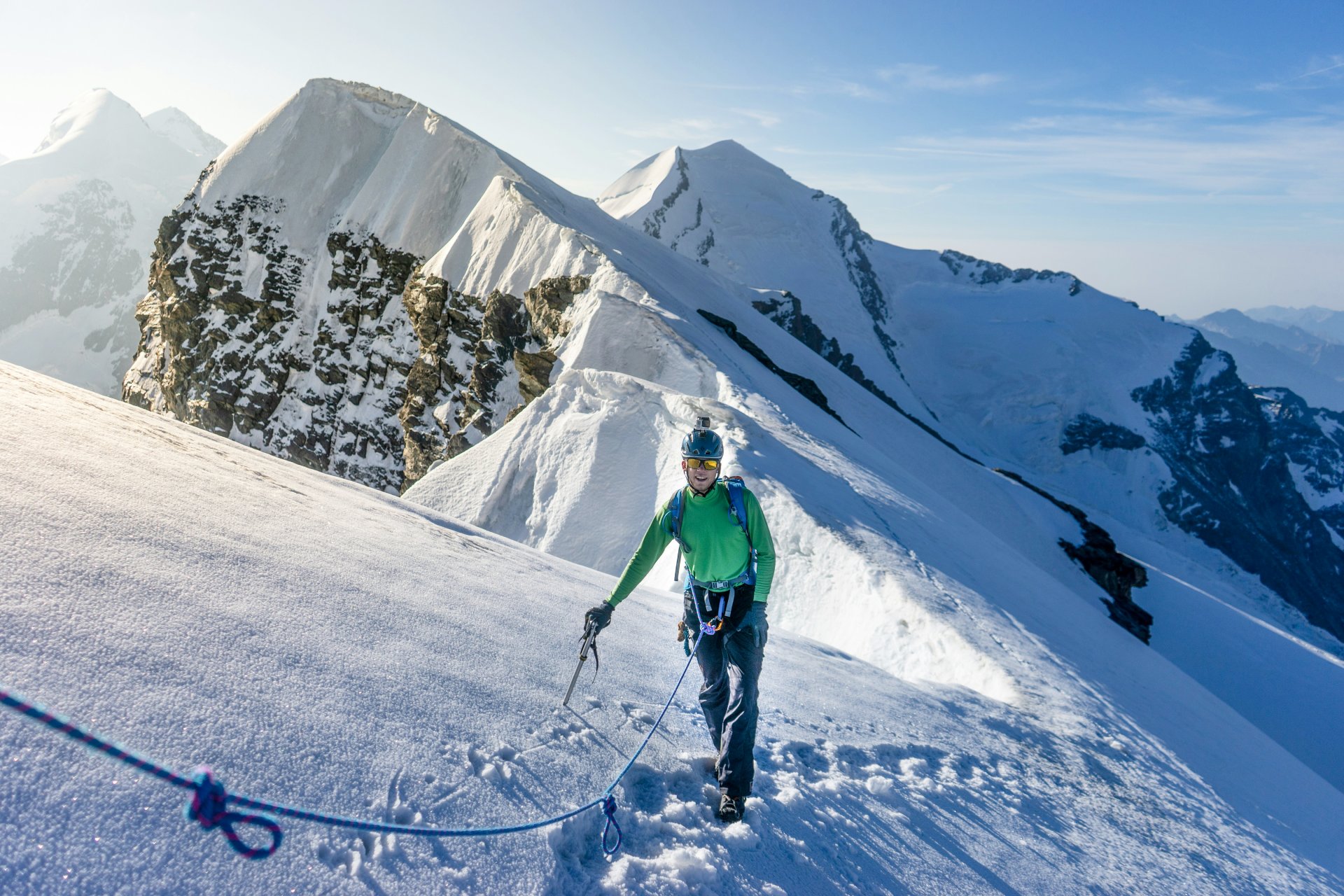
A member from Bandar Utama Malaysia suffered snow blindness weakness and inability to descend from Himlung Himal Camp 2.5. She was evacuated by helicopter to a medical center in Kathmandu where she was diagnosed with superficial punctate keratitis high altitude retinopathy and high altitude pulmonary edema. She was treated with IV fluids eye drops and supportive medications then discharged.
Categories:
Mission BriefsResourcesJanuary 6, 2026
A member from Indaiatuba Brazil reported persistent headache vomiting dizziness fatigue and severe insomnia while in Lobuche Nepal. With no altitude medication onboard and symptoms consistent with acute mountain sickness he was evacuated to a medical center in Lukla where he was treated for AMS and mild high altitude cerebral edema. He recovered over several days and declined further follow up.
Categories:
Mission BriefsResourcesJanuary 6, 2026
A member from the United States sustained a fall near Gorak Shep at approximately 17,717 feet/5,400 meters resulting in a laceration near the eye sinus bleeding and brief loss of consciousness. He was evacuated to a medical center for imaging and monitoring diagnosed with injuries from the fall kept overnight and discharged. He remained in Kathmandu before planning his return to home of record.
Categories:
Mission BriefsResourcesJanuary 6, 2026
A 33-year-old member from Canton United States developed worsening respiratory symptoms at Barafu Camp on Kilimanjaro including shortness of breath coughing wheezing fatigue frothy mucus pale fingertips and declining oxygen saturation despite supplemental oxygen. With concern for HAPE he was evacuated to a medical center for evaluation where he was diagnosed with acute mountain sickness and bacterial pneumonia treated and discharged.
Categories:
Mission BriefsResourcesJanuary 6, 2026
A member from Jumeirah Village Circle Dubai United Arab Emirates contacted operations from Camp 2 on Ama Dablam in Nepal reporting severe symptoms of high altitude pulmonary edema including bubbling sensations in the lungs inability to recline vomiting right-sided chest pain shortness of breath and exhaustion. He was long-line evacuated to a medical center in Kathmandu where he was diagnosed with HAPE and bronchitis treated and discharged with medications.
Categories:
Mission BriefsResourcesJanuary 6, 2026
A member from Yarrawonga Park Australia became ill at Barafu Camp in Tanzania after summiting Kilimanjaro. He experienced a dry cough chills headache exertional shortness of breath and chest pain with coughing along with low oxygen saturation and elevated heart rate. Due to concern for high altitude pulmonary edema he was evacuated by helicopter to a medical center where he was treated and later discharged.
Categories:
Mission BriefsResourcesJanuary 6, 2026
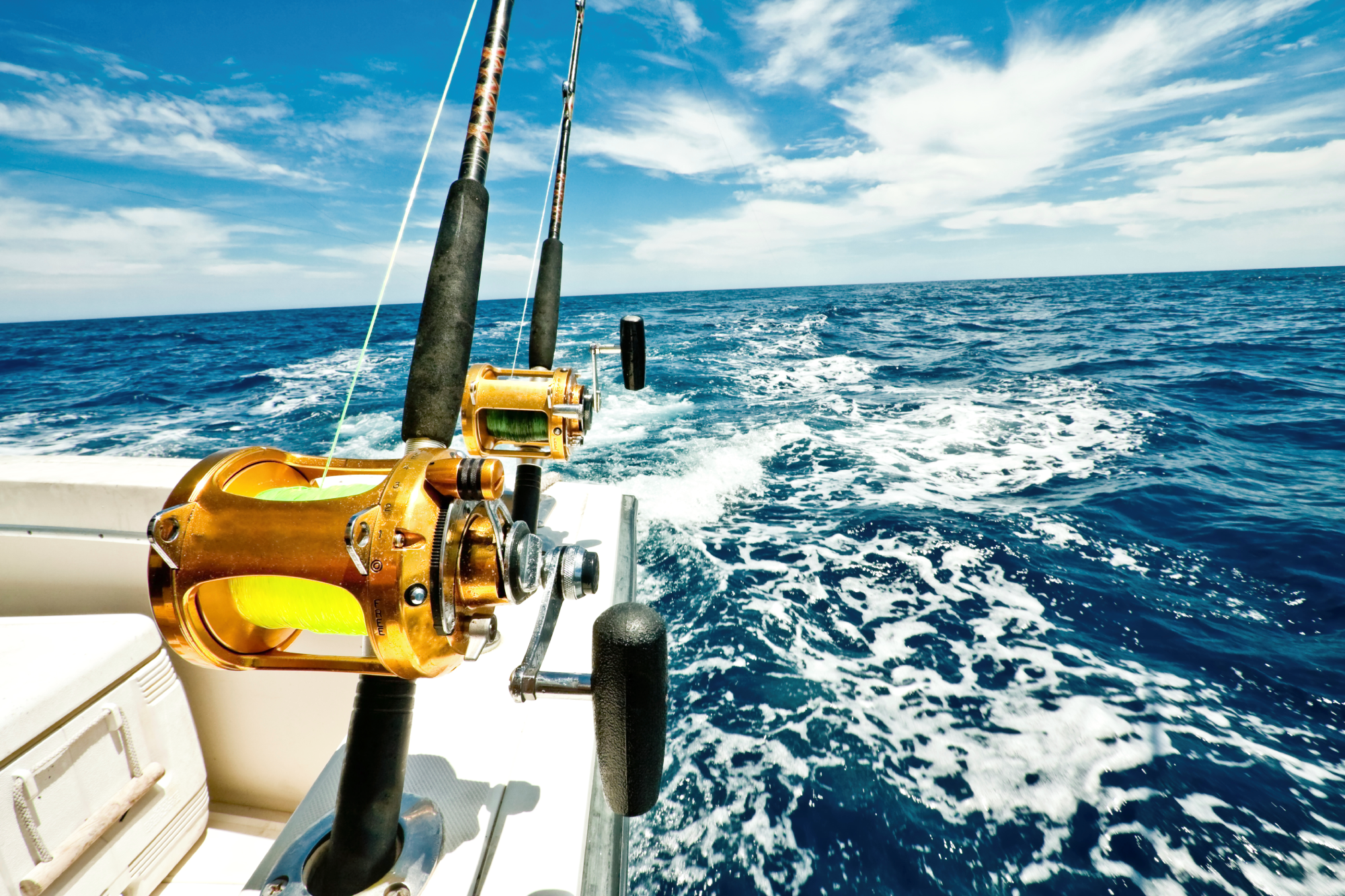
A member from Fort Lauderdale United States developed worsening right lower abdominal pain while traveling aboard a vessel. After debarking in Maumere Indonesia a CT scan confirmed acute appendicitis requiring emergency surgery. Following appendectomy he was evacuated by air to Bali for higher level care where he recovered over several days and was cleared for travel. He and his spouse arranged their return home and declined further follow up.
Categories:
TravelJanuary 6, 2026
Article Highlights:
- Travelers often lose items like whale bones, pork legs, absinthe, bonsai trees and ivory jewelry because of strict customs rules.
- US Customs and Border Protection and the Canada Border Services Agency confiscate items to prevent disease, protect species and stop illegal trade.
- Food, plants and wildlife-derived souvenirs account for the majority of confiscations.
- Foreign travelers returning home after visiting the US or Canada often lose firearms-related items, cannabis, counterfeit goods and agricultural products.
- Declaring all items and researching restrictions ahead of time dramatically reduces the risk of seizure, fines or legal trouble.
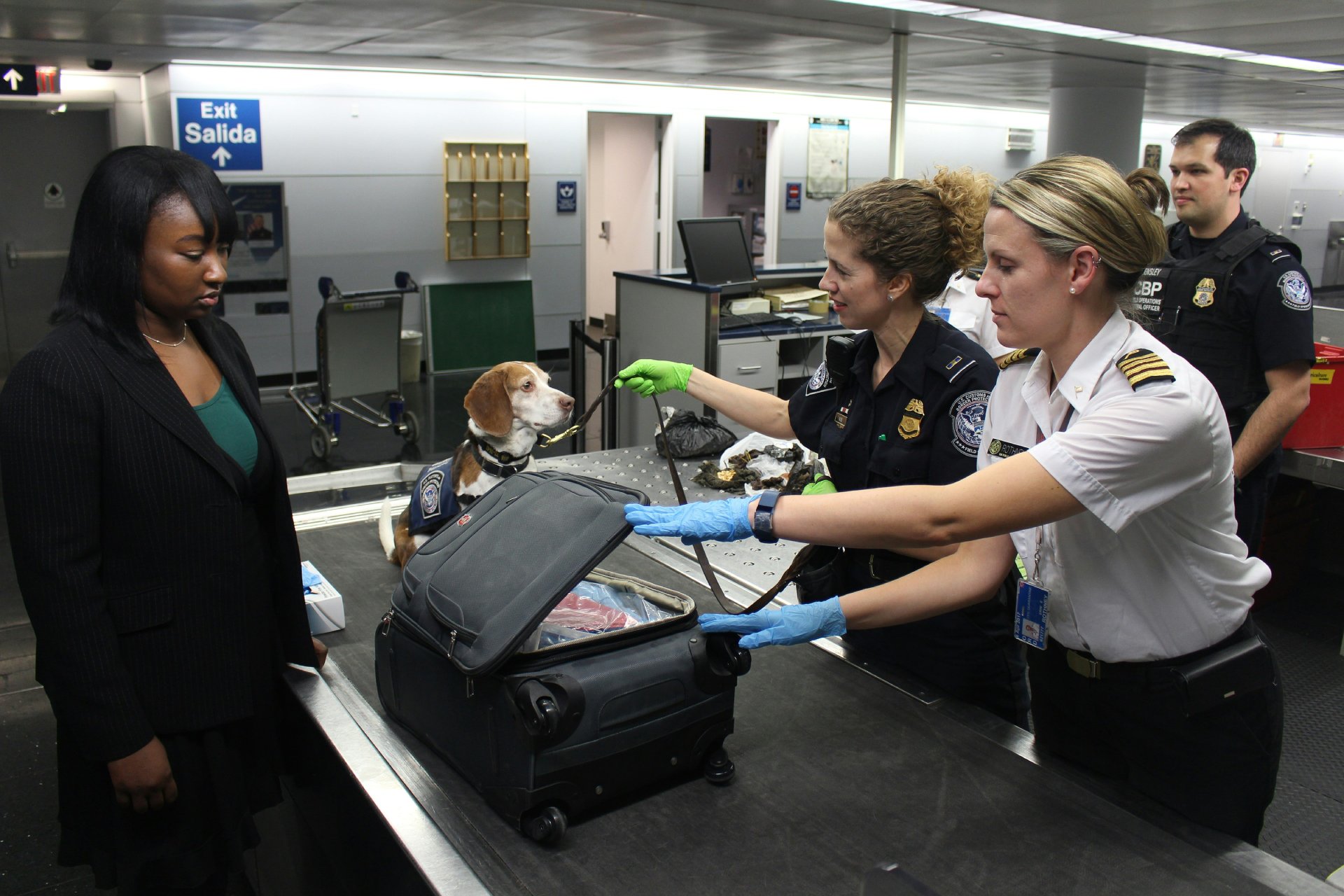
Souvenirs are meant to be reminders of the places travelers love: delicately carved figurines, handmade foods, rare spirits or natural wonders collected along a trip. Yet for thousands of people arriving in the United States and Canada every year, those treasured mementos never make it past the border inspection counter. US Customs and Border Protection (CBP) and the Canada Border Services Agency (CBSA) routinely confiscate items travelers bring home, sometimes because the items are outright illegal, but more often because the traveler simply didn’t know the rules.
The two countries share similar protection priorities. Both enforce strict measures to shield agriculture, ecosystems, endangered species and public safety. These precautions mean that travelers returning home from international trips encounter a surprisingly long list of items that cannot legally cross the border, even in small quantities and even if purchased from legitimate shops. Understanding what gets taken and why is the first step to ensuring a smooth return home.
Why So Many Souvenirs Don’t Make It Across the Border
The majority of confiscations happen for three core reasons: disease prevention, endangered species protection and enforcement of trade and safety laws. A single piece of fruit, for example, can carry pests that devastate crops. Meat products such as pork legs often harbor diseases like African Swine Fever even when packaged or cured. Seemingly harmless items like a small bonsai tree or a carved piece of wood may carry soil-borne insects or fungi that threaten native forests.
There is also a global responsibility to protect endangered species. For items such as ivory jewelry, whale bones, reptile skins, coral pieces or turtle shell accessories, strict regulations govern transport, often requiring special permits that tourists rarely obtain. Even when sold openly in foreign markets, these items usually cannot enter North America without documentation only specialized sellers provide. When travelers arrive with them but cannot show proper paperwork, customs officers seize the items immediately.
Trade laws add another layer of complexity. Items such as absinthe are restricted based on labeling and wormwood content and bottles purchased abroad frequently fail to meet US or Canadian import standards. Cultural artifacts, from pottery fragments to ancient coins, may also be confiscated if the traveler cannot prove they were legally acquired. For customs agencies, the goal is not to punish travelers but to prevent environmental, cultural and safety risks from crossing borders.
What US and Canadian Travelers Lose Most Often
Among returning Americans and Canadians, food items top the list of confiscations. Travelers who bring home meats, cheeses, fruits, vegetables and spices often learn too late that many agricultural products are restricted. A cured pork leg purchased in Spain, homemade pastries packed by a relative abroad or even a single piece of tropical fruit can be taken at inspection because of the risk of pests or disease. Many travelers are surprised when customs officers seize items that look commercially packaged or appear harmless, but the rules do not leave room for guesswork.
Wildlife-derived souvenirs are a close second. Items such as ivory jewelry or carved whale bones appeal to travelers seeking something rare or culturally meaningful. These objects often fall under CITES regulations, however, meaning they cannot cross borders without export and import permits. Similar issues arise with crocodile-leather belts, snakeskin bags, coral sculptures and turtle shell accessories. Even if purchased from reputable shops, these souvenirs frequently fail compliance checks at the port of entry.
Plants and plant-based items also raise red flags. Bonsai , again, may seem like an elegant, harmless gift, but they can carry soil and insects that pose significant agricultural risks. Seeds, plant cuttings, untreated wooden crafts and dried floral arrangements are routinely removed from travelers’ luggage.
Alcohol and spirits present another area of confusion. Absinthe is confiscated often because bottles purchased abroad are not properly labeled according to US or Canadian standards. Travelers who attempt to bring home more alcohol or tobacco than allowed by duty-free limits also face seizures.
Cultural and historical items complete the most common categories. Travelers occasionally try to return home with artifacts misrepresented as “replicas” or “antiques” from foreign markets. Without provenance documents, customs officials err on the side of caution and confiscate the items.
What Travelers Lose When Returning Home From Visits to the US and Canada
Confiscation is not a one-way phenomenon. Foreign travelers returning home after vacations, business trips or study abroad programs in the US or Canada also encounter strict rules when reentering their own countries.
Weapons and self-defense items are among the most frequently seized. Pepper spray and bear spray, widely available in North America, are illegal or heavily restricted in many countries, particularly across Europe and Asia. Foreign travelers often purchase them for hiking or personal safety, only to have them confiscated upon arrival at home. Components of firearms, high-capacity magazines, knives and fireworks purchased legally in the US or Canada often meet the same fate.
Cannabis products create significant problems for visitors. Because marijuana is legal in parts of the US and Canada, tourists sometimes assume they can bring cannabis-infused candies, oils or vaping products home. Most countries prohibit any importation of cannabis and customs officers seize these products consistently.
Counterfeit goods and questionable electronics are also common losses. The US and Canada offer large markets for discount shopping, but many items purchased from street vendors or bargain outlets do not meet safety or intellectual-property standards abroad. Foreign customs agents often confiscate fake designer bags, knockoff electronics and cheaply made chargers that fail safety inspections.
Agricultural products create the same concerns abroad as they do in North America. Beef jerky, cheeses, fruit snacks, fresh produce and barbecue products frequently get confiscated. Many countries simply do not allow meat or dairy imports from North America, regardless of packaging.
Currency rules and medication limits contribute to additional seizures. Travelers who forget to declare large amounts of cash or who carry unprescribed or excessive medications run the risk of losing those items during inspection. In many cases, the confusion stems from differing rules across borders.
How Travelers Can Avoid Losing Their Souvenirs
The simplest way to avoid a confiscation is to declare everything, even if it seems insignificant. Customs officers review declared items without penalty in most cases, but undeclared items — even innocent mistakes — can result in fines. Researching restrictions before buying souvenirs overseas also helps travelers make informed choices, especially when browsing markets where wildlife products and plant-based goods are common. Permits, when required, must be obtained in advance and carried at all times. And if a traveler is unsure whether something is legal to bring home, the safest decision is not to purchase it.
The Global Rescue Connection
While losing a souvenir can be frustrating, the real risk for travelers is entering a country unprepared, whether for customs rules, health requirements or security conditions. That’s where Global Rescue’s Destination Reports become invaluable. These expert-curated reports provide detailed, country-specific information on what travelers can bring in or take out, including restrictions on foods, plants, wildlife products, alcohol, medications and other commonly confiscated items. By consulting Destination Reports before shopping abroad, travelers can avoid costly mistakes and ensure the souvenirs they buy are legally permitted to return home with them.
But preparation goes beyond customs awareness. A Global Rescue membership ensures travelers are supported when far more serious threats arise. From field rescue and medical evacuation to medical advisory services and global security intelligence, Global Rescue delivers protection no customs agency can offer. Whether navigating a natural disaster, sudden illness or a security crisis in an unfamiliar country, members have access to the resources they need to get home safely, with peace of mind that extends far beyond their luggage.
Get a price estimate
Estimate
$0.00
Please answer all questions for estimate.
Categories:
NewsJanuary 6, 2026
Categories:
NewsJanuary 5, 2026
(Lebanon, NH – January 5, 2026) – More than one in three travelers are thinking about retiring outside their home country, according to the latest Global Rescue Traveler Sentiment and Safety Survey. The results show strong curiosity about international retirement among younger and higher-income respondents, with only about half of all travelers saying they plan to retire domestically.
“Travel often sparks more than just short-term adventure—it opens people’s eyes to what life could look like elsewhere,” said Dan Richards, CEO of The Global Rescue Companies and a member of the US Travel and Tourism Advisory Board at the US Department of Commerce. “For many, the idea of retiring abroad represents freedom, affordability and access to new experiences.”
Younger Travelers More Open to the Idea
Interest in retiring abroad was highest among travelers under 55, particularly those between 35 and 54 years old. While the majority of survey respondents are over 55, the data indicate that a new generation of travelers is beginning to link their travel ambitions with long-term lifestyle planning.
“People who started traveling globally in their 30s and 40s are now thinking about how they could make that lifestyle permanent,” Richards said. “They’ve seen firsthand how different cultures live—and they’re considering how that could fit into their future.”
Income Plays a Major Role
Wealthier travelers are leading the retirement-abroad trend. Respondents with household incomes above $150,000 were the most likely to consider living overseas, with interest tapering among those earning less than $100,000. Nearly one in ten travelers (9%) reported annual incomes above $500,000, a group particularly drawn to international retirement options.
“Financial flexibility is often a deciding factor,” Richards noted. “The more exposure travelers have to global destinations—and the means to plan accordingly—the more comfortable they are with the idea of retiring somewhere new.”
Gender Similarities in Retirement Outlook
Men (38%) and women (35%) were nearly identical in their interest in retiring abroad. Just over half of all respondents (51%) said they intend to remain in their home country, while 13% are undecided.
“These numbers reflect growing openness to global living,” Richards said. “Even if travelers don’t ultimately move abroad, the fact that one-third are seriously thinking about it shows a significant cultural shift in how people view retirement.”
For more information, contact:
Bill McIntyre | Email: bmcintyre@globalrescue.com | Phone: +1 202.560.1195
About the Global Rescue Traveler Sentiment and Safety Survey
Global Rescue, the leading travel risk and crisis response provider, surveyed more than 1,600 current and former members between October 7–13, 2025. The respondents revealed a variety of behaviors, attitudes and preferences regarding current and future travel.
About Global Rescue
Global Rescue is the world’s leading provider of medical, security, evacuation and travel risk management services to enterprises, governments and individuals. Founded in 2004, Global Rescue has exclusive relationships with the Johns Hopkins Emergency Medicine Division of Special Operations and Elite Medical Group. Global Rescue provides best-in-class services that identify, monitor and respond to client medical and security crises. Global Rescue has supported Fortune 500 companies, governments and academic institutions during every globally significant crisis of the last two decades. For more information, visit www.globalrescue.com.