Categories:
NewsJanuary 6, 2026
Categories:
NewsJanuary 5, 2026
Categories:
Press ReleaseJanuary 5, 2026
(Lebanon, NH – January 5, 2026) – More than one in three travelers are thinking about retiring outside their home country, according to the latest Global Rescue Traveler Sentiment and Safety Survey. The results show strong curiosity about international retirement among younger and higher-income respondents, with only about half of all travelers saying they plan to retire domestically.
“Travel often sparks more than just short-term adventure—it opens people’s eyes to what life could look like elsewhere,” said Dan Richards, CEO of The Global Rescue Companies and a member of the US Travel and Tourism Advisory Board at the US Department of Commerce. “For many, the idea of retiring abroad represents freedom, affordability and access to new experiences.”
Younger Travelers More Open to the Idea
Interest in retiring abroad was highest among travelers under 55, particularly those between 35 and 54 years old. While the majority of survey respondents are over 55, the data indicate that a new generation of travelers is beginning to link their travel ambitions with long-term lifestyle planning.
“People who started traveling globally in their 30s and 40s are now thinking about how they could make that lifestyle permanent,” Richards said. “They’ve seen firsthand how different cultures live—and they’re considering how that could fit into their future.”
Income Plays a Major Role
Wealthier travelers are leading the retirement-abroad trend. Respondents with household incomes above $150,000 were the most likely to consider living overseas, with interest tapering among those earning less than $100,000. Nearly one in ten travelers (9%) reported annual incomes above $500,000, a group particularly drawn to international retirement options.
“Financial flexibility is often a deciding factor,” Richards noted. “The more exposure travelers have to global destinations—and the means to plan accordingly—the more comfortable they are with the idea of retiring somewhere new.”
Gender Similarities in Retirement Outlook
Men (38%) and women (35%) were nearly identical in their interest in retiring abroad. Just over half of all respondents (51%) said they intend to remain in their home country, while 13% are undecided.
“These numbers reflect growing openness to global living,” Richards said. “Even if travelers don’t ultimately move abroad, the fact that one-third are seriously thinking about it shows a significant cultural shift in how people view retirement.”
For more information, contact:
Bill McIntyre | Email: bmcintyre@globalrescue.com | Phone: +1 202.560.1195
About the Global Rescue Traveler Sentiment and Safety Survey
Global Rescue, the leading travel risk and crisis response provider, surveyed more than 1,600 current and former members between October 7–13, 2025. The respondents revealed a variety of behaviors, attitudes and preferences regarding current and future travel.
About Global Rescue
Global Rescue is the world’s leading provider of medical, security, evacuation and travel risk management services to enterprises, governments and individuals. Founded in 2004, Global Rescue has exclusive relationships with the Johns Hopkins Emergency Medicine Division of Special Operations and Elite Medical Group. Global Rescue provides best-in-class services that identify, monitor and respond to client medical and security crises. Global Rescue has supported Fortune 500 companies, governments and academic institutions during every globally significant crisis of the last two decades. For more information, visit www.globalrescue.com.
Categories:
Places & PartnersTravelJanuary 2, 2026
Article Highlights:
- Aconcagua’s climbing season runs from mid-November to early March, offering access but no guarantees against extreme cold and wind.
- December and January are Aconcagua’s busiest months, with higher permit and rescue costs and increased crowding.
- Mount Everest’s winter season in December and January is among the most dangerous pursuits in mountaineering, with temperatures near –40°C and hurricane-force winds.
- Winter Everest ascents are extremely rare, demanding complete self-reliance due to limited rescue and helicopter access.
- Global Rescue emphasizes preparation, acclimatization and decision-making over reliance on rescue in both environments.
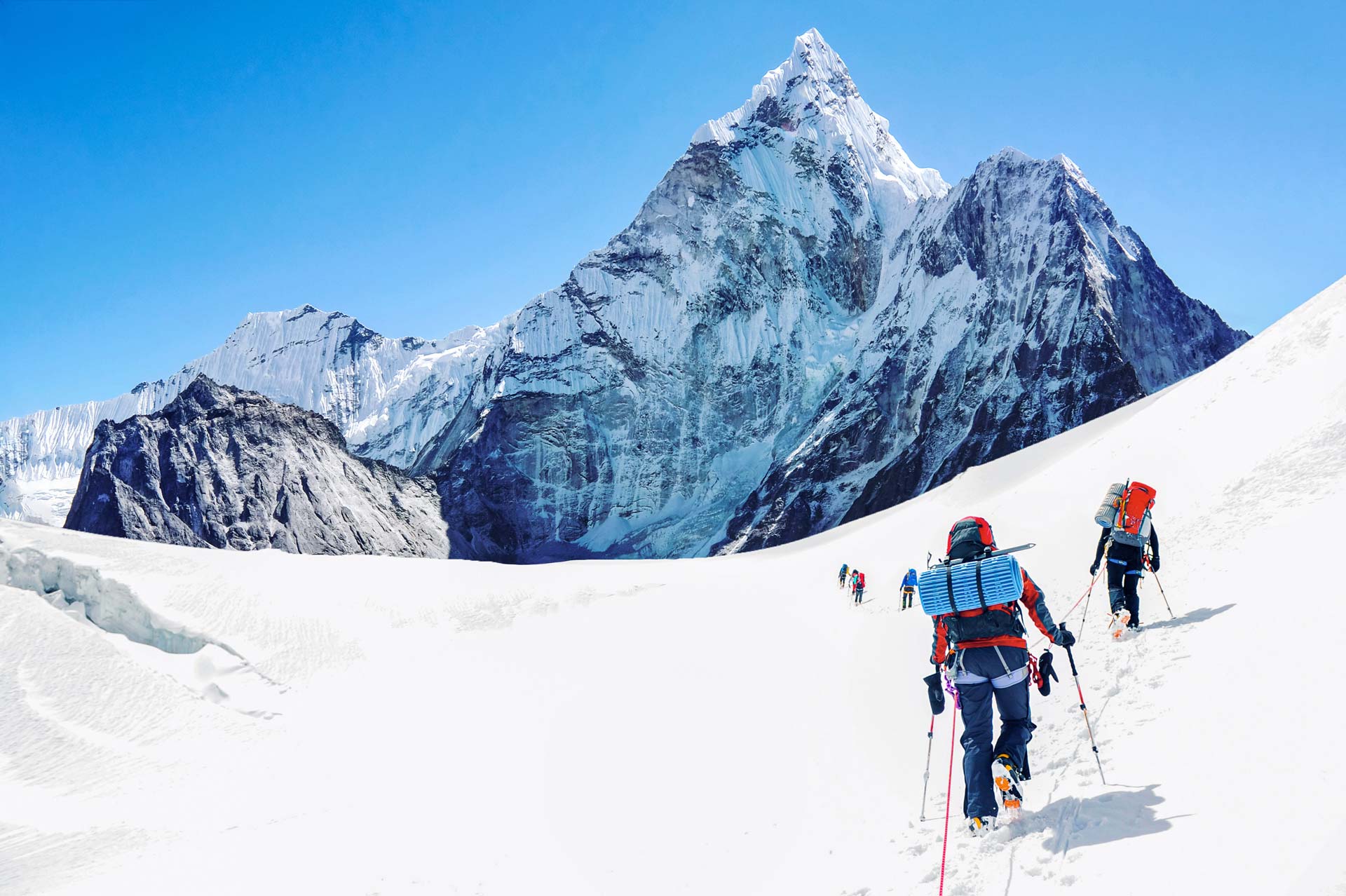
For mountaineers drawn to the Seven Summits and the outer limits of human endurance, timing is not a logistical detail. It is destiny. Few mountains illustrate this more clearly than Aconcagua in Argentina and Mount Everest in Nepal. One offers a defined but unforgiving summer climbing season between November and March. The other presents a brutally short and rarely successful winter climbing window in December and January. Together, they represent two very different expressions of high-altitude ambition, each demanding respect, preparation and disciplined decision-making.
Aconcagua: The Southern Hemisphere’s High-Altitude Proving Ground
At 22,841 feet/6,961 meters, Aconcagua is the highest mountain in the Western Hemisphere and a cornerstone objective for mountaineers pursuing the Seven Summits. While technically non-technical on its normal routes, it is anything but easy. Altitude, exposure and weather make Aconcagua a serious undertaking, particularly for climbers using it as preparation for future 8,000-meter objectives.
The Aconcagua climbing season runs from roughly mid-November through early March, corresponding with the austral summer. During this period, Aconcagua Provincial Park is fully staffed, mule services operate and rescue and medical infrastructure is in place. Outside this window, access is restricted and risks increase dramatically.
Ed Viesturs, legendary mountaineer and member of the Global Rescue Mountain Advisory Council, emphasizes that timing does not soften the mountain’s character. “The climbing season for Aconcagua is just starting and conditions are generally dry this time of year on the mountain, but one should always be prepared for snowstorms and high winds,” Viesturs notes. “It’s going to be quite busy as usual, as climbers look to complete their Seven Summits and to also gain altitude experience for future trips to 8,000-meter peaks.”
Trekking, Logistics and Altitude Discipline
Aconcagua attracts a wide spectrum of climbers, from experienced mountaineers to trekkers transitioning into high-altitude climbing. The normal routes involve long carries, extended exposure above 18,000 feet and multiple nights at high camps. Acclimatization is not a suggestion. It is a survival requirement.
According to wilderness and altitude sickness expert, Dr. Eric Johnson, Global Rescue associate medical director and past president of the Wilderness Medical Society, when climbing a nearly 23,000 foot/7000-meter peak, climbers should understand the environment and associated risks like altitude, cold effects and sun/UV exposure. “They should monitor themselves for red flag symptoms like developing high altitude sickness, shortness of breath at rest, decreased appetite with nausea or numbing extremities to prevent AMS, HAPE, frostbite and snow blindness,” he said.
“As part of the Aconcagua climbing permit, all climbers must present at the Extreme Medicine medical tents at the Plaza de Mulas and Plaza Argentina for assessment of their current medical condition, typical vital signs including pulse, blood pressure, oxygen sats and medications,” Johnson said. “The physicians will typically answer questions and give advice regarding the ascent profile and route,” he added.
Global Rescue routinely emphasizes that rescue should be treated as a contingency, not a strategy. During the primary season, medical and rescue teams are deployed, but conditions and regulations often limit air support. As the season winds down in February and March, services thin out, winds intensify and the margin for error narrows significantly.
Weather, Wind and the Illusion of Simplicity
Despite its reputation as a “walk-up,” Aconcagua routinely produces winds exceeding 60 mph and temperatures that can plunge below –30°C. Sudden storms can trap climbers at high camps, while the dry conditions increase dehydration risks and complicate acclimatization. Many evacuations on Aconcagua are not due to dramatic falls but to altitude illness, exhaustion and exposure.
December and January represent the high season, bringing the most stable weather on average but also the highest crowd density and permit costs. According to David Koo, director of medical operations at Global Rescue, the financial and logistical stakes are rising. “Aconcagua season is underway. Fees have gone up for Aconcagua this year. Ascent permits now cost between $1,170 USD to $2,000 USD depending on your climbing route, if you are on an assisted or unassisted climb. Rescue costs have gone up as well.”
These increases underscore a broader reality. Specifically, climbers must plan for self-sufficiency and conservative turnaround decisions.
Mount Everest in Winter: Pure Mountaineering, No Illusions
If Aconcagua tests patience and discipline, Mount Everest in winter tests the outer boundaries of human capability. Standing at 29,032 feet/8,848 meters, Mount Everest is climbed by hundreds each spring. In winter, it’s climbed by very few.
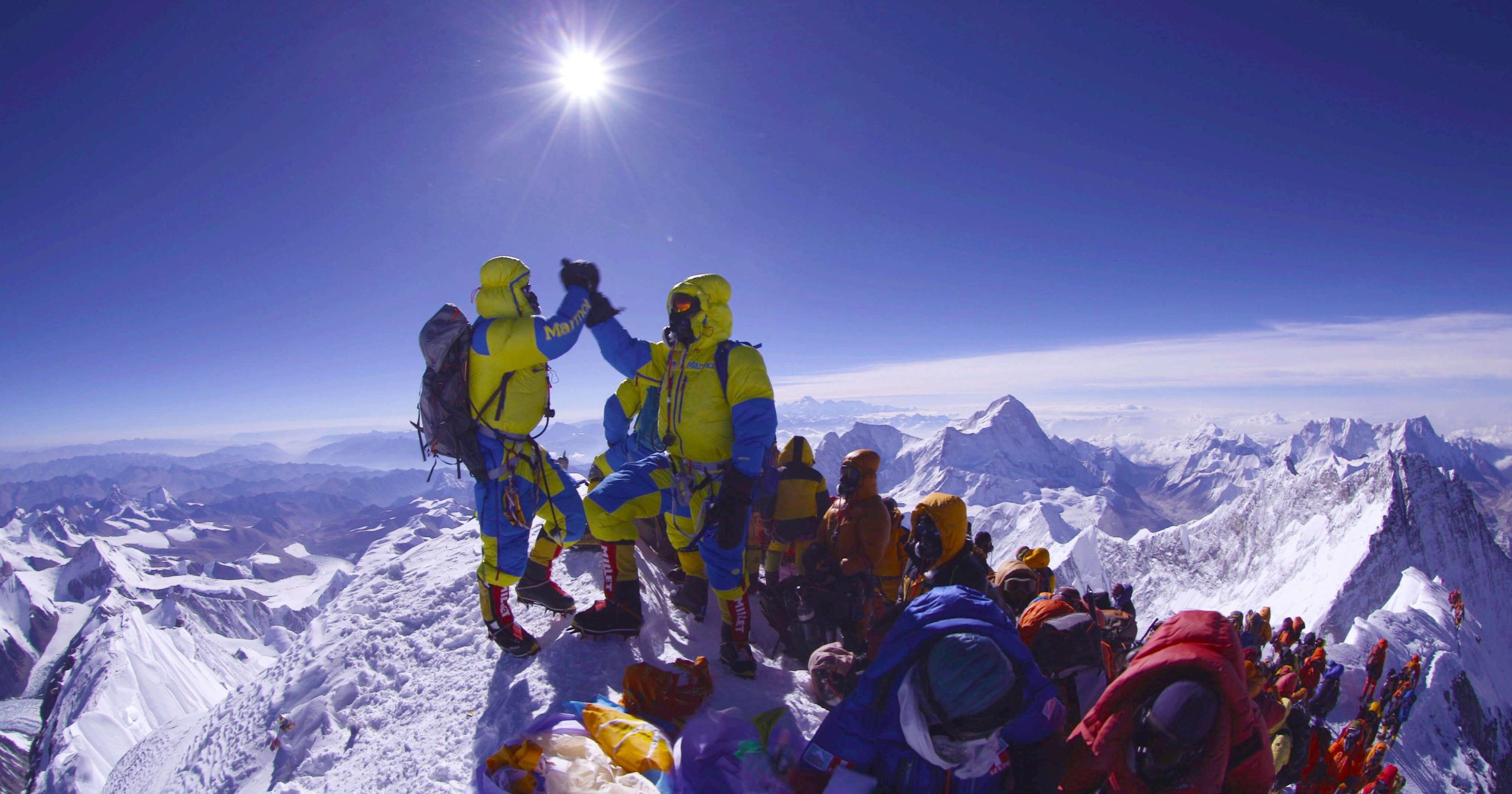
The official winter climbing season runs from late December through February, with most serious attempts focused on December and January. During this period, the jet stream sits directly atop the mountain, unleashing sustained winds over 100 mph and driving temperatures down to –40°C and below. Wind chill pushes effective temperatures into a range where exposed skin freezes in minutes and equipment failures become life-threatening.
Unlike spring, there is no predictable summit window. A team may wait weeks for a brief lull that never comes. If an opportunity does appear, it may last less than a day, requiring immediate and decisive action.
The Rarity and the Risk
Fewer than one percent of all Mount Everest summits occur in winter. Success rates are extraordinarily low and each ascent is considered a landmark achievement in modern mountaineering. The mountain is stripped of crowds, fixed infrastructure and commercial support. This is expedition-style climbing in its purest form.
Helicopter rescues, common at Everest Base Camp and Camp II in spring, are extremely challenging in winter due to wind, cold and visibility. Nepal’s evolving flight regulations further constrain access. As a result, winter climbers must assume that external rescue may not be available at all.
Global Rescue advisors are explicit about this reality. Winter Everest is a self-reliant environment where training, acclimatization and judgment are the only reliable safety systems. Climbers face heightened risks of HAPE, HACE, severe frostbite and trauma, with limited daylight and relentless cold eroding recovery and decision-making.
Seasonal Contrast: Everest Spring Versus Winter
Spring climbing on Mount Everest, typically April through May, offers relatively warmer temperatures, a predictable jet stream shift and a one- to two-week summit window. It also brings crowding, fixed ropes, Sherpa support and accessible rescue services.
Winter offers none of that. There is no crowding, but there is also no margin for error. Every rope must be fixed by the team. Every camp must be defended against storms. Every decision carries amplified consequences.
As Viesturs and other veteran mountaineers have long argued, a climb is not complete until the climber returns safely. In winter, that philosophy is not idealistic. It is essential.
Trekking and Winter Conditions in Nepal
Nepal sees significantly fewer trekkers and climbers during winter due to shorter days and harsher weather. While some alpinists seek these conditions for greater challenge, success rates remain low. Many expeditions retreat without ever attempting a summit push. Survival, not success, becomes the metric.
This pursuit appeals to a narrow group of elite mountaineers driven by mastery rather than recognition. Winter Everest is not about records or speed. It is about enduring what most choose to avoid.
Increasing Winter Trekking and the Consequences of Underpreparedness
While winter conditions on Mount Everest and across Nepal traditionally deter most climbers and trekkers, recent years have shown a notable shift in behavior. According to Dan Stretch, senior manager of medical operations at Global Rescue, there has been an observable increase in people choosing to trek during the winter period despite shorter days, colder temperatures and more volatile weather.
“In recent years there appears to be an increase in people choosing to trek during this period,” Stretch said. However, this growing interest has been accompanied by a troubling pattern of preventable emergencies. Stretch noted that the most common issues Global Rescue encounters among winter climbers and trekkers stem from “aggressive ascent itineraries, failure to recognize or act on the early signs of altitude sickness while continuing to ascend.”
These issues are magnified in winter, when the body’s ability to acclimatize and recover is compromised by extreme cold and sustained wind exposure. Symptoms of altitude illness can escalate more quickly, while evacuation options become limited or entirely unavailable due to weather constraints.
Stretch also pointed to recent winter snowstorms as a revealing stress test for preparedness in the region. Many climbing and trekking groups, he said, were exposed as being underprepared, citing “poor cold weather equipment choices and limited communication backups.” The consequences were significant. “The result limited groups’ ability to shelter in place, or seek assistance when conditions deteriorated,” he explained.
In winter environments where helicopter support may be grounded and rescue timelines extended, these shortcomings can quickly become life-threatening. Adequate insulation, redundant communications and conservative ascent planning are not optional during Nepal’s winter season; they are fundamental requirements. As more trekkers and climbers push into the Himalayas during colder months, Global Rescue emphasizes that winter conditions demand a higher standard of preparation, discipline and self-reliance than many anticipate.
The Global Rescue Connection
From Aconcagua’s crowded high camps to Mount Everest’s empty, wind-scoured ridges in winter, the realities of high-altitude climbing are unforgiving. Field rescue, medical evacuation and advisory support can be lifesaving, but they are never guaranteed, especially in extreme seasons and environments.
A Global Rescue with the High-Altitude Evacuation Package membership provides mountaineers and trekkers with access to field rescue, medical evacuation, altitude-aware medical advisory services and crisis response coordination in some of the world’s most remote regions. On mountains where helicopters may not fly and conditions can change in minutes, expert medical guidance and rescue coordination become critical layers of risk management.
Veteran climbers, including Ed Viesturs, consistently remind the mountaineering community that preparation is the first line of defense. Rescue exists to support good decisions, not replace them. Whether pursuing a Seven Summits objective on Aconcagua or confronting the raw severity of Mount Everest in winter, climbers who respect the mountain, understand the season and prepare for self-reliance give themselves the best chance to return safely.
In the end, the true measure of a mountaineer is not the summit reached, but the judgment shown along the way and the ability to come home under their own power.
Categories:
TravelJanuary 1, 2026
Article Highlights:
- Crowd control failures often result from small issues that escalate quickly in dense stadium environments.
- Advance planning, including venue maps and rally points, significantly improves stadium safety outcomes.
- Situational awareness allows early recognition of risk before conditions deteriorate.
- Knowing how to respond to violence, explosions or stampedes can prevent serious injury.
- Major events require the same risk discipline used in complex travel environments.
From the Super Bowl to the Winter Olympics to sold-out Lady Gaga or Ariana Grande concerts, major stadium events represent the peak of shared human experience. Tens of thousands of people gathered for sport, music and spectacle generate an unmatched level of energy. These events are designed to be memorable, immersive and thrilling. They are also complex environments where crowd control and stadium safety matter as much as the main attraction.
When everything goes right, a massive event feels effortless. When something goes wrong, confusion spreads fast. Lost children, medical emergencies, aggressive behavior, structural bottlenecks or sudden evacuations can turn excitement into risk in seconds.
Crowd safety is about preparation, awareness and knowing how to move decisively when conditions change.
Global Rescue’s security and medical experts work incidents in places far more remote than a football stadium or Olympic venue. But experience shows that emergencies are not limited to wilderness expeditions or overseas adventures. Large crowds concentrate risk and stadium environments demand the same disciplined thinking used in higher-risk travel settings.
If you are traveling to attend the Super Bowl in California, the Winter Olympics in Milan, a major Lady Gaga or Ariana Grande tour stop in Tokyo, London or Montreal or any other large gathering, understanding stadium safety fundamentals can materially reduce your exposure and improve your ability to respond under pressure.
Super Bowl and Stadium Crowd Control Matters at Major Events
Stadiums are designed to handle volume, but crowd behavior is unpredictable. A packed arena amplifies normal human reactions. Curiosity becomes congestion. Excitement becomes impatience. Stress becomes panic.
Crowd control failures rarely stem from one cause. They usually involve a convergence of factors such as bottlenecks at entrances or exits, alcohol consumption, poor communication, limited visibility and delayed response to minor disturbances. Once movement becomes restricted, even a small incident can cascade into a larger safety issue.
High-profile international events like the Super Bowl, the Winter Olympics or a Lady Gaga concert introduce additional variables. Temporary venues, international visitors unfamiliar with local language or layout, heightened security postures and tightly scripted schedules all increase complexity. Concert crowds add their own dynamics, particularly when fans surge toward stages or exits at the same time.
Understanding how crowds move, where pressure points form and how authorities respond allows you to act deliberately rather than react emotionally.
Winter Olympics Bound Means Pre-Planning
Crowd safety begins well before you scan your ticket.
Advance preparation is one of the simplest and most overlooked stadium safety measures. Large venues publish detailed maps for a reason. Knowing the layout reduces hesitation when seconds matter.
Save the venue map to your phone and identify where you are seated, where the nearest exits are located and where secondary exits might be if primary routes are blocked. Note restrooms, medical stations and security offices. If transportation hubs are outside the stadium footprint, understand the flow between those areas and the venue.
If you are attending with family or a group, establish three meeting points. Two should be inside the venue, separated by distance and one should be outside. Choose locations that are visually distinctive and well-lit. Avoid vague instructions. Everyone should be able to reach the rally point without additional guidance.
Think about clothing and equipment as functional choices, not fashion statements. Comfortable shoes matter more than many people realize. Evacuations rarely follow the shortest route and you may need to walk or move quickly for longer distances than expected. Fully charge your phone before arrival and carry a portable battery. Communication is essential in crowded environments.
For families traveling with children, discreet tracking devices attached securely can add a valuable layer of redundancy if separation occurs.
Situational Awareness Inside the Stadium
Situational awareness is not about constant vigilance or anxiety. It’s about calmly observing your surroundings and noticing patterns.
As you enter the venue, pay attention to how crowds are being managed. Note where security personnel are positioned and how emergency services are staged. Observe crowd density and how people are flowing through corridors, ramps and stairways. Identify choke points where movement slows.
Throughout the event, periodically reassess. If energy shifts abruptly, if a section becomes unusually agitated or if movement patterns change without explanation, those are signals worth acknowledging. Early recognition gives you more options.
Avoid clustering near railings, barriers or narrow passageways during peak movement times. When large numbers of people converge in constrained spaces, pressure builds quickly.
If you move around the venue, travel in pairs when possible and communicate clearly with others in your group. Specific plans prevent confusion. Ambiguous statements create unnecessary search behavior during stressful moments.
What To Do If Violence Breaks Out
Spectator aggression is not uncommon at major events. Most incidents remain localized, but curiosity often pulls bystanders closer, compounding the risk.
If you notice a disturbance, resist the urge to observe. Move away deliberately and put distance between yourself and the situation. Do not engage, film or attempt to intervene unless you are trained and directed by authorities.
Once clear, notify venue staff or security if safe to do so. You are not responsible for managing the incident, but timely reporting can help prevent escalation.
Position yourself near solid structures such as walls rather than remaining in open crowd flows. This reduces exposure to sudden movement and provides reference points if conditions deteriorate.
Responding to Explosions or Sudden Threats
Although rare, sudden violent incidents demand disciplined thinking. Instinct often drives people toward the most obvious exit, which can quickly become overcrowded.
Pause briefly if conditions allow. Assess your surroundings and identify less congested routes. The closest exit is not always the safest. Popular exits attract the highest density and can become secondary risk zones.
Move purposefully but avoid running unless there is immediate danger. Falling creates additional hazards in moving crowds. Maintain awareness of where emergency responders are likely to deploy and avoid converging on those paths if alternatives exist.
If communication networks become overloaded, rely on pre-established rally points rather than attempting repeated calls or messages.
Surviving a Stampede or Crowd Crush
Crowd crush events are among the most dangerous stadium scenarios because they develop rapidly and leave little margin for error.
If you are caught in a moving crowd, your priority is staying upright and protecting your breathing space. Position your arms in front of your chest with elbows out, similar to a boxer’s stance. This helps maintain balance and prevents compression of your torso.
Do not push against the crowd. Resistance wastes energy and increases the likelihood of falling. Instead, move with the flow while gradually angling diagonally toward the outer edge of the crowd. The goal is to escape density, not fight it.
Be especially cautious near choke points such as doorways, stairwells and narrow corridors. These areas concentrate force and dramatically increase risk.
Once you reach a wall or boundary, use it as a stabilizing reference while continuing to move away from the pressure zone.
Lady Gaga, Ariana Grande: The Reality of Stadium Safety
Large sporting events and concerts have always carried inherent risk simply because of scale. What has changed is the speed at which conditions can shift and the diversity of threats that must be considered. Crowd safety is no longer just about avoiding rowdy fans. It includes medical response times, communication breakdowns, evacuation logistics and individual decision-making under stress.
The Super Bowl, the Winter Olympics and global concert tours like Lady Gaga’s and Ariana Grande’s operate with sophisticated security and emergency plans. Even so, personal preparedness is still essential. Authorities manage the macro environment. Individuals manage their immediate space, their group and their choices.
Smart preparation does not diminish enjoyment. It increases confidence and allows you to focus on the experience rather than uncertainty.
The Global Rescue Connection
Major stadium events concentrate people, energy and risk into a single space. When emergencies occur, they demand rapid coordination, medical expertise and the ability to navigate complex environments under pressure.
A Global Rescue membership provides critical support beyond the venue gates. Members have access to field rescue coordination, medical evacuation, real-time medical advisory services and expert guidance when situations escalate. Whether attending a global sporting event, a high-profile concert or traveling internationally around these experiences, Global Rescue offers a layer of protection designed for moments when local systems are overwhelmed or uncertain.
Preparation, awareness and professional support form the foundation of safer experiences, wherever large crowds gather.
Categories:
TravelDecember 31, 2025
Article Highlights:
- Schengen countries require €30,000 minimum medical and repatriation coverage for all foreign travelers.
- Belarus and Russia enforce strict health insurance requirements tied to visa approvals.
- Turkey mandates insurance for long-term stays, particularly residence permits.
- UK Overseas Territories often require evacuation protection due to remote locations.
- Global Rescue membership provides worldwide evacuation and medical coverage beyond traditional policies.
For millions of travelers, Europe is the ultimate destination. Whether you’re skiing the Alps, exploring historic cities, or trekking through wild landscapes, Europe offers something for everyone. But before you book your flight, it’s essential to understand one of the least glamorous yet most critical requirements: travel health insurance.
Across Europe, many nations and territories mandate that visitors carry medical insurance, evacuation protection, and proof of medical coverage before granting entry. This isn’t just paperwork. It’s a safeguard against unexpected accidents, illnesses, and emergencies that could turn a dream vacation into a financial nightmare.
Schengen Countries: The €30,000 Standard
The Schengen Zone, which spans 27 European countries, sets one of the clearest standards for travelers. To qualify for a Schengen visa, visitors must carry a travel health insurance policy covering at least €30,000 in medical expenses, hospitalization and repatriation of remains.
This rule applies whether you’re exploring Paris, hiking in Austria or enjoying tapas in Spain. Proof of insurance is required during the visa application, and border agents can request verification upon arrival. The Schengen requirement underscores Europe’s commitment to ensuring visitors aren’t left without medical help, or leaving unpaid bills behind.
Belarus: A €10,000 Minimum Coverage Rule
While not part of the EU, Belarus also mandates that visitors carry travel health insurance. The required coverage is at least €10,000, and without it, entry can be denied. Travelers often need to purchase coverage from a Belarus-approved insurer, though many international policies are accepted.
This requirement highlights Belarus’s stricter approach, ensuring tourists are financially protected against emergencies in a country where healthcare access may be challenging.
Turkey: Insurance for Residence Permits
Turkey has a different approach. While short-term tourists may not always be checked for insurance, anyone applying for a residence permit, whether for work, study, or extended stays, must show valid health insurance.
This reflects Turkey’s role as a hub between Europe and Asia, where long-term international residents are common. For travelers considering extended stays, comprehensive travel health insurance with broad medical coverage is non-negotiable.
United Kingdom Overseas Territories: Remote Travel, High Risk
Perhaps the least understood but most important category are the UK Overseas Territories. These include remote locations such as the Falkland Islands, Bermuda and the British Indian Ocean Territory.
In these territories, medical evacuation protection is often the most important requirement. Why? Because many of these destinations are extremely remote, with limited or no advanced healthcare facilities. A broken leg in the Falklands or severe illness in the British Indian Ocean Territory could mean a costly medical evacuation by air or sea.
Travelers should not only carry travel health insurance but also verify that their policy includes comprehensive evacuation protection, capable of transporting them to the nearest advanced medical facility.
Why These Requirements Exist
European governments didn’t create these rules arbitrarily. They’re designed to:
- Protect Visitors – Ensuring travelers can access medical care without overwhelming costs.
- Protect Healthcare Systems – Preventing unpaid bills from straining national resources.
- Support Emergency Response – Guaranteeing that visitors have access to evacuation protection if treatment isn’t available locally.
For travelers, compliance is about securing peace of mind.
Common Mistakes Travelers Make
- Relying on domestic health insurance – Most U.S. or Canadian health plans don’t cover international medical care or evacuations.
- Buying the cheapest policy – Budget policies often exclude high-risk activities like skiing, trekking or adventure sports.
- Forgetting evacuation coverage – Medical treatment is one thing, but the cost of air evacuation can reach $100,000+ in Europe.
- Not carrying proof – Travelers are sometimes asked to show documentation of their insurance upon arrival.
When selecting coverage for Europe, travelers should ensure their plan includes:
- Medical coverage for hospitalization, surgery and outpatient care.
- Emergency evacuation protection for accidents in remote areas.
- Repatriation of remains, as required by Schengen.
- 24/7 global assistance services, critical during emergencies.
How Is It Enforced?
In the Schengen Area, proof of insurance with a minimum of €30,000 coverage must be provided at the visa application stage. Russia and Belarus also require an insurance certificate to be submitted when applying for a visa. In Turkey, health insurance enforcement applies primarily to residence permit applications rather than border entry. In the United Kingdom’s Overseas Territories, such as the Falkland Islands and the British Indian Ocean Territory, insurance is strongly recommended and often enforced by airlines or local authorities due to the high cost of medical evacuations.
The Global Rescue Connection
While traditional travel health insurance is essential to meet Europe’s entry requirements, its protections often stop short when evacuation is needed.
That’s where a Global Rescue membership makes the difference. With field rescue, medical evacuation and security services that go far beyond standard insurance, Global Rescue ensures you’re never stranded. Whether you’re trekking in the Alps, skiing in Austria or exploring remote islands, Global Rescue can coordinate and execute an evacuation to the nearest hospital or even back home.
Europe’s strict insurance mandates underscore the need for more than just a passport and a policy. Traditional traveler health insurance shields you from costly medical bills, while Global Rescue provides the evacuation and advisory support standard plans don’t. Together, they not only keep you compliant with European entry rules but also give you the freedom to explore castles, coastlines and capitals with complete confidence.
For travelers heading to Europe, the smartest strategy is clear: pair traditional travel insurance with a Global Rescue membership. The result is comprehensive protection and true peace of mind throughout your trip.
Categories:
Press ReleaseDecember 31, 2025
(Lebanon, NH – December 31, 2025) – Travelers around the world are divided on whether they’d embrace the next generation of supersonic passenger flights, but they overwhelmingly agree on one thing: when it comes to exploring the world, authenticity and history matter most.
According to the latest Global Rescue Traveler Sentiment and Safety Survey, US travelers are more eager to board a new, low-noise supersonic jet from New York to London than their international counterparts. Nearly one in three Americans (31%) said they would book a $3,500 round-trip ticket on a 3.5-hour flight, compared to just 26% of non-US respondents. Women were more cautious than men, with only 27% saying they’d book the flight versus 30% of men and a larger share of women (39%) saying “maybe” compared to 34% of men.
“The data show a clear curiosity about the return of supersonic travel after a two decade absence, but travelers remain practical and cautious,” said Dan Richards, CEO of The Global Rescue Companies and a member of the US Travel and Tourism Advisory Board at the US Department of Commerce. “For many, speed is appealing, but not necessarily worth the cost or the unknowns of a brand-new travel capability.”
When it comes to airport convenience, however, US travelers are far ahead in adopting programs designed to save time and reduce stress. More than 64% of American respondents said they’re already members of a trusted traveler program such as TSA PreCheck or Global Entry, compared to just 20% of non-US travelers. Meanwhile, another 22% of non-US respondents said they plan to join soon, more than triple the share of Americans (6%) who said the same.
Women are also slightly ahead of men in trusted traveler program participation, with 57% saying they’re already members compared to 52% of men. But while men tend to prioritize speed — 47% cited saving time as their top reason for joining — women leaned toward peace of mind, with 38% emphasizing convenience and less stress.
For those not enrolled, practical concerns remain. Cost and the time involved in the application process were the top reasons cited by both men and women, but women were notably more likely to express privacy concerns (11%) than men (6%).
Despite differences in speed preferences and travel logistics, both genders — and travelers across regions — share an appetite for discovery rooted in meaning rather than mass tourism. Nearly two-thirds (65%) of all respondents said they prefer hidden gems over iconic attractions. Women (69%) and non-US travelers (68%) were slightly more likely than men (64%) and Americans (64%) to seek out lesser-known treasures over tourist landmarks.
When asked whether they choose destinations for historic significance or modern appeal, the vast majority (75%) selected history. Women again led the way (77%), slightly outpacing men (75%). US travelers (78%) were more historically minded than their non-US counterparts (70%), suggesting that while Americans may embrace faster flights, they prefer destinations where the past runs deep.
“Today’s travelers are increasingly intentional,” Richards said. “They want experiences that feel authentic, immersive and personally meaningful — whether that means avoiding crowds, skipping the obvious stops or connecting more deeply with a destination’s history and culture.”
For more information, contact:
Bill McIntyre | Email: bmcintyre@globalrescue.com | Phone: +1 202.560.1195
About the Global Rescue Traveler Sentiment and Safety Survey
Global Rescue, the leading travel risk and crisis response provider, surveyed more than 1,600 current and former members between October 7–13, 2025. The respondents revealed a variety of behaviors, attitudes and preferences regarding current and future travel.
About Global Rescue
Global Rescue is the world’s leading provider of medical, security, evacuation and travel risk management services to enterprises, governments and individuals. Founded in 2004, Global Rescue has exclusive relationships with the Johns Hopkins Emergency Medicine Division of Special Operations and Elite Medical Group. Global Rescue provides best-in-class services that identify, monitor and respond to client medical and security crises. The company has supported clients, including Fortune 500 companies, governments and academic institutions, during every globally significant crisis of the last two decades. For more information, visit www.globalrescue.com.
Categories:
Places & PartnersTravelDecember 30, 2025
Article Highlights:
- Spain ranks in the top-five global dream-trip destinations, driven by its blend of culture, cuisine, art and relaxed lifestyle.
- Madrid and Barcelona anchor most trips, offering world-class museums, Gaudí architecture, tapas culture and fast connections to the rest of Spain.
- Spain’s culinary appeal centers on tapas, paella, olive oil and Spanish wine, making every meal an essential part of the trip.
- Nature lovers find mountains, coasts and islands for hiking, skiing, surfing and quiet retreats, from the Pyrenees to the Mediterranean.
- Overall risk is low, with excellent health care and manageable security concerns, but petty crime and occasional unrest require smart awareness.
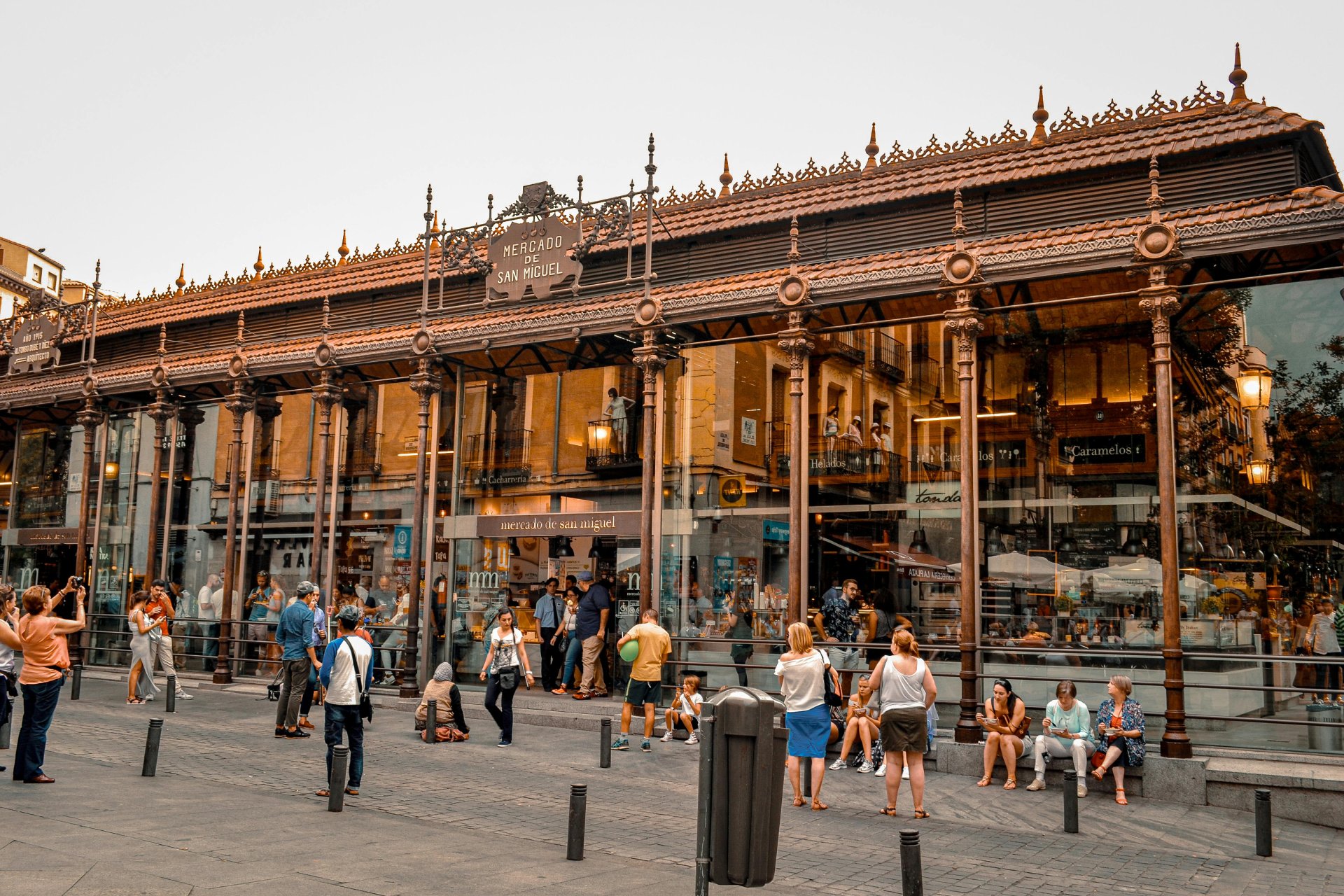
According to the Fall 2025 Global Rescue Traveler Sentiment and Safety Survey, if every traveler could receive one trip as a gift, Spain ranks firmly in the top five. That’s no surprise to anyone who has wandered a tapas bar in Madrid, watched the sun sink behind Barcelona’s skyline or stood in silent awe inside the Alhambra’s courtyards.
Spain’s appeal is broad and deep. It offers serious culture and art, legendary cuisine (from paella to pintxos), rugged mountains and wild coastline, plus a lifestyle that seems designed for slow evenings and late-night conversations. For leisure, adventure and business travelers alike, Spain combines European efficiency with Mediterranean warmth and rhythm.
Madrid and Barcelona: Twin Gateways to Spain
Most trips begin in Madrid or Barcelona, each an ideal launchpad into the country’s diversity.
Madrid is Spain’s political and geographic heart — a city of grand boulevards, royal palaces and world-class art museums. The “Golden Triangle” of the Prado, Thyssen-Bornemisza and Reina Sofía holds treasures by Picasso, Goya, Velázquez and Dalí. After museum time, locals spill into plazas for tapas, vermouth and conversation. Late dinners, lingering over shared plates and Spanish wine, are more ritual than meal.
Barcelona adds a different energy. Its Mediterranean setting, Gaudí architecture and beachside promenades fuse into a city that feels both coastal and cosmopolitan. The Sagrada Familia’s spires rise above neighborhoods where you can snack on bombas and grilled seafood, stroll down La Rambla or get lost in the Gothic Quarter’s alleys. For many travelers, pairing Madrid and Barcelona in a single trip provides a vivid introduction to Spain’s internal contrasts: Castilian and Catalan, inland and coastal, royal and rebellious.
Spain’s extensive high-speed rail network makes moving between cities remarkably easy, turning multi-city itineraries into smooth, scenic rides rather than stressful transfers.
Culture, History and Art: Living in a Museum
Spain’s cultural story stretches from Roman ruins and Moorish palaces to modernist marvels and contemporary street art.
In Andalusia, the Alhambra in Granada and the Mosque–Cathedral of Córdoba reveal centuries of Islamic, Christian and Jewish influence layered within their walls. Seville’s cathedral and Real Alcázar continue the theme: ornate stone, intricate tiles and courtyards built for shade and storytelling.
Art lovers could spend entire trips just following Spain’s masterpieces. In addition to Madrid’s museums, Barcelona offers the Picasso Museum and Fundació Joan Miró, while Figueres is home to Salvador Dalí’s surreal theatre-museum. Throughout the country, smaller galleries and public art keep Spain’s creative heritage firmly alive rather than tucked away.
And then there’s flamenco — a visceral blend of guitar, song, dance and handclaps born in Andalusia’s Roma and Andalusian communities. Seeing a live flamenco performance in Seville, Granada or Jerez is less like attending a show and more like witnessing an emotional storm.
Spain’s festival calendar adds yet another layer. From solemn Holy Week processions to La Tomatina and other local fiestas, the country’s sense of celebration runs deep. The best-known, of course, is the Running of the Bulls in Pamplona, a controversial and high-risk event where culture, adrenaline and tradition collide. Even if you opt to observe from a safe distance (or skip it entirely), understanding its place in Spanish culture helps you grasp the country’s complex relationship with ritual and spectacle.
Taste of Spain: Tapas, Paella and Olive Oil
Food is one of the strongest reasons Spain ranks so high on global wish lists. Meals stretch for hours and the country’s agricultural riches show up on every plate.
Tapas are the backbone of Spanish dining. It’s a parade of small dishes meant to be shared. Patatas bravas, croquettes, grilled octopus, garlicky shrimp, jamón ibérico shaved paper-thin — each bar has its specialties. Hopping from one bar to another, trying a dish or two at each, becomes its own form of sightseeing.
Paella, originating from Valencia, is Spain’s most internationally famous dish. Traditionally cooked in a wide pan over open flame, it combines rice with saffron, vegetables and proteins like seafood, chicken or rabbit. Trying paella near its birthplace or in a seaside town adds to the experience, but you’ll find excellent versions across the country.
Spain is also the world’s largest producer of olive oil and you’ll taste it everywhere: drizzled over toasted bread with tomato, finishing grilled vegetables or adding depth to seafood.
On the drinks side, Spanish wine is a universe in itself. Rioja and Ribera del Duero deliver robust reds; Rueda and Albariño offer crisp whites; Cava brings sparkling celebrations to everyday moments; and sherry from Jerez spans the spectrum from bone-dry to lusciously sweet. Pairing local wines with regional dishes turns even a simple lunch into a memorable event.
Mountains, Coastlines and Nature
Beyond the cities and coast, Spain surprises many travelers with its variety of natural landscapes.
To the north, the Pyrenees form a rugged border with France, offering hiking, skiing and tiny stone villages tucked into valleys. Nearby, the green hills of Galicia and Asturias resemble a dreamlike blend of Celtic cliffs and Spanish culture.
In central Spain, high plateaus and national parks provide hiking, climbing and stargazing far from city lights. Southward, Sierra Nevada’s peaks rise above Andalusian plains, sometimes offering the surreal possibility of skiing in the morning and swimming in the Mediterranean in the afternoon.
On the coasts, Spain’s personality changes again. The Costa Brava offers rocky coves and small fishing towns; the Costa del Sol provides beach resorts and nightlife; and the Balearic and Canary Islands add volcanic landscapes, black-sand beaches and unique ecosystems. Whether you want to walk quiet coastal paths, dive, surf or simply sit by the sea with a glass of Spanish wine, nature is never far away.
Spain for Business and Bleisure
Spain isn’t just a holiday destination; it’s a major hub for business, conferences and remote work. Madrid and Barcelona host international events in finance, tech, design and culture. Modern conference centers, a strong digital infrastructure and abundant hotels make logistics straightforward.
For business travelers, Spain shines in its “bleisure” potential. With the workday done, it’s easy to step into a tapas bar, catch a flamenco show or take a quick high-speed train trip to another city for the weekend. The relaxed pace — punctuated by strong coffee, late dinners and lively plazas — encourages visitors to slow down and connect with the place rather than just pass through boardrooms and airports.
Risk and Health Overview: Low Risk, High Awareness
Spain’s overall risk rating is low, with both security and health risks considered low for most travelers. Medical facilities generally meet international standards, especially in larger cities and emergency care is widely available.
The main safety issue for visitors is petty crime, especially pickpocketing and bag snatching. These incidents are most common around transportation hubs, crowded tourist sites, markets, restaurants and some hotels. Simple precautions, like wearing money belts, avoiding dangling bags, staying alert in crowds and keeping valuables out of back pockets, go a long way toward reducing risk.
Protests and strikes are relatively common and can temporarily disrupt public transportation or access to certain areas. While these events are usually peaceful, it’s wise to avoid large gatherings and monitor local news and guidance. There is also an elevated, though generally background, risk of terrorist activity, similar to other major Western European countries; situational awareness and adherence to local security recommendations remain important.
On the health side, travelers enjoy a favorable environment. No immunizations are required for entry into Spain, though being up to date on routine vaccines (like MMR, DPT, polio and varicella) is recommended and some travelers may consider hepatitis B or other vaccines depending on their activities and health history. Basic precautions — safe food and water habits, sun protection and insect precautions in affected regions — will help prevent most common travel-related issues.
The Global Rescue Connection
For all its comforts and low overall risk, Spain still presents real-world challenges. A twisted ankle trekking in the Pyrenees, a serious illness on a remote island, a traffic accident on a winding coastal road or a sudden medical emergency during a business trip can upend even the best-planned itinerary. Navigating unfamiliar hospitals, language barriers and complex logistics adds stress when you can least afford it.
A Global Rescue membership helps turn those unknowns into manageable problems. Members have access to:
- Field rescue if they are injured or stranded in hard-to-reach areas.
- Medical evacuation to the hospital of their choice, not just the nearest facility.
- 24/7 medical advisory services, connecting them to critical care experts who can interpret symptoms, review treatment plans and coordinate care.
- Security advisory support that can help travelers understand evolving risks from protests, unrest or terrorism and make informed decisions about where to go and when.
If Spain is on your travel wish list, pairing your trip with Global Rescue support means you can fully savor late-night tapas, sunlit plazas and mountain vistas knowing expert help is always within reach.
Categories:
Places & PartnersTravelDecember 26, 2025
Article Highlights:
- New Zealand ranks in the top three dream “gift trips” and is the number one destination travelers recommend for first-time international travelers.
- Fjords, glaciers, volcanoes, beaches and unique wildlife make New Zealand an unmatched natural playground for leisure and adventure.
- Adventure tourism thrives, from bungee jumping and jet boating to multi-day hikes and world-class skiing in the Southern Alps.
- Culinary icons like Manuka honey, kiwifruit, lamb and Sauvignon Blanc showcase New Zealand’s rich food and wine culture.
- Overall risk is Low, with excellent medical care and low crime, but travelers must respect earthquakes, tsunamis and other natural hazards.
According to the Fall 2025 Global Rescue Traveler Sentiment and Safety Survey, if every traveler could receive one trip as a gift, New Zealand ranks in the coveted top three. It attracts adventure seekers, nature lovers and movie-mad pilgrims chasing Middle-earth all at once. Just as important, when experienced travelers were asked where they would send someone who has never been abroad, New Zealand emerged as the number one choice, earning 21% of the vote. Its English-speaking environment, friendly locals and cinematic scenery make it a gentle introduction to the wider world without sacrificing a sense of awe.
This dual status — bucket-list fantasy and first-timer favorite — captures what makes New Zealand so special. It feels both thrilling and reassuring, a destination where you can bungee jump off a canyon bridge in the morning and be eating world-class lamb with a glass of Sauvignon Blanc by evening, knowing the systems around you are reliable and safe.
“Since the pandemic, travelers have increasingly sought safe, English-speaking destinations that are easy to navigate, and New Zealand has quickly become a top choice for serious anglers. Its pristine rivers, trophy trout, and the perfect mix of adventure, breathtaking scenery, and wine culture make it one of the most desirable spots for passionate anglers,’ said Jeremy Kehrein, manager, Orvis Adventures.
A Natural Playground at the Edge of the World
New Zealand’s landscapes are the stuff of postcards and film franchises. South Island fjords like Milford Sound plunge from misty cliffs into ink-dark water. Glaciers spill from mountain ranges toward temperate rainforests. Volcanoes and hot springs bubble and steam across the central North Island, while beaches, rolling hills and vineyard-covered valleys knit everything together.
Wildlife is just as distinctive. This is the home of the kiwi bird, a flightless, nocturnal symbol of the nation and of marine life-rich bays where dolphins, seals and whales are regularly sighted. For many visitors, simply driving between towns becomes part of the experience; the road itself winds past peaks, lakes and windswept coastlines that seem designed for slow travel and frequent photo stops.
The country’s natural drama also underpins its reputation as a set for The Lord of the Rings and The Hobbit trilogies. Fans can visit filming locations, walk in the shadow of the “Misty Mountains” and tour purpose-built sets, layering fantasy onto very real topography.
Adventure Capital for Every Adrenaline Level
Thanks to its varied geography, New Zealand is a global hub for adventure tourism. It is famously the birthplace of commercial bungee jumping and today travelers can leap from bridges, cliffs and purpose-built platforms in places like Queenstown, the self-proclaimed “adventure capital of the world.” Jet boating, canyon swinging, whitewater rafting and skydiving all thrive here.
For those who prefer their thrills on two feet, the country’s “Great Walks” and countless day hikes crisscross national parks and alpine landscapes. Trails like the Milford Track, Tongariro Alpine Crossing and Routeburn Track offer multi-day immersions in wilderness, with well-maintained paths and huts that still require serious preparation and respect for rapidly changing weather.
On the water, visitors can kayak along serene sounds, dive coastal reefs and explore penguin and seal colonies. In winter, the Southern Alps deliver ski and snowboard terrain with spectacular backdrops. Whether you are a seasoned adventurer or a curious beginner, New Zealand makes it easy to scale experiences up or down to your comfort level.
Taste of New Zealand: From Kiwifruit to Lamb
Food and drink are central to the New Zealand experience and provide easy entry points into local culture. The country is globally famous for its export products, including kiwifruit and Manuka honey. The latter, prized for its unique antibacterial properties, has become a staple in wellness circles and a must-buy souvenir.
In vineyards from Marlborough to Hawke’s Bay, New Zealand’s wines compete on the world stage. Crisp, aromatic Sauvignon Blanc is the country’s signature, but Chardonnay, Pinot Noir and other varietals round out tasting room menus with serious depth. Travelers can pair wine touring with scenic drives and coastal stops, making “cellar door” visits as much about the landscape as the glass.
Culinarily, lamb is a star protein, often served simply grilled or roasted to showcase its flavor. Farmers’ markets and modern restaurants alike highlight local produce and seafood alongside global influences. You might start your day with fresh kiwifruit, drizzle Manuka honey over yogurt, enjoy fish and chips by the sea for lunch, then sit down to lamb and a local Sauvignon Blanc at dinner.
Culture, Māori Heritage and the All Blacks
New Zealand’s identity is inseparable from its indigenous Māori culture. Te reo Māori (the Māori language) appears in place names and greetings; carved meeting houses, weaving, tattoos (tā moko) and traditional performances are visible throughout the country. Many visitors consider a guided cultural experience, such as a visit to a marae (meeting ground) or a performance that includes the haka, an essential part of understanding the nation’s story.
Rugby is the heartbeat sport and the national team, the All Blacks, is renowned worldwide. Their pre-match haka, rooted in Māori tradition, is as iconic as their white-on-black fern emblem. Catching a match in person or watching in a local pub gives travelers an immediate connection to everyday life and national pride.
Layered atop this is a laid-back, welcoming population. New Zealanders, often simply called “Kiwis,” have a reputation for friendliness, practical problem-solving and an easy sense of humor. For first-time international travelers, that human warmth matters as much as the scenery.
Business Trips, Bleisure and New Zealand’s Global Links
While New Zealand feels remote on the map, it is firmly connected to global business networks. Cities like Auckland and Wellington host thriving tech, film and service sectors. Conference facilities, high-speed internet and efficient air links across the country make it a practical destination for meetings and events.
Crucially, New Zealand is also a superb “bleisure” destination: it practically begs business travelers to stay a few extra days. A workweek in Auckland can easily expand into a wine-tasting weekend, a quick escape to geothermal Rotorua or a South Island side-trip to Queenstown or Fiordland. With English as the primary language and straightforward infrastructure, the logistical friction for extending a trip is low, while the experiential payoff is very high.
Risk and Health Overview: Low Risk, Big Nature
The overall risk rating for New Zealand is low, based on a low security risk and a low health risk profile, according to the US State Department. Crime levels are lower than in most Western countries; petty theft and pickpocketing are the main concerns for visitors, particularly in urban centers and at popular tourist sites. Police are generally effective and responsive and most visits are free of major security incidents.
The terror threat level is assessed as medium, but day-to-day life and travel patterns remain largely unaffected. Sensible situational awareness, like noting exits in crowded places and following local guidance, is usually sufficient for most travelers.
New Zealand’s biggest safety challenges come from nature. Sitting on the Pacific “Ring of Fire,” the country is prone to earthquakes, which can in turn spark tsunamis. Volcanic activity and wildfires are additional, if less frequent, hazards. Travelers should familiarize themselves with earthquake and tsunami procedures, heed posted warnings on trails and beaches and respect closures and weather advisories in national parks.
On the health side, New Zealand enjoys low levels of water-borne, vector-borne and communicable diseases and medical facilities — especially in major cities — are of high quality. Visitors typically pay for care out of pocket or through insurance and more remote islands or rural areas may require medical evacuation to larger centers in an emergency.
No immunizations are required for entry into New Zealand. However, travelers should be current on routine vaccines and may discuss Hepatitis A, Hepatitis B and seasonal influenza vaccination with their healthcare provider, especially if they plan extended stays or close contact with local communities. Standard precautions — frequent handwashing, safe food and water practices, sun protection and sensible sexual health measures — are usually sufficient to manage personal health risk.
The Global Rescue Connection
For all its safety advantages, New Zealand remains a country where the wild is very close at hand. A misstep on a remote hiking trail, a crash on a scenic back road, an unexpected illness far from a major hospital or a seismic event disrupting transport can turn a dream trip into a complicated crisis.
A Global Rescue membership adds a vital layer of protection. Members gain access to field rescue if they are injured or stranded in difficult-to-reach areas, medical evacuation to the hospital of their choice and 24/7 medical advisory support from experienced physicians. Security advisory services can help interpret local alerts, assess risk after earthquakes or other incidents and guide decisions about whether to shelter in place, move locations or return home.
If you are planning to make New Zealand your once-in-a-lifetime journey or gifting a first-ever international adventure to someone else, pairing that trip with Global Rescue support means you are not just sending them to spectacular fjords, vineyards and rugby stadiums. You are giving them the freedom to explore New Zealand’s mountains, coastlines and culture with the confidence that expert help is only a call away.
Categories:
Places & PartnersSecurity & IntelligenceTravelDecember 25, 2025
Article Highlights:
- Winter festivals worldwide offer magical Christmas experiences but demand traveler awareness.
- Scams targeting tourists are common; only use verified vendors for tickets, tours and souvenirs.
- Pickpockets thrive in dense holiday crowds across Europe and North America.
- Crowd control and emergency planning are essential at Christmas markets and parades.
- Families should establish meeting points, track locations and prepare for cold-weather communication issues.
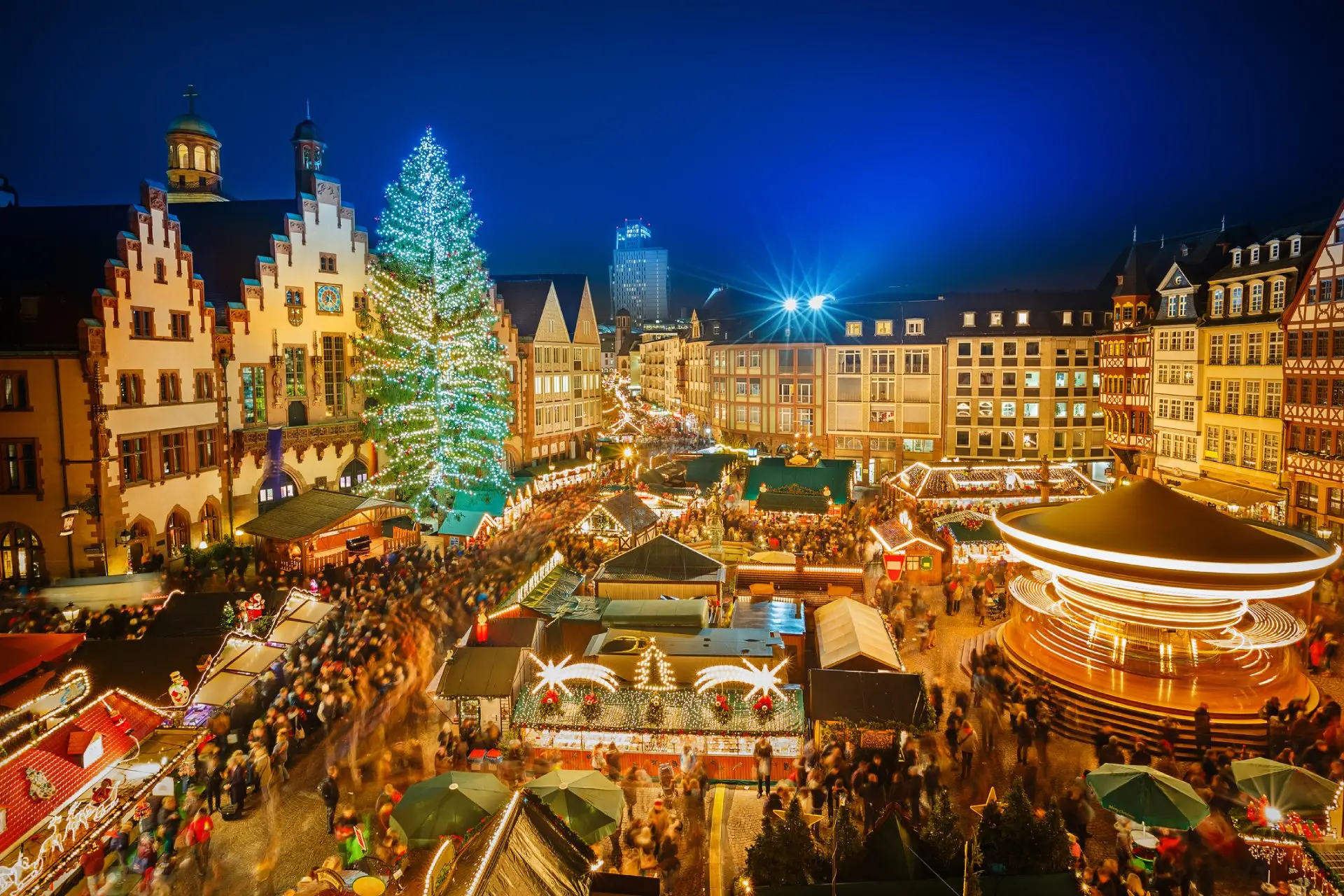
Every winter, destinations around the world transform into storybook scenes: glittering Christmas lights, steaming mulled wine, joyous music and beloved traditions that draw millions of travelers each year. Whether it’s the towering Rockefeller Center tree in New York City, the snow-dusted Santa Claus Village in Lapland, Finland, the historic Christkindlesmarkt in Nuremberg or the romantic winter glow of Vienna, Austria, winter festivals offer unforgettable experiences. But these events also attract crowding, opportunistic thieves, confusion and scams that travelers must anticipate.
To enjoy the magic without missteps, travelers need practical preparation, awareness and an understanding of how large-scale seasonal gatherings operate. From Prague, Czech Republic, and Strasbourg, France, to Tromsø, Norway, in the Arctic Circle, here’s what to know before stepping into the world’s most enchanting winter celebrations.
Why Winter Festivals Are So Popular
Christmas markets, seasonal festivals and cultural winter traditions appeal to travelers seeking nostalgia, beauty and unique regional customs.
In New York City, the Rockefeller Center Christmas Tree has become a global symbol of the season. Holiday markets, ice skating and window displays on Fifth Avenue create a festive urban atmosphere that travelers dream of experiencing.
In Lapland, Finland, families travel to meet Santa Claus at his official home and explore the Santa Claus Village, a bucket-list destination set against snowy forests and northern lights.
In Europe, historic architecture provides the perfect backdrop for Christmas markets. Nuremberg’s Christkindlesmarkt, Vienna’s elegant Rathausplatz market and Prague’s Old Town Square market feel lifted from a classic holiday painting. Strasbourg, often called the “Capital of Christmas,” offers some of the continent’s oldest and most charming holiday displays.
Outside Europe and North America, winter magic takes unique forms. In Shirakawa-go, Japan, heavy snow turns its thatched-roof village into a glowing fairy-tale scene. Reykjavik, Iceland, highlights folklore like the 13 Yule Lads. And Tromsø, Norway, deep within the Arctic Circle, offers polar nights, reindeer traditions and northern lights.
But with iconic experiences come large crowds and safety considerations that travelers must take seriously.
Protect Yourself from Scams at Winter Festivals
High foot traffic and festive distraction make winter events fertile ground for scammers. Tactics vary by region, but patterns repeat worldwide. Common scams to watch for:
Fake ticket sellers or “official” tour guides. In major destinations — especially around Rockefeller Center, Nuremberg’s Christkindlesmarkt and Vienna’s busiest squares — scammers pose as guides or sell fake access passes. Always buy through official websites or recognized vendors.
Overpriced or counterfeit souvenirs. Iconic items like wooden ornaments, nutcrackers and handcrafts should be purchased from legitimate stalls. Look for vendor certifications at renowned markets in Germany and Austria.
Charity donation scams. Fraudulent “fundraisers” prey on goodwill. If approached in Prague, Strasbourg, or New York, confirm the organization independently before donating.
Taxi and rideshare manipulation. Some drivers exploit festival congestion by inflating prices or claiming meters are broken. Use reputable apps or pre-book services.
Accommodation phishing. Before arrival in Lapland, Reykjavik or Tromsø, verify all lodging email confirmations and avoid making payments through unfamiliar links.
Travelers should stay skeptical of unsolicited offers, avoid engaging with aggressive street vendors and confirm all purchases, tours and experiences through reputable sources.
Stay Alert: Pickpockets Thrive in Crowds
Winter festivals combine three conditions pickpockets love: crowds, distraction and cold-weather clothing that buries pockets under layers. Hotspots include:
- Narrow alleys in Prague near Old Town Square
- Dense crowds at Christkindlesmarkt in Nuremberg
- The festive streets of Vienna and Strasbourg
- Viewing areas around Rockefeller Center
- The Santa Claus Village in peak season
- Holiday parades in Santa Fe, Santa Fe’s Farolitos and Las Posadas events
Safety tips:
- Keep valuables in a money belt or cross-body pouch worn under your coat.
- Avoid keeping wallets or phones in back pockets or open bags.
- Stay especially vigilant when taking photos or watching performances.
- If someone causes a distraction like dropping items, asking for help or crowding your space, step away.
Pickpockets often work in teams, so maintain awareness of your surroundings when something feels “off.”
Crowd Control: Know the Risks Before You Go
Large gatherings can quickly become overwhelming, especially in small medieval squares or narrow streets typical of European Christmas markets.
Understand crowd density. Before attending Vienna’s Rathausplatz market, Prague’s Old Town festivities or Nuremberg’s main market square, monitor peak times. Early evenings and weekends draw the heaviest traffic.
Identify exit routes immediately. Upon arrival, locate at least two escape paths. Winter festivals can bottleneck suddenly, especially during parades, concerts or ceremonial tree lightings.
Avoid overpacked zones. Don’t push deeper into crowds simply for a better view. Many travelers get trapped by funnel-shaped streets and surge conditions, particularly in Strasbourg and Prague.
Stay grounded in slippery conditions. Ice, snow and slush add another layer of risk. Wear footwear with traction to avoid falls in markets, especially in Reykjavik, Lapland and Tromsø.
Mind the weather. At Arctic festivals — in Lapland, Tromsø and Shirakawa-go — temperatures can drop dramatically. Frostbite, hypothermia and whiteout conditions may emerge quickly.
Keeping Track of Loved Ones
Festivals make family and group travel magical, but it’s surprisingly easy to become separated.
Use meeting points. Designate a visible landmark as a fallback location. Good examples include:
- The skating rink at Rockefeller Center
- The main clock tower in Prague
- Market entrances in Vienna or Nuremberg
- The big illuminated tree in Strasbourg
Share live locations. Use phone apps to track each other during peak crowd conditions.
Equip children with ID cards. List emergency contacts and accommodation details. Many hotels in Lapland and Tromsø offer child-safe ID wristbands for winter activities.
Keep phones warm. Cold weather drains batteries fast, even faster in Arctic destinations like Reykjavik or Tromsø. Keep devices close to your body to preserve charge.
Agree on safety rules. Teens often wander ahead for food or shopping. Set boundaries and check-in times.
The Global Rescue Connection
Winter festivals may be enchanting, but travel during the coldest and busiest season introduces real risks: medical emergencies, severe weather, lost travelers and unexpected security issues. A Global Rescue membership provides crucial support if something goes wrong, offering field rescue, medical evacuation, medical advisory, travel intelligence and more. Whether your Christmas experience takes you to the glowing markets of Vienna, the snowy forests of Lapland, the icy beauty of Reykjavik or deep into the Arctic Circle in Tromsø, Global Rescue ensures you’re never navigating challenges alone.
Travel boldly. Celebrate widely. And protect your holiday adventures with expert backup every step of the way.
Categories:
Business TravelDecember 24, 2025

Article Highlights:
- Ensures employees are fit for travel and prepared for destination-specific risks.
- Identifies and manages pre-existing conditions that could worsen abroad.
- Helps employers meet duty of care and reduce legal exposure.
- Supports visa requirements, insurance readiness and compliance.
- Strengthens corporate risk management and workforce productivity.
International business travel is expanding again and employees are venturing farther, faster and more frequently than ever before. Yet as mobility increases, so do the health risks associated with crossing climates, time zones and global health systems. For organizations, ensuring employees are healthy enough to travel and legally prepared for entry into their destination has become a core component of corporate responsibility and risk mitigation.
A medical pre-screening is the most effective first line of defense. It identifies health concerns before departure, confirms fitness for travel, verifies required vaccinations and protects both the employee and the employer from preventable problems. For HR teams, it’s much more than a routine box to check; it’s a strategic element of duty of care, risk management and compliance with international legal requirements and visa requirements.
Why Medical Pre-Screening Matters for Employees
Ensuring Employees Are Fit for Travel: Air travel, long-distance itineraries, climate shifts and rapid schedule changes can strain even the healthiest employees. A medical pre-screening evaluates whether an individual is fit for travel, especially when a trip may involve extreme temperatures, long-haul flights, demanding schedules or high-stress environments.
This assessment can prevent mid-trip illness, fatigue or medical complications — issues that disrupt projects, strain teams and increase overall travel risk.
Identifying Destination-Specific Health Risks: Every country presents unique health considerations. Some destinations require required vaccinations for entry, such as yellow fever. Others expose travelers to diseases like malaria, dengue or typhoid. High-altitude business hubs, such as Quito or La Paz, pose cardiovascular risks for susceptible travelers.
A medical pre-screening ensures employees understand these hazards and are medically prepared. This proactive step minimizes the risk of preventable illness abroad and ensures compliance with international health regulations.
Managing Pre-Existing Conditions: Travel can exacerbate health issues such as asthma, hypertension, diabetes and heart disease. A medical review identifies pre-existing conditions that might require special precautions, prescriptions or monitoring during travel.
Failing to address these conditions beforehand can lead to medical emergencies, disrupted itineraries, or expensive, time-sensitive evacuations from destinations where care may be limited.
Providing Prescriptions, Preventive Measures and Education: A comprehensive pre-screening often includes:
- Travel prescriptions (e.g., anti-malarials, altitude medication)
- Immunizations and boosters
- Preventive advice for staying healthy abroad
- Guidance on managing jet lag, hydration, nutrition and local health risks
This equips employees not just to travel safely but to maintain peak performance throughout their assignment.
What HR Must Know: The Organizational Value of Medical Pre-Screenings
International business travel is not just a logistical responsibility for HR. It carries serious legal, financial and operational implications. A well-structured medical pre-screening program reduces risk and strengthens corporate duty of care.
1. Duty of Care and Legal Responsibility
Companies have a legal and ethical obligation to safeguard employees traveling on their behalf. Conducting medical pre-screenings demonstrates fulfillment of duty of care by ensuring travelers are medically prepared and capable of safely completing their assignment.
Failing to verify a traveler’s readiness can expose organizations to legal action, reputational damage or costly negligence claims if an avoidable incident occurs abroad.
2. Risk Management and Preventing Costly Emergencies
A single international medical evacuation can cost tens of thousands of dollars, or significantly more from remote locations. Pre-screenings help HR and risk teams:
- Predict potential medical issues
- Prevent avoidable emergencies
- Reduce lost productivity
- Support safer travel planning
By identifying health concerns early, companies minimize the chance of disruption to operations, failed assignments or emergency repatriation.
3. Meeting Legal Requirements and Visa Requirements
Some countries impose health screenings as a condition of entry, residence, or work authorization. These legal requirements and visa requirements often apply to:
- Long-term business assignments
- Work visas
- Residency applications
- Specialized industries (oil and gas, mining, engineering, NGOs)
HR teams must stay aware of shifting regulations to avoid delays, denied entries or compliance violations that can impact projects and profitability.
4. Insurance Preparedness and Coverage Validation
Medical pre-screenings also help companies evaluate whether their insurance policies and travel protections align with traveler risk. If an employee has a pre-existing condition not disclosed or reviewed, corporate insurance could be limited or void, leaving the company financially liable.
A pre-screening confirms appropriate coverage and ensures HR can support the employee effectively in an emergency.
5. Compliance, Documentation and Audit Trails
From internal audits to regulatory reviews, documentation matters. A structured medical pre-screening program creates a clear record that the organization acted responsibly.
This paper trail becomes essential when:
- Addressing legal disputes
- Reporting risk management activities
- Demonstrating compliance to regulators
- Preparing for high-risk deployments
Strong documentation reinforces the company’s commitment to employee well-being and operational resilience.
6. Workforce Planning and International Assignment Success
For expatriates or long-term travelers, undiagnosed medical vulnerabilities are one of the leading causes of early assignment failure. Pre-screenings help HR assess readiness, reduce absenteeism and ensure employees are physically prepared for demanding roles abroad.
Investing in health readiness protects both the traveler and the organization’s global strategy.
The Global Rescue Connection
International business travel is rewarding but unpredictable. Even the most thorough medical pre-screening cannot eliminate all risks. When emergencies arise, companies need a trusted partner capable of providing field rescue, medical evacuation and expert medical advisory anywhere in the world.
A Global Rescue membership gives travelers and HR teams the confidence that if something goes wrong — whether it’s a sudden illness, an injury, a security threat, or an evacuation requirement — help is on the way. From remote extractions to hospital transfers to around-the-clock medical support, Global Rescue ensures your duty of care extends beyond preparation and into real-world protection.
For organizations committed to safeguarding their international workforce, pairing medical pre-screenings with a Global Rescue membership is one of the strongest risk-management decisions HR can make.