Loading...

Share This:

Near and Afar: 2021 Travel Ideas

Adventure travelers have had to adjust and adapt to pandemic protocols, taking shorter, domestic trips now to substitute — or as practice — for longer, international trips later. If you need ideas, Global Rescue Safe…

How is the travel industry adapting for customers when options are limited?

Amy Ray, president of The Sisterhood of The Outdoors, usually takes clients on guided hunting and fishing trips across the United States. Some trips were still possible during the coronavirus pandemic with careful planning and risk management, but Ray had an idea.

“We started Sisterhood Saturdays with the thought of doing something outside and socially distanced in our local area,” Ray said. One Saturday seven ladies went to a shooting range to brush up on rifle skills, but Ray says the activity doesn’t have to be done with a group. “Take one friend to your local park. Or learn a new skill — I learned fly fishing.”

Adventure travelers have had to adjust and adapt as well, taking shorter, domestic trips now to substitute — or as practice — for a longer, international trips later.

If you’re looking for ideas, Global Rescue Safe Travel partners offer up some suggestions: what you can do now, domestically, and what you can plan for a larger, more remote adventure in 2021.

Patrick Pendergast, director of international travel at The Fly Shop, provides two recommendations:

AT HOME: Trinity River in northwestern California
The Trinity River is a 45-minute drive from the front doors of The Fly Shop in Redding, and is one of the best and most consistent steelhead fisheries on the west coast. The Trinity River is the major tributary to the Klamath River, and stretches 110 river miles from Lewiston Dam downstream to its confluence with the Klamath at Weitchpec. Nearly the entire river is designated as wild and scenic, and flows through Shasta-Trinity National Forest, Six Rivers National Forest and BLM land. The average size of a Trinity River steelhead ranges from four to eight pounds, while mature adults measuring over 10 pounds are hooked on a regular basis. Whereas a great week of steelheading on most rivers can mean one or two fish hooked, on the Trinity River we regularly hook multiple fish nearly every day of the season. It’s a fly fishing slice of heaven, less than an hour away from home.

AFAR: Espiritu Santo Bay Lodge, Yucatan Peninsula, Mexico
Espiritu Santo Bay Lodge (ESB) is the hottest saltwater flats fishing destination in the world. In just four years of operation we have landed more than 1,000 permit. La Bahia del Espiritu Santo is the true gem of the Yucatan, and perhaps the last remaining wilderness fly fishing outpost along the entire Mesoamerican Barrier Reef. For the dedicated saltwater flats fly fisherman, ESB provides the least pressured angling opportunities in the entire Caribbean. Only seven boats have legal access to fish in the bay. This combination of remoteness, lack of human population and limited access is what makes ESB unique, and one of the most pristine resources left in Caribbean to target bonefish, permit, tarpon and snook untouched by human influences.

Non-essential travel from U.S. is currently limited at the border. For international travel, to and from flights are operating to Mexico. Check Global Rescue’s Coronavirus Update for the latest information.

Stoke Broker is a travel company cultivating unique and impactful adventures around the globe. With remote workers in Idaho, Colorado, Montana and California, Alice Howell, vice president, says there’s plenty of domestic trips to choose from. Here’s what she recommends:

AT HOME: Prairie Creek Redwoods State Park, Orick, California
Northern California is absolutely full of spectacular places to visit — many of them close to major cities like Sacramento and San Francisco. But if you want to make it a true weekend adventure, take the time to drive up to Prairie Creek Redwoods State Park (five hours from the Bay Area). The drive is enjoyable unto itself, and the majesty of old growth redwoods will take your breath away, as will the fern lined canyon that leads you down a river and out to the sea. You can camp on the coast at Gold Bluffs Beach Campground and you may be greeted in the morning by one of the local elk population.

AFAR: Kerlingarfjoll Mountain Resort, Iceland
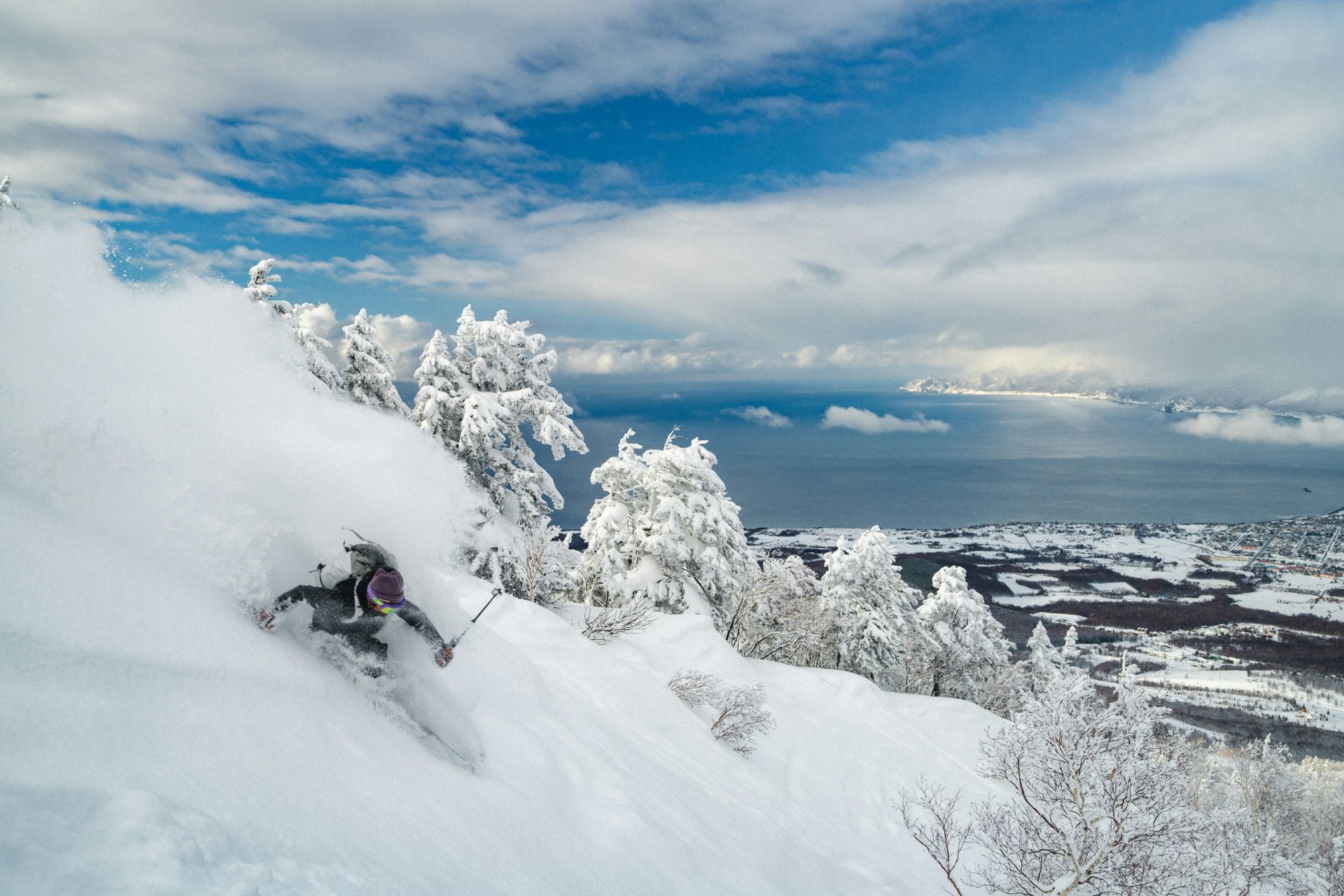
Stoke Broker just developed a brand new trip no other company has ever offered in Iceland — you super jeep or helicopter into the highlands to ski the remote, unnamed peaks of the Icelandic Highlands. While this zone is often visited during summer to see the incredible steam vents and hike the trails, trips are much less common during the winter. Getting there is part of the adventure, and skiing these peaks while looking out into the distance at glaciers is a ski experience of a lifetime.
U.S. residents are not permitted entry. Visitors from accepted countries must either pay for a coronavirus (COVID-19) test, or self-isolate for 14 days upon arrival.

Brandon Morris is the owner and founder of FlashpackerConnect Adventure Travel, a travel company that provides off the beaten track adventures around the world. Destinations he recommends for now and later:

AT HOME: Rocky Mountain National Park, northern Colorado
FlashpackerConnect is based in Fort Collins, Colorado, and we love to adventure and climb in Rocky Mountain National Park. The stunning snowcapped peaks are the backdrop for fly fishing, hiking, climbing, 4×4, horseback and many other activities. Our most popular trip here is the five-day multi-sport adventure, which includes fly fishing, hiking, climbing, 4×4 and horseback.

AFAR: Cusco, Peru
Travelers can walk, hike or trek their way through Peru’s classic sites such as the Sacred Valley of the Incas, Machu Picchu and the Rainbow Mountain. This five-day trip is one of FlashpackerConnect’s most popular adventures.

Peru requires a negative RT-PCR COVID-19 antigen test result for entry.

Ian Taylor Trekking, based in Vail, Colorado, offers adventure treks, climbs and mountaineering trips across the globe. Here are recommendations from Ian Taylor, owner and CEO:

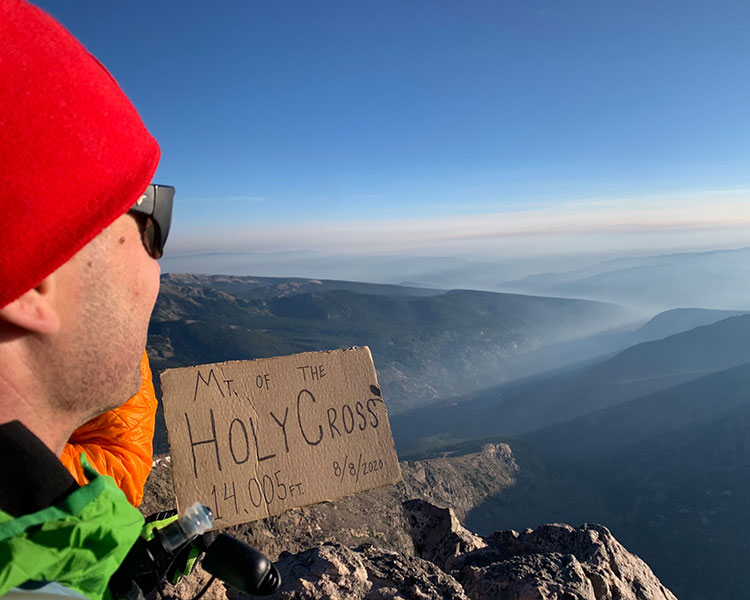
AT HOME: Mount of the Holy Cross, Colorado
If you are longing for a hiking trip, look no further than hiking to the summit of Holy Cross. Holy Cross is the highest point in Eagle County, Colorado at 14,005 feet or 4,269 meters tall. After climbing Mount Everest Kilimanjaro 35 times and leading more than 150 expeditions, I can tell you the sunrise view off Holy Cross will leave you energized and in awe of the workers who built these trails and roads across the western United States.

Holy Cross has many different routes to the summit. We always hike in with all our gear via the Half Moon Pass route. We set up camp for the night in the designated camping area and at 4 a.m. we hike up the northeast ridge to the summit. The total ascent is 5,000 feet or 1,524 meters and over 11.5 miles. Hiking Holy Cross early in the morning is one of my favorite summer hikes. It’s also a great hike if you’re preparing for an international trip later.

AFAR: Peru, South America
Taylor likes different treks and mountains for different reasons, but a five-day Inca trek starting in Cusco is one of his favorites. “It is a spiritually amazing journey I always look forward to each year,” he said.

Sisterhood Saturdays to South Africa
With Sisterhood Saturdays up and running successfully, what is Ray planning for 2021?

“Our most popular trip is a horseback wilderness hunt for elk in Wyoming,” she said. “This four-day wilderness experience takes place in unbelievable scenery and provides the same terrain, camp and experience as the big game hunters.”

Further afield, Ray is planning a trip to Africa with Cheetau Safaris in May.

“At Sisterhood Outdoors we are proud be able to share our knowledge and experience with our guest to ensure a safe, enjoyable, outdoor experience,” Ray said. “We plan to have our Global Rescue insurance to give us all peace of mind while traveling.”

Local and Global Rescue
Locally or internationally, Global Rescue will always be by your side. Global Rescue memberships have expanded to include rescue services within 100 miles of your home.

The pandemic has curtailed travel and boosted local outdoor recreation, exploration and appreciation. We’ve removed the requirement for you to be beyond 100 miles of your home for rescue services. Whether you’re hiking, kayaking, snowmobiling, fishing, or simply enjoying the outdoors, Global Rescue is there for you if you get ill or injured and you’re unable to get to safety on your own. Learn more by clicking here.

Share This:

Bonefish & Tarpon Trust Travels Safe with Global Rescue

With international travel — sometimes to Level 4 warning locations or remote islands — to conduct research, who protects the staff, board members and scientists of the Bonefish & Tarpon Trust? Global Rescue. 

From the Florida Keys to Caribbean islands, you’ll find Bonefish & Tarpon Trust (BTT) conducting research in remote, tropical locations.

“Our mission is to conserve bonefish, tarpon and permit — the species, their habitats and the larger fisheries they comprise,” said Jim McDuffie, president and CEO of Bonefish & Tarpon Trust, a nonprofit organization leading the way to understand the bonefish lifecycle.

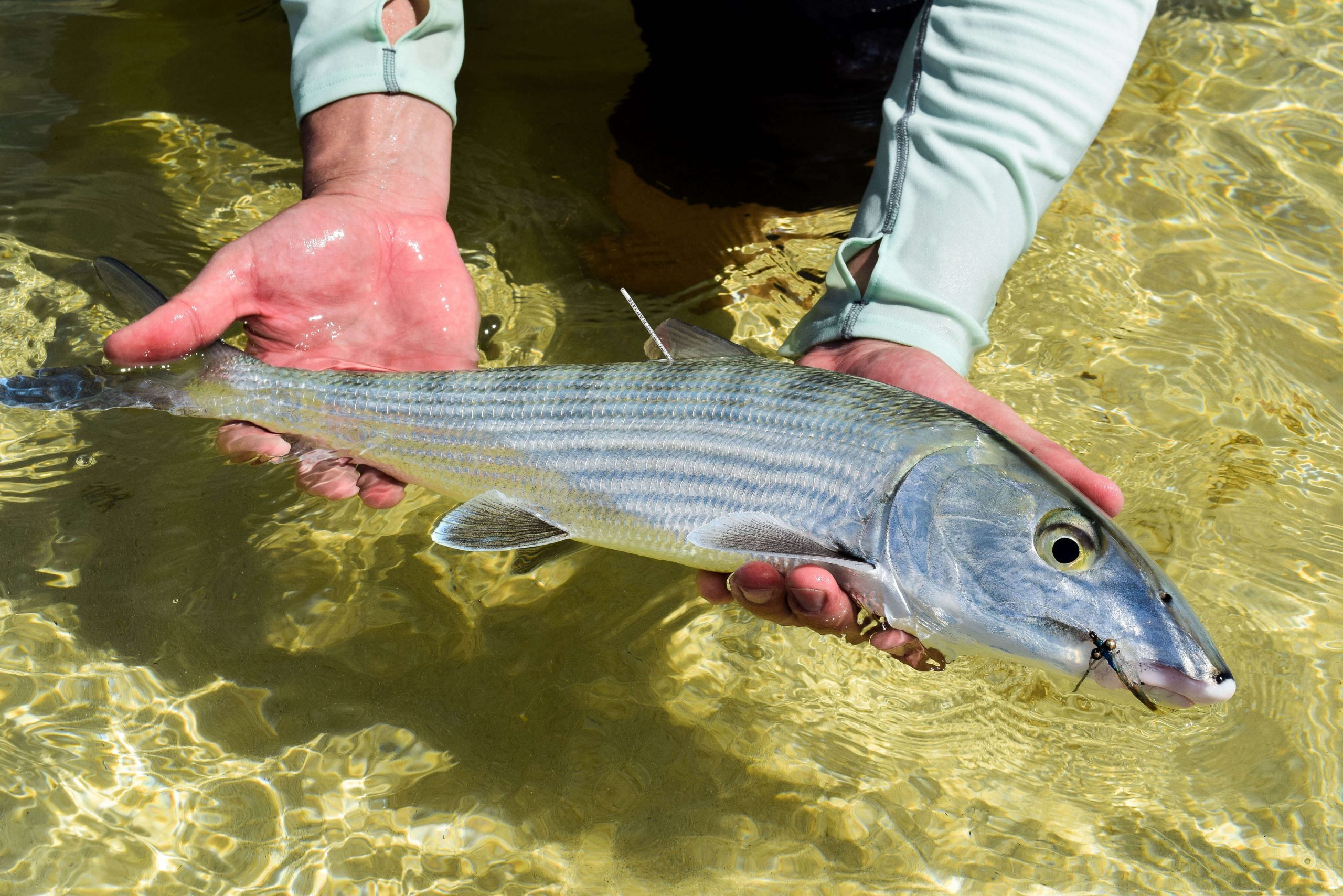
To research bonefish, a near-threatened species, BTT scientists regularly travel to where bonefish live: tropical and warm temperate waters near coasts, inter-coastal flats, near mangroves, and around mouths of tidal creeks. BTT members travel across the southeastern United States, the Gulf of Mexico and the Caribbean to meet with partners, conduct research and fish the flats.

With all this international travel — sometimes to Level 4 warning locations or remote tropical islands — who protects BTT staff, board members and scientists?

Global Rescue.

Why Bonefish?

Bonefish are the perfect fly-fishing target. They are fast, they are fighters and you must cast with precision to catch one.

Twelve species of bonefish are spread around the tropics worldwide. Albula vulpes is the species anglers pursue on the flats of South Florida, considered the birthplace of flats fishing, the Bahamas and throughout the Caribbean.

But this ancient group of fish, occurring in fossil records going back 138 million years, has seen a population decline in recent years.

BTT was founded in 1997 by a group of six anglers concerned with the decrease of the bonefish population in the Florida Keys. They resolved to learn more about the causes, but there was little information available. Initial research efforts focused on bonefish tagging to collect data.

Over the years, BTT expanded its scope to include education and conservation. This includes work with the Florida Fish and Wildlife Conservation Commission to make bonefish and tarpon catch-and-release only in Florida and better protect spawning permit; work in the Bahamas to support the creation of National Parks to protect critical bonefish spawning locations and bonefish home ranges from future development; and bonefish studies in Florida, the Bahamas, Mexico, Belize and Cuba used to improve habitat protections and fishing regulations.

BTT’s mission is vital to the health of the flats fishery and those who depend on it. The recreational flats fishery has an annual economic impact of $465 million in the Florida Keys, $169 million in the Bahamas and $56 million in Belize.

One Less Worry While Traveling

Bonefish & Tarpon Trust has been a Global Rescue member since 2015.

“Given all of the travel we do as part of our regional conservation work, the Global Rescue membership gives us peace of mind as we organize and conduct research, often in remote locations,” said Dr. Aaron Adams, BTT’s director of science and conservation.

A coronavirus pandemic didn’t stop BTT’s progress, including a 2020 project focused on restoring red mangroves pummeled by Hurricane Dorian in the Bahamas in 2019.

“Mangroves are an integral part of healthy bonefish habitat, providing shelter for bonefish and their prey and holding the flats together against the eroding forces of currents and wind. As one of the most powerful storms on record, Dorian severely impacted mangroves on Abaco and Grand Bahama, wiping out expansive stands and leaving flats and shorelines bare,” Adams said. “Mangroves impacted at this magnitude will need help to recover.”

BTT, working collaboratively with Bahamas National Trust and other partners, assessed and mapped the damage — information that will “guide a multi-year restoration effort at a scale never before attempted in the Bahamas,” Adams said. “Ultimately, our success will benefit nature and people — the flats fishery and all those who love and are sustained by it.”

BTT’s important work will continue in 2021, with Global Rescue at its side.

“This work will include restoring vital juvenile tarpon habitat in Southwest Florida, addressing water quality issues impacting the flats fishery in South Florida and the Keys, advocating for Everglades restoration, and identifying and seeking protection for important bonefish habitat and pre-spawning sites in the Bahamas,” said Nick Roberts, BTT’s director of marketing and communications. “Global Rescue memberships ensure the trips are productive, safe and enjoyable.”

Categories:

Health & SafetyTravel
Share This:

Managing Travel Risk This Winter

The number of coronavirus cases have been increasing this fall. With the holidays upon us, how can travelers mitigate risk this winter?

Although case numbers are increasing, the pandemic panic of March is largely absent. Schools aren’t closing their doors; in fact, many discontinued their hybrid remote option and students are back in the classroom full time. Businesses remain open and travelers are still traveling; TSA passenger numbers hovered at 1 million for a few days before the Thanksgiving holiday, about 40% of last year’s volume but a jump of 10% over summer travel numbers.

Work, school and travel can still be unpredictable, but many of us have settled into a familiar routine: mask on, six feet apart, wash hands. The CDC has reduced quarantine requirements from 14 to 10 days and 5 days with a negative RT-PCR test.

Improved treatments are working and health care providers have more experience treating the virus. A study by NYU Grossman School of Medicine found the death rate in those hospitalized with coronavirus-related illness had dropped from 27% to about 3%.

Hope is on the horizon with increased availability of rapid PCR tests, vaccines in final stages of testing and early stages of availability and better research on contagion factors.

After nine months of precautions, protocols and planning, how can travelers mitigate risks this winter?

The Strength Of Family Traditions

Coronavirus has already changed our habits more than we realize. It has reshaped the way we shop (more online and less in store), celebrate (less in person and more virtual) and travel (less international and more domestic).

Right now, there’s a half chance of coronavirus affecting the holiday season. According to a September Morning Consult survey, 47% report their family’s usual holiday get-togethers will be cancelled (53% will occur as usual). A survey by the American Hotel and Lodging Association found respondents will travel for family events (55% wedding, birthdays, anniversary or family reunion) and holidays (43% Thanksgiving and 50% Christmas).

“We are traveling to Park City, Utah to see family and ski a few days,” said a Global Rescue member from Texas. “This will be a wonderful white Christmas with family.”

“My husband and I are in our mid-late 60s and, being extremely cautious about COVID-19, we haven’t made any travel plans and don’t plan to until something changes,” says a Global Rescue member from New York. “But we also don’t like the cold weather so we’re contemplating a trip south during the winter if we can come up with a safe way to do it.”

Travel Safety Is A Priority

When travelers feel comfortable to venture away from home, transportation providers stand at the ready.

Airlines are introducing COVID-19 testing options prior to boarding. United Air requires all passengers take a COVID-19 rapid test before a flight on the San Francisco/Hawaii route. You can take the test on the day of the flight ($250 right at the airport) or mail in a test ($80). JetBlue provides an at-home testing option, giving travelers their results within 72 hours. The test, priced at $143, includes a video conference call to supervise the collection process.

Although travelers have worried about coronavirus contagion on an airplane, studies are finding it is actually a safe way to travel during the pandemic. An October study by the U.S. Department of Defense found 99.99% of particles were filtered out of the cabin within six minutes due to fast air circulation, downward air ventilation and the filtration systems on the aircraft.

Vehicle miles are on the rise. In April 2020, travel decreased by 40% compared to the year before but by September 2020 the year-to-year decline in miles was only 8.6%, according to the Federal Highway Administration.

It’s not just because 73% of Americans admit they’ve used their vehicle to escape the boundaries of home for a scenic drive during the pandemic. Driving is typically safer than flying from a COVID perspective, mainly because you can make the rules for the safety of your car — and you’ll never have this much control over your environment on a plane.

The tricky part, moving forward, will be navigating the coronavirus protocols state by state and country by country. State and federal governments can enact emergency rules and legislation at any time to protect the public during the COVID-19 pandemic. Global Rescue intelligence experts are tracking quarantines, lockdowns and outbreaks across the globe, providing updated information to domestic and international travelers in the Coronavirus Report.

New Safety Programs Will Help

What will help travelers feel safe and confident again? Country wide initiatives with documented, standardized procedures for all travelers. Germany was one of the first countries to institute mandatory COVID-19 testing for all visitors from high-risk areas. Airports offer pop-up testing centers and test results are fast and free.

Aruba offers an Embarkation and Disembarkation program. All non-resident travelers are required to obtain an online travel qualification using this system prior to being granted permission for boarding. Upon arrival, authorities screen and test visitors for COVID-19.

The new Jamaica Cares program provides visitors access to traveler protection and emergency medical services, including COVID-19. Visitors to Jamaica pay a low mandatory fee and automatically receive a broad set of travel risk and crisis management services designed to minimize the effects of COVID-19.

“Jamaica Cares starts with medical advisory services for each individual traveling to Jamaica. For those who are symptomatic, it includes access to rapid testing, case management services and, ultimately, evacuation, transport and repatriation back to the individual’s home country, should it be needed,” said Global Rescue CEO Dan Richards. “It really is an end-to-end solution.”

Travel safety programs, like Jamaica Cares, are critical to mitigating the spread of coronavirus and providing travelers with a new level of confidence during the pandemic.

“This is where everything starts: with people having the peace of mind to travel,” Richards said. “We know the desire is there, it has been there a long time, and it is building. But people need to feel confident their safety and well-being is going to be taken care of during this crisis and beyond.”

Global Rescue has been providing medical and evacuation services to members throughout the coronavirus pandemic, but recently expanded its membership services to include local field rescue within 100 miles of home — as well as everything beyond 100 miles. No matter where you are this holiday season, a travel protection services membership will ensure you and your loved ones are ill or injured and are unable to get to safety on your own. Click here to learn more.

Categories:

News
Share This:

Traveling for the holidays? Here’s how to avoid contracting COVID-19 at the airport

Categories:

Travel
Share This:

Is It Time to Climb?

It’s been nearly a year since the pandemic changed the world, and ended high climbs for avid mountaineers. In 2021, five of the seven mountains making up the Seven Summits are expected to be open.

It’s been nearly a year since the pandemic changed the world, and ended high climbs for nearly every avid mountaineer. But now climber attitudes are peaking and high climb opportunities are encouraging with most of the tallest mountains on each of the continents – the Seven Summits – open or expected to be open in 2021.

Reaching the top of the Seven Summits is considered a mountaineering challenge. In 1985, Richard Bass and his climbing partner Frank Wells successfully completed their goal of summitting the highest mountain on each continent, specifically Aconcagua for South America, Denali in North America, Mt. Kilimanjaro located in Africa, Mt. Elbrus in Europe, Vinson for Antarctica, Mt. Kosciuszko for Australia, and finally Mt. Everest for Asia.

Dan Stretch, Global Rescue operations manager, is based in Nepal during the Mt. Everest climbing season and expects most of the Seven Summits to be open if travel restrictions permit. “All of the big mountains, except Mt. Kilimanjaro, had no season last year. Local economies and expedition companies are keen to restart,” he said.

Currently, five of the seven mountains making up the Seven Summits are open.

Denali: Registration for the 2021 mountaineering season for climbs of Denali will open January 1, 2021.  “We are proceeding cautiously with a normal climbing season, with a few important caveats,” said Maureen Gualtieri, the mountaineering public information officer for Denali National Park and Preserve.

Gualtieri explained the mountaineering ranger staff are planning on a different approach to climber orientations in order to maintain social distancing and reduce or eliminate indoor interactions.

“On the mountain, there will undoubtedly be some protocol changes and the rangers are putting together those plans now,” she said while cautioning there will be no COVID-related refunds for cancelled climbs.

Mt. Kilimanjaro: Africa’s Mt. Kilimanjaro is open. Tanzania President John Magufuli lifted international flight bans in November and removed the 14-day quarantine for foreigners. Ascents to the summit of Africa’s tallest mountain are ongoing. However, international flights into the Kilimanjaro airport may be canceled due to lack of passengers, according to some reports.

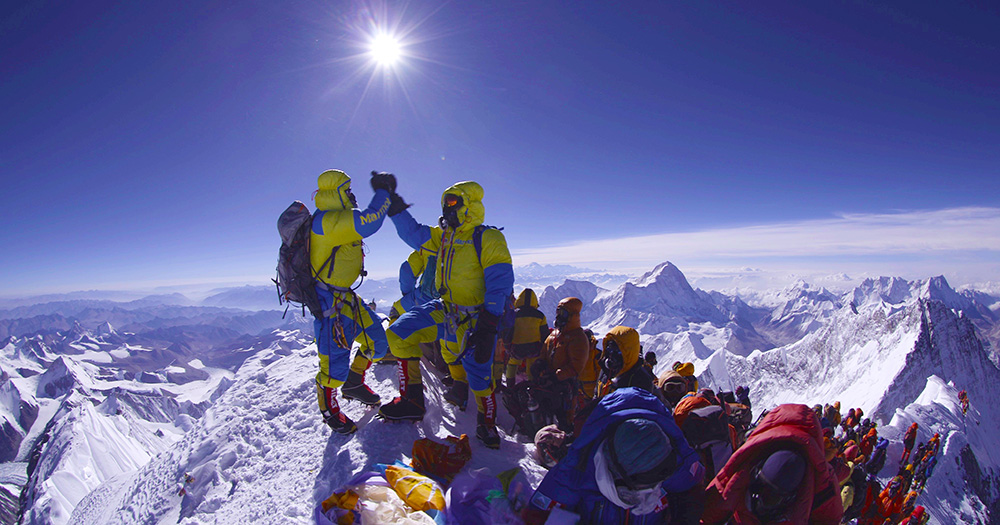
Mt. Everest: Mt. Everest sits on the border of China and Nepal. It is the tallest of the Seven Summits, the tallest mountain in the world, and – as of mid-December – it is officially three feet taller now reaching 29,032 ft (8,848.86 m) following a joint agreement between Chinese and Nepalese official surveyors.

But is it open for climbing? Yes. A 2021 spring climbing season is expected to take place. After months of indecision, conflicting information and false rumors, Nepal’s Ministry of Tourism issued rules, including a seven-day quarantine requirement, all foreigners must meet as they enter the country.

Climbing expert and Mt. Everest chronicler Alan Arnette is predicting record crowds for the 2021 spring season prompted by the pent-up demand from 2020, deep discounts and heavy publicity the pandemic is under control or over. “With the deep discounts, this will encourage another 2019 with inexperienced clients, unqualified guides and overcrowding. I suggest waiting another year and let this environment settle,” he said.

Mt. Kosciuszko: Mt. Kosciuszko is open, provided you can get to Australia. Access to the mountain is relatively easy since it is an operational ski resort. “It’s a drive, a ski lift and a hike for a few hours and you’re there,” said Gordon Janow, who has led expedition to all seven summits and is the director of programs for Alpine Ascents. He points out that there are no permits required for ascents up the continent’s highest peak but guide services may have specific requirements for climbers.

Mt. Elbrus: The ideal climbing season on Mt. Elbrus, located in the Russian republic of Kabardino-Balkaria, is during the summer. Mark Gunlogson, president of Mountain Madness, believes it will be open this summer. “Last summer the mountain was open by the end of the season with a lot of Russian climbers on the mountain. Hopefully with the vaccine and improved political relationships the mountain will be open summer 2021.” Gunlogson usually runs a mid-June trip but may push into July “to put more time and space between people being immunized and when we decide to start our season.”

Mt. Vinson: Mt. Vinson in Antarctica never closed, technically. But the company providing access and logistics on the mountain suspended operations for the 2020 season due to the pandemic. “The Mt. Vinson climbing season runs from late November to mid-January. We finished our 2019/20 season and started planning the 2020/21 season when the pandemic changed everything. After extensive research, It became clear to us by late summer that it would be too difficult to operate safely so we unfortunately had to cancel the season,” said Nick Lewis, mountain operations for Antarctic Logistics and Expeditions.

Mt. Vinson is unique among the Seven Summits due to its pristine polar setting, cold temperatures, and lack of crowds. The company is currently planning the 2021 season and Lewis said they have a lot of interest. “Climbers should expect changes for COVID-19 safety and we will continue to develop our protocols based on availability of vaccines and treatments,” he said.

Aconcagua: Officials in the Mendoza Province of Argentina recently announced Aconcagua will remain closed, according to Sebastián Melchor, director of Renewable Natural Resources of the Secretary of Environment and Territorial Planning of Mendoza.

“[T]he opinion of this council recommended that we open the park but without spending the night,” Melchor said. From this decision, it would be forbidden to climb Aconcagua, since an ascent to its summit takes between 12 and 15 days.

Lukas Furtenbach, owner at Furtenbach Adventures in Austria, expects all climbing destinations will require a negative COVID-19 test prior to arrival, but not proof of vaccination. “I don’t see a proof of vaccination requirement before the third quarter of 2021 since the vaccine will not be widely enough available until then,” he said, adding airlines and some countries may implement this requirement earlier.

Arnette forecasts the pandemic will not be over before the prime spring 2021 climbing season in the Himalayas, so climbers must use their judgement to determine if it’s safe to climb. “Guides and governments will tell you that it is safe, but they are hurting for business, so it’s incumbent on each individual to make their own risk assessment.”

Furtenbach said climbers will continue to be required to have rescue protection services as a condition for climbs, but travel insurance may be required, too. “Now they also need a proof of travel insurance covering COVID-19 treatment. This became mandatory for Nepal, for example, for a climbing permit application. Other countries will follow for sure,” he said.

Stretch agreed. “It would be highly irresponsible not to have rescue coverage and medical insurance, due to remote location of the mountains and the high-risk nature of the Seven Summits – regardless of the COVID-19 risk factor.”

Categories:

Press Release
Share This:

Global Rescue Announces Expanded Rescue Services

Increase In Local, Outdoor Activities Prompts Expectation For Rescue Services Lebanon, NH – December 16, 2020 – Global Rescue, the world’s leading integrated travel risk and crisis response provider, announced expansion of its field rescue…

Increase In Local, Outdoor Activities Prompts Expectation For Rescue Services

Lebanon, NH – December 16, 2020 – Global Rescue, the world’s leading integrated travel risk and crisis response provider, announced expansion of its field rescue service to include emergencies within 100 miles of individual’s home. Since its 2004 founding, Global Rescue has required members to be 100+ miles away from home to access rescue protection. But the pandemic has increased our time outdoors, and Global Rescue recognized an opportunity to provide expanded services to members – at no additional cost – by eliminating the 100-mile rule.  

“COVID-19 opened the door for people to explore and appreciate the great outdoors nearby, and people flooded through the doorway. But with an increase in local, outdoor activities there is a parallel expectation of the need for rescue services,” said Global Rescue CEO Dan Richards, the architect behind the Jamaica Cares traveler protection program, and a recent appointee to the U.S. Department of Commerce U.S. Travel and Tourism Advisory Board.

Global Rescue is the first and only travel risk and crisis management company to make this high-value change. “Now Global Rescue is there for you, near home or abroad, whether you’re hiking, kayaking, snowmobiling, fishing or simply enjoying the outdoors and you get ill or injured and you’re unable to get to safety on your own,” he added. 

The groundbreaking local field rescue upgrade was unanimously supported by Global Rescue’s newly formed Mountain Advisory Council led by high altitude mountaineering legend Ed Viesturs and world-famous high-altitude climber, Nirmal “Nims” Purja.

“Outdoor activity worldwide is reaching unprecedented heights of curiosity and participation among beginners, experts and everyone in between. The Mountain Advisory Council will provide advice and guidance from world-class experts to ensure enterprise-level member services and overall sport improvement,” said Viesturs, the only American to have climbed all 14 of the world’s 8,000+ meter peaks and the fifth person to do so without using supplemental oxygen.

“We recognized an increasing need for the contribution of valuable expertise from elite mountaineering experts to improve the safety and excitement of the sport, and to cultivate and foster the knowledge, wisdom and experience of the leading authorities in the field,” said Purja, who climbed all 14 of the world’s 8,000+ meter peaks in the record time of six months and six days, beating the previous record by more than seven years.

In addition to Viesturs and Purja, Mountain Advisory Council members include:

  • Wilderness and altitude sickness expert Dr. Eric Johnson, Global Rescue associate medical director, past president of the Wilderness Medical Society and member of the Board of Directors of the Himalaya Rescue Association
  • Special operations and critical planning authority Scott Hume, Global Rescue vice president operations and former Chief Operations Officer of the 3rd Brigade 25th Infantry Division
  • Former combat medic with the Singapore Armed Forces David Koo, Global Rescue senior manager operations and past operations manager of the Khoo Teck Puat Hospital in Singapore.


About Global Rescue

Global Rescue is the world’s leading provider of medical, security, evacuation and travel risk management services to enterprises, governments and individuals. Founded in 2004, Global Rescue has exclusive relationships with the Johns Hopkins Emergency Medicine Division of Special Operations and Elite Medical Group. Global Rescue provides best-in-class services that identify, monitor and respond to client medical and security crises. Global Rescue has provided medical and security support to its clients, including Fortune 500 companies, governments and academic institutions, during every globally significant crisis of the last decade. For more information, visit www.globalrescue.com.


Categories:

News
Share This:

Global Rescue eliminates distance limit

Categories:

Travel
Share This:

Global Rescue Expands Membership to Include Local Field Rescue

Global Rescue memberships have expanded to include rescue services within 100 miles of home. Whether you’re hiking, kayaking, snowmobiling, fishing or simply enjoying the outdoors, our new Local Field Rescue service means you can count on us wherever you are. 

Global Rescue memberships just got better. A Global Rescue membership now includes field rescue services within 100 miles of your home. Now Global Rescue is there for you whether you’re hiking, kayaking, snowmobiling, fishing, or simply enjoying the outdoors and you get ill or injured and you’re unable to get to safety on your own.

Anatomy of Change

The pandemic curtailed travel and prompted health and political officials to implement safety guidelines urging people to physically distance, wear masks and stay at home whenever possible. But when cabin-fever sets in the CDC recommends heading out to the wide-open spaces for physical activity, a break from staying at home, and overall health and wellness.

COVID-19 opened the door for people to explore and appreciate the great outdoors nearby, and people flooded through the doorway.

State park officials in the U.S. reported huge jumps in campsite reservations. The Outdoor Industry Association announced significant increases in people running, bicycling, day hiking and bird watching. Outdoor gear manufacturers recorded skyrocketing sales.

Driven by its cooler and equipment business, Yeti’s direct-to-consumer third quarter 2020 sales jumped 62% compared to the same period in 2019. “Thousands of lockdown-weary Americans snapped up new two-wheelers,” reported a Bloomberg article. In fact, bike sales in the spring of 2020 were more than double a year earlier, and cycling shops report long waits and inventory shortages.

In Canada, the pandemic-driven trend for outdoor local activity was in full swing. In the province of Nova Scotia officials reported there were more than 247,000 visitors at camping parks and more than one million at day-use parks. The 2019 season totaled less than a quarter million visitors. The deluge of visitors was overwhelmingly local. Due to COVID-19 restrictions about 96% of campers were from Nova Scotia, compared to 60% the year before.

Fishing licenses in Louisiana nearly doubled and Idaho’s new hunters and anglers increased by 30% compared to the preceding year, according to a recent report. The looming winter season won’t be a deterrent to fishing, however. “All needles are pointing to people wanting to get outside and do stuff this winter,” said Henry Drewes, a regional fisheries manager for the Minnesota Department of Natural Resources who is based in Bemidji. “And one of those things will be ice fishing.”

Avid skiers, snowboarders and snowshoers who saw the on-piste ski season clipped in March are now facing limited access to ski resorts and an uncertain upcoming season. They are turning to “human-powered ways of getting their turns in on the mountain,” according to a recent news report. “That prompted sales for backcountry equipment to skyrocket with local shops seeing a new wave of people wanting to get their hands-on gear.”

Recreation Without Walls

With gyms closed, hot yoga studios shuttered and travel restricted, people found local opportunities outside to continue their love for physical activity. Others found new ways to stay active and socialize safely while restaurants and coffee shops were closed. Whatever the motivation, people turned to cycling, hiking, climbing, fishing, camping and a host of other ways to enjoy recreation without walls.

And they did it closer to home. According to Leave No Trace, a nonprofit organization promoting outdoor conservation, before COVID-19 most people went far and wide to participate in outside recreation. That has changed since the pandemic. “People are now staying significantly closer to home with half (49.9%) remaining within two miles of their home,” according to a Leave No Trace study.

What mattered most to people was that they could stay active, get outside, and remain relatively close to home. No border crossing needed, and in some cases no crossing of provinces, states or even counties. Also, no need to use public transportation, the railways, or airways if possible.

All these factors compelled individuals who were looking to breathe fresh air, break their cabin fever, and get their heart rates up without violating pandemic precautions to venture beyond home thresholds in search of a virus-safe outing.

But with an increase in local, outdoor activities there is a parallel expectation of the need for rescue services. “Owing to the pandemic, outdoor recreation skyrocketed this summer, and that trend is projected to continue into the winter. As a result, backcountry first responders are preparing for a potential rise in rescues, especially given the forecast for a particularly snowy winter in the Northwest,” according to a report.

In Vermont, officials are aligned. Rescue operations across the Green Mountain state have been scaling up since the pandemic began.

“Search and rescue teams are definitely responding to more incidents,” said Neil Van Dyke, the search and rescue coordinator at the Vermont Department of Public Safety, who added that they are getting more rescue calls this year than in its 40-year history.

Global Rescue’s Response

It all contributed to a bold and timely decision by Global Rescue to make a simple but ground-breaking decision to expand it rescue protection services to include Local Field Service.

Since its founding, Global Rescue has required members to be 100+ miles away from home to access rescue protection. But the pandemic has increased our time outdoors, and Global Rescue recognized an opportunity to provide expanded services to members – at no additional cost – by eliminating the 100-mile rule.

Global Rescue is the first and only travel risk and crisis management company to make this high-value change. Now when you’re out and about and get ill or injured and you’re unable to get to safety on your own, your Global Rescue membership protections stay with you whether you are near home or abroad.

Categories:

News
Share This:

A Chain Is As Strong As Its Weakest Link

Share This:

Are We Prepared for the Next Disaster?

COVID-19 has taken the world by storm. How can we be prepared for the next disaster? Dr. Bill Brandenburg, founder of Wander Medicine Clinic and Global Rescue Safe Travel partner, offers some advice.

Emergency preparedness has never been more relevant. In the last year, COVID-19 has taken the world by storm.

“This current pandemic is an alarm bell,” says Dr. Bill Brandenburg, founder of Wander Medicine Clinic and a Global Rescue Safe Travel partner. “It is telling us to learn from our mistakes, improve our preparedness and get ready for much greater challenges. While governments have a large role, preparedness actually begins with every single one of us.”

Disasters are a part of life, and more pandemics will occur. How can we be prepared next time?

Preparation Requirements

Brandenburg’s Idaho-based wellness clinic offers primary care, urgent care, travel medicine and emergency wilderness training. His courses are hands-on and meant to prepare students for real-world accidents and emergencies.

“The key to preparedness is thinking through possible emergency scenarios, planning ahead, gathering necessary supplies, training and periodically revisiting scenarios to keep them fresh in the mind,” Brandenburg said. “Simulation is an invaluable tool for preparedness and greatly underutilized. Things are always easier if we have been through them before.”

Brandenburg doesn’t just teach the skills; he uses them daily.

“In the hospital, I respond to Code Blues, which occur when a patient is dying,” Brandenburg said. “To prepare, I simulate code scenarios with my medical teams and constantly run through potential situations in my head during down time at the hospital. Every time I respond to a Code Blue, I have a plan. Any time you respond to an emergency, you should have a plan, too. This plan starts with an algorithm.”

The Initial Assessment

Whether you are the first person on scene at an automobile accident, come across an injured person on a remote mountain, or see a co-worker collapse on the job, you should be prepared. Luckily all of these scenarios, as well as every other emergency involving human casualties, can be safely and effectively addressed utilizing what is called an initial assessment.

The purpose of the initial assessment is three-fold. The first and most important goal is always the safety of the responder.

“If you are injured, incapacitated, or even killed as a result of your rescue attempt, emergency medical services now have an extra body to handle,” Brandenburg said. “If you cannot safely help, you should not help at all.”

The second goal is the early activation of additional resources. Any individual responder will usually have severely limited resources. The first move will usually be calling for help, whether that be local resources or a travel protection services membership, like Global Rescue.

The third goal of the initial assessment is to take action against immediate life threats to the person you are trying to help.

“Opening an airway, starting chest compressions and stopping a bleed can buy people time and has saved many lives,” Brandenburg said.

SAD LAB CATS

Brandenburg has found the best way to be prepared is to have an algorithm you understand and have practiced in real life.

“Following an algorithm takes the chaos out of a rescue and prevents important things from being missed,” he said.

Brandenburg uses the “SAD LAB CATS” acronym as his algorithm when teaching Wilderness First Aid and First Responder courses.

S: Scene safety Can I safely enter the scene? If not, wait.

A: Additional resources/Number of patients Can I handle the situation, or do I need help? How many people are injured?

D: Disease prevention/Body substance isolation Always wear medical gloves and a mask when touching patients and especially body fluids. Do not forget eye protection as well.

L: Level of Consciousness Is the patient alert and oriented? Or are they completely unresponsive?

A: Airway If the patient is unresponsive, make sure their airway is open. Tilting the head back and lifting the chin is a good way to do this. If something is in their mouth, try and remove it.

B: Breathing Is the patient breathing?

C: Circulation Do they have a pulse?

A: Arterial Bleeds Look for any active bleeding. Apply direct pressure to stop bleeding. If this does not work, try a pressure wrap or tourniquet.

T: Temperature/Environment Injured or sick individuals can become very cold or very hot rapidly. Take steps to protect such individuals from exposure.

S: Spine If concern exists for a spinal or head injury, take great caution regarding any manipulation of the neck or spine to prevent spinal cord injury.

“If you would like to take this knowledge a step further, I strongly suggest pursuing additional training,” Brandenburg said. “This information is only a starting point. Training is required in order to become an effective first responder.”

Reassess the Scene

After you have gained control of the scene and stabilized any patients using the above algorithm, resurvey the scene. Is it still safe? Has extra help arrived? Take a moment for self-care. Hydrate yourself and adjust clothing if needed.

If you are in a wilderness environment, it might take time before help arrives. Make a plan for changing conditions like rain or night fall.

Improving Outcomes

The final part of disaster response is reflection. Anyone who responds to emergencies, takes care of patients, or even creates response plans behind a desk should constantly reflect.

Ask yourself what went well, what could have been done better and what steps are needed in the future to improve outcomes. Disasters never go as planned and responses can always be improved.

“Reflection and constant improvement are the keys to success in disaster response,” Brandenburg said. “Bigger challenges and more costly disasters are surely in our future. How we prepare today will matter tremendously tomorrow.”

Travelers can be prepared for any emergency with a travel protection services membership from Global Rescue.

Global Rescue operations centers are staffed by experienced nurses, paramedics and military special operations veterans. Team members have experience with hazardous environments, peacekeeping operations, Himalayan expeditions, protection services as well as wilderness skills, crisis response training and medical evacuations.

Categories:

News
Share This:

Still traveling despite the CDC warning? Here’s how to pick a safe vacation destination

Categories:

Health & SafetyTravel
Share This:

Coronavirus Travel Advisories and Bans to Know When Traveling

To help travelers reach their destination and return home as safely as possible, Global Rescue intelligence experts explain the coronavirus travel advisories and bans you need to know when traveling. 

There’s a real process to planning travel during coronavirus. Travel advisory levels and coronavirus warning levels can change at any time. Once you get one piece of the journey locked in — choosing the destination, for example — another piece may not fit (quarantine time increases from 10 to 14 days).

To help travelers reach their destination and return home as safely as possible, Global Rescue intelligence experts explain how the coronavirus travel advisories and bans work so you know what’s going on when traveling.

Check with Country, State or County

Many countries have entry restrictions and may not be open to visitors.

“These are restrictions imposed by authorities for people wishing to enter or travel through a country,” said Kent Webber, senior manager of Intelligence Products and Services at Global Rescue. “During normal times, most countries have entry restrictions such as visa requirements. In the time of COVID-19, many nations have imposed new entry restrictions prohibiting people whose travel originates in certain places, or imposing requirements such as a health certificate, or negative COVID-19 test.”

Coronavirus entry restrictions for the United States include a ban on travel from Schengen-area countries and on travelers from the UK and Ireland. This applies to foreign nationals who have visited these countries within 14 days and those who have transited through these countries, but does not apply to U.S. citizens, permanent residents, their close family members and other limited categories of visa holders.

Canada extended prohibitions on non-essential travelers from the U.S. through December 21.

Mexico extended prohibitions on non-essential travelers crossing land borders through December 21, but the prohibitions do not apply to air travel.

The European Union (EU) has different restrictions. In the beginning, there was a common EU-wide policy. But a resurgence in COVID-19 cases has caused individual EU countries to create their own “Safe Countries” lists, resulting in a patchwork of entry restrictions.

Check the Country’s Travel Advisory

The U.S. Department of State issues travel advisory levels based on its assessment of crime rates, terrorist activity, civil unrest, health conditions, weather and current events. The levels detail the most urgent threats to safety and security and are meant to “help travelers gauge the risk of traveling to another country,” according to The New York Times.

Webber suggests checking not only the Department of State advisories — four levels from “exercise normal precaution” to “do not travel” — as well as travel advisories in the destination country.

“Many countries have their own travel advisory levels using their own definitions,” Webber said.

Check Coronavirus Risk Levels

There are also coronavirus risk levels issued by the Centers for Disease Control and Prevention that focus on levels of risk to travelers.

Levels include:

  • Level 3 – High Risk (Red)
  • Level 2 – Moderate Risk (Yellow)
  • Level 1 – Low Risk (Green)
  • Less than Level 1 – Very Low Risk. “This is a new category developed by CDC for COVID-19,” Webber said.

Check with the Airline

Flight restrictions change frequently so be sure you know if there are flights to and from your destination and if so, make sure any connecting airports are open. There are two types of flight restrictions, those that are government-imposed and those that are airline specific.

“There are restrictions imposed by authorities to limit air travel into or within a country,” Webber said. “During the time of COVID-19, many nations closed their borders to international air travel although most allowed cargo. Some also restricted internal air travel.”

Airline restrictions are made by individual carriers. Delta, for example, has its own flight restrictions and can impose them at any time. This could include cancelling routes or requiring rapid testing before a flight.

The Transportation Security Administration notes, “these decisions are made locally, on a case-by-case basis, by individual airlines, airports and public health officials. Before traveling, passengers should check with their airline and airports of origin and destination for the latest information on closures and cancellations.”

Check Quarantine Requirements

You’ll want to know the quarantine requirements well before you arrive at your destination. With quarantines in some states and countries ranging from five to 14 days, shorter trips may no longer be possible, domestically or internationally.

State governments or foreign governments may also implement new restrictions — quarantines, lockdowns, curfews and stay-at-home orders — with little notice, even in destinations previously considered to be low risk. Even if you do arrive at your destination and quarantine successfully, you may have difficulty arranging travel back home. You may also need to quarantine again or take a COVID-19 test.

Webber notes quarantine requirements can differ depending on origin.

“Most countries have their own requirements and can differ depending on where the traveler originated. For example, Germany has (had) different quarantine requirements for someone arriving from UAE than from France,” he said.

Check in with Global Rescue

Global Rescue travel protection services members have an advantage: all they need to do is call for medical and security advisory assistance.

Global Rescue intelligence experts are tracking worldwide travel risk and health safety information, including the latest coronavirus restrictions and updates worldwide. The information is updated every weekday online. Members with a specific travel question can call or email for advice.

Long-time Global Rescue member Dennis from Iowa was on a trip in British Columbia in March when the U.S. started to shut down all domestic flights. His flight home was seven days away, so he contacted Global Rescue for guidance.

Global Rescue’s response: “The situation will likely be very different by next Wednesday. If he wants to ensure he can get home by air, he should do it soon or run the risk of not being able to. If he waits, he may have to rent a car to get home,” Webber said.

Dennis finished his trip and found what Global Rescue said was true.

“Many flights were re-scheduled and/or cancelled,” he said. “I finally rented a car in Minneapolis and drove home.”