Categories:
Health & SafetyTravelAugust 17, 2020
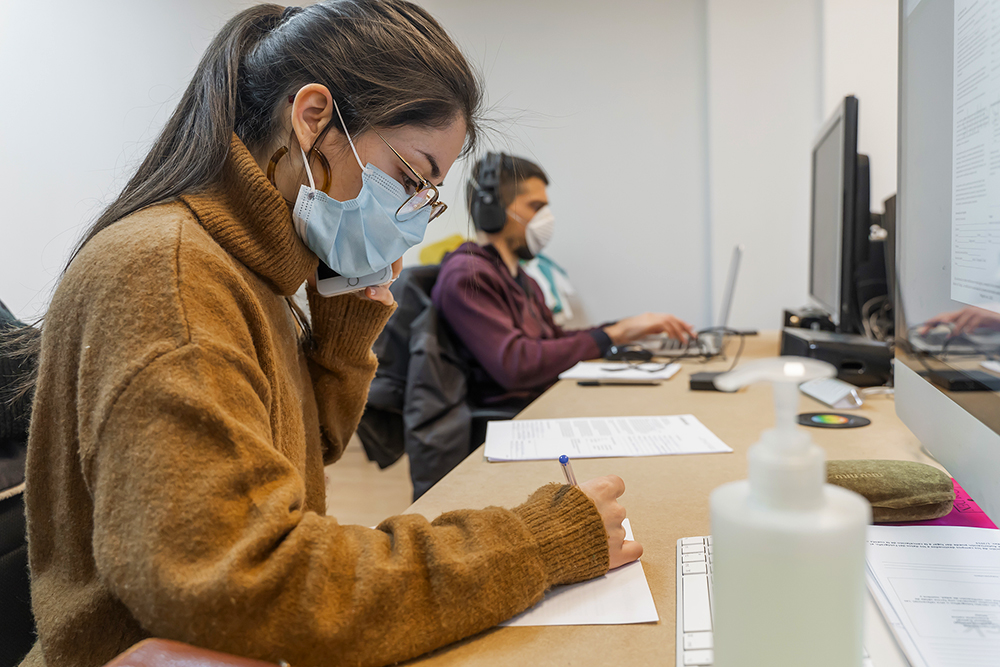
After a semester of online learning and a summer of physical distancing, most college students are ready, willing and possibly able to return for the fall semester. A poll by College Reaction/Axios found 76% of students plan to return to campus if their schools give them the option. Sixty-six percent would attend in-person classes if they were available.
College administrators are making decisions so students can return. According to The Chronicle of Higher Education, 57% of schools plan to hold in-person fall classes and 29% have proposed a hybrid model of in-person and online instruction. Syracuse University, for example, is introducing an alternating schedule with half of students attending class in-person one day with the other half online, then switching segments the next day.
Housing is also a consideration. George Mason University reduced housing by 25% to limit the number of students in high-density spaces and increase the number of single dorm rooms. Duke University is offering extra housing in local hotels and apartments to make sure students are able to have single rooms.
Whether you are a seasoned upperclassman or a first-time freshman, the campus rules have changed because of the pandemic. Parents and students will need a coronavirus safety checklist for the fall semester.
Return To Campus
Face Coverings
A mask is a college student’s front-line protection anywhere on campus: dorm, quad, cafeteria, classroom, study group. A recent study by researchers at UC Davis found physical distancing and wearing masks decreased the risk of infection by 65%.
Students will need a minimum of two masks a day and anywhere from 10-14 maximum for a week, depending on your living situation and lifestyle.
Take into account your access to laundry facilities. You may only use the laundry room weekly, or at an allotted time. You’ll want enough masks to get you through a week, unless you’re okay with washing a mask daily by hand and wearing the back up while it dries.
Travel Disinfectant Kit
Add two items to a backpack or purse: hand sanitizer (at least 60% alcohol) and bleach-based or hydrogen-peroxide based disinfectant wipes. Campuses may have these items available in high-traffic areas, but you’ll want your own stash in case you have to touch a questionable surface in a public area.
A study published by the Journal of Occupational and Environmental Hygiene found people in public places touched common objects or surfaces 3.3 times per hour. Coronavirus droplets tend to linger on surfaces: 72 hours on plastic and steel, 24 hours on cardboard and four hours on copper.
The disinfectant kit isn’t just for places you touch with your hands. You’ll want to be careful where you place your phone and backpack. Be sure to wipe down any shared surfaces like door knobs, cabinet handles, faucets, books, keypads, desks and chairs. The Centers for Disease Control and Prevention offers some back to college coronavirus safety tips.
10 Days Of Provisions
You never know when a classmate, teacher, roommate or neighbor could be diagnosed with COVID-19. Be prepared in case you need to stay home to self-isolate. Consider stocking up on basic items like toilet paper, pasta, cereal, canned goods and bottled water so you have enough to eat and drink without relying on others. If you don’t have a lot of space in your dorm, purchase energy bars, trail mixes and other items that provide a lot of nutritional value but don’t take up much room.
Cleaning Supplies
If you’re in quarantine, the janitorial staff may not be able to enter your room. Make sure you have your own cleaning supplies, such as disinfectant spray, paper towels, disposable gloves and plenty of hand soap.
First Aid Kit
Add a thermometer to your first aid kit. COVID-19 symptoms include shortness of breath, fever, coughing and a sore throat. A travel thermometer will help you keep tabs on your temperature.
If you are in the high-risk category for coronavirus due to underlying medical conditions, you’ll want to make sure your lungs are getting enough oxygen. A digital pulse oximeter, available at most pharmacies or online stores for less than $30, will track your real-time oxygen levels. It’s a simple device you place on your fingertip for less than a minute.
Drop Off Protocols
Online Safety Training
A return to higher education this fall will include continual education about coronavirus symptoms and a sound knowledge of health and safety measures. The University of Alabama at Birmingham requests students, faculty and staff complete a web-based safety and awareness course and complete a UAB Healthcheck, which is a COVID-19 assessment tool, before returning to campus. Georgia Tech asks students to complete a daily self-check list before coming to campus each day.
Solo Return
Sending a student to college used to be a family affair with parents and siblings packed in the car to help with the move. During the pandemic, drop off will be different, depending on the state the college is located. Washington, D.C. allows travel “to or through the district if it lasts less than 24 hours” so no lingering or multiple last-minute trips to local retailers. The University of North Carolina Chapel Hill plans to limit the number of people students can bring to help them, specifically asking all families to “leave as soon as is possible once all student belongings have been brought to their rooms.”
You may have to make an appointment to schedule your move into the dorm. Texas A&M University student move-ins will be conducted in phases with scheduled appointments. Parking may also only be available for an hour or less. These new procedures help limit the number of people on campus at any one time and reduce the risks of coronavirus contagion.
Coronavirus Testing
With students traveling to campus from all over the country, colleges may require a negative COVID-19 test three days before the first day of school.
Or students may tested upon their return to campus. The Montgomery Advertiser noted Alabama will spend a portion of its $1.9 billion federal coronavirus relief package to fund COVID-19 testing for students at public colleges in the state.
Then be prepared for multiple tests while on campus. Epidemic modeling by the Yale School of Public Health says one test might not be enough and students should be tested every two to three days. Lead researcher David Paltiel told U.S. News & World Report: “It’s just not possible to move swiftly enough to contain an outbreak using nothing more than symptom-based monitoring. You can’t play catch-up with this virus.”
The multiple testing strategy is one of many that colleges and universities are currently evaluating as they work toward campus reopening. The test does not need to be expensive or 100% sensitive, as rapid results are the key to preventing outbreaks.
Investigate Area Resources
It is research parents and students typically don’t do when selecting a college, but coronavirus has changed the norm. If a classmate or professor tests positive for coronavirus, college students will need to be familiar with their campus and neighborhood health care resources.
You’ll want to know what campus health services can offer (screenings and self-isolation areas) versus what the closest hospitals in the area offer (COVID-19 testing and isolation wards). Ask during drop-off day, if you haven’t already.|
Planning For Campus Life
You are coronavirus negative, settled in and ready to learn. Most of what students will see on campus are the same social distancing protocols practices at home: desks are six feet apart in the classroom and hallways are one-way. Some things will be different and that’s when a travel protection services membership or TotalCareSM membership can provide critical resources as well as peace of mind for concerned parents.
Travel Protection Services
Students are typically located 100 miles or more away from home, qualifying them for a travel protection services membership.
Students can access Global Rescue intelligence, which includes state-by-state and city-by-city restrictions, quarantines and hotspots in all 50 states and more than 200 countries worldwide. Global Rescue experts can answer coronavirus related questions and provide immediate information regarding appropriate nearby health care facilities.
If a medical evacuation is needed, Global Rescue can provide services to transport members to their home hospital of choice.
Telehealth Access
TotalCare memberships offer the same services as travel memberships — plus access to urgent care telemedicine services that students can utilize anywhere.
“TotalCare brings the doctor’s office to your dorm room, providing real-time medical access whenever and wherever you need it,” said David Koo, senior manager of operations at Global Rescue.
Your request is answered by an in-house Global Rescue operations team member and then you will be placed into a live video conference with a board certified, licensed doctor from Elite Medical Group (EMG).
TotalCare allows the member to have a direct interaction with a physician.
“With travel services, there’s no direct interaction between the member and the physician,” said Dr. Claudia Zegans, medical director. “With TotalCare, the member can get on video with one of the TotalCare physicians. It provides a higher degree of diagnosis because telehealth doctors can conduct physical exams.”
Categories:
Health & SafetyTravelAugust 12, 2020
“Hello, I’m planning to fly to Mexico in a couple of weeks. Can you tell me what travel restrictions I should be aware of?”
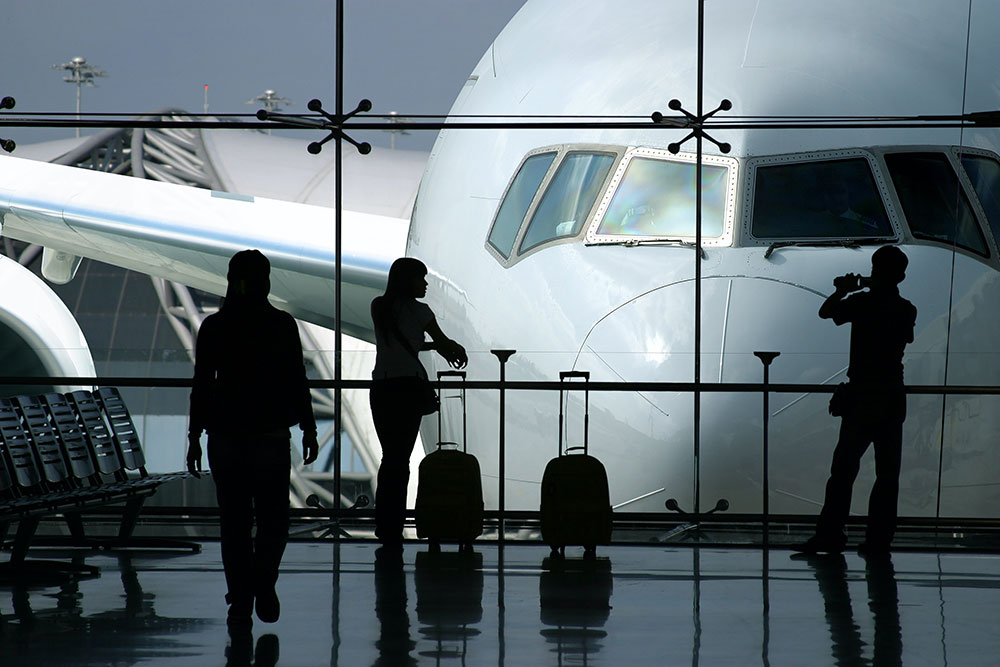
More and more members are asking Global Rescue for advice about air travel. There are still plenty of restrictions and new health protocols to navigate, but it is possible to fly safely for business or vacation.
The key to successful travel during the coronavirus pandemic? Research, pre-trip planning and a flexible attitude.
Harding Bush, associate manager of operations at Global Rescue, says having a successful trip is dependent on having the most accurate and timely information.
“The regulations, restrictions and other requirements change frequently and are often inconsistent from location to location,” he said. “It is critical that travelers research the current requirements for all destinations they intend to visit or pass through. Having the most up-to-date information will help you avoid delays or other inconveniences during your travel.”
This includes knowing your airline’s mask requirements, boarding and deplaning procedures, COVID-19 testing and self-quarantine regulations for domestic and international destinations.
Mask Required
The airport will very likely require a mask covering your nose and mouth. You’ll want to have one on as you enter the terminal, at the check-in desk, when going through security and at the boarding gate. The only time you won’t wear it is when the TSA offer asks you to pull it down to match your ID.
“I’ve flown a couple times in June and July and there was really no option to not wear a mask upon entering the airport all the way through boarding the plane,” Bush said. “Everyone was wearing masks.”
You should also plan to wear your mask on the plane during the flight. Some airlines, like Las Vegas-based Allegiant, give you a mask as part of a complimentary health and safety kit when you board.
There’s no “law” requiring you to wear it, but airlines are getting creative in their enforcements. Alaska Air will issue a yellow card to passengers who repeatedly refuse to wear a mask. The back of the card has this warning: “This is your final notice to comply with our policy. Next, we will file a report, which could result in the suspension of future travel on Alaska Airlines.”
The scientific evidence is clear: Social distancing and wearing masks helps prevent people from spreading COVID-19. Masks also protect those who wear them, according to a July study by researchers at UC Davis. In fact, the risk of infection to the wearer is decreased by 65%.
New Boarding Procedures
Many airlines have updated their processes for boarding to encourage social distancing.
According to USA Today, Delta, United, JetBlue and Frontier are boarding passengers from back to front so they don’t have to closely pass one another. Southwest is boarding 10 people at a time, from only one side of the boarding poles located in the gate area, to maintain social distancing requirements. A report from SimpliFyling.com predicting the future of airplane travel post-COVID-19 says passengers could receive a text notification from the airline telling them when it is their turn to board the plane.
Deplaning has changed as well. JetBlue is asking customers to remain seated upon arrival. When the row in front of them has been completely cleared, passengers can stand to collect their carry-on bags and deplane.
Fewer Touch Points
You’ll notice fewer amenities and touchpoints on flights in an effort to limit physical proximity between passengers and crew members. One feature you may have noticed disappearing: shuttle service. Airports like Boston Logan International Airport in Boston, Massachusetts have scaled down shuttle operations and Chicago’s O’Hare International Airport shuttle rides have been capped at 15 people.
Whenever possible, try to skip the shuttle and walk to the terminal. One way you can limit interactions (and limit the virus from spreading) is to bypass checking baggage at the airport.
“Anyone who would prefer to spend less time at the airport should consider shipping their baggage,” said Anna Bedney of LuggageForward, a door-to-door luggage and sports equipment delivery service and a Global Rescue Safe Travel partner. “Not checking bags means fewer contact points at the airport, avoiding crowds at check-in line and baggage claim, and in and out of the airport more quickly.”
New Technology
The State of Hawaii wants to ensure visitors are self-quarantining for 14 days and has instituted a Safe Travels system to ensure compliance. Travelers are encouraged to register their travel plans before traveling to the Hawaiian Islands. You can’t even leave the airport until you register and travelers must show the confirmation screen to airport personnel at all three major airports. Then, during the 14-day self-quarantine, travelers will need to log in to the app every day to complete a daily check-in. It’s a thoughtful way to keep travelers and residents safe and can easily roll out to other states and airports.
Atypical Flight Schedules
Fewer passengers flying resulted in grounded planes and discontinued routes. As travelers take to the skies again, airlines are building flight schedules to match demand. Domestic routes increased in July, with American, for example, adding more flights from its hubs. International flights are still limited, but will expand when countries open up their borders.
Travelers should be flexible, as cancellations are part of the new normal for domestic and international flights. Be sure to do your research before making a purchase. In recent months, every major airline has modified their change and cancellation policies.
Testing and Self-Quarantine
Many countries require health screening forms, a COVID-19 test or quarantine upon arrival.
Quarantines vary, from 14 days in Australia at a designated facility to 10 days in Switzerland after registering with the authorities upon arrival.
The Global Rescue member asking the question about flight restrictions for a possible flight to Mexico received the following response from Global Rescue intelligence experts:
“Air travel is possible but you will likely be screened at the airport in Mexico and may be quarantined at your own expense for up to 14 days. The U.S. Department of State advises against travel to Mexico at this time due to COVID-19.”
Here are a few handy resources to help you with your pre-trip research:
- Global Rescue intelligence experts update a country restrictions table every weekday in their coronavirus report.
- Airlines flying to international destinations, like JetBlue, post guide tables online so you know what to expect when you travel.
- The European Union (EU) offers a map of open countries and which travelers are welcome.
- International Air Transport Association also has an interactive travel regulations map.
Travel Protection Services
These three items are a must for any traveler today: face mask, hand sanitizer and disinfectant wipes.
We also wouldn’t advise traveling without a fourth item: a Global Rescue travel services membership. Our in-house intelligence, security and medical teams can help you before a trip, such as providing a risk assessment for a particular destination and during a travel, in case you run into coronavirus restrictions or need an emergency medical evacuation.
Global Rescue member Drew from Oregon tapped into this expertise when he needed to travel from Boston to Seattle in early March.
“I couldn’t get a real answer from local government websites or the news,” he said. “The info I got from Global Rescue was definitely helpful for me to figure out what to do with my travel. I made it home safely.”
Categories:
Missions & Member TestimonialsAugust 7, 2020

The trip was a Fourth of July excursion with friends. Zach Eiten, an avid climber and mountaineer from Colorado, was prepared for a climb of Granite Peak Mountain in Montana.
At 12,807 feet, Granite Peak, known for its unpredictable weather, is Montana’s highest mountain and the second most difficult highpoint in the United States.
“Someone had rated it ‘steep snow.’ Granite Peak had received about a foot of fresh snow the week leading up to our climb and it hadn’t melted as much as I would have wished for,” Eiten said.
Eiten, a member of the American Alpine Club (AAC), chose to climb the notch couloir, which is just north of the summit and faces east/northeast into the Avalanche Lake basin.
First, he climbed the couloir to the saddle. Then it was time for the next climb: the ridge to the summit.
“I started up a mixed gully [a mix of rock, snow and ice] for the first pitch,” Eiten described. “When I reached the top of the pitch there was nothing to build an anchor on other than a refrigerator-sized block. I warily slung the horn of the block and tip toed around to bring up my second. As I was pulling up the rope, a microwave-ish sized rock fell naturally nearby, causing a small rockslide. The block fell — with me attached.”
Global Rescue on Speed Dial
It all happened very quickly, but Eiten managed to catch himself on the way down.
“In the commotion, one of the large blocks had crushed my left foot,” Eiten said. “I figured I had probably broken it so I lowered to my partner and checked the foot. Determining I had indeed broken something, I radioed my buddy, who had decided not to climb our route and asked him to hike out and call Global Rescue while we rappelled down the mountain.”
American Alpine Club members have access to Global Rescue trailhead rescue services and domestic rescue benefits.
“I have Global Rescue on speed dial in case of emergency,” Eiten said.
Often climbers are not in areas with substantial rescue services. In the Unites States, the medical evacuation procedure is different and Global Rescue’s first call would have normally been to the Beartooth Ranger Station. It was closed due to COVID-19 so the operations team called the Stillwater County Sheriff’s Office around 9 p.m. on Friday to let them know about an injured climber in their jurisdiction.
“Global Rescue ops worked as an information conduit,” said Jeff Weinstein, medical operations supervisor at Global Rescue. “We alerted emergency resources of the incident and coordinated rescue efforts between agencies and the injured party. The local search and rescue resources performed the rescue.”
This information conduit is good to have on your side during a pandemic. Although more than two thirds of the 419 units of the National Park System are open and available to visitors, facilities and services may remain closed to limit exposure to the virus.
Global Rescue’s intelligence and security teams track coronavirus travel information constantly and can navigate around the openings and closings to assist an ill or injured member. The bonus: members only need to call one number.
Peace of Mind for Fellow Climbers
A rescue organization — made up of volunteers from Stillwater, Yellowstone, Carbon and Sweet Grass counties, along with helicopters from Two Bear Air and Gallatin County — aided in the search, according to the Billings Gazette. By 7:45 a.m., the crews found the climbers near Avalanche Lake and Two Bear Air found a landing zone to transport Eiten.
Eiten says the rescue couldn’t have been any smoother.
“We rappelled the mountain and hiked back to camp with my broken foot. We slept for a couple of hours, then the SAR helicopters were flying overhead,” Eiten said. “According to my buddy Randy, ‘Global Rescue took care of everything.’”
By 1 p.m. on Saturday, Eiten was in stable condition at Stillwater County Hospital. He broke four toes on his left foot and some toes had multiple fractures.
“It was a massive burden lifted off of my friends’ shoulders,” Eiten said. “I have thought in the past, if I have to hike out to get help for a friend, I have to know who to call, where to go, what to do, etc. With Global Rescue on the other end, I know I have professionals who work through those problems so the people in the field can focus on the task at hand.”
Eiten, a part-time wildlife biologist and a part-time marine biologist, highly recommends a Global Rescue membership.
“Everything about my rescue was a smooth as can be,” he said. “Although I hope I never have to use it again, I rest assured knowing that Global Rescue is there if I need it.”
Categories:
Health & SafetyPlaces & PartnersTravelAugust 6, 2020
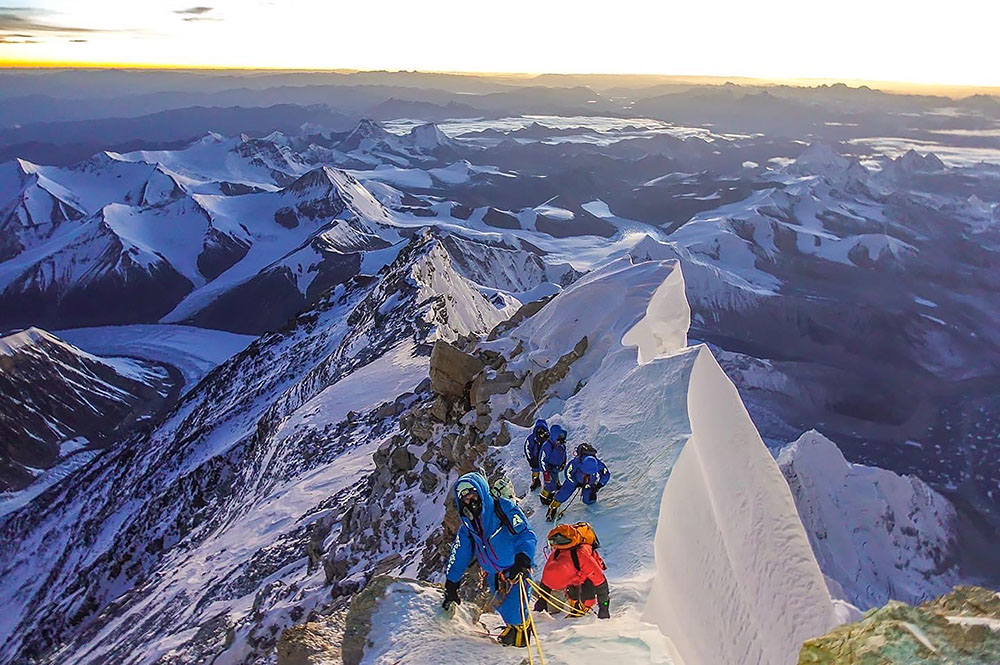
The number one question climbers are asking tour operators: What are your COVID-19 precautions?
Number two: When can I start climbing again?
“First and foremost, international air travel has been severely curtailed. Even if the parks were open and we were able to climb in the mountains, we are not able to get there safely and efficiently,” said Sean Kristl, director at Alpenglow Expeditions, one of the top guide companies in the world and a longtime Global Rescue Safe Travel partner.
Nevertheless, climbing companies are doing their best to mitigate the risk of coronavirus contagion in remote mountains. Many hope this fall will be the start of the 2020 climbing season.
“The signals we’re getting from contacts in various countries around the world are all pointing toward fall 2020 for a return to the high-altitude mountains of the world,” Kristl said. “This is when we can begin to have confidence in booking air travel, locking in logistics, and we’ll have a clear vision of what the pandemic is doing.”
We asked Kristl for his insight on what climbers should expect this fall.
Coronavirus affects the respiratory system, so is high-altitude climbing a non-starter?
For a healthy climber, high-altitude climbing during the pandemic is no different than before, aside from a ramped up level of hygiene in camp and at altitude.
Of course, if a climber has contracted COVID-19 before heading to the mountains, any type of international travel and hard physical exertion is inadvisable.
If a climber contracts COVID-19 while on an expedition, the protocol would be to immediately quarantine them in a hotel for a minimum of two weeks and with that, any thoughts of climbing are done for.
Does your Rapid Ascent program minimize coronavirus exposure?
Our approach to high altitude mountains reduces the overall time spent in-country and naturally reduces the amount of exposure in a foreign country. Our program ensures we arrive to the mountains pre-acclimatized, feeling healthy and strong because we are able to avoid the long, health depleting days and weeks of acclimatization in-country that occur on traditional expeditions.
What new testing protocols has Alpenglow Expeditions put in place?
With the proliferation of reliable tests, all international guides will be tested for COVID-19 prior to the start of an expedition they are guiding. We’ll also require clients to have a negative test within a week of departure, giving our teams assurance that everyone is healthy when they leave home.
What should climbers look for in a tour operator or climbing guide?
- Make sure your guide service has a solid COVID-19 protocol in place that includes hand washing, general camp and gear cleanliness and health screening for both clients and guides prior to departure.
- Ask about cancellation policies. Some guide services are offering relaxed cancellations policies to give peace of mind to those who want to make reservations but are unsure about the future.
- Inquire about the size of the climbing group. Smaller sized groups means there will be minimal clustering in enclosed spaces.
- Make sure the parks you’re planning to climb in are open and accepting climbing permits. A professional guide service will do all the leg work for you and should have permits in hand before you set foot in-country.
- Check if there are any virtual education programs. Climbers can sign up for remote classroom learning in preparation for a day with a guide in the field. This prevents the need to cluster in an enclosed environment and also has the added benefit of allowing students to learn at their own pace.
What climbing trips are people reserving for fall?
We’re seeing reservations starting to come in for expeditions like our Ecuador School and Chile Backcountry Ski adventure. How the pandemic either recedes or finds a second wave this summer will tell us a lot about our plans to return this fall. We can all begin to dream again about adventures in far off lands and now is the time to start making plans for your return.
Categories:
Health & SafetyTravelAugust 5, 2020

Outdoor recreation has been the saving grace during the coronavirus pandemic. With stay-at-home orders, work-from-home requests and the resulting anxiety, there’s nothing like spending time with Mother Nature to lift your spirits and lower your stress. And if you’re outside getting exercise, your health benefits just doubled.
Although there is less risk of COVID-19 contagion during outdoor recreation, there are still health, safety and planning considerations for you and others in your small group.
An infectious disease epidemiologist suggests considering three factors:
- How many people will be there?
- How close is the contact?
- How long will you be exposed to other people?
“Outdoor activities have a lower risk of coronavirus exposure than indoor activities,” said Dan Richards, CEO of Global Rescue. “By avoiding the three Cs — confined spaces, crowds and close contact — you dramatically reduce the likelihood of contracting the virus.”
Low-risk summer activities are anything outdoors and alone (or with immediate family). Even then, Global Rescue experts suggest using the same rules and safety guidelines for travel and apply them to outdoor summer recreation.
“Don’t relax your safety precautions just because you are outside,” said Jeffrey Weinstein, medical operations supervisor at Global Rescue.
To ensure you stay healthy during your time outdoors, Global Rescue has compiled safety suggestions for surfers, swimmers, boaters, runners, climbers and motorcyclists.
Safety While Surfing
The Vans U.S. Open of Surfing, held every August in Huntington Beach, California, was cancelled this year. It’s not the water that’s a threat to surfers though, as studies show coronavirus is not transmitted through water, whether it is chlorinated, fresh or salt water. Rather, it’s the crowds on the beach posing the threat to surfers.
In response, beaches across the globe have either closed or opened with their own set of restrictions. In California, beach closings and restrictions are common. According to The New York Times, some beaches in Australia have been closed for weeks while others have reopened on weekdays for water sports only.
“These restrictions are all constantly changing so be sure to subscribe to Global Rescue’s Coronavirus Report and check local beach/state information before making plans,” Weinstein said.
Swimming in Recreational Waters
If you want to go into the water — pool, lake or ocean — the good news is there is no evidence that COVID-19 can be spread to humans through the use of recreational waters, according to the CDC.
In a New York Times interview, Dr. Angela Rasmussen, a Columbia University virologist, said being in water outdoors is a likely good place to be these days.
“In my opinion, pool water, freshwater in a lake or river, or seawater exposure would be extremely low transmission risk even without dilution (which would reduce risk further),” Rasmussen said. “Probably the biggest risk for summer water recreation is crowds — a crowded pool locker room, dock or beach, especially if coupled with limited physical distancing or prolonged proximity to others. The most concentrated sources of virus in such an environment will be the people hanging out at the pool, not the pool itself.”
It’s a good reminder: Although you may be keeping yourself safe, not everyone is abiding by the rules.
“Travelers should expect other travelers to not follow the appropriate precautions,” Weinstein said. “Do your due diligence and plan your safety strategies for communal areas.”
The Well-being of Water Sports
Boating, sailing and fishing are all great outdoor activities during the pandemic but, again, you’ll want to avoid crowded recreational areas. Groups of people increase the likelihood of transmission and freshwater recreational areas (such as lakes and ponds) may pose a slight risk.
If you’re launching or fishing from a public dock, you will want to avoid high-touch areas, such as ladders, mooring poles and hand rails.
“Be wary of frequently touched surfaces,” said Jacqueline Sioson, operations supervisor at Global Rescue.
Social distancing guidelines will still be important, even in the great outdoors. Maintain distance at boat ramps and fuel docks (avoid using either if other people are there). You should also only boat with those in your immediate household.
Fishing on land? Use your fishing rod as a natural measure for social distance. Fishing rods measure anywhere from two to eight feet. Fly rods are typically a bit longer, measuring between six and 10 feet. Bring your own tackle boxes and coolers to limit communal contact.
Social Distancing While Running, Biking and Walking
If you are running, walking or biking with someone, maintain six feet of distance.
Maintaining appropriate social distance might be easy to do in a rural area but it’s not as simple on a metropolitan bike path.
Penn State’s Center for Infectious Disease Dynamics details how to share outdoor space responsibly: “If you’re behind someone who is walking, running or biking, the guidelines are a little different. A preliminary study by aerodynamicists using simulations of micro droplets in saliva left behind by a walker, runner and cyclist shows that your best bet is to stay out of the slipstream, also known as their draft.”
To do so, you’ll need to keep a distance of about five yards between you and someone walking ahead of you, about 10 yards between you and someone running ahead of you and a staggering 20 yards between you and someone cycling ahead of you.
If you don’t have that much space, consider staggering your position and following diagonally instead of directly. If you need to pass them (or they need to pass you), you should still offset your position and increase the distance between you as much as space allows.
Take Care While Climbing
Climbing isn’t a high risk coronavirus-infection activity, but the pandemic has made safety all the more important. Why? Less access and less help if you need it.
Trails, facilities and ranger stations may be closed due to COVID-19.
According to the Boulder (Colorado) Climbing Community, “this pandemic has put enormous strain on our local land managers. Many of them are being asked to handle higher than usual visitation rates while having fewer staff and resources. They are constantly having to evaluate restricting access as a management tool. It is paramount that climbers follow all rules and guidelines set by land managers to ensure access is not jeopardized.”
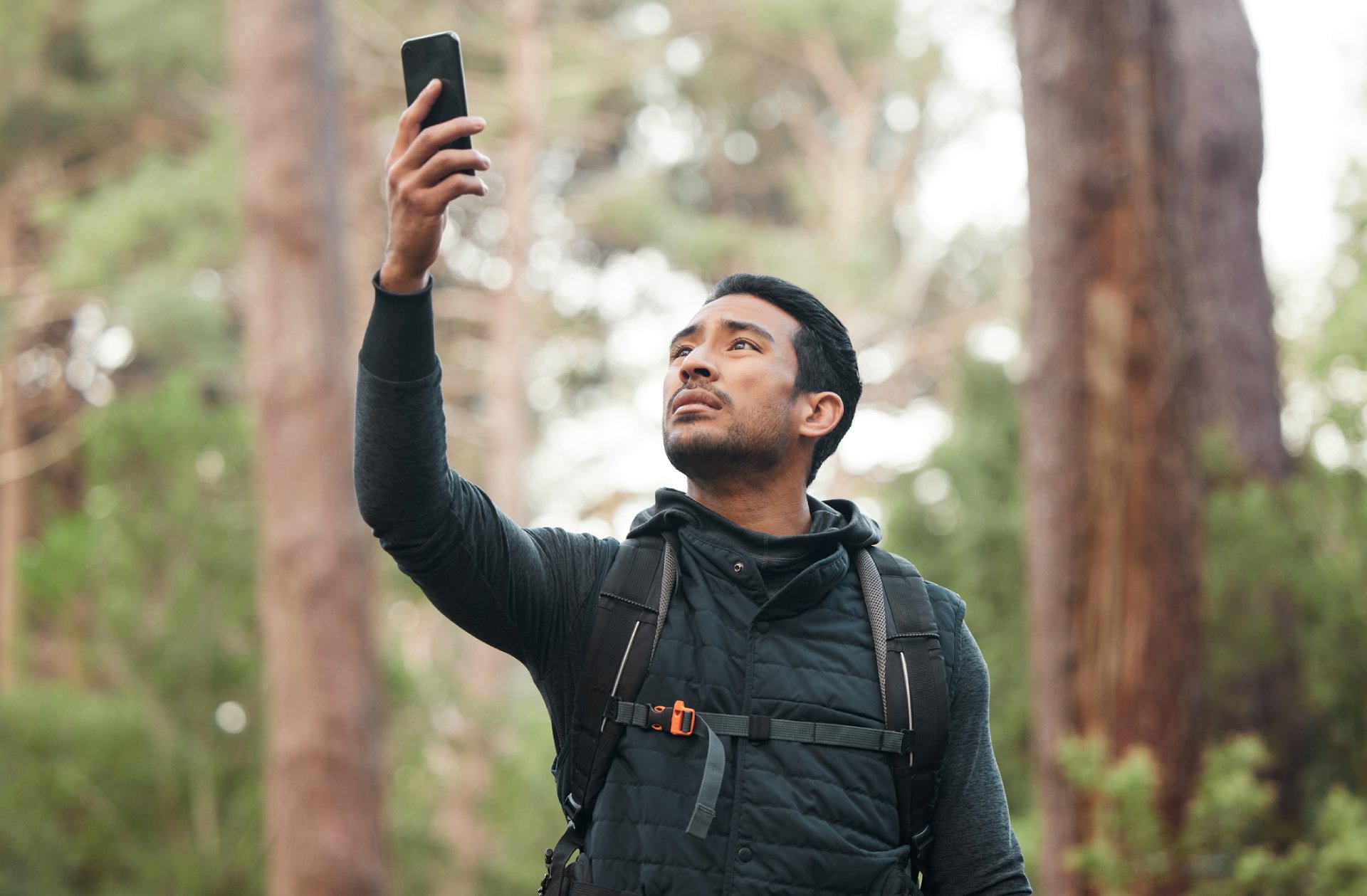
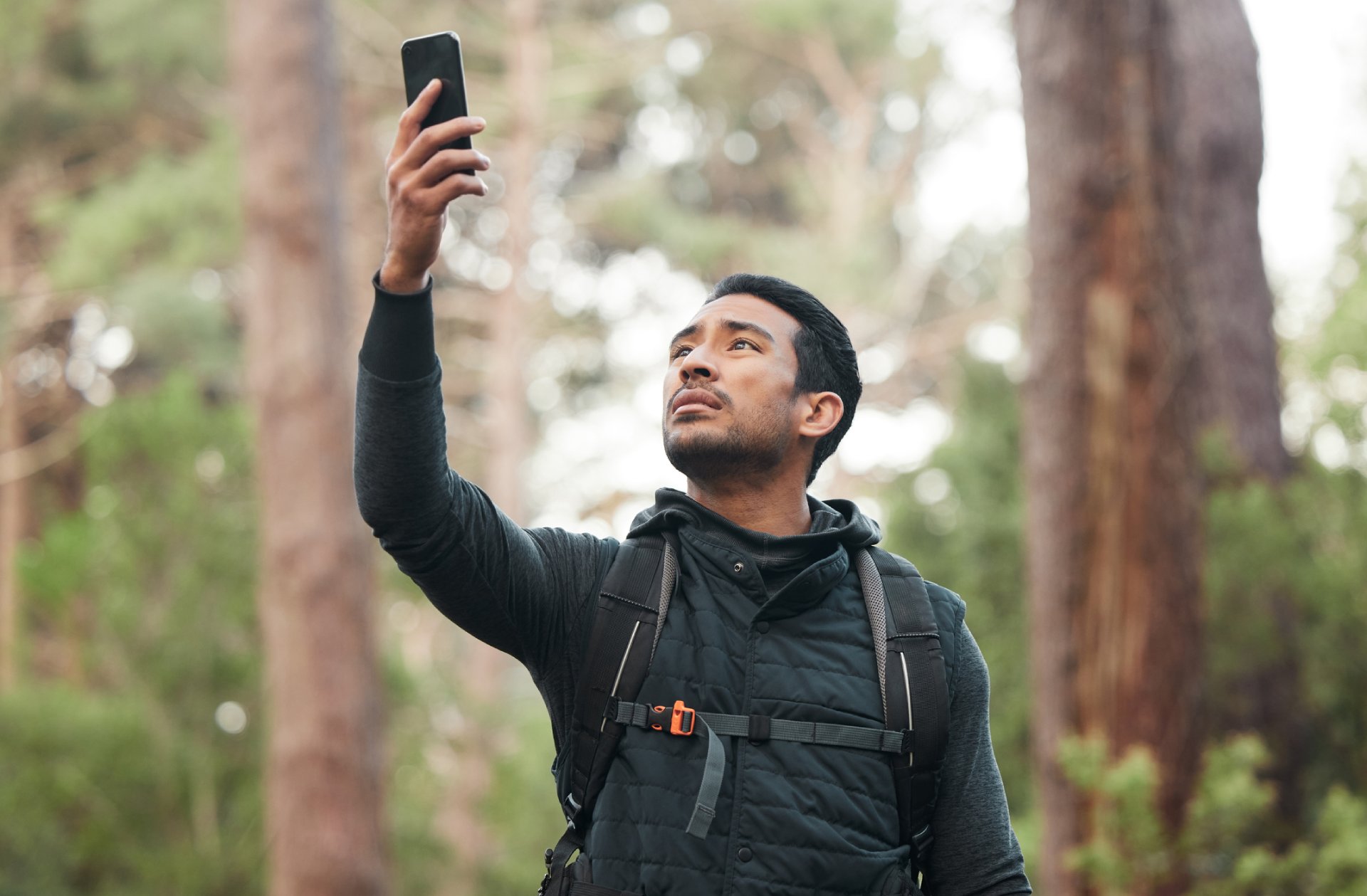
Do your research before heading out on your next adventure. The National Park Service provides a searchable map of parks open to the public. You will want to make sure you have cell phone coverage or a satellite phone to call for help.
Better yet, consider a travel protection services membership. One Global Rescue member was injured on a holiday weekend climb in the United States and the ranger station was closed due to COVID-19. His friend was able to call Global Rescue who facilitated his medical evacuation with local authorities.
The Access Fund, a climbing advocacy community, suggests “dialing it back a notch for the sake of our search and rescue teams.” They also advise:
- Climbing close to home
- Limiting group size
- Maintaining social distancing and wearing a mask when others are in proximity
- Washing hands before and after climbing
- Bailing on busy crags
Mapping a Motorcycle Safety Plan
The call of the open road lures motorcyclists out of their homes and on their bikes. With little to no traffic on the roads and highways, now is a great time to enjoy an adventure ride. Even American Motorcycle Association sanctioned-events have returned, albeit without spectators.
Driving is safer than flying and when you are in your car, you are able to make the rules to protect yourself and your passengers from coronavirus contagion. On your motorcycle, most likely, it will be just you following the rules.
- Bikers should keep their helmet and gloves on during the ride and on any stops. Be sure to wipe them down after gassing up and at the end of the day.
- If you wear a bandana or balaclava while riding, continue to do so. It will save you the stress of putting on and taking off a face mask during stops/breaks.
- Don’t wear a helmet if it has been cracked or shows signs of wear. Helmets should be Department of Transportation approved (usually with a DOT sticker on the back) and not older than five years.
- Countries have varying rules and regulations. In England, motorcyclists should not ride in groups or congregate at single spots, making sure to practice social distancing. It’s also advised not to ride across Scottish and Welsh borders if you don’t know the rules.
- The same social distancing guidelines and location restriction research hold true for domestic travel. American Motorcyclist magazine updates a monthly list of state and local bills, grants, openings and closings.
The Plus of Travel Protection Services
No matter where you enjoy your outdoor recreation — at home, close to home or far away — be sure to do your research. Check conditions along your route and at your destination to ensure you’re not traveling through — or to — a hot spot. Global Rescue’s free Coronavirus Report includes maps with U.S. and worlwide hot spots, details on state-by-state restrictions, stay-at-home orders. You can also sign up for weekday email update alerts.
If you are planning a trip 100 miles away from home, a travel services membership will increase your safety on the front end, such as providing a risk assessment for a particular destination and assist you on the back end, in case you run into coronavirus restrictions or need an emergency medical evacuation.
Categories:
Health & SafetyTravelAugust 3, 2020
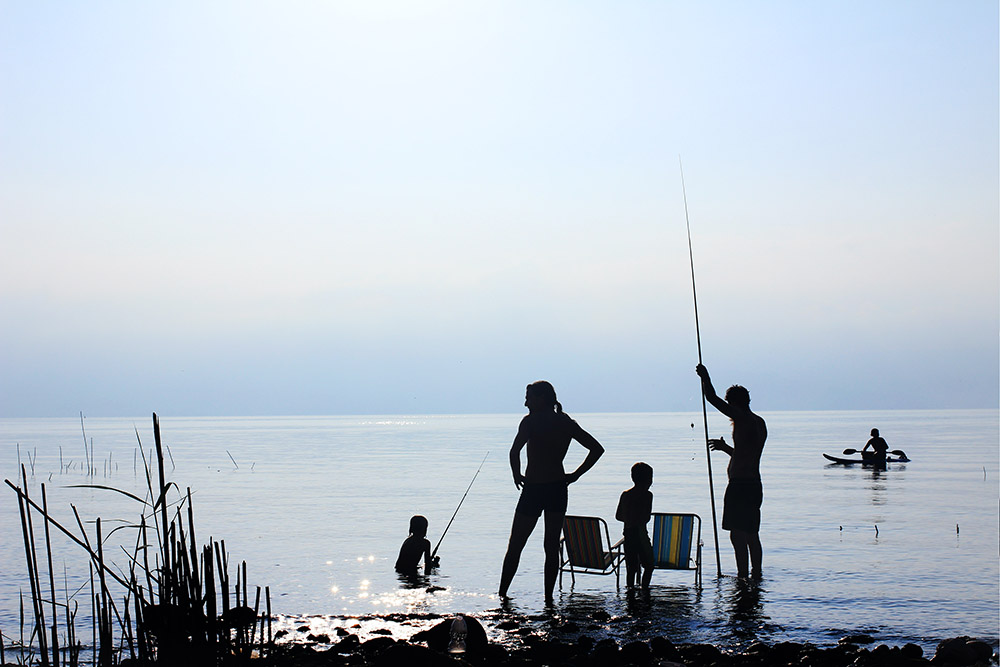
According to a AAA travel survey, nearly 100 million Americans – four in 10 U.S. adults – took a family vacation in 2019. Europeans are big travelers as well: workers typically receive four weeks of vacation annually. Outside of Europe, according to an annual vacation survey by Expedia, Hong Kong residents use all of their 14 vacation days and Thailand residents use their 10 days.
What’s more, the numbers of families taking time away together are expected to rise by nearly 25% to 376 million trips annually by 2022, according to the Family Travel Association.
Who Is Traveling?
Before coronavirus, just about everyone.
Annual research by the NYU School of Professional Studies Jonathan M. Tisch Center of Hospitality and the Family Travel Association found that 77% of parent respondents have traveled with their children in the past three years and 70% are planning to travel with their children in the coming three years. The location varies: 21% of families have taken their children to an all-inclusive resort for vacation, 68% on a family road trip, and 68% on a beach vacation.
When borders open world wide, resilient travelers — young professionals, families with young children and backpackers — will book travel first. MMGY Global, a marketing company specializing in the travel, tourism and hospitality industry, estimates resilient travelers make up 16% of the travel market.
Summer travel will lean toward domestic travel and international travel will focus on sustainability. According to Booking.com’s Sustainable Travel Report for 2020, 82% of global travelers have identified sustainable travel as important and 68% of travelers would like the money they spend on travel to go back into the local community.
Traveling with Small Children
For new parents, preparing small children for a car or plane trip can be a daunting task. Here are some safety tips for planning summer adventure travel.
- Start with a safe location/destination. Look at health risks, safety risks, crime statistics and coronavirus restrictions. Global Rescue’s free Coronavirus Update can point your family in a low-risk direction.
- Have the right documentation. According to the U.S. Department of Homeland Security, all children, including infants, must have their own passport or Trusted Traveler Program document for U.S. entry.
- Carry documents if you are traveling alone with minor children. For example, if the child is accompanied by only one parent, the parent should have a note from the child’s other parent: “I acknowledge that my wife/ husband is traveling out of the country with my son/daughter. He/she has my permission to do so.”
- Decide about seating for children. You don’t need to purchase an extra seat for a child under age 2. If you don’t want a child on you lap the entire flight, you can purchase an infant ticket (not full fare). Bring your own car seat.
- Sign up for TSA Precheck. It can be difficult for young children to wait in long lines. Low-risk travelers can apply for an expedited security process, departing from a U.S. destination, in 120 airports. Returning to the states, Global Entry, run by U.S. Customs and Border Protection, speeds up process of entering the United States.
- Pack some extras. Make sure you have favorite blankets and stuffed toys to encourage naps, which will help with time zone changes or jet lag. Bring lollipops for ear pain and snacks for when blood sugars run low. Consider a child-size rolling suitcase for kids over age 5; kids love to be helpful.
- Provide safety education. Don’t start the adventure without children knowing what to do in an emergency, memorizing phone numbers, having contact info/ID on them at all times, and holding hands with adults at all times in public areas. You’ll also want to remind kids to continue all the coronavirus protection measures they follow at home.
Traveling with Teens and Preteens
Although the kids are older, it doesn’t mean the family trip is easier. Social media is influencing everyone’s decisions and according to a vacation survey by Alamo Rent A Car, nearly half (49%) of families decide where to go or what to do on vacation based on the pictures they see on social media. Parents seem to be especially influenced at 61 percent versus 36 percent for non-parents.
If you’re traveling with teens or preteens, try a few of these ideas:
- Ask for your teen’s input. Chances are they’ve already seen vacation spots on their friend’s social media sites, investigated places they’d like to go and investigated ecotourism destinations with sustainability in mind. And they’ll be more invested in the trip if they’ve helped plan it.
- Choose a location with lots of options. You’ve already done your research on the safety and health risks of the destination. Ask your kids to choose the hotel, researching the options it has for them: access to the beach, indoor or outdoor pool, game room or nearby activities. Teenagers will want to go and do things on their own and you’ll want them to be safe.
- Don’t ban technology. Of course you don’t want your child’s nose against the screen the entire trip. But a cell phone or an iPad can be handy during the downtimes of travel, or tracking your teen while they are off on their own. A Global Rescue membership includes the My Global Rescue Mobile App, to help families keep track of the people they care about with geo-fence designated areas and check-in functionality.
- Set some age-appropriate rules. This could include limiting the amount of money or valuables they carry, or scheduling check-in times or curfews.
Family Travel Tips for Any Age
Toddlers, teens, grandparents? Traveling with family requires patience, planning and practice. Here’s how to get started.
- Poll the family and see how everyone wants to spend their vacation. Use the results — two want water sports while two want relaxation — to pick the destination.
- Make sure everyone is healthy. Everyone in the family should schedule a travel health consultation three to four weeks before the trip. All immunizations and vaccines should be up to date.
- Plan your route. Depending on the ages of your clan, you might want to consider a flight with a layover (small children and seniors get a chance to stretch their legs). Teens can most likely handle a longer direct flight.
- Check in online and pick your seats. With younger children, you’ll want assigned seats so you are all sitting together.
- Add extra time to the travel schedule. Factor in any weather changes. Look up airport wait times before you get in the car.
- Find out what documentation you’ll need. Make sure your child has your personal information on them at all times, along with copies of their travel consent forms, travel itinerary and passport. More valuable documents like passports and vaccination documentation should stay with a parent or guardian. Grandparents should bring a list of medications. United Airlines provides some advice for domestic and international travel.
- Invest in travel membership services. Global Rescue family memberships include a primary member, spouse and up to six dependent children under the age of 26. Every member will be able to access medical, security, evacuation, travel risk and crisis management services.
- Children over age 26? Consider this idea: “I’ll be giving memberships to my older kids who have aged out of our family plan throughout the year as birthday presents,” said Global Rescue member Tim Williams of Wellborn, Florida.
If you’ve checked off the bullets on this list that apply to your upcoming summer vacation, you and your family members are ready for safe travels.
Get a price estimate
Estimate
$0.00
Please answer all questions for estimate.
Categories:
Health & SafetyJuly 29, 2020

Information abounds on how to prepare and protect your business workplace from COVID-19: masks, social distancing, disinfectants and hand washing. The Small Business Administration, Centers for Disease Control and Prevention and Department of Labor’s Occupational Safety and Health Act (OSHA) all have guidelines available.
But this is only one part of how to prepare your business for COVID-19. In fact, it’s only one part of a company’s security plan — the overarching rules and regulations keep
ing your company, your assets and your employees safe.
Coronavirus is affecting your organization on many levels: standard operating procedures (where masks, hand washing and building sanitization come into play), emergency action plans, or EAPs, (what to do if an employee tests positive for COVID-19), business continuity plans (new work-from-home protocols and risk management for business travel) and disaster recovery plans (restarting workforce travel domestically and internationally).
None of these plans are stand-alone documents and each one can protect the company from a level of harm to business assets or personnel.
“All of these plans are inter-related. Standard procedures assure basic, everyday safety. Emergency action plans are for situations beyond the normal procedures and business continuity plans and disaster recovery plans help business capabilities after an emergency or disaster,” said Harding Bush, associate manager of operations at Global Rescue.
“The more comprehensive these policies are, the easier it will be to deal with future or potential emergencies. In fact, standard safety procedures or protocols make an escalating situation, an emergency or disaster, more recognizable and completely avoidable.”
Standard Operating Procedures
What is a business SOP? Standard operating procedures (SOPs) are a step-by-step set of instructions guiding employees to perform tasks in a consistent manner. Documented SOPs for a corporate office could be as simple as sending an email to welcome visitors to the office or a spreadsheet of acceptable lodging costs for business travel. A manufacturing facility might have instructions for safety gear before operating machinery.
The idea is that if these everyday practices are performed consistently, services and products will also be delivered consistently — and everyone will be safe.
“The better your initial standardized everyday policies and procedures are, the safer and more effective your organization will be,” Bush said. “It’s about creating a culture that effectively balances productivity with safety.”
Original SOPs may not include coronavirus protocols. An example is a building entry procedure: using the main door or side door and swiping your key card to gain access.
Updated and enhanced SOPs, however, include employee COVID-19 screening measures. That same building entry procedure SOP, updated for coronavirus, would mandate building access using the main door only, swiping a key card and taking and documenting your temperature.
“Standard operating procedures will require more attention and modification than EAPs,” Bush said. “The consequences of violating a standard procedure are much more severe due to COVID-19. Good standard operating procedures allow for effective and ‘smooth’ EAPs.”
Emergency Action Plans
With everyday practices in place in the SOP, next step is establishing procedures around safety. This is the emergency action plan.
“Emergency action plans are in place for when the standard procedures fail and ‘bad’ things are in progress,” Bush said. “Some emergencies, like a coronavirus pandemic, cannot be avoided, but a good EAP will lessen the impact and consequences of the emergency.”
The EAP is reactive, only dealing with the emergency at hand. For example, when an employee enters the main door using a key card and has a temperature of 103 degrees Fahrenheit.
“EAPs mandate the necessary actions taken by organization staff to mitigate the negative consequences of an emergency,” Bush said. “These policies may not be practiced every day, but are critical to safety and security.”
The EAP would require the employee with the temperature to report to their manager and to human resources. The key card login information would determine who worked on the same days as the employee and management would alert them to the situation and require testing.
Business Continuity Plan
After the emergency has happened, how do you keep your business on track? This is where a business continuity plan can help.
Business continuity planning is the process of creating systems of prevention and recovery to maintain operations during or just after an emergency, like a coronavirus pandemic.
“The business continuity plan should be carefully reviewed and validated” Bush said. “An example is a company rehearsing work-from-home protocols department by department in February, then rolling it out companywide in March.”
According to CIO magazine, a business continuity plan identifies key business areas, critical functions and dependencies between various business areas and functions. Acceptable downtime is determined for each critical function and a plan is created to maintain operations.
Disaster Recovery Plan
A disaster recovery plan can help companies get back to work after any major disruption, an evacuation, a fire or extreme storm, an active shooter situation or even a pandemic. It provides guidance for making decisions and setting rules, such as, reopening a facility, travel restrictions, event cancellations, work from home protocols, supply chain disruptions and sick leave policies.
Let’s look at one area: corporate travel.
Now that domestic travel restrictions have eased and some international countries are welcoming visitors, it may be necessary for employees to meet in person with clients, vendors, suppliers or partners. What is the procedure if a traveler visits a city with a coronavirus outbreak? What is the policy for an employee who wants to work in the office after a trip?
An updated disaster recovery plan could mandate a travel protection services membership for each company employee. This would protect the business on three levels: pre-trip with destination reports with COVID-19 specific information, on-trip real-time intelligence alerts and assistance and post-trip screening, testing and triage for all travelers as needed.
Another example is a back-to-the-office initiative. Employers have a legal obligation, called duty of care, to provide a workplace free of known health and safety hazards. A disaster recovery plan might have employees return to the workplace in phases or alternating shifts to ensure social distancing practices are possible.
“Companies and organizations cannot function without procedures and policies. Procedures provide guidance or instruction and when that procedure becomes an organization policy, it is official: the organization is required to enforce the policy and members of an organization are bound to comply,” Bush said.
“But the plan and its procedures must be current. Its effectiveness must be validated and it needs to be understood and acknowledged throughout the organization, especially those with key roles and responsibilities during an emergency.”
How Global Rescue Can Help
Many organizations, large and small, were not prepared for something like a business coronavirus disruption. According to a May study by researchers at the University of Illinois, Harvard Business School, Harvard University and the University of Chicago, more than 100,000 small businesses have closed permanently since March. An estimated 25% of businesses never reopen their doors following a major disaster, according to the Institute for Business & Home Safety.
If your company needs to conduct a risk assessment, develop an emergency action plan or update a disaster recovery plan, Global Rescue offers customizable travel risk and crisis management services to organizations of all sizes. Click here to learn more.
Categories:
Health & SafetyPlaces & PartnersTravelJuly 24, 2020
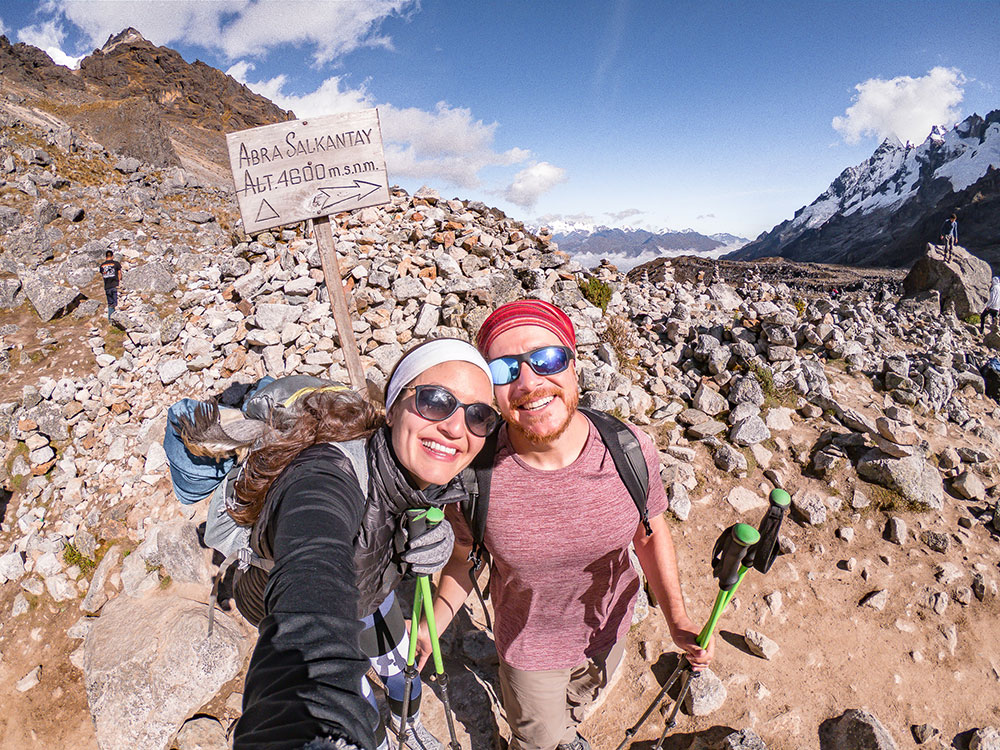
Even if you were always a thoughtful and neighborly traveler, there’s a longer list of considerations in this new era of travel.
Adam Aronson, co-founder of travelhelix, has traveled the world and helps his clients do the same. While his personal adventures are on hold, Aronson is adapting to new challenges and thinking differently about the future of travel.
“People now look at travel differently. As travel planners and adventurers, it only makes sense that Danielle and I approach it differently as well,” Aronson said. “Now more than ever, our actions as travelers matter a great deal. Travel is reopening in the United States and certain international destinations are on the near horizon. Before we’re let loose on the world again, we’re being given the opportunity to test the waters in our own backyard.”
Here are five recommendations from travelhelix, a Global Rescue Safe Travel Partner, to help you adjust your travel mindset.
Hold Yourself To A Higher Standard
It’s easy to convince ourselves we simply must escape. But we shouldn’t allow wanderlust to overshadow our better judgment or cloud our view of what’s considered safe. This starts with a stepped-up risk assessment before you start booking.
“Whenever you travel, you’re an ambassador for your home state and country. If you choose to travel nonessentially in the era of COVID-19, do so with a heightened sense of responsibility,” Aronson suggested. “This means thinking more deeply about the risks involved, not only for ourselves and our loved ones, but for the strangers waiting to greet us on the other side.”
“We’re not trying to discourage anyone from traveling. But we absolutely encourage everyone to put a deeper level of consideration into trip planning than ever before,” Aronson said. “We advise our clients to be more thoughtful, aware and observant than they’ve ever been — and to recognize the definition of travel safety has evolved significantly in recent months.”
Upgrade Your Personal Travel Risk Assessment
Before, your travel risk assessment may have been mostly inward-facing. Now, it must evolve to become more outward-facing.
“A travel risk assessment should always include you and your loved ones. It’s normal and reasonable for you to start there, but it doesn’t end there, especially in the wake of a new and considerably unknown threat,” Aronson said. “Today a travel risk assessment needs to be equally about others.”
Aronson provides an example. “As our plane departed for Quito in December 2018, Danielle turned to me: ‘Any chance we get through seven months in South America without getting sick?’ Today, we’d have a different conversation: ‘Well, we may have recently been exposed…and we haven’t been tested…so can we — in good conscience — make this trip? What if we were to unknowingly get 10 people sick … and what if they …’”
Aronson recommends checking all of the right travel safety boxes by researching your destination, getting a COVID-19 test before you leave home, visiting a travel medicine clinic for certain international trips and signing up for a travel protection services membership.
Approach Every Human Interaction Through A New Lens
Through every stage of the travel process, you will encounter different people who all play unique roles within your travel journey. In recent months, each of them has been through a different version of the pandemic.
Before becoming frustrated with customer service representatives over the phone or TSA agents as you’re passing through airport security, remember they’re just doing their jobs and those jobs have been particularly difficult lately.
“Show more empathy. Heighten your situational sensitivity. In today’s world, there’s no limit to either,” Aronson said. “Coronavirus has leveled the playing field and we now find ourselves standing on at least one piece of common ground. Perhaps this shared experience creates an opportunity for a new degree of human connection and may make your travel more rewarding than ever.”
Take A Closer Look At Destinations This Summer
After months inside your home, you may be eager to hit the road somewhere — anywhere — right now. For millions of Americans, this is going to be the summer of road trips and national parks. Can you follow a similar path while staying safe and still get the vacation you need?
“If you’re planning on going that route, choose a place you can safely social distance and still get your much-needed dose of travel therapy,” Aronson said. “You may want to consider a road less traveled. That is, a less popular destination, despite what’s been on your bucket list.”
“We’ve been looking at how particular states and countries have responded to the pandemic and what sort of approach they’re taking as far as reopening,” Aronson continued. “In the United States, Maine and Hawaii have rolled out state-mandated 14-day self-quarantines for anyone arriving or returning to the state. Hawaii’s was just extended from June 30 to July 31. Maine’s four-phase reopening plan extends into August,” he explained. “The common underlying theme: protect the local residents. In turn, this should have positive public health implications for tourists.”
You might also consider exploring what’s in your own backyard.
“Now is a great time to become a traveler in your own home area,” Aronson said. “You can still come back feeling relaxed, refreshed, renewed with a weekend camping trip to the local lake.”
Have A Backup Plan
Carefree, spontaneous and open-minded are key components of adventure travel. Today, however, there’s a whole new level of safety diligence involved.
“We’ve always been cautious travelers, but we’ve never had everything planned out, minute by minute,” Aronson said. “We’re firm believers in the idea that the most rewarding travel experiences come from the unplanned and unexpected.”
“Unfortunately, we no longer have the luxury of being able to travel with that same relaxed and worry-free attitude. We still won’t have everything planned out, but we will have better contingency plans for medical emergencies.”
This is one reason travelhelix recommends Global Rescue memberships to clients.
“Travel is an investment in experiences. A Global Rescue membership helps protect your investment and offers peace of mind from the unexpected while you’re out discovering,” Aronson said. “For the foreseeable future, we plan on keeping it fairly local and completely domestic. It’s good to know we can plan an adventure trip to a remote, off-the-beaten-path place in the United States — and still be covered in a worst-case scenario. In today’s travel world, that means more than ever.”
Categories:
NewsJuly 24, 2020
Categories:
Health & SafetySecurity & IntelligenceJuly 23, 2020
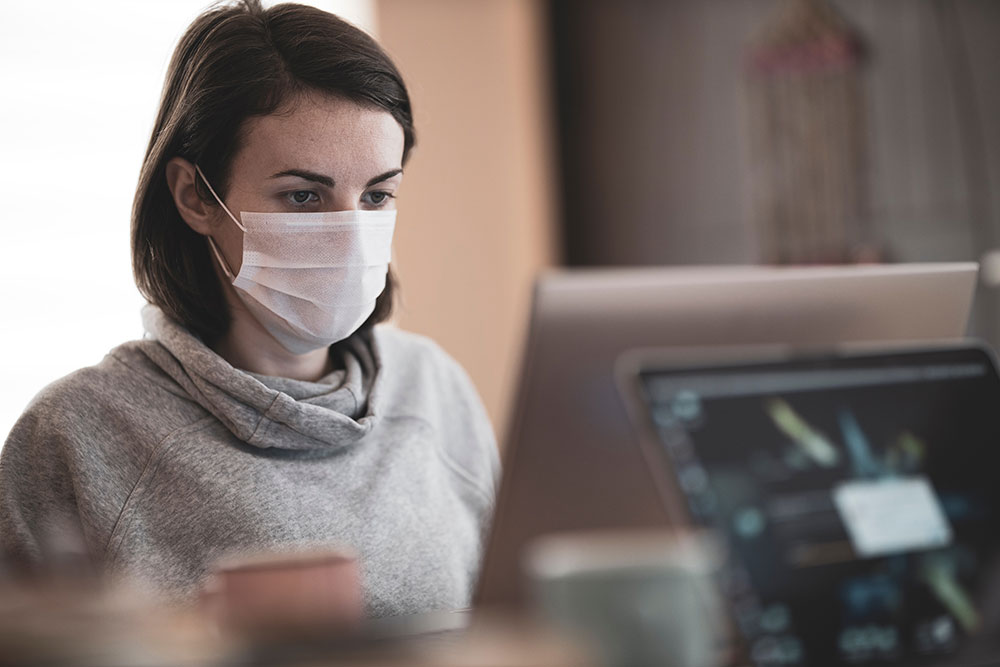
When was the last time you had an emergency drill at work?
If you haven’t participated in one recently, it’s a good indication that your company may not have an emergency action plan (EAP) in place.
Occupational Safety and Health Administration (OSHA) requires companies with more than 10 employees to have an EAP, a written procedure detailing the appropriate response to various types of emergencies. The emergency can be something as simple as a fall at work to something more complex, such as a coronavirus outbreak.
“An emergency action plan is part of a company’s security plan,” said Harding Bush, associate manager of operations at Global Rescue. “It maps out procedures for different scenarios, such as losing power, what to do in a hurricane or how to respond when a traveling employee has a heart attack overseas.”
Bush should know. He’s a 20-year U.S. Navy SEAL veteran with an additional 10 years of experience in international travel and corporate security. He has assessed sites and developed EAPs for a variety of corporations, governments and educational institutions.
A Business Necessity
Companies, government agencies, organizations and even educational institutions cannot function without emergency procedures and policies.
The central document most organizations utilize is the company handbook or company security plan. This document contains standard operating procedures (SOP), a step-by-step set of instructions guiding employees to perform tasks in a consistent manner.
There are numerous standard operating procedures in an organization. Some examples include visitor policies, cybersecurity measures, building entry safeguards, employee background checks — and they are all designed to prevent emergencies.
“Parking, entering the building, logging on to a computer, how e-mails are sent and how transactions are conducted — these are only a few examples,” Bush said. “Most of these procedures become second nature and are ingrained into the culture of the organization. Any deviation is easy to address and correct.”
Failure to comply with SOPs — for example, not staying home if you are ill or not cleaning up after a spill on the manufacturing floor— can cause an emergency. This is when an EAP comes into play.
More Important Now Than Ever
Given the current state of the COVID-19 crisis, EAPs are more important now than ever.
An example: You’ve already updated your SOP to include COVID-19 screening for employees and an employee has a positive test. This triggers the EAP, should you have one for this event, to institute work from home protocols.
“Procedures and policies that we may not practice every day — but are critical to safety or security — are policies that deal with emergency preparedness,” Bush said. “EAPs mandate the necessary actions taken by organization staff to mitigate the negative consequences of an emergency. Some examples are building evacuations, fire drills, active shooter, power outage, flood, cyber breach, injury at work and workplace violence.”
A corporate EAP looks very different than a factory EAP. Each emergency — flood, fire, chemical spill, injury or heart attack — requires its own set of procedures. The risk manager or risk management team must evaluate scenarios with help from human resources, operations, logistics, finance and legal. There are also a variety of other factors to take into account, like geographic location, worksite layout, structural features and local emergency resources and response time, to name a few.
“Some emergencies cannot be avoided,” Bush said. “Risk managers need to plan ahead and lead the charge. An effective SOP will reduce the likelihood of an emergency and an effective EAP will lessen the impact and consequences of an emergency.”
What is a challenges for businesses post-COVID-19? Planning ahead.
Coronavirus presents a new challenge for organizations. Most emergencies happen once and an EAP for a hurricane, for example, may stand the test of time. With the COVID-19 pandemic, information seems to change frequently, with new outbreak locations, country-specific travel restrictions, new symptoms. A coronavirus business EAP may need a weekly or monthly review.
Sound daunting? The experts at Global Rescue help companies across the globe establish emergency action plans every day. If you’re evaluating your emergency preparedness, they suggest beginning with a five-step process.
Step One: Is There An EAP?
Emergency action plans are usually found in the overall company security plan or the organization’s standard operating procedures.
“Whoever leads the effort should take inventory of what plans are already in place and what plans will need to be modified or updated,” Bush said. “The leader should also talk with staff members to evaluate the level of understanding of policies in place.”
Step Two: Select A Team
Choose a person to supervise and coordinate the EAP.
“Developing an EAP is a comprehensive effort,” Bush said. “There needs to be a leader, only to maintain focus and organize the thoughts and requirements of the rest of the EAP team: key personnel from departments affected by the emergency or the required action.”
All departments should be represented on the team writing the plan. You’ll want a combination of management and staff.
“Enthusiastic participation in the earlier stages of putting together the plan will make the validation process easier and more effective,” Bush said.
Step Three: Assess Risks
Now it is time to review key objectives and priorities. Balance “business as usual” against new demands, such as coronavirus restrictions, and changing priorities, including safer business travel.
“Before any specific plan writing begins, an overall risk assessment should be conducted. This assessment should prioritize potential emergencies using a combination of the likelihood of occurrence and possible negative or catastrophic consequences to personnel, property and business objectives,” Bush said.
“During this assessment, changing a few standard procedures may significantly reduce the likelihood of an emergency. This is an example of being proactive rather than reactive — or waiting for the emergency to happen before taking action.”
In addition, assessments should rely heavily on past experiences and those lessons learned.
“Has the company experienced any prior emergencies? What went well and what could have gone better? What caused the emergency and how were overall business operations affected?” Bush said.
Step Four: Write And Validate The Plan
After existing plans are reviewed and updated or new plans are created, the next step is communicating to all personnel.
“There needs to be an effort to ensure the plan is understood. This should be more than just having staff read and sign off on it,” Bush said. “Short, interactive drills and exercises are effective within individual departments. These exercises will provide valuable feedback about the overall understanding of the plan and how well the plan may work.”
Communicating and validating the plan does not have to be a massive scale effort detracting from business operations.
“Small, individualized question-and-answer sessions, discussions or walkthrough rehearsals of specific portions of the plan can be sufficient,” he said.
Step Five: Incorporate The EAP
Once the drills and exercises are conducted and the findings and recommendations are incorporated, the plan is presented to leadership for final approval.
“It is now ready to be incorporated into official company policy,” Bush said. “Personnel acknowledge understanding of the plan and are responsible for carrying it out when necessary.”
Companies should offer training and perform routine checks to ensure everyone remembers their specific role and responsibility. Companies should also accept ongoing feedback for improvements to the EAP.
How Global Rescue Can Help
All EAPs need to be reviewed to ensure any COVID-19 requirements are included.
“If mistakes are made, the consequences are greater, due to COVID,” Bush said. “You can end up with a follow-on COVID-19 emergency if EAPs are not modified to consider COVID-19 requirements.”
If your organization needs to develop or update an EAP, the security experts at Global Rescue can help. This could include a broad range of services, from reviewing standard operating procedures to creating a full security plan, or providing a situational briefing and assessment for an upcoming international trip.
“Global Rescue ensures employers have proactive plans in place to protect the safety and security of employees,” said Bush. “From creating an emergency action plan or blueprint for best practices to reduce the risk of liability or exposure during the coronavirus pandemic, Global Rescue provides intelligence capabilities customizable to your business needs.”
Click here to learn more about Global Rescue’s travel risk and crisis management services.
Categories:
Health & SafetyJuly 21, 2020

The pandemic is forcing everyone to learn how to mitigate travel risk. Whether you’re a tour operator, a traveler or a government, restarting travel is on everyone’s mind. The challenges are facing each of us in different ways and in varying degrees.
What should I do? What shouldn’t I do? How do I get any of it done?
No matter where you are in the travel industry, these are questions we ask ourselves as often as the health experts and government officials announce new information about COVID-19 mutations, infections, treatments and vaccines.
To help answer some of these questions Global Rescue hosted the highly anticipated webinar “Restarting Your Operation: Legal Liability and Duty of Care For Tour Operators During the Pandemic.”
The event was moderated by Jim Sano, the former president of Geographic Expeditions and a Yosemite Park Ranger.
The webinar panel featured travel experts from the legal, insurance, medical and security sectors. Each speaker shared constructive insights invaluable for anyone puzzling over the “do’s, don’ts and how to’s” of the new travel risk management landscape.
Sano said a successful return to domestic and international travel will require four essentials from travel tour operators.
“First, tour operators should consider having COVID-19 waivers. Next, they should scrupulously maintain established practices to avoid disease spread. Third, they need to enhance emergency response abilities. Finally, it’s ideal to team up with an emergency travel risk medical provider to handle the responsibilities of medical emergencies,” Sano said.
Insurance
A nagging question among tour operators is how to address client and customer risk and adhere to relevant guidelines. Ken Whitman is a liability specialist for tour operators and a senior program manager at AON, the world’s largest insurance broker. He said tour operators need to be careful during the pandemic not to take on or assume additional responsibilities or obligations that result in assuming legal liability for things for which they are normally not responsible.
“It’s better practice to put these obligations on the vendors providing the services and confirm they are fulfilling those obligations through proper vetting,” Whitman said.
Legal Liability
When it comes to legal liability, tour operators are looking for ways to balance common-sense precautions while protecting themselves and their business from safety guarantees. Jeff Ment, an attorney with expertise in travel related issues including legal liability and duty of care, said COVID-19 is a known danger and tour operators are moving quickly to prepare for unparalleled liability exposure.
“Waivers are a must, if you don’t have one already. If you do already have one, then having a COVID-19 specific waiver may not be necessary,” he said. Ment added that the pandemic is adding more awareness steps to the travel process.
“Tour operators need to know what their customers may be asked as the trip is happening. You need to know in advance if they’re going to be asked to sign something. You can’t hand something to travelers at the last second and expect them to legally be obligated to sign it,” he said.
Medical and Operations
Global Rescue’s Vice President of Operations, Scott Hume, said as travel opens up internationally people must assess the medical capabilities and transportation infrastructure to get you to healthcare facilities at your destination in case you fall ill. Not all tour operators understand what critical resources are available and needed for emergency medical response and mitigation.
“Just as important is who bears the cost should you get sick and stuck on the other side of a border with an illness and without the medical facilities or infrastructure to treat you,” Hume said.
Do’s & Don’ts
Tour operators need to follow established guidelines and steer clear of taking on responsibilities suited for medical experts. Global Rescue’s Medical Director Dr. Claudia Zegans said tour operators must rigorously adhere to basic guidelines like washing down high-touch surfaces and creating situations enabling physical distancing but they should not stray into the medical lane of conducting tests.
“When someone gets sick or injured, things can go wrong quickly — unless tour operators partner with a travel risk and crisis management company so medical emergencies are handled by trained healthcare professionals,” Zegans said.
If you’re interested in checking out the full webinar, click here for access to a recording of the event.