Share This:

New Zealand Is the Land of Fjords, Coastlines, Sauvignon Blanc, Manuka Honey, Kiwifruit and Rugby

Discover New Zealand’s iconic landscapes, culture and adventures for every traveler.

Article Highlights:

  • New Zealand ranks in the top three dream “gift trips” and is the number one destination travelers recommend for first-time international travelers.
  • Fjords, glaciers, volcanoes, beaches and unique wildlife make New Zealand an unmatched natural playground for leisure and adventure.
  • Adventure tourism thrives, from bungee jumping and jet boating to multi-day hikes and world-class skiing in the Southern Alps.
  • Culinary icons like Manuka honey, kiwifruit, lamb and Sauvignon Blanc showcase New Zealand’s rich food and wine culture.
  • Overall risk is Low, with excellent medical care and low crime, but travelers must respect earthquakes, tsunamis and other natural hazards.


According to the Fall 2025 Global Rescue Traveler Sentiment and Safety Survey, if every traveler could receive one trip as a gift, New Zealand ranks in the coveted top three. It attracts adventure seekers, nature lovers and movie-mad pilgrims chasing Middle-earth all at once. Just as important, when experienced travelers were asked where they would send someone who has never been abroad, New Zealand emerged as the number one choice, earning 21% of the vote. Its English-speaking environment, friendly locals and cinematic scenery make it a gentle introduction to the wider world without sacrificing a sense of awe.

This dual status — bucket-list fantasy and first-timer favorite — captures what makes New Zealand so special. It feels both thrilling and reassuring, a destination where you can bungee jump off a canyon bridge in the morning and be eating world-class lamb with a glass of Sauvignon Blanc by evening, knowing the systems around you are reliable and safe.

“Since the pandemic, travelers have increasingly sought safe, English-speaking destinations that are easy to navigate, and New Zealand has quickly become a top choice for serious anglers. Its pristine rivers, trophy trout, and the perfect mix of adventure, breathtaking scenery, and wine culture make it one of the most desirable spots for passionate anglers,’ said Jeremy Kehrein, manager, Orvis Adventures.


A Natural Playground at the Edge of the World

New Zealand’s landscapes are the stuff of postcards and film franchises. South Island fjords like Milford Sound plunge from misty cliffs into ink-dark water. Glaciers spill from mountain ranges toward temperate rainforests. Volcanoes and hot springs bubble and steam across the central North Island, while beaches, rolling hills and vineyard-covered valleys knit everything together.

Wildlife is just as distinctive. This is the home of the kiwi bird, a flightless, nocturnal symbol of the nation and of marine life-rich bays where dolphins, seals and whales are regularly sighted. For many visitors, simply driving between towns becomes part of the experience; the road itself winds past peaks, lakes and windswept coastlines that seem designed for slow travel and frequent photo stops.

The country’s natural drama also underpins its reputation as a set for The Lord of the Rings and The Hobbit trilogies. Fans can visit filming locations, walk in the shadow of the “Misty Mountains” and tour purpose-built sets, layering fantasy onto very real topography.


Adventure Capital for Every Adrenaline Level

Thanks to its varied geography, New Zealand is a global hub for adventure tourism. It is famously the birthplace of commercial bungee jumping and today travelers can leap from bridges, cliffs and purpose-built platforms in places like Queenstown, the self-proclaimed “adventure capital of the world.” Jet boating, canyon swinging, whitewater rafting and skydiving all thrive here.

For those who prefer their thrills on two feet, the country’s “Great Walks” and countless day hikes crisscross national parks and alpine landscapes. Trails like the Milford Track, Tongariro Alpine Crossing and Routeburn Track offer multi-day immersions in wilderness, with well-maintained paths and huts that still require serious preparation and respect for rapidly changing weather.

On the water, visitors can kayak along serene sounds, dive coastal reefs and explore penguin and seal colonies. In winter, the Southern Alps deliver ski and snowboard terrain with spectacular backdrops. Whether you are a seasoned adventurer or a curious beginner, New Zealand makes it easy to scale experiences up or down to your comfort level.


Taste of New Zealand: From Kiwifruit to Lamb

Food and drink are central to the New Zealand experience and provide easy entry points into local culture. The country is globally famous for its export products, including kiwifruit and Manuka honey. The latter, prized for its unique antibacterial properties, has become a staple in wellness circles and a must-buy souvenir.

In vineyards from Marlborough to Hawke’s Bay, New Zealand’s wines compete on the world stage. Crisp, aromatic Sauvignon Blanc is the country’s signature, but Chardonnay, Pinot Noir and other varietals round out tasting room menus with serious depth. Travelers can pair wine touring with scenic drives and coastal stops, making “cellar door” visits as much about the landscape as the glass.

Culinarily, lamb is a star protein, often served simply grilled or roasted to showcase its flavor. Farmers’ markets and modern restaurants alike highlight local produce and seafood alongside global influences. You might start your day with fresh kiwifruit, drizzle Manuka honey over yogurt, enjoy fish and chips by the sea for lunch, then sit down to lamb and a local Sauvignon Blanc at dinner.


Culture, Māori Heritage and the All Blacks

New Zealand’s identity is inseparable from its indigenous Māori culture. Te reo Māori (the Māori language) appears in place names and greetings; carved meeting houses, weaving, tattoos (tā moko) and traditional performances are visible throughout the country. Many visitors consider a guided cultural experience, such as a visit to a marae (meeting ground) or a performance that includes the haka, an essential part of understanding the nation’s story.

Rugby is the heartbeat sport and the national team, the All Blacks, is renowned worldwide. Their pre-match haka, rooted in Māori tradition, is as iconic as their white-on-black fern emblem. Catching a match in person or watching in a local pub gives travelers an immediate connection to everyday life and national pride.

Layered atop this is a laid-back, welcoming population. New Zealanders, often simply called “Kiwis,” have a reputation for friendliness, practical problem-solving and an easy sense of humor. For first-time international travelers, that human warmth matters as much as the scenery.


Business Trips, Bleisure and New Zealand’s Global Links

While New Zealand feels remote on the map, it is firmly connected to global business networks. Cities like Auckland and Wellington host thriving tech, film and service sectors. Conference facilities, high-speed internet and efficient air links across the country make it a practical destination for meetings and events.

Crucially, New Zealand is also a superb “bleisure” destination: it practically begs business travelers to stay a few extra days. A workweek in Auckland can easily expand into a wine-tasting weekend, a quick escape to geothermal Rotorua or a South Island side-trip to Queenstown or Fiordland. With English as the primary language and straightforward infrastructure, the logistical friction for extending a trip is low, while the experiential payoff is very high.


Risk and Health Overview: Low Risk, Big Nature

The overall risk rating for New Zealand is low, based on a low security risk and a low health risk profile, according to the US State Department. Crime levels are lower than in most Western countries; petty theft and pickpocketing are the main concerns for visitors, particularly in urban centers and at popular tourist sites. Police are generally effective and responsive and most visits are free of major security incidents.

The terror threat level is assessed as medium, but day-to-day life and travel patterns remain largely unaffected. Sensible situational awareness, like noting exits in crowded places and following local guidance, is usually sufficient for most travelers.

New Zealand’s biggest safety challenges come from nature. Sitting on the Pacific “Ring of Fire,” the country is prone to earthquakes, which can in turn spark tsunamis. Volcanic activity and wildfires are additional, if less frequent, hazards. Travelers should familiarize themselves with earthquake and tsunami procedures, heed posted warnings on trails and beaches and respect closures and weather advisories in national parks.

On the health side, New Zealand enjoys low levels of water-borne, vector-borne and communicable diseases and medical facilities — especially in major cities — are of high quality. Visitors typically pay for care out of pocket or through insurance and more remote islands or rural areas may require medical evacuation to larger centers in an emergency.

No immunizations are required for entry into New Zealand. However, travelers should be current on routine vaccines and may discuss Hepatitis A, Hepatitis B and seasonal influenza vaccination with their healthcare provider, especially if they plan extended stays or close contact with local communities. Standard precautions — frequent handwashing, safe food and water practices, sun protection and sensible sexual health measures — are usually sufficient to manage personal health risk.


The Global Rescue Connection

For all its safety advantages, New Zealand remains a country where the wild is very close at hand. A misstep on a remote hiking trail, a crash on a scenic back road, an unexpected illness far from a major hospital or a seismic event disrupting transport can turn a dream trip into a complicated crisis.

A Global Rescue membership adds a vital layer of protection. Members gain access to field rescue if they are injured or stranded in difficult-to-reach areas, medical evacuation to the hospital of their choice and 24/7 medical advisory support from experienced physicians. Security advisory services can help interpret local alerts, assess risk after earthquakes or other incidents and guide decisions about whether to shelter in place, move locations or return home.

If you are planning to make New Zealand your once-in-a-lifetime journey or gifting a first-ever international adventure to someone else, pairing that trip with Global Rescue support means you are not just sending them to spectacular fjords, vineyards and rugby stadiums. You are giving them the freedom to explore New Zealand’s mountains, coastlines and culture with the confidence that expert help is only a call away.

Share This:

Safety During the World’s Best Winter Holiday Festivals

Explore top winter festivals worldwide and stay safe from scams, pickpockets and crowd risks.

Article Highlights:

  • Winter festivals worldwide offer magical Christmas experiences but demand traveler awareness.
  • Scams targeting tourists are common; only use verified vendors for tickets, tours and souvenirs.
  • Pickpockets thrive in dense holiday crowds across Europe and North America.
  • Crowd control and emergency planning are essential at Christmas markets and parades.
  • Families should establish meeting points, track locations and prepare for cold-weather communication issues.


Every winter, destinations around the world transform into storybook scenes: glittering Christmas lights, steaming mulled wine, joyous music and beloved traditions that draw millions of travelers each year. Whether it’s the towering Rockefeller Center tree in New York City, the snow-dusted Santa Claus Village in Lapland, Finland, the historic Christkindlesmarkt in Nuremberg or the romantic winter glow of Vienna, Austria, winter festivals offer unforgettable experiences. But these events also attract crowding, opportunistic thieves, confusion and scams that travelers must anticipate.

To enjoy the magic without missteps, travelers need practical preparation, awareness and an understanding of how large-scale seasonal gatherings operate. From Prague, Czech Republic, and Strasbourg, France, to Tromsø, Norway, in the Arctic Circle, here’s what to know before stepping into the world’s most enchanting winter celebrations.


Why Winter Festivals Are So Popular

Christmas markets, seasonal festivals and cultural winter traditions appeal to travelers seeking nostalgia, beauty and unique regional customs.

In New York City, the Rockefeller Center Christmas Tree has become a global symbol of the season. Holiday markets, ice skating and window displays on Fifth Avenue create a festive urban atmosphere that travelers dream of experiencing.

In Lapland, Finland, families travel to meet Santa Claus at his official home and explore the Santa Claus Village, a bucket-list destination set against snowy forests and northern lights.

In Europe, historic architecture provides the perfect backdrop for Christmas markets. Nuremberg’s Christkindlesmarkt, Vienna’s elegant Rathausplatz market and Prague’s Old Town Square market feel lifted from a classic holiday painting. Strasbourg, often called the “Capital of Christmas,” offers some of the continent’s oldest and most charming holiday displays.

Outside Europe and North America, winter magic takes unique forms. In Shirakawa-go, Japan, heavy snow turns its thatched-roof village into a glowing fairy-tale scene. Reykjavik, Iceland, highlights folklore like the 13 Yule Lads. And Tromsø, Norway, deep within the Arctic Circle, offers polar nights, reindeer traditions and northern lights.

But with iconic experiences come large crowds and safety considerations that travelers must take seriously.


Protect Yourself from Scams at Winter Festivals

High foot traffic and festive distraction make winter events fertile ground for scammers. Tactics vary by region, but patterns repeat worldwide. Common scams to watch for:

Fake ticket sellers or “official” tour guides. In major destinations — especially around Rockefeller Center, Nuremberg’s Christkindlesmarkt and Vienna’s busiest squares — scammers pose as guides or sell fake access passes. Always buy through official websites or recognized vendors.

Overpriced or counterfeit souvenirs. Iconic items like wooden ornaments, nutcrackers and handcrafts should be purchased from legitimate stalls. Look for vendor certifications at renowned markets in Germany and Austria.

Charity donation scams. Fraudulent “fundraisers” prey on goodwill. If approached in Prague, Strasbourg, or New York, confirm the organization independently before donating.

Taxi and rideshare manipulation. Some drivers exploit festival congestion by inflating prices or claiming meters are broken. Use reputable apps or pre-book services.

Accommodation phishing. Before arrival in Lapland, Reykjavik or Tromsø, verify all lodging email confirmations and avoid making payments through unfamiliar links.

Travelers should stay skeptical of unsolicited offers, avoid engaging with aggressive street vendors and confirm all purchases, tours and experiences through reputable sources.


Stay Alert: Pickpockets Thrive in Crowds

Winter festivals combine three conditions pickpockets love: crowds, distraction and cold-weather clothing that buries pockets under layers. Hotspots include:

  • Narrow alleys in Prague near Old Town Square
  • Dense crowds at Christkindlesmarkt in Nuremberg
  • The festive streets of Vienna and Strasbourg
  • Viewing areas around Rockefeller Center
  • The Santa Claus Village in peak season
  • Holiday parades in Santa Fe, Santa Fe’s Farolitos and Las Posadas events

Safety tips:

  • Keep valuables in a money belt or cross-body pouch worn under your coat.
  • Avoid keeping wallets or phones in back pockets or open bags.
  • Stay especially vigilant when taking photos or watching performances.
  • If someone causes a distraction like dropping items, asking for help or crowding your space, step away.

Pickpockets often work in teams, so maintain awareness of your surroundings when something feels “off.”


Crowd Control: Know the Risks Before You Go

Large gatherings can quickly become overwhelming, especially in small medieval squares or narrow streets typical of European Christmas markets.

Understand crowd density. Before attending Vienna’s Rathausplatz market, Prague’s Old Town festivities or Nuremberg’s main market square, monitor peak times. Early evenings and weekends draw the heaviest traffic.

Identify exit routes immediately. Upon arrival, locate at least two escape paths. Winter festivals can bottleneck suddenly, especially during parades, concerts or ceremonial tree lightings.

Avoid overpacked zones. Don’t push deeper into crowds simply for a better view. Many travelers get trapped by funnel-shaped streets and surge conditions, particularly in Strasbourg and Prague.

Stay grounded in slippery conditions. Ice, snow and slush add another layer of risk. Wear footwear with traction to avoid falls in markets, especially in Reykjavik, Lapland and Tromsø.

Mind the weather. At Arctic festivals — in Lapland, Tromsø and Shirakawa-go — temperatures can drop dramatically. Frostbite, hypothermia and whiteout conditions may emerge quickly.


Keeping Track of Loved Ones

Festivals make family and group travel magical, but it’s surprisingly easy to become separated.

Use meeting points. Designate a visible landmark as a fallback location. Good examples include:

  • The skating rink at Rockefeller Center
  • The main clock tower in Prague
  • Market entrances in Vienna or Nuremberg
  • The big illuminated tree in Strasbourg

Share live locations. Use phone apps to track each other during peak crowd conditions.

Equip children with ID cards. List emergency contacts and accommodation details. Many hotels in Lapland and Tromsø offer child-safe ID wristbands for winter activities.

Keep phones warm. Cold weather drains batteries fast, even faster in Arctic destinations like Reykjavik or Tromsø. Keep devices close to your body to preserve charge.

Agree on safety rules. Teens often wander ahead for food or shopping. Set boundaries and check-in times.


The Global Rescue Connection

Winter festivals may be enchanting, but travel during the coldest and busiest season introduces real risks: medical emergencies, severe weather, lost travelers and unexpected security issues. A Global Rescue membership provides crucial support if something goes wrong, offering field rescue, medical evacuation, medical advisory, travel intelligence and more. Whether your Christmas experience takes you to the glowing markets of Vienna, the snowy forests of Lapland, the icy beauty of Reykjavik or deep into the Arctic Circle in Tromsø, Global Rescue ensures you’re never navigating challenges alone.

Travel boldly. Celebrate widely. And protect your holiday adventures with expert backup every step of the way.

Categories:

Business Travel
Share This:

Duty of Care, Pre-Existing Conditions and What HR Needs To Know Before International Business Travel

Reduce travel risk and meet duty of care with medical pre-screenings for international business trips.

Article Highlights:

  • Ensures employees are fit for travel and prepared for destination-specific risks.
  • Identifies and manages pre-existing conditions that could worsen abroad.
  • Helps employers meet duty of care and reduce legal exposure.
  • Supports visa requirements, insurance readiness and compliance.
  • Strengthens corporate risk management and workforce productivity.


International business travel is expanding again and employees are venturing farther, faster and more frequently than ever before. Yet as mobility increases, so do the health risks associated with crossing climates, time zones and global health systems. For organizations, ensuring employees are healthy enough to travel and legally prepared for entry into their destination has become a core component of corporate responsibility and risk mitigation.

A medical pre-screening is the most effective first line of defense. It identifies health concerns before departure, confirms fitness for travel, verifies required vaccinations and protects both the employee and the employer from preventable problems. For HR teams, it’s much more than a routine box to check; it’s a strategic element of duty of care, risk management and compliance with international legal requirements and visa requirements.


Why Medical Pre-Screening Matters for Employees

Ensuring Employees Are Fit for Travel: Air travel, long-distance itineraries, climate shifts and rapid schedule changes can strain even the healthiest employees. A medical pre-screening evaluates whether an individual is fit for travel, especially when a trip may involve extreme temperatures, long-haul flights, demanding schedules or high-stress environments.

This assessment can prevent mid-trip illness, fatigue or medical complications — issues that disrupt projects, strain teams and increase overall travel risk.

Identifying Destination-Specific Health Risks: Every country presents unique health considerations. Some destinations require required vaccinations for entry, such as yellow fever. Others expose travelers to diseases like malaria, dengue or typhoid. High-altitude business hubs, such as Quito or La Paz, pose cardiovascular risks for susceptible travelers.

A medical pre-screening ensures employees understand these hazards and are medically prepared. This proactive step minimizes the risk of preventable illness abroad and ensures compliance with international health regulations.

Managing Pre-Existing Conditions: Travel can exacerbate health issues such as asthma, hypertension, diabetes and heart disease. A medical review identifies pre-existing conditions that might require special precautions, prescriptions or monitoring during travel.

Failing to address these conditions beforehand can lead to medical emergencies, disrupted itineraries, or expensive, time-sensitive evacuations from destinations where care may be limited.

Providing Prescriptions, Preventive Measures and Education: A comprehensive pre-screening often includes:

  • Travel prescriptions (e.g., anti-malarials, altitude medication)
  • Immunizations and boosters
  • Preventive advice for staying healthy abroad
  • Guidance on managing jet lag, hydration, nutrition and local health risks

This equips employees not just to travel safely but to maintain peak performance throughout their assignment.


What HR Must Know: The Organizational Value of Medical Pre-Screenings

International business travel is not just a logistical responsibility for HR. It carries serious legal, financial and operational implications. A well-structured medical pre-screening program reduces risk and strengthens corporate duty of care.

1. Duty of Care and Legal Responsibility

Companies have a legal and ethical obligation to safeguard employees traveling on their behalf. Conducting medical pre-screenings demonstrates fulfillment of duty of care by ensuring travelers are medically prepared and capable of safely completing their assignment.

Failing to verify a traveler’s readiness can expose organizations to legal action, reputational damage or costly negligence claims if an avoidable incident occurs abroad.

2. Risk Management and Preventing Costly Emergencies

A single international medical evacuation can cost tens of thousands of dollars, or significantly more from remote locations. Pre-screenings help HR and risk teams:

  • Predict potential medical issues
  • Prevent avoidable emergencies
  • Reduce lost productivity
  • Support safer travel planning

By identifying health concerns early, companies minimize the chance of disruption to operations, failed assignments or emergency repatriation.

3. Meeting Legal Requirements and Visa Requirements

Some countries impose health screenings as a condition of entry, residence, or work authorization. These legal requirements and visa requirements often apply to:

  • Long-term business assignments
  • Work visas
  • Residency applications
  • Specialized industries (oil and gas, mining, engineering, NGOs)

HR teams must stay aware of shifting regulations to avoid delays, denied entries or compliance violations that can impact projects and profitability.

4. Insurance Preparedness and Coverage Validation

Medical pre-screenings also help companies evaluate whether their insurance policies and travel protections align with traveler risk. If an employee has a pre-existing condition not disclosed or reviewed, corporate insurance could be limited or void, leaving the company financially liable.

A pre-screening confirms appropriate coverage and ensures HR can support the employee effectively in an emergency.

5. Compliance, Documentation and Audit Trails

From internal audits to regulatory reviews, documentation matters. A structured medical pre-screening program creates a clear record that the organization acted responsibly.

This paper trail becomes essential when:

  • Addressing legal disputes
  • Reporting risk management activities
  • Demonstrating compliance to regulators
  • Preparing for high-risk deployments

Strong documentation reinforces the company’s commitment to employee well-being and operational resilience.

6. Workforce Planning and International Assignment Success

For expatriates or long-term travelers, undiagnosed medical vulnerabilities are one of the leading causes of early assignment failure. Pre-screenings help HR assess readiness, reduce absenteeism and ensure employees are physically prepared for demanding roles abroad.

Investing in health readiness protects both the traveler and the organization’s global strategy.


The Global Rescue Connection

International business travel is rewarding but unpredictable. Even the most thorough medical pre-screening cannot eliminate all risks. When emergencies arise, companies need a trusted partner capable of providing field rescue, medical evacuation and expert medical advisory anywhere in the world.

A Global Rescue membership gives travelers and HR teams the confidence that if something goes wrong — whether it’s a sudden illness, an injury, a security threat, or an evacuation requirement — help is on the way. From remote extractions to hospital transfers to around-the-clock medical support, Global Rescue ensures your duty of care extends beyond preparation and into real-world protection.

For organizations committed to safeguarding their international workforce, pairing medical pre-screenings with a Global Rescue membership is one of the strongest risk-management decisions HR can make.

Share This:

From Algeria to Seychelles, Africa’s Health Insurance Mandates

Understand Africa’s travel health and evacuation requirements, and how to stay protected abroad.

Article Highlights:

  • Algeria requires travelers to carry valid travel health insurance with repatriation coverage.
  • Rwanda mandates travel insurance that covers medical costs for foreign visitors.
  • Seychelles requires proof of insurance covering both medical and quarantine expenses.
  • Evacuation protection is critical due to Africa’s remote regions and limited hospital access.
  • Global Rescue membership ensures world-class evacuation and medical support beyond standard insurance.


Africa is a continent of breathtaking contrasts: ancient deserts, lush rainforests, world-famous wildlife safaris and dynamic cities. But before travelers immerse themselves in this diverse landscape, they must be aware of an often-overlooked detail: mandatory travel health insurance requirements.

Several African countries require visitors to show proof of medical insurance, evacuation protection and repatriation coverage before entry is permitted. In regions where hospitals may be far away, or even inaccessible, these requirements are lifesaving safeguards.

Here’s what you need to know before packing your bags for Africa.


Algeria: Medical Insurance and Repatriation

Visitors to Algeria must carry valid travel health insurance that includes repatriation coverage. This requirement applies to most travelers seeking visas.

The reasoning is clear: Algeria’s geography includes vast deserts and remote mountain regions where advanced medical facilities are limited. If a serious accident or medical condition arises, an evacuation may be necessary to transport the traveler to Algiers or even outside the country for specialized care.

For visitors planning treks into the Sahara, insurance with strong evacuation coverage is non-negotiable.


Rwanda: Mandatory Travel Insurance for Entry

Rwanda, one of East Africa’s rising stars in tourism thanks to gorilla trekking and eco-tourism initiatives, has taken proactive measures to ensure traveler safety. The government requires all foreign visitors to have travel insurance that covers medical costs.

This policy reflects Rwanda’s focus on responsible tourism. Visitors often venture into rugged terrain, from national parks to volcanic mountains. Medical facilities are improving but remain limited outside the capital. Without adequate insurance, even minor injuries could become costly logistical challenges.


Seychelles: Medical and Quarantine Coverage

Known for its turquoise waters and pristine beaches, Seychelles is a paradise, but one with strict entry rules. Travelers must carry insurance that covers both medical costs and quarantine expenses.

This requirement emerged during the pandemic and remains in place. Seychelles recognizes that its limited hospital capacity could quickly be overwhelmed. Ensuring visitors have comprehensive medical coverage and evacuation protection prevents situations where travelers are stranded without care or financial resources.

For anyone traveling to this island nation, evacuation coverage is particularly importan. Serious cases often require transport to better-equipped hospitals abroad.


Why Evacuation Protection is Crucial in Africa

Unlike Europe or North America, Africa presents unique healthcare challenges:

  • Remote Travel Destinations – Safaris, desert expeditions and mountain treks often take place far from hospitals.
  • Limited Healthcare Infrastructure – Many regions lack advanced facilities capable of handling trauma or specialized care.
  • High Evacuation Costs – Air ambulances in Africa can cost tens of thousands of dollars.
  • Wildlife Risks – From safari accidents to rare tropical diseases, risks differ from other continents.

Standard medical coverage may pay for hospital bills, but without evacuation protection, travelers may face staggering out-of-pocket costs for air transport to South Africa, Europe or beyond.


Traveler Mistakes To Avoid

  • Assuming local care is adequate – In rural Africa, advanced treatment may be hours, or even days, away.
  • Skipping evacuation coverage – Medical insurance alone is insufficient if you can’t reach a hospital.
  • Overlooking quarantine expenses – Some countries, like Seychelles, specifically require this coverage.
  • Not carrying proof of insurance – Border officials may ask for documentation before granting entry.

When selecting travel health insurance for Africa, prioritize:

  • Comprehensive medical coverage (hospitalization, surgery, emergencies).
  • Emergency evacuation protection (capable of long-range airlifts).
  • Repatriation benefits (required by Algeria and useful throughout Africa).
  • 24/7 emergency assistance to coordinate logistics in case of an accident.


Beyond the Big Three: Why Travelers Should Still Consider Insurance Across Africa

Even in countries without explicit entry requirements, travelers should not underestimate the risks. Popular safari destinations like Kenya, Tanzania, Botswana and Namibia may not legally demand insurance, but accidents during game drives, malaria infections or trekking mishaps can lead to emergency evacuations costing over $100,000.

In Africa, insurance is about ensuring that medical help is always within reach, no matter how remote the destination.


The Global Rescue Connection

While traditional travel health insurance is mandatory for Algeria, Rwanda and Seychelles, it often falls short when it comes to real-world evacuations.

That’s where a Global Rescue membership becomes indispensable. Unlike standard policies that only reimburse costs, Global Rescue provides hands-on medical and security evacuation services. If you’re on safari in Botswana and break your leg, or become sick while trekking in Rwanda, Global Rescue can deploy a team to extract you and transport you to advanced care.

For Africa, the winning formula is clear: carry travel health insurance for medical coverage to satisfy entry requirements, and add a Global Rescue membership for evacuation and crisis response. Together, they deliver peace of mind in one of the world’s most exciting, yet challenging, travel destinations.

Categories:

Press Release
Share This:

If You Could Travel with Anyone…? Taylor Swift, Oprah Winfrey, Rick Steves Top Travelers’ Dream…

(Lebanon, NH – December 22, 2025) – When it comes to fantasy travel companions, most travelers want expertise and conversation over glitz and glamor, according to the latest Global Rescue Fall 2025 Traveler Sentiment and…

(Lebanon, NH – December 22, 2025) – When it comes to fantasy travel companions, most travelers want expertise and conversation over glitz and glamor, according to the latest Global Rescue Fall 2025 Traveler Sentiment and Safety Survey.

More than one in six respondents (17%) said they would most like to travel with travel expert Rick Steves, who topped the list for both men and women and was especially popular among US travelers (22%). Women (23%) were even more enthusiastic about Steves than men (15%), reflecting a preference for cultural exploration and authentic experiences over celebrity status.

Among women, Oprah Winfrey (10%) and Taylor Swift (6%) were next most popular, while men were more inclined toward Rory McIlroy (5%), Robert De Niro (7%) and Willie Nelson (6%). Internationally, Robert De Niro was the clear favorite (13%) among non-US respondents, followed by Taylor Swift (8%) and Halle Berry (7%).

“Travel is personal. Whether someone wants deep cultural insight from Rick Steves, creative inspiration from Taylor Swift, or worldly storytelling from Robert De Niro, the choices say a lot about how travelers view the journey itself,” said Bill McIntyre, Global Rescue director of communications.

When asked where they would go with their dream celebrity companion, travelers revealed a mix of wanderlust and worldliness. Istanbul (11%) and Paris (9%) were the most popular destinations overall, followed closely by London (9%) and Dubai (8%).

Women favored Istanbul (15%) and Paris (11%), while men leaned slightly more toward London (9%) and Dubai (8%). Non-US travelers preferred Istanbul and Singapore, while Americans gravitated toward Paris and Istanbul.

“These responses show that travelers remain inspired by destinations rich in culture, history and global connectivity,” McIntyre said. “Even in fantasy travel, people are thinking about real-world experiences — places that combine beauty with meaning.”

###

For more information, contact:

Bill McIntyre | Email: bmcintyre@globalrescue.com | Phone: +1 202.560.1195

About the Global Rescue Traveler Sentiment and Safety Survey

Global Rescue, the leading travel risk and crisis response provider, surveyed more than 1,600 current and former members between October 7-13, 2025. The respondents revealed a variety of behaviors, attitudes and preferences regarding current and future travel.

About Global Rescue

Global Rescue is the world’s leading provider of medical, security, evacuation and travel risk management services to enterprises, governments and individuals. Founded in 2004, Global Rescue has exclusive relationships with the Johns Hopkins Emergency Medicine Division of Special Operations and Elite Medical Group. Global Rescue provides best-in-class services that identify, monitor and respond to client medical and security crises. Global Rescue has supported Fortune 500 companies, governments and academic institutions during every globally significant crisis of the last two decades. For more information, visit www.globalrescue.com.

Share This:

Why France Tops Global Travel Wishlists

Discover why some many travelers consistently book trips to France.

Article Highlights:

  • France ranks in the global top five dream-trip destinations, blending Parisian icons with countryside, coasts and mountains.
  • Paris anchors most itineraries, with landmarks like the Eiffel tower, Louvre and Notre Dame, plus deep café and gallery culture.
  • Beyond the capital, regions like Bordeaux, Provence, the Riviera and the Alps offer wine, nature, adventure and relaxed village life.
  • France’s cuisine — baguette, pastries, regional dishes — and wine culture, from champagne to bold reds, make every meal part of the trip.
  • Overall risk is moderate, with low health risk but elevated security concerns from petty crime, protests and terrorism that require awareness.


According to the Fall 2025 Global Rescue Traveler Sentiment and Safety Survey, if every traveler could receive one trip as a gift, France ranks in the top five. It’s not hard to see why. Few countries combine iconic landmarks, world-shaping art, legendary food and wine, dramatic mountains and sunlit coastlines quite like France.

From a sunrise stroll along the Seine in Paris with a fresh baguette in hand, to a glass of chilled champagne in the vineyards where it’s made, to hikes in the shadow of Mont Blanc, France can be as soft or as adventurous as you want it to be. For leisure, adventure and business travelers alike, it delivers depth, variety and a sense of style that’s hard to match.


Paris: Starting Point and State of Mind

Most journeys to France begin in Paris. Many travelers never get enough of it. The city’s core landmarks are so iconic they almost feel familiar before you see them. Then you round a corner and there it is: the Eiffel Tower rising above the city, the Louvre stretching along the Seine, the battered but beloved Notre Dame Cathedral emerging from scaffolding as restoration continues.

Paris is a city built for walking. Along the way you’ll encounter café terraces, bookstores, market streets and small neighborhood squares where daily life plays out at a pace that invites lingering. Museum lovers can spend days in the Louvre alone, then move to the Musée d’Orsay and the Centre Pompidou for Impressionist, modern and contemporary art.

Business travelers benefit from Paris’s role as a global hub: efficient airports and rail connections, extensive conference venues and a deep bench of hotels. But even the busiest meeting schedule can make room for a pre-dawn walk to a bakery, a quick visit to a museum or an early evening drink along the river.


Beyond Paris: Bordeaux, Provence and the French Riviera

France’s appeal multiplies as soon as you leave the capital. High-speed trains turn ambitious itineraries into comfortable day trips.

To the southwest lies Bordeaux, synonymous with some of the world’s greatest red wines. Here, vineyard visits become sensory masterclasses in soil, weather and aging and the city itself blends grand 18th-century architecture with a lively food scene. Wine tourism in Bordeaux is not just about prestige châteaux; it’s also about small producers, riverside views and regional dishes designed to pair perfectly with what’s in your glass.

Farther south, Provence and the French Riviera offer a different kind of dream trip: lavender fields, hilltop villages, rocky calanques and seaside towns where café tables spill into the sun. For leisure travelers, this is the France of long lunches, rosé wine, market stalls and evening strolls along promenades lined with palm trees. For business travelers attending conferences in Nice or Cannes, it’s also one of the easiest places in Europe to add a restorative weekend.


Mountains, Nature and Adventure

France isn’t only city breaks and vineyards. Its mountains line the country’s borders and its national parks protect some of Europe’s most spectacular scenery.

The French Alps, dominated by Mont Blanc, are a year-round playground. In winter, resorts like Chamonix, Courchevel and Val d’Isère draw skiers and snowboarders from around the world. In summer, the same peaks become a paradise for hikers, climbers, trail runners and cyclists tackling mountain passes made famous by the Tour de France.

To the south, the Pyrenees offer rugged beauty and quieter trails, while the Massif Central and the Vosges deliver volcanic landscapes and forested ridges perfect for road trips and village-hopping. Adventure travelers can choose their own intensity level: from leisurely lakeside strolls and scenic drives to multi-day treks and technical climbs.

Even within easy reach of major cities, nature is never far away. The Loire Valley layers châteaux onto a river landscape of vineyards and bike paths. Brittany and Normandy offer dramatic coastlines, tidal flats and cliffs. France’s diversity means you could start a trip under the Eiffel Tower and end it watching waves crash against wild Atlantic headlands.


Culture, Cuisine and Wine: The French Art of Living

France’s reputation for culture and cuisine lives up to the hype.

In every region, food is a point of pride. Morning starts with a crisp baguette, butter and jam, perhaps a croissant or pain au chocolat. Markets are full of local cheeses, charcuterie and seasonal produce. Classic dishes — coq au vin, boeuf bourguignon, bouillabaisse, crêpes, tarte tatin — still anchor menus, but modern bistros reinterpret them with creative twists.

Wine is woven into the fabric of daily life. Beyond Bordeaux and champagne, there’s Burgundy, the Rhône Valley, Alsace, the Loire and Languedoc-Roussillon. Each region offers tastings, cellar tours and lessons in how geography and tradition shape what ends up in your glass. For many travelers, a trip to France is an extended pairing of food, wine and setting: oysters by the Atlantic with a crisp white or a hearty mountain dish matched with a rich red after a day in the snow.

Culture and philosophy are omnipresent. Café terraces double as debate halls; bookstores are plentiful; film festivals and art events dot the calendar. Even small towns may have impressive museums or galleries. Whether you’re tracing the footsteps of Impressionist painters along the Seine or exploring avant-garde installations in an industrial space, France keeps reminding you of its long-standing role as a global cultural engine.


France for Business and “Bleisure”

As a major economy and political center, France draws business travelers year-round. Paris, Lyon, Marseille, Toulouse and other cities host trade fairs, tech conferences, aerospace events and fashion weeks. Infrastructure is strong: high-speed trains, well-connected airports, reliable public transport and a wide range of accommodations.

Where France really excels is in “bleisure” — blending business trips with leisure time. Wrap a work week in Paris with a weekend in Champagne or Burgundy. Add a couple days in the Alps after a conference in Lyon. Turn a trade show in Cannes into a gateway to the Riviera. Because distances are manageable and transport is efficient, squeezing real travel into a tight schedule is relatively easy.


Risk and Health Overview: Moderate Security, Low Health Risk

While France is a top-tier tourism destination with well-developed infrastructure, its overall risk rating is considered  moderate.

For most visitors, the primary security concerns are familiar ones:

  • Petty crime, especially pickpocketing and bag theft, in crowded areas like metro stations, major squares, tourist attractions and around the Eiffel tower and Louvre.
  • Protests and strikes, which are relatively common and can disrupt transportation, close sites or occasionally turn confrontational.
  • An elevated threat of terrorism, similar to other major European nations, with several attacks in recent years.

Practical precautions — keeping valuables secure, staying alert in crowds, monitoring local news and avoiding demonstrations — will mitigate most risks.

On the health side, travelers benefit from France’s strong healthcare system and high-quality medical facilities. No vaccines are required for entry into France, but staying up to date on routine immunizations (such as MMR, DPT, polio and influenza) is recommended. Many health authorities also emphasize ensuring measles vaccination due to periodic rises in cases worldwide.

Common-sense measures, such as good hand hygiene, safe food and water habits and appropriate insect precautions in affected regions, are usually sufficient to stay healthy. Should problems arise, care is widely available, though non-EU travelers should be prepared to pay out of pocket and rely on travel insurance or evacuation services for major incidents.


The Global Rescue Connection

For all its appeal and strong infrastructure, France is not immune to disruption or emergency. A twisted knee on an Alpine trail, a serious illness in a small village far from a major hospital, a traffic accident on a rural road or getting caught in the wrong place during a protest or security incident can turn a bucket-list trip into a high-stress ordeal.

A Global Rescue membership provides critical support when things go wrong. Members gain access to:

  • Field rescue if they are injured or stranded in challenging locations, whether in mountain terrain or remote countryside.
  • Medical evacuation to the hospital of their choice, not just the nearest facility, ensuring continuity of care and connection to home.
  • 24/7 medical advisory services, with experts who can interpret symptoms, review treatment plans and coordinate with local doctors.
  • Security advisory support to help understand evolving risks from protests, strikes or terrorism and guide decisions about movement and evacuation.

If France is on your travel wish list — whether you imagine sipping champagne under the Eiffel tower, wandering Bordeaux’s vineyards or standing on a snowy ridge near Mont Blanc — pairing your trip with Global Rescue support lets you focus on the magic of travel, knowing expert help is only a call away.

Share This:

Embassy Help Abroad in Any Emergency, From Passport Services to Repatriation

Learn how and why to contact your embassy abroad when traveling.

Article Highlights:

  • How embassies assist with passport replacement and repatriation during civil unrest.
  • How to contact embassies and consulates abroad for emergencies and non-emergencies.
  • When and how travelers should visit diplomatic offices in person.
  • What embassy services cover, and where their limitations begin.
  • How Global Rescue fills the gap with field rescue, medical evacuation and advisory support.


When traveling abroad, your embassy or consulate is one of the most reliable sources of assistance you have. Many travelers, however, don’t know how to reach these offices or what help they actually provide. Whether you’re looking for routine passport services, need legal guidance or suddenly find yourself in a situation involving civil unrest, knowing how to contact your embassy and what to expect can dramatically influence your safety and peace of mind.

Travelers often picture embassies as places people turn to only during emergencies. In reality, they routinely help with a wide range of travel-related needs, from replacing lost documents to answering questions about local laws. When emergencies do occur, such as a stolen passport, an arrest, a medical issue or a rapidly deteriorating political climate, embassies and consulates serve as critical lifelines for citizens who need authoritative guidance and government support.


Embassy or Consulate: What’s the Difference and Whom Should You Contact?

Embassies and consulates serve similar functions but operate in different locations and capacities. An embassy is located in a country’s capital and functions as the main diplomatic hub. A consulate, often located in major regional cities, focuses more directly on citizen services. Travelers may encounter US embassies and consulates, Canadian embassies and consulates, the UK embassy and British consular offices or the diplomatic missions of any other country, depending on their nationality.

If you are traveling outside the capital city, you will typically get faster help from the nearest consulate. If you are in or near the capital, the embassy is likely your primary point of contact. In both cases, consular staff provide the same essential assistance: they help citizens navigate difficult situations, coordinate with local authorities and provide documentation and guidance that only a government can issue.


How To Contact Your Embassy Abroad

Most travelers begin with a simple question: “What number do I call?”

Every embassy and consulate maintains emergency and non-emergency phone lines. For Americans, these are listed at usembassy.gov, along with the 24/7 State Department hotline at +1-202-501-4444. Canadians can call the government’s Emergency Watch and Response Centre at +1-613-996-8885, while UK travelers can reach the global assistance line at +44 20 7008 5000. Local embassy or consulate numbers are also published on official government travel sites.

When you call, ask specifically for American Citizen Services, Canadian Citizen Services, British Citizen Services or the appropriate citizen services department for any other country, depending on your nationality. These departments handle traveler emergencies, documentation needs and general assistance.

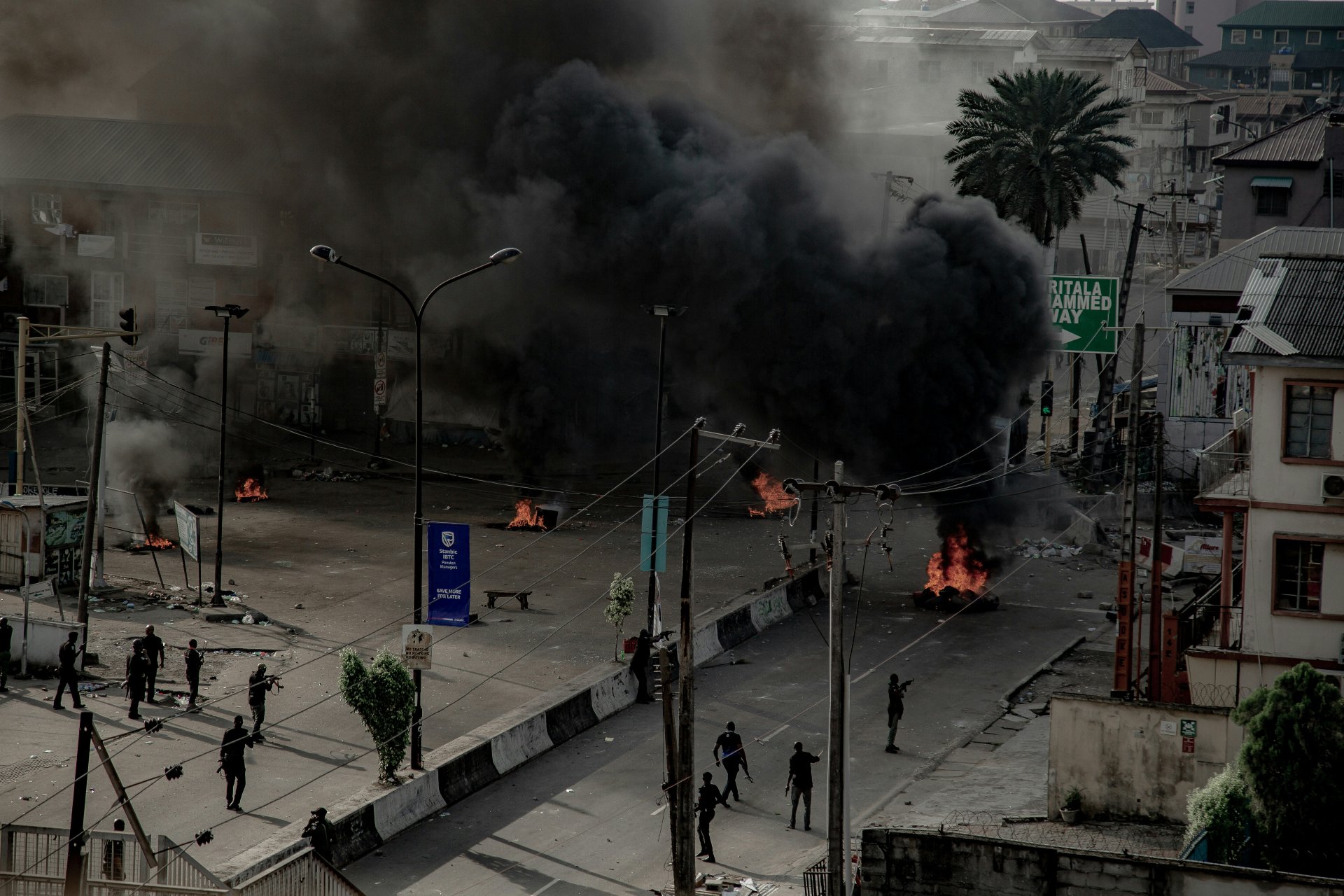
A common question is whether travelers can physically visit the embassy or consulate. In most cases, yes, travelers can appear in person for routine services or urgent matters. But during emergencies, political demonstrations or security incidents, diplomatic offices may temporarily restrict entry or adjust operations. It’s always best to call before approaching the building, especially if unrest is occurring nearby. Embassies can become symbolic gathering points during protests and travelers should avoid placing themselves in harm’s way.


Why Travelers Contact Their Embassy

Travelers contact their embassies for many reasons — some urgent, others routine. A lost passport, an unexpected hospitalization, a misunderstanding with law enforcement or simply confusion about local rules can send a traveler searching for help. Embassies offer key forms of support, including guidance, documentation and communication with authorities. During major crises such as political unrest, their role becomes even more important.

One of the most common forms of assistance involves passport replacement. If your passport is lost, stolen or damaged, consular officials can issue an emergency travel document or a full-validity replacement, depending on the circumstances. During civil unrest, they may accelerate this process so travelers can leave the country quickly. Many travelers do not realize that a missing passport, even if no emergency is occurring, can be resolved at any embassy or consulate overseas.

Another significant category of assistance involves crisis and repatriation support. When demonstrations escalate or political stability deteriorates, embassies monitor events closely and issue official guidance. They may instruct travelers to shelter in place, avoid specific areas or follow predetermined routes to safer locations. In some situations, they coordinate assisted departures or support repatriation efforts, though these operations depend on local conditions and are not guaranteed. Their role is advisory and coordinative, not a substitute for private rescue services.

Travelers also turn to embassies when they face arrest or detention, which can occur during political turmoil or even through misunderstandings. While consular officers cannot secure a traveler’s release or influence local legal proceedings, they can ensure access to legal representation, communicate with family members and monitor the traveler’s welfare in custody.

Medical issues are another common reason travelers reach out. Although embassies cannot pay medical bills or arrange medical evacuations, they can recommend hospitals, communicate on a traveler’s behalf and assist with documentation and coordination. When someone is injured during civil unrest, whether from crowd activity, police actions or accidents, this guidance becomes particularly valuable.

Embassies also help those who become victims of crime. Theft, assault and harassment often increase during periods of instability. Consular staff can explain how to report crimes to local authorities, assist in replacing passports and help victims communicate with family or support networks.


Non-Emergency Embassy Support for Travelers

In addition to emergencies, people visit embassies for everyday services: notarizing documents, registering births or deaths abroad, obtaining legal guidance, accessing limited emergency financial assistance, asking questions about local customs or submitting ballots for elections back home. These administrative functions often go unnoticed until travelers need them.

Finally, during political unrest, embassies act as information hubs. They issue safety alerts, advise travelers on movement restrictions and help citizens understand rapidly changing situations. Travelers, however, must also recognize that embassies have limitations. They cannot override local law, evacuate citizens by force, pay for hotels or transportation or provide armed protection. Their diplomatic mandate places clear boundaries around what they can do.

Understanding these boundaries is essential, because many travelers assume their government will physically rescue them in a crisis. In reality, embassies offer guidance, communication, documentation and coordination, not tactical rescue or medical evacuation.


The Global Rescue Connection

This is where Global Rescue becomes indispensable. While embassies provide critical diplomatic support, they are not designed to perform the operational tasks travelers most urgently need during emergencies, especially those involving danger, injury or unstable political environments. Global Rescue fills this gap with capabilities no government office can offer on demand.

With a Global Rescue membership, travelers gain access to field rescue, enabling extraction from the point of illness, injury or danger. They also receive medical evacuation to their home hospital of choice, medical advisory services staffed by expert physicians, security evacuation assistance during civil unrest and real-time travel intelligence to help them avoid hazards altogether.

Embassies guide you. Global Rescue gets you out.

Share This:

The Most Spectacular Rescues of 2025: Real-Life Tales of Field Rescue and Medevac Triumphs

Spotlighting some of the year's top rescues.

Article Highlights:

  • High-altitude helicopter evacuations on Mount Everest and nearby Himalayan peaks, with up to 25 rescues per day during peak season.
  • Medevac missions on Mount Kilimanjaro rescuing climbers suffering from edema, altitude sickness and respiratory emergencies.
  • Wide-scale helicopter rescues during major United States flooding events that required rooftop and swift-water extractions.
  • Grand Canyon National Park’s surge in helicopter rescues, with 13 extractions in a single week driven by heat illness, dehydration and injuries.
  • International medevac operations transporting injured or ill travelers from Costa Rica, Ecuador, Pakistan and other regions to hospitals capable of providing advanced care.


The year 2025 delivered some of the most remarkable rescue operations in recent memory. It highlighted exactly what Global Rescue does for its members whether it’s field rescue, medevac rescues or security extractions in an era of expanded remote adventure tourism, business travel to riskier destinations and leisure trips to regions with limited rescue infrastructure. Travelers are pushing themselves to more remote corners of the earth.

From the Himalayas to the deserts and from flood zones to remote jungles, expert rescue teams stepped into situations where minutes mattered and survival hung in the balance.

From the dramatic to the mundane and the technically demanding to the logistically challenging, Global Rescue successfully executed the most awe-inspiring rescues of the year, missions that demonstrate the extraordinary skill and coordination required to save lives when the world’s most unforgiving circumstances turn “oh, wow!” to “uh oh!”


High-Altitude Rescues in the Himalayas and Beyond

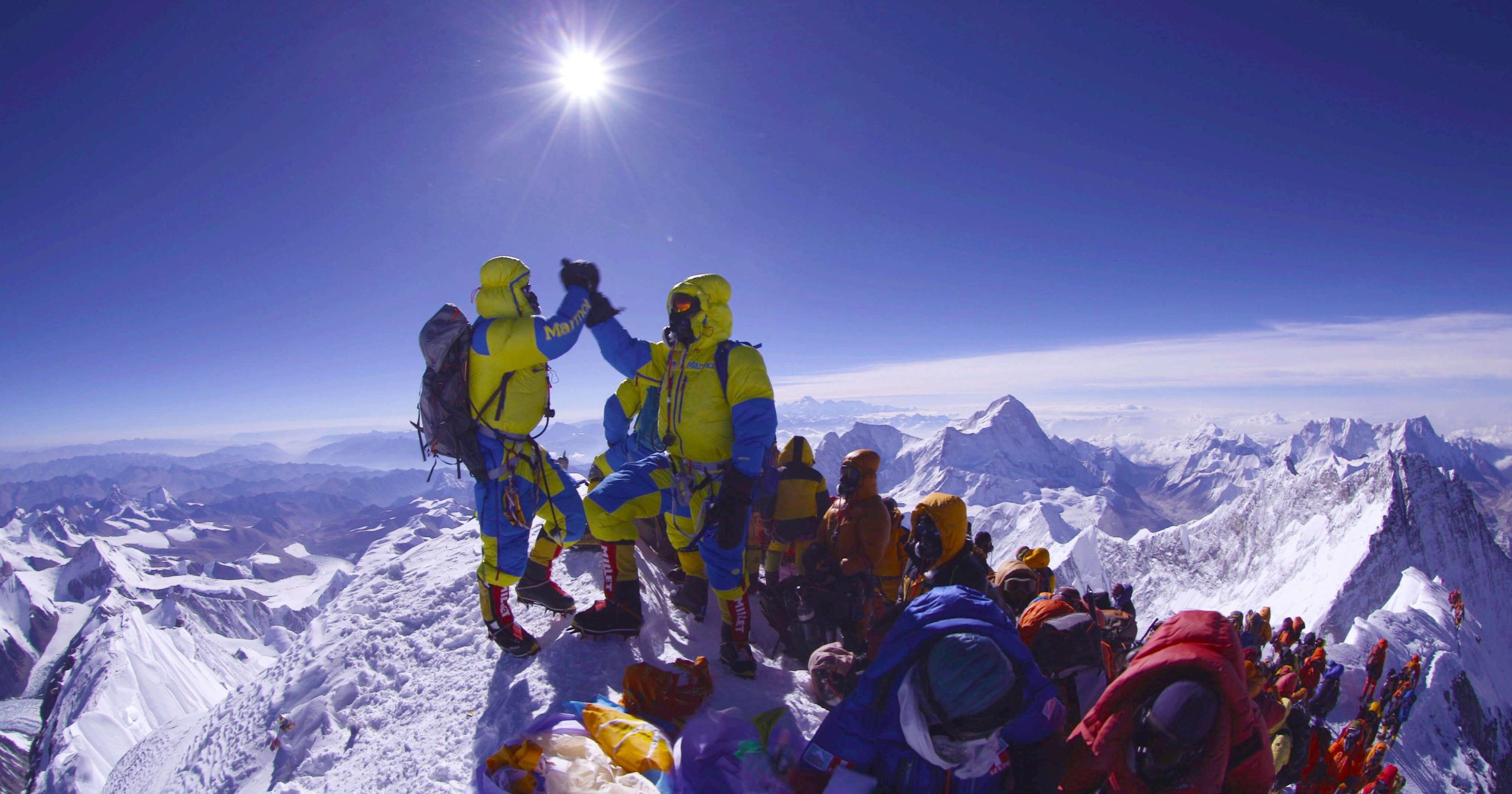
The top of the world is one of the most dangerous rescue environments anywhere and 2025 proved no exception. The Mount Everest climbing season brought a surge in rescue operations, with helicopter evacuations becoming a daily occurrence. At the height of the season, as many as 25 rescues per day were conducted in the Everest region and surrounding Himalayan peaks.

Many evacuations involved altitude-related illness, including high-altitude pulmonary edema and high-altitude cerebral edema, both of which can escalate from mild symptoms to life-threatening emergencies within hours. Other rescues addressed traumatic injuries from falls, frostbite cases and climbers incapacitated by exhaustion or hypoxia.

Beyond Nepal, dangerous high-altitude rescues unfolded on Mount Kilimanjaro as well. Climbers were evacuated for severe altitude sickness, respiratory complications, asthma attacks and edema. One climber suffering possible HACE became unable to walk and was rescued by helicopter from a high camp. Another climber experiencing chest pain, vomiting and hypoxia was airlifted for emergency treatment.

Each extraction at altitude is far more complex than a typical medevac. Thin air reduces helicopter lift, weather shifts rapidly and terrain offers little room for pilot error. These missions represent some of the most technically challenging helicopter rescues conducted anywhere in the world and the success of these operations in 2025 shows the increasing sophistication of global rescue efforts on the world’s highest mountains.


Water, Weather and Wilderness: Rescue in Extreme Environments

While high-altitude rescues made headlines, 2025 also delivered dramatic rescues in environments just as dangerous — flood zones, deserts and vast wilderness regions.

In the American Southwest, Grand Canyon National Park endured an intense early-summer heatwave. Backcountry rescues spiked, with park teams performing 13 helicopter extractions in seven days. Hikers experiencing severe dehydration, hyponatremia, heat stroke and traumatic injuries required rapid airborne evacuation from inner-canyon trails where ground teams could not reach them quickly enough.

Meanwhile, regions across the United States faced catastrophic summer flooding. In several states, helicopter rescue crews retrieved stranded residents from rooftops, cars, swollen rivers and entire neighborhoods cut off by rising water. These missions were conducted in fierce weather, strong winds and unstable conditions, where precision flying and rapid medical response were essential.

Elsewhere, wilderness rescues in remote forests, deserts and canyons required highly coordinated field rescue and medevac operations. Hikers and explorers facing broken bones, heat illness, severe dehydration, snake bites and traumatic injuries were extracted using both helicopter rescue and coordinated ground teams working in tandem.

These missions demonstrated the versatility of modern rescue operations, proving that helicopter rescue is not just a specialty for mountaineers, but a critical tool for flood survivors, stranded motorists, backcountry adventurers and anyone caught in a fast-developing emergency.


Road Accidents, Remote Trauma and International Medevac

Not all of 2025’s rescue stories involved extreme sports or natural disasters. Many of the most dramatic operations involved ordinary travelers experiencing major medical emergencies in locations without adequate healthcare.

In Central America, a traveler with a cervical spine injury required urgent medevac transport after a road accident. Local facilities could stabilize the injury but could not provide the specialized surgery required for recovery. A medical evacuation flight transported the patient to a higher-level trauma center abroad.

In South America, a motorcyclist struck in a remote area sustained a severe leg fracture. After stabilization in a small regional clinic, he was escorted on a commercial medical flight to return home for definitive surgery.

Across the high mountains of Pakistan’s Karakoram range, trekkers suffered frostbite, altitude illness and gastrointestinal distress severe enough to require emergency evacuation. Teams coordinated helicopter extraction, temporary medical stabilization in remote villages and international medical transport to facilities capable of managing the conditions.

Each of these operations demonstrates a growing global reality: travelers are exploring farther, hospitals do not exist everywhere and medical emergencies often occur where advanced care is not available. Medevac operations, whether by air ambulance or medically supported commercial flight, are increasingly essential to global mobility and safety.


The Expanding Importance of Helicopter Rescue in 2025

A notable trend in 2025 was the rising demand for helicopter rescue capabilities worldwide. More people are traveling to remote areas, extreme weather events are increasing and adventure tourism continues to grow. Helicopter rescue has become a primary response tool — not a last resort — for medical crises, disaster response and wilderness emergencies.

Across the globe, governments, private rescue organizations and travel assistance teams ramped up their helicopter fleets and training programs. The missions conducted this year illustrate why: helicopters can reach locations that ground responders simply cannot, including steep mountainsides, flooded neighborhoods, desert canyons and remote jungles.

The future of rescue will involve more aircraft, more specialized medical crews and more integration between local authorities and global rescue providers. The rescues of 2025 show how critical these capabilities already are, and how expanding them will save countless lives.


Why These Rescues Matter

The rescues of 2025 offer powerful lessons about risk, preparedness and the lifesaving potential of rapid response. They remind travelers and adventurers that remote environments come with unpredictable dangers and even carefully planned trips can turn into medical emergencies requiring immediate intervention.

They also highlight how essential global rescue infrastructure has become. A modern rescue is not just a helicopter or a medic; it is a coordinated system involving communications teams, medical consultants, logistics experts, regional authorities, pilots, paramedics and international transportation specialists.

What ties all of 2025’s most spectacular rescues together is a simple truth: without timely field rescue or medevac, many of these stories would have had very different outcomes.


The Global Rescue Connection

The events of 2025 clearly show that when emergencies unfold in the world’s most remote or dangerous environments, having access to field rescue, medevac and expert medical advisory services is essential. A Global Rescue membership provides the support necessary to coordinate and execute rescues like the ones described in this article.

Whether you are climbing at altitude, traveling internationally, volunteering abroad, trekking into wilderness terrain or simply exploring unfamiliar destinations, unexpected medical emergencies can strike without warning. Global Rescue ensures that you are not alone when they do. With access to evacuation, medical advisory, field rescue teams and worldwide medevac capabilities, travelers can explore with confidence knowing that expert help is always within reach.

Categories:

Travel
Share This:

Japan: The Dream Trip Travelers Want Most

Discover why Japan tops so many travelers' dream trip list.

Article Highlights:

  • Japan tops global dream-trip rankings and Kyoto is among the top three destinations recommended for first-time international travelers.
  • Kyoto offers temples, traditions, world-class cuisine and an easy introduction to Japan’s culture.
  • Adventure travelers flock to Mount Fuji, the Alps and Hokkaido for climbing, trekking and exceptional ski conditions.
  • Japan’s risk rating is low, with minimal crime but notable seismic activity and a moderate health-risk profile.
  • Strict medication rules and language barriers in medical settings make pre-trip preparation essential.


If every traveler in the world could unwrap one dream trip, the latest Global Rescue Fall 2025 Traveler Sentiment and Safety Survey says the winner is clear: Japan. Nearly one in four respondents chose Japan as their ideal “travel gift” destination and the enthusiasm is even stronger among non-US travelers, where almost a third picked it. Its blend of neon skylines and centuries-old shrines — bullet trains, bamboo forests, world-class sushi and ultra-modern convenience — makes it feel like several vacations in one.

The survey also asked: If you could send someone abroad for the very first time, where would you send them?

Kyoto, Japan, ranked in the top three worldwide, with 9% of respondents selecting this city of temples, tea houses and traditional machiya townhouses as the perfect introduction to international travel. That kind of endorsement from experienced travelers says a lot about how welcoming, accessible and unforgettable Japan can be.


Why Japan Works for Every Type of Traveler

Japan is unusually versatile. Few destinations meet the needs of leisure, adventure and business travelers as seamlessly.

For leisure travelers, Japan offers classic bucket-list experiences: cherry blossoms blush over Tokyo parks in spring, Kyoto’s temples glow in autumn, mountain onsen villages offer soaking in mineral-rich pools and sushi masters turn seafood into edible art.

Adventure travelers flock to its landscapes. Mount Fuji offers a manageable yet majestic climb in summer, while the Nakasendō trail and Japanese Alps offer multi-day treks through dramatic terrain. In winter, deep powder in Hokkaido and Nagano draws skiers and snowboarders from around the world.

Business travelers appreciate the reliability: trains timed to the second, airports connected to city centers, meeting culture built on punctuality and widespread high-speed connectivity. The country is also ideal for “bleisure” — extend a business trip by riding the Shinkansen to Kyoto or soaking in a Hakone hot spring with Fuji views.


Kyoto: A First-Timer’s Perfect Introduction

Kyoto is the city seasoned travelers recommend to anyone who has never been abroad. It’s accessible yet deeply cultural, offering softer edges for new international travelers.

Here visitors can:

  • Walk through the iconic vermilion gates of Fushimi Inari.
  • Watch sunlight glint off the Golden Pavilion (Kinkaku-ji).
  • Wander Gion’s narrow lanes at dusk, where lanterns glow and the silhouette of a geiko might appear.

Culinary travelers adore Kyoto’s food culture, from kaiseki tasting menus to tofu-based specialties and neighborhood sushi counters. It’s a city where history and hospitality blend seamlessly.


Japan’s Adventure Menu: Fuji, Snow and Sea

Adventure in Japan is both dramatic and accessible.

Mount Fuji is the nation’s most famous peak and a symbol recognized worldwide. The official climbing season (July–September) offers mountain huts, staffed stations and well-marked trails. Still, altitude, weather and crowds mean hikers must prepare properly.

Hokkaido and the Japanese Alps offer some of the world’s lightest, driest powder. Resorts such as Niseko, Hakuba and Furano attract beginners, families and expert skiers alike. After ski days, onsen baths framed by falling snow are a quintessential Japanese experience.

Warm-weather travelers can head to Okinawa’s turquoise waters for diving and snorkeling or kayak along rugged coastlines in Honshu and Shikoku. Japan’s waters are clean, clear and attract marine-life enthusiasts and paddlers year-round.


Business + Leisure: Japan’s Seamless Mix

Japan excels at hosting business travelers — and tempting them to stay.

Tokyo and Osaka are global corporate hubs with cutting-edge hotels and convention facilities. After hours, travelers can hop a train to a coastal ryokan, visit a Michelin-starred sushi bar or spend a weekend hiking among cedar forests or skiing on fresh snow.

Cultural etiquette adds depth: exchanging business cards, polite greetings and orderly meetings make interactions feel intentional and respectful. Combined with extraordinary food and efficient infrastructure, business trips frequently become longer explorations.


Risk Overview: Low Risk With Natural Hazards

Japan’s overall risk rating is Low, thanks to a low security risk and a moderate health risk profile.

Japan is one of the safest countries in the world. Violent crime rates are low, public transportation is safe and clean and petty crime is rare. However:

  • Women sometimes report unwanted touching or harassment on crowded trains.
  • Women-only train cars are available on many routes during rush hours.

Japan experiences frequent seismic activity. Earthquakes can cause infrastructure disruption or, rarely, tsunamis. Travelers should understand hotel evacuation procedures, pay attention to local alerts and know the “drop, cover and hold” basics.

Medical care in Japan is high-quality, but not all hospitals have English-speaking staff. Visitors usually must show proof of ability to pay before receiving treatment.

Vaccines:

  • None are required for entry.
  • Travelers should be up-to-date on routine vaccines (MMR, DPT, polio, varicella).
  • Hepatitis A, Hepatitis B and seasonal influenza vaccines are commonly recommended depending on itinerary.
  • Those engaging in significant outdoor activities or long rural stays may discuss Japanese Encephalitis or rabies vaccination with their provider.

Food Safety:

Japan has strict hygiene standards. Still, travelers should avoid undercooked meats, unpasteurized dairy and poorly refrigerated foods. Sushi is generally very safe in reputable establishments due to strict handling standards.

Medication Restrictions:

Japan has some of the strictest medication-import rules in the world. Certain common prescriptions or OTC medications may be restricted or require special documentation. Travelers should bring sufficient quantities in original packaging with a physician’s letter.


Why Japan Deserves Its #1 Spot

Japan earns its place at the top of global travel wish lists because it offers:

  • A welcoming environment for first-time international travelers.
  • Culinary excellence that ranges from simple ramen to refined sushi craftsmanship.
  • Some of the best hiking, climbing, skiing and coastal adventures in Asia.
  • A harmonious blend of tradition and modernity that feels both inspiring and immersive.
  • A safety profile that is strong overall, with natural-hazard awareness and medical-preparation considerations easily managed with planning.

Japan is one of the rare destinations where travelers return again and again and always find something new.


The Global Rescue Connection

No matter how safe a destination may be, emergencies still happen, especially in a country where earthquakes, typhoons and remote mountain trails are part of the landscape. A slip on a Fuji descent, a skiing injury in the Alps or a sudden illness in a rural town without English-speaking physicians can alter your plans quickly.

A Global Rescue membership ensures travelers have access to:

  • Field rescue
  • Medical evacuation to the hospital of their choice
  • 24/7 medical advisory support
  • Security advisory services during natural disasters or disruptions

If Japan is on your travel wish list, or if you’re gifting someone their first-ever trip abroad, pairing it with Global Rescue means they can explore Kyoto’s temples, climb Mount Fuji or savor perfect sushi with confidence and protection.

Categories:

Press Release
Share This:

Travelers Embrace Translation Apps to Connect Abroad; Women Use Translation Tools Most Often

(Lebanon, NH – December 15, 2025) – More than half of the world’s most experienced travelers use translation apps to help them navigate language barriers, with women and non-US travelers leading the way, according to…

(Lebanon, NH – December 15, 2025) – More than half of the world’s most experienced travelers use translation apps to help them navigate language barriers, with women and non-US travelers leading the way, according to the latest Global Rescue Fall 2025 Traveler Sentiment and Safety Survey.

Overall, 59% of travelers reported using translation apps during trips. The share was higher among women (61%) and non-US respondents (62%) compared to men (60%) and US travelers (59%). Only 38% said they do not use translation tools.

The primary reason travelers turn to translation apps is practical: communication with locals — such as reading menus, ordering food or asking for directions — cited by nearly six in ten respondents (59%). Women (60%) were slightly more likely than men (57%) to use translation tools for this purpose. Non-US travelers, however, were more inclined to use translation apps to gain independence and confidence while traveling (15%) compared to US travelers (9%).

“Translation apps have become a quiet but vital part of the modern traveler’s toolkit,” said Dan Richards, CEO of The Global Rescue Companies and a member of the US Travel and Tourism Advisory Board at the US Department of Commerce. “They help break down barriers, allowing travelers to connect, navigate and explore more confidently, even when language is a challenge.”

While translation apps make travel easier and more accessible, they’re not foolproof. Subtle nuances, slang and cultural expressions can cause errors or misunderstandings. Experts recommend using them as helpful tools — not as a substitute for learning a few key local phrases.

Gaining popularity are real-time translation apps — which instantly translate spoken conversations. More than half of all respondents (54%) said they have used them during international travel. Women were slightly more likely than men to have tried real-time translation (55% versus 53%), while usage was lower among non-US travelers (51%) than US travelers (55%). Another 28% said they haven’t used real-time translation apps yet but plan to.

“The data show that travelers value tools that make communication easier, but adoption still varies,” Richards said. “Technology is closing the gap between languages, helping travelers feel safer, more independent and more engaged in their surroundings.”

###

About the Global Rescue Traveler Sentiment and Safety Survey

Global Rescue, the leading travel risk and crisis response provider, surveyed more than 1,600 current and former members between October 7–13, 2025. Respondents shared their attitudes, behaviors and preferences related to travel safety, technology and global mobility.

About Global Rescue

Global Rescue is the world’s leading provider of medical, security, evacuation and travel risk management services to enterprises, governments and individuals. Founded in 2004, Global Rescue maintains exclusive relationships with the Johns Hopkins Emergency Medicine Division of Special Operations and Elite Medical Group. The company has provided medical and security support during every major global crisis over the past two decades.
For more information, visit www.globalrescue.com.

Categories:

Travel
Share This:

Supersonic Travel In, Nightlife and Screen Time Out

Learn why modern travelers are choosing depth over nightlife and speed over everything else.

Article Highlights:

  • Good night, nightlife — travelers are choosing natural beauty, authenticity and history-rich destinations instead.
  • Interest in supersonic jets is rising, but cost and caution limit immediate adoption.
  • Screen time reduction and digital disconnection are becoming central to travel satisfaction.
  • Hidden gems and off-the-beaten-path experiences are more appealing than iconic landmarks.
  • Time-saving travel programs show travelers value efficiency and peace of mind.


Travelers are redefining what matters most in their trips. Nightlife barely makes the list. According to the Global Rescue Traveler Sentiment and Safety Survey, modern travelers are increasingly motivated by natural beauty, cultural authenticity, historical depth and meaningful immersion over club scenes, party districts or late-night entertainment. At the same time, interest is rising in the return of supersonic passenger flights, highlighting a fascinating paradox: travelers want quieter evenings but faster transportation.

This shift reveals a blend of mindfulness and efficiency shaping the next era of international travel. The data paints a clear picture: less nightlife, less screen time, more purpose and more speed.


Good Night to Nightlife

When travelers were asked what motivates them most when choosing a destination, 35% chose natural beauty and immersive outdoor experiences. This preference outpaced iconic attractions (27%) and cultural activities (23%), reflecting a desire for substance over spectacle. Women were especially drawn to authentic culture and community, while non-US travelers placed slightly more value on natural environments than Americans.

Nightlife, meanwhile, doesn’t even enter the conversation. Only 2% of respondents said nightlife influences their destination decisions and nearly half (46%) said it holds no influence whatsoever. Travelers want depth, not distraction, connection, not noise, meaning, not midnight revelry.

The diminishing importance of nightlife correlates with another trend: travelers actively working to unplug. Only a third of travelers said digital disconnection is “not important,” meaning the majority actively seek ways to reduce their screen time on the road. Women and non-US travelers are more likely to value digital downtime, indicating that the desire for tech-free experiences is growing across demographics.

Destinations rich in history and natural wonders — places where Wi-Fi is optional rather than essential — are the biggest beneficiaries of this shift.

The de-emphasis on nightlife also aligns with the types of activities travelers value most. Hiking and trekking dominate motivations at 50%, followed by hunting and fishing (35%) and scuba or snorkeling (23%). Women lean toward hiking and wellness; men skew toward hunting and overlanding.

This preference for physical, outdoor experiences reflects a broader recalibration of what travel is meant to accomplish. Travelers want renewal, serenity and connection to nature, instead of adrenaline, stimulation and the hustle and bustle of a city.


Hidden Gems Triumph Over Icons

Travelers overwhelmingly prefer hidden gems to the most famous spots. Nearly two-thirds (65%) say they want unique, lesser-known destinations, with women and non-US travelers showing the strongest inclination toward going off the beaten path. These preferences align with a broader rejection of mass tourism, crowds and cookie-cutter itineraries.

Similarly, historic appeal dominates modern aesthetics. A remarkable 75% of respondents choose destinations based on their historical significance. Travelers are no longer chasing the newest skyline; they’re chasing the oldest stories.


Supersonic Travel Returns, and Opinions Split

While nightlife and screen-filled evenings lose relevance, the opposite is happening with next-generation speed. After a two-decade absence of commercial supersonic service, the idea of a supersonic jet crossing the Atlantic in just 3.5 hours is igniting both curiosity and caution.

US travelers are slightly more enthusiastic than global respondents: 31% said they would book a $3,500 round-trip seat on a low-noise supersonic jet from New York to London, compared to 26% of non-US travelers. Men were marginally more likely than women to book such a flight, though women were more likely to express a tentative “maybe.”

Why the hesitation? Cost, skepticism about a new technology, safety considerations and environmental concerns all factor into the decision. But one thing is clear: the resurrection of supersonic travel has rekindled travelers’ imagination about how fast we can get there.

If travelers are lukewarm on supersonic booking today, they are fully engaged in time-saving airport efficiency right now. US travelers are far more likely to be enrolled in trusted traveler programs such as TSA PreCheck or Global Entry, with 64% saying they’re already members. Meanwhile, more than one in five non-US travelers plan to join similar programs soon.

Interestingly, men tend to prioritize the time savings of membership, while women are more motivated by reducing stress and navigating travel with greater ease.


A New Definition of Travel

Taken together, these trends show that the modern traveler is evolving. Their priorities are less about recreation and more about reflection. They want deeper experiences, quieter evenings and more thoughtful trips, all while staying open to innovations such as supersonic aircraft that make faraway places more accessible.

The move away from nightlife is not a rejection of fun; it’s a shift toward a different kind of fulfillment. The excitement once found in rooftop bars is now found in remote national parks. The thrill once delivered by strobe lights and music will soon be delivered by record-breaking flight speeds or discovering a local tradition in an unmarked village.

Travelers are redefining adventure, and the next decade will reflect this balance between introspection and innovation.

The Global Rescue Connection

As travelers pursue quieter nights, deeper meaning and faster ways to explore the world, preparation remains essential, no matter the destination or flight speed. A Global Rescue membership provides peace of mind through field rescue, medical evacuation, travel intelligence, medical advisory services and more. Whether you’re trekking to a hidden gem, disconnecting from technology in a remote landscape or crossing the ocean at supersonic speed, Global Rescue ensures you’re protected when the unexpected happens.

Share This:

Fishing Hotspots: Spring’s Best Places to Catch Mahi, Marlin, Trout and More

Explore the best international global fishing from March to May.

Article Highlights:

  • Prime spring mahi, tuna and marlin season fuels deep sea action in the Bahamas.
  • Belize delivers world-class flats fishing for permit, tarpon and bonefish.
  • Baja shines with striped marlin offshore and roosterfish and yellowtail inshore.
  • The Florida Keys host the iconic tarpon migration, a fly-fishing spectacle.
  • Chile and Argentina offer exceptional late-summer trout fishing in Patagonia.


From the tropical flats of the Bahamas to the icy rivers of Patagonia, the months of March through May open the door to some of the most dynamic fishing opportunities on Earth. As seasons transition across the hemispheres, global fisheries awaken in powerful and diverse ways. Whether your passion is deep sea action with mahi, tuna and marlin, the finesse of stalking bonefish on sunlit flats or battling wild trout in the pristine waters of Chile and Argentina, spring offers a wealth of remarkable experiences.

Across the globe, March to May are ideal months when warming waters, seasonal migrations and ecological rhythms converge, and make each destination unforgettable.


Bahamas: A Springtime Playground for Offshore Giants and Flats Favorites

When anglers dream of spring fishing, the Bahamas often sits at the top of the list. As March arrives, the waters surrounding the islands begin to teem with migratory pelagics, turning the offshore grounds into a paradise for deep sea enthusiasts. This is prime time for mahi, whose acrobatic leaps and electric colors are among the most thrilling sights in tropical fishing. The season also brings an influx of tuna, including blackfin and yellowfin, celebrated for their speed, strength and culinary excellence.

April and May mark the rise of early-season marlin, giving anglers the chance to battle one of the world’s most iconic blue-water predators.

Yet the Bahamas is equally legendary for its shallow-water magic. The endless flats host one of the most consistent bonefish populations in the world. With warming temperatures and clear visibility, spring is an ideal time to stalk these fast, elusive fish in shimmering, ankle-deep water.

Whether you’re poling across sunlit flats or chasing mahi offshore under open Bahamian skies, the islands deliver a springtime feast of fishing adventure.


Belize: Permit, Tarpon and Sailfish in a Compact Angler’s Paradise

Just a short flight from the United States, Belize packs world-class fishing variety into a compact, accessible country. From March through May, it becomes one of the most desirable fishing regions on Earth, especially for fly anglers.

The shallow flats of Belize are synonymous with permit and spring is one of the most productive windows of the year. These notoriously difficult fish reward finesse and precision and encounters increase significantly during these months.

Tarpon activity also ramps up, especially the big migratory fish that begin arriving in late April and May. These powerful silver giants, capable of spectacular leaps and blistering runs, offer one of the most exhilarating experiences in all of angling.

Offshore, Belize adds another layer of excitement. Spring waters attract sailfish, along with marlin, wahoo and tuna. Few destinations on Earth offer this blend of flats perfection and big-game blue-water opportunity.


Baja Mexico: Marlin, Roosterfish and Yellowtail in a Desert-Meets-Ocean Wonderland

Spring in Baja is a dramatic convergence of desert beauty and rich ocean life. From March through May, its waters deliver some of the world’s most exciting sportfishing.

The region is especially famous for its striped marlin fishery. Offshore from Cabo San Lucas, San José del Cabo and the East Cape, anglers often encounter some of the highest concentrations of striped marlin anywhere. Sight-casting to feeding marlin is a unique thrill offered during these months.

Baja is also revered for its roosterfish. Known for their dramatic dorsal fins and explosive strength, roosterfish peak in late April and May along the Sea of Cortez coastline. Anglers often target them close to shore with live bait, lures or flies.

Yellowtail, aggressive and excellent eating, remain strong throughout spring. These fish thrive around rocky reefs and other structure and are ideal targets for jigging or live-baiting.

With its mix of offshore and inshore action, Baja offers some of the most diverse spring fishing on the planet.


Florida Keys: The Tarpon Migration Defines Spring

No global fishing calendar is complete without the Florida Keys, especially between March and May. This stretch marks the beginning and peak of the tarpon migration, one of the greatest natural events in saltwater fly fishing.

Anglers gather from around the world to sight-fish these massive fish as they move along oceanside flats or roll through backcountry waters. The combination of shallow, clear water and fish exceeding 100 pounds creates a test of skill, stealth and endurance unlike any other.

Beyond tarpon, spring offers strong opportunities for bonefish and permit, completing the inshore super slam. Offshore, warming waters bring increasing numbers of mahi, adding variety to the season.

Spring is simply one of the most magical times to fish the Keys.


Chile: Trout Nirvana in Pristine Patagonia

While the Northern Hemisphere warms, Chile transitions from late summer into early autumn, an exceptional period for freshwater anglers. Patagonia, with its dramatic peaks and glacier-fed rivers, is a paradise for trout fishing.

March and April deliver some of the best conditions for brown and rainbow trout as cooler waters stimulate more predictable feeding behavior. Fly fishing dominates the region, with streamers, nymphs and dries all effective depending on river levels and local conditions.

Even into May, many rivers remain productive and late-season insect activity often provides memorable dry-fly opportunities. The combination of spectacular scenery and aggressive trout makes Chile a premier springtime destination.


Argentina: Trophy Trout and Dorado During the Autumn Transition

Across the Andes, Argentina offers equally impressive fishing from March through May. In Patagonia, cooler temperatures trigger feeding cycles in trout, especially browns and rainbows preparing for the spawn. Many anglers consider autumn one of the top times to fish Argentina’s rivers and lakes.

Northern Argentina adds a warm-water contrast: golden dorado. These fierce, acrobatic predators thrive in warm, tannic waterways and March and April provide excellent chances to target them before water temperatures cool in May.

For anglers seeking variety, few countries offer the range of opportunities found in Argentina during these months.


The Global Rescue Connection

Fishing adventures — offshore, on remote flats or deep in the mountain wilderness — carry inherent risks. Whether you’re battling mahi in the Bahamas, stalking permit in Belize or wading into Patagonia for trout, emergencies can arise far from help. A Global Rescue membership provides critical protection, including field rescue, medical evacuation, medical advisory, security assistance and more. When your adventures take you off the beaten path, Global Rescue is the support system you want on your side.