Categories:
Press ReleaseApril 27, 2020
(Lebanon, NH – April 27, 2020) Travelers grounded due to the pandemic are willing to take several measures many would have once found objectionable to reduce the risk of a renewed spread of coronavirus as a condition of restarting travel.
“Many travelers are planning to hit the road again this summer and they are willing to share personal medical history and travel plans to help keep themselves and those around them safe,” said Global Rescue CEO Dan Richards.
Global Rescue, a leading travel risk and crisis response provider, conducted a survey of its members who revealed a range of support for a variety of precautionary measures if it meant a return to leisure and business trips domestically and internationally.
Safety Measure Tolerance
- 91% are willing to subject themselves to screening and testing
- 73% are willing to disclose medical conditions related to a compromised immune system
- 93% are willing to share their past 14-day travel history
- 58% are willing to have their physical location tracked and traced with data temporarily retained
Travel Expectations
The survey uncovered high expectations among most travelers to begin making trips again no later than early fall.
- 77% are expecting to make a trip by the end of October
- 41% expect to make their next trip by July or earlier
- 36% are planning their initial trip sometime between August and October
- Less than 9% believe their earliest post-pandemic trip will be during the holiday months of November and December
- Less than 7% expect to make their first trip sometime between January and March 2021
- 7% predict their next trip won’t be until sometime after April 2021
Respondents, who are among the most experienced travelers in the world, revealed their first travel itineraries will be domestic ventures by a two-to-one margin over international excursions. Nearly 75% of initial trips will be family vacations, leisure trips to visit friends, or destination getaways. Fewer than 10% expect their first trips to be for business only while 15% report their initial travel plans will be for both business and pleasure.
More than 42% of respondents reported they were forced to cancel their travel plans, 16% said they voluntarily abandoned trips, while 27% postponed their trips. Nearly 60% of respondents who canceled or postponed travel expect to book another trip as soon as they feel safe. Thirteen percent report they will reserve another trip to take advantage of travel discounts and deals. Less than 1.5% plan to spend their money on other things unrelated to travel.
About Global Rescue Survey
Global Rescue is the world’s leading provider of medical, security, evacuation and travel risk management services to enterprises, governments and individuals. The survey is based on 1,300 responses collected from Global Rescue members on April 23-24, 2020.
About Global Rescue
Global Rescue is the world’s leading provider of medical, security, evacuation and travel risk management services to enterprises, governments and individuals. Founded in 2004, Global Rescue has exclusive relationships with the Johns Hopkins Emergency Medicine Division of Special Operations and Elite Medical Group. Global Rescue provides best-in-class services that identify, monitor and respond to client medical and security crises. Global Rescue has provided medical and security support to its clients, including Fortune 500 companies, governments and academic institutions, during every globally significant crisis of the last decade. For more information, visit www.globalrescue.com.
Categories:
NewsApril 27, 2020
Categories:
NewsApril 27, 2020
Categories:
Health & SafetyApril 22, 2020

As news of growing coronavirus cases and death tolls dominate headlines, it can be hard enough to manage your own feelings, let alone those of your children. As a parent in a particularly unpredictable time, it’s natural to be concerned for the health and well being of others.
Having conversations about coronavirus with your children is not only important, it’s also recommended. But amid unprecedented circumstances where parents are also trying to balance “work from home” and remote learning, among other things – it’s okay to not be perfect.
“Don’t hold yourself to perfection,” said Dr. Claudia Zegans, a general pediatrician with nearly 30 years of experience and medical director at Elite Medical Group.
Be Alert To Anxiety
Children will express anxiety in a variety of ways depending on a number of factors like, age, developmental stage and their relationship with you.
“Smaller children might show a change in behavior. They might become irritable, they might be clingy, they might be quieter than usual or they might act out,” Zegans said.
For Zegans, it can be hard to predict. Small children might not have the words to express how they are feeling, but even some older children who may have the words still have trouble expressing themselves and may simply run to their room and slam the door.
Teenagers may be easier to read, as you might physically see signs of anxiety in their face or hear it in the way they are talking and their tone of voice.
“It’s okay if your child is showing a change in behavior and you don’t know quite what’s going on. It’s also okay for you to initiate the conversation with your child,” Zegans said. “Bringing something up does not make it worse. Bringing something up allows it to air.”
Even in the midst of a pandemic, there are ways to seek face to face help. Consider a telehealth visit, which Zegans points out as the perfect opportunity to avoid coming into the office when you don’t want yourself or your children to be exposed to coronavirus or other infectious diseases.
“You have the opportunity to both see the parent and the child in their home environment or whatever environment the parent wants to bring you into and it gives you the opportunity to talk to both the parent and the child, real-time, in the same way that you would in the office,” Zegans said.
Control What’s Controllable
As parents, it’s perfectly natural to feel a little out of control in the midst of an unpredictable situation. Instead of focusing on feeling out of control, Zegans notes it’s important to focus on the areas where you do have control.
“I think hygiene and infection control are things that are really useful for both parents and kids,” Zegans said.
Zegans points to the popular “be a germ buster” campaign often used to teach young children about the importance of hand washing.
“Teaching them these practices and other good hygiene is giving them a piece where they can have some control and some power in helping the situation,” Zegans said.
Zegans also notes that social distancing is a form of hygiene. You might want to explore ways to make the term a little more tangible for young children. Consider playing a gentle game of tag with a pool noodle or a soft object that’s approximately six feet long to help your child learn.
Games are a great way to practice modeling, which Zegans notes is more effective than really any kind of education that you are giving to them.
“If they see you practicing good hygiene, social distancing, staying at home, wearing a mask, following the guidelines from our leaders, scientists and physicians, they will be more likely to not only go along with it but feel comfortable doing it,” Zegans said. “Feeling like they are actually doing something to help can calm them during this time of unpredictability.”
Emphasize Limits
In today’s climate, access to information is widely available, not only online and on television but also through communication with friends and family. If your children are out of school and at home, it’s important to filter information.
To do this, Zegans suggests thinking about it in terms of developmental stages, while also keeping in mind that you know your child best.
“In general, you’re going to want to try to avoid children seeing frightening images or hearing discussions where people are frightened, such as graphic or dramatic explanations or descriptions of illness or death,” Zegans said.
For school aged children and younger children, it’s even more important now to be aware of what they are seeing on the screen and what access they have to things online.
As kids move into high school and teenage years, they’ll naturally have more access to being online. If you can’t filter the information they’re seeing, you’ll want to make sure you’re aware of what they are seeing. Make an effort to be present when they are online and limit the amount of time they spend unattended with their devices.
“Although as a parent, I will tell you that this is a rule that is virtually impossible to follow. It’s very tough for them not to take their phone into their room,” Zegans said.
In addition to setting limits with your children, also take into account your own habits that might expose your children to information. You might not even notice some of these habits, like listening to the radio while working from home or cooking with the television on.
Embrace Communication
The good part about a lot of families being home, is that you’re all home. While it can also cause stress, it can also create more opportunities for casual interactions and organic conversations.
“Families will address these issues in a variety of ways. Every family is different and every kid is different,” Zegans said. “Some families like to have a set time where they come together and talk about what each person is experiencing.”
Family dinners and short car rides are also good times for organic conversation, especially with college-age kids, who will be receptive to more direct questions and can often take the lead.
“College students and above are going to be able to have a mature conversation. You don’t have to wait for them to receive information, you can be proactive,” Zegans said.
Let Yourself Off The Hook
As a parent, approach conversations with your kids by first giving yourself permission to not be perfect and then a little compassion.
For Zegans, it’s easy to begin these conversations by making sure you’re calm and in a comfortable place to talk, with ample time for discussion. The truth is, that’s not always possible.
“As much as possible for yourself, try to be sure you’re honest in your presentation with your children, that you can be calm, that you feel like you can think things through and not be reactionary,” Zegans said. “Those are all things that are hard to do but they are good to think about.”
Once you’ve calmed your own mind, Zegans has similar advice for the type of tone to take with your children – and even more importantly, tips for what to do if you don’t nail it on the first try. You can’t always control how you react when you’re in the middle of a conversation, but there are things you can fall back on.
“When I feel myself starting to get reactionary, I fall back on ‘get curious’ and rather than coming out with any kind of emphatic statement, I will say, ‘well that’s interesting, tell me more about that.’”
The simple question flips the conversation and gets your child talking, while allowing you to regain your footing and collect your thoughts.
“It’s easy for people to say you want to keep a calm tone, you want to be sincere, you want to be supportive in your tone, try not to be emotional – and all of those things are true, but what that doesn’t address is that we are all human,” Zegans said. “Your child might say something that’s going to make you cry. That’s not a bad thing.”
Instead of striving for perfection in your tone, strive for honesty.
The bottom line is that talking to your kids about coronavirus really isn’t that much different than talking about any of the myriad of things that come up in life that might create uncomfortable, difficult or emotional feelings. You know your family best and you know yourself best, so have confidence that however the conversation goes, you are steering it in the way that is best for all of you in that moment.
Categories:
Health & SafetyApril 17, 2020

In a matter of days, the world as we knew it changed forever: we are now living in the midst of a pandemic.
This is something no one expected. Companies are scrambling to adjust to the sudden demands of travel bans, social distancing and quarantines — all while putting new policies in place to safeguard the health of their employees and customers.
Global Rescue has been working around the clock to counsel companies on how to navigate the very real risks now facing their stakeholders — and how to advance those protections when the current crisis subsides so companies are able to meet their duty of care to their employees and other stakeholders.
TotalCareSM is proving to be crucial in addressing those risks
As cases rise around the globe, it’s no secret doctors’ offices and hospitals are not the places to be. They are overwhelmed with cases; supplies and staff are limited. Unless in an emergency, it is imperative that your employees stay home and practice social distancing to remain healthy and decrease the spread of the virus.
That’s why TotalCare is so valuable. It allows your employees access to expert medical diagnosis, treatments and prescriptions from board-certified doctors via real-time video consultations, without having to break social distancing protocols.
Yet, TotalCare is not just for pandemics and lockdowns. The pandemic will abate and business will return to normal. The business leaders who are prepared to protect their workforce will rebound sooner and better.
TotalCare is an important part of that rebound. It is a long-term service providing you and your employees access to trusted physicians who are familiar with global traveler medical concerns. It’s access people want, especially when they are in a situation with foreign medical professionals and need a home country perspective.
One of our clients in international educational experiences uses Global Rescue services at least once per trip. They have relied on our medical operations teams for food poisoning, head injuries and most recently, a potential case of COVID-19.
Based on a recent survey of our members, they want access to telehealth services, like TotalCare, as an additional resource when traveling outside of their home country by a 9-to-1 margin.
An Unbeatable Combination: Global Rescue Travel Services & TotalCare
When combined with Global Rescue travel services, our clients get the most value out of TotalCare. With TotalCare, your employees will be assessed over video chat. From there, we will help them track down a local pharmacy, or a hospital, if they need in-person treatment. On top of that, our providers will be in touch with local health departments to make your employees aware of the latest COVID-19 restrictions and any other health concerns present in their country.
All this and you will still have our complete suite of enterprise-level services. In fact, Global Rescue is the only fully integrated provider of travel risk, crisis management and staffing solutions.
With TotalCare your employees will have access to:
A dedicated care team: World-class Elite Medical Group (EMG) doctors are part of the same practice. This approach ensures continuity of care. You always get an EMG physician, which sets TotalCare apart from other services.
A customizable pricing structure: ER visits can cost thousands of dollars. But TotalCare consults often cost less than most copays and are uniquely customizable and scalable to the needs of your organization. For instance, your company could allot a number of consults to each employee, offer no-cost consults to employees, split the costs with your employees or require employees to pay per consult.
Worldwide access: Whether it’s at home in the middle of the night or your employees are traveling on business, access is available.
Licensed doctors in all 50 states: Board-certified doctors are licensed in all 50 states. Doctors have the ability to prescribe and order labs or diagnostic imaging if needed.
How It Works
If one of your employees has a medical concern, they would follow three simple steps:
- Request a Consultation: Access doctors 24/7 with no wait times, available on the phone or on the web.
- Consult a Doctor: Once your medical history and symptoms have been obtained, you will be placed into a live video conference with a board certified, licensed doctor.
- Receive a Treatment Plan: If a prescription is needed, it will be sent directly to your pharmacy of choice. Doctors can also order lab work or diagnostic imaging if needed.
“Many of our cases have started out using TotalCare and ended with the travel services,” said Dr. Claudia Zegans of Elite Medical Group. “It’s a powerful addition to our travel membership and we see them work together all the time with very high client satisfaction. Every single person who uses this service absolutely loves it.”
The personal nature of TotalCare is also one of the big differentiators between other telemedicine services. Every case receives a follow-up and doctors make sure patients are on the road to recovery before they part ways.
“Telemedicine cases are often handled as a one and done. There is no ongoing relationship or responsibility,” Dr. Zegans said. “But with TotalCare we have the ability to follow up with our patients in a way that I haven’t seen elsewhere in our industry.”
And it’s that personal contact that makes the biggest difference in the face of medical emergencies when your employees are far from home.
These days, COVID-19 is front and center for employers like you who are wondering how to protect their work force. And for your employees around the world, who may fear their symptoms could be related to COVID-19 and simply want reassurance of talking to someone to know if they should pursue getting a test.
Whether they have questions about exposure, risk or quarantine, with TotalCare, your employees won’t have to leave their home to get an expert opinion – no matter their condition.
The reality of a pandemic is that employers must take new and different measures to protect their most valuable resource: their employees. That means helping them stay healthy and especially, COVID-19-free.
Call us at +1 617.459.4200 or email us at memberservices@globalrescue.com to speak with a member of our enterprise team.
Categories:
NewsApril 16, 2020
Categories:
NewsApril 15, 2020
Categories:
Health & SafetyApril 14, 2020

The coronavirus pandemic triggered a surge in telehealthcare (also called telemedicine, telemed and telehealth), and since then its value has risen higher than ever, even though the COVID-19 outbreak has abated. Telehealthcare refers to medical care delivered remotely through a smartphone, tablet, desktop or laptop — an approach that has become indispensable for travelers and everyday patients alike.
Global Rescue TotalCareSM provides seamless access to telehealth services through Elite Medical Group (EMG), staffed by board-certified physicians licensed in all 50 states.
While telehealth has existed for decades, its adoption skyrocketed during the pandemic and the era of social-distancing protocols. As more people embrace remote medical support, important distinctions among telehealth providers have become increasingly clear — making it essential to choose services that deliver comprehensive, reliable and expert care.
[Related reading: Five Reasons to Consider TotalCareSM]
For example, the concept of “continuity” of clinical care is an important component. Originally, continuity meant your hometown doctor knew you, your family, the medical histories and social circumstances and could factor it all into the determinants of care.
As health care became more expansive your primary care physician worked with other doctors, specialists like internists, cardiologists, dermatologists, ophthalmologists and ENTs.
Continuity became complicated, physicians had to collaborate as large teams to ensure everyone was working off the same, centralized information. To keep it all straight, positions like medical case workers and health care managers became career fields.
Telemedicine – Condensed and Centralized
The question now is how does telehealth fit into the current context of continuity in clinical care? One key is recognizing that the business model common for telehealth companies relies on a high volume of customers who are attended by several thousand doctors; this model of telehealth delivery can deliver basic service, according to Dr. Claudia Zegans, Medical Director at EMG.
“But the challenge to that, is if you’re someone who uses telehealth regularly, then you may never interact with the same provider,” she said.
Global Rescue TotalCareSM provides consumers with access to EMG’s telehealth services that are delivered using a completely different model, one that utilizes the centralized medical practice group at EMG, physician-colleagues who work together to care for patients, to provide the continuity of care one usually expects from traditional care environments.
“We’re a smaller group, so if someone is a regular user of TotalCareSM there is a good possibility that they will see the same physician they saw last time,” she said. “EMG doctors actively collaborate on cases so even if you don’t see the same doctor, the rest of us are briefed on your case and can access your record. People like that their story is already known and they don’t have to start from scratch every single time.”
The result is a personalized level of care unavailable from other telehealth providers.
Common Misconceptions
Part of the success of continuity in clinical care comes from patient disclosures. Some patients assume the provider conducting the telehealth consultation knows their story, is acquainted with all the medications they’re on, including those prescribed and obtained over-the-counter. They don’t. That’s a frequent misunderstanding. Revealing that information during the consultation is essential for an effective interaction.
Zegans said another misconception about telehealth is that a consultation equals a prescription.
“That’s not necessarily true. Telehealth is practiced with the same standards as an in-office visit.”
As telehealth resources are in higher demand, it’s important for people to understand that managing the insurance reimbursement component has been a barrier to patients utilizing it. To break through that obstacle, insurers have incorporated telehealth platforms into their offering so many people have access to it. But the fix often creates an unseen risk.
“The telehealth platform may not be integrated with the health care providers own health care facility, making continuity in clinical care unavailable,” she said. “We will integrate with a patient’s health care provider in any way they give us permission to do so. It’s quite flexible and customizable.”
Telehealthcare: It’s Benefits Are Widespread
Using telehealth reduces the need to go to the hospital, an urgent care facility or even a doctor’s office, where the risk of exposure to potentially infected individuals or surfaces is elevated. That can also result in dramatic cost savings since the average primary care visit costs $150 and the average emergency department visit can cost more than $1,000.
Depending on the telehealth service provider and various state regulations, your doctor can complete a video consultation and come to a medical assessment, write a prescription if medically appropriate and even order labs and imaging. Equally important, telehealth eases the burden on hospitals and urgent care facilities.
Seasonal outbreaks beyond pandemics — like influenza, norovirus and RSV — can lead to overwhelmed medical care centers, hospitals and doctor’s offices. Telehealth eases that pressure by providing virtual patient access to physicians for medical queries without unnecessarily crowding health facilities. It also prevents the patient from being exposed to potentially contagious COVID-19 patients during a hospital visit.
Dr. Zegans says physician consultations using video can not only lead to an appropriate diagnosis, but also assess how sick a person is and help determine who needs an in-person evaluation or specific testing at a medical facility.
“For others, telehealth is an effective way to address whatever their current medical concern is as much as possible without them ever leaving their home,” she said.
She added that the pandemic showcased telemedicine as incredibly useful in helping to decrease traffic at clinics, emergency departments and urgent care centers.
“This result is not only good for individual patients, but also for the entire community.”
Telehealth remains an essential tool for travelers well after the pandemic abated. Based on a recent survey of Global Rescue members, who are among the most experienced travelers in the world, they want telehealth services when traveling outside of their home country by a 9-to-1 margin.
U.S. travelers want a medical perspective from their home country and they want access to an additional resource to the medical resources being provided abroad.
“I totally agree with that perspective. I see the power of oversight by U.S.-based physicians every single day,” Zegans said.
Illness or Injury Concerns?
Are you a traveler worried about an illness or injury?? Getting sick or getting the right care? Whether you’re at home, work, traveling now or postponing a trip until later, you need to protect yourself. Obtaining access to telehealthcare services through a Global Rescue TotalCareSM membership is one important way travelers can get peace of mind.
Categories:
Health & SafetyMissions & Member TestimonialsApril 13, 2020
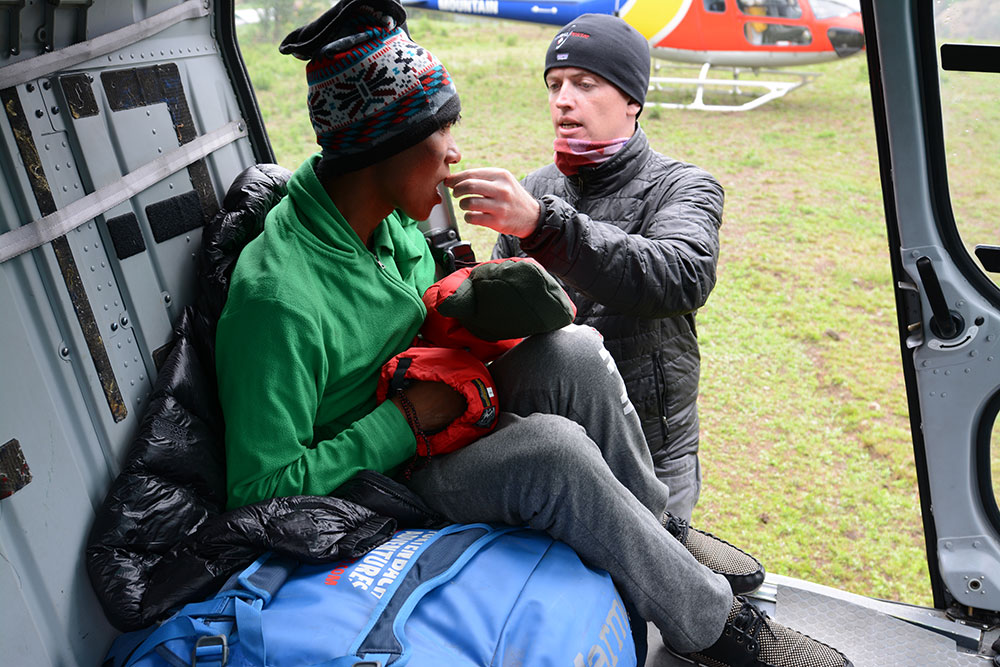
The COVID-19 outbreak pushed Global Rescue into overdrive to help our members evacuate during a time when international travel restrictions were tightening on a daily basis.
The unprecedented circumstances made efforts to return travelers to their homes more challenging, but didn’t prevent Global Rescue from helping our members. Global Rescue committed its deeply experienced security and intelligence teams to use its logistical know-how, bureaucratic fluency and relentless focus to help return individuals home.
Global Rescue typically manages hundreds of operations every month. The coronavirus outbreak boosted operational activity and intensity significantly. Since February, nearly 500 operations have been completed to help return travelers home, provide medical or security evacuation and advisory – roughly 50% of the volume of activity took place in the last weeks of March.
When the coronavirus spread started, travelers and expats found themselves trapped in an escalating series of government directives and medical orders to contain the sweep of the virus. Soon, government authorities, public health officials and travel administrators restricted nearly all flights.
Our operations team were involved in medical, security and travel operations on a daily basis in more than 90 countries worldwide, including: Afghanistan, Albania, Angola, Argentina, Australia, Austria, Bahamas, Belgium, Bermuda, Brazil, Bulgaria, Burundi, Cambodia, Cameroon, Canada, Central African Republic, Chile, China, Colombia, Congo, Costa Rica, Cuba, Dominican Republic, Ecuador, Egypt, El Salvador, Ethiopia, Finland, France, Fiji, Ghana, Guatemala, Haiti, Honduras, Hong Kong, India, Indonesia, Israel, Italy, Iraq, Ivory Coast, Jamaica, Japan, Jordan, Kazakhstan, Kenya, Kyrgyzstan, Lebanon, Liberia, Malaysia, Maldives, Myanmar, Mexico, Morocco, Namibia, Nassau, Nepal, Netherlands, New Zealand, Nicaragua, Niger, Nigeria, Oman, Pakistan, Panama, Papua New Guinea, Peru, Philippines, Portugal, Qatar, Russia, Rwanda, Saudi Arabia, Senegal, Singapore, South Africa, Sri Lanka, St. Martin, St. Vincent and the Grenadines, Switzerland, Tanzania, Thailand, Tunisia, Turks and Caicos Islands, Vanuatu, Vietnam, Virgin Islands, Uganda, United Arab Emirates, United States, Uzbekistan, Yemen and Zimbabwe.
Below is a snapshot of some of our most recent operations in various locations across the world.
Argentina
Global Rescue provided medical advisory and evacuation services for a climber attempting to summit Aconcagua, the highest (22,841 feet) mountain outside of Asia. The member was suffering severe acute mountain sickness caused by rapid exposure to low amounts of oxygen at high elevation and required a helicopter evacuation.
Australia
As COVID-19 spread, students studying abroad needed to make plans quickly. Global Rescue helped numerous students figure out the best path forward, including one student stuck in Perth whose flight out was canceled. Global Rescue understood the situation and helped arrange a solution for a flight out the next day after the airlines had told the student there was a month-long wait.
Chile
The Global Rescue medical operations team provided advisory and evacuation for a member traveling in South America who suffered severe burns from boiling water. The member was transported for medical treatment including IV antibiotics and wound debridement. A day later, he was cleared to fly and returned home to North Carolina.
China
When the Wuhan province of China was locked down, Global Rescue assisted a family stuck there and helped them return to the U.S. and eventually their Midwest home. In a separate operation, the Global Rescue operations team provided nonstop advisory for a group of skiers, including an American Olympic gold medalist, helping them make it out of China as international borders were sealed.
Ivory Coast
Pandemics can sometimes cause tension. Global Rescue provided security, safety, peace of mind and repatriation advisory for a traveling member in San Pedro concerned for her safety following episodes of anti-foreigner sentiment sparked by fear outsiders spreading the virus. The member remained safe and was able to return to her home country.
Nicaragua
A member was on her way from Managua to her home in the U.S. when she was overcome by a rough bout of traveler’s diarrhea and dehydration. Global Rescue provided medical advisory including rehydration solutions, initial doses of Loperamide and a list of medical facilities near her stateside layover – including an in-airport clinic where she could check in if needed.
Vanuatu
A member from Australia was traveling in the South Pacific Ocean nation of roughly 80 islands when a severe infection in his legs required hospitalization. Global Rescue provided medical advisory and evacuation to a Brisbane-based hospital for further medical attention.
Global Rescue provides our members and clients with the world’s leading travel risk, telehealth access, crisis management, medical, security and evacuation services. Click here to learn more.
Categories:
Health & SafetyMissions & Member TestimonialsApril 9, 2020
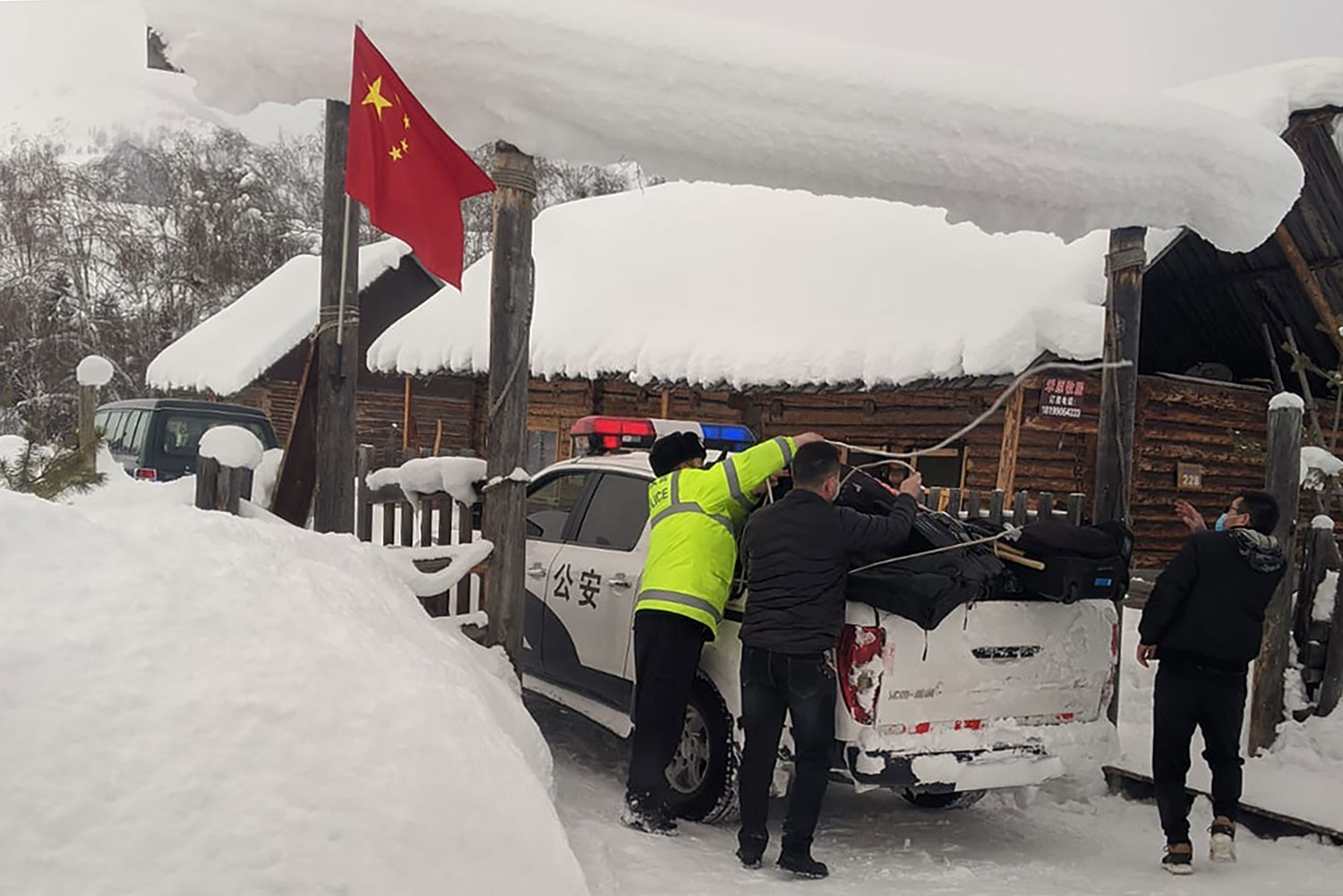
When coronavirus started, travelers and expats found themselves trapped in an escalating series of government directives and medical orders to contain the spread of the virus. Soon, government authorities, public health officials and travel administrators restricted nearly all flights. This complicated repatriation efforts but none of those challenges prevented Global Rescue from helping our members.
Global Rescue conducted more than 300 operations in the past few weeks to help bring people home. Without the ability to deploy Global Rescue’s airborne resources, the special operations team deployed logistical know-how, bureaucratic fluency and relentless focus. The following two operations highlight how Global Rescue effectively worked with government officials, embassy leaders, medical experts and our partners to get individuals back on U.S. soil.
A Gold Medalist’s Hard Bail During A Pandemic
Skiing and snowboarding are passions for many, including 2014 women’s half-pipe gold medalist, Kaitlyn Farrington. After learning the origins of skiing may have been in a little-known area in the northwest region of China, Farrington, who was already in Japan, was compelled to make the trip.
It was January 10th and at that time there was no evidence the virus was readily spread by humans. The word “coronavirus” wasn’t anywhere on the front page of the New York Times. For most of the world, it just wasn’t a thing…yet. But it was one day before the first fatality from the virus would be reported by Chinese officials. Neither Farrington or anyone else could have known, so she made the excursion.
Ten days later, travel restrictions elevated fast. Officials in Japan, Korea and the U.S. confirmed the first cases of COVID-19 outside of China. Farrington, who was more than 2,000 miles away from the Wuhan area, sensed trouble and sent her Japan-based trusted friend, Dave Burg of SASS Global Travel, a bracing message: “We need to work on a hard bail plan.”
Burg agreed, gathering everyone’s names and nationalities. He started to work on an exit plan. That’s when Farrington sent Burg another message, this one more urgent.
“We’re getting kicked out of the village tomorrow because they’re closing the whole village down.”
Farrington was concerned she and her group would get stuck and possibly quarantined in China.
“It was a huge concern! We honestly didn’t know the extent of the coronavirus spread until we were told we had to leave the village in the next two days or we were going to be held for the mandatory 20 days quarantine,” Farrington said.
The pressure to get out was building and the window to do so was closing.
To top it off, Farrington and her group’s exit from the village was held up by a massive snow storm that severely prevented any ground transportation thanks to avalanches that buried the road in up to 20 feet of snow. There were no taxis, no buses, no way through.
Help came from an unlikely source.
“The police ended up taking them out of the village themselves in their four-wheel drive police cars and having the snow plows run ahead of them. They literally plowed their way out of the village,” Burg said.
Farrington said Chinese Police Captain Wang Hai Feng was persuaded to drive us out of the village because we had no other options.
“Since our drivers could not pass the check points because they were coming from a city, he was our only option for getting out of Hemu. He was either going to take us or we were stuck there for a mandatory 20 days,” Farrington said.
The drive is ordinarily a few hours, but plowing the snow blocked road slowed the trip and took twice the time. By then they had missed all the flight options out of the country. The only opportunity left was a flight to Chengdu, a major city more than 700 miles from Wuhan, China.
“From Chengdu they caught the last United Airlines flight out of the city,” he said.
Burg credits the collaborative wits and support supplied by his team, Farrington and Global Rescue’s security operations experts for the positive outcome. Global Rescue was collecting information and providing security advisory along the way.
“Being able to get minute-to-minute updates from Global Rescue on what airports were closed and what flights were flying was particularly valuable because I had another person, an expert in this sort of thing, to consult with,” he said.
But Burg is quick to add that one resource surprised him.
“It was the humanitarian nature of the Chinese police captain, Wang Hai Feng, who was with the group and helped tremendously. It wasn’t a top-down government intervention. It was a local police officer who just wanted to help people and get them where they needed to go,” he said.
Burg concurs it was a bizarre and risky time. Despite no one being sick or injured, Global Rescue gave him what he needed.
“The Global Rescue advisory services gave us the confidence to make the plans that we did,” Burg said.
After everyone returned home safely, he concluded that having somebody who knows where you are – and cares – is invaluable.
“If you feel like you’re alone and trapped, having somebody – like Global Rescue – who knows where you are, brings huge peace of mind.”
Farrington agreed. “Global Rescue gave us hope that no matter what, we were going to get out of China. They also provided us with information about the virus that we were not getting anywhere else.”
Family Exit From Wuhan
When the Wuhan province of China was cut off, Global Rescue assisted a family stuck there and helped them return to the U.S. The parents were working and living in China along with their pre-school aged children.
People in Wuhan were banned from leaving the city, ground transportation was shut down and the Chinese government had suspended the sale of international flights.
“The family had seats set aside on one of the earlier U.S. government planes leaving China. But the family was not permitted to depart…at first,” said Matt Napiltonia, senior manager of operations at Global Rescue.
At that point, the parents asked Global Rescue whether they should try to drive out of Wuhan to an adjacent province, find an airport, and get out of the country. Global Rescue’s security experts advised that such a plan would risk the family getting stopped and turned around at a distant checkpoint and then being unable to refuel their car since gas stations and many other businesses were closed.
“They could easily have ended up being stranded. If you’re in a safe spot then don’t leave it. They decided to stay put,” Napiltonia said.
During the next several days Global Rescue coordinated daily, sometimes hourly, with the family, the U.S. embassy and the employer to facilitate an evacuation.
“From that point a line of communication had been established. As information was gathered, communication between Global Rescue’s security team, U.S. government officials and leadership at the company where one of the parents worked became more routine,” Napiltonia said.
Success came on the heels of diligent communications, thorough documentation, comprehensive preparation and high-level coordination.
“Things broke in the family’s favor. They were added to the manifest for an upcoming flight out of the country and all the checkpoints along the route to the airport had their names on it, with clearance to leave,” Napiltonia said.
The family was able to board a U.S. government jet destined for Texas, where they entered a two-week quarantine before heading to their permanent home stateside.
How Global Rescue Helps Its Members
Depending on where you are quarantined will define what can be done to help. Global Rescue will provide evacuation services for traveling members, provided we are legally able to do so and we can safely get to you.
Quarantines are complicated. Some are regional, covering small and large expanses, including entire countries. Some are floating, like cruise ships or cargo ships. Military bases are often places were quarantines can be established, too.
If you are forced to shelter in place, we can help you re-supply your prescription medicine, manage questions if symptoms present, assist your traveling companion or family member and identify where to get help.