Categories:
NewsAugust 29, 2020
Categories:
Health & SafetyTravelAugust 28, 2020

Amid rapidly changing circumstances, institutions of higher education have made significant progress in their preparations for welcoming students back. But what about the faculty and administration?
Students are returning to campus and institutions have equal responsibility to ensure not only their student body is protected, but also their entire professional workforce.
Much like parents and students, sentiment among faculty and staff regarding their return to campus ranges anywhere from confident to concerned.
In late July, Cal Matters published a piece exploring reopening viewpoints from different faculty members and the challenges institutions are facing to keep their employees safe.
“No university is saying their instruction is going to look exactly the same as last fall,” said Dr. Sarah Van Orman, chief health officer for USC Student Health.
New Responsibilities
For students, part of returning to campus requires new adherence to policies and conduct codes, bringing on a totally new responsibility.
Faculty and staff will have to adapt to new responsibilities, too.
According to recent American College Health Association guidelines, “The college/university must build the necessary staffing capacity to resume not only their primary responsibilities but also the competency to understand role in reducing transmission of COVID-19. Faculty and staff must be protected, trained and adequately prepared.”
The coronavirus pandemic initially sent colleges and universities scrambling to adapt to remote learning in mid-spring – ultimately prompting question marks surrounding the idea of what college classes will be like in fall 2020.
As academic leadership continues to navigate these questions marks, colleges and universities are opting for a variety of different reopening models. Some models include an all-remote learning approach, others all in-person and some a hybrid of both, each coming with additional contingencies.
The Chronicle of Higher Education is currently tracking reopening plans for nearly 3,000 national institutions. Among the data, 23% plan to return primarily or fully in person, while 33% will return primarily or fully online. Fifteen percent will return with a hybrid model, while 24% are still deciding.
The Chronicle notes these percentages aren’t truly representative of the entire story though, further segmenting institutions into categories like two-year and four-year colleges as well as private and public universities, revealing even more disparity among reopening plans leaning one way or another.
Institutions with students already returning to college campuses have widely seen mixed results in terms of their ability to keep COVID-19 outbreaks under control to ultimately protect the health and safety of students, faculty, staff and the wider community in which they are located.
Equipped with guidelines, plans and protocols, the question of what will college classes be like in the fall is largely one even institutions are struggling to answer. The nature of the coronavirus pandemic is constantly changing, which makes predicting much of anything an impossible task.
Getting Creative
The ACHA guidelines for reopening campuses include several considerations for instruction and learning environments. Professors are getting with some of the guidelines, which include limiting the number of attendees for in-person courses and developing a physical distancing plan for each course.
In an NPR segment on six ways college might look different in the fall, Elissa Nadwory notes, “To follow social distancing, professors are measuring their classrooms, calculating how many students could fit in the space if they were 6 feet apart. Deans are planning out how students could enter and exit the classrooms safely.”
“Instead of having a class of 18 and meeting for three hours, I think what I’ll be doing is meeting with groups of six for an hour each,” said Robin McCloskey, an adjunct lecturer at Dominican University.
UC San Francisco epidemiologist Jeffrey Martin suggested to Cal Matters, “If faculty and students teach in outdoor conditions, they could see each other in small groups.”
USNews recently reported that Rice University in Texas announced plans to build four temporary structures and erect five large tents to use as lecture halls, study areas and student meeting spaces. Syracuse University also announced the purchase of 21 teaching tents for each of its Main and South campuses.
As colleges and universities in the United States continue to roll out their reopening plans, expect they’ll continue to evolve with the unique circumstances the coronavirus pandemic will continue to present.
In the meantime, visiting professors and students can take an extra strep to prepare for their return to campus with a Global Rescue membership, which provides access to critical services for members more than 100 miles from home.
Students, faculty and staff have access to advisory, evacuation and intelligence services with a Global Rescue travel membership. Click here to learn more about membership options.
Categories:
Health & SafetyTravelAugust 26, 2020
During the next few weeks, many United States students will return to college campuses across the country. While some students have already returned with no issue, some colleges and universities are already pulling back on plans for in-person instruction and opting for remote alternatives.
For other students, they’ll be forgoing the traditional, on-campus higher education experience and the uncertainty in favor of something else – a gap year.
While the gap year is common in Europe and Australia, the coronavirus pandemic has sparked a noticeable uptick in interest among both parents and students in the United States.
Many institutions including Harvard, Duke, Cornell and Middlebury College, typically offer deferred enrollment or gap year programs. But as recent headlines have noted, times are anything but typical at the moment.
Gap years are most commonly taken outside a home country to expand knowledge of language and culture. Travel bans and restrictions have introduced new challenges – but none parents and students aren’t prepared to overcome with a little creativity.
In a recent piece on the unprecedented number of students taking a gap year this year, EdSurge reports 20% of first-year students at Harvard have opted to defer admission and take a gap year, which is roughly three times the number that usually defer.
A popular alternative to international gap year travel is the domestic gap year, which still allows students to immerse themselves in adventure and new experiences, while also providing educational, volunteer and internship opportunities away from home.
Whether students are seeking to develop new skills, test out career paths or make a difference, there are plenty of options – and many of them are already booked solid.
Outward Bound, a company specializing in wilderness expeditionary courses, has three semester-long leadership and service intensive courses beginning in September – all are currently full. Courses include a variety of activities like backpacking, mountaineering, canoeing and rock climbing through rugged landscapes like the Colorado Rockies and the Rio Grande.
Volunteerworld.com is currently offering a variety of animal and wildlife focused programs throughout the United States. For students living outside the United States, International Volunteer HQ lists domestic programs for countries all over the world, alongside U.S. opportunities. IVHQ programs are already open or due to re-open in August or September.
With as much time and creativity students and parents have already devoted to the planning process, it’s important to establish a gap year emergency plan before leaving home.
Even if you’re not particularly far from home, dangerous situations can still happen. Being in the United States doesn’t always mean it’s easy to get help. Even with the best health insurance, navigating a serious emergency in an unfamiliar hospital can be a difficult process.
Your gap year emergency plan doesn’t need to be in a particular format or length but it should cover pre-trip essentials and advance preparation for possible health and safety emergencies. Below are a few considerations and gap year safety tips for students and parents developing a gap year emergency plan.
Settle on an Itinerary and Contacts
Once you finalize or receive your itinerary, be sure to share it with family and friends and consider establishing a communications schedule. Your communications schedule could be as simple as a “checking in” text message every few days or a daily phone call.
Write out a list of important contacts and emergency numbers and plan to carry it with you at all times. Phone numbers saved inside a lost, stolen or damaged cell phone do no good in an emergency situation. Also be sure to carry copies of important documents like insurance cards so you have them ready in case of emergency.
Consider Connectivity
Whether you’re taking a structured gap year through an accredited program or curating your own experience, don’t plan to rely on cell phone service – especially if you’re somewhere remote. Consider purchasing a satellite phone if you know you’re in a location where cell phone service is not reliable.
Destination Investigation
Do you know where the closest health care facility is? Be sure to locate hospitals, clinics, pharmacies and local police wherever you plan to travel and add contact information to your written list of emergency contacts.
Coronavirus Considerations
Different states have different restrictions and you’ll need to be sure you’re aware of any protocols and travel advisories. Know that restrictions and protocols can change frequently and often without notice. Global Rescue in-house intelligence experts publish a Coronavirus Report on weekdays with updates on state and country specific restrictions.
If you’re traveling through an accredited program, be sure to carefully read any COVID-19 guidance or protocols you’re provided.
No matter where you go, be sure you have these three things: face mask, hand sanitizer and disinfectant wipes.
Travel Protection Services
Global Rescue travel services memberships can provide peace of mind for both parents and students, with access to advisory, evacuation services as well as travel assistance. Global Rescue operations teams are available 24/7/365 to assist members.
Telehealth Access
TotalCare memberships offer the same services as travel memberships — plus immediate access to a team of medical expert. Students can utilize their consults from anywhere to connect to board-certified doctors licensed in all 50 states.
Categories:
Health & SafetyTravelAugust 24, 2020
Back-to-school shopping usually means notebooks, binders, backpacks and computers. During the coronavirus pandemic, parents and students are adding masks, disinfectant wipes and hand sanitizer to their lists.
Returning to the classroom requires the same back-to-school list as well as research into state regulations, updates on college safety protocols and a good amount of self-awareness. Why? More people equals more risk. According to the American College Health Association (ACHA), “the high touch, highly interactive, mobile, densely populated living and learning environment typical of most campuses is the exemplar of a congregate setting with multiple risk factors for ready transmission of COVID-19.”
Think of all the locations available to students on campus: classrooms, libraries, study spaces, labs, art studios, dormitories, dining halls, bookstores, rec centers, student unions, gyms, laundry rooms, lecture halls and computer labs.
Each location is an educational setting and a COVID-19 transmission risk. It’s no wonder parents are concerned sending their children out into a coronavirus world, perhaps 100 or more miles away in a community with different safety standards or risks.
College Response
Communities surrounding colleges are also nervous about the returning influx of students and the possible increase in transmission rates and the potential burden on the local health care system. Many colleges and universities have built policies adhering to state rules. For example, the state of Minnesota currently does not permit social gatherings, not associated with a class or structured event, with more than 10 people indoors and 25 people outdoors and the University of Minnesota agrees.
College administrators have rolled out unique return to campus initiatives for educating incoming students, including Facebook campaigns asking for photos of mask-wearing students. The University of South Carolina is asking students for a signed pledge at the University of South Carolina to follow public health guidelines to keep the campus safe.
An online summer course at Manhattanville College in New York provided credit to students who wanted to learn about the pandemic from a “variety of approaches, explaining not just the science of the disease, but the history of pandemics and the potential economic and societal impacts of COVID-19.”
Extra Safety Considerations
Mandatory masks, social distancing protocols and a cleaning and disinfecting schedule are all standard parts of guidelines developed by the ACHA and included in every college’s reopening plan.
These safety measures are also what Global Rescue experts recommend. In addition, Global Rescue has compiled a list of back-to-school coronavirus safety tips, broken down by campus location, for parents and students.
“If you’re heading to campus, or if you’re a parent of a college-bound student, you’ll want a safety checklist to make certain the on-campus pandemic do’s and don’ts are in place, understood, and rigorously implemented,” said Dan Stretch, operations manager at Global Rescue.
Cafeteria/Dining Hall
In addition to floor markers and appropriately spaced tables and chairs, dining halls and eating areas will have new rules, such as a reservation system to limit the number of students in a facility at a time or an access controls system where a patron is only allowed to enter when another leaves. Additional things you can do to reduce the risk of transmission:
- Select a grab-and-go option, something prepackaged you can eat after you wash your hands and/or remove your mask in a less risky environment
- Choose disposable utensils, or utensils washed with soap and hot water
- Wipe down the seating area, chair and table, with disinfecting wipes
- Find a less-crowded table or area to eat
- Wash your hands after eating
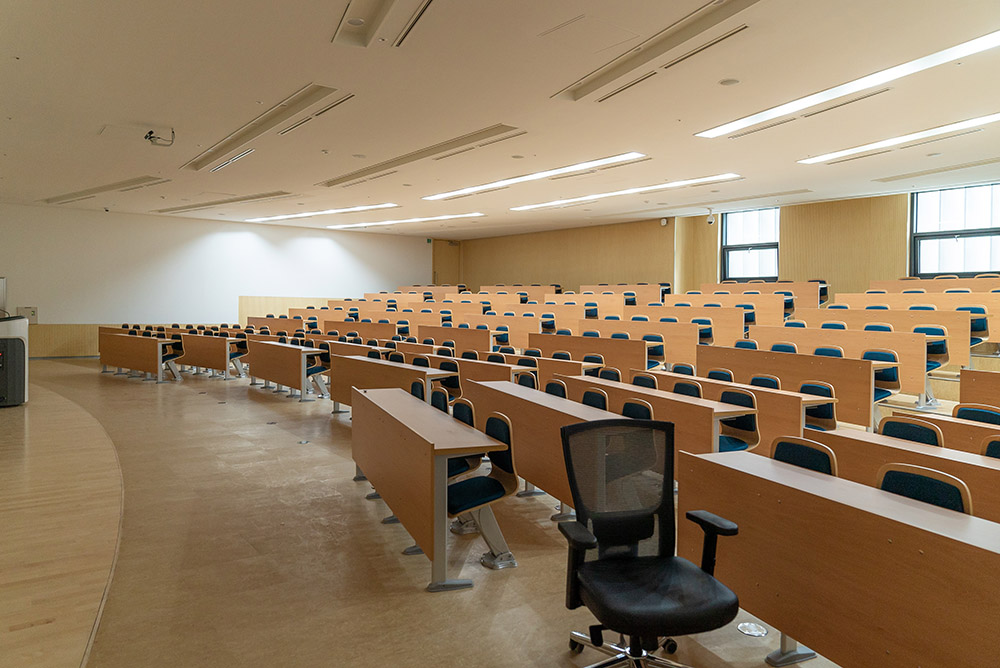
Classroom/Lecture Hall
Check your health status before you sit in the classroom or lecture hall. If your campus health service doesn’t have a readily available symptom checklist, the Centers for Disease Control and Prevention offers one online. If you are not feeling well, log in virtually.
Other ideas:
- Maintain six-foot distancing by staggering your seat and/or row around others
- Wear a mask
- Wipe down seating area, desk and chair, with disinfecting wipes
- Don’t share books, electronic devices, pens or any other object difficult to clean or disinfect
- If you need to share supplies, such as lab equipment or computers, clean and disinfect before use
- Attend the classes that cannot be measured or achieved virtually, such as dance, theater, performing arts, laboratory or clinical experiences, according to the ACHA. The rest can be completed virtually
Study Group
Study groups help students expand on classroom learning, filling in the gaps of classroom notes and offering new perspectives on the material to break the monotony of reading the material. But any large group increases the risk of COVID-19 transmission.
To keep yourself safe:
- If possible, use video conferencing (i.e., Zoom, WhatsApp, Skype, Facetime) for study groups.
- Maintain social distancing
- Wear a mask
- Eat or drink after the study group so you don’t have to remove your mask
- Limit the group size
- Limit meeting time to under an hour
- Wipe down your desk and chair, before and after group
- Or, better yet, hold the study session outdoors
Shared Dorm Room or Bathroom
Many colleges and universities have planned housing to limit capacity or ensure students have private rooms. If your student is sharing a space — bedroom or bathroom — check residence hall policies for protocols and perhaps set up a few of your own:
- Leave shoes in the hallway on a designated mat or floor area
- Hang up masks as you enter the room, or throw directly into the laundry basket
- Avoid resting a personal item, like a toothbrush or a fork, on a shared surface like a sink
- Agree to wipe down door knobs, light switches or any common areas after use
- Try to keep windows open if weather and temperature allow
- Work with your roommate to limit guests and ensure visitors follow safety protocols
Travel Home
Once students are on campus, they may be on campus for a while — perhaps until Thanksgiving break. When it comes time to travel home, typical options include car, airplane, train or bus. Each has its own risk factors and you can’t always be sure your fellow travelers have been using the appropriate precautions.
When traveling by car, if possible:
- Ask a family member to pick you up
- Ask a likeminded classmate, someone who has been following coronavirus safety measures, for a ride
- Keep the car windows down (if possible), wear a mask, disinfect high-touch surfaces
- Plan for limited stops, perhaps gas and restroom only
- Check Global Rescue’s coronavirus report for a list of state mandates on mask wearing/social distancing
- Sign up for a travel health services membership. You’ll be able to research your route and see if it coincides with coronavirus hot spots, check for open rest areas and toll roads and ask for assistance during a medical emergency
COVID-19 has changed the look and feel of campus life. Consider travel protection services, especially if a student will be more than 100 miles away from home for on-campus classes.
Global Rescue travel services memberships offer updates on restrictions, quarantines and hotspots, as well as access to experts who can answer coronavirus related questions and provide immediate information regarding appropriate nearby health care facilities. Global Rescue student travel memberships are annual memberships available to full-time students under the age of 35.
Categories:
Health & SafetyTravelAugust 19, 2020
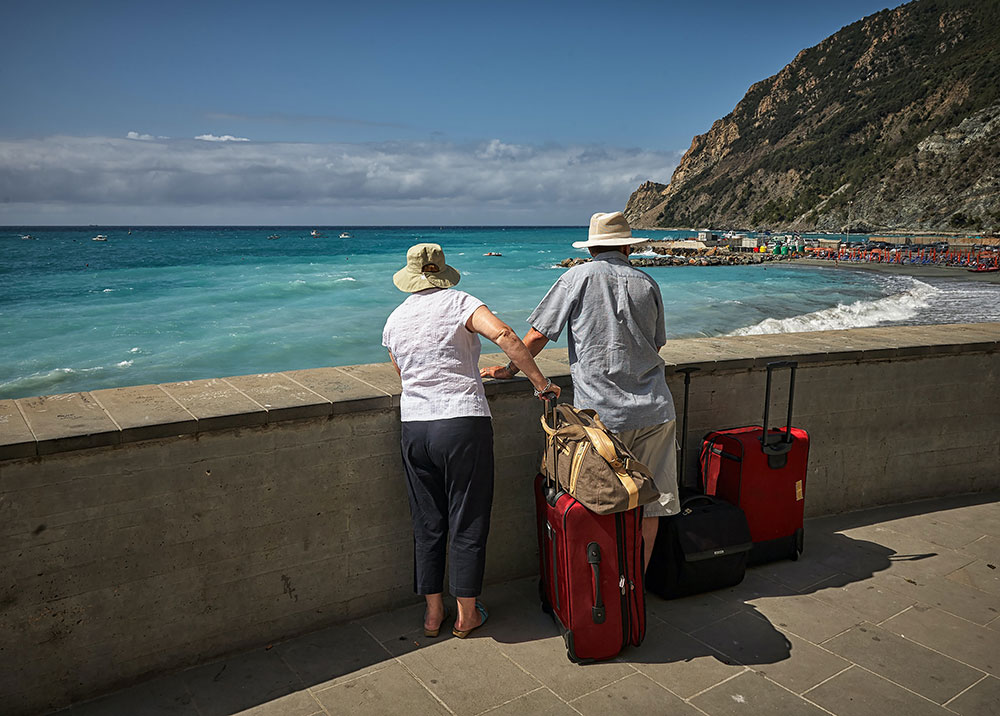
It’s impossible for anyone to predict what the coronavirus will do next. Will it spread during the summer months? Or will the August heat slow the rate of infection? Do I wear a face mask outside, or is it unnecessary?
And the big question: Should I travel, or wait until the curve flattens — again?
It is difficult to make travel plans when regulations, rules, protocols and public perception change daily. Will there ever be a good time to travel, or a safe destination to visit? According to Dr. Ashish Jha, director of the Harvard Global Health Institute, the sacrifices and adjustments we are making to abate the spread of COVID-19 will likely need to continue for another year.
But it’s also hard to squash the natural urge to travel. Humans have explored and discovered new worlds since the beginning of time. Businesses are opening back up and companies are updating their duty of care policies for traveling employees. The open road is calling.
Global Rescue tracks health and safety risks 24/7/365 for members, who are some of the most adventurous travelers in the world. Before you plan 2020 travel, our security and medical experts suggest asking (and answering) these 10 questions:
Are you ready to travel?
A travel health consultation is recommended four to six weeks before any travel. Bring your itinerary and the doctor will provide recommendations customized to your own health history, travel plans and activity itinerary.
Take into consideration age and health history, for yourself and close family members. Baby boomers — the generation born between 1946 and 1964 and currently between the ages of 54 and 72 — are the most at risk for coronavirus. Johns Hopkins Medicine recommends older adults put off non-essential travel during the coronavirus pandemic.
“Most seniors have underlying medical conditions, like heart or lung disease or diabetes, that puts them at a higher risk for developing serious complications from COVID-19 illness,” said Jacqueline Sioson, operations supervisor at Global Rescue. “There is also atypical presentation of pneumonia in the elderly, which includes confusion and generalized weakness. You may be sick and not know it.”
I’m healthy. Do I still need to wear a mask?
Global Rescue personnel suggest wearing a mask, period. Here’s why: Recent research, published in the Proceedings of the National Academy of Sciences, found speech-generated droplets can linger in the air for anywhere from eight to 14 minutes.
What are the rules for domestic travel?
In the United States, each state has its own coronavirus rules and regulations. The CDC also has a list of state and territorial health departments.
If you are in the U.S. and traveling close to home, here are some additional resources to help plan summer travel:
- The National Park Service provides a searchable map of parks open to the public.
- The RV Industry Association has created a chart of what RV campgrounds are open and closed (by state).
- Kampgrounds of America (KOA) keeps a list of their open campgrounds up to date.
- Recreation.gov offers a database of 3,600 facilities and activities and more than 103,000 individual reservation sites across the country.
- The U.S. Department of Transportation offers a map with national traffic and road closure information.
What countries are open to travelers?
Many countries are still closed to travelers from the United States. A few, like Iceland and Jamaica, opened their borders on June 15. The European Union (EU) offers a map of open countries and which travelers are welcome. The Department of State currently advises all U.S. citizens to read the country-specific DoS Travel Advisories. In conjunction with the DoS, the Centers for Disease Control and Prevention also lists its travel recommendations here.
Is any destination safer than another?
As the pandemic ebbs and flows, it is difficult to say if any one place is safe. You are going to have to take precautions no matter where you travel.
You will want to research your destination and make sure it isn’t one of the coronavirus “hot spots.”
Global Rescue offers a free Coronavirus Report, featuring updated information regarding outbreak locations, entry restrictions and advisories for the United States and more than 215 international countries. Deep Knowledge Group also provides safety assessments of 200 regions and rankings by region.
What activities are lower risk?
Outdoor activities have a lower risk of coronavirus exposure than indoor activities. By avoiding the three Cs — confined spaces, crowds and close contact — you dramatically reduce the likelihood of contracting the virus.
Low-risk summer activities include hiking and biking — anything outdoors and alone (or with immediate family). Medium-risk summer activities include picnics, pools, festival and fairs — outdoor events with crowds of people. Indoor gatherings, such as concerts, movie theaters and nightclubs, are higher risk activities.
Global Rescue in-house experts recently offered some tips for outdoor recreation during social distancing.
“The same rules and safety guidelines for travel apply to outdoor summer activities,” said Jeffrey Weinstein, medical operations supervisor at Global Rescue. “Don’t relax your safety precautions just because you are outside.”
Is driving safer than flying?
From the perspective of disease contagion, the answer is yes, but only because you can make the rules for the safety of your car — and you’ll never have this much control over your environment on a plane. Travel only with immediate family members, follow safety precautions inside (and outside) your vehicle and limit your stops.
What should I expect at the airport?
Before booking travel, travelers should research the airline’s restrictions, recommendations and rules — and how they are being enforced.
“Travelers should call ahead to get the most up-to-date information, as it seems to change by the minute,” said Harding Bush, associate manager of operations at Global Rescue. “The whole trip could be ruined by relying on old and incorrect details and you may not be allowed to board the plane if you aren’t able to comply with the rules.”
One example is the screening measures by the Transportation Security Administration (TSA) at the airport. If you’ve traveled recently, you’ve seen the stricter mask requirements from major airlines and the social distancing markers on the floor. This summer, passengers will be asked to scan their own boarding passes — both paper and electronic — instead of giving them to the TSA officer. After scanning, passengers will hold up their boarding pass so the TSA officer can visually inspect it.
What countries require proof of testing?
This information will change but, in general, be prepared to have documentation for your current state of health.
“Some airlines need testing prior to travel or documentation that you haven’t faced an illness for the past two weeks,” Sioson said. “Be honest with your travel history. Make sure you are up to date with your routine vaccinations.”
What do I need to bring with me right now?
These three items are a must: face mask, hand sanitizer and disinfectant wipes.
We also wouldn’t advise traveling without a fourth item: a Global Rescue travel services membership. Our in-house intelligence, security and medical teams can help you on the front end, such as providing a risk assessment for a particular destination, and assist on the back end, in case you run into coronavirus restrictions or need an emergency medical evacuation.
Categories:
Health & SafetyTravelAugust 17, 2020
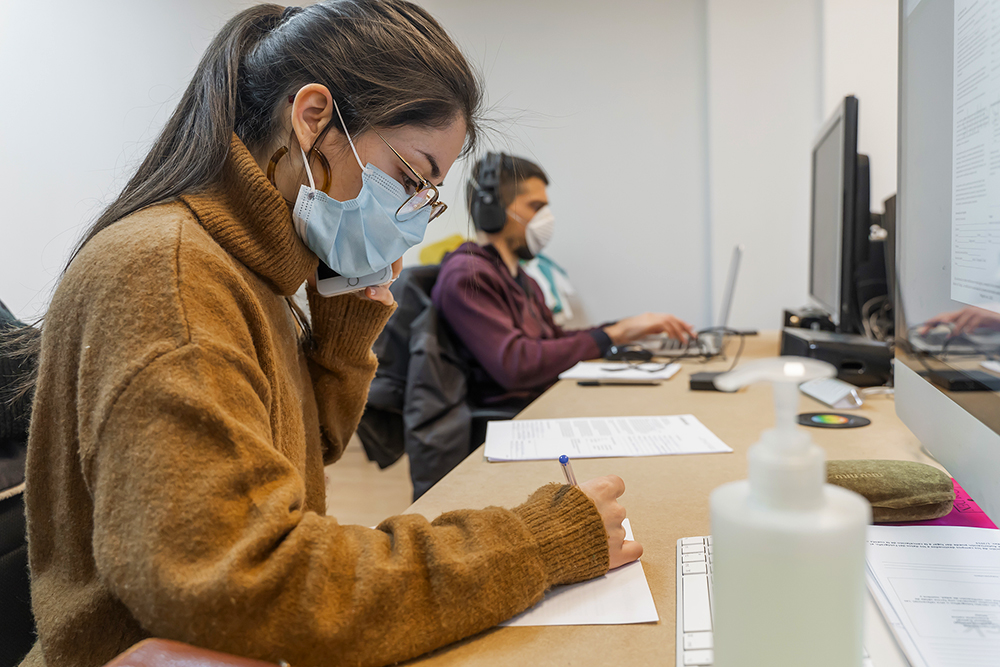
After a semester of online learning and a summer of physical distancing, most college students are ready, willing and possibly able to return for the fall semester. A poll by College Reaction/Axios found 76% of students plan to return to campus if their schools give them the option. Sixty-six percent would attend in-person classes if they were available.
College administrators are making decisions so students can return. According to The Chronicle of Higher Education, 57% of schools plan to hold in-person fall classes and 29% have proposed a hybrid model of in-person and online instruction. Syracuse University, for example, is introducing an alternating schedule with half of students attending class in-person one day with the other half online, then switching segments the next day.
Housing is also a consideration. George Mason University reduced housing by 25% to limit the number of students in high-density spaces and increase the number of single dorm rooms. Duke University is offering extra housing in local hotels and apartments to make sure students are able to have single rooms.
Whether you are a seasoned upperclassman or a first-time freshman, the campus rules have changed because of the pandemic. Parents and students will need a coronavirus safety checklist for the fall semester.
Return To Campus
Face Coverings
A mask is a college student’s front-line protection anywhere on campus: dorm, quad, cafeteria, classroom, study group. A recent study by researchers at UC Davis found physical distancing and wearing masks decreased the risk of infection by 65%.
Students will need a minimum of two masks a day and anywhere from 10-14 maximum for a week, depending on your living situation and lifestyle.
Take into account your access to laundry facilities. You may only use the laundry room weekly, or at an allotted time. You’ll want enough masks to get you through a week, unless you’re okay with washing a mask daily by hand and wearing the back up while it dries.
Travel Disinfectant Kit
Add two items to a backpack or purse: hand sanitizer (at least 60% alcohol) and bleach-based or hydrogen-peroxide based disinfectant wipes. Campuses may have these items available in high-traffic areas, but you’ll want your own stash in case you have to touch a questionable surface in a public area.
A study published by the Journal of Occupational and Environmental Hygiene found people in public places touched common objects or surfaces 3.3 times per hour. Coronavirus droplets tend to linger on surfaces: 72 hours on plastic and steel, 24 hours on cardboard and four hours on copper.
The disinfectant kit isn’t just for places you touch with your hands. You’ll want to be careful where you place your phone and backpack. Be sure to wipe down any shared surfaces like door knobs, cabinet handles, faucets, books, keypads, desks and chairs. The Centers for Disease Control and Prevention offers some back to college coronavirus safety tips.
10 Days Of Provisions
You never know when a classmate, teacher, roommate or neighbor could be diagnosed with COVID-19. Be prepared in case you need to stay home to self-isolate. Consider stocking up on basic items like toilet paper, pasta, cereal, canned goods and bottled water so you have enough to eat and drink without relying on others. If you don’t have a lot of space in your dorm, purchase energy bars, trail mixes and other items that provide a lot of nutritional value but don’t take up much room.
Cleaning Supplies
If you’re in quarantine, the janitorial staff may not be able to enter your room. Make sure you have your own cleaning supplies, such as disinfectant spray, paper towels, disposable gloves and plenty of hand soap.
First Aid Kit
Add a thermometer to your first aid kit. COVID-19 symptoms include shortness of breath, fever, coughing and a sore throat. A travel thermometer will help you keep tabs on your temperature.
If you are in the high-risk category for coronavirus due to underlying medical conditions, you’ll want to make sure your lungs are getting enough oxygen. A digital pulse oximeter, available at most pharmacies or online stores for less than $30, will track your real-time oxygen levels. It’s a simple device you place on your fingertip for less than a minute.
Drop Off Protocols
Online Safety Training
A return to higher education this fall will include continual education about coronavirus symptoms and a sound knowledge of health and safety measures. The University of Alabama at Birmingham requests students, faculty and staff complete a web-based safety and awareness course and complete a UAB Healthcheck, which is a COVID-19 assessment tool, before returning to campus. Georgia Tech asks students to complete a daily self-check list before coming to campus each day.
Solo Return
Sending a student to college used to be a family affair with parents and siblings packed in the car to help with the move. During the pandemic, drop off will be different, depending on the state the college is located. Washington, D.C. allows travel “to or through the district if it lasts less than 24 hours” so no lingering or multiple last-minute trips to local retailers. The University of North Carolina Chapel Hill plans to limit the number of people students can bring to help them, specifically asking all families to “leave as soon as is possible once all student belongings have been brought to their rooms.”
You may have to make an appointment to schedule your move into the dorm. Texas A&M University student move-ins will be conducted in phases with scheduled appointments. Parking may also only be available for an hour or less. These new procedures help limit the number of people on campus at any one time and reduce the risks of coronavirus contagion.
Coronavirus Testing
With students traveling to campus from all over the country, colleges may require a negative COVID-19 test three days before the first day of school.
Or students may tested upon their return to campus. The Montgomery Advertiser noted Alabama will spend a portion of its $1.9 billion federal coronavirus relief package to fund COVID-19 testing for students at public colleges in the state.
Then be prepared for multiple tests while on campus. Epidemic modeling by the Yale School of Public Health says one test might not be enough and students should be tested every two to three days. Lead researcher David Paltiel told U.S. News & World Report: “It’s just not possible to move swiftly enough to contain an outbreak using nothing more than symptom-based monitoring. You can’t play catch-up with this virus.”
The multiple testing strategy is one of many that colleges and universities are currently evaluating as they work toward campus reopening. The test does not need to be expensive or 100% sensitive, as rapid results are the key to preventing outbreaks.
Investigate Area Resources
It is research parents and students typically don’t do when selecting a college, but coronavirus has changed the norm. If a classmate or professor tests positive for coronavirus, college students will need to be familiar with their campus and neighborhood health care resources.
You’ll want to know what campus health services can offer (screenings and self-isolation areas) versus what the closest hospitals in the area offer (COVID-19 testing and isolation wards). Ask during drop-off day, if you haven’t already.|
Planning For Campus Life
You are coronavirus negative, settled in and ready to learn. Most of what students will see on campus are the same social distancing protocols practices at home: desks are six feet apart in the classroom and hallways are one-way. Some things will be different and that’s when a travel protection services membership or TotalCareSM membership can provide critical resources as well as peace of mind for concerned parents.
Travel Protection Services
Students are typically located 100 miles or more away from home, qualifying them for a travel protection services membership.
Students can access Global Rescue intelligence, which includes state-by-state and city-by-city restrictions, quarantines and hotspots in all 50 states and more than 200 countries worldwide. Global Rescue experts can answer coronavirus related questions and provide immediate information regarding appropriate nearby health care facilities.
If a medical evacuation is needed, Global Rescue can provide services to transport members to their home hospital of choice.
Telehealth Access
TotalCare memberships offer the same services as travel memberships — plus access to urgent care telemedicine services that students can utilize anywhere.
“TotalCare brings the doctor’s office to your dorm room, providing real-time medical access whenever and wherever you need it,” said David Koo, senior manager of operations at Global Rescue.
Your request is answered by an in-house Global Rescue operations team member and then you will be placed into a live video conference with a board certified, licensed doctor from Elite Medical Group (EMG).
TotalCare allows the member to have a direct interaction with a physician.
“With travel services, there’s no direct interaction between the member and the physician,” said Dr. Claudia Zegans, medical director. “With TotalCare, the member can get on video with one of the TotalCare physicians. It provides a higher degree of diagnosis because telehealth doctors can conduct physical exams.”
Categories:
Health & SafetyTravelAugust 12, 2020
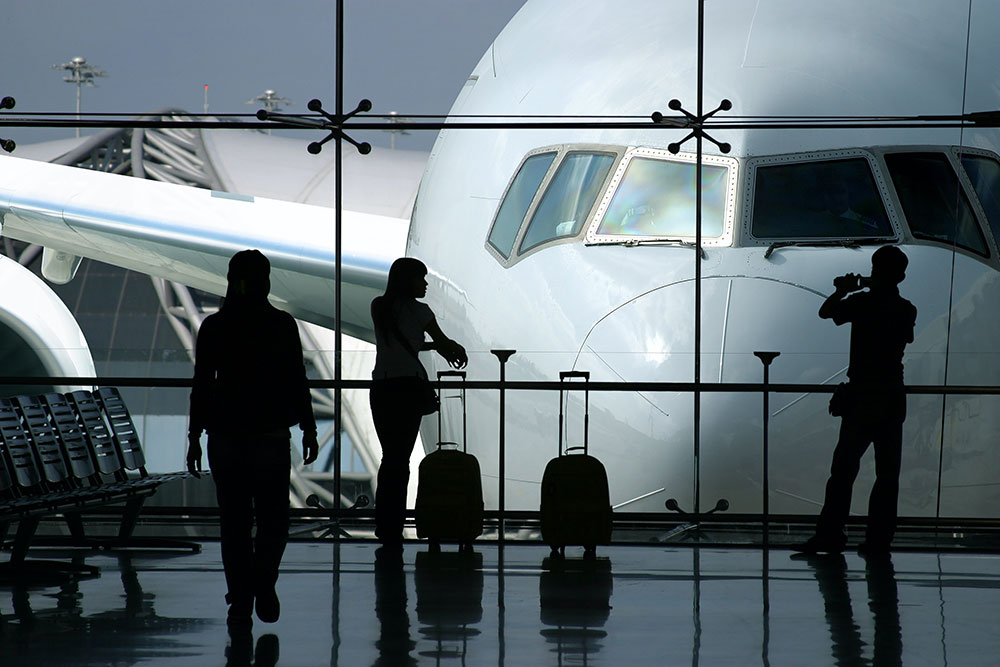
“Hello, I’m planning to fly to Mexico in a couple of weeks. Can you tell me what travel restrictions I should be aware of?”
More and more members are asking Global Rescue for advice about air travel. There are still plenty of restrictions and new health protocols to navigate, but it is possible to fly safely for business or vacation.
The key to successful travel during the coronavirus pandemic? Research, pre-trip planning and a flexible attitude.
Harding Bush, associate manager of operations at Global Rescue, says having a successful trip is dependent on having the most accurate and timely information.
“The regulations, restrictions and other requirements change frequently and are often inconsistent from location to location,” he said. “It is critical that travelers research the current requirements for all destinations they intend to visit or pass through. Having the most up-to-date information will help you avoid delays or other inconveniences during your travel.”
This includes knowing your airline’s mask requirements, boarding and deplaning procedures, COVID-19 testing and self-quarantine regulations for domestic and international destinations.
Mask Required
The airport will very likely require a mask covering your nose and mouth. You’ll want to have one on as you enter the terminal, at the check-in desk, when going through security and at the boarding gate. The only time you won’t wear it is when the TSA offer asks you to pull it down to match your ID.
“I’ve flown a couple times in June and July and there was really no option to not wear a mask upon entering the airport all the way through boarding the plane,” Bush said. “Everyone was wearing masks.”
You should also plan to wear your mask on the plane during the flight. Some airlines, like Las Vegas-based Allegiant, give you a mask as part of a complimentary health and safety kit when you board.
There’s no “law” requiring you to wear it, but airlines are getting creative in their enforcements. Alaska Air will issue a yellow card to passengers who repeatedly refuse to wear a mask. The back of the card has this warning: “This is your final notice to comply with our policy. Next, we will file a report, which could result in the suspension of future travel on Alaska Airlines.”
The scientific evidence is clear: Social distancing and wearing masks helps prevent people from spreading COVID-19. Masks also protect those who wear them, according to a July study by researchers at UC Davis. In fact, the risk of infection to the wearer is decreased by 65%.
New Boarding Procedures
Many airlines have updated their processes for boarding to encourage social distancing.
According to USA Today, Delta, United, JetBlue and Frontier are boarding passengers from back to front so they don’t have to closely pass one another. Southwest is boarding 10 people at a time, from only one side of the boarding poles located in the gate area, to maintain social distancing requirements. A report from SimpliFyling.com predicting the future of airplane travel post-COVID-19 says passengers could receive a text notification from the airline telling them when it is their turn to board the plane.
Deplaning has changed as well. JetBlue is asking customers to remain seated upon arrival. When the row in front of them has been completely cleared, passengers can stand to collect their carry-on bags and deplane.
Fewer Touch Points
You’ll notice fewer amenities and touchpoints on flights in an effort to limit physical proximity between passengers and crew members. One feature you may have noticed disappearing: shuttle service. Airports like Boston Logan International Airport in Boston, Massachusetts have scaled down shuttle operations and Chicago’s O’Hare International Airport shuttle rides have been capped at 15 people.
Whenever possible, try to skip the shuttle and walk to the terminal. One way you can limit interactions (and limit the virus from spreading) is to bypass checking baggage at the airport.
“Anyone who would prefer to spend less time at the airport should consider shipping their baggage,” said Anna Bedney of LuggageForward, a door-to-door luggage and sports equipment delivery service and a Global Rescue Safe Travel partner. “Not checking bags means fewer contact points at the airport, avoiding crowds at check-in line and baggage claim, and in and out of the airport more quickly.”
New Technology
The State of Hawaii wants to ensure visitors are self-quarantining for 14 days and has instituted a Safe Travels system to ensure compliance. Travelers are encouraged to register their travel plans before traveling to the Hawaiian Islands. You can’t even leave the airport until you register and travelers must show the confirmation screen to airport personnel at all three major airports. Then, during the 14-day self-quarantine, travelers will need to log in to the app every day to complete a daily check-in. It’s a thoughtful way to keep travelers and residents safe and can easily roll out to other states and airports.
Atypical Flight Schedules
Fewer passengers flying resulted in grounded planes and discontinued routes. As travelers take to the skies again, airlines are building flight schedules to match demand. Domestic routes increased in July, with American, for example, adding more flights from its hubs. International flights are still limited, but will expand when countries open up their borders.
Travelers should be flexible, as cancellations are part of the new normal for domestic and international flights. Be sure to do your research before making a purchase. In recent months, every major airline has modified their change and cancellation policies.
Testing and Self-Quarantine
Many countries require health screening forms, a COVID-19 test or quarantine upon arrival.
Quarantines vary, from 14 days in Australia at a designated facility to 10 days in Switzerland after registering with the authorities upon arrival.
The Global Rescue member asking the question about flight restrictions for a possible flight to Mexico received the following response from Global Rescue intelligence experts:
“Air travel is possible but you will likely be screened at the airport in Mexico and may be quarantined at your own expense for up to 14 days. The U.S. Department of State advises against travel to Mexico at this time due to COVID-19.”
Here are a few handy resources to help you with your pre-trip research:
- Global Rescue intelligence experts update a country restrictions table every weekday in their coronavirus report.
- Airlines flying to international destinations, like JetBlue, post guide tables online so you know what to expect when you travel.
- The European Union (EU) offers a map of open countries and which travelers are welcome.
- International Air Transport Association also has an interactive travel regulations map.
Travel Protection Services
These three items are a must for any traveler today: face mask, hand sanitizer and disinfectant wipes.
We also wouldn’t advise traveling without a fourth item: a Global Rescue travel services membership. Our in-house intelligence, security and medical teams can help you before a trip, such as providing a risk assessment for a particular destination and during a travel, in case you run into coronavirus restrictions or need an emergency medical evacuation.
Global Rescue member Drew from Oregon tapped into this expertise when he needed to travel from Boston to Seattle in early March.
“I couldn’t get a real answer from local government websites or the news,” he said. “The info I got from Global Rescue was definitely helpful for me to figure out what to do with my travel. I made it home safely.”
Categories:
Missions & Member TestimonialsAugust 7, 2020

The trip was a Fourth of July excursion with friends. Zach Eiten, an avid climber and mountaineer from Colorado, was prepared for a climb of Granite Peak Mountain in Montana.
At 12,807 feet, Granite Peak, known for its unpredictable weather, is Montana’s highest mountain and the second most difficult highpoint in the United States.
“Someone had rated it ‘steep snow.’ Granite Peak had received about a foot of fresh snow the week leading up to our climb and it hadn’t melted as much as I would have wished for,” Eiten said.
Eiten, a member of the American Alpine Club (AAC), chose to climb the notch couloir, which is just north of the summit and faces east/northeast into the Avalanche Lake basin.
First, he climbed the couloir to the saddle. Then it was time for the next climb: the ridge to the summit.
“I started up a mixed gully [a mix of rock, snow and ice] for the first pitch,” Eiten described. “When I reached the top of the pitch there was nothing to build an anchor on other than a refrigerator-sized block. I warily slung the horn of the block and tip toed around to bring up my second. As I was pulling up the rope, a microwave-ish sized rock fell naturally nearby, causing a small rockslide. The block fell — with me attached.”
Global Rescue on Speed Dial
It all happened very quickly, but Eiten managed to catch himself on the way down.
“In the commotion, one of the large blocks had crushed my left foot,” Eiten said. “I figured I had probably broken it so I lowered to my partner and checked the foot. Determining I had indeed broken something, I radioed my buddy, who had decided not to climb our route and asked him to hike out and call Global Rescue while we rappelled down the mountain.”
American Alpine Club members have access to Global Rescue trailhead rescue services and domestic rescue benefits.
“I have Global Rescue on speed dial in case of emergency,” Eiten said.
Often climbers are not in areas with substantial rescue services. In the Unites States, the medical evacuation procedure is different and Global Rescue’s first call would have normally been to the Beartooth Ranger Station. It was closed due to COVID-19 so the operations team called the Stillwater County Sheriff’s Office around 9 p.m. on Friday to let them know about an injured climber in their jurisdiction.
“Global Rescue ops worked as an information conduit,” said Jeff Weinstein, medical operations supervisor at Global Rescue. “We alerted emergency resources of the incident and coordinated rescue efforts between agencies and the injured party. The local search and rescue resources performed the rescue.”
This information conduit is good to have on your side during a pandemic. Although more than two thirds of the 419 units of the National Park System are open and available to visitors, facilities and services may remain closed to limit exposure to the virus.
Global Rescue’s intelligence and security teams track coronavirus travel information constantly and can navigate around the openings and closings to assist an ill or injured member. The bonus: members only need to call one number.
Peace of Mind for Fellow Climbers
A rescue organization — made up of volunteers from Stillwater, Yellowstone, Carbon and Sweet Grass counties, along with helicopters from Two Bear Air and Gallatin County — aided in the search, according to the Billings Gazette. By 7:45 a.m., the crews found the climbers near Avalanche Lake and Two Bear Air found a landing zone to transport Eiten.
Eiten says the rescue couldn’t have been any smoother.
“We rappelled the mountain and hiked back to camp with my broken foot. We slept for a couple of hours, then the SAR helicopters were flying overhead,” Eiten said. “According to my buddy Randy, ‘Global Rescue took care of everything.’”
By 1 p.m. on Saturday, Eiten was in stable condition at Stillwater County Hospital. He broke four toes on his left foot and some toes had multiple fractures.
“It was a massive burden lifted off of my friends’ shoulders,” Eiten said. “I have thought in the past, if I have to hike out to get help for a friend, I have to know who to call, where to go, what to do, etc. With Global Rescue on the other end, I know I have professionals who work through those problems so the people in the field can focus on the task at hand.”
Eiten, a part-time wildlife biologist and a part-time marine biologist, highly recommends a Global Rescue membership.
“Everything about my rescue was a smooth as can be,” he said. “Although I hope I never have to use it again, I rest assured knowing that Global Rescue is there if I need it.”
Categories:
Health & SafetyPlaces & PartnersTravelAugust 6, 2020
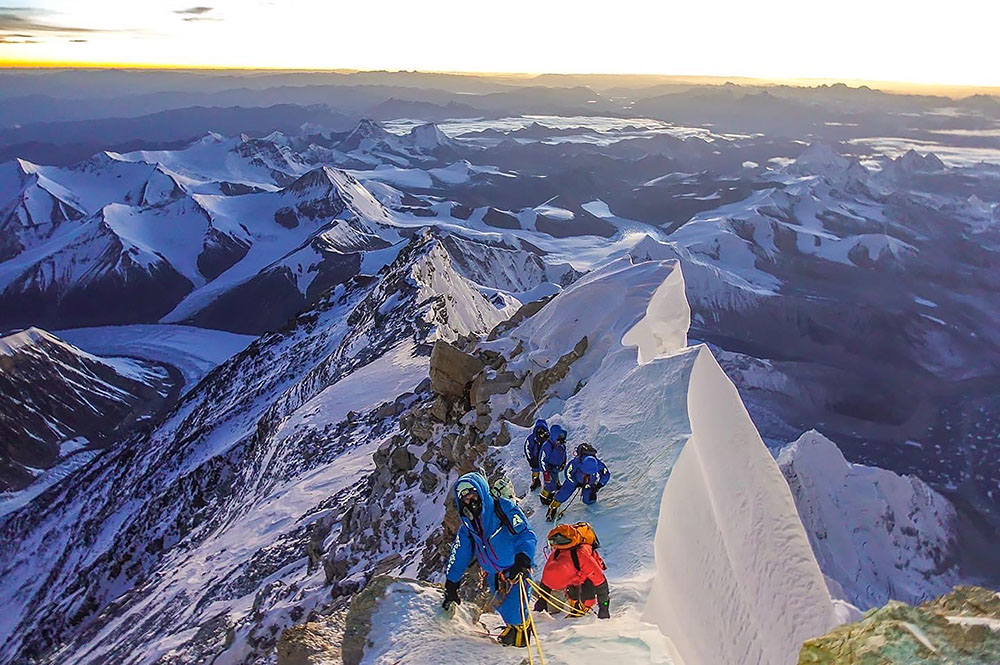
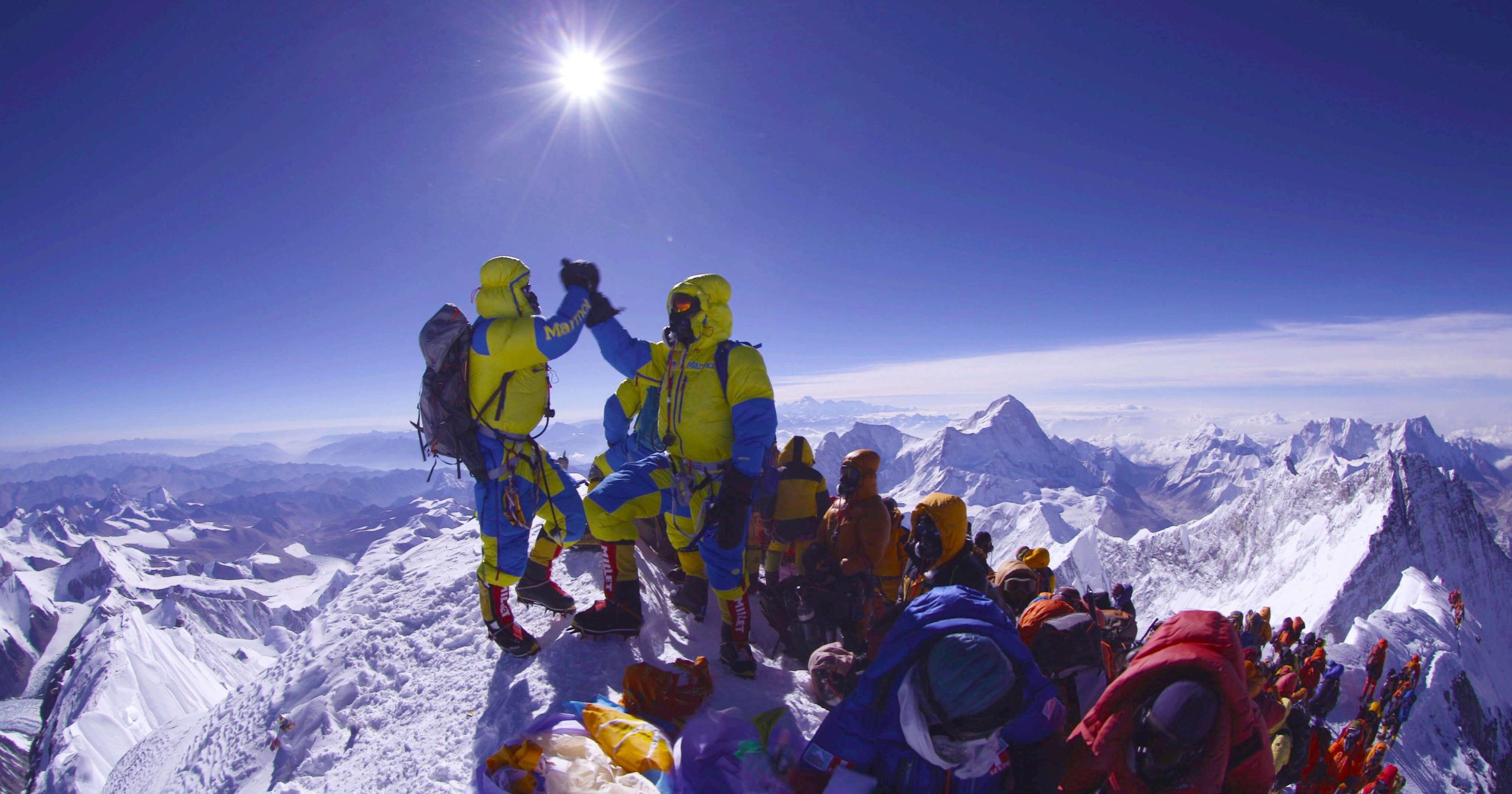
The number one question climbers are asking tour operators: What are your COVID-19 precautions?
Number two: When can I start climbing again?
“First and foremost, international air travel has been severely curtailed. Even if the parks were open and we were able to climb in the mountains, we are not able to get there safely and efficiently,” said Sean Kristl, director at Alpenglow Expeditions, one of the top guide companies in the world and a longtime Global Rescue Safe Travel partner.
Nevertheless, climbing companies are doing their best to mitigate the risk of coronavirus contagion in remote mountains. Many hope this fall will be the start of the 2020 climbing season.
“The signals we’re getting from contacts in various countries around the world are all pointing toward fall 2020 for a return to the high-altitude mountains of the world,” Kristl said. “This is when we can begin to have confidence in booking air travel, locking in logistics, and we’ll have a clear vision of what the pandemic is doing.”
We asked Kristl for his insight on what climbers should expect this fall.
Coronavirus affects the respiratory system, so is high-altitude climbing a non-starter?
For a healthy climber, high-altitude climbing during the pandemic is no different than before, aside from a ramped up level of hygiene in camp and at altitude.
Of course, if a climber has contracted COVID-19 before heading to the mountains, any type of international travel and hard physical exertion is inadvisable.
If a climber contracts COVID-19 while on an expedition, the protocol would be to immediately quarantine them in a hotel for a minimum of two weeks and with that, any thoughts of climbing are done for.
Does your Rapid Ascent program minimize coronavirus exposure?
Our approach to high altitude mountains reduces the overall time spent in-country and naturally reduces the amount of exposure in a foreign country. Our program ensures we arrive to the mountains pre-acclimatized, feeling healthy and strong because we are able to avoid the long, health depleting days and weeks of acclimatization in-country that occur on traditional expeditions.
What new testing protocols has Alpenglow Expeditions put in place?
With the proliferation of reliable tests, all international guides will be tested for COVID-19 prior to the start of an expedition they are guiding. We’ll also require clients to have a negative test within a week of departure, giving our teams assurance that everyone is healthy when they leave home.
What should climbers look for in a tour operator or climbing guide?
- Make sure your guide service has a solid COVID-19 protocol in place that includes hand washing, general camp and gear cleanliness and health screening for both clients and guides prior to departure.
- Ask about cancellation policies. Some guide services are offering relaxed cancellations policies to give peace of mind to those who want to make reservations but are unsure about the future.
- Inquire about the size of the climbing group. Smaller sized groups means there will be minimal clustering in enclosed spaces.
- Make sure the parks you’re planning to climb in are open and accepting climbing permits. A professional guide service will do all the leg work for you and should have permits in hand before you set foot in-country.
- Check if there are any virtual education programs. Climbers can sign up for remote classroom learning in preparation for a day with a guide in the field. This prevents the need to cluster in an enclosed environment and also has the added benefit of allowing students to learn at their own pace.
What climbing trips are people reserving for fall?
We’re seeing reservations starting to come in for expeditions like our Ecuador School and Chile Backcountry Ski adventure. How the pandemic either recedes or finds a second wave this summer will tell us a lot about our plans to return this fall. We can all begin to dream again about adventures in far off lands and now is the time to start making plans for your return.
Categories:
Health & SafetyTravelAugust 5, 2020

Outdoor recreation has been the saving grace during the coronavirus pandemic. With stay-at-home orders, work-from-home requests and the resulting anxiety, there’s nothing like spending time with Mother Nature to lift your spirits and lower your stress. And if you’re outside getting exercise, your health benefits just doubled.
Although there is less risk of COVID-19 contagion during outdoor recreation, there are still health, safety and planning considerations for you and others in your small group.
An infectious disease epidemiologist suggests considering three factors:
- How many people will be there?
- How close is the contact?
- How long will you be exposed to other people?
“Outdoor activities have a lower risk of coronavirus exposure than indoor activities,” said Dan Richards, CEO of Global Rescue. “By avoiding the three Cs — confined spaces, crowds and close contact — you dramatically reduce the likelihood of contracting the virus.”
Low-risk summer activities are anything outdoors and alone (or with immediate family). Even then, Global Rescue experts suggest using the same rules and safety guidelines for travel and apply them to outdoor summer recreation.
“Don’t relax your safety precautions just because you are outside,” said Jeffrey Weinstein, medical operations supervisor at Global Rescue.
To ensure you stay healthy during your time outdoors, Global Rescue has compiled safety suggestions for surfers, swimmers, boaters, runners, climbers and motorcyclists.
Safety While Surfing
The Vans U.S. Open of Surfing, held every August in Huntington Beach, California, was cancelled this year. It’s not the water that’s a threat to surfers though, as studies show coronavirus is not transmitted through water, whether it is chlorinated, fresh or salt water. Rather, it’s the crowds on the beach posing the threat to surfers.
In response, beaches across the globe have either closed or opened with their own set of restrictions. In California, beach closings and restrictions are common. According to The New York Times, some beaches in Australia have been closed for weeks while others have reopened on weekdays for water sports only.
“These restrictions are all constantly changing so be sure to subscribe to Global Rescue’s Coronavirus Report and check local beach/state information before making plans,” Weinstein said.
Swimming in Recreational Waters
If you want to go into the water — pool, lake or ocean — the good news is there is no evidence that COVID-19 can be spread to humans through the use of recreational waters, according to the CDC.
In a New York Times interview, Dr. Angela Rasmussen, a Columbia University virologist, said being in water outdoors is a likely good place to be these days.
“In my opinion, pool water, freshwater in a lake or river, or seawater exposure would be extremely low transmission risk even without dilution (which would reduce risk further),” Rasmussen said. “Probably the biggest risk for summer water recreation is crowds — a crowded pool locker room, dock or beach, especially if coupled with limited physical distancing or prolonged proximity to others. The most concentrated sources of virus in such an environment will be the people hanging out at the pool, not the pool itself.”
It’s a good reminder: Although you may be keeping yourself safe, not everyone is abiding by the rules.
“Travelers should expect other travelers to not follow the appropriate precautions,” Weinstein said. “Do your due diligence and plan your safety strategies for communal areas.”
The Well-being of Water Sports
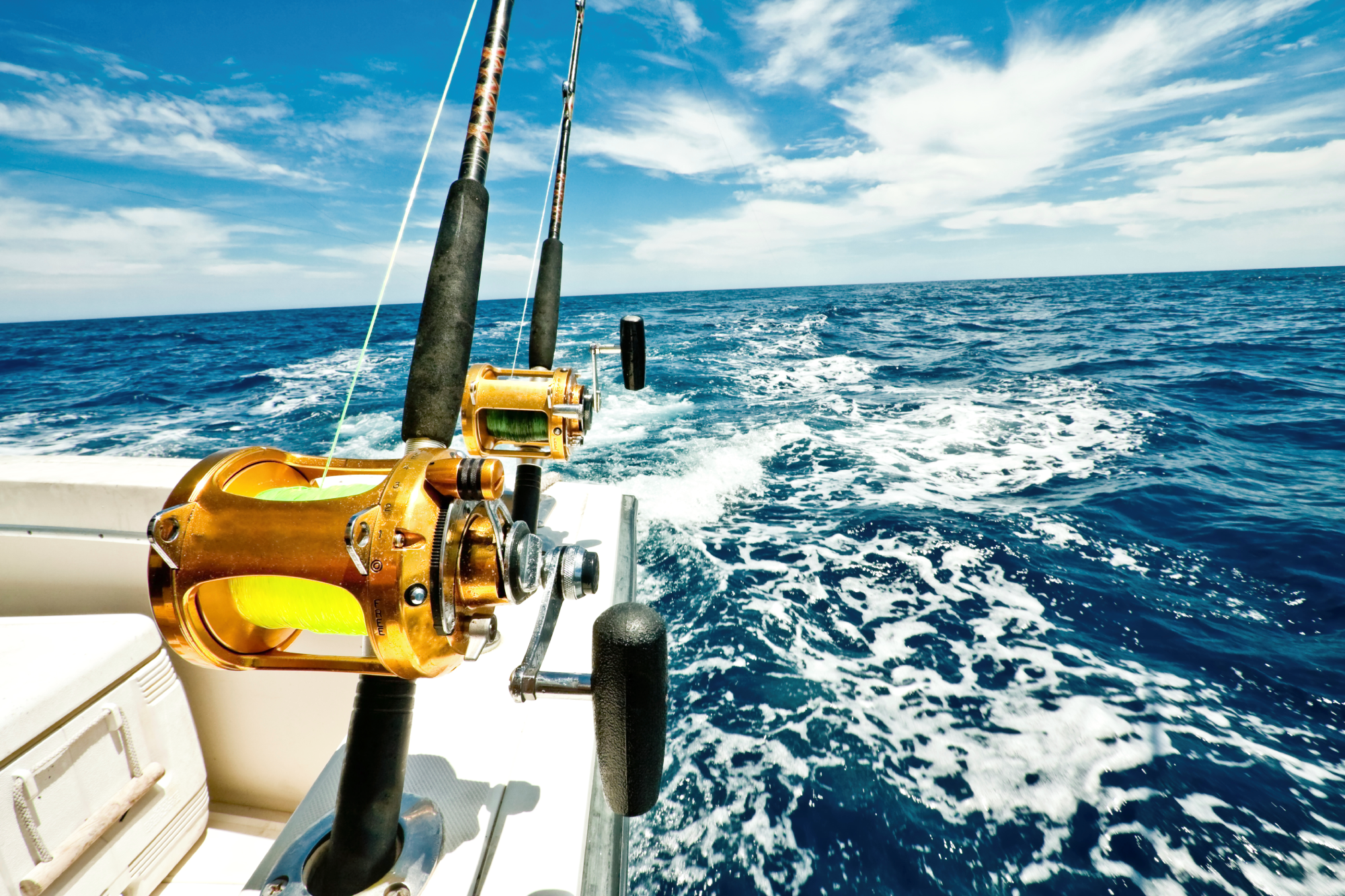
Boating, sailing and fishing are all great outdoor activities during the pandemic but, again, you’ll want to avoid crowded recreational areas. Groups of people increase the likelihood of transmission and freshwater recreational areas (such as lakes and ponds) may pose a slight risk.
If you’re launching or fishing from a public dock, you will want to avoid high-touch areas, such as ladders, mooring poles and hand rails.
“Be wary of frequently touched surfaces,” said Jacqueline Sioson, operations supervisor at Global Rescue.
Social distancing guidelines will still be important, even in the great outdoors. Maintain distance at boat ramps and fuel docks (avoid using either if other people are there). You should also only boat with those in your immediate household.
Fishing on land? Use your fishing rod as a natural measure for social distance. Fishing rods measure anywhere from two to eight feet. Fly rods are typically a bit longer, measuring between six and 10 feet. Bring your own tackle boxes and coolers to limit communal contact.
Social Distancing While Running, Biking and Walking
If you are running, walking or biking with someone, maintain six feet of distance.
Maintaining appropriate social distance might be easy to do in a rural area but it’s not as simple on a metropolitan bike path.
Penn State’s Center for Infectious Disease Dynamics details how to share outdoor space responsibly: “If you’re behind someone who is walking, running or biking, the guidelines are a little different. A preliminary study by aerodynamicists using simulations of micro droplets in saliva left behind by a walker, runner and cyclist shows that your best bet is to stay out of the slipstream, also known as their draft.”
To do so, you’ll need to keep a distance of about five yards between you and someone walking ahead of you, about 10 yards between you and someone running ahead of you and a staggering 20 yards between you and someone cycling ahead of you.
If you don’t have that much space, consider staggering your position and following diagonally instead of directly. If you need to pass them (or they need to pass you), you should still offset your position and increase the distance between you as much as space allows.
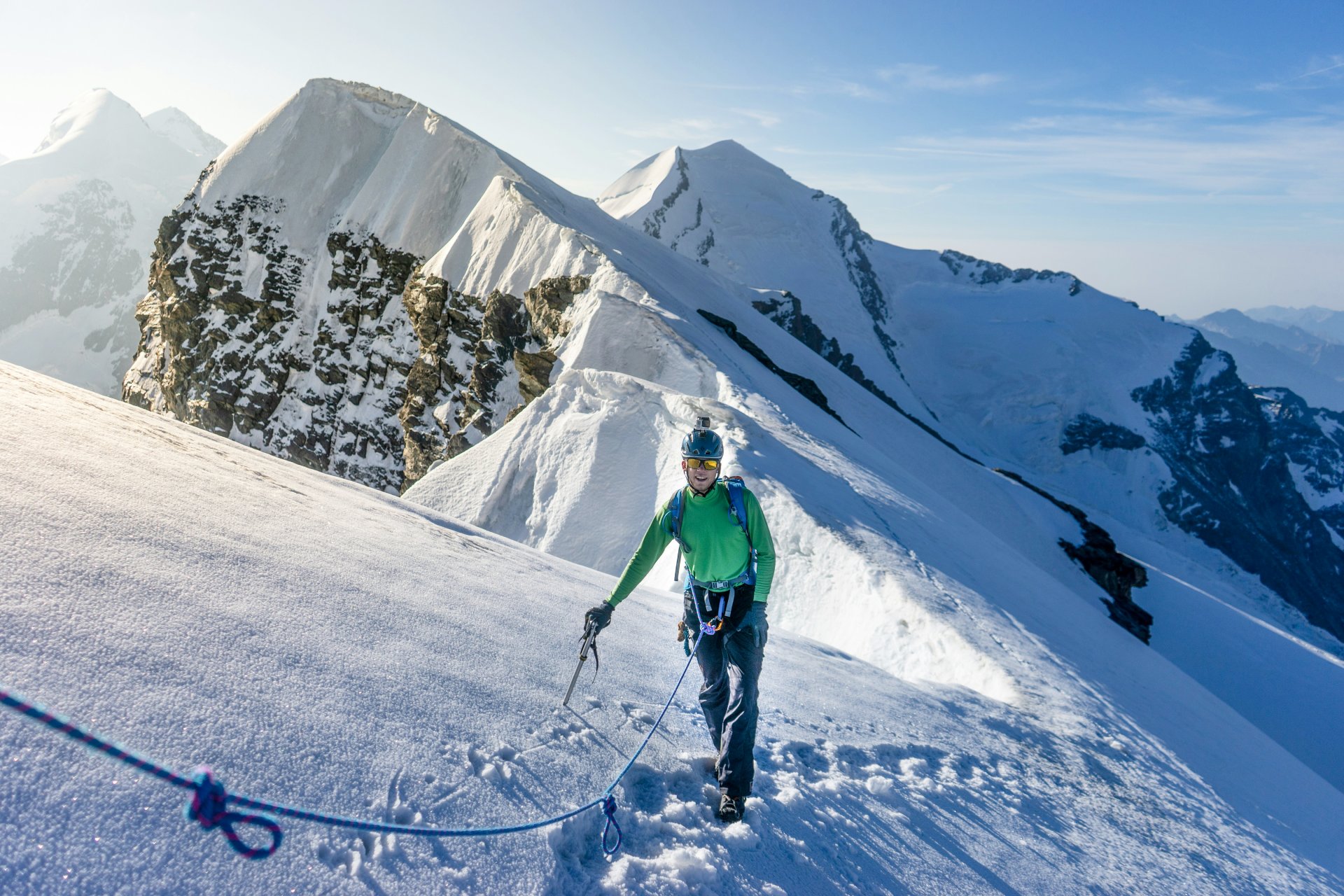
Take Care While Climbing
Climbing isn’t a high risk coronavirus-infection activity, but the pandemic has made safety all the more important. Why? Less access and less help if you need it.
Trails, facilities and ranger stations may be closed due to COVID-19.
According to the Boulder (Colorado) Climbing Community, “this pandemic has put enormous strain on our local land managers. Many of them are being asked to handle higher than usual visitation rates while having fewer staff and resources. They are constantly having to evaluate restricting access as a management tool. It is paramount that climbers follow all rules and guidelines set by land managers to ensure access is not jeopardized.”
Do your research before heading out on your next adventure. The National Park Service provides a searchable map of parks open to the public. You will want to make sure you have cell phone coverage or a satellite phone to call for help.
Better yet, consider a travel protection services membership. One Global Rescue member was injured on a holiday weekend climb in the United States and the ranger station was closed due to COVID-19. His friend was able to call Global Rescue who facilitated his medical evacuation with local authorities.
The Access Fund, a climbing advocacy community, suggests “dialing it back a notch for the sake of our search and rescue teams.” They also advise:
- Climbing close to home
- Limiting group size
- Maintaining social distancing and wearing a mask when others are in proximity
- Washing hands before and after climbing
- Bailing on busy crags
Mapping a Motorcycle Safety Plan
The call of the open road lures motorcyclists out of their homes and on their bikes. With little to no traffic on the roads and highways, now is a great time to enjoy an adventure ride. Even American Motorcycle Association sanctioned-events have returned, albeit without spectators.
Driving is safer than flying and when you are in your car, you are able to make the rules to protect yourself and your passengers from coronavirus contagion. On your motorcycle, most likely, it will be just you following the rules.
- Bikers should keep their helmet and gloves on during the ride and on any stops. Be sure to wipe them down after gassing up and at the end of the day.
- If you wear a bandana or balaclava while riding, continue to do so. It will save you the stress of putting on and taking off a face mask during stops/breaks.
- Don’t wear a helmet if it has been cracked or shows signs of wear. Helmets should be Department of Transportation approved (usually with a DOT sticker on the back) and not older than five years.
- Countries have varying rules and regulations. In England, motorcyclists should not ride in groups or congregate at single spots, making sure to practice social distancing. It’s also advised not to ride across Scottish and Welsh borders if you don’t know the rules.
- The same social distancing guidelines and location restriction research hold true for domestic travel. American Motorcyclist magazine updates a monthly list of state and local bills, grants, openings and closings.
The Plus of Travel Protection Services
No matter where you enjoy your outdoor recreation — at home, close to home or far away — be sure to do your research. Check conditions along your route and at your destination to ensure you’re not traveling through — or to — a hot spot. Global Rescue’s free Coronavirus Report includes maps with U.S. and worlwide hot spots, details on state-by-state restrictions, stay-at-home orders. You can also sign up for weekday email update alerts.
If you are planning a trip 100 miles away from home, a travel services membership will increase your safety on the front end, such as providing a risk assessment for a particular destination and assist you on the back end, in case you run into coronavirus restrictions or need an emergency medical evacuation.
Categories:
Health & SafetyTravelAugust 3, 2020
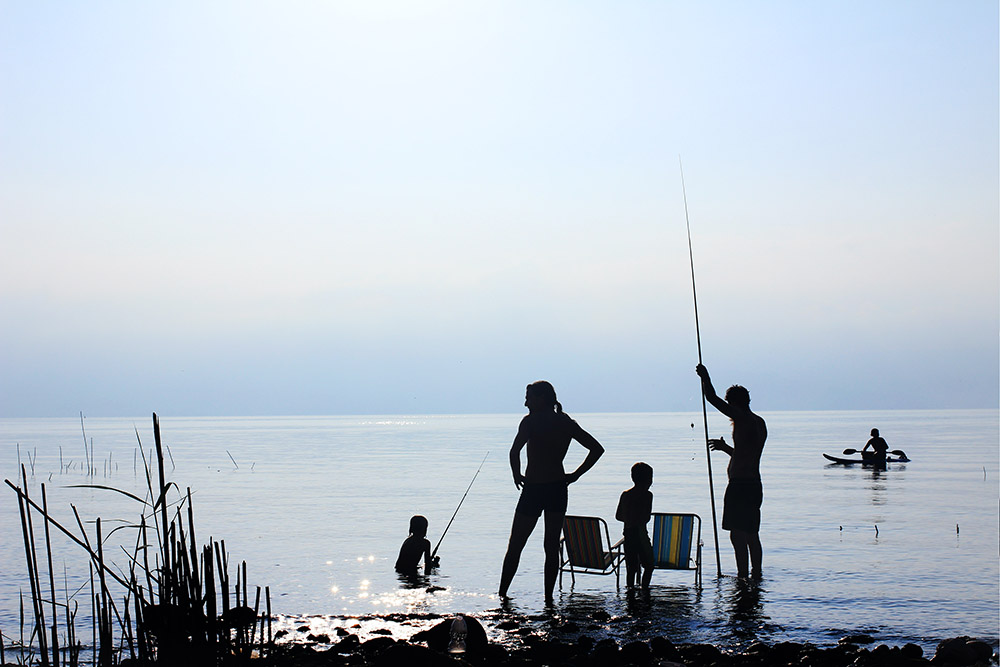
According to a AAA travel survey, nearly 100 million Americans – four in 10 U.S. adults – took a family vacation in 2019. Europeans are big travelers as well: workers typically receive four weeks of vacation annually. Outside of Europe, according to an annual vacation survey by Expedia, Hong Kong residents use all of their 14 vacation days and Thailand residents use their 10 days.
What’s more, the numbers of families taking time away together are expected to rise by nearly 25% to 376 million trips annually by 2022, according to the Family Travel Association.
Who Is Traveling?
Before coronavirus, just about everyone.
Annual research by the NYU School of Professional Studies Jonathan M. Tisch Center of Hospitality and the Family Travel Association found that 77% of parent respondents have traveled with their children in the past three years and 70% are planning to travel with their children in the coming three years. The location varies: 21% of families have taken their children to an all-inclusive resort for vacation, 68% on a family road trip, and 68% on a beach vacation.
When borders open world wide, resilient travelers — young professionals, families with young children and backpackers — will book travel first. MMGY Global, a marketing company specializing in the travel, tourism and hospitality industry, estimates resilient travelers make up 16% of the travel market.
Summer travel will lean toward domestic travel and international travel will focus on sustainability. According to Booking.com’s Sustainable Travel Report for 2020, 82% of global travelers have identified sustainable travel as important and 68% of travelers would like the money they spend on travel to go back into the local community.
Traveling with Small Children
For new parents, preparing small children for a car or plane trip can be a daunting task. Here are some safety tips for planning summer adventure travel.
- Start with a safe location/destination. Look at health risks, safety risks, crime statistics and coronavirus restrictions. Global Rescue’s free Coronavirus Update can point your family in a low-risk direction.
- Have the right documentation. According to the U.S. Department of Homeland Security, all children, including infants, must have their own passport or Trusted Traveler Program document for U.S. entry.
- Carry documents if you are traveling alone with minor children. For example, if the child is accompanied by only one parent, the parent should have a note from the child’s other parent: “I acknowledge that my wife/ husband is traveling out of the country with my son/daughter. He/she has my permission to do so.”
- Decide about seating for children. You don’t need to purchase an extra seat for a child under age 2. If you don’t want a child on you lap the entire flight, you can purchase an infant ticket (not full fare). Bring your own car seat.
- Sign up for TSA Precheck. It can be difficult for young children to wait in long lines. Low-risk travelers can apply for an expedited security process, departing from a U.S. destination, in 120 airports. Returning to the states, Global Entry, run by U.S. Customs and Border Protection, speeds up process of entering the United States.
- Pack some extras. Make sure you have favorite blankets and stuffed toys to encourage naps, which will help with time zone changes or jet lag. Bring lollipops for ear pain and snacks for when blood sugars run low. Consider a child-size rolling suitcase for kids over age 5; kids love to be helpful.
- Provide safety education. Don’t start the adventure without children knowing what to do in an emergency, memorizing phone numbers, having contact info/ID on them at all times, and holding hands with adults at all times in public areas. You’ll also want to remind kids to continue all the coronavirus protection measures they follow at home.
Traveling with Teens and Preteens
Although the kids are older, it doesn’t mean the family trip is easier. Social media is influencing everyone’s decisions and according to a vacation survey by Alamo Rent A Car, nearly half (49%) of families decide where to go or what to do on vacation based on the pictures they see on social media. Parents seem to be especially influenced at 61 percent versus 36 percent for non-parents.
If you’re traveling with teens or preteens, try a few of these ideas:
- Ask for your teen’s input. Chances are they’ve already seen vacation spots on their friend’s social media sites, investigated places they’d like to go and investigated ecotourism destinations with sustainability in mind. And they’ll be more invested in the trip if they’ve helped plan it.
- Choose a location with lots of options. You’ve already done your research on the safety and health risks of the destination. Ask your kids to choose the hotel, researching the options it has for them: access to the beach, indoor or outdoor pool, game room or nearby activities. Teenagers will want to go and do things on their own and you’ll want them to be safe.
- Don’t ban technology. Of course you don’t want your child’s nose against the screen the entire trip. But a cell phone or an iPad can be handy during the downtimes of travel, or tracking your teen while they are off on their own. A Global Rescue membership includes the My Global Rescue Mobile App, to help families keep track of the people they care about with geo-fence designated areas and check-in functionality.
- Set some age-appropriate rules. This could include limiting the amount of money or valuables they carry, or scheduling check-in times or curfews.
Family Travel Tips for Any Age
Toddlers, teens, grandparents? Traveling with family requires patience, planning and practice. Here’s how to get started.
- Poll the family and see how everyone wants to spend their vacation. Use the results — two want water sports while two want relaxation — to pick the destination.
- Make sure everyone is healthy. Everyone in the family should schedule a travel health consultation three to four weeks before the trip. All immunizations and vaccines should be up to date.
- Plan your route. Depending on the ages of your clan, you might want to consider a flight with a layover (small children and seniors get a chance to stretch their legs). Teens can most likely handle a longer direct flight.
- Check in online and pick your seats. With younger children, you’ll want assigned seats so you are all sitting together.
- Add extra time to the travel schedule. Factor in any weather changes. Look up airport wait times before you get in the car.
- Find out what documentation you’ll need. Make sure your child has your personal information on them at all times, along with copies of their travel consent forms, travel itinerary and passport. More valuable documents like passports and vaccination documentation should stay with a parent or guardian. Grandparents should bring a list of medications. United Airlines provides some advice for domestic and international travel.
- Invest in travel membership services. Global Rescue family memberships include a primary member, spouse and up to six dependent children under the age of 26. Every member will be able to access medical, security, evacuation, travel risk and crisis management services.
- Children over age 26? Consider this idea: “I’ll be giving memberships to my older kids who have aged out of our family plan throughout the year as birthday presents,” said Global Rescue member Tim Williams of Wellborn, Florida.
If you’ve checked off the bullets on this list that apply to your upcoming summer vacation, you and your family members are ready for safe travels.
Get a price estimate
Estimate
$0.00
Please answer all questions for estimate.