
Categories:
Health & SafetyPlaces & PartnersTravelJuly 24, 2020
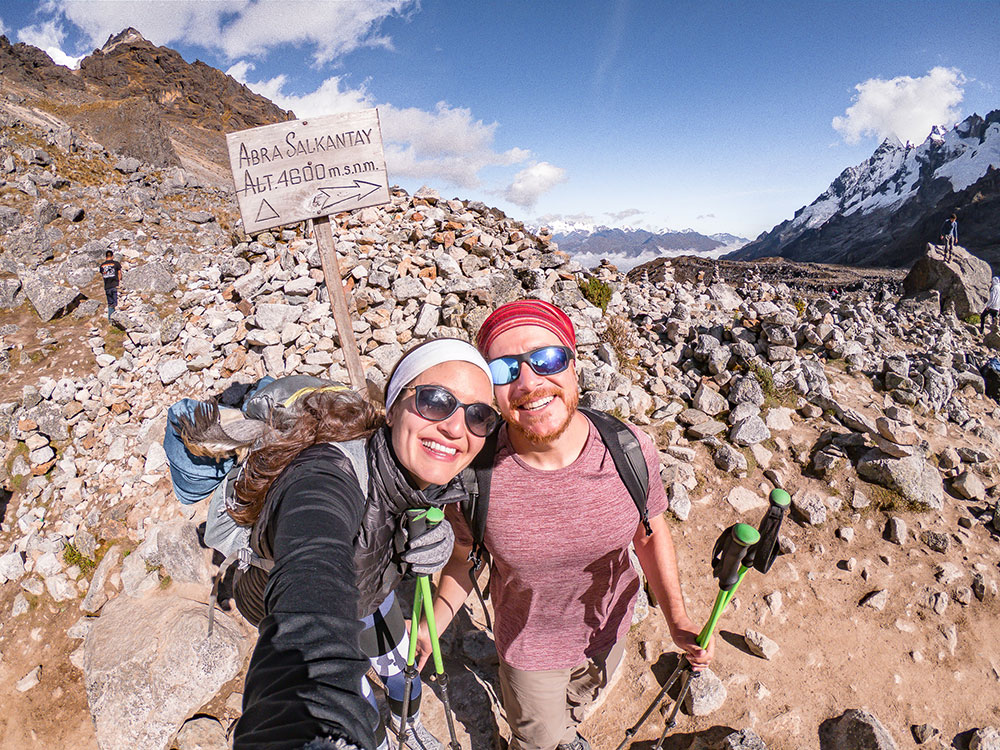
Even if you were always a thoughtful and neighborly traveler, there’s a longer list of considerations in this new era of travel.
Adam Aronson, co-founder of travelhelix, has traveled the world and helps his clients do the same. While his personal adventures are on hold, Aronson is adapting to new challenges and thinking differently about the future of travel.
“People now look at travel differently. As travel planners and adventurers, it only makes sense that Danielle and I approach it differently as well,” Aronson said. “Now more than ever, our actions as travelers matter a great deal. Travel is reopening in the United States and certain international destinations are on the near horizon. Before we’re let loose on the world again, we’re being given the opportunity to test the waters in our own backyard.”
Here are five recommendations from travelhelix, a Global Rescue Safe Travel Partner, to help you adjust your travel mindset.
Hold Yourself To A Higher Standard
It’s easy to convince ourselves we simply must escape. But we shouldn’t allow wanderlust to overshadow our better judgment or cloud our view of what’s considered safe. This starts with a stepped-up risk assessment before you start booking.
“Whenever you travel, you’re an ambassador for your home state and country. If you choose to travel nonessentially in the era of COVID-19, do so with a heightened sense of responsibility,” Aronson suggested. “This means thinking more deeply about the risks involved, not only for ourselves and our loved ones, but for the strangers waiting to greet us on the other side.”
“We’re not trying to discourage anyone from traveling. But we absolutely encourage everyone to put a deeper level of consideration into trip planning than ever before,” Aronson said. “We advise our clients to be more thoughtful, aware and observant than they’ve ever been — and to recognize the definition of travel safety has evolved significantly in recent months.”
Upgrade Your Personal Travel Risk Assessment
Before, your travel risk assessment may have been mostly inward-facing. Now, it must evolve to become more outward-facing.
“A travel risk assessment should always include you and your loved ones. It’s normal and reasonable for you to start there, but it doesn’t end there, especially in the wake of a new and considerably unknown threat,” Aronson said. “Today a travel risk assessment needs to be equally about others.”
Aronson provides an example. “As our plane departed for Quito in December 2018, Danielle turned to me: ‘Any chance we get through seven months in South America without getting sick?’ Today, we’d have a different conversation: ‘Well, we may have recently been exposed…and we haven’t been tested…so can we — in good conscience — make this trip? What if we were to unknowingly get 10 people sick … and what if they …’”
Aronson recommends checking all of the right travel safety boxes by researching your destination, getting a COVID-19 test before you leave home, visiting a travel medicine clinic for certain international trips and signing up for a travel protection services membership.
Approach Every Human Interaction Through A New Lens
Through every stage of the travel process, you will encounter different people who all play unique roles within your travel journey. In recent months, each of them has been through a different version of the pandemic.
Before becoming frustrated with customer service representatives over the phone or TSA agents as you’re passing through airport security, remember they’re just doing their jobs and those jobs have been particularly difficult lately.
“Show more empathy. Heighten your situational sensitivity. In today’s world, there’s no limit to either,” Aronson said. “Coronavirus has leveled the playing field and we now find ourselves standing on at least one piece of common ground. Perhaps this shared experience creates an opportunity for a new degree of human connection and may make your travel more rewarding than ever.”
Take A Closer Look At Destinations This Summer
After months inside your home, you may be eager to hit the road somewhere — anywhere — right now. For millions of Americans, this is going to be the summer of road trips and national parks. Can you follow a similar path while staying safe and still get the vacation you need?
“If you’re planning on going that route, choose a place you can safely social distance and still get your much-needed dose of travel therapy,” Aronson said. “You may want to consider a road less traveled. That is, a less popular destination, despite what’s been on your bucket list.”
“We’ve been looking at how particular states and countries have responded to the pandemic and what sort of approach they’re taking as far as reopening,” Aronson continued. “In the United States, Maine and Hawaii have rolled out state-mandated 14-day self-quarantines for anyone arriving or returning to the state. Hawaii’s was just extended from June 30 to July 31. Maine’s four-phase reopening plan extends into August,” he explained. “The common underlying theme: protect the local residents. In turn, this should have positive public health implications for tourists.”
You might also consider exploring what’s in your own backyard.
“Now is a great time to become a traveler in your own home area,” Aronson said. “You can still come back feeling relaxed, refreshed, renewed with a weekend camping trip to the local lake.”
Have A Backup Plan
Carefree, spontaneous and open-minded are key components of adventure travel. Today, however, there’s a whole new level of safety diligence involved.
“We’ve always been cautious travelers, but we’ve never had everything planned out, minute by minute,” Aronson said. “We’re firm believers in the idea that the most rewarding travel experiences come from the unplanned and unexpected.”
“Unfortunately, we no longer have the luxury of being able to travel with that same relaxed and worry-free attitude. We still won’t have everything planned out, but we will have better contingency plans for medical emergencies.”
This is one reason travelhelix recommends Global Rescue memberships to clients.
“Travel is an investment in experiences. A Global Rescue membership helps protect your investment and offers peace of mind from the unexpected while you’re out discovering,” Aronson said. “For the foreseeable future, we plan on keeping it fairly local and completely domestic. It’s good to know we can plan an adventure trip to a remote, off-the-beaten-path place in the United States — and still be covered in a worst-case scenario. In today’s travel world, that means more than ever.”
Categories:
NewsJuly 24, 2020
Categories:
Health & SafetySecurity & IntelligenceJuly 23, 2020
When was the last time you had an emergency drill at work?
If you haven’t participated in one recently, it’s a good indication that your company may not have an emergency action plan (EAP) in place.
Occupational Safety and Health Administration (OSHA) requires companies with more than 10 employees to have an EAP, a written procedure detailing the appropriate response to various types of emergencies. The emergency can be something as simple as a fall at work to something more complex, such as a coronavirus outbreak.
“An emergency action plan is part of a company’s security plan,” said Harding Bush, associate manager of operations at Global Rescue. “It maps out procedures for different scenarios, such as losing power, what to do in a hurricane or how to respond when a traveling employee has a heart attack overseas.”
Bush should know. He’s a 20-year U.S. Navy SEAL veteran with an additional 10 years of experience in international travel and corporate security. He has assessed sites and developed EAPs for a variety of corporations, governments and educational institutions.
A Business Necessity
Companies, government agencies, organizations and even educational institutions cannot function without emergency procedures and policies.
The central document most organizations utilize is the company handbook or company security plan. This document contains standard operating procedures (SOP), a step-by-step set of instructions guiding employees to perform tasks in a consistent manner.
There are numerous standard operating procedures in an organization. Some examples include visitor policies, cybersecurity measures, building entry safeguards, employee background checks — and they are all designed to prevent emergencies.
“Parking, entering the building, logging on to a computer, how e-mails are sent and how transactions are conducted — these are only a few examples,” Bush said. “Most of these procedures become second nature and are ingrained into the culture of the organization. Any deviation is easy to address and correct.”
Failure to comply with SOPs — for example, not staying home if you are ill or not cleaning up after a spill on the manufacturing floor— can cause an emergency. This is when an EAP comes into play.
More Important Now Than Ever
Given the current state of the COVID-19 crisis, EAPs are more important now than ever.
An example: You’ve already updated your SOP to include COVID-19 screening for employees and an employee has a positive test. This triggers the EAP, should you have one for this event, to institute work from home protocols.
“Procedures and policies that we may not practice every day — but are critical to safety or security — are policies that deal with emergency preparedness,” Bush said. “EAPs mandate the necessary actions taken by organization staff to mitigate the negative consequences of an emergency. Some examples are building evacuations, fire drills, active shooter, power outage, flood, cyber breach, injury at work and workplace violence.”
A corporate EAP looks very different than a factory EAP. Each emergency — flood, fire, chemical spill, injury or heart attack — requires its own set of procedures. The risk manager or risk management team must evaluate scenarios with help from human resources, operations, logistics, finance and legal. There are also a variety of other factors to take into account, like geographic location, worksite layout, structural features and local emergency resources and response time, to name a few.
“Some emergencies cannot be avoided,” Bush said. “Risk managers need to plan ahead and lead the charge. An effective SOP will reduce the likelihood of an emergency and an effective EAP will lessen the impact and consequences of an emergency.”
What is a challenges for businesses post-COVID-19? Planning ahead.
Coronavirus presents a new challenge for organizations. Most emergencies happen once and an EAP for a hurricane, for example, may stand the test of time. With the COVID-19 pandemic, information seems to change frequently, with new outbreak locations, country-specific travel restrictions, new symptoms. A coronavirus business EAP may need a weekly or monthly review.
Sound daunting? The experts at Global Rescue help companies across the globe establish emergency action plans every day. If you’re evaluating your emergency preparedness, they suggest beginning with a five-step process.
Step One: Is There An EAP?
Emergency action plans are usually found in the overall company security plan or the organization’s standard operating procedures.
“Whoever leads the effort should take inventory of what plans are already in place and what plans will need to be modified or updated,” Bush said. “The leader should also talk with staff members to evaluate the level of understanding of policies in place.”
Step Two: Select A Team
Choose a person to supervise and coordinate the EAP.
“Developing an EAP is a comprehensive effort,” Bush said. “There needs to be a leader, only to maintain focus and organize the thoughts and requirements of the rest of the EAP team: key personnel from departments affected by the emergency or the required action.”
All departments should be represented on the team writing the plan. You’ll want a combination of management and staff.
“Enthusiastic participation in the earlier stages of putting together the plan will make the validation process easier and more effective,” Bush said.
Step Three: Assess Risks
Now it is time to review key objectives and priorities. Balance “business as usual” against new demands, such as coronavirus restrictions, and changing priorities, including safer business travel.
“Before any specific plan writing begins, an overall risk assessment should be conducted. This assessment should prioritize potential emergencies using a combination of the likelihood of occurrence and possible negative or catastrophic consequences to personnel, property and business objectives,” Bush said.
“During this assessment, changing a few standard procedures may significantly reduce the likelihood of an emergency. This is an example of being proactive rather than reactive — or waiting for the emergency to happen before taking action.”
In addition, assessments should rely heavily on past experiences and those lessons learned.
“Has the company experienced any prior emergencies? What went well and what could have gone better? What caused the emergency and how were overall business operations affected?” Bush said.
Step Four: Write And Validate The Plan
After existing plans are reviewed and updated or new plans are created, the next step is communicating to all personnel.
“There needs to be an effort to ensure the plan is understood. This should be more than just having staff read and sign off on it,” Bush said. “Short, interactive drills and exercises are effective within individual departments. These exercises will provide valuable feedback about the overall understanding of the plan and how well the plan may work.”
Communicating and validating the plan does not have to be a massive scale effort detracting from business operations.
“Small, individualized question-and-answer sessions, discussions or walkthrough rehearsals of specific portions of the plan can be sufficient,” he said.
Step Five: Incorporate The EAP
Once the drills and exercises are conducted and the findings and recommendations are incorporated, the plan is presented to leadership for final approval.
“It is now ready to be incorporated into official company policy,” Bush said. “Personnel acknowledge understanding of the plan and are responsible for carrying it out when necessary.”
Companies should offer training and perform routine checks to ensure everyone remembers their specific role and responsibility. Companies should also accept ongoing feedback for improvements to the EAP.
How Global Rescue Can Help
All EAPs need to be reviewed to ensure any COVID-19 requirements are included.
“If mistakes are made, the consequences are greater, due to COVID,” Bush said. “You can end up with a follow-on COVID-19 emergency if EAPs are not modified to consider COVID-19 requirements.”
If your organization needs to develop or update an EAP, the security experts at Global Rescue can help. This could include a broad range of services, from reviewing standard operating procedures to creating a full security plan, or providing a situational briefing and assessment for an upcoming international trip.
“Global Rescue ensures employers have proactive plans in place to protect the safety and security of employees,” said Bush. “From creating an emergency action plan or blueprint for best practices to reduce the risk of liability or exposure during the coronavirus pandemic, Global Rescue provides intelligence capabilities customizable to your business needs.”
Click here to learn more about Global Rescue’s travel risk and crisis management services.
Categories:
Health & SafetyJuly 21, 2020

The pandemic is forcing everyone to learn how to mitigate travel risk. Whether you’re a tour operator, a traveler or a government, restarting travel is on everyone’s mind. The challenges are facing each of us in different ways and in varying degrees.
What should I do? What shouldn’t I do? How do I get any of it done?
No matter where you are in the travel industry, these are questions we ask ourselves as often as the health experts and government officials announce new information about COVID-19 mutations, infections, treatments and vaccines.
To help answer some of these questions Global Rescue hosted the highly anticipated webinar “Restarting Your Operation: Legal Liability and Duty of Care For Tour Operators During the Pandemic.”
The event was moderated by Jim Sano, the former president of Geographic Expeditions and a Yosemite Park Ranger.
The webinar panel featured travel experts from the legal, insurance, medical and security sectors. Each speaker shared constructive insights invaluable for anyone puzzling over the “do’s, don’ts and how to’s” of the new travel risk management landscape.
Sano said a successful return to domestic and international travel will require four essentials from travel tour operators.
“First, tour operators should consider having COVID-19 waivers. Next, they should scrupulously maintain established practices to avoid disease spread. Third, they need to enhance emergency response abilities. Finally, it’s ideal to team up with an emergency travel risk medical provider to handle the responsibilities of medical emergencies,” Sano said.
Insurance
A nagging question among tour operators is how to address client and customer risk and adhere to relevant guidelines. Ken Whitman is a liability specialist for tour operators and a senior program manager at AON, the world’s largest insurance broker. He said tour operators need to be careful during the pandemic not to take on or assume additional responsibilities or obligations that result in assuming legal liability for things for which they are normally not responsible.
“It’s better practice to put these obligations on the vendors providing the services and confirm they are fulfilling those obligations through proper vetting,” Whitman said.
Legal Liability
When it comes to legal liability, tour operators are looking for ways to balance common-sense precautions while protecting themselves and their business from safety guarantees. Jeff Ment, an attorney with expertise in travel related issues including legal liability and duty of care, said COVID-19 is a known danger and tour operators are moving quickly to prepare for unparalleled liability exposure.
“Waivers are a must, if you don’t have one already. If you do already have one, then having a COVID-19 specific waiver may not be necessary,” he said. Ment added that the pandemic is adding more awareness steps to the travel process.
“Tour operators need to know what their customers may be asked as the trip is happening. You need to know in advance if they’re going to be asked to sign something. You can’t hand something to travelers at the last second and expect them to legally be obligated to sign it,” he said.
Medical and Operations
Global Rescue’s Vice President of Operations, Scott Hume, said as travel opens up internationally people must assess the medical capabilities and transportation infrastructure to get you to healthcare facilities at your destination in case you fall ill. Not all tour operators understand what critical resources are available and needed for emergency medical response and mitigation.
“Just as important is who bears the cost should you get sick and stuck on the other side of a border with an illness and without the medical facilities or infrastructure to treat you,” Hume said.
Do’s & Don’ts
Tour operators need to follow established guidelines and steer clear of taking on responsibilities suited for medical experts. Global Rescue’s Medical Director Dr. Claudia Zegans said tour operators must rigorously adhere to basic guidelines like washing down high-touch surfaces and creating situations enabling physical distancing but they should not stray into the medical lane of conducting tests.
“When someone gets sick or injured, things can go wrong quickly — unless tour operators partner with a travel risk and crisis management company so medical emergencies are handled by trained healthcare professionals,” Zegans said.
If you’re interested in checking out the full webinar, click here for access to a recording of the event.
LEBANON, NH, July 16, 2020 – The Ladies Professional Golf Association (LPGA) today announced that Global Rescue, the world’s leading provider of medical, security, evacuation and travel risk management services, will help the LPGA and Symetra Tours safely return to play.
Global Rescue will provide medical advisory support and crisis extraction services for LPGA Tour players competing at tournaments around the globe. “The first step the LPGA has taken in preparing for a return to play is to make certain an emergency action plan and safety protocols are in place,” said Dan Richards, CEO Global Rescue.
“The LPGA is thankful to have so many partners that have helped us prepare to go back to play safely,” said Kelly Hyne, LPGA Chief Sales Officer. “Keeping our athletes, caddies, staff and tournament partners healthy is our number one priority. We appreciate their expertise and guidance during this unprecedented time.”
The LPGA is working with Global Rescue and others to make certain protocols include secure collection of traveler history and health information, as well as COVID-19-based destination reports in hand.
“During the tour, the LPGA will have access to tracking and periodic screening, testing and treatment. Finally, we will have response mechanisms in place for emergency medical assistance, field rescue from point of injury or illness and global telehealth access,” Richards said.
Global Rescue’s integrated travel risk and crisis management solutions are supported by the GRID system (Global Rescue Intelligence Delivery), a proprietary traveler tracking, intelligence and journey management platform designed to protect travelers.
“The GRID system keeps track of individuals through smartphone GPS and automatically alerts them if there’s a dangerous development within their current destination,” Richards said.
The 2020 LPGA Tour season is scheduled to resume with the LPGA Drive On Championship, to be held July 31 to August 2 at Inverness Club in Toledo, Ohio, followed by the Marathon LPGA Classic presented by Dana, to be held August 6-9 at Highland Meadows Golf Club in Sylvania, Ohio.
About Global Rescue
Global Rescue is the world’s leading provider of medical, security, evacuation and travel risk management services and has been the LPGA’s official travel risk and crisis management provider since 2017. Founded in 2004, Global Rescue has exclusive relationships with the Johns Hopkins Emergency Medicine Division of Special Operations and Elite Medical Group. Global Rescue provides best-in-class services that identify, monitor and respond to client medical and security crises.
About the LPGA
The LPGA is the world’s leading professional golf organization for women. Founded in 1950 and headquartered in Daytona Beach, Florida, the association celebrates a diverse and storied membership with more than 2,300 Members representing more than 30 countries. With a vision to inspire, empower, educate and entertain by showcasing the very best of women’s golf, LPGA Tour Professionals compete across the globe, while the Symetra Tour, the official development and qualifying tour of the LPGA, consistently produces a pipeline of talent ready for the world stage. Additionally, LPGA Professionals directly impact the game through teaching, coaching and management.
The LPGA demonstrates its dedication to the development of the game through The LPGA Foundation. Since 1991, this charitable organization has been committed to empowering and supporting girls and women through developmental, humanitarian and golf community initiatives, including LPGA*USGA Girls Golf, the LPGA Women’s Network and the LPGA Amateur Golf Association.
LEBANON, NH, July 16, 2020 – Global Rescue, the world’s leading provider of medical, security, evacuation and travel risk management services, hosted a highly anticipated webinar “Restarting Your Operation: Legal Liability and Duty of Care For Tour Operators During the Pandemic.” The exclusive webinar was open to thousands of travel tour operators, travel industry businesses and travelers.
“Whether you’re a tour operator, traveler or government, the pandemic is forcing everyone to learn how to mitigate risk to restart their operations” said Global Rescue CEO Dan Richards. “The challenges we are confronting are unique and the insights from our featured speakers are invaluable as we all work to further understand the new travel risk management landscape,” he said.
Former President of Geographic Expeditions and Yosemite Park Ranger Jim Sano moderated the webinar and said a successful return to domestic and international travel will require four essentials from travel tour operators.
“Tour operators should consider having COVID-19 waivers. They should scrupulously maintain established practices to avoid disease spread. They need to enhance emergency response abilities. And it’s ideal to team up with an emergency travel risk medical provider to handle the responsibilities of medical emergencies,” he said.
The webinar focused on three core topics:
- Insurance – Approaching client risk and adhering to relevant guidelines
- Legal liability – Balancing common-sense precautions while protecting yourself from safety guarantees
- Medical and operations – Understanding critical resources for response and mitigation
Liability specialist for tour operators, Ken Whitman, is a senior program manager at AON, the world’s largest insurance broker. He said tour operators need to be careful during the pandemic not to take on or assume additional responsibilities or obligations that result in them assuming legal liability for things for which they are normally not responsible. “It’s better practice for them to put these obligations on the vendors that are providing the services, and to confirm they are fulfilling those obligations through proper vetting,” he said.
Jeff Ment, an attorney with expertise in travel related issues including legal liability and duty of care, said COVID-19 is a known danger and tour operators are moving quickly to prepare for that unparalleled liability exposure. “Waivers are a must, if you don’t have one already. If you do already have one, then having a COVID-19 specific waiver may not be necessary,” he said.
Ment added that the pandemic is adding more awareness steps to the travel process. “Tour operators need to know what their customers may be asked as the trip is happening. You need to know in advance if they’re going to be asked to sign something. You can’t hand something to travelers at the last second and expect them to legally be obligated to sign it,” he said.
Global Rescue’s Vice President of Operations, Scott Hume, said that as travel opens up internationally people must assess the medical capabilities and transportation infrastructure to get you to healthcare facilities at your destination in case you fall ill. “Just as important is who bears the cost should you get sick and stuck on the other side of a border with an illness and without the medical facilities or infrastructure to treat you,” he said.
Global Rescue’s Medical Director Dr. Claudia Zegans said tour operators need to follow established guidelines and steer clear of taking on responsibilities suited for medical experts. “Tour operators must rigorously adhere to basic guidelines like washing down high-touch surfaces and creating situations enabling physical distancing but they should not stray into the medical lane of conducting tests. They should leave that to others,” Zegans said. “When someone gets sick or injured, things go wrong quickly — unless tour operators partner with a travel risk and crisis management company so medical emergencies are handled by trained healthcare professionals,” she added.
A recording of the webinar is available upon request. To arrange an interview please contact Bill McIntyre at bmcintyre@globalrescue.com or 202.560.1195 (phone/text).
About Global Rescue
Global Rescue is the world’s leading provider of medical, security, evacuation and travel risk management services. Founded in 2004, Global Rescue has exclusive relationships with the Johns Hopkins Emergency Medicine Division of Special Operations and Elite Medical Group. Global Rescue provides best-in-class services that identify, monitor and respond to client medical and security crises.
Categories:
Health & SafetyPlaces & PartnersJuly 15, 2020
Will we ever have a new normal? That’s a question many travelers are asking.
The stock market is gradually climbing back. The percentage of travelers passing through U.S. airports doubled from April to May and doubled again from May to June compared to the same period last year. Will it continue?
“Travel will bounce back because travel has become a way of life,” said David Barrett, CEO and founder at Expensify, the world’s most widely-used expense and travel management platform.
“Right now, everyone is cautious but hopeful that things will get better. We’re seeing domestic travel slowly opening up and people feeling comfortable taking those trips, and naturally, they’ll start looking for an opening to travel internationally again,” he said.
“Popular destinations, like Venice for example, normally tend to be super crowded. When places start to reopen, they’ll think, ‘Hmm, Venice is empty. Venice has never been empty before… it probably won’t be empty for a long time. I should go now before the crowds get there!’ People will make the calculations for themselves, but I would not be surprised to see Venice crowded again within a month of places reopening,” he said.
Barrett has unique, data-driven insight from his business that affords him a compelling perspective. While many news outlets are telling stories about record virus outbreaks in some states and localities, the data from Expensify is revealing something else about coronavirus pandemic-era travel.
“Domestic travel is re-emerging, gradually and steadily,” he said, adding, “No one is flying internationally now, especially out of the States. But domestic travel tells a more promising story. Our data is showing that domestic travel is 30% back to where we were. It’s not jumping back, rather it’s gradually marching up.”
The Coronavirus Impact on Business Travel
Barrett said travel-related expenses dropped off precipitously in March and April before bouncing back. “We ran aground in May when we saw business travel hit an all-time low. Since then, it has been a steady, linear climb up once some places started reopening,” he said.
The dips and increases across expense categories like airfare, lodging and automobile rentals changed in parallel. The only definite shift revealed through mileage expenses was toward increased driving as a mode of transportation.
Barrett says the coronavirus outbreak didn’t impact small, medium, or large businesses any differently.
“The need for business travel is based more on company type rather than company size. The pandemic doesn’t seem to be changing the behavior of small businesses any differently than large businesses,” he said.
The main shift, as many workers already know, has been from working in offices to remote working, relying on teleconferencing for meetings, scrums, and even conferences. But Barrett predicts, the pandemic will leave a lingering suspicion of physical contact, even after travel becomes safe.
“This will call into question the need to visit clients on-site or attend a conference,” he said, adding that risk managers and business leaders face a new question that has to be asked today and in the foreseeable future.
“How concerned are people about the health consequences of on-site, in-person gatherings? This is a question I don’t think anyone has really had to ask before,” he said.
The pandemic has pushed people to re-evaluate risk and business travel coronavirus concerns. It doesn’t matter if you’re a parent looking to travel for a long-awaited vacation or a corporate risk manager looking for boundaries on the determinants to invite employees back to the office, send them off for business-related domestic trips and — at some point — international trips, too.
Similarly, travelers within America’s borders are rapidly discovering that getting sick or injured during a trip is bad enough. A Global Rescue member recently traveled with his family 110 miles from his New York City home. Soon after, he requested help to identify local urgent care centers where he and his family could be tested for virus antibodies and infection.
The Global Rescue medical operations team investigated the area, vetted multiple resources, and provided the member with the needed information. But having to manage all the different resources, phone numbers, and contacts is an added hassle that travel protection services can take off your shoulders. Barrett highlighted this as the driving force behind Expensify’s decision to partner with Global Rescue.
Each year, Barrett and his team travel overseas to work for a month in locations like Portugal, Cambodia, Thailand, and Italy as a way to bring employees together. These trips also help advance the team’s understanding of what an international traveler’s experience is like, including in remote places.
“One of the things we found in looking for a consistent, high-quality travel experience is dealing with medical care. It doesn’t seem like a big deal but if you don’t know the language, the hospital system, or what the medicine is, then it becomes a really stressful and distracting experience,” he said.
“We think that medical care is one of the base functions of travel and Global Rescue is the most consistent global experience for providing access to medical care both internationally and domestically,” he said.
So, what does the new normal look like?
“I think we’re going to forget all of this super-fast. Once people see travel opportunities they’ll leap back in,” Barrett said. “However, planning for unexpected medical needs while traveling should always be factored into business and personal travel.”
Categories:
TravelJuly 14, 2020
Have you ever flown across the United States for $99?
You can right now. One unexpected impact of the coronavirus is the increase in cheap flights.
Airlines, hotels and online travel retailers are pulling out all the stops to fill airplanes. Priceline is currently offering July travelers a three-night hotel stay and round trip-flight from Boston to Miami for $219. In October, you can fly from Chicago to Los Angeles on United Air for $74 round trip.
“Reducing fares is the fastest way for airlines to entice customers to book,” said Adam Aronson, co-founder of travelhelix, a Global Rescue Safe Travel partner. “They need to capitalize on any opportunity they have to turn things around after a historically disastrous first half.”
With prices this low, airline ticket deals might seem hard to resist and have you wondering if you should you take advantage.
Know Your Travel Strengths
If you’re a frequent traveler and able to roll with the punches as airlines find their footing during the pandemic, yes, you should take advantage of the current deals — many of which are available for 2021 travel.
“Taking advantage of low fares depends very much on your risk appetite — both financially and with regard to health and safety,” Aronson said. “A flash deal on summer flights may be tempting and if you’re comfortable with the idea of flying in the next 1-2 months, then maybe a low-cost flight is worth considering.”
Although the price may be a steal, be prepared to pack some extra patience. Travel will be more inconvenient, with less choice, fewer routes, limited nonstop options and longer lines. Frequent travelers, used to the changes in air travel, may be able to build extra time into their schedule to compensate. A family of six headed out on a much-needed vacation may not have the time or experience to cope with a cancelled or re-routed flight.
In addition to low fares, you might find offers like a free checked bag and seat upgrades as well as improved loyalty programs, but don’t be distracted by these enticing perks. Before purchasing, familiarize yourself with both the airline’s change and cancellation policy, as well as any terms and conditions that may be specific to the deal.
Aronson notes that April and May brought “shockingly low fares and screaming deals,” but often the travelers who took advantage of the deals may have never boarded those flights.
“Those whose tickets were ‘involuntarily’ canceled by the airline are legally entitled to a cash refund. But for those who ‘voluntarily’ canceled their ticket, the most they can expect is a voucher for future use. Jumping on a too-good-to-pass-up deal means they’ve got cash tied up with an airline, potentially for years.”
How Do Airlines Decide Pricing?
Airlines take many factors into play before deciding the price of a flight. The coronavirus pandemic added new considerations — decommissioned planes, reduced routes, fewer flights and discontinued sales of the middle seat — all of which affect the price equation.
According to Scott’s Cheap Flights, “airfare is generally lower as a result of COVID-19, though there’s a lot of variance across routes and dates. Flights aren’t just cheap for travel in the short-term, but as far out as next winter in many cases. There’s likely a limit to how far they’ll go, though.”
Consumers can watch the marketplace and check airline prices. Here’s what will keep fares low:
- Lower oil prices mean lower fuel costs, helping airlines slash fares.
- Decommissioned planes taken out of storage and put back into service will add capacity and decrease prices.
- Boeing 737 MAX planes are set to make a comeback soon, which means airlines have more planes to fill — and help reduce fares.
What will increase the price of flights?
- Technology — such as biometric identification, broader use of CT scanners for luggage inspections and touchless check in kiosks — will raise ticket prices.
- Maintaining social distancing on planes by removing the middle seat will increase fares. The International Air Transport Association warned if governments ordered airlines to adopt physical distancing onboard aircraft, at least a third of seats would remain empty and airlines would have to raise their ticket prices by at least 50% or go bust.
- Fewer routes can drive up prices. JetBlue and Spirit SAVE suspended trips between Atlanta and Denver until September, which increased fares for that route on other airlines by 25%.
Right now, airlines are cutting prices to get passengers in seats, but it’s not a long-term solution and pricing will eventually creep back up again. One indicator is the number of Transportation Security Administration (TSA) check-ins at U.S. airports. As more people are comfortable flying — and you can watch the numbers — the more likely fare prices will normalize. In general, airlines respond quickly to the slightest uptick in consumer demand.
“The decisions airlines make now will determine their short-term public perception and their long-term staying power in the industry,” Aronson said. “And this goes well beyond ticket prices. Passengers need to feel like their personal health and safety is being prioritized over profitability. That’s the only way trust can be maintained.”
Look for Lenient Change and Cancellation Policies
What will encourage consumers to buy that cheap flight? The cancellation policy.
“Customer loyalty to airlines is often very personal. Factors like status, upgrades, waived bag fees and other perks all play a role — as do practical considerations like, ‘Do they offer frequent or nonstop service to the cities I travel to most?’” Aronson said. “But now more than ever, travelers are concerned with one thing before booking their next flight: ‘Can I make changes without incurring fees and, if I need to cancel, what happens to my investment?’”
According to the Department of Transportation, “If your flight is canceled and you choose to cancel your trip as a result, you are entitled to a refund for the unused transportation — even for non-refundable tickets.”
Airlines might offer a voucher to use for a future flight and that’s up to you if you want to take it. The Points Guy notes, “if your canceled flight was to or from the United States (on any airline) you’re actually owed a cash refund if you want one.”
Be sure to do your research before making a purchase. In recent months, every major airline has modified their change and cancellation policies.
“In the beginning, most waived changed fees, regardless of fare class. In June, certain carriers started excluding Basic Economy fares from their ‘no change fee’ policy,” Aronson said. “For travelers using points or miles to book flights, it’s important to check if the airline charges a reinstatement fee for points or miles. It’s not just ‘What’s the cancellation policy?’ so much as, ‘What’s the cancellation policy for the fare class that I’m booking and for the medium of payment that I’m using?’”
This is a huge distinction for today’s travelers.
“In this economy, there’s a big difference between a $500 airline voucher ‘to be redeemed at some point between now and the end of 2021’ and $500 cash, credited back to your bank account,” Aronson said.
How Can Global Rescue Help?
Travel restrictions and changing quarantine requirements make a travel protection service membership a necessity. A Global Rescue membership provides advisory and evacuation services, plus access to up-to-the-minute travel information.
IMG Signature Travel InsuranceSM is the perfect add-on to a Global Rescue membership, providing coverage against a variety of unexpected expenses while you’re traveling.
Even if you have travel insurance, it’s not always applicable to coronavirus cancellations. Travelers should look for a travel insurance policy with Cancel for Any Reason (CFAR) benefits, which allows you to cancel your trip for any reason not included in your base insurance plan.
Global Rescue offers IMG Signature Travel Insurance and an optional upgrade to the IMG Signature Travel Plus policy, which includes Cancel for Any Reason. Learn more about Global Rescue travel protection memberships by clicking here.
Categories:
Health & SafetySecurity & IntelligenceJuly 10, 2020

Risk managers have always been hard at work at companies large and small across the globe. The impact of COVID-19 gives the role a newfound respect and urgency.
Coronavirus introduced an example of a risk management decision: remote work.
The danger of coronavirus lies in how easily it spreads — by droplets in the air and on surfaces that can remain between eight and 14 minutes, depending on the environment. According to the John Hopkins Bloomberg School of Public Health, one infected person passes the coronavirus to 2.6 other people. In an office environment, with cubicles, conference rooms and shared bathrooms, it would be hard to keep the virus from rapidly spreading between employees.
“Desks may be too close together for social distancing and it’s difficult to have a meeting in a conference room where people are unable to sit six feet apart,” said Harding Bush, associate manager of operations at Global Rescue. “Companies want to keep employees safe and uninfected, but they must also factor in how this would affect productivity, efficiency and overall risk management.”
Companies had to write a SOP (standard operating procedure) to manage risk for office workers, add risk management business travel procedures, or create a remote work policy.
“Being prepared for a work-from-home setting was huge: transitioning 70 people to go from two floors of a high-rise building with physical files, printers, copiers to their home offices or kitchen tables could have been a nightmare,” said Louis Cairo, a Global Rescue member and managing partner of GWC Injury Lawyers, the largest personal injury law firm in Chicago, Illinois. “But we responded rather well. Weekly conferences with staff and lawyers keep us all in the loop on who is doing what and engaged with our people.”
Social distancing protocols and travel bans also halted international business travel, disrupted supply chains and temporarily closed the doors of many non-essential businesses.
Risk Managers and the C-Suite
A risk manager determines the financial, safety and security risks for a company or organization and finds ways to reduce those risks through planning and problem solving.
Not every company has a risk manager, although there might be many individuals with risk management responsibilities.
“Risk management in a typical business is usually handled by the C-suite, insurers, legal and finance,” said Scott Hume, vice president of operations at Global Rescue.
“We have a task force in place which is made up of upper management,” says a manager in the insurance and risk management department of a global nonprofit organization. “They are working on the ‘back to the office’ initiative and all that goes along with it.”
Every risk management role is different. Risk managers may be key to running a large facility at a U.S.-based company, while others may be responsible for duty of care programs for traveling employees at a global organization. Risk management, as a department, may fall under the domain of human resources, or be comprised of several different departments.
No matter the location on the organizational chart, a risk manager has a seat at the corporate table.
According to Airmic, a London-based association for everyone who has a responsibility for risk management and insurance for their organization, 79% of risk managers said “they are increasingly being seen as a business partner across the company, working collaboratively with corporate business functions such as digital, HR, R&D and supply chain, helping assess strategic and functional business partners.”
Why will the role of risk managers increase post-COVID-19?
“Risk management is an ongoing process. It doesn’t happen just once,” Bush said. “The risks and your company’s responses will keep changing and you’ll need structure and processes for the long-term management of the crisis.”
Many risk managers have had to adjust to additional risk assessments and create new business continuity plans as the pandemic continues to present challenges for organizations and companies of all sizes. Risk manager responsibilities may range from meeting industry regulations, internal record keeping, traveler security during company travel, and coronavirus protocols.
“Risk managers quantify risk levels and see if that level is acceptable or unacceptable,” Bush said. “If it is unacceptable, the risk manager will need to come up with methods to mitigate the risk, then re-quantify levels.”
Bush provides an example where this process plays out in decision-making.
“Risk managers look at threats and vulnerabilities and how the two together will affect the business or the business assets, the employees. A corporate building located in a high crime area is a threat. Having no lighting or security cameras in the parking lot is a vulnerability. The risk manager won’t have any control over the threat — the crime rate — but they can control vulnerability by adding lighting, cameras and connecting the cameras to the police department.”
This wide-lens approach is why risk managers were prepared for the next coronavirus business threat: cyber security.
According to Forbes, the COVID-19 crisis turned the U.S. workforce into a work-from-home army, giving cyber criminals new access points for cyber viruses and phishing attacks. Firms are typically able to sustain around 10% of staff working from home, pushing network security to its limit. Risk management teams had to think outside the box and anticipate risks — like digital security for remote workers — that others might not notice.
How Global Rescue Can Help
If your company doesn’t have a risk manager, it is time to invest in these critical services. Global Rescue provides travel risk, crisis management, duty of care support, consulting and staffing solutions to businesses, NGOs, academic institutions and governments worldwide. Our experts can review current business processes and help create a SOP, corporate travel guidelines or natural disaster crisis plans for small businesses, large corporations or nonprofit organizations.
“Global Rescue ensures employers have proactive plans in place to protect the safety and security of employees,” Bush said. “From creating an emergency action plan (EAP) or blueprint for best practices to protecting your employees while conducting business abroad to reducing the risk of liability or exposure during the coronavirus pandemic, Global Rescue provides intelligence capabilities customizable to your business needs.”
Click here to learn more about Global Rescue’s travel risk and crisis management services.
Categories:
Places & PartnersTravelJuly 6, 2020
Travel agents have seen every type of travel situation, but the coronavirus pandemic brought new, unique changes to the world of travel. Recent travel has been impacted by travel bans, closures and cancellations. Travelers are torn between wanting to be safe and wanting to cross the globe for a new experience or adventure.
“The majority of travelers are cautious and would rather wait until it is safe to travel,” said Kimberly Franke, a travel specialist with Kanna Travel Services, a full-service travel agency in Bozeman, Montana, that specializes in trip logistics for adventure and sports travel. “Safe has a different meaning for each person. Some people want to wait until there is a vaccine available. Others will travel as soon as the country they are going to opens up.”
What else are travel agents seeing today and what do they recommend to clients? Franke shares her expertise with Global Rescue.
Is it too early to travel?
Travel can happen with a new level of understanding. Travelers need to educate themselves on the different aspects of their travel itinerary and think about things they probably haven’t had to before.
How can travelers make a decision about travel?
It is important for travelers to be informed about travel changes that will likely occur up until they travel — and while they are on their trip. Airlines are working hard to provide consistent routing and flight times, however, until things open fully, they are working on a different schedule than before COVID-19. Clients should understand the travel restrictions for their destination country or region. We also advise they stay abreast of the daily updates from the Centers of Disease Control.
With situations changing rapidly, travel agents are supporting clients by helping them find useful tools, like travel services memberships from Global Rescue. We recommend clients explore resources like Global Rescue. Having a resource that provides medical, security, intelligence and crisis response services to monitor and respond to potential threats can provide ease of mind to travelers going abroad and their family members at home.
Are travel agents pre-screening a client’s health in any way?
No, but if clients have questions about whether they should travel or take a certain trip, we suggest they speak to their local doctor who will be able to assess any health risks and offer their advice.
What other changes have you seen in the travel industry?
For travelers looking to travel within the next six months, we are cautioning that travel will look different than in the past. Conveniences we once enjoyed may be gone due to rules and restrictions now in place to protect travelers or locals from the virus. Local economies all over the globe have changed and conveniences that were once available are perhaps either shut down or limited. At the same time, it can be a special time to get curious, experience authentic travel and infuse support into these destinations.
Do you think these changes are for the better?
They are just changes. Each person will interpret these differently based on how inconvenienced they feel.
How can a travel agent help?
Complicated trips or too many options can overwhelm a traveler. The primary responsibility of a travel agent is to make the process of travel planning easier for their clients and ensure they experience the best trip possible.
Rather than merely booking transactions or acting as order takers, agents now function as travel advisers. They work collaboratively with clients to sort through vast amounts of information and make informed decisions, much like financial advisers assist clients in managing their money. Travel advisors can offer options travelers might not have considered and they can be a great safety net, working on your side, when things go wrong.
What do you recommend to clients?
While you might want to travel to a new country, there are now different questions and scenarios one has to ask themselves, like “if I hurt myself while on the trip, am I comfortable with the hospitals in the area?” or “Will food services be open if I need to buy snacks?” These are all relatively “normal” parts of a trip that, in the past, were easy to navigate. Now they can be quite cumbersome or unavailable.
Keep an open mind, remain flexible and expect changes to occur along the way. There are lots of people navigating these unknown waters and doing their best based on information changing daily. Remember that while we are all in the same storm, each person is riding a different kind of boat. Each town across the globe has its own struggles and has had to make changes. As travelers go out in to the world, it is important to keep this in mind.
Kanna Travel Services is a Global Rescue Safe Travel Partner. Learn more by clicking here.
Categories:
Missions & Member TestimonialsJuly 1, 2020

Losing your passport in a foreign country can be a nightmarish bureaucratic ordeal. If it happens during a pandemic the complications magnify. When a U.S. graduate student studying in France lost her passport to a purse snatcher, she didn’t know what to do.
Maredith Richardson had never heard of Global Rescue before, despite traveling and living abroad a few times. She discovered Global Rescue through her college study abroad program, where she is earning credits toward her master’s degree.
Initially, Richardson didn’t think Global Rescue services were even necessary.
“Why do we have to do this? I’m not going to be lost on a mountain, freezing to death. I’m not going to need to be rescued. We’re just going to Paris to study,” she said. “Of course, now I’m glad I did have it.”
Richardson’s misadventure started on the same day the Paris pandemic lockdown eased. The city came alive as shut-ins made their way outside to enjoy the sunshine and see acquaintances.
“I met up with my friends. We planned to spend the whole day outside on the banks of the Seine River. Along with half of Paris,” she said.
As the day evolved, more friends arrived, a band started playing and the afternoon turned to evening.

“The music was playing. We were all dancing. That’s when everything went sour,” she said. Richardson’s beach bag was stolen, along with her house keys, wallet, credit cards, assorted personal items and her passport.
“My bag was within my eyesight the whole time. One moment it was there and then I turned away briefly – and it was gone,” she said. “That’s how the best day over the previous four months swiftly turned into the worst day.”
Richardson and her friends canvassed the crowd, hoping someone had found her bag or seen someone take it. Unsurprisingly, the effort failed to produce any good news.
She contacted the director of the study abroad program who unhesitatingly told Richardson to call Global Rescue immediately. She did and was quickly surprised.
“Normally, when you need help with something there’s 24-hour delay. Global Rescue responded to me within about 30 seconds,” she said.
Richardson promptly learned that Global Rescue services include streamlining the process to replace a lost or stolen passport or visa. Standard government processing to replace a lost or stolen passport is estimated to take up to six weeks, or two to three weeks for expedited service at an additional fee of $60.
But the pandemic created a more complicated set of circumstances for Richardson. U.S. passport operations were significantly reduced in March. Expedited passport processing was suspended. Services were restricted to cases involving life-or-death emergencies. Global Rescue security experts stepped in, managed the international administrative challenges and quickly helped her obtain a passport replacement in less than a week.
Global Rescue tapped its security and intelligence resources to assist Richardson.
“The process to get an appointment for passport replacement could take weeks. The Global Rescue team handled it completely, got it hammered out within a couple of hours and got me into the embassy for an urgent passport replacement appointment,” she said. “I didn’t have to do a single thing, except pull my documentation together.”
Richardson was not expecting the level of communication she received from Global Rescue specialists.
“I didn’t have to ask for it, you just did it. As someone who has previously worked in client services, I can’t tell you how important that is from a client standpoint. To have someone who knows to pre-emptively reach out is amazing,” she said.
Even when all the answers had not yet been identified, Richardson came to depend on the frequent communications with Global Rescue team members.
“Global Rescue updated me on status, next steps, things I needed to do, things you were going to do and scheduling the next check in time. It was great. I never felt out of the loop. I had all the information I needed,” she said.
Richardson admitted the peace of mind she gained from the Global Rescue communications was essential.
“I knew that if I had any questions, or a momentary panic, or something I was worried about, somebody would be there to talk me off the ledge,” she said.