
Categories:
Health & SafetyTravelJune 26, 2020
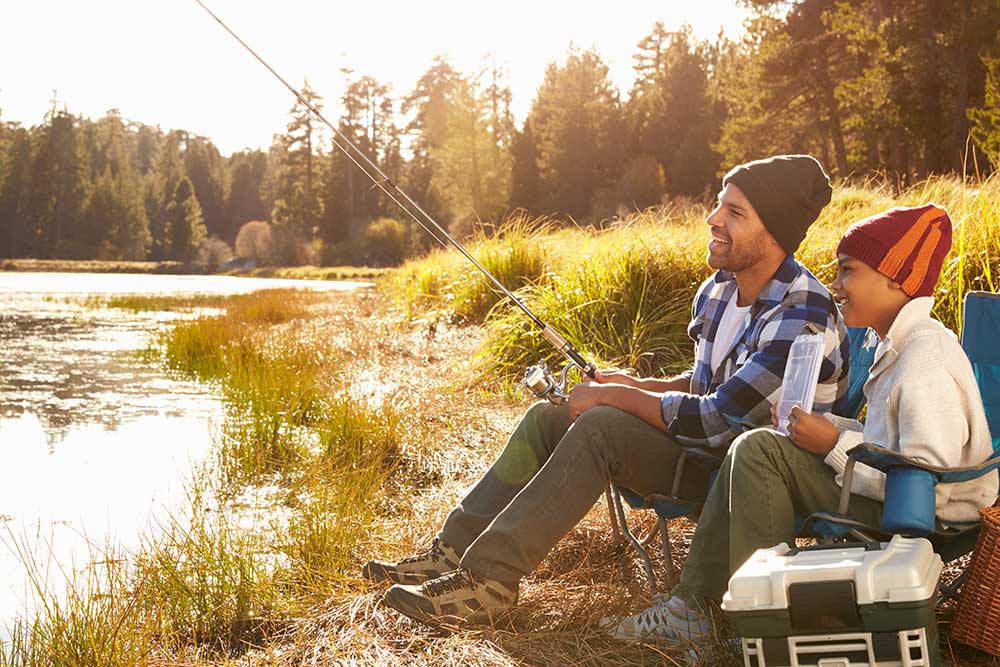
After three months of stay-at-home orders, we are all ready for a change of scenery. The lure of travel is compelling. Everyone within your home’s four walls is itching to get out and explore.
As travel slowly opens up state by state and country by country, families will need to rethink summer travel to stay healthy.
Infectious disease specialists are still worried about people over age 60 or with underlying conditions. And it is common knowledge you could be an asymptomatic carrier putting others at risk if precautions are ignored.
As you dip your toe in the pool of travel, the medical, travel and security experts at Global Rescue have put together health and safety travel tips for families of all types.
Seniors/Grandparents
Baby boomers — the generation born between 1946 and 1964 and currently between the ages of 54 and 72 — were the largest travel market segment before coronavirus. The pandemic brought to light the travel health risks of this demographic.
“Most seniors have underlying medical conditions, like heart or lung disease or diabetes, that puts them at a higher risk for developing serious complications from COVID-19 illness,” said Jacqueline Sioson, operations supervisor at Global Rescue. “There is also atypical presentation of pneumonia in the elderly, which includes confusion and generalized weakness. You may be sick and not know it.”
Extra precautions before traveling will be necessary. Sioson recommends:
- Consult with a primary health care provider prior to travel.
- Bring enough medication to last the entire trip.
- Have a list of medical facilities at the destination and the numbers of local EMS for emergencies.
- Eat well and stay hydrated.
- Start with a trip close to home. Plan lengthier trips once a successful plan is in place.
- If you plan to visit family, isolate for two weeks after doing so, per federal guidelines and infectious disease expertise.
Families With Children
According to the CDC, COVID-19 doesn’t appear to affect children as severely. In fact, only 1.7% of coronavirus patients between February and April were younger than 18 years old. Available research suggests most children with COVID-19 have mild symptoms like fever, runny nose and a cough and some children experience no symptoms whatsoever.
Children under the age of two are not going to be able to wear a mask. You’ll want to focus prevention efforts on teaching your child to keep hands to themselves and touch as few items as possible. Good hand hygiene will also be important. Consider singing the ABC song while using soap and water, or you can try this new handwashing song by Elmo from Sesame Street.
Children over the age of two should wear a mask. Even if they are teenagers, they’ll probably need hygiene reminders.
“Teach your kids the importance of hand hygiene, wearing masks and social distancing. During vacation, advise kids to avoid touching things or strangers. Wash hands regularly. Practice social distancing even when in pools or on the beach,” Sioson said.
There is no evidence the virus can spread to people through the water in pools, possibly since disinfection with chlorine and bromine would likely inactivate the virus.
“But still be wary of frequently touched surfaces such as handrails, slides and structures for climbing and playing,” Sioson said. “Do not share goggles, nose clips and snorkels.”
Parents
On a good day, family travel takes preparation. On a coronavirus day it will take preparation, planning and plenty of patience.
In addition to researching a destination, selecting a hotel, packing for family members, navigating the airport, evaluating a restaurant and disinfecting lodging, parents are practicing their own hand hygiene, wearing a mask and social distancing — and reminding family members to do the same.
It could get stressful, so Sioson recommends parents:
- Should schedule time for themselves for a break.
- Ask for help if you are stressed.
- Talk to your friends and other family members.
- Take time to rest if feeling unwell.
Family Travel Kits
Everyone should have their own COVID-19 travel bag with wipes, hand sanitizer and face masks. But each age range will have a few extra items in their kit.
Kids: Pack medications for common illnesses such as fever, colds, diarrhea and allergies. Pack plastic bags for soiled diapers. Include small toys that could be easily disinfected.
Seniors: Pack a pulse oximeter, thermometer, glucose monitor kit for diabetics, hearing aids and batteries, folding cane or wheelchair and medications (including maintenance medications for fever, pain, colds, diarrhea and nausea). Include health records, health insurance, travel insurance details and a hard copy of emergency contact information.
Parents: Pack medications for fever, pain, colds, diarrhea and nausea. Include health records, health insurance, travel insurance details and a hard copy of emergency contact information.
“Adults have increased risk if they have any comorbidities, such as heart disease, lung disease, diabetes, etc.,” Sioson said. “Consult with your primary care provider prior to any travel. If you are unwell or have signs and symptoms of COVID-19, postpone your travel and seek medical consult.”
Travel Protection Services For All Ages
Whether you are traveling solo, with family or with extended family, all trips in this new travel world will require extra documentation. From health history to temperature checks and COVID-19 testing to travel protection services, these are just a few examples of addition things you’ll need to consider ahead of time.
Iceland, for example, requires COVID-19 test results before you arrive or a COVID-19 text immediately after you land.
“Some airlines or countries might require testing prior to travel or documentation that you haven’t faced an illness for the past two weeks,” Sioson said. “Be honest with your travel history. Make sure you are up to date with your routine vaccinations.”
Tour operators, cruise ships and private resorts may be asking for a bit more and a travel protection services membership can provide that peace of mind. Global Rescue offers family membership options to make sure everyone can access medical evacuation, security extraction, travel intelligence and assistance services. Click here to learn more.
Categories:
Health & SafetyTravelJune 24, 2020

Marriott is using electrostatic sprayers — which uniformly mist disinfectant across wide areas — to clean guest hotel rooms and public areas.
The Venetian in Vegas has instituted more than 800 separate initiatives, including thermal scanners at every entry point “allowing discreet and noninvasive temperature checks” for staff and guests.
Hotels in Singapore are following a seven-point program to earn the SG Clean Quality Mark and hotels in Denmark are using ACT CleanCoat, a long term-disinfectant that eliminates microbes such as Ebola, E. coli, viruses, mold spores and allergens, to clean rooms.
Cleanliness has just surpassed luxury as the new benchmark in hotel selection.
Duty of Care to Guests and Employees
Whether you are traveling for business or pleasure, you’re going to want your hotel room to be your safe place — a completely clean and trusted environment for you to relax and rejuvenate.
How can you make sure the hotel, lodge or inn you choose is the right one for you?
In May, the American Hotel and Lodging Association rolled out a Safe Stay Initiative designed to “change hotel industry norms, behaviors and standards to ensure both hotel guests and employees are confident in the cleanliness and safety of hotels once travel resumes.”
It is the first step in developing a series of best practices for the industry.
“Hotels will need to reshape their duty of care policies to meet the new public health guidelines for coronavirus,” said Dan Richards, CEO of Global Rescue. “This includes health and safety standards to ensure the safety and well-being of guests, employees and vendors.”
Health Is the New Safety Standard
Price, availability, security, location have been the first thoughts for trip planning travelers, but coronavirus has turned that on its head.
“Health has always been a priority, but now it’s even more of a priority,” said Harding Bush, associate operations manager at Global Rescue. “You might get robbed, you might get in a car accident, but if you are traveling, especially overseas, becoming ill is the greater risk.”
Travel health concerns have expanded from jet lag and food poisoning to COVID-19 and quarantines.
“Now you’ll be asking questions about health risks, similar to what you would ask if you were researching safety precautions. Then you’ll balance the answers with the need to get the business done, or the joy of the trip,” Bush said.
Global Rescue’s operations team has its fingers on the pulse of the travel industry, researching destinations, hospitals, clinics and even hotels for health, safety and security issues on a daily basis. Experts in the Lebanon, New Hampshire office have put together 10 tips to help travelers select a hotel that meets their travel needs during these unprecedented times.
Before You Arrive
1. Stick with what you know
On your first trip out in a coronavirus world, choose a hotel you’ve patronized before.
“Ask yourself: Have you stayed there before? Was it clean? What was traffic pattern like? Are there six elevators or one tiny elevator?” Bush said.
Hotels are designed for security reasons, but these reasons — bigger rooms, open areas — are key components of social distancing.
“Stay at a hotel you know has a lack of congestion and a good traffic flow, perhaps with people coming in one door and out the other,” Bush said.
2. Go to the hotel’s website
See what procedures the hotel has put in place to keep guest safe. The larger hotel chains like Hilton, Marriott, Hyatt and Windham have a website section dedicated to COVID-19.
Smaller hotels and inns will have opening dates or COVID-19 operational changes posted on the home page.
3. Check online reviews
Once you’ve gone to the source, find alternative sources of information: online reviews, AAA guidelines and talk to friends and co-workers who have stayed there recently.
4. Go direct to the source
If you still have questions, call. Go through your checklist and get the answers you need to make you feel comfortable about your decision to stay at this particular hotel.
It’s what Global Rescue security experts do when they are researching a location for safety. Security questions might include distance to and from the airport, the amount of roadside traffic, security personnel on site and crime rates. Your coronavirus hotel stay questions may be different but no less important.
When You Arrive
5. Look for sanitizer stations
Freestanding sanitizer stations have cropped up on gas pumps and now have more prominence at retail stores. You’re going to see them in hotel lobbies. It’s part of AHLA’s new Safe Stay guidelines to have sanitizer available at entrances and contact areas. Some hotels may even offer a “corona kit” with sanitizer, gloves and soap, right next to the shampoo and conditioner.
6. Opt for touchless check in
Less personal interaction means less risk of transmission. Moving forward, you may check in (and out) of your hotel using a kiosk. You may use a cell phone to check in, or your cell phone might be your room key.
Choice Hotels is offering guests this type of keyless entry. Arrivals and departures may be staggered to limit social contact.
If you’re staying at a smaller hotel, local inn or lodge, high-tech safety protocols may take a bit longer to implement. Look for instructive signage, barriers at the front desk to separate guests and staff, and be sure everyone is masked and gloved.
7. Adhere to social distancing practices
You may see a variety of initiatives to reduce person-to-person contact. Hotels may remove furniture from the lobby, reconfigure the business center, or reduce gym equipment to facilitate the six-foot social distancing space prescribed by health officials. Elevators, usually meant to hold up to 15 people, may now carry two or four guests at a time.
During Your Stay
8. Confirm enhanced cleaning standards
The AHLA Safe Stay guide, updated daily, offers cleaning products and protocol suggestions, following the CDC’s guidelines for disinfecting buildings and facilities. These enhanced cleaning standards will happen throughout the hotel: guest rooms, meeting spaces, common areas and back-of-the-house spaces.
Hilton, for example, is closing its hotel gym several times a day for extra cleaning. Sandals Resorts, as part of its Platinum Protocols of Cleanliness program, inspects and cleans public restrooms every 20 minutes.
9. Be prepared for no-contact service
Room service will most likely leave food outside your door. Housekeeping will only enter your room after you’ve left. Buffet breakfasts will go the way of the dinosaur and you’ll be more likely to see grab-and-go food offerings, such as individually packaged muffins, in the lobby.
Inside your room, there might be fewer amenities than you remember: no pens or pads of paper, no local magazines, less linens, such as decorative pillows, blankets and robes. The less items there are in the room, the less items there are to clean.
10. Amp up your precautions
Here are a few extra suggestions to keep in your coronavirus safety wheelhouse:
- Choose a hotel with a breakfast option. “Then you’ll only have to go to one place, not two,” Bush said.
- Wear a face covering in public spaces.
- Bring your own cleaning supplies. Click here for a list of what you should put in your COVID-19 travel bag.
- Wipe down all high touch surfaces, like door handles with disinfectant wipes, even if housekeeping did. Pay special attention to the germiest item in the room: the remote control.
- Limit time in common areas, like the gym and pool.
- Sign up for a Global Rescue travel protection services membership, which will provide medical advisory and medical evacuation services when and if you need them.
As with all travel, the more you plan, the safer, healthier and happier your trip will be.
“While it is important to not be afraid while traveling, it is also important to be prepared and do the homework,” says Kimberly Franke of Kanna Travel, a Global Rescue Safe Travel Partner. “If you do hurt yourself or get sick while traveling, at least you have thought through your options versus being caught off guard and by surprise.”
Categories:
NewsJune 23, 2020
Categories:
Missions & Member TestimonialsJune 22, 2020
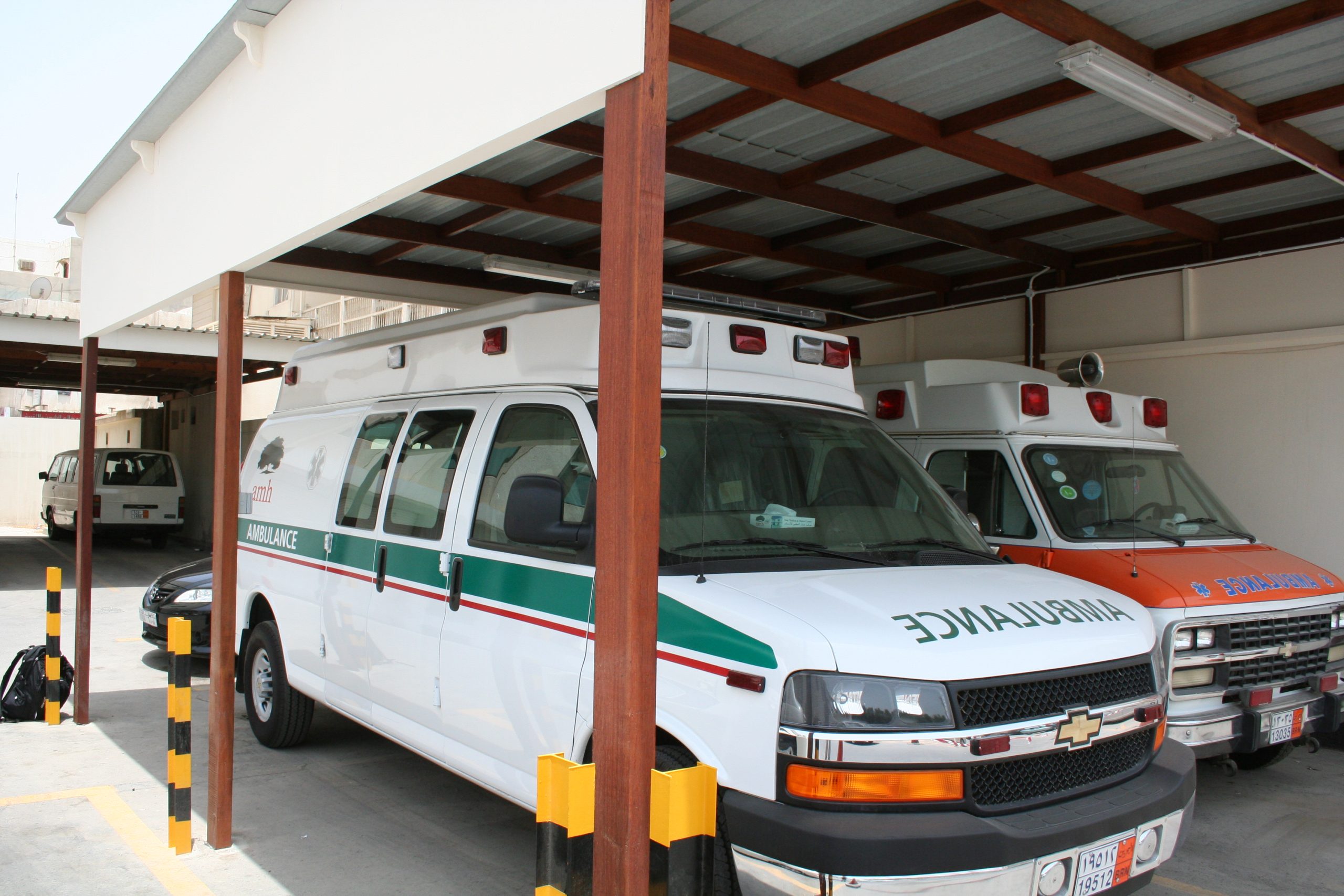
International borders have been closed. Airlines have been operating at minimal levels. Most business have curtailed workforce travel. Stay-at-home guidelines have limited individual tourism.
The pandemic has changed the way most people and businesses operate, but not for Global Rescue personnel, who continue to manage medical, security and travel operations worldwide.
Below are highlights from some of our most recent operations in various locations. In a typical month, Global Rescue performs hundreds of operations in dozens of countries.
Argentina
The Argentine government had shut down commercial aviation through September 2020 due to the pandemic. When a major U.S.-based finance and investment corporation needed one of its senior staffers out of Buenos Aires they contacted Global Rescue. With no commercial flights flying, the Global Rescue security operations team arranged a charter flight to evacuate the employee safely back home.
Canada
A university student studying abroad in Canada was running out of an essential prescription medicine but was unable to leave the country due to pandemic-related border closings. Global Rescue medical operations specialists assisted the student member, coordinating a telehealth consultation with a nearby medical clinic and helping the student obtain the prescription refill needed.
Colombia
An Italian member was stuck on Capurganá and unable to obtain boat passage to mainland Colombia and then on to Bogota to meet humanitarian repatriation flights arranged by the Italian Embassy. The member stated the Italian Embassy advised he must arrange all travel from Capurganá to Bogota himself. Global Rescue responded to the member’s call and secured over water transportation to Turbo and then an eight-hour vehicle transport to Medellin, followed by another eight-hour ground transport to Bogota, where he caught his repatriation flight back to Italy.
Cote d’Ivoire
A Portuguese construction company with nearly 100 employees in Cote d’Ivoire contacted Global Rescue to assist with the development of an emergency action plan for evacuating workers should an upcoming national election in October lead to extreme civil unrest.
France
Losing your passport in a foreign country can be a nightmarish bureaucratic ordeal. If it happens during a pandemic, the complications magnify. When a U.S. graduate student studying in France lost her passport to a purse-snatcher, her program director advised her to contact Global Rescue immediately. Global Rescue security experts stepped in, managed the international administrative difficulties and helped her obtain a passport replacement.
India
A member in Kochi, India needed access to medication but he was traveling in a foreign country and didn’t know where to obtain the right prescription. He contacted Global Rescue to assist him in finding the correct equivalent medications and securing delivery. With only a few days left of his current prescription, the Global Rescue medical operations team secured access to the prescription and coordinated delivery.
New York
A member traveled with his family 110 miles from his New York City home to isolate during the pandemic. While no one in his family exhibited any COVID-19 symptoms, he called on Global Rescue to help identify local urgent care centers where he and members of his family could be tested for virus antibodies and infection. The Global Rescue medical operations team investigated the area, vetted multiple resources and provided the member with the needed information.
New Jersey
A member visiting the U.S. from China developed an adverse reaction to the use of a new hair dye and was experiencing eczema and facial swelling. Global Rescue responded and provided medical advisory and a few days of follow up until the case was resolved successfully.
Nigeria
A member suffering from a severe cough and difficulty breathing was admitted to a Nigerian hospital where he was diagnosed with pneumonia and possible tuberculosis. Global Rescue medical operations specialists assisted in the complicated case management during the month-long process while the member’s health stabilized. When he was fit to fly, Global Rescue successfully supported the repatriation of the member to Beirut, Lebanon.
Russia
A diabetic member stuck in Russia due to the pandemic needed help getting his prescription refilled. The Florida man had been traveling in Mongolia for months before making a quick trip to Russia. That’s when the coronavirus outbreak changed his travel plans. The Mongolian border was shut down a day after he entered Russia. He was unable to obtain diagnostic supplies and supplements. Global Rescue medical operations specialists were able to help the member obtain the prescription refills needed.
Global Rescue provides our members and clients with the world’s leading travel risk, telehealth access, crisis management, medical, security and evacuation services. Click here to learn more.
Categories:
Places & PartnersTravelJune 19, 2020

Tour operators, like FlashpackerConnect Adventure Travel, know people are ready to hit the road again. They are responding to the travel ban by recognizing the opportunity to put changes, precautions and protocols in place for travel in a world impacted by coronavirus.
What makes a great trip today isn’t distance, although travelers will be maintaining the six-foot social distancing recommendation no matter where they are in the world. In fact, most trips this fall will probably take place closer to home according to a recent survey by Global Rescue.
“Short-term travelers will likely focus on travel domestically, so there might be a temporary shift in that direction,” said Brandon Morris, owner and founder. “My company has been working diligently during this down time to create one-of-a-kind domestic adventures that can be found closer to home, such as U.S.A.-based trips in the national park regions.”
It’s not to say travelers won’t be looking for a getaway to a remote location. Some of FlashpackerConnect’s most popular trips in the past will still be in high demand: a five-day Peru itinerary that includes Machu Picchu and the Rainbow Mountain and a five-day trek in Patagonia along trails reaching glaciers, lakes and forests.
In addition to an increase in domestic travel, Morris predicts there will be four features travelers will look for when selecting their first trip of 2020.
Off-the-beaten Track
Off-the-beaten-track adventures are naturally social distancing. Throughout the coronavirus epidemic, people have been hiking and walking in areas where they are not likely to see other trekkers, or where they can easily maintain a safe six-foot distance. The same will be true for future travel.
Small Group Experiences
FlashpackerConnect caters to small group experiences. Not only does this allow clients to have the full attention of guides and staff throughout their trip, but it also makes it easier to focus on health and safety.
“We are fully able to customize the way we build out trips,” Morris said.
Trip Curation
If people are going to travel in this new coronavirus world, they are going to want the best adventure possible. Travelers will be looking for trip curation based on customer needs and interests. For example, the FlashpackerConnect team speaks extensively with clients to develop the perfect trip with careful consideration of every aspect of the trip from the level of activity to accommodations preferences.
Nature Travel
FlashpackerConnect’s hand-picked destinations offer some of the best nature in the world. The company understands how nature impacts the world and it wants to help others see the beauty and appreciate it.
“Taking a step away from the busyness of one’s life in the city and truly immersing themselves in nature will allow travelers to open their mind and body to a new sense of life,” Morris said. “They will undoubtedly go home as a new person.”
The Joy of Travel
What won’t change is the joy of travel. It’s human nature to explore, learn, grow and change. Although the world is more dangerous with coronavirus lurking around every corner, travelers are looking forward to traveling the globe once more.
“We have many travelers come back from an experience with us and say it was life changing in so many ways. This is what makes this job so rewarding. Knowing that you have developed and designed a trip for a client that has had such an impactful and life changing aspect to it makes all of the hard work worth it,” Morris said. “We can’t wait to get back to it.”
Brandon and LeAnn Morris started FlashpackerConnect Adventure Travel in 2015, when they led the first trekking operation to the Rainbow Mountain in Peru. Since then, the company has expanded operations globally, keeping clients safe as a Global Rescue Safe Travel partner. Learn more about Global Rescue’s Safe Travel Partner program here.
Categories:
Health & SafetySecurity & IntelligenceJune 18, 2020
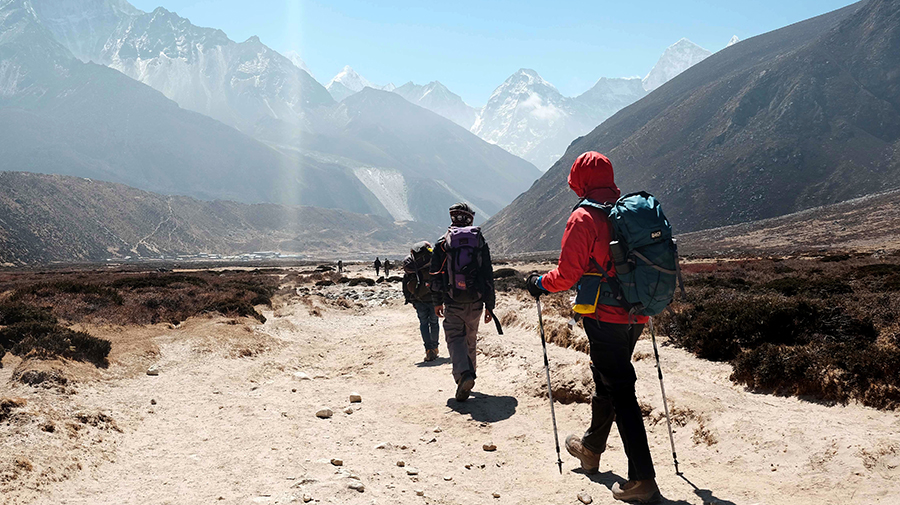
The coronavirus pandemic has changed the future of work-related travel. Experts, employers and business travelers are looking at duty of care through a different lens as they prepare to return to domestic and international business trips.
What is the duty of care definition? According to Jeffrey Ment, managing partner of The Ment Law Group, P.C., in Hartford, Connecticut, “duty of care generally requires that every employer provide employment that is safe for the employees, supplying and using safeguards and devices and doing every reasonable thing necessary to protect the life, health and safety of their employees.”
The pandemic is a reminder for companies — including travel operators, governments and educational institutions – to take a look at plans to protect employee travelers.
The pandemic doesn’t change your duty of care obligations, but it certainly raises awareness among C-suite executives, senior management teams, HR professionals, union leaders, government agencies and employees to examine the rigor of their organization’s current duty of care capabilities.
Why Duty of Care Is Important
You may think the probability of a business traveler being subjected to an illness or injury is low but the opposite is true. Sixty five percent of travelers to the developing world report a medical problem during their international trip, according to the 2019 International Travel Health Guide.
The U.S. State Department Bureau of Consular Affairs reports more than 9,000 U.S. citizens suffered fatalities from non-natural causes during the latest recorded 10-year span, or nearly 1,000 per year.
There have been significant court decisions based on duty of care responsibilities. For example, one lawsuit by the surviving family a Lucent Technologies/AT&T employee who died subsequent to a surgical procedure in Saudi Arabia and another by a Hotchkiss School student who contracted encephalitis while on a school-sponsored trip to China. In both cases, the court upheld the claims and led to substantial legal costs, sizable monetary awards and damage to the company’s reputation.
Failing to meet your duty of care requirements could mean disaster for your organization and its brand.
Seven Elements of a Duty of Care Policy
As you evaluate and update your duty of care policy, make sure it includes these seven elements:
- Employees (like directors or officers) responsible for fulfilling the organization’s duty of care
- A risk assessment including the organization’s travel risk profile
- A risk management plan
- A crisis response plan
- An education or training program for employees and travel risk management providers
- A method, perhaps technology, to track and assess incidents
- A post-travel feedback mechanism to help refine risk management and crisis response plans
“It is equally important that an organization’s leadership learn the travel laws, regulations, standards and prevailing practices that are relevant to the organization, type of traveler, activities and destinations,” Ment said. “Doing so can insulate the organization from multi-million dollar judgments and significant harm to the organization’s reputation and brand.”
Access Duty of Care Expertise
Instituting or reviewing a duty of care security policy is not an easy task. In most cases, commercial and non-commercial organizations lack the knowledge, experience and staff to fulfill their duty of care responsibilities.
Getting professional guidance from travel risk planning experts, medical and security specialists, evacuation providers and outside legal counsel is wisest.
To learn more, download “Legal Duty of Care: Traveler Safety,” a white paper written by The Ment Law Group.
Global Rescue offers duty of care support to businesses, NGOs, academic institutions and governments worldwide. Services are scalable and customizable to the unique needs of clients. Click here to connect with us about meeting your duty of care.
Categories:
Health & SafetyTravelJune 16, 2020
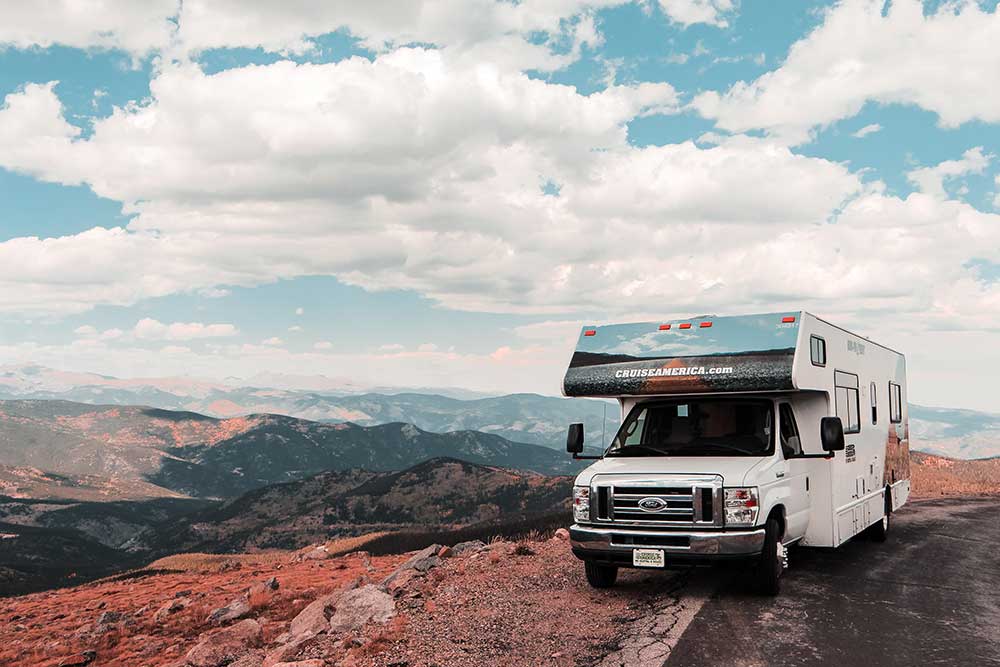
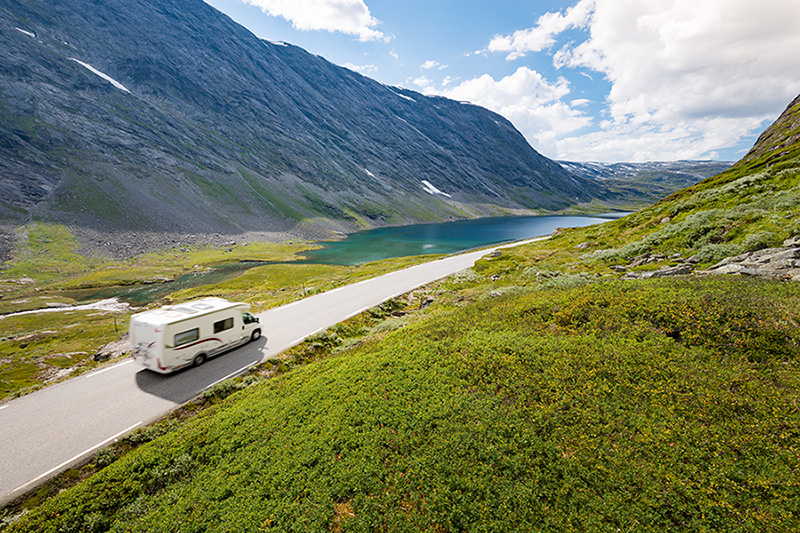
Rising gas prices, the ongoing COVID-19 threat and escalating consumer prices are not putting a damper on 2022 summer vacation plans. Families are willing to accept whatever inflation costs come their way in order to get back on the road.
AAA expects 39.2 million people will travel for the unofficial start of summer on Memorial Day 2022, and the numbers of summer vacationers will only increase from there. A Credit Karma survey found 30% of people are getting ready to spend more this summer, and 22% say it’s going to be at least $1,000 more than their typical budget. Deloitte predicts travelers will take an average of two trips this summer, with 57% taking a road trip and 51% taking a flight.
Of course, the longer the distance, the higher the risk.
“Road trips by car or RV present a higher risk of coronavirus exposure since you will likely be encountering indoor environments and other people,” said Dan Richards, CEO of Global Rescue. “Additional precautions will be needed.”
The travel experts at Global Rescue have compiled a checklist of coronavirus road trip safety tips to help keep you safe as you travel 100 miles or more away from home.
1. Make sure your vehicle is maintained
There’s a good chance many off-the-beaten track gas stations and mechanic shops are closed. Before you hit the road, make sure your vehicle’s maintenance is up to date. Consumer Reports provides a solid checklist, which includes fluids, belts and hoses, tires and brakes.
2. Make sure you are maintained
Have you checked in with your doctor recently? A travel health consultation before a lengthy road trip is a great idea.
“Make sure you are up to date with your routine vaccinations — seasonal flu vaccine and measles, mumps and rubella vaccines,” said Jacqueline Sioson, operations supervisor at Global Rescue, “If you are unwell or have signs and symptoms of COVID-19, postpone your travel and seek medical consult.”
3. Bring what you need
Pack a snack bag or a cooler with drinks in case stores and restaurants are closed. Plan to eat in your car, so have paper plates, forks and napkins handy (or eco-friendly utensils, reusable snack bags or travel mugs).
Don’t forget to bring cleaning supplies. Package everything needed to clean and disinfect — paper towels, Lysol spray, hand sanitizer, individual tissue packages and microfiber cloths — in a clear plastic tote with handles. A clear tote makes these supplies easy to see and easy to carry if needed.
4. Pack a restroom kit
Because most restrooms have been designed to prevent disease transmission, National Public Radio ranked using a public restroom as a low to medium risk. It’s the other stops — like restaurants, pools and retail stores — where it’s harder to distance yourself from others that pose a higher risk of contagion.
Still, you may want to consider bringing a pared down version of Global Rescue’s COVID-19 travel kit with you into a restroom, should you find one open. It could include small bars of soap and a bottle of water (to wash your hands), travel-size packs of toilet seat covers, paper towels, hand sanitizer and disinfectant wipes.
5. Choose your stops carefully
Part of the fun of a road trip is getting out of the car, stretching your legs and looking around. But if you’re taking a road trip during a pandemic, you’ll want to evaluate each stop and decide if getting out of the car is worth it.
“Stops for fuel, food and refreshments will require the usual masking, physical distancing and hand sanitizing after touching surfaces like gas pumps, condiment trays and door handles,” Richards said.
Harding Bush, associate manager of operations at Global Rescue, suggests travelers think about their options.
“Ask yourself what’s better and what’s worse,” he said. “Is it better to stop at a rest area or is it better to quickly pull into a gas station? And is that gas station even open?”
6. Bring extra communication devices
The Los Angeles Times interviewed Sheryl Connelly, a futurist who studies global consumer trends for Ford Motor Co., who recommended road trippers “pack plenty of charging cords and perhaps external batteries for electronic devices. If your navigation system contains emergency calling, enable that as well.”
7. Plan your route
It is advice worth repeating: be prepared for different scenarios in this new travel reality.
- Check quarantine requirements in each state. You may not be free to come and go.
- Find out what rest areas are open.
- Check national traffic and road closure information.
- Watch for hot spots on your route with a CDC map of coronavirus cases.
Be sure to sign up for our Coronavirus Report, which includes updated information on restrictions, requirements and cases for all 50 states and more than 200 countries worldwide.
8. Get updates on the road
While you are traveling, it is possible a state or local government may put into place travel restrictions, such as stay-at-home or shelter-in-place orders, mandated quarantines upon arrival, or even state border closures.
“If members have coronavirus questions, we’ll get the answer for you,” Bush said.
9. Home again
At the end of your road trip, depending on your state of residence, you may be required to self-quarantine for 14 days.
Sioson offers this advice for post-travel precautions.
- Continue the prevention measures that you used during your travel (hand hygiene, wearing face masks, and social distancing).
- Avoid direct contact with body fluids, particularly oral or respiratory secretions. Avoid kissing, if possible.
- Continue to disinfect high-touch surfaces.
- Wash laundry thoroughly.
- Monitor your health. Watch for these signs and symptoms: fever, coughing, shortness of breath or difficulty breathing. “Other early symptoms to watch for are chills, body aches, sore throat, headache, diarrhea, nausea/vomiting, and runny nose,” Sioson said.
- If you develop fever or any of the mentioned symptoms, call your health care provider right away.
“Now, more than ever, travelers need to plan for and be prepared for contingencies that affect travel,” Bush said. “It is important to consider medical and security evacuation services and really understand what they will and will not, provide. Make sure your health insurance is valid where you will be traveling. All of this preparation and forethought will enhance your awareness, making it easier to avoid inconveniences or pitfalls. You’ll enjoy a better trip.”
Planning a trip in your car, SUV or RV? Consider enrolling in a Global Rescue membership so you can travel prepared. With flexible terms and membership types, you can get Global Rescue for a solo adventure or the family road trip of a lifetime.
Categories:
NewsJune 16, 2020
Categories:
NewsJune 14, 2020
Categories:
NewsJune 13, 2020
Categories:
Health & SafetyTravelJune 12, 2020
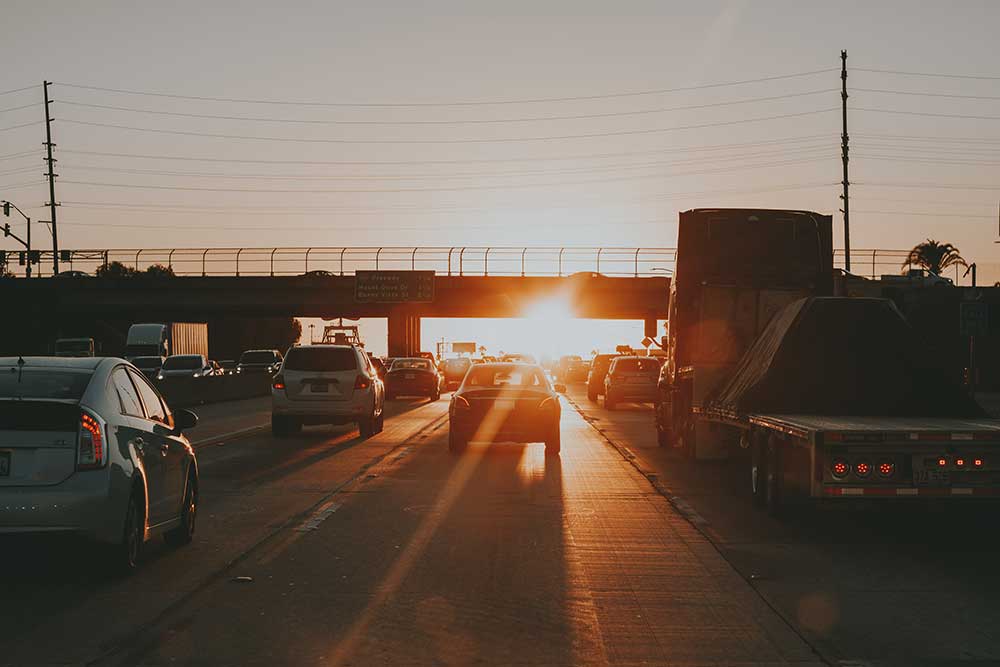
Coronavirus restrictions are easing up across the United States and families are venturing outside. What are they doing? Getting in the car and hitting the road.
The Daily Travel Index, which draws data from GPS signals, noted a 59% increase in road trip activity in May. This is just the beginning: AAA predicts more people will take to the road this summer and fall more than ever before. Research from MMGY’s DK Shifflet suggests consumers will be willing to travel up to 500 miles this summer, compared to the historical benchmark of 300 miles.
But is driving safer than flying?
Overall, the answer is yes, only because you can make the rules for the safety of your car — and you’ll never have this much control over your environment on a plane.
“The greater potential risk of exposure lies not in the ‘road’ part of ‘road trip’ but in what you do once you get out of your vehicle or arrive where you’re going,” said Dan Richards, CEO of Global Rescue. “Hotels, restaurants and other indoor environments will increase the risk if those venues haven’t adopted good infection control protocols.”
Follow these nine recommendations, compiled by the travel experts at Global Rescue for a safe drive.
Travel Only With People In Your Immediate Household
If a bunch of buddies from different households are piling into the car for a road trip, you can’t be sure where they’ve been, what coronavirus precautions they’ve taken, or if they’ve been around any symptomatic or asymptomatic carriers.
But if everyone has been in the same house, you know where they’ve been and how well they’ve protected themselves. You’re moving your home safety bubble to the car.
Don’t Travel If You Don’t Feel Well
Some airlines will ask for testing prior to travel or documentation stating you haven’t faced an illness for the past two weeks. Even if you are driving, “be honest with your travel history,” said Jacqueline Sioson, operations supervisor at Global Rescue. “If you are unwell or have signs and symptoms of COVID-19, postpone your travel and seek medical consult.”
Roll Your Windows Down
Sounds counterintuitive, right? Opening windows lets germs and microbes inside. But a recent study by Japan’s National Institute of Infectious Diseases found “the odds that a primary case transmitted COVID-19 in a closed environment was 18.7 times greater compared to an open-air environment.”
The more fresh air, the less risk of coronavirus transmission for you and your loved ones.
Follow Safety Precautions While Outside Your Car
Wear a mask, disinfect high touch surfaces like gas pumps and keypads, wash your hands with soap and water, use 60% alcohol (70% isopropyl alcohol) disinfectant and maintain social distancing. Remain vigilant and continue to do all the things you’ve been doing for the past 75 days.
Follow Safety Precautions While In Your Car
Forbes points out that your car, truck or SUV is a high-touch surface both inside and out. You are going to have to disinfect frequently, in fact, every time you get back in after a stop at a grocery store or rest area. This means disinfecting your door handles, seatbelts, steering wheel, turn signals, phone and phone chargers, radio buttons and any other car part you may have inadvertently touched (rearview mirror, glovebox or keys).
You may also want to consider wiping down the cooler and fold-up chair you’ve stored in the trunk, the groceries you’ve added to the hatch, or the purse you’ve placed on the back seat. In addition to people, items are coming in and out of your car and you’ll want to disinfect as much as you can. This will help preserve your vehicle as your “safe space.”
Limit Your Stops
Making stops along the way for gas, food or bathroom breaks may put you at risk of contact with other people.
“Bring enough food and water during travel to limit stops,” Sioson said.
Keep Your Face Mask On
Masks can feel claustrophobic, especially when you’re already in an enclosed space. Your first instinct will be to rip off that mask the moment you get inside your car. But where are you going to put it? It could be contaminated from your last foray outside the car, so you’ll want to have a container or Ziploc bag to store it — otherwise you’re going to have to disinfect every surface the mask touched.
Plan Your Route
And we mean plan like you’ve never planned before. Even if it’s a familiar route — a visit to grandma’s house — you still need to organize your trip down to the last detail. You never know what restriction or difficulty awaits down the road.
Check quarantine requirements in each state. You may not be free to come and go.
Some states have announced changes to toll collection. According to AARP, Florida has suspended all in-person toll payment and drivers without an electronic pass are billed by mail.
Some states have closed rest areas or limited hours of availability. Here’s a list of Department of Transportation websites and phone numbers. You’ll want to call to make sure the rest area is open, because it is likely that the bathrooms at restaurants and gas stations will be closed as well.
Check conditions along your route and at your destination to ensure that you’re not traveling through — or to — a hot spot. Global Rescue’s free Coronavirus Daily Report includes a map with hot spots, details on state-by-state restrictions, stay-at-home orders — and you can sign up for daily update alerts.
Have A Back Up Plan
Global Rescue’s travel protection services memberships will keep you safe when you are traveling 100 miles or more away from home. Members can call at any time to get coronavirus updates for their destination, information on local hospitals or health care providers and if needed, evacuation services to your home hospital of choice. Learn more by clicking here.