Categories:
TravelOctober 3, 2019
You’ve always wanted to climb Pikes Peak, but are you ready for a 14,000-foot adventure? You’d like to tour Africa, but should you consider a luxury safari, an overland safari or a guided bush tour? You ride a stationary bike daily, but should you sign up for a bike trail adventure on a 200-foot cliff above the Colorado River?
Harding Bush, associate manager of operations at Global Rescue, offers some advice about traveler responsibility. To make sure you are ready for the trip, here are the five habits of smart travelers.
Knowing your limits
At Global Rescue, the world’s leading membership organization providing medical and security evacuation, travel risk and crisis management services, Bush is at the ready to help members who might be in a sticky situation. But he emphasizes that it is far better to plan ahead and not get into that situation in the first place.
Smart travelers know their own limits. They also know that their capabilities, or lack thereof, will affect others.
“If you’re traveling in a group, are you going to be the weakest link?” Bush asked. “Do the guides have to take care of you instead of doing their job? If you can’t make the climb, everyone else gets jammed. You have to think about what you’re capable of doing and what the consequence would be if you were to fail.”
Responsible guides and tour operators will point you in the right direction. A walking safari, for example, might vary the distance and terrain based on the fitness ability and interest of the group. There are also online resources to give you some guidance, like the Mont Blanc Guides Fitness Checker.
“It asks things like: how tall are you, how old are you, how long does it take you to walk a mile, how long does it take you to run two miles, can you do 50 push ups? Then it gives you a score based on your answers,” said Bush, a 20-year special operations forces veteran with an additional nine years of experience in international travel security.
Willingness to adjust
Because you’ll be on your feet for several hours every day on uneven terrain in the heat, you didn’t meet the minimum fitness level for the African walking tour. Or maybe the Mont Blanc Guides fitness checker suggested you work out for a year, then take the test again to see if you are ready for the climb. Smart travelers can accept information that might not be favorable and make adjustments accordingly.
“If you can’t climb Mont Blanc, maybe you can go backcountry skiing. Or you might have a better experience climbing a 4,000-foot mountain rather than a 13,000-foot mountain,” Bush said. “Ensure the requirements of the trip and your capabilities are consistent — and be open to alternatives that you would enjoy more.”
Committed to collecting information from multiples sources
It doesn’t matter whether you’re going to climb a nearby mountain or if you’re going to climb Mount Everest. Bush notes preparation is always necessary for traveling smart.
“You have to know how to get there, how to look at a trail map and how to access the trailhead,” he said. “The same thing with a big trip like Mount Everest. What do I need? Am I going to use a guide service, am I going to need any permits, what kind of air travel and how is this all going to work out?”
He suggests that part of your traveler responsibility is talking to people who have taken the trip you are planning, whether it is climbing in high elevations or walking the African wilderness.
“I always like to ask: what are the three things that went really well, what are the three things that didn’t go so well and why?” he said. “It makes them think about it and clean up the information they give you.”
Add your own internet research to the personal stories you’ve gathered. Look at TripAdvisor, Yelp, the American Alpine Club, trade publications and other independent entities and organizations to see what kind of recommendations and reviews are available for the trip you’re planning.
Remember that destination country information is just as important. “The key is to evaluate different sources of information. When I travel, I talk to people that have been there. I talk to people who have done what I plan to do. I look at U.S. news reports, foreign news reports and local news reports,” Bush said. “I get a balance.”
Careful guide selection
You know your limits, you’ve done your research, so what’s next? Finding a guide that matches your needs and abilities.
“Figure out what a guide can do for you,” Bush said. He suggests asking these questions to start:
- What is included? Do they provide gear, or do you bring your own?
- Do they handle the logistics of travel, such as permits and visas?
- Where does the tour pick up and drop off? Are they going to meet you at the airport?
- Do they bring you back to the airport after the trip?
- What happens if someone is ill or injured?
- Is the tour tailored to beginners or experts?
“Most guides won’t take you down a Class 5 rapid if you can’t canoe down a Class 5 rapid. But then there are some that won’t ask you anything,” Bush said. “Match your abilities with the requirements of the trip and choose your guide wisely.”
There are some places where you might not legally need a guide but having one can make the trip easier and more enjoyable.
“There’s less worry when you have a guide,” Bush said. “It depends on where you are going, your experience, your comfort level and things like that. If other people have done the trip without a guide, talk to them to see how it went.”
Practice nonstop awareness — and have backup
If you want to be a smart traveler, Bush suggests thought, preparation and planning before you go.
“Remember, you don’t want to get into trouble or have issues. Awareness gives you the confidence to do that. If you’re prepared, you can concentrate on the trip and have a good time,” Bush said.
When it comes to traveling smart, awareness allows avoidance.
“The way you manage a threat, an avalanche for example, is avoidance,” Bush said. “Some travelers have the avalanche life jacket that inflates, or other gadgets and they think that allows them to go into more high-risk avalanche areas. That’s irresponsible. The best way to avoid an avalanche is to have training and awareness.”
Even if you have back up, like a professional guide or a Global Rescue membership, it should never be a reason to put yourself in danger.
“Say you get 2/3 of the way up a mountain and you can see weather coming in and it’s getting dark,” Bush said. “Do you walk back down the mountain and call it a nice hike, or do you keep going? It’s definitely responsible to have a Global Rescue membership, but it doesn’t make you any more capable. Global Rescue doesn’t make you a better skier, it doesn’t make you a better climber and it doesn’t make you any more fit, so don’t take on extra risk.”
Whether you’re planning small trip or a big adventure, Global Rescue memberships include evacuation, field rescue and advisory services suitable for the smart traveler. Click here to learn more.
Categories:
NewsOctober 1, 2019
Categories:
Health & SafetyTravelSeptember 18, 2019

Study abroad programs are eye-opening experiences helping students build confidence, connect with other students from different countries, and immerse themselves in a new culture. While many students have health insurance through their parents or the university, they may not always have access to critical services in the event of a life-threatening emergency abroad.
What To Know Before Studying Abroad
Prior to sending your child abroad, take a comprehensive look at your health insurance plan. Often medical insurance plans only cover children up to a certain amount of time when outside of the country. Make sure your child is aware of the policy requirements, such as reimbursements and deductibles. Also make sure your child has access to cash, as many international health care facilities require cash payment.
It’s also important to note medical care in other countries is often completely different than in the U.S., so be sure to thoroughly research options before the program starts.
Make copies of important travel documents, such as driver’s license, passports and health insurance cards. Parents should have a copy at home and students should have a set of copies with them as well.
Also consider a medical evacuation membership. It’s important to note that medical evacuation memberships are not the same as travel insurance and most travel insurance policies do not include costs for medical bills.
Questions to Ask the Study Abroad Program Provider
The more information you receive prior to the trip, the easier it will be knowing your child is in a safe setting. Whether talking to the international student office, off-campus program advisor, or on-campus study abroad office, you should be asking questions to ensure your child’s safety while studying abroad.
- What is the specific emergency response plan, if there is one?
- Are there any precautions that will be covered at orientation?
- Should we be concerned with safety in the area my son/daughter is choosing to stay?
- How does communication function between departments at the program?
Many schools, like Tulane University and Middlebury College, have well-defined study abroad programs that include medical evacuation services, like Global Rescue.
When Would Medical Evacuation Services Be Necessary?
Illness Abroad
A life-threatening sickness can happen to anyone at any time. Food poisoning and food-borne illnesses also happen frequently abroad which can lead to a hospital visit. High school student Lily Goodman became violently ill during a semester in China and her parents contacted Global Rescue for medical advisory services and translation help.
Dangerous Excursions
During break, many students spend time exploring other countries and participating in a series of adrenaline pumping excursions. Windsurfing, bungee jumping, base jumping, sky diving and snorkeling are just a few of the exciting opportunities offered to students studying abroad.
Some of these thrilling activities are high risk and should be done with caution. If injury does occur, medical evacuation services may be necessary, especially if a student is in a remote location and needs immediate medical attention.
Climbing Accidents
Mountain climbing is another activity perfect for adventure-seekers, but this also comes with dangers. Beginners and experts can become injured at any point, whether you’re on the snow-capped mountains of Switzerland or the tropical terrain of Peru. From altitude sickness to falls, medical evacuation services can prove lifesaving in serious situations.
Medical Evacuation Membership
By providing your child with a medical evacuation membership when studying abroad, you’re also providing peace of mind. Medical evacuation services provide access to safely transporting your son or daughter to a facility where they can receive lifesaving care, even from remote areas. Students can feel at ease engaging in exciting new activities and fulfilled investing in a new adventure knowing they have access to potentially lifesaving services.
In addition, medical evacuation memberships, like Global Rescue, provide a host of other services, including:
- Travel assistance. Whether it’s a language barrier during an emergency or a lost passport, Global Rescue travel assistance can help with unexpected issues.
- Medical and security advisory services. Our operations centers are staffed by experienced nurses, paramedics and military special operations veterans. Tenn Hildebrand, studying abroad during a gap year, was bitten by a wild dog shortly after he arrived in India. Global Rescue provided translation services, reviewed medical records, and “advised him on how to obtain the medication he needed and how to seek assistance administering immediate treatment,” says Beth Hildebrand, Tenn’s mother. “Big thanks to Global Rescue and especially to the paramedic who was kind, compassionate and professional.”
- Field rescue. We will send help if you are unable to get to a hospital and in urgent need of care. With no distance requirement, field rescue services are available whether you’re close to home or on the other side of the world.
- Hospital transport. If you do have to be hospitalized and you’re far from home, we have the proven capability to transport our members back to their home hospital of choice.
- In-house expertise. Speak to an in-house Global Rescue expert on the first call. Personalized communications, recommendations and responses continue until your emergency is resolved.
- Destination reports and alerts. Destination reports for 215 countries and principalities worldwide include entry requirements and required immunizations. Keep up to date on health and security events worldwide with real-time alerts and recommendations.
Get a price estimate
Estimate
$0.00
Please answer all questions for estimate.
Categories:
Places & PartnersTravelSeptember 3, 2019
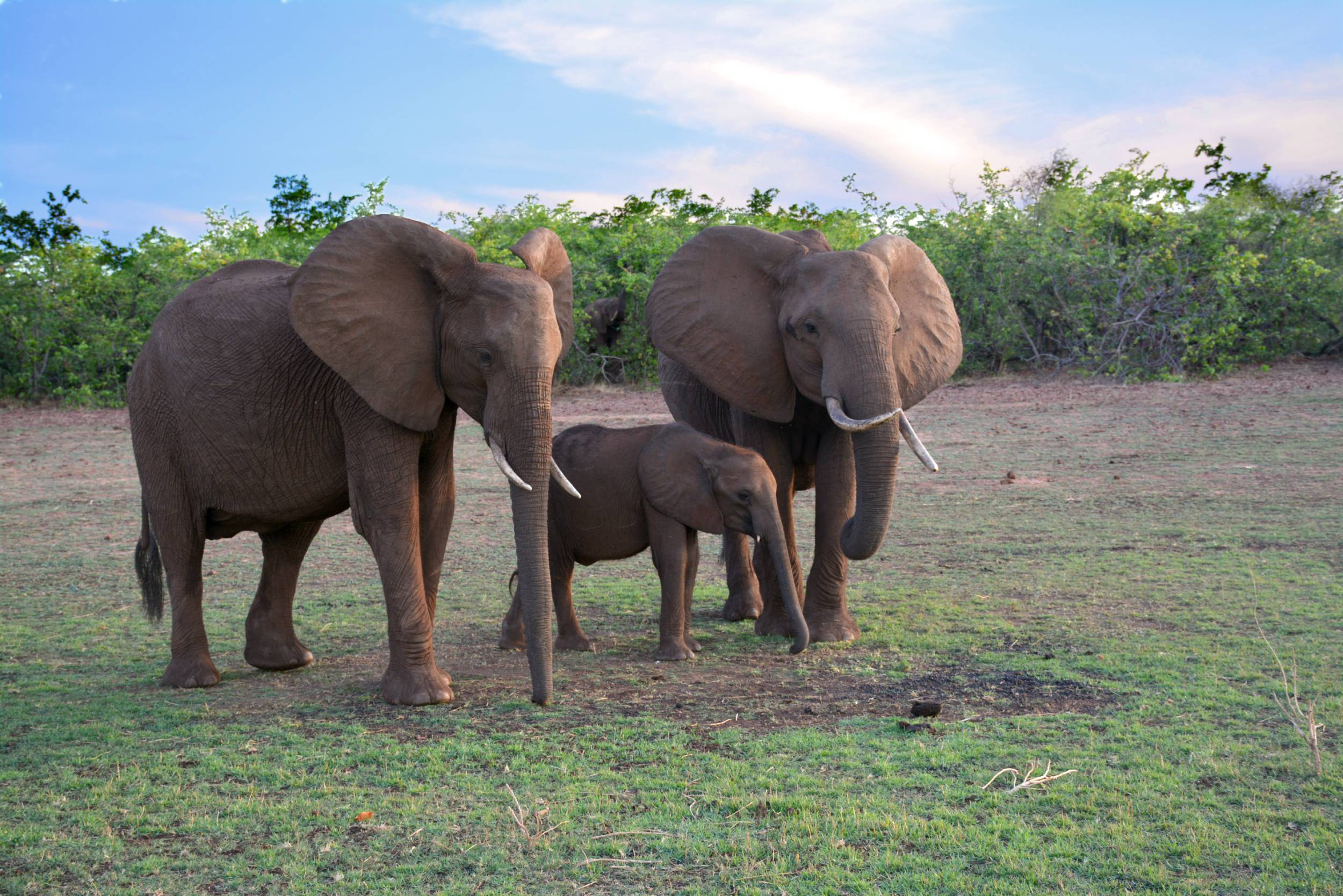
Picture-perfect views, breathtaking sunsets and extravagant lodging can all be experienced on a luxury safari in Africa. While vetted tour guides have undergone significant training to handle unexpected situations, it’s important to keep yourself safe when viewing wildlife. One way to take proper precautions before embarking on a one-of-a-kind luxury safari is to purchase a Global Rescue membership.
Why Should I Purchase a Medical Evacuation Membership for a Luxury Safari in Africa?
Travelers can fall ill in any location, regardless if it’s a luxurious African safari or a family-friendly cruise through the Bahamas. With a medical evacuation membership, injured or ill travelers have access to services to evacuate them to a location where they can receive stabilizing care before being transported to another medical facility (depending on the severity of the illness). Some medical evacuation membership providers even allow the traveler to select their hospital of choice for medical transportation.
Unexpected Illness or Injury During Travel
In Africa specifically, staying healthy should be a top consideration when planning a luxury safari trip. Serious illnesses are present in some areas of the continent. While each country has varying immunization requirements and recommendations listed in its entry requirements, it’s still important to be mindful of additional health risks.
There are of course minor illnesses that can occur on any trip and a Global Rescue travel membership has medical advisory services to assist with that too. If your luxury African safari trip includes excursions or additional activities, it’s important to invest in a medical evacuation membership in the event of any kind of illness or injury.
Wildlife in Africa
Safari tour providers make safety a top priority by providing their tour guides with rigorous training. Luxury safari tour guides are trained to interpret situations and avoid dangerous encounters with the animals in Africa. However, there is always the risk of unexpected encounters due to the unpredictable nature of animals. Because of this, it’s important to purchase a medical evacuation membership in the off chance any issues should arise.
African Luxury Safaris are in Remote Areas
Luxury African safaris are an intimate experience, removing travelers from the hustle and bustle of everyday life and transporting them into a peaceful environment. The seclusion of a luxury safari in Africa is oftentimes what motivates tourists to book their tickets.
It’s important to be mindful of how remote certain areas in Africa can be, which means if an accident occurs it can be challenging to get prompt medical attention. Travelers with medical evacuation memberships on a luxury African safari can access lifesaving services if needed. Without a membership, you could potentially be looking at out-of-pocket costs of more than $100,000 for medical evacuation services.
Tips to Prepare for Your African Luxury Safari
- Do not wave or yell at the animals.
- Wear appropriate clothing, like khakis. They’re comfortable, shield you from the sun and can help you blend in with the environment.
- Remain inside the vehicle unless instructed otherwise.
- Pack sunscreen and a hat.
- Do not bring food on the safari.
- Stay hydrated.
Why Choose Our Medical Evacuation Membership for Your Luxury African Safari Trip
Global Rescue is the world’s leading membership organization providing medical evacuation, field rescue and advisory services. If you’re planning a luxury safari in Africa, enroll in one of our travel memberships today.
Categories:
Health & SafetyTravelAugust 21, 2019
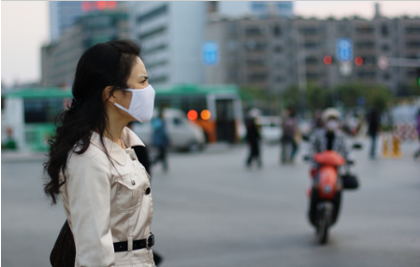
Traveling abroad is undoubtedly an enriching experience, but it’s also important to take proper precautions to ensure you don’t fall ill. Even if you take a luxury safari trip or stay in a 5-star hotel, getting sick while traveling abroad can be alarming for many, especially when it seems to come out of nowhere.
Read below for a list of some of the most common illnesses abroad and what you can do if you’re confronted with a dangerous sickness.
Common Illnesses Overseas
Cholera
Cholera occurs primarily in developing countries with inadequate sanitation. It is endemic in Africa and Asia and less so in South and Central America. Some of the symptoms of cholera include diarrhea, fever and vomiting. Make sure to avoid food that is not cooked thoroughly and water that does not come from a bottled source.
Malaria
Malaria is caused by a parasite that is spread by the female Anopheles mosquito. Although there is no licensed vaccine, there are preventative anti-malaria drugs which are highly encouraged among travelers. Symptoms can occur within 10 days of being bitten and include fever, chills, headache, abdominal pain, sweating and nausea.
Tuberculosis
Generally found in Africa, Asia and Eastern Europe, tuberculosis is second only to HIV/AIDs as a single-agent cause of death in the word. It is an airborne disease that spreads from person to person. While it infects the lungs, it is curable with antibiotics.
Typhoid Fever
Typhoid Fever is a life-threatening disease that is spread by contaminated food and water. It’s important to get vaccinated prior to travel but keep in mind, it only protects 50%-80% of patients. If possible, avoid unpeeled fruits and vegetables, street food and drinks with ice.
Hepatitis A
Hepatitis A can be contracted in any part of the world but is more common in developing countries. It is spread through contaminated water and uncooked food. Fortunately, there is a vaccine against this but it’s important to be mindful of your food and drink choices.
If you are diagnosed with Hepatitis A, there is no treatment other than rehydrating your body and supportive treatment— it can take weeks or months to recover. Symptoms include loss of appetite, jaundice, dark colored urine, nausea and abdominal discomfort.
Other Potential Illnesses Include:
- Meningitis
- Japanese Encephalitis
- HIV/AIDs
- Yellow Fever
- Dengue Fever
- Tetanus
How to Prepare Yourself When Traveling Abroad
See Your Health Care Provider or a Travel Medicine Specialist
Visit your doctor four to six weeks before leaving for your trip in case you need several vaccinations. You can also make an appointment with a travel medicine specialist or your health care provider to explore which vaccines are recommended based upon your:
- Medical history and age
- Destination and planned activities
- Length of stay
- Season you’re traveling
- Accommodation
Among others, you might also need one or more of these booster vaccinations:
- Diphtheria, Tetanus and Pertussis: Tdap vaccine
- Influenza: Flu vaccine (recommended every flu season)
- Measles and Mumps: MMR vaccine – Two doses required
General Tips for Traveling Abroad
Many illnesses abroad are gastrointestinal, which means it’s crucial to have properly prepared foods and bottled water. Make sure to avoid unpasteurized milk and dairy products. Avoid shellfish and eat food while it’s still hot. Don’t eat fruit and vegetables that are washed in local water and try to eat at hotels and restaurants rather than street stalls.
Be Mindful of Mosquitoes When Traveling
Mosquitos that transmit Zika virus, dengue fever and chikungunya are daytime biting mosquitoes. It is important to remember to use repellant both during the day and at night if you are in an area where you are exposed. Additionally, wear long sleeves, pants and socks when outdoors and use a bed net at night. Important note: mosquitoes carrying malaria typically feed between dusk and dawn.
How Global Rescue Can Help If You Get Sick Abroad
If you do get a dangerous illness abroad, it’s important to seek immediate medical treatment.
Global Rescue is the world’s leading membership organization providing medical evacuation, field rescue and advisory services. With operations teams standing by 24/7/365, travel assistance and advisory are just a few of the benefits of membership. Click here to learn more.
August 12, 2019
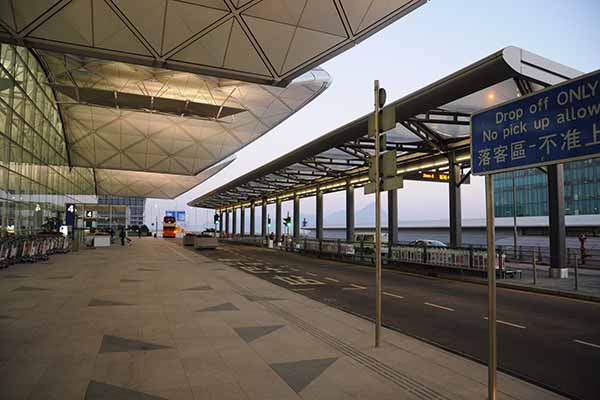
Airport officials canceled all remaining outbound flights at Hong Kong International Airport (HKIA) on 12 August due to a large-scale anti-government protest at the airport.
Thousands of protesters occupied the airport for the fourth consecutive day on 12 August, disrupting airport operations. According to reports, inbound flights already en route would be allowed to land. Flights that have not yet departed will be delayed.
Analysis
Protesters had originally planned a three-day sit-in protest at HKIA that was expected to end on 11 August. However, violent clashes between police and protesters during the evening of 11 August prompted protesters to continue their demonstration at the airport.
On 11 August, confrontations between the police and protesters escalated with demonstrators throwing bricks and petrol bombs at the police who responded with baton charge, tear gas and rubber bullets, including in a metro station. Several injuries were reported.
The United States (US) Department of State (DoS) raised its travel warning for Hong Kong from Level 1 (“exercise normal precautions”) to Level 2 (“exercise increased caution”) on 7 August.
The ongoing unrest was triggered by the government’s attempt to pass a controversial extradition bill, which was eventually withdrawn. The protest movement has since expanded its demands to include the resignation of the territory’s leader Carrie Lam and respect for Hong Kong’s autonomy.
Advice
- Individuals with scheduled flights at HKIA should contact the airport for flight information.
- Avoid all protests and demonstrations to minimize the risk of exposure to incidental violence.
- If you encounter unrest, exit the area as quickly as possible or seek shelter until the situation stabilizes.
- Plan alternate routes to circumvent protest locations. Seek the assistance of a local host, or travel with a local driver, where possible.
Continue to monitor local media and continue to monitor our website for up-to-date information.
Our operations team is standing by 24/7/365 to provide travel assistance and advisory services to members. Contact Global Rescue at +1 617.459.4200 or email us at memberservices@globalrescue.com.
Categories:
Health & SafetySecurity & IntelligenceTravelJuly 23, 2019

According to reports on 22 July, at least 19 people have been killed nationwide since early June due to poisoned alcohol. At least seven of the deaths reportedly occurred in San Jose province, which includes the capital, San Jose.
Authorities indicated that several alcohol brands were tainted with methanol—found in solvents and antifreeze—and have warned against consuming alcohol from brands including Guaro Montano, Guaro Gran Apache, Aguardiente Estrella, Aguardiente Barón Rojo, Aguardiente Timbuka, and Molotov Aguardiente.
Analysis
The World Health Organization (WHO) has previously reported outbreaks of counterfeit or informally-produced alcohol resulting in methanol poisoning in Cambodia, Czech Republic, Ecuador, Estonia, India, Indonesia, Kenya, Libya, Nicaragua, Norway, Pakistan, Turkey and Uganda.
According to the WHO, symptoms of methanol poisoning often appear several hours after consumption and include drowsiness, dizziness, headache, vomiting, abdominal pain and vertigo. More serious cases can result in hyperventilation, blindness, coma, convulsions and respiratory arrest.
Advice
Avoid consuming alcohol manufactured by Guaro Montano, Guaro Gran Apache, Aguardiente Estrella, Aguardiente Barón Rojo, Aguardiente Timbuka, and Molotov Aguardiente.
Seek medical attention if symptoms emerge following consumption of alcohol.
Our operations team is standing by 24/7/365 to provide travel assistance and advisory services to members. Contact Global Rescue at +1 617.459.4200 or email us at memberservices@globalrescue.com.
July 18, 2019
The World Health Organization (WHO) has declared the ongoing Ebola outbreak in the Democratic Republic of Congo (DRC) a global health emergency on 17 July. The formal declaration – known as a “public health emergency of international concern” (PHEIC) – was issued to increase international attention and aid in stopping the spread of the virus to other countries.
As of 15 July, at least 1,676 of the 2,512 recorded Ebola cases in the outbreak have reportedly resulted in fatalities. Reports also indicate that apart from the confirmed incidents in Uganda, most of the recorded Ebola cases remain concentrated in the eastern DRC provinces of North Kivu and Ituri.
Also on 17 July, the WHO reportedly warned of the possible spread of Ebola virus in the Western region of Uganda.
According to local media, the warning came after a Congolese fisherwoman died of Ebola virus after returning to the DRC from her trip to the Mpondwe market in the Western region of Uganda on 11 July. Reports indicate that the victim had four vomiting incidents during her stay at the market in Mpondwe.
Health authorities are reportedly monitoring at least 19 other fishmongers who were listed as possible contacts in the incident and another 590 could be targeted for vaccination.
As of 17 July, no one in Uganda has currently been found to be positive for the Ebola virus.
Analysis
The current Ebola outbreak is the second largest in history, following the one that was declared in West Africa in 2014-15. The previous outbreak, which was also declared as a global emergency, reportedly infected at least 28,616 people and caused 11,310 deaths.
The outbreak is considered most severe in the DRC cities of Beni, Butembo, Kalunguta, and Mabalako in North Kivu province. In Ituri, the majority of the Ebola-related fatalities and confirmed cases were reported in Mandima and Komanda.
On 14 July, health authorities announced that the first confirmed case of Ebola virus in the DRC city of Goma, a city of two million people. The patient contracted the virus when he visited and interacted with Ebola patients in Butembo.
The country’s Ministry of Health indicated that the risk of the virus spreading to the entire city, which borders Rwanda, remains low after health personnel immediately identified the people who were possibly exposed to or had interacted with the aforementioned patient.
Three people have been killed due to the Ebola outbreak in Uganda. The three fatalities were members of the family that crossed into Uganda from DRC on 9 June and were subsequently diagnosed with Ebola.
On 11 June, health authorities confirmed that a Congolese boy, who was one of the members of the aforementioned family, contracted the disease. The boy was initially treated at Kagando Hospital before being transferred to an Ebola treatment unit in Bwera but subsequently died on 12 June. On 13 June, the boy’s grandmother likewise died.
The 11 June confirmation was the first known case of Ebola virus in Uganda amid an ongoing outbreak in the DRC. Uganda has dealt with Ebola outbreaks in the past, the most recent of which was in 2012, and has implemented measures following the outbreak in neighboring DRC.
Ugandan officials have already vaccinated approximately 4,700 healthcare workers and established Ebola screening centers along the DRC border. Authorities have also identified 22 high-risk districts along the border and monitors to these areas to identify potential cases.
The Ebola virus is highly contagious and often fatal. Health care workers and those who have been in contact with Ebola patients are being vaccinated in an effort to control the spread of the virus.
Transmission may occur even through contact with deceased humans or animals. Symptoms include fever, headache, diarrhea, vomiting, and internal and external bleeding.
Advice
While hospital workers, laboratory workers and family members are at greatest risk of contracting the virus, individuals travelling to Ebola-affected countries should exercise basic health precautions including:
- Avoid areas of known outbreaks.
- Avoid contact with infected individuals.
- Strict personal hygiene including frequent hand washing should be adhered to while traveling in endemic areas.
- Report any symptoms to health officials immediately.
Our operations team is standing by 24/7/365 to provide travel assistance and advisory services to members. Contact Global Rescue at +1 617.459.4200 or email us at memberservices@globalrescue.com.
Categories:
Health & SafetySecurity & IntelligenceTravelJuly 6, 2019
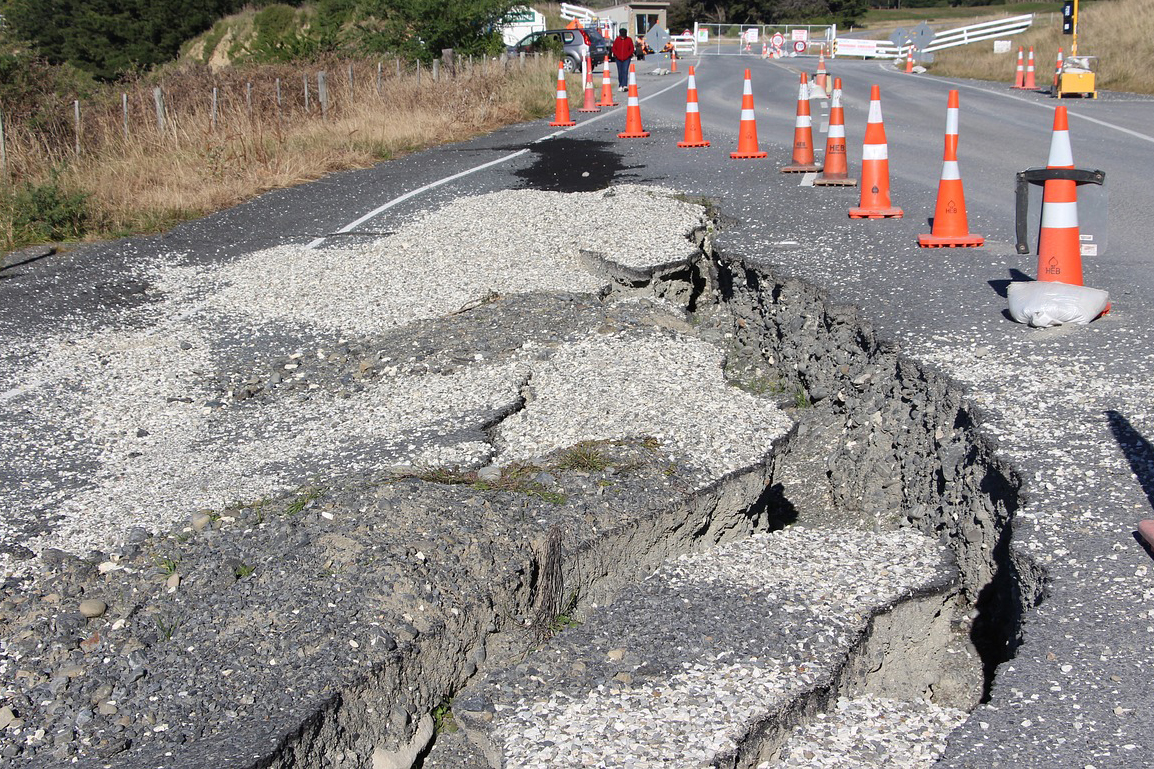
The United States Geological Survey (USGS) reported that a magnitude 6.9 earthquake struck California on 5 July. The eathquake’s epicenter was located 17 kilometers (4 miles) north-northeast of Ridgecrest, California.
Aftershocks ranging from magnitude 3 to 4 have likewise been reported. There have been no preliminary reports of casualties.
Advice
Individuals are advised to avoid the affected area and expect possible disruption to travel and essential services in the area.
- Expect aftershocks, these could cause further damage.
- Continue to monitor the local media and our website for further updates.
Our operations team is standing by 24/7/365 to provide travel assistance and advisory services to members. Contact Global Rescue at +1 617.459.4200 or email us at memberservices@globalrescue.com.
Categories:
Missions & Member TestimonialsJuly 3, 2019
Alive, for the moment. It’s an unimaginable few words out of any parent’s worst nightmare. For Grace Mauzy, the few words became reality when she received a chilling phone call from the mountain at Whistler Blackcomb.
“I can’t even say it without it making me upset,” Mauzy said fighting back tears. “But yes, for the moment, is pretty horrible to hear.”
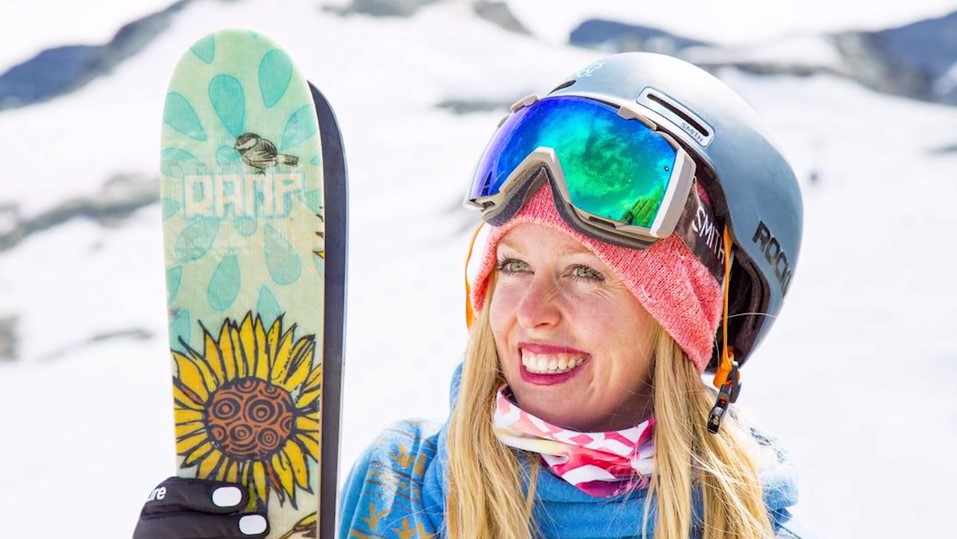
Growing up alongside her siblings in Park City, Utah, freeskier Jamie Crane-Mauzy started skiing as early as age one.
Her passion for winter and skiing fueled her rise among the AFP (Association of Freeskiing Professionals) World Tour rankings as a professional slopestyle and superpipe skier.
In 2013, she made history at The North Face Park and Pipe Open Series at Whistler Blackcomb, as the first woman to land a backflip off a rail in competition. The record-setting run earned Crane-Mauzy a trip to the X Games in Aspen, Colorado, where she also became the first female to land a double backflip in competition in the women’s ski slopestyle.
Crane-Mauzy’s Injury at the 2015 World Skiing Invitational
By 2015, Crane-Mauzy was back in Whistler, British Columbia – this time for the 2015 World Skiing Invitational (WSI).
“When I went up to World Tour Finals, my mom was thinking that I would win it,” Crane-Mauzy said.
Attempting a double backflip as she had done so many times before, Crane-Mauzy’s second run in the World Tour Finals took a tragic turn.
“My head whiplashed on to the snow, my brain started bleeding in eight spots,” Crane-Mauzy said. “I hurt my right brain stem so my entire right side was paralyzed. I started convulsing and I slipped into a coma.”
Quick Medical Transport to Vancouver General Hospital
Medical personnel quickly arrived at Crane-Mauzy’s side before she was airlifted to Vancouver General Hospital.
“Global Rescue was completely on top of everything from moments after the accident until we came home,” Mauzy said. “They stayed with us. Global Rescue truly saved Jamie’s life.”
Thanks to Global Rescue’s prompt medical transport coordination, a life threatening fall was handled with expertise. It gave Jamie’s family the opportunity to focus solely on what mattered most.
“I didn’t have to worry about jargon or complicated information,” Mauzy said. “All I had to do was love my baby and my baby was the most important person that Global Rescue was taking care of at that moment.”
Two days after the accident, Crane-Mauzy’s family issued a statement thanking family and friends for the tremendous support and encouragement. Posting the statement to Jamie’s Facebook page, it was her sister, Jeanee, who encouraged family and friends to “share the message, #MoCrazyStrong and to continue rooting for Jamie’s speedy recovery.”
Having suffered a traumatic brain injury, the path to Jamie’s recovery was anything but clear.
The Centers for Disease Control and Prevention (CDC) notes that those who survive traumatic brain injuries or TBIs can experience effects lasting anywhere from a few days to a lifetime.
The Road to Recovery
A month later, Jamie’s family posted another update to her Facebook page — she was walking unassisted and even doing handstands in the park.
More than three years later, Jamie has made a full recovery and even returned to the slopes. Although no longer competitively skiing, she now writes about everything from her world travels to life after a traumatic brain injury with her sister, Jeanee on their blog, Life MoCrazy Strong.
Categories:
Missions & Member TestimonialsJune 25, 2019
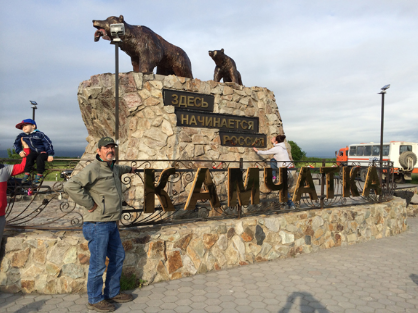
Scott Sirles in Kamchatka before his trip was cut short by a dog bite
Global Rescue member Scott Sirles was traveling to a remote region of Russia in search of one thing – the perfect fly fishing spot fully teeming with king salmon and rainbow trout.
“I was going to Kamchatka to go fly fishing in the Ozernaya River, it was a beautiful setting,” Sirles said. “Everything was wonderful — absolutely superb fishing, almost a fish every cast. There were no roads within 200 kilometers of us. The only way to get to it is to helicopter in. It’s truly wilderness.”
Accompanying Sirles and his group was a Russian Laika, a breed of hunting dog used to scare off any wandering grizzly bears who came too close to camp.
As Sirles headed to breakfast one morning, he noticed the camp dog sitting in front of the building.
“I reached over and scratched his ears and he was fine,” Sirles said. “He had a bunch of mosquitoes on the top of his nose. I thought I’d do him a favor and brush those mosquitoes off. Well, as soon as I did that, the dog latched on to my wrist.”
The dog’s bite left an inch-long gash on Sirles’ wrist that went nearly another inch deep. The wound damaged only one tendon, luckily missing any of Sirles’ arteries.
The two doctors in the fishing camp used an iodine-based solution to clean out Sirles’ wound before wrapping his hand in gauze. Sirles was later treated with antibiotics when his wound became red and swollen after another day of fishing.
Two days after the incident, Sirles woke to find his entire forearm red and swollen.
“I wasn’t really terrified. I’ve had incidents in the past where I ran a stick right through my hand when I was hunting years ago,” Sirles said. “My hand got infected and I walked into the hospital with the streaks going all the way up my arm. They put a few bags of antibiotics in an IV and sent me on my way.”
For Sirles, this time was different.
“This time, I’m thinking to myself that I’m out here in the middle of nowhere and need to get some bags of antibiotics. I knew if I stayed here, it was going to get worse. I might lose my arm, or it might kill me if the infection gets to my heart. I didn’t have any other choice. I had to call Global Rescue.”
After Global Rescue’s operations team spoke with Sirles about his condition, an evacuation was quickly organized to transport Sirles to Petropvalovsk-Kamchatsky – the nearest city with a suitable hospital.
Global Rescue also obtained Sirles’ medical reports while he was examined at the hospital to maintain constant contact with the doctors on location to ensure Sirles received proper care.
Sirles had developed a serious infection and needed to be sedated so doctors could operate on his hand to fully clean out the infection.
“If not for Global Rescue, I might have had a much worse infection or lost an arm,” Sirles said.
Following a brief hospital stay, Sirles flew back to his home in Oklahoma, where he made a full recovery. “Everybody was super at Global Rescue,” Sirles said. “They were always contacting me when they said they would and did everything they could. I wouldn’t go anywhere remote again without Global Rescue.”
Global Rescue memberships include personalized advisory services, 24/7/365 emergency assistance and evacuation services at no additional cost to you. To learn more about membership benefits, click here.