Categories:
Missions & Member TestimonialsJuly 16, 2018
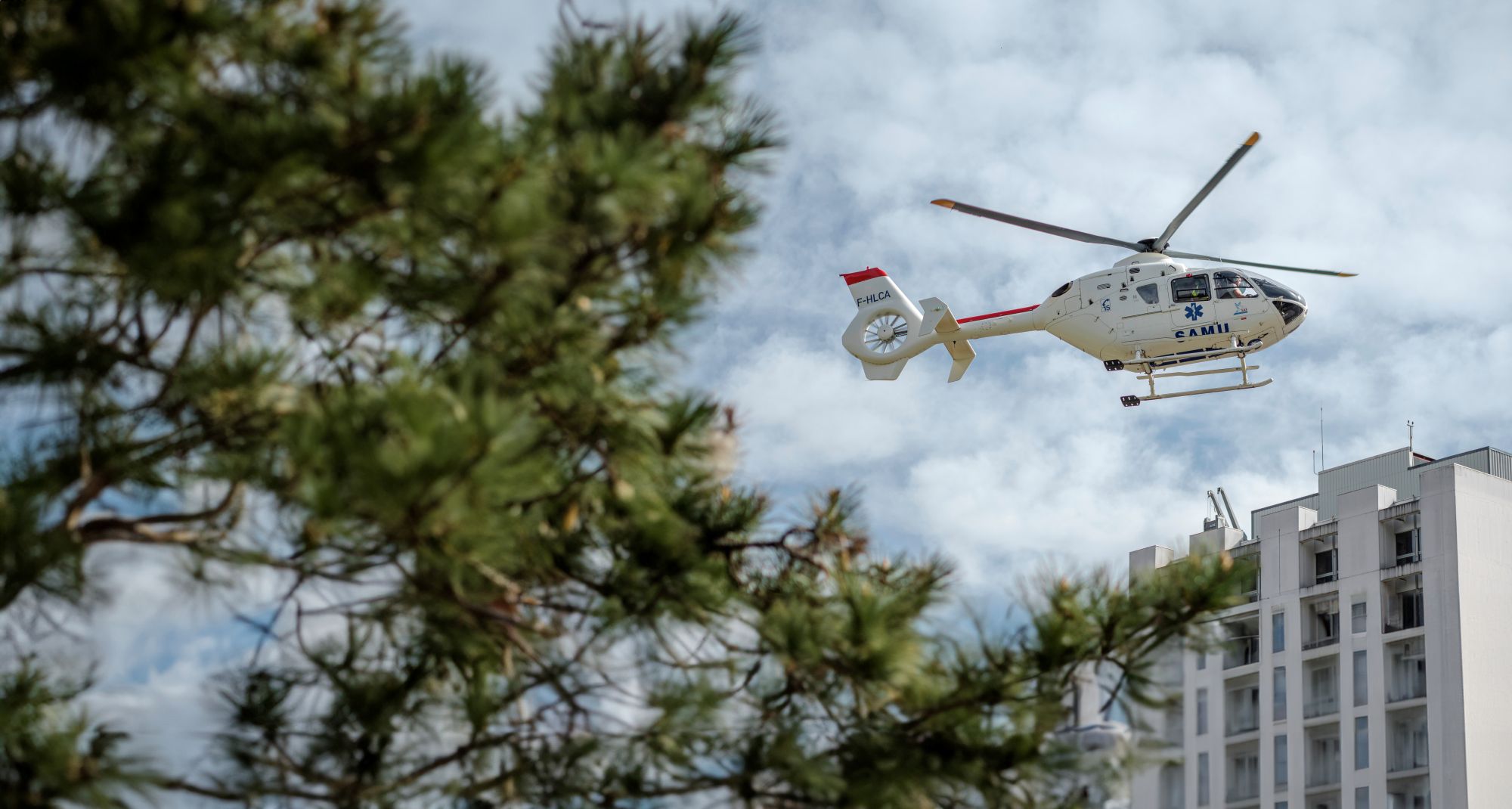
Every day, Global Rescue personnel are involved in medical, security, and travel operations all over the globe. Here is a snapshot of some of our recent activity.
– MEDICAL-
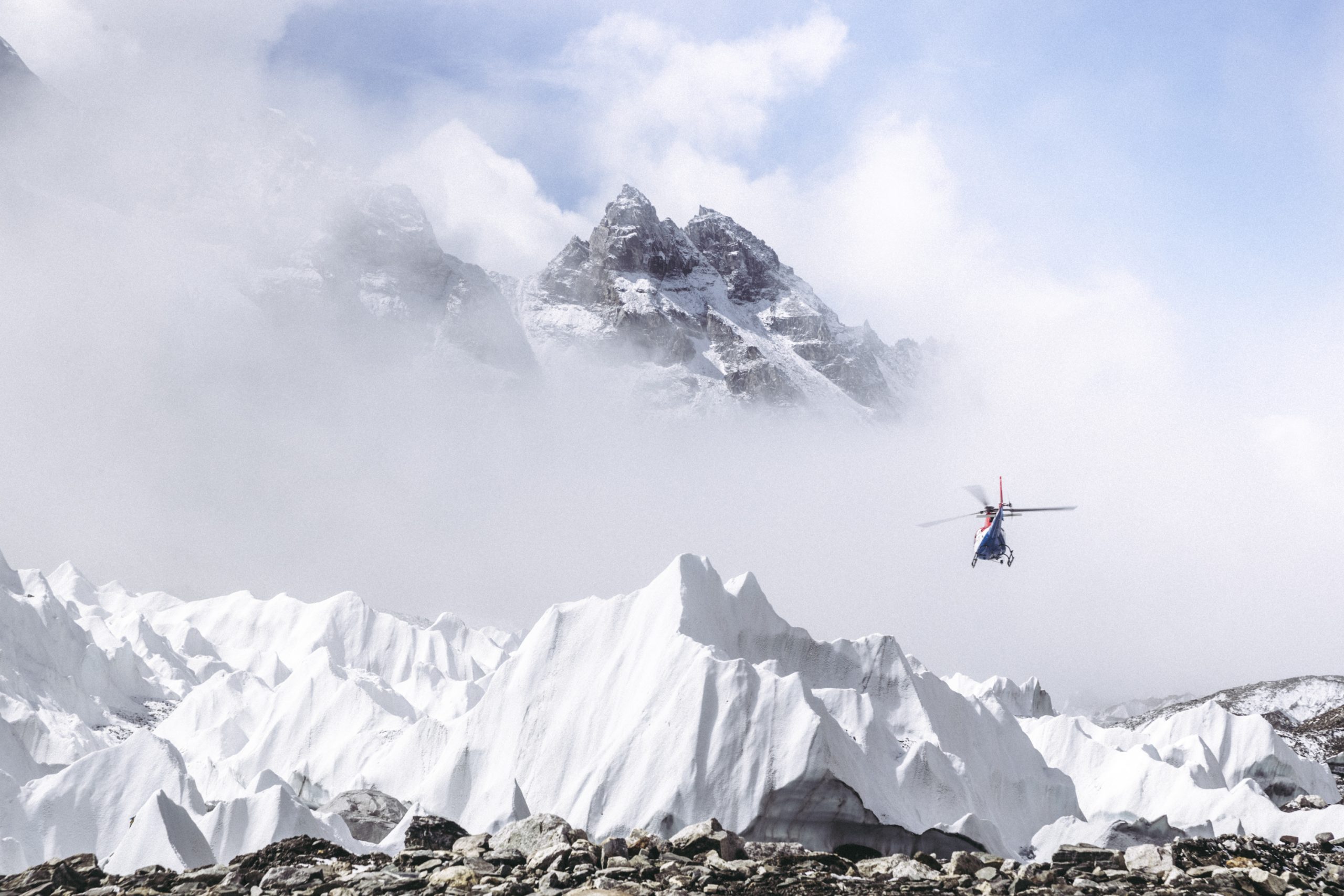
NEPAL – Performed 77 rescue and evacuation missions in the Himalaya during the Spring 2018 climbing season. Assisted members with snow blindness, acute mountain sickness, frostbite, dehydration, flu symptoms, gastrointestinal issues, trauma and other serious conditions.
TANZANIA – Facilitated the transportation, medical care, and eventual repatriation of a member who was seriously injured after crashing his motorcycle in Mpanda.
NIGERIA – Provided medical evacuation and escort services to the employee of a client organization who sustained serious head injuries after a motor vehicle accident in Port Harcourt.
BAHAMAS – Provided medical advisory services and a hospital referral to a member who was experiencing severe rib pain in Freeport.
KENYA – Assisted the employee of a client organization who was bitten by a scorpion while in Mutomo.
SOUTH AFRICA – Provided medical advisory services and clinic referral for evaluation in Johannesburg to a member who was experiencing sharp ear pain.
RWANDA – Assessed the condition of a member who was bitten and scratched by a wild dog in Kigali and arranged a subsequent rabies vaccination.
SWEDEN – Provided referral to a dental facility to an employee of a client organization who was experiencing severe pain while working in Stockholm.
COSTA RICA – Assisted a family in obtaining proper care and imaging for their daughter, who had injured her back after jumping into shallow water.
CHINA – Arranged for a doctor to visit a member who was experiencing symptoms of food poisoning while traveling in Hong Kong.
UNITED KINGDOM – Advised a student who fell ill while studying abroad and located a nearby hospital for urgent care.
DEMOCRATIC REPUBLIC OF THE CONGO – Facilitated the medical care of an employee of a client organization who suffered an angina episode while in Lubumbashi.
PANAMA – Located a nearby hospital for a student suffering from swelling of the feet in Panama City.
BOSNIA AND HERZEGOVINA – Provided medical advice and facilities recommendations for a member who was experiencing gastrointestinal issues while traveling from Sarajevo to Prishtina, Kosovo.
PERU – Performed a field rescue and facilitated the medical care of a member who was suffering from hypertension and chest pain while traveling in Puerto Maldonado.
UTAH – Assisted a member who was climbing in Little Cottonwood Canyon, Utah, and sustained injuries after falling more than 30 feet.
HAWAII – Provided medical advisory services to a member who sustained injuries to his feet after walking over sea rocks while canoeing in Kailua-Kona.
TANZANIA – Provided medical advisory services to a member who was experiencing symptoms of vertigo, rheumatoid arthritis, and exhaustion while in Arusha.
CANADA – Evacuated a member from a remote camp in Nanavut who had sustained multiple head injuries in a snowmobile accident.
– SECURITY-
GREENLAND – Performed a field rescue for members in the wake of severe inclement weather during a trekking expedition.
HAWAII – Conducted security assessment for a client following the eruption of the Kilauea volcano and subsequent fissures.
THAILAND – Assisted a member who lost his passport in Bangkok and facilitated the procurement of necessary travel and legal documents to ensure his safe return home to Qatar.
Categories:
Health & SafetySecurity & IntelligenceTravelJune 13, 2018
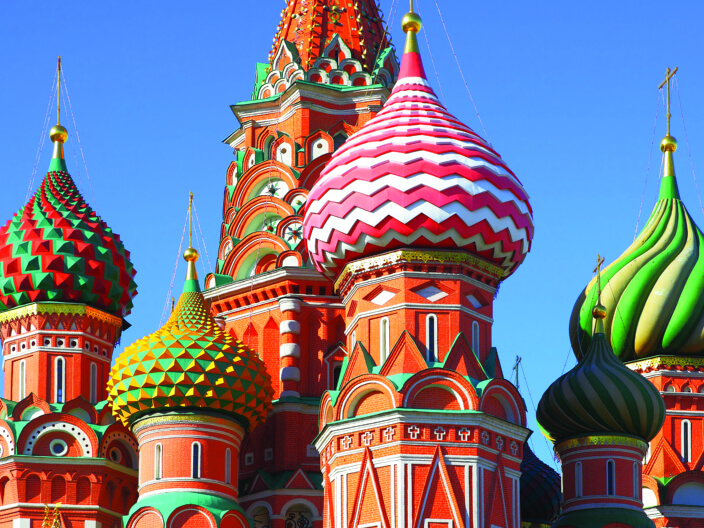
Global Rescue’s medical, security, and intelligence teams of critical care paramedics, physicians and special operations veterans routinely perform boots-on-the-ground assessments of destinations important to our traveling members.
Comprehensive in-country reconnaissance and on-going intelligence reporting are just a few of the reasons why serious travelers trust Global Rescue.
Background
The men’s 2018 FIFA (Fédération Internationale de Football Association) World Cup will be held in Russia between 14 June and 15 July. The World Cup is an international soccer (football) tournament held every four years among the national teams of member countries of FIFA. The matches will take place in 11 Russian cities: Moscow, Kaliningrad, St. Petersburg, Volgograd, Kazan, Nizhny Novgorod, Samara, Saransk, Rostov-on-Don, Sochi, and Yekaterinburg. The Russian government is expecting at least 1.5 million foreigners to visit the country for the World Cup.
Given the magnitude of the event, the World Cup naturally presents a number of security challenges to Russian authorities and to the many fans, media personnel, teams, and others who will travel to the country. The Russian government will be taking a number of additional security measures for the event. These measures include additional restrictions around infrastructure facilities, waterways, and coastlines in cities hosting a match, and restrictions of access to controlled areas in and around World Cup facilities, including the hotels where the players will be staying during the tournament.
Travelers can expect road closures in the host cities and increased security measures during public events not connected to the World Cup, which have yet to be specified by the Russian government. In addition, Russian security officials will be utilizing thousands of CCTV cameras with facial recognition technology to identify potential attackers, and will be deploying anti-drone and other military equipment to provide enhanced security measures.
Some top security concerns for the World Cup include terrorism, hooliganism, threats to LGBT travelers, and cyber and information security concerns.
Terrorism
Like for most major events, there is an ongoing threat of terrorism, particularly “lone wolf” attacks inspired by the Islamic State (IS) and other militant groups. IS and other terrorist organizations have carried out attacks on Russian soil in the recent past. The threat has been exacerbated by Russia’s military involvement in Syria, as well as separatist militancy in the disputed Northern Caucasus region.
IS has been issuing threats specific to the 2018 World Cup since late 2017. Recently, the group has been encouraging would-be attackers to strike during the tournament and has been spreading propaganda material on its social media channels and via the encrypted messaging platform. Most prominently, an IS image was released on 20 April by the group’s propaganda wing stating, “Putin: You disbeliever. You will pay the price for killing Muslims.” However, IS has distributed similar propaganda threatening attacks ahead of other major events in recent years that failed to actually result in attacks.
Hooliganism
Russian authorities have taken steps to prevent hooliganism at the World Cup, but the threat remains. In June 2016 at the European Championships in Marseille, France, Russian hooligans violently attacked English fans in the Old Port, resulting in over 30 people injured and many others arrested. The hooligans were reportedly well-organized and appeared to have been trained. In an effort to curb the potential for similar violence at the World Cup, approximately 1,750 people have been banned from attending soccer matches, including 91 people connected to the Marseille incident. Russian authorities generally know the identities of the hooligans, and have taken steps to ensure that the violence witnessed in 2016 in Marseille does not disrupt the World Cup events. Despite these efforts, spontaneous hooligan-related violence remains possible.
LGBT travelers
Lesbian, gay, bisexual, and transgender (LGBT) individuals in Russia may face discrimination and harassment. Although same-sex relations are not illegal in Russia, there are no laws prohibiting discrimination based on sexual orientation or gender identity. Additionally, local laws ban “the propaganda of nontraditional sexual relations” to minors, for which foreigners found in violation can be punished with fines, up to 15 days in jail, and deportation. The vague language of this law effectively makes any action or statement that appears to promote LGBT issues illegal, which could extend to posts on social media.
The number of reported homophobic incidents has reportedly increased since the passage of the propaganda law in 2013. Travelers may be targeted for public expressions of homosexuality, and harassment towards LGBT people can range from street harassment to violent assault. Although Moscow and St. Petersburg have thriving gay communities, people leaving or in the vicinity of LGBT clubs and bars may be targeted for homophobic attacks or police harassment. Other types of discrimination—including racism, sexism, Islamophobia, anti-Semitism, and xenophobia— may intersect with local homophobic and transphobic attitudes to increase the likelihood or severity of harassment experienced by LGBT travelers.
Further, travelers should be wary of entrapment campaigns, as LGBT individuals—particularly gay men—have been lured on dating apps under false pretenses and then attacked. In several instances, neo-Nazi groups have entrapped gay men before torturing and/or murdering them. Russian law enforcement is generally ineffective at prosecuting these crimes, and members of anti-LGBT vigilante groups often operate with impunity.
Cyber and information security
Surveillance of telephone and electronic communication is prevalent in Russia, and all travelers should operate under the assumption that all their communications are being monitored while they are in the country. Do not discuss private or sensitive matters, including anything political in nature, on any mode of communication while in country. Further, cybercrime is prevalent in the country, and criminals may seek to gain access to sensitive information, particularly banking and other personal information (like passwords), via electronic devices.
Travelers should take appropriate measures to minimize exposure to surveillance and to reduce the possibility that private or sensitive information is exposed:
- To the greatest extent possible, maintain positive control over all electronic devices (cell phones, tablets, laptops, etc.) by keeping them with you at all times.
- Ensure the Bluetooth and wireless functions on all devices are turned off when not in use. Do not connect to public or unsecured Wi-Fi networks, including at airports, train stations, and other public areas. If wireless connectivity is essential, utilize a virtual private network (VPN) and do not conduct sensitive business, such as online banking.
- Limit or avoid social media activity while in country, which can reveal personal information, location, and other sensitive information.
- Alert friends and family of your trip before you leave and make sure they don’t send you any sensitive or private information while you’re traveling.
- Never plug an unknown USB flash drive into your computer or other device.
- Do not charge a phone or other device with a USB unless it is connected directly to an electric outlet. Consider an external battery charger so you do not have to connect your device to outlets.
- GSM is the most common mobile system in Russia. Consider purchasing a GSM compatible phone that is separate from your daily device for cyber security purposes.
- Consider a wallet that blocks would-be criminals from wirelessly obtaining credit card information via radio frequency identification (RFID).
Additional advice
- Healthcare in Russia can be an issue. Pack a sufficient medical kit to treat minor illness and injuries.
- Marked and metered taxis are the recommended method of transportation from airport to lodging. Mobile ride-share programs or reputable hotel arranged transportation are also suitable, but be sure to utilize vetted resources.
- It is suggested to obtain lodging from the FIFA Recommended Accommodation list, which can be found on the FIFA website.
- Global Rescue recommends drawing cash from ATMs at reputable hotels or shopping centers. ATMs elsewhere should not be trusted.
- FAN ID, which is required for entry to events, along with the FIFA website, can help arrange free travel. It is recommended to use this option as it will be closely monitored and likely to have enhanced security.
- The hooligan threat has been initially addressed by the Russian government, but unrest may still occur. Avoid if possible. If you must move through an area of disturbance stay to the outside or step inside a safe building and wait for the situation to deescalate.
Global Rescue members have access to the My Global Rescue mobile app, which is a direct link to our operations centers in case of emergency and provides real-time reports on health and security issues in 215 countries and principalities worldwide.
Questions? Contact Global Rescue at 617-459-4200 or memberservices@globalrescue.com.

Categories:
NewsJune 5, 2018
Categories:
Missions & Member TestimonialsJune 5, 2018

Nancy Hunsicker plays with a snake at the Bangkok floating market.
Nancy Hunsicker was traveling through Asia with her husband and friends on a small-ship cruise trip and eagerly awaiting their stop in Cambodia.
“The one thing I wanted to do in Asia was to see Siem Reap and Angkor Wat,” she said.
The day before the group was to disembark for the overland trip in Cambodia, Nancy woke up at 3 AM with extreme abdominal pain.
Dismissing the pain as something she could “get through,” Nancy continued on the excursion with the group. “I tramped through the whole day in Phnom Penh—saw palaces, museums, gardens, took pictures, posted on social media—and by the end of the day, I was even more miserable.”
Nancy knew something was seriously wrong. “I’ve never felt like that before. I work out, I eat carefully—I’m as healthy as a horse.”
After another hard night —“at some point I woke up and I was just shrieking” — Nancy and her husband decided to call in a local doctor. Concluding that Nancy did not have appendicitis and most likely had food poisoning, the doctor gave her antibiotics and painkillers to try to relieve some of the symptoms.
Hours later, Nancy saw no improvement. When the doctor came back early in the morning to examine her again, he explained that, in fact, his previous diagnosis was incorrect. He still wasn’t sure what it was, but he knew it was more serious than food poisoning. That’s when Nancy’s husband called Global Rescue.
Global Rescue quickly identified and contacted a world-class hospital nearby. The Global Rescue Operations team arranged for an ambulance to be sent to transport Nancy to the facility for immediate medical attention.
“I had a burst appendix. The reason the first doctor was confused is that it turns out my appendix was abnormally situated on the opposite side of my body. I damn near died,” said Nancy. “Global Rescue got me to the hospital and were great all the way through. It was a huge comfort.”
Nancy underwent surgery at the hospital and remained for several days to recover. “It was an incredibly immersive cultural experience—just not the one I planned on,” she recalled.
“Global Rescue personnel called several times a day and talked to my husband, the doctors, and me. Global Rescue evaluated copies of everything, asked questions, critiqued, made suggestions, and made sure I got the anti-coagulant shot so I could safely get on a plane to Hong Kong post-surgery,” Nancy said.
Global Rescue continued to monitor Nancy during her trip to Hong Kong and as she returned home to the United States, safely and without any complications. “It couldn’t have been more seamless,” she said.

Nancy Hunsicker and her husband in Hong Kong 10 days after her surgery.
Looking back, Nancy realized she never thought she would be the one to need Global Rescue. She had insisted that her friends and family become Global Rescue members in case something happened during the trip.
“The funny thing is, the people I travel with are all older than I am—rather significantly—so I encouraged everybody to get Global Rescue, thinking, ‘We’ll take care of the older ones.’ Then here it is me needing Global Rescue’s help.”
Nancy continued, “It was a very scary situation. Global Rescue didn’t scoop me up out of the jungle or the side of a mountain, but if it hadn’t been for Global Rescue, I don’t know what we would have done. Global Rescue is really good any time you’re 100 miles from home. Even if I’m not traveling abroad, I often go out of town and show horses where I could get hurt. I wouldn’t be without Global Rescue.”
A few months post-surgery, Nancy was back in the saddle, showing her horse.
Categories:
NewsJune 3, 2018
Categories:
NewsMay 26, 2018
Categories:
NewsMay 24, 2018
Categories:
Missions & Member TestimonialsMay 18, 2018
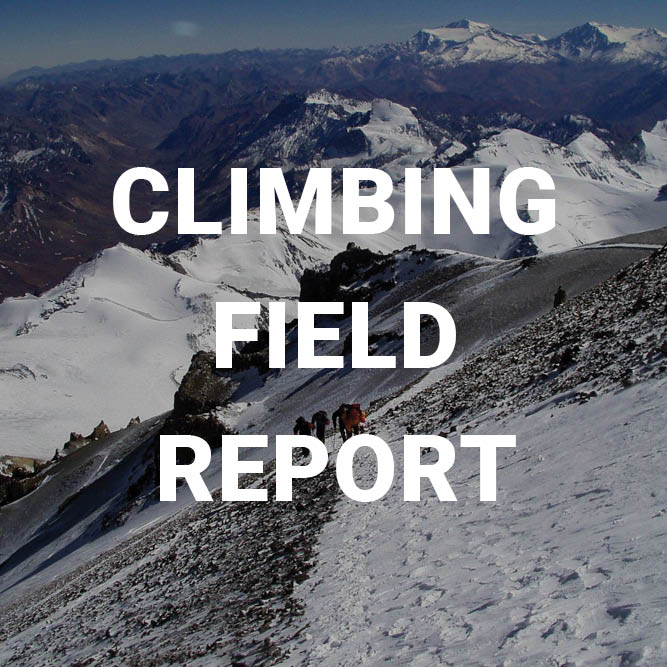
Global Rescue’s medical, security and intelligence teams of critical care paramedics, physicians and special operations veterans routinely perform boots-on-the-ground assessments of destinations important to our climbing members.
Comprehensive in-country reconnaissance and ongoing intelligence reporting are just a few of the reasons why climbers trust Global Rescue.
Security, Medical and Communications Considerations for Popular Climbing Destinations

KILIMANJARO, TANZANIA
The roof of Africa, Kilimanjaro is a technically easy mountain with well-organized camps. Global Rescue liaises with both our partnered helicopter providers and the local park rangers to ensure members are safe while climbing Kilimanjaro’s multiple routes. Helicopter landing zones are situated at various points with wheeled stretchers used when helicopter access is unsafe due to terrain or weather conditions.
MEDICAL –– Acute mountain sickness (AMS) is a common complaint with a large altitude gain on summit day affecting many. Members are advised to choose an expedition company that allows for a gradual ascent, with no more than 500 meters elevation per day (sleeping altitude). Diamox can be used to aid acclimatization. Those with a known sulfonamide allergy should consider a supervised trial before using it in a remote setting. Adequate hydration and nutrition is important in helping climbers function well at altitude and preventing the onset of symptoms of dehydration and malnutrition that can mimic symptoms of AMS. Water sterilization is important as clean sources are unavailable above base camp.
Climbers with symptoms of AMS (headache, nausea, loss of appetite, fatigue at rest, insomnia) should not ascend further and should contact Global Rescue for further advice at the earliest opportunity. Ascent while symptomatic of AMS can lead to life-threatening conditions of high altitude cerebral edema (HACE) and high altitude pulmonary edema (HAPE), where rapid descent is required immediately. Reputable expedition companies will check their clients on a daily basis and not allow ascent of those who become unwell.
Medical facilities are limited within close distance to Mount Kilimanjaro. When necessary, members are transported to Dar es Salaam or over the border into Nairobi, Kenya, for stabilization before making the journey home. Global Rescue is partnered with a number of air and ground transport providers locally and internationally to perform these transports with minimal delay.
TRAVEL CONSIDERATIONS — Visas are required for travel to Tanzania. It is recommended that travelers obtain visas before traveling, but visas are also available upon arrival.
Guides are required for climbing Kilimanjaro. As there are over 600 Kilimanjaro guide services, it is recommended to pay close attention to guide selection. Kiliporters.org offers a list of partners that support fair and ethical treatment of the local porters.
Kilimanjaro International (JRO) is the closet airport. There is no public transportation available at JRO, so a pre-arranged ride or taxi service is required.

ACONCAGUA, ARGENTINA
The highest peak outside of the Himalaya is often underestimated by the large number who fail to summit. Statistics suggest that Aconcagua has one of the lowest summit success rates of the Seven Summits.
Global Rescue has seen a large increase in evacuations in 2018 compared to previous years. During the climbing season, Global Rescue keeps in close communication with both our partnered helicopter providers and the various medical clinics climbers encounter on their route to the summit.
MEDICAL — Aconcagua’s proximity to the Pacific Ocean means wind chill can be a big problem. Be prepared for a wide diurnal temperature range with good wind protection. Along with good layered kit, chemical warmers can offer good protection against the cold but should not be relied upon as they often fail.
Climbers are mandated by the local government to have medical check-ups at various points and are not allowed to continue should they be deemed unwell.
As with all high-altitude expeditions, preparation is key. Climbers should be in peak physical condition and carefully select both their kit and expedition company. Injured climbers are initially evacuated to Mendoza where most recover. Two large airports are situated in Mendoza should fixed-wing transport be necessary.
SECURITY –– Crime is a concern around Buenos Aires and Mendoza. The Retiro bus station in Buenos Aires and the bus station in Mendoza are of particular concern. It is recommended to pre-arrange transportation or utilize a flat-rate “remise” service from the airport. Avoid yellow and black taxis.
TRAVEL CONSIDERATIONS — Argentina formerly had a flat exchange rate that created a black market for dollars, referred to as “dolar blue.” In this market, pesos were exchanged for 50-100% more than the official rate. This market still exists, but it is recommended to avoid it. Generally, travelers will get a slightly better exchange rate from ATMs. Travelers should make sure to obtain all the cash required for their trip while in a major city, as ATMs/bank exchange may be unavailable during travel. For security purposes, do not store all cash in one location. Spread the money across different pockets and bags.
COMMUNICATIONS — Most guide services provide satellite and radio communications as part of the trip cost. For those planning to conduct a self-guided climb, it is recommended to develop a communications plan that includes satellite and radio options.
HIMALAYA, NEPAL
Home to the largest mountains in the world, Global Rescue is active 12 months a year in Nepal. In addition to the large number of trekking and climbing members, local agencies trust in Global Rescue to provide their employees with medical and security evacuation membership.
During the climbing and trekking seasons, operations pick up pace. 2017 was the busiest year on record for medical evacuations since the Nepal earthquake in 2015.
MEDICAL — Global Rescue deploys a team of personnel during the busy seasons to perform evacuations, assist members during their recovery in Kathmandu and help arrange appropriate transport to the member’s home country. Medical care at the Kathmandu facility recommended by Global Rescue is at Western standards and at the forefront of high altitude medicine.
SECURITY –– As with all locations, it is important for members in the Himalaya to contact Global Rescue at the earliest opportunity. An industry exists in Nepal by which a small minority of unscrupulous lodges, expedition companies, guides, etc., will arrange and profit from evacuations. It is a best practice to ensure that Global Rescue membership details are provided to the expedition company and accompanying guide with the instructions to contact Global Rescue as soon as possible should injury or illness occur.
Global Rescue maintains close relationships with the major leading helicopter companies. Often the closest helicopter is activated within minutes of the initial call to Global Rescue.
The Nepal Tourism Board mandates that all trekkers buy a Trekkers Information Management System (TIMS) card through the Trekking Association Agency of Nepal, so that trekkers are easier to locate in an emergency. Persons who wish to hike in Nepal should travel in a group or with licensed porters and guides. Trekking solo increases a traveler’s risk of criminal attack or serious injury. There have been a number of cases of foreigners going missing when trekking alone, even if they informed their embassy or other responsible parties of their general whereabouts. Be alert to the danger of rockslides or avalanches, even when paths are clear. Women should be particularly cautious if trekking alone, as there have been isolated reports of sexual assaults. Hikers can and should register their routes at base camps, parks or conservation areas, and their embassy. It is advised not to hike without an adequate supply of food and water, detailed knowledge of the route, appropriate cold weather and mountaineering gear, and, if possible, a satellite phone.
TRAVEL CONSIDERATIONS — Visas are required for travel to Nepal. Travelers should ensure to purchase the appropriate visa for their trip. Tourist visas are offered in 15-day, 1-month, and 3-month multiple entry time periods. Fees are payable in USD. Money exchange and ATM services are available at the airport, but credit card payment is not a reliable option.
CARSTENSZ PYRAMID, PAPUA, INDONESIA
The most technical of the Seven Summits, simply getting to base camp of Carstensz Pyramid is an arduous task involving a long trek through dense, unforgiving jungle.
MEDICAL –– Medical facilities are non-existent at base camp and far below Western standards in Papua as a whole. Rescue necessitates helicopter rescue, followed by, in many cases, fixed-wing transport to one of Global Rescue’s Centers of Excellence in the region or back to the member’s home hospital.
SECURITY –– Terrorism is a concern in the region. There is an increased concern for attacks surrounding Ramadan, Independence Day, Christmas, and Easter. It is suggested that travelers plan their itinerary to avoid these holidays.
TRAVEL CONSIDERATIONS — The required permits for climbing Carstensz Pyramid are difficult to obtain and requirements change frequently. It is recommended that climbers take part in an organized trip to circumvent these issues.
Tourist visas for Indonesia are not required for trips less than 30 days. An average Carstensz Pyramid climb trip runs 14-15 days. Trekking routes can take 16-20 days. For those planning other travel in the area, a Visa-on-Arrival can be purchased for $35 USD. This Visa can be extended one time for up to 30 days.
DENALI, UNITED STATES
Denali is a more challenging mountain than most Himalayan peaks in many respects. Climbers must land on a glacier then spend approximately three weeks moving their equipment, acclimatizing, setting up camps, etc. without the support of porters or Sherpas. The temperatures are far colder on average than just about anywhere else. The summit is approximately 13,000 vertical feet from the landing zone.
Global Rescue liaises with Denali Park Rangers and other partnered agencies to organize evacuations from the mountain to Fairbanks, Alaska.
MEDICAL — Excellent medical facilities are situated in Fairbanks, Alaska. If further transport is required once the member is stabilized, an international airport is situated within Fairbanks.
TRAVEL CONSIDERATIONS — Climbers must register with the National Parks Mountaineering Headquarters in Talkeetna, AK before climbing in the park.
Dynamic weather conditions near Denali can significantly influence the safety of travel in the region. Storms pick up intensity as they roll off the ocean and drop massive quantities of snow on the mountain. In the event of a 3-4 day storm, snow accumulation of between 6-8 feet is not unusual.
Snow shelters have saved lives on Denali. A small steel shovel is recommended for shelter construction.
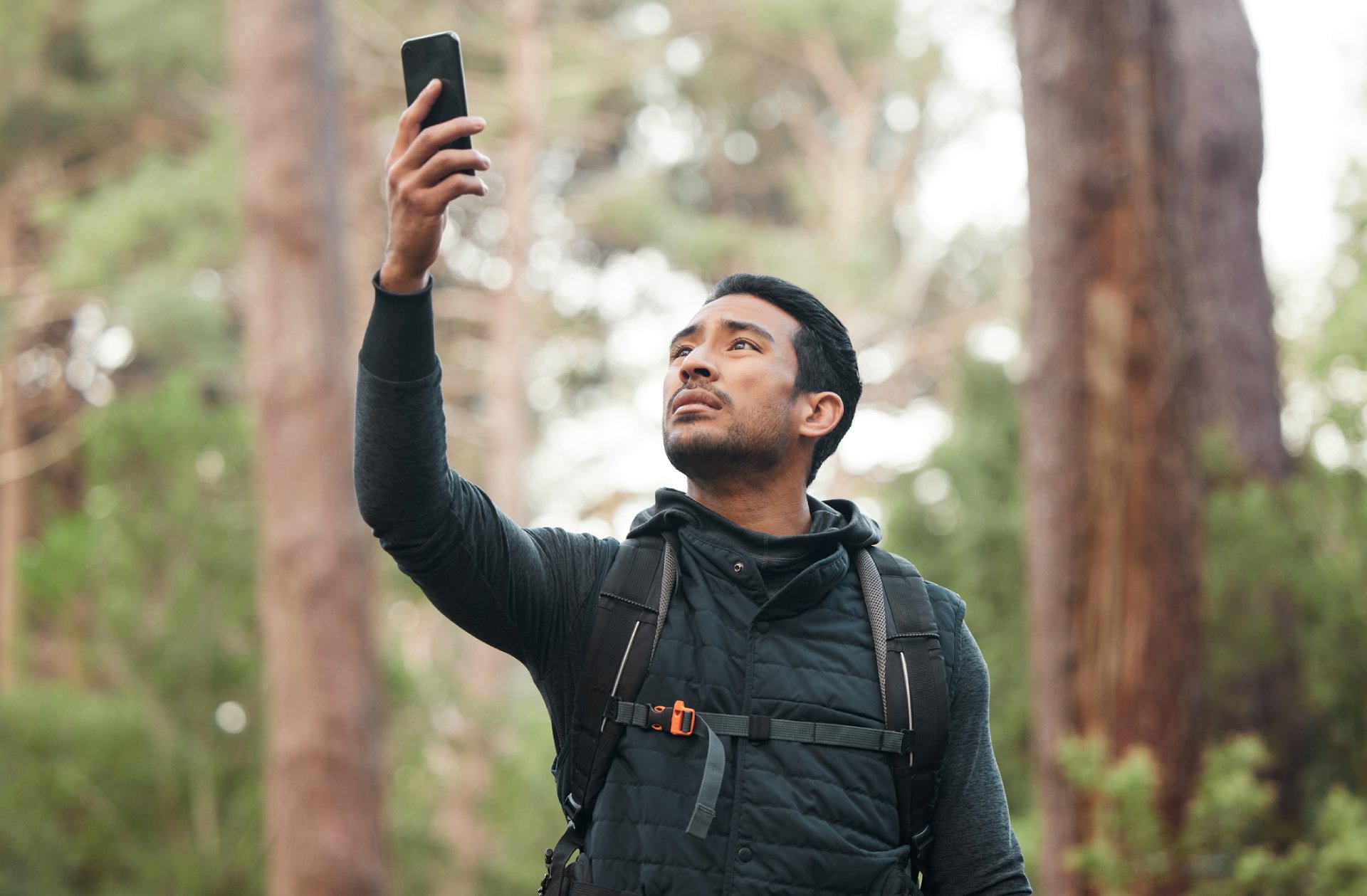
COMMUNICATIONS — Cell phones are not reliable on Denali. It is recommended to have a Family Radio Service (FRS) radio, Satellite Phone, or Satellite messaging device.
Categories:
Health & SafetyTravelMay 16, 2018
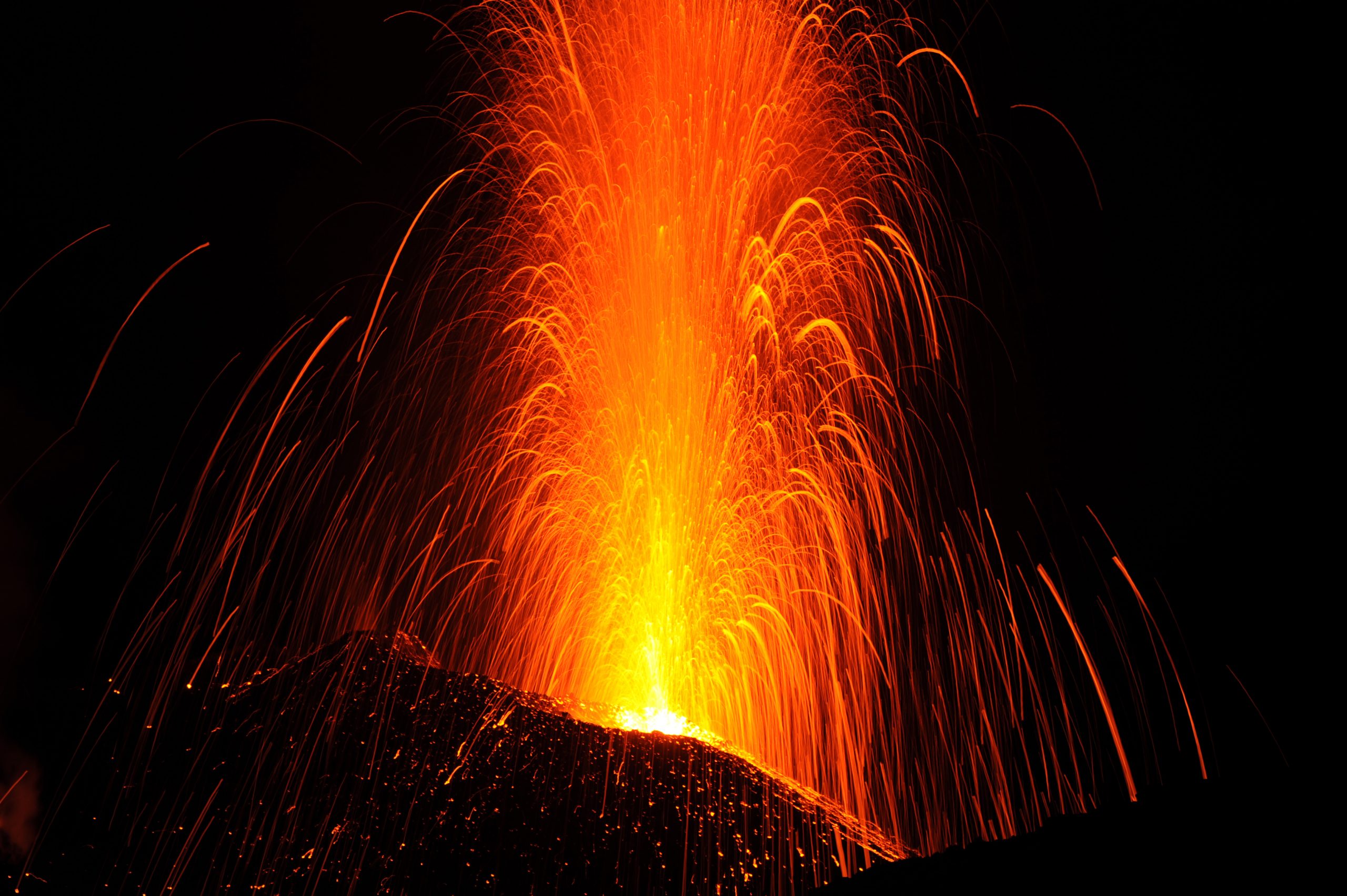
Kilauea volcano on the Big Island in the US state of Hawaii, one of the most active volcanoes in the world, started erupting on 3 May. At least 19 fissures have opened since the eruption, resulting in lava flows and dangerous toxic gas emissions. Nearly 2,000 people have been evacuated, and the lava has destroyed at least 36 structures. Residents in the area are bracing for what could be weeks more of lava flows and other devastating activity.
If you or anyone you know is traveling in Hawaii on Big Island, or within range of an active volcano soon, it is important to know how to keep yourself safe. Global Rescue’s intelligence and security personnel monitor global events including natural disasters every day, and have developed protocols and warnings for those who could be in danger. We currently have Global Rescue Operations personnel in Hawaii performing reconnaissance on behalf our clients.
Recommendations for survival near an active volcano:
- Do your homework: Travelers heading to areas of the world where volcanic activity is most likely should research volcanic risks prior to departure. Check local media and government agencies that track seismic activity, as agencies are often able to provide warnings weeks or even months in advance of an eruption.
- Bring a Volcano Emergency Kit: This should include goggles, masks, flashlights, and a radio, as well as food and water if they can be stored safely.
- Be ready to move…: In the event that you are traveling to an area where a volcanic eruption may be imminent, it is best to immediately find transportation to a safe location. If possible, withdraw cash ahead of time – credit cards may not be usable if networks go down.
- … but be ready to improvise: Volcanic ash can damage aviation equipment and reduce visibility for pilots, and eruptions may trigger airport closures and flight cancellations. When Eyjafjallajökull volcano erupted in Iceland in 2010, the volcanic ash cloud prompted the closure of most of the European airspace for 6 days, resulting in the cancellation of thousands of flights across northern and western Europe. Ground vehicle transportation may be affected too – if driving, maintain a low speed to minimize engine damage due to volcanic ash particles.
- After the eruption: If an eruption occurs, try to exit the area immediately. Take care to avoid lava, mudflows, river areas, and low-lying regions. Travelers should be prepared to utilize any means necessary to exit the affected region, including air, sea, and land travel. Monitor local media, government alerts, and airport notices to stay informed as the situation develops.
- Protect yourself indoors and out: Take health precautions while outdoors by covering skin and wearing masks and goggles. If you don’t have a mask, tie a damp cloth over your mouth. While indoors, close windows, doors, vents, and any other openings that may let ash into the buildings.
Categories:
Missions & Member TestimonialsMay 10, 2018
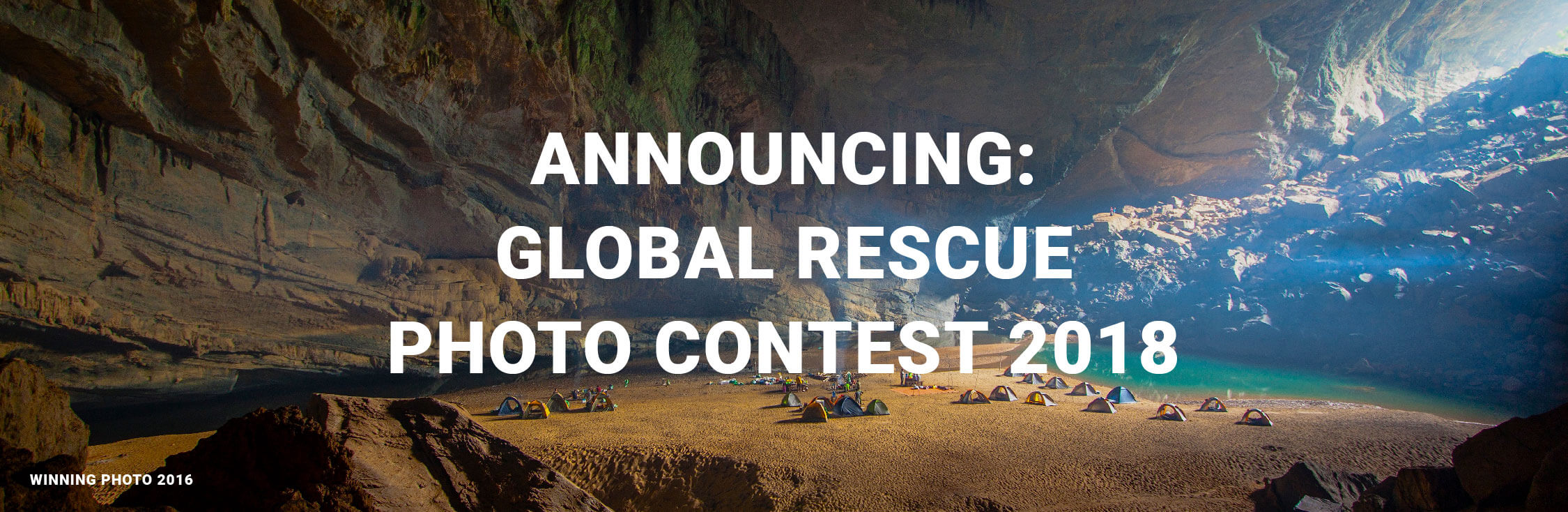
The Global Rescue 2018 Photo Contest is officially launched!
What does the spirit of adventure look like to you? Seeking adventure pushes us out of our comfort zones, leading us to immerse ourselves in new experiences and cultures. The most memorable adventures spark our curiosity and inspire new ways of seeing the world around us. The exhilaration that comes from embracing the unknown is essential for keeping our spirits alive. Capturing a moment that evokes the “spirit of adventure” is no small feat, and we applaud those who succeed.
Global Rescue is proud to support our adventurous members, helping them travel the world with peace of mind since 2004.
Send us your best photo (no larger than 5MB) that captures the theme “Spirit of Adventure” to submissions@globalrescue.com by June 15, 2018. Include name, contact information, photo location, and a brief caption that describes the photo. Winners will be announced by July 10, 2018. Participants should review the Official Rules.
Photos will be reviewed by an expert panel and judged based on the quality of composition and ability to convey the spirit of adventure. The judges include: Russell Walters, Adventure Travel Trade Association; Loren Greenway, Wilderness Medical Society Andy Cool, Explorer Satellite; and Phil Powers, American Alpine Club.
First Prize is a Global Rescue 45 Day Annual Family Medical and Security Membership and an Iridium GO, provided by Explorer Satellite Communications. Second Place is a Global Rescue 45 Day Annual Family Medical and Security Membership and a Global Rescue Survival Kit curated by the in-house medical and security teams at Global Rescue. Third Place is a Global Rescue 45 Day Individual Medical and Security Membership.
For more information, click here.
Categories:
Missions & Member TestimonialsMay 2, 2018
Every day, Global Rescue personnel are involved in medical, security, and travel operations all over the globe. Here is a snapshot of some of our recent activity.
– MEDICAL-
NEPAL – Provided medical support, advice and helicopter field rescue services to more than thirty climbers and trekkers during the peak Himalayan climbing season. Injuries and illnesses included acute mountain sickness, trauma due to falls, orthopedic injuries and various infectious diseases.
UNITED KINGDOM – Provided medical support to the employee of a client organization who was suffering from skin lesions on the face.
SWITZERLAND – Facilitated the transportation of a member to a local hospital after sustaining a tibia/fibula fracture while skiing in Schonried.
CHRISTMAS ISLAND – Monitored the condition and supported the medical care of a member who suffered a seizure on Christmas Island, or Kiritimati, a small, remote island in the Pacific Ocean.
SPAIN – Assisted a member who was injured in a bicycling accident in Muro, Majorca.
THAILAND – Facilitated the medical care of a member who was suffering from pericardial effusion while in Udon Thani.
MONGOLIA – Assisted the employee of a client organization who sustained a laceration on the leg, which later became infected, from a chainsaw accident in the Gobi Desert.
GALAPAGOS ISLANDS – Facilitated medical care for a member who sustained serious injuries while biking on Isla de San Cristobal. Global Rescue transported the member to a hospital for immediate surgical intervention.
SPAIN – Arranged for a member to have a prescription refilled in Zaragoza.
SEYCHELLES – Provided medical advice to a member who injured his finger while sailing near Providence Atoll.
FLORIDA – Evacuated a member who was being treated for sepsis in Daytona Beach to his home hospital via air ambulance.
HAITI – Provided medical advice to two members who were working in Mirebalais, one suffering from symptoms of heat stress and one whose eyelids were swelling due to a possible insect bite.
NIGERIA – Performed a medical evacuation for an employee of a client organization whose appendix ruptured, requiring immediate surgery.
CHILE – Facilitated the medical care and transportation of a member who exhibited symptoms of high-altitude pulmonary edema while climbing Ojos Del Salado.
ARGENTINA – provided medical advice and recommendation to descend from Aconcagua to a member who suffered complications due to high blood pressure.
ISRAEL – Coordinated the medical repatriation of a member in Jerusalem who was suffering from pneumonia.
TANZANIA – Provided a medical evaluation for a member who was experiencing nausea, vomiting, and shortness of breath while climbing Mt. Kilimanjaro.
– SECURITY & TRAVEL –
FRANCE – Advised a member who experienced complications while departing Nice due to widespread protests.
PERU – Provided assistance to a member who lost his passport while traveling in Cusco.
BRAZIL – Assisted an employee of a client organization who was detained by immigration in Sao Paulo.
NEW ZEALAND – Advised a member whose departing flight from Auckland was cancelled.
MULTIPLE LOCATIONS – Provided assessments of the medical and security risks to clients and members in multiple locations including Africa and the Middle East.