Categories:
Missions & Member TestimonialsApril 30, 2018
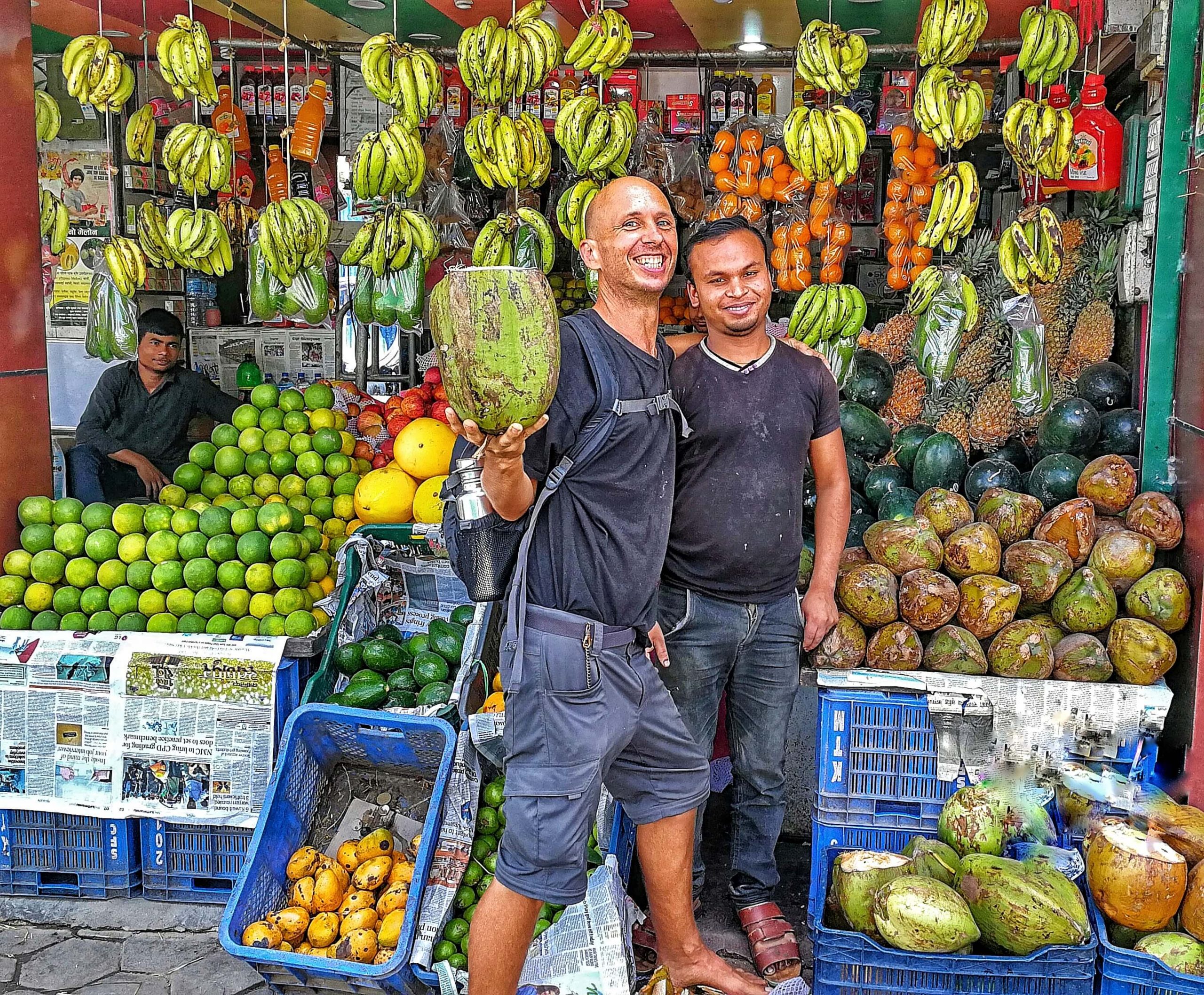
Eddie Tews (R) with a Kathmandu vendor
Eddie Tews was trekking in the Annapurna Circuit in Nepal. He had arrived at the village of Thorung Phedi, his last stop before he would attempt the Thorung La pass, the highest point on the Annapurna Circuit.
While entering the bathroom at his lodge in Thorung Phedi, Eddie passed out. When he regained consciousness, he wasn’t sure what had happened. His best guess was that his blackout was caused by the high altitude.
Then Eddie noticed pain in his lower back, pain that gradually worsened and spread up and down the right side of his back. He also noticed his chin was bleeding slightly. A few hours later, when his pain had not subsided, he knew he needed help.
Eddie told the lodge owner that he needed an evacuation, but language difficulties prevented a call for help. Eddie was able to message his mother back in the United States, asking her to contact Global Rescue.
After initial communication challenges at the lodge, Eddie was able to communicate with a Global Rescue senior medical specialist. After a review of Eddie’s symptoms, the Global Rescue medical team determined that Eddie required an evacuation and immediately arranged a helicopter to transport Eddie from the village to Kathmandu, where an ambulance would be waiting to bring him to the hospital for evaluation.
“It was a relief,” Eddie recalled, knowing that Global Rescue was sending help. “I had a very rough night after the accident, not only with the injury, but also with the cold and the altitude.”
At the Kathmandu hospital, Eddie was examined by a doctor. The Global Rescue medical team reviewed his medical records and kept in close contact with Eddie and the doctor to ensure that Eddie’s treatment was appropriate. Global Rescue continued follow up with Eddie after his release to be sure his recovery was progressing as expected.
“It would be difficult to overestimate how grateful I was at the time to be in such good hands.”
When he signed up as a Global Rescue member, Eddie never expected to need medical assistance during a climb. “On the [Annapurna Circuit], one sees about four or five helicopters per day coming up the valley to make a rescue. I would always think on those occasions, ‘That’s not going to be me. I don’t care how slowly I have to take it, how many rest days, but I’m not going to end up in a helicopter.’ But, it turns out that life has its own agenda.”
“It’s tough to imagine [a service] that would be more professional, compassionate, thorough, and competent than Global Rescue,” Eddie concluded. “I could never possibly sing its praises loudly enough. I was in a VERY bad way, and Global Rescue was a true godsend when I really needed one. So much respect and gratitude!”
Eddie is considering a return to the Annapurna Circuit in the spring of 2018.

Eddie (L) with friends in Pokhara
Categories:
Missions & Member TestimonialsApril 25, 2018
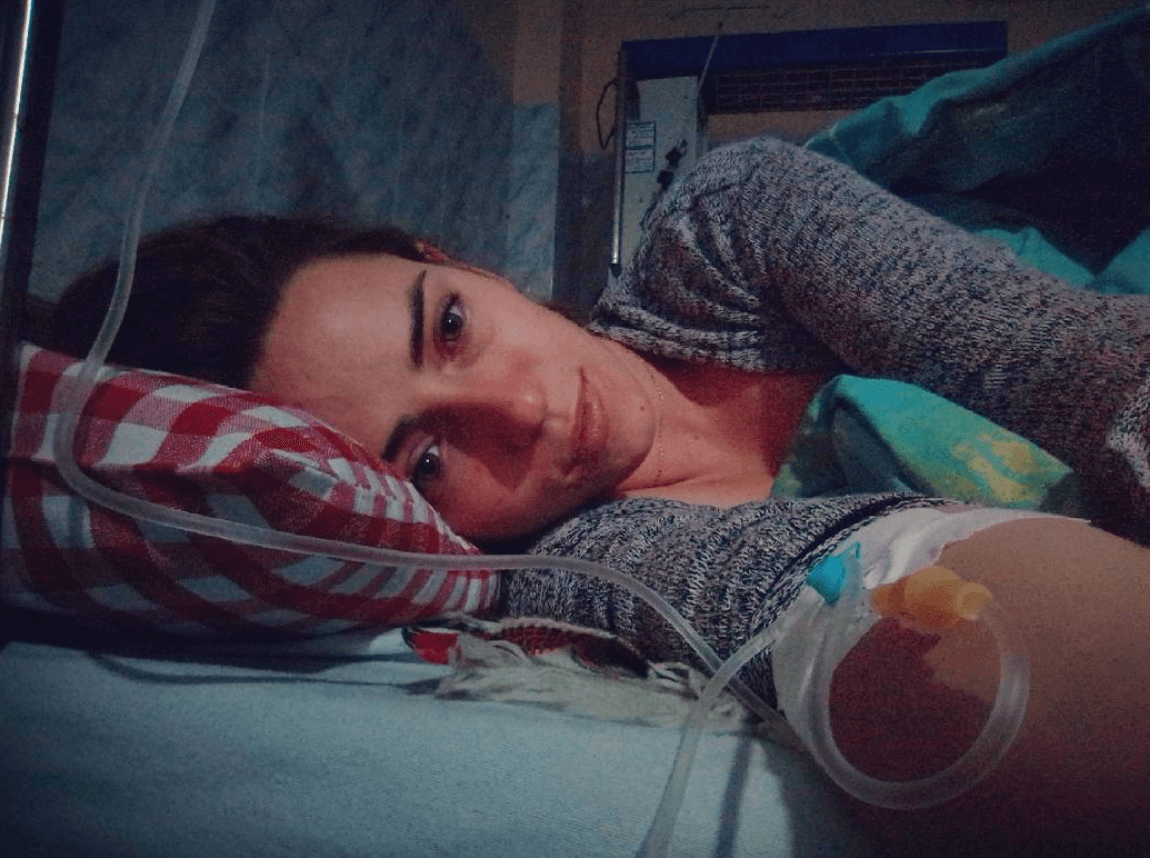
Eliah English from her hospital bed in Northern India
Twenty-three-year-old Eliah English was studying Indian law in Northern India when she became very ill. Eliah found herself with severe gastrointestinal issues, rather desperate, and feeling absolutely miserable. To make matters worse, she was worried about whether she would be able to catch her flight the next day.
Eliah called her mother who told her to call Global Rescue immediately.
Eliah did as her mother suggested and was immediately connected with a nurse who advised her not to fly. The nurse told Eliah that she would locate the nearest hospital and call her back shortly.
“The Global Rescue nurse was reassuring and helpful,” Eliah said. “She put me at ease when I was so ill and not in a positive frame of mind to function.”
Eliah confessed that she was most surprised when the head doctor from the hospital told her that he had been on the phone with “her medical team” and that they would be checking on her condition before she was discharged. Eliah laughed and explained to the doctor that they were not her medical team, rather a benefit of her Global Rescue membership.
“The Global Rescue team consistently checked on my well-being and were extremely thorough in ensuring I had the correct prescriptions, being scrupulous and providing advice from medical experts,” she said.
“I really appreciate the kind support that Global Rescue offered me whilst I was in India,” continued Eliah. “I have had this Global Rescue card in my wallet for as long as I can remember. I have only now realized just how lucky and privileged I am to be able to take advantage of this service. I cannot express my gratitude enough for the whole service and for the Global Rescue team.
“When you are ill and alone in a foreign country, finding yourself in need of medical care can be a daunting and stressful experience. Global Rescue alleviated all of my worries, and provided the best possible support that one could ever ask for.”
Today, Eliah has made a full recovery from her illness. She completed her travels in India, and then she moved on to Nepal, confident in the knowledge that if she needed help, it was one call away.
Categories:
Missions & Member TestimonialsApril 23, 2018
Global Rescue member David Nickel, a 48-year-old IT product manager from the flatlands of West Texas, has trouble recalling the names of all the mountains he has summited.
A lifelong mountaineer and outdoorsman, he looks back on his adventures fondly, admiring the challenges he has been able to overcome.
Nickel has been a Global Rescue member for more than 10 years, having been persuaded by the veteran climbers around him of its necessity.
Although he had been a Global Rescue member since he began mountaineering at high altitudes, he was fortunate to never have found himself in an emergency situation while traveling.
That was until October 2017, when Nickel set off on the adventure of a lifetime.
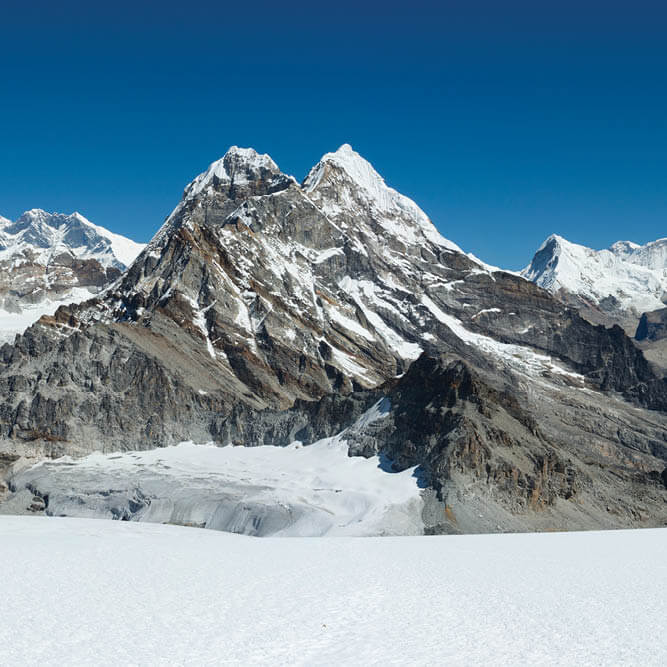
He had hoped to summit Mera Peak, a mountain in the Everest region of Nepal, adding the accomplishment of reaching 20,000 feet to his resume for an impressive third time.
Joining Nickel was his friend, Sean Vestal, whom Nickel calls a “superstar.” Mera Peak would be Vestal’s first attempt at reaching such an altitude. Just weeks before setting off, Vestal reached 11,000 feet, a personal best at the time.
Together, they put their minds and bodies at risk with hopes of making it to the top.
Everything went smoothly for Nickel until the last leg of the trek, as a blinding combination of wind and snow almost forced him to abandon his aspiration of reaching the peak.
“We smiled from ear to ear at the sight in front of us” Nickel wrote, taking in the spectacular beauty of the world from 20,000 feet, as they turned around to head back down. It was a sight of “mountaineering dreams,” he recalled.
“After gazing out on this amazing sight we began the long journey down.”
There wasn’t much that could break his spirits after such an achievement.
“Then it happened,” Nickel wrote from the hospital in Kathmandu.
“I stepped on a loose rock and rolled my right ankle,” Nickel said. “I immediately fell to the ground, unsure of the exact injury, but I knew something was wrong.”
Still almost 17,000 feet above sea level, Nickel knew his adventure was over.
Medical Evacuation and Nickel’s Recuperation
His guides called Global Rescue shortly thereafter and operations personnel were sent in a helicopter to retrieve the mountaineers and escort Nickel to the closest hospital that could deal with his injury.
“Fortunately, I had not had to work with Global Rescue in the past, but it was a completely pleasant experience.”
He was brought from the Everest region to a hospital in Kathmandu, Nepal, where x-rays showed no breakage.
“Global Rescue was really professional and got us out of there as we expected and there weren’t any delays or anything,” Nickel said, thinking back on his first experience with Global Rescue’s medical evacuation services. “I appreciate everything Global Rescue did for us.”
Months later, he has still not fully recovered from the injury he sustained on Mera Peak, but is finding ways to stay active. He’s already planning a trip to Mount Cook, New Zealand, knowing that no matter what happens, Global Rescue is just one phone call away with medical evacuation services.
Global Rescue memberships include personalized advisory services, 24/7/365 emergency assistance and evacuation services at no additional cost to you. To learn more about membership benefits, click here.
Categories:
Health & SafetyTravelApril 12, 2018

When you’re traveling, anything can happen. But even though you can’t be prepared for everything, there are many steps you can take to stay healthy and avoid illness abroad. The fear of falling ill when traveling shouldn’t deter anyone from adventure so we’ve put together a list of five tips to help you stay safe and healthy when you travel.
Consult your doctor prior to traveling.
Prior to traveling, it is important to take the necessary precautions to ensure you are prepared for any health concerns you may confront while abroad. The best way to do this is to familiarize yourself with any illnesses currently in season in the area you’re traveling to and make sure you have all the necessary medications and vaccinations prior to your trip. Also, it is important to make sure you have the proper medication to deal with any conditions you may already have before traveling.
Global Rescue personnel recommend that if you are going on extended travel or traveling out of the country, it is advisable to see your doctor or a travel clinic for advice on which vaccines are necessary for your trip. For instance, we don’t see much influenza in the summer in the U.S. usually, but if you are traveling to Australia, where it is their winter, influenza could be very prominent at that time. Taking the appropriate medications with you is also important.
Wash your hands frequently and thoroughly.
Something as simple as washing your hands regularly can make the difference between a great, relaxing trip and a nightmare. The majority of health care professionals agree that good hand-washing with soap and water is the best way to sanitize your hands and protect against germs. However, if you are in a place where you cannot wash your hands, hand sanitizer is a good alternative. If you are going to be using hand sanitizer, it is important that it has at least a 60% alcohol content, or it may not be as effective as desired.
Exercise regularly.
It can often be hard to find the free time to work out and stay active while traveling. Luckily, there are little things you can do on the road to stay moving and maintain good circulation. If you are doing long distance travel—extended car, train, bus or plane trips—get up and walk around, exercise your legs and stay hydrated. This can help prevent blood clots that can occur from staying immobile for too long.
If you can’t find the time to move around a little while traveling, it is extremely important to eat properly and maintain a balanced diet. An unhealthy diet and a lack of exercise can put your immune system at a greater risk for illness.
Get a massage.
Relieving stress is one of the best ways to stay healthy while traveling. Though it may not seem like the best idea to get a massage at an airport or in an unfamiliar foreign country, these types of services follow strict public health guidelines. It’s a personal choice, of course, but often the stress relief from an excellent massage might even do more to keep you healthy.
Get plenty of sleep.
Often when people travel, they don’t get enough sleep. When your immune system gets down, it can predispose you to getting sick. When you’re traveling, you are also often enclosed in small spaces with a lot of other people—on planes, buses, etc.—thus exposing you to illnesses that others might be carrying. Because of this, it can be effective to catch up on sleep while traveling, even if it may leave you jet lagged later.
If you do find yourself jet lagged and unable to adjust to the new time zone, Global Rescue personnel advises avoiding alcohol and caffeine, which disrupt sleep. Each traveler has his or her own preferred ways of dealing with jet lag and not all methods will work for everyone. Try what works best for you—even if it means attempting to adjust your sleep patterns before embarking on your journey.
Global Rescue memberships include personalized advisory services, 24/7/365 emergency assistance and evacuation services at no additional cost to you. To learn more about membership benefits, click here.
Categories:
Missions & Member TestimonialsApril 4, 2018
Riverside near Kinshasa, Democratic Republic of the Congo
Global Rescue’s medical, security, and intelligence teams of critical care paramedics, physicians and special operations veterans routinely perform boots-on-the-ground assessments of destinations important to our traveling members.
Comprehensive in-country reconnaissance and on-going intelligence reporting are just a few of the reasons why serious travelers trust Global Rescue.
SECURITY / AVIATION / MEDICAL AWARENESS FOR OUR TRAVELERS TO AFRICA:
KENYA
Security – Kenya is a large country with many remote areas. The employment of security assets is frequently assessed through the lens of distance. The capital, Nairobi, is large, densely populated and poor, as are many of the large cities. Navigation is difficult. A local driver with local knowledge should always be used if possible. Vetted drivers can usually be contracted through reputable hotels.
Aviation – There are numerous aviation providers that support local tourism. Global Rescue has numerous assets under contract and our recent site visit reinforced the quality of maintenance and professionalism of these aviation outfits. The airport that supports local tourism is not co-located at the international airport. Visitors to Kenya via Nairobi have to arrive at the international airport and take ground transportation to a regional airport. Travel during the day is best.
Medical – Excellent hospitals are available, particularly in Nairobi, which provide tertiary care approaching western standards.
TANZANIA
Security – Tanzania is a large country with many remote areas. The employment of security assets is frequently assessed depending on the distance one needs to travel from the areas with a visible security presence. The capital, Dar-es-Salaam, is large, densely populated and poor, as are many of the large cities. Navigation is difficult. A local driver with local knowledge should always be used if possible. Vetted drivers can usually be contracted through reputable hotels.
Aviation – There are numerous aviation providers that support local tourism. We have numerous assets under contract and availability of air resources is good. Visitors to Tanzania via Dar-es-Salaam will arrive at the international airport but may have to move to the domestic airport for travel inland. This will require ground transportation. The domestic airport is not easy to find. Employ a local driver. Travel during the day is best. Interior aviation assets that support tourism are adequate but surrounding towns can be a security risk. Always employ a local, vetted guide.
Medical – Depending on the location, there is a wide range of hospital capabilities. We have surveyed many facilities in Tanzania. In the capital, Dar-es-Salaam, in particular, there are several facilities that provide high quality care, but that changes dramatically outside the capital.
MOZAMBIQUE
Security – We have physically surveyed nearly all coastal airports in Mozambique. Most are outdated. Towns in which the airports are located are very poor and potentially dangerous to tourists, especially at night. Local drivers are highly recommended. Use of reputable hotels is required.
Aviation – The planes our survey teams traveled in — into the country and out to camps — appeared well maintained and crewed. Mozambique is a large country with little infrastructure. Aviation assets used in support of extraction require local relationships for best results and significant contingency planning. Immediate availability is not guaranteed.
Medical – Medical facilities in Nampula and Beira have been vetted by our teams. There are some new facilities being built, but currently these areas have a few more challenges. Medevac to a higher level of care is necessary for serious medical conditions.
CAMEROON
Security – Cameroon is a large country with many remote areas. By and large, Cameroon is safe to travel except for a few remote regions, particularly in the North where there is ongoing conflict with Islamic extremists. Travelers would still need to take precautions operating after 10 PM due to generalized crime. Global Rescue has security assets in place to assist our members as needed.
Aviation – Aviation assets in support of tourism are modern and well maintained, but limited in number. Currently, there is only one reputable air provider operating in the country, so availability can be limited. Aircraft used in support of extraction operations are located at a smaller airport than the international airport in Yaoundé, and their offices are not easy to locate. The international airport is small but efficient and has regular service to Africa, Middle East, and Europe. Global Rescue’s medevac provider has both fixed wing and rotary aircraft.
Medical – Facilities have been vetted by our teams in Cameroon. Members that require hospitalization have several options for stabilization particularly in Yaoundé, although medevac to a higher level of care will be necessary for serious medical conditions.
DEMOCRATIC REPUBLIC OF CONGO (DRC)
Security – The DRC is a large country with many remote areas and many security challenges. The employment of security assets is frequently utilized by private citizens, corporations, universities, and NGOs operating in the DRC. Global Rescue has local security assets in-country and has security evacuation plans in place to assist our members in the event they need to be evacuated. It is advised that travelers utilize reputable international hotel chains.
Aviation – Aviation assets in support of tourism are modern and well maintained. Aircraft used in support of extraction operations are located at the international airport and their offices are easy to locate. The international airport is small but efficient and has regular service to Africa, Middle East, and Europe. Global Rescue’s aviation provider in Kinshasa utilizes various assets, but availability can be limited.
Medical – Our teams have evaluated medical facilities in the DRC and evacuation for serious medical issues is recommended. There are private facilities in Kinshasa that can provide appropriate care for minor medical issues.
ETHIOPIA
Security – Ethiopia is a large country with many remote areas. By and large, Ethiopia is safe for travel by visitors, except for a few remote regions. The infrastructure appears to be in good repair compared to many other African nations. Travelers should still take precautions operating after 10 PM due to generalized crime. Global Rescue has security assets in place to assist our members.
Aviation – Aviation assets in support of tourism are modern and well maintained. Aircraft used in support of extraction operations are located at the international airport and their offices are easy to locate. The international airport is small but efficient and has regular service to Africa and the Middle East. Our medical evacuation assets include both small fixed wing assets for bush rescue operations and access to one in-theater air ambulance; availability can be limited.
Medical – There is one excellent clinic in the capital, Addis Ababa, but serious medical issues will require evacuation to a higher level of care.
SEYCHELLES
Security – Seychelles is one of the safest nations in Africa. Crime and poverty are low. There is no overwhelming sense of crowding. Tourism is embraced. The only caution is operating motor vehicles — narrow roads and traffic is on the left. Taxis and Uber service from the airport are very safe.
Aviation – Aviation assets in support of tourism are modern and well maintained. Aircraft used in support of extraction operations are located at the international airport and their offices are easy to locate. The international airport is small but efficient and has regular service to Africa and the Middle East.
Medical – Our teams have vetted the medical facilities on the main island of Mahe. Appropriate care is available and medevac should be considered for serious medical conditions.

Ambulances outside of a medical clinic in Ethiopia
Categories:
NewsMarch 30, 2018
Categories:
Missions & Member TestimonialsMarch 29, 2018
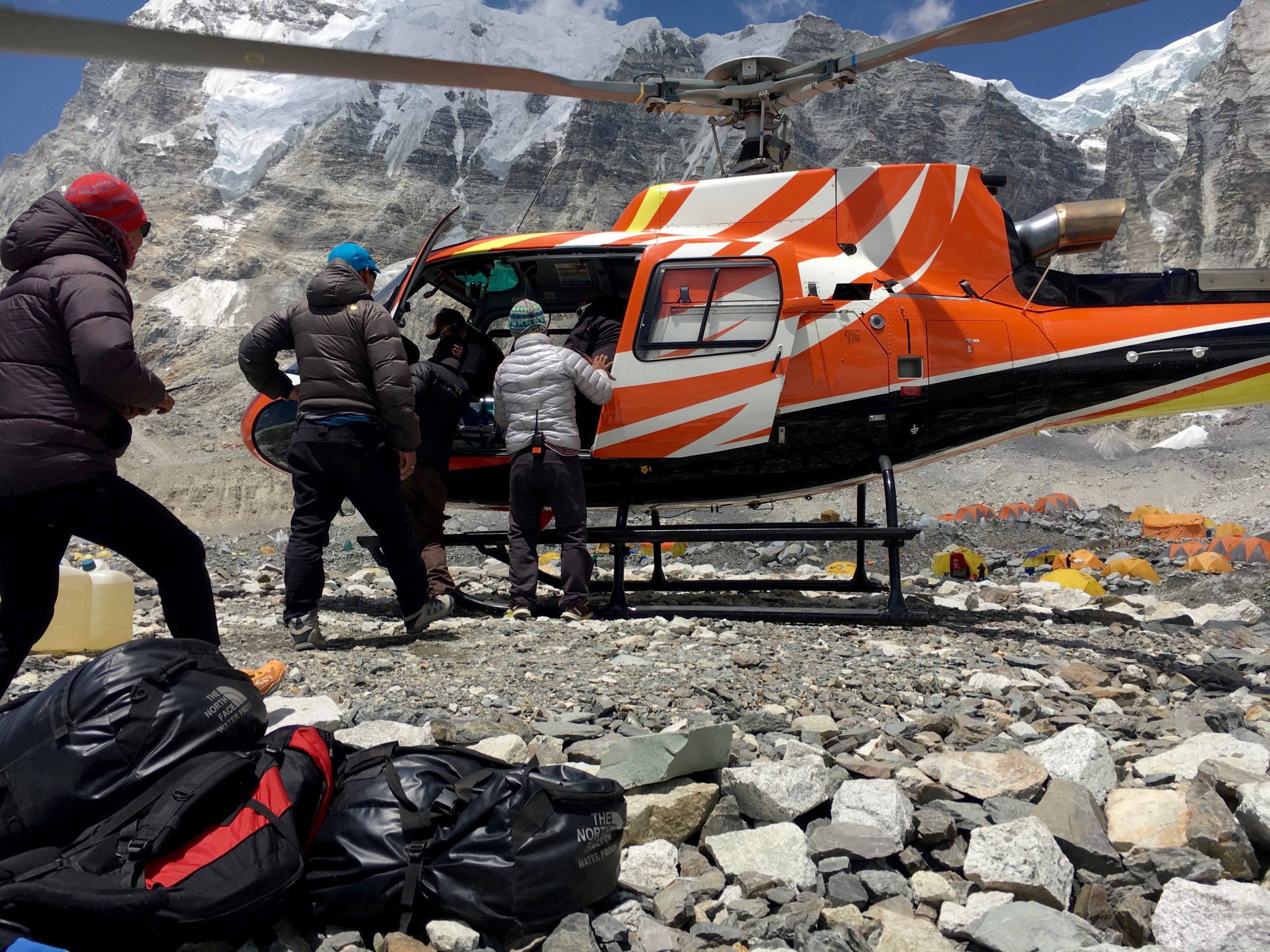
2018 marks the 65th anniversary of the first ascent of Everest. As climbers intent on achieving their own Everest summits are heading to the Himalaya in Nepal, Global Rescue is deploying its highly trained personnel to Nepal for the spring climbing season to conduct rescue and evacuation missions for climbers in distress. Global Rescue is the pioneering provider of worldwide field rescue, medical advisory and evacuation services.
2017 was Global Rescue’s busiest year on record for evacuations since the 2015 Nepal earthquake. Last year, Global Rescue performed more than 100 rescue and evacuation missions in the Himalaya, including dozens on Everest.
Potential threats to climbers are numerous: altitude sickness, falls, avalanches, dehydration, frostbite, snow blindness and trauma, among others. When climbers become ill or injured, Global Rescue critical care paramedics and physicians perform evacuations, assist members during their recovery in Kathmandu, and help arrange appropriate transport to the member’s home hospital anywhere in the world.
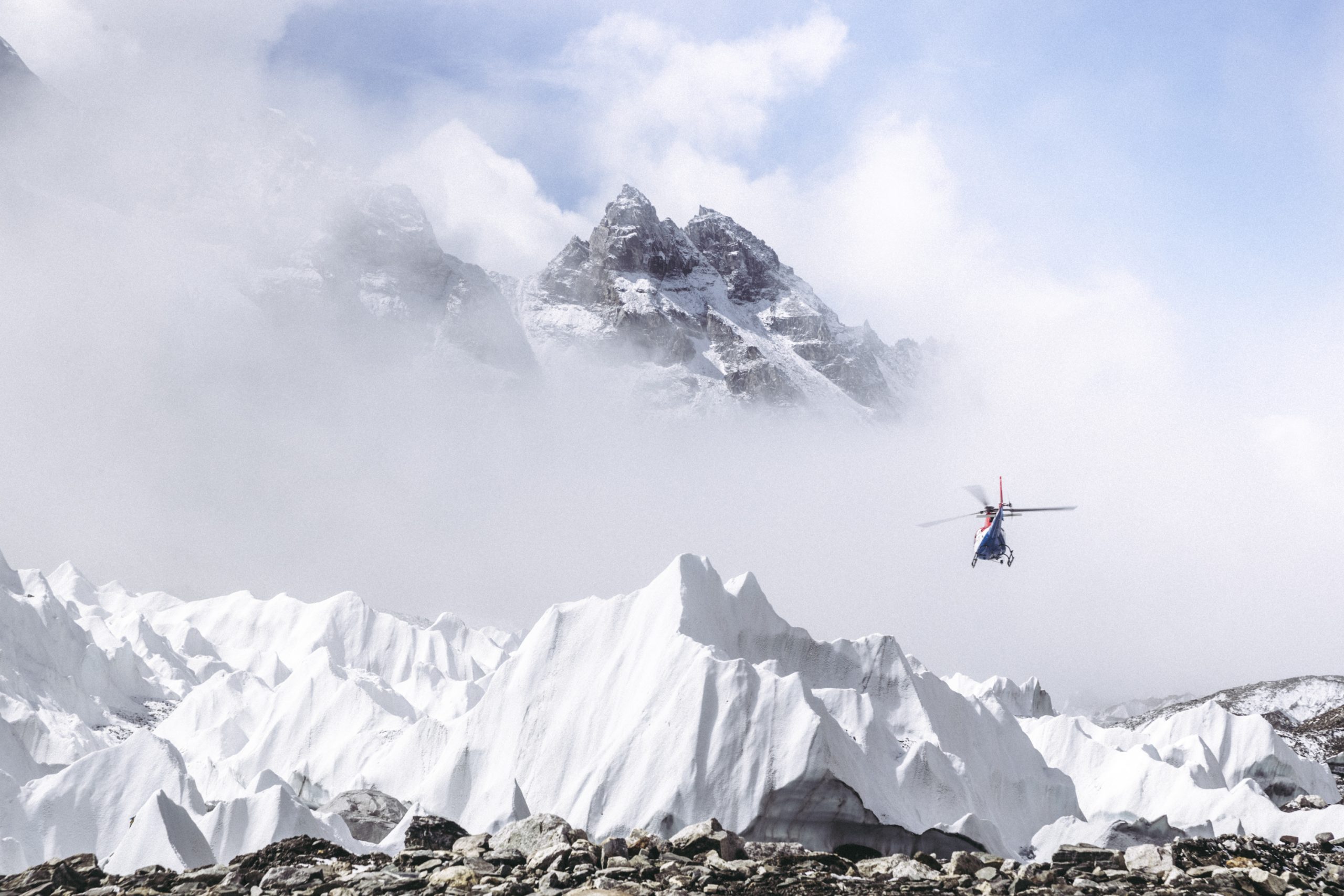
Global Rescue has conducted rescue and evacuation missions in Nepal for more than a decade, and performs dozens of helicopter evacuations in the Himalaya each climbing season. The company maintains close relationships with the major leading helicopter companies in Nepal.
Typically, hundreds of climbers attempt to summit Everest each spring. The 2017 Everest season saw nearly 650 summits and six confirmed deaths. A busy 2018 season is anticipated, in part because Nepal’s Department of Tourism will continue to honor the climbing permits from the 2014 and 2015 aborted climbing seasons.
While Everest is popular, climbers also flock to other mountains, including Lhotse, Nuptse, Mera, Makalu and Dhaulagiri.
“Global Rescue personnel are ready on the ground in Nepal to support our members with life-saving rescue and evacuation services,” said Dan Richards, CEO and founder of Global Rescue. “We save lives, and we’ve been there for climbers pursuing their dreams for nearly 15 years.”
Categories:
Press ReleaseMarch 29, 2018
Lebanon, New Hampshire, March 29, 2018 – 2018 marks the 65th anniversary of the first ascent of Everest. As climbers intent on achieving their own Everest summits are heading to the Himalaya in Nepal, Global Rescue is deploying its highly trained personnel to Nepal for the spring climbing season to conduct rescue and evacuation missions for climbers in distress. Global Rescue is the pioneering provider of worldwide field rescue, medical advisory and evacuation services.
2017 was Global Rescue’s busiest year on record for evacuations since the 2015 Nepal earthquake. Last year, Global Rescue performed more than 100 rescue and evacuation missions in the Himalaya, including dozens on Everest.
Potential threats to climbers are numerous: altitude sickness, falls, avalanches, dehydration, frostbite, snow blindness and trauma, among others. When climbers become ill or injured, Global Rescue critical care paramedics and physicians perform evacuations, assist members during their recovery in Kathmandu, and help arrange appropriate transport to the member’s home hospital anywhere in the world.
Global Rescue has conducted rescue and evacuation missions in Nepal for more than a decade, and performs dozens of helicopter evacuations in the Himalaya each climbing season. The company maintains close relationships with the major leading helicopter companies in Nepal.
Typically, hundreds of climbers attempt to summit Everest each spring. The 2017 Everest season saw nearly 650 summits and six confirmed deaths. A busy 2018 season is anticipated, in part because Nepal’s Department of Tourism will continue to honor the climbing permits from the 2014 and 2015 aborted climbing seasons.
While Everest is popular, climbers also flock to other mountains, including Lhotse, Nuptse, Mera, Makalu and Dhaulagiri.
“Global Rescue personnel are ready on the ground in Nepal to support our members with life-saving rescue and evacuation services,” said Dan Richards, CEO and founder of Global Rescue. “We save lives, and we’ve been there for climbers pursuing their dreams for nearly 15 years.”
About Global Rescue
Global Rescue is the world’s leading provider of medical, security, evacuation and travel risk management services to enterprises, governments and individuals. Founded in 2004, the Company provides best-in-class services that identify, monitor and respond to client medical and security crises. Global Rescue has provided medical and security support to its clients, including Fortune 500 companies, governments and academic institutions, during every globally significant crisis of the last decade. For more information, visit www.globalrescue.com.
Media Contact:
Ann Shannon
Global Rescue
617-426-6619
Categories:
Missions & Member TestimonialsMarch 29, 2018
Every day, Global Rescue personnel are involved in medical, security, and travel operations all over the globe. Here is a snapshot of some of our recent activity.
– MEDICAL –
ALASKA – Facilitated the search and rescue of a member who fell through the ice near Arctic Village.
INDONESIA – Evacuated a member who sustained two broken legs while climbing Carstensz Pyramid in the remote jungle of Papua and deployed personnel to his bedside to escort him home.
PAKISTAN – Performed a helicopter evacuation when a member suffered severe symptoms of altitude sickness while climbing in Shimshal.
ARGENTINA – Evacuated a member who was blinded by snow on Mount Aconcagua and was unable to continue.
MEXICO – Arranged for a member to have a prescription refilled while traveling in Cabo San Lucas.
GERMANY – Provided medical advisory services for a member who sustained head and arm injuries after suffering a fall while getting out of a taxi in Berlin while traveling on business.
COSTA RICA – Advised a member who was stung by a scorpion.
THAILAND – Recommended treatment and evaluated local medical care for a member who suffered a hand laceration in Bangkok.
ALASKA – Recommended treatment and an appropriate local medical facility for a member who injured his knee while heliskiing.
CANADA – Performed a medical evacuation for a member who suffered a traumatic hip injury in British Columbia while skiing.
GRENADA – Provided medical advisory services for a member with an ear infection.
NIGERIA – Performed a medical evacuation on behalf of a client with a traveling employee who suffered a ruptured appendix.
ETHIOPIA – Recommended treatment and an appropriate local medical facility for two members afflicted with severe diarrhea.
PORTUGAL – Provided medical advisory services to a member suffering from ocular migraines with visual effects.
– SECURITY & TRAVEL –
SOUTH KOREA – Global Rescue security personnel provided on-the-ground support for a client at the Pyeongchang 2018 Winter Olympics.
BRAZIL – Advised a member who was concerned about a military coup while traveling in Rio.
BARCELONA – Provided guidance to a school with a student detained by police.
TURKEY – Provided advice regarding an individual who was attacked and robbed in Istanbul.
HAWAII – Advised a member regarding the false warning of an inbound ballistic missile targeting Hawaii.
MULTIPLE LOCATIONS – Provided assessments of the security and medical risks to clients and members in multiple locations including Mexico and Morocco.
Categories:
Press ReleaseMarch 19, 2018
Lebanon, New Hampshire, March 19, 2018 — Global Rescue, the leading provider of medical, security, evacuation and travel risk management services to enterprises, governments and individuals, will extend its partnership with Global Wildlife Conservation (GWC) for the 10th year, reflecting the company’s commitment to exploration and conservation efforts worldwide.
Global Rescue will sponsor GWC’s Wild Night for Wildlife on April 19, 2018, in Austin, Texas, a popular event celebrating GWC’s exploration of wildlands and protection of the world’s most threatened wildlife. Through June 30, 2018, the Sheth Sangreal Foundation will match 100 percent of all donations to GWC, including event sponsorships. Interested donors can go to GWC’s website and give online (https://www.globalwildlife.org/donate/) or over the phone at 512-593-1883.
Global Wildlife Conservation protects endangered species and habitats through science-based field action. GWC and its partners organize biodiversity expeditions to unexplored areas to further the organization’s mission of conserving the diversity of life on Earth by safeguarding habitat and protecting wildlife.
Through the partnership, Global Wildlife Conservation staff and partners have access to Global Rescue’s advisory, field rescue, and evacuation services in emergencies in remote regions around the world.
“Global Rescue ensures that our scientists and conservationists in the field have access to lifesaving help if anything goes wrong in the many remote locations where we work across the planet,” said Wes Sechrest, CEO and chief scientist of GWC. “Our team and partners can travel the world to protect threatened species and habitats knowing that Global Rescue’s field rescue, medical, security, transport and intelligence services are behind them.”
“Global Rescue is committed to supporting the critical work of GWC’s critical science-based wildlife conservation activities,” said Daniel L. Richards, CEO of Global Rescue. “GWC’s dedication to preserving the world’s biodiversity is achieving tangible conservation results, and we could not be more proud to provide our support to such an exceptional organization.” Richards has served on GWC’s Board of Directors since it was founded.
About Global Wildlife Conservation
GWC conserves the diversity of life on Earth by safeguarding wildlands, protecting wildlife and supporting guardians. GWC maximizes its impact through scientific research, biodiversity exploration, habitat conservation, protected area management, wildlife crime prevention, endangered species recovery, and conservation leadership cultivation. Learn more at http://globalwildlife.org
About Global Rescue
Global Rescue is the world’s leading provider of medical, security, evacuation and travel risk management services to enterprises, governments and individuals. Founded in 2004, the Company provides best-in-class services that identify, monitor and respond to client medical and security crises. Global Rescue has provided medical and security support to its clients, including Fortune 500 companies, governments and academic institutions, during every globally significant crisis of the last decade. For more information, visit www.globalrescue.com.
###
Media Contact:
Global Rescue
Ann Shannon, 617-426-6619
press@globalrescue.com
Categories:
Missions & Member TestimonialsMarch 19, 2018
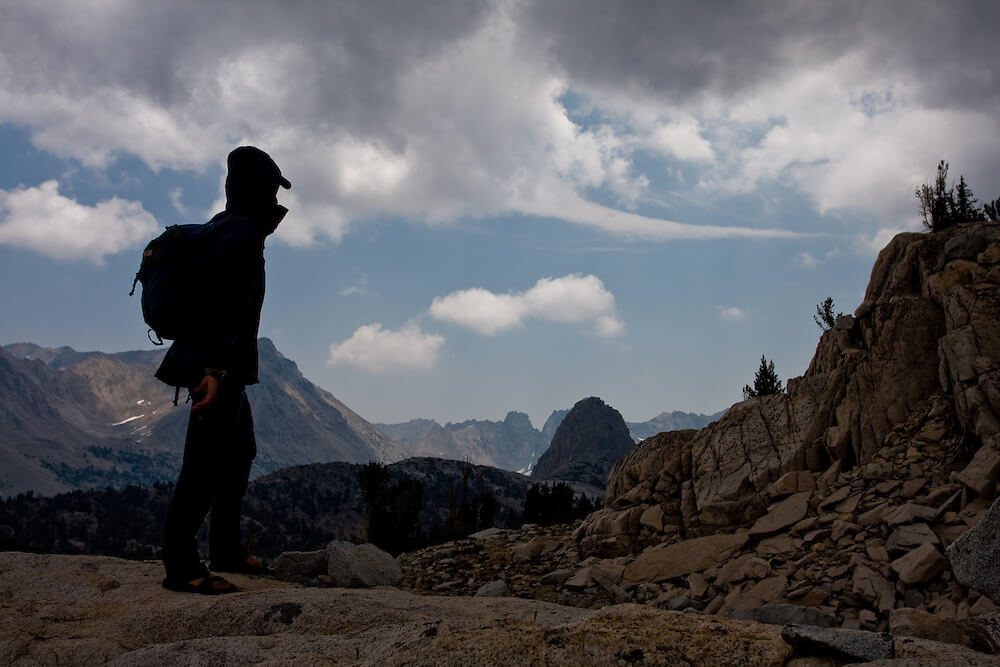
Photo courtesy of Robin D. Moore/Global Wildlife Conservation
Company participates in $15 million matching challenge grant campaign
Global Rescue will extend its partnership with Global Wildlife Conservation (GWC) for the 10th year, reflecting the company’s commitment to exploration and conservation efforts worldwide.
Global Rescue will sponsor GWC’s Wild Night for Wildlife on April 19, 2018, in Austin, Texas, a popular event celebrating GWC’s exploration of wildlands and protection of the world’s most threatened wildlife. Through June 30, 2018, the Sheth Sangreal Foundation will match 100 percent of all donations to GWC, including event sponsorships. Interested donors can go to GWC’s website and give online (https://www.globalwildlife.org/donate/) or over the phone at 512-593-1883.
Global Wildlife Conservation protects endangered species and habitats through science-based field action. GWC and its partners organize biodiversity expeditions to unexplored areas to further the organization’s mission of conserving the diversity of life on Earth by safeguarding habitat and protecting wildlife.
Through the partnership, Global Wildlife Conservation staff and partners have access to Global Rescue’s advisory, field rescue, and evacuation services in emergencies in remote regions around the world.
“Global Rescue ensures that our scientists and conservationists in the field have access to lifesaving help if anything goes wrong in the many remote locations where we work across the planet,” said Wes Sechrest, CEO and chief scientist of GWC. “Our team and partners can travel the world to protect threatened species and habitats knowing that Global Rescue’s field rescue, medical, security, transport and intelligence services are behind them.”
“Global Rescue is committed to supporting the critical work of GWC’s critical science-based wildlife conservation activities,” said Daniel L. Richards, CEO of Global Rescue. “GWC’s dedication to preserving the world’s biodiversity is achieving tangible conservation results, and we could not be more proud to provide our support to such an exceptional organization.” Richards has served on GWC’s Board of Directors since it was founded.
About Global Wildlife Conservation
GWC conserves the diversity of life on Earth by safeguarding wildlands, protecting wildlife and supporting guardians. GWC maximizes its impact through scientific research, biodiversity exploration, habitat conservation, protected area management, wildlife crime prevention, endangered species recovery, and conservation leadership cultivation. Learn more at http://globalwildlife.org
About Global Rescue
Global Rescue is the world’s leading provider of medical, security, evacuation and travel risk management services to enterprises, governments and individuals. Founded in 2004, the Company provides best-in-class services that identify, monitor and respond to client medical and security crises. Global Rescue has provided medical and security support to its clients, including Fortune 500 companies, governments and academic institutions, during every globally significant crisis of the last decade. For more information, visit www.globalrescue.com.