Loading...

Categories:

Health & SafetyTravel
Share This:

6 Tips For Surviving A Volcanic Eruption

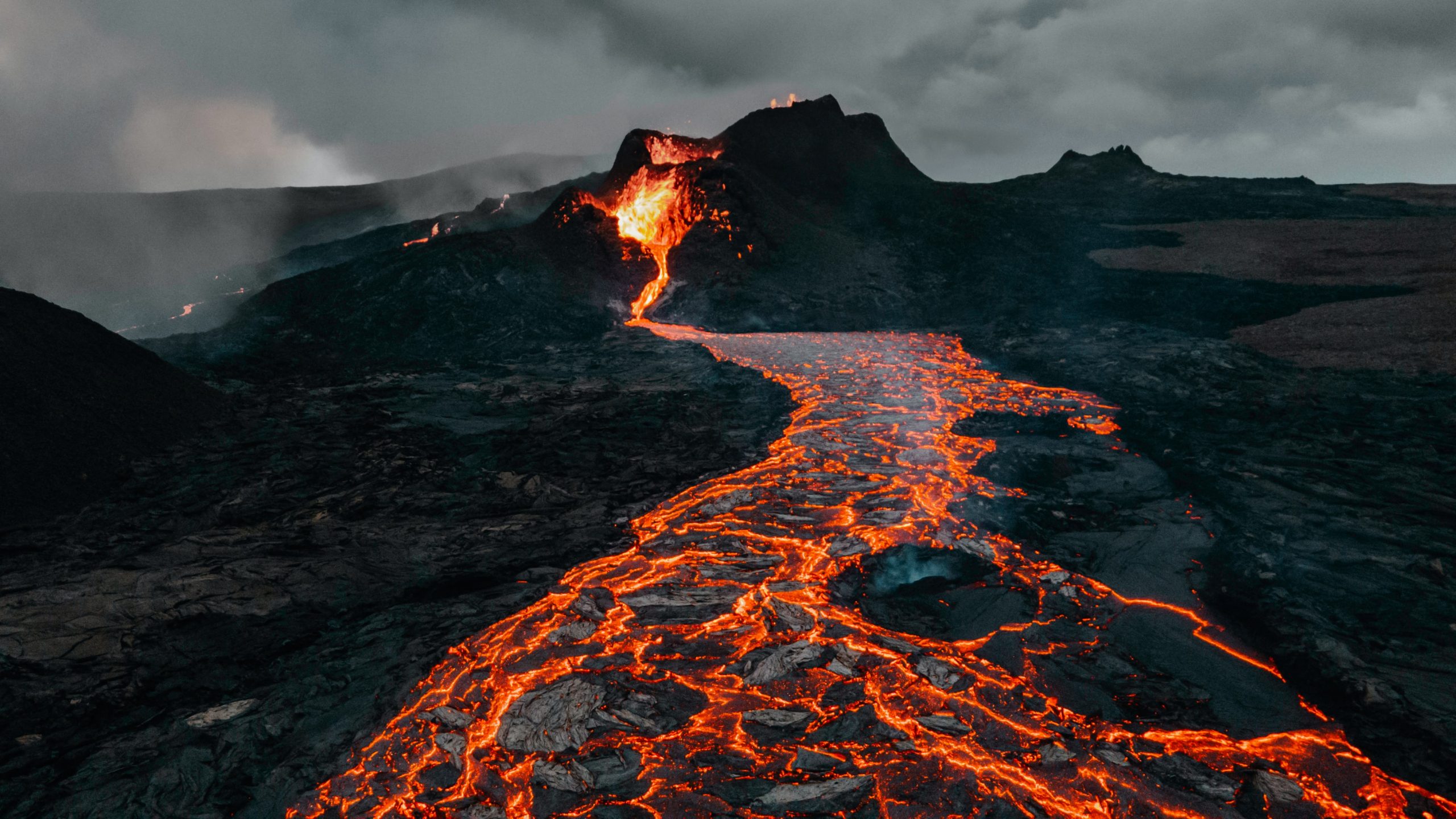
Volcanoes can be dangerous even when they’re not erupting, but there are different levels of risk depending on the state of the volcano. Global Rescue provides volcano safety tips for travelers within range of an active volcano.

There are an estimated 1,500 volcanoes in the world, according to the U.S. Geologic Survey. Every year, about 50 erupt, releasing steam, sulfur dioxide ash and lava. Debris can cause mudslides, fires and earthquakes. 

In 2020, erupting volcanoes included Taal Volcano in the Philippines, La Cumbre in the Galapagos, Mount Shishaldin in Alaska, Pacaya Volcano in Guatemala, Mount Semeru and Mount Sinabung in Indonesia, Mount Etna in Sicily, to name a few. 

The Global Rescue Difference_v2 

Volcanoes can be dangerous even when they’re not erupting, but there are different levels of risk depending on the state of the volcano. According to Encyclopedia Britannica, volcanoes are categorized as:  

  • active (a volcano that has erupted in the past 10,000 years) 
  • erupting (an active volcano experiencing an eruption) 
  • dormant (an active volcano with the potential to erupt again) 
  • extinct (a volcano that has not erupted in more than 10,000 years and is unlikely to erupt again).  

If you or anyone you know is traveling within range of an active volcano, it is important to know how to survive a volcanic eruption. Global Rescue’s intelligence and security personnel monitor global events, including natural disasters, every day and have developed protocols and warnings for those who could be in danger. 

These six volcano safety tips may increase your chances for survival near a volcano eruption today. 

ONE: Do your homework

Travelers heading to East Africa’s Rift Valley, Mexico and the “Ring of Fire” – the string of volcanos around the edges of the Pacific basin – should research volcanic risks prior to departure. statistical analysis of the Smithsonian Institution’s global catalog of volcanic eruptions during the last 300 years revealed volcanoes are 18% more likely to erupt during the northern winter months than at any other time of year. The pattern is particularly strong (50% higher than average in some places) for volcanoes along the Pacific Rim.

Check local media and government agencies that track seismic activity, as agencies are often able to provide warnings weeks or even months in advance of an eruption — for example, Indonesian authorities first raised the alert level for the Mount Agung volcano in Bali on 15 September, more than two months prior to its 21 November eruption. Volcano Discovery has an updated list and map of currently active volcanoes.

TWO: Bring a volcano emergency kit

This should include goggles, masks, flashlights and a radio, as well as food and water if they can be stored safely.

THREE: Be ready to move

In the event that you are traveling to an area where a volcanic eruption may be imminent, it is best to immediately find transportation to a safe location. If possible, withdraw cash ahead of time – credit cards may not be usable if networks go down. Global Rescue experts often have a go-bag ready if traveling in a dangerous environment. 

FOUR: But be ready to improvise

Volcanic ash can damage aviation equipment and reduce visibility for pilots, and eruptions may trigger airport closures and flight cancellations. When Eyjafjallajökull volcano erupted in Iceland in 2010, the volcanic ash cloud prompted the closure of most of the European airspace for six days, resulting in the cancellation of thousands of flights across northern and western Europe.

Ground vehicle transportation may be affected, too. If driving, maintain a low speed to minimize engine damage due to volcanic ash particles.

FIVE: After the eruption

If an eruption occurs, try to exit the area immediately. Take care to avoid lava, mudflows, river areas and low-lying regions. Travelers should be prepared to utilize any means necessary to exit the affected region, including air, sea and land travel. Monitor local media, government alerts and airport notices to stay informed as the situation develops.

SIX: Protect yourself indoors and out

Stay indoors. While indoors, close windows, doors, vents and any other openings that may let ash into the buildings. 

If you have to go outdoors, take health precautions by covering skin and wearing masks and goggles. If you don’t have a dust mask, tie a damp cloth over your mouth.

Share This:

Crushed by a horse in British Columbia

International adventure filmmaker Jake Latendresse was ten days into a backcountry trip in northern British Columbia in early April 2017 when he suffered a terrible accident. 

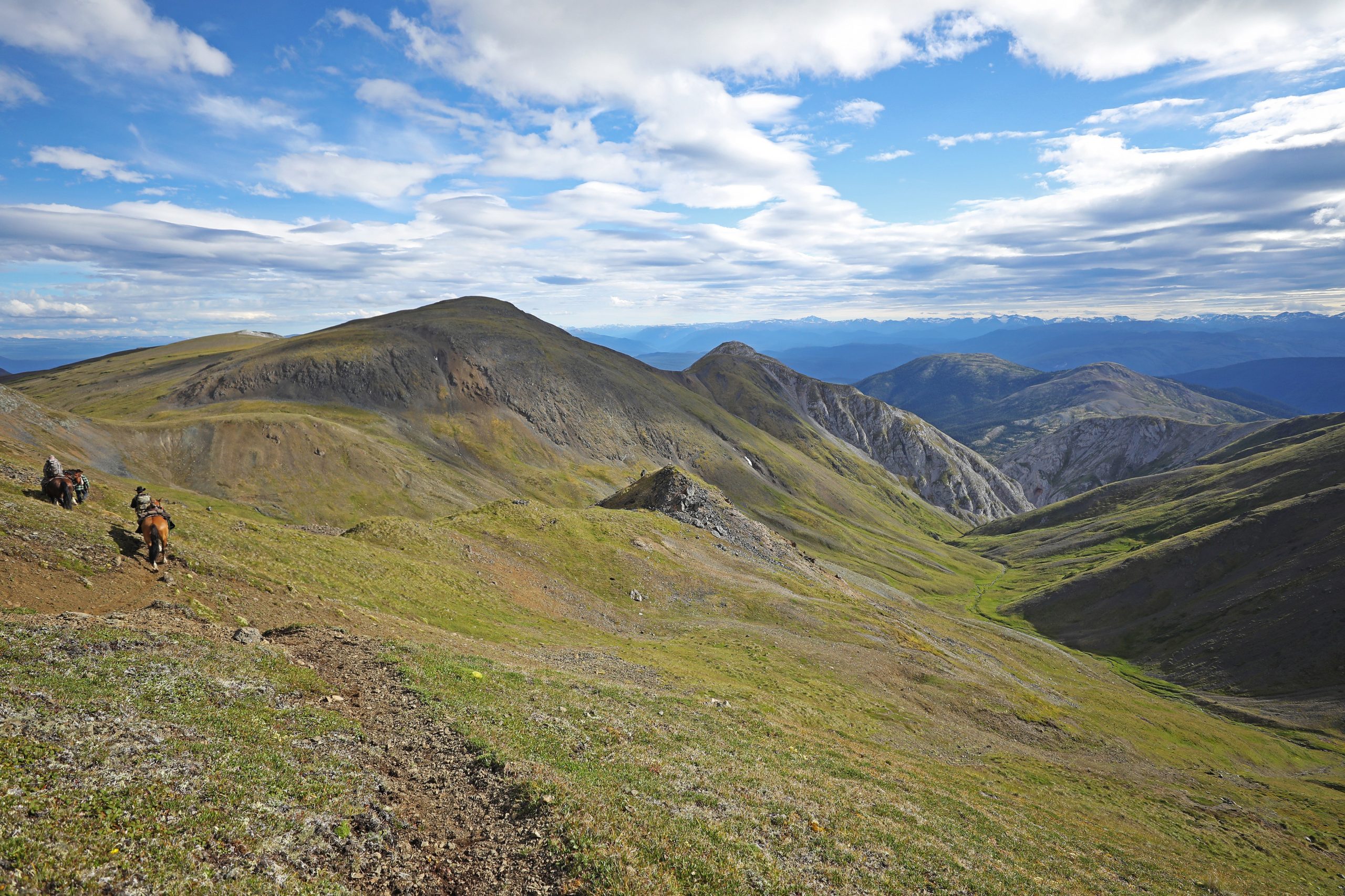
International adventure filmmaker Jake Latendresse was ten days into a backcountry trip in northern British Columbia in early April 2017. With their trip nearly over, Jake and his team were packing up camp. The team piled gear onto their pack horses, tacked up their saddle horses and headed out to a nearby lake where they planned to catch a plane back to the United States. 

En route to the lake, Jake and his group on saddle horses crossed a river ahead of their pack horses. A couple of saddle horses in the water began making a commotion, startling the pack horses.

Jake recalled that one pack horse hit a tree with the hard pantry box on its back. That alarmed his horse, causing her to veer in another direction. As Jake tried to pull up on the reins to control his violently bucking horse, he began to slip off his saddle. Feeling trapped by the tension on her reins, Jake’s horse became more aggressive and reared up on her back legs. Next, the unthinkable happened: the horse fell completely over onto her back, hitting the ground on top of Jake.

“It sounded like limbs breaking,” Jake recalled. “I’ll never forget that.”

Jake landed on top of his backpack, which protected his back and head from serious injury. However, the full body weight of his horse came crashing down onto his leg.

His horse rolled off Jake’s leg and ran away.  Jake knew immediately that his leg was crushed.


Jake shortly after the accident

“My boot was still on and all of my outer gear,” he said. “I was scared to take anything off because I didn’t want to look at it. I just started screaming for help.”

Global Rescue and a helicopter were notified as soon as Jake and his team established communications. “We had a med kit with us and I took high doses of ibuprofen before the helicopter showed up,” he said.

A rescue helicopter arrived at the scene to transport Jake to the nearest medical facility. The medical team flew Jake to Dease Lake, British Columbia, a small Native-Canadian reservation community with a medical facility well-equipped for victims of trauma.

The doctors administered pain medication and took X-rays of his injured limb.  The X-rays showed multiple fractures in Jake’s leg. In close communication with Global Rescue’s physicians, the doctors put a cast on his leg. Global Rescue started planning to bring Jake back to the United States for surgery.

“I was told I needed to get back home as soon as possible,” he said.

A friend drove Jake immediately to Whitehorse, Yukon. There they met a Global Rescue critical care paramedic who was deployed to assist in Jake’s medical care and transport him back to the United States for immediate surgery.

“When I got the call from one of your medical team saying that Global Rescue was going to take care of everything, and that a Global Rescue medic was going to come escort me home, I just broke down,” Jake said. “I was safe and I was hearing this good news after all of the bad news. That was the pivotal point in the whole situation.”

Jake awaited Global Rescue’s arrival in Whitehorse and recuperated until his flight arrangements were solidified and he felt well enough to travel.

Global Rescue’s medic arrived to meet Jake and coordinate details for their early morning flight back to Jake’s home in the Denver area.

“He carried everything for me, got me to the airport, got me a wheel chair, checked us both in, got us through customs in Vancouver, got us to Denver, got me all the way to my shuttle, jumped on the shuttle with me, rode all the way to my house in Fort Collins, and literally tucked me into bed,” recalled Jake.

Global Rescue had arranged for a surgical evaluation for Jake once he returned, sending his X-rays on to his doctor. Shortly after arriving home, Jake underwent surgery. Two horizontal titanium screws were put into the inner part of his ankle to fix the malleolus bones. Surgeons placed a four-inch screw through his lateral malleolus bone into his tibia to pull the bone back together, as it had been separated in the accident. He also had a straight fracture in his fibula, though doctors determined that it would heal on its own.

Following surgery, Jake has been recovering at home. He experienced some lingering swelling but is no longer in great pain. Recently, with the cast removed and replaced with a hard boot, Jake has begun physical therapy and training.

A Global Rescue member for the past three years, Jake noted that this was the first time he experienced a medical emergency. “You buy Global Rescue hoping you never have to use it and when it kicked in, it kicked in hard,” said Jake. “I can’t even explain how grateful I am to Global Rescue.”


The repaired leg post-surgery 

enroll


Share This:

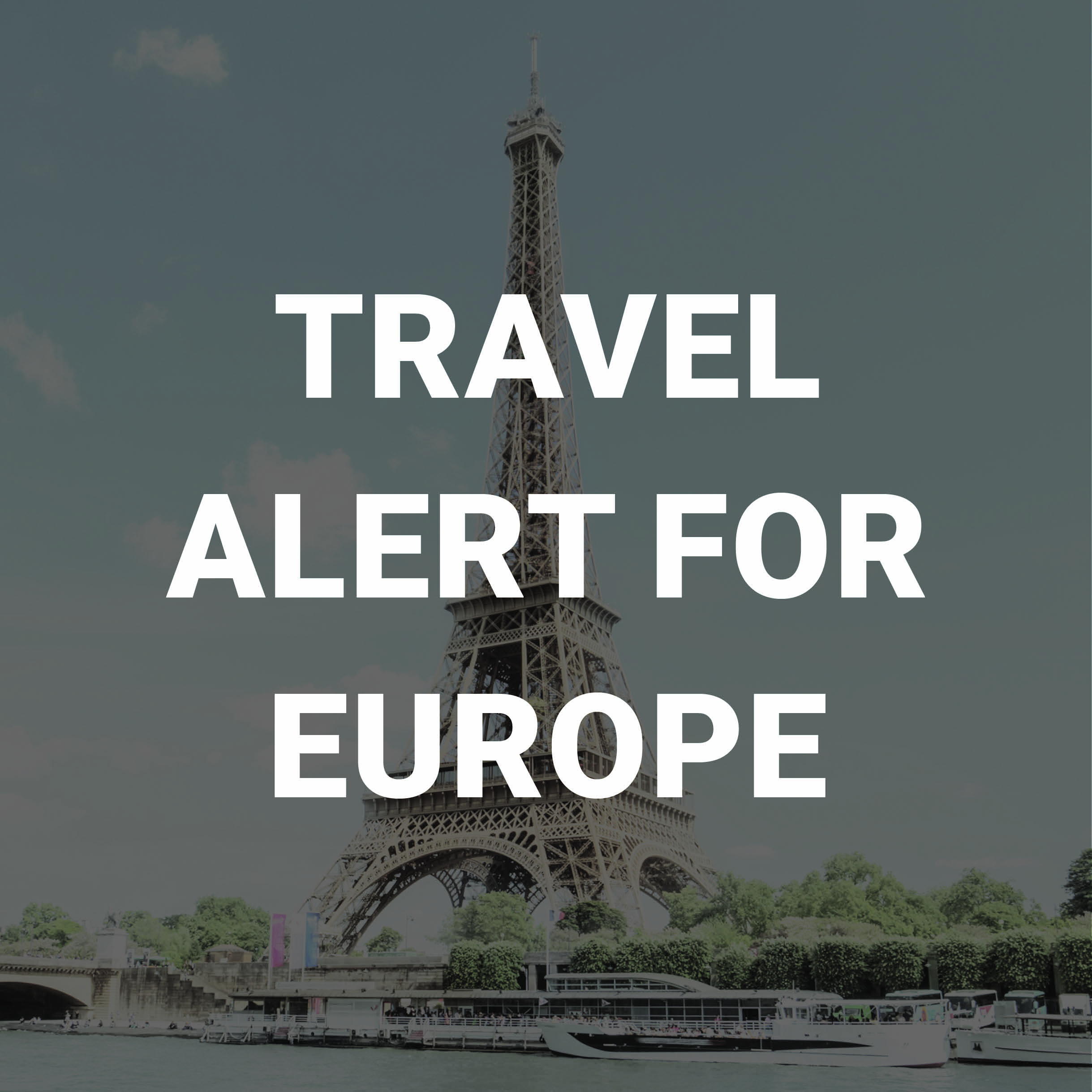
US Department of State issues Travel Alert for Europe on 16 November

The US Department of State (DoS) issued a Travel Alert on 16 November warning US citizens of the heightened risk of terrorist attacks throughout Europe, particularly during the holiday season.

US Department of State issues Travel Alert for Europe on 16 November

16 November 2017, 23:10 GMT
Severity: Moderate
Location(s) affected: Austria | Finland | Germany | Greece | Ireland | Italy | Luxembourg | Netherlands | Norway | Portugal | Spain | Sweden | Switzerland | Belgium | Czech Republic | Denmark | Poland | United Kingdom | France | Russian Federation

Event Summary

The US Department of State (DoS) issued a Travel Alert on 16 November warning US citizens of the heightened risk of terrorist attacks throughout Europe, particularly during the holiday season. According to the message, terrorist organizations like the Islamic State (IS) and al-Qaeda have the ability to both plan and execute attacks within Europe. Additionally, the message indicates that US citizens should always be alert that terrorist group sympathizers or self-radicalized individuals may conduct attacks with little or no warning. Extremists continue to focus on tourist locations, transportation hubs, markets and shopping malls, and local government facilities. The DoS advises that US citizens exercise additional vigilance while visiting these areas, in addition to hotels, clubs, restaurants, places of worship, parks, high-profile events, educational institutions, airports, and other soft targets. Further, the alert notes that travelers should maintain vigilance in the upcoming holiday months during which large crowds may be common. Last year, mass casualty attacks occurred at a Christmas market in Berlin, Germany in December and nightclub in Istanbul, Turkey on New Year’s Eve.

The Travel Alert is scheduled to expire on 31 January 2018.

Analysis

This is the fourth time the DoS has issued a Travel Alert for Europe since 2016. It first issued an alert on 22 March 2016 following the coordinated terrorist attacks in Brussels, Belgium that occurred the same day and killed 32 people and injured 230 others, as well as attacks in Paris, France on 13 November 2015 that killed 130 people. The DoS subsequently updated the alert in May 2016 warning US citizens that the large number of tourists visiting Europe during the summer months presented viable targets for potential terrorist attacks in public locations, including major event sites, tourist sites, restaurants, commercial centers, and transportation hubs. On 21 November 2016, the DoS issued another Travel Alert for Europe warning US citizens of the heightened risk of terrorist attacks throughout Europe during the holiday season. Most recently, on 1 May 2017, the DoS issued a Travel Alert for Europe warning US citizens of the continued threat of terrorist attacks throughout Europe during the summer months. This last alert expired on 1 September 2017.

The most recent Travel Alert cites recent incidents in France, Russia, Sweden, the United Kingdom, and Spain. There have also been terrorism-related incidents and arrests in other countries that have raised concerns among security officials about the emergence of a trend of terror attacks in many European countries. Of particular concern has been the use of vehicles in ramming attacks. This tactic was used in attacks in London, UK on both 7 October and 22 March; Paris, France on 29 June; and in Stockholm, Sweden on 7 April. Other attacks have involved stabbings, shootings, and explosions.

Advice

Increased patrols, checkpoints, random searches and travel restrictions should be anticipated; these could result in travel disruptions. Comply with instructions from the security forces. Carry photographic identification and follow all instructions promptly. Clients are advised to maintain caution and exercise situational awareness at all times. Avoid crowded public areas and exercise vigilance during religious holidays, large festivals or events, and while using mass transportation. Allow for extra time at the airport for check-in and security screening. Report all suspicious packages or individuals to the relevant authorities.

Share This:

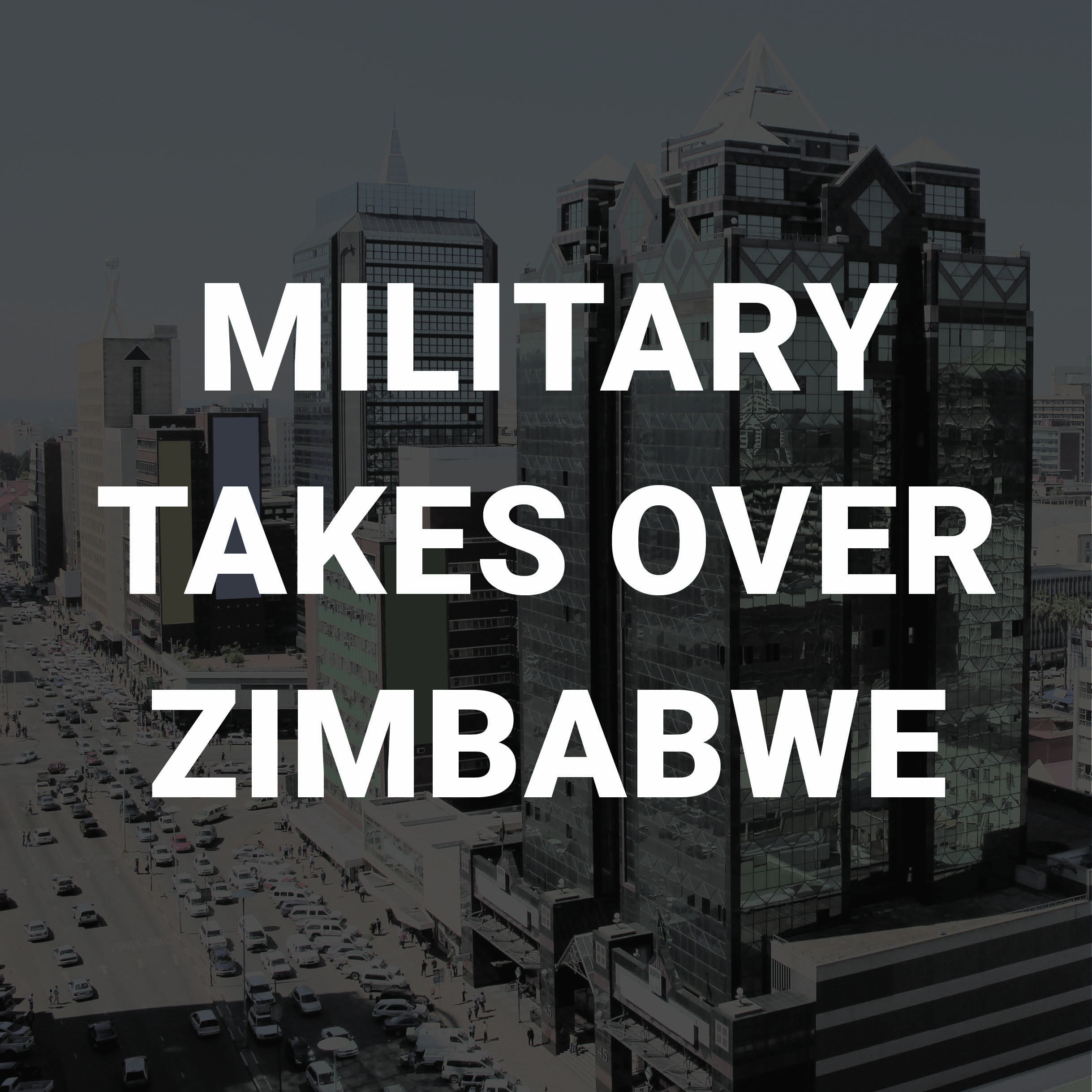
Military Takes Over Zimbabwe

The Global Rescue Intelligence and Security Team is monitoring an ongoing situation in the capital of Zimbabwe, Harare, where a military incursion occurred early on 15 November. Below is the team’s report as of 14:00…

Military personnel direct apparent takeover in Zimbabwe, place President Robert Mugabe under house arrest on 15 November

The Global Rescue Intelligence and Security Team is monitoring an ongoing situation in the capital of Zimbabwe, Harare, where a military incursion occurred early on 15 November. Below is the team’s report as of 14:00 Eastern on Wednesday, 15 November.

Event Summary:

Zimbabwe military personnel and armored vehicles are currently blocking roads near government offices, parliament, and courts in the capital, Harare, on 15 November. Soldiers took over the headquarters of Zimbabwe’s state broadcaster, ZBC, early on 15 November and declared that the action was not a military takeover of the government, but instead an operation to target “criminals around Mugabe.” Local media has reported gunfire, explosions, and isolated clashes–some of which allegedly occurred at or near Mugabe’s private residence. Earlier, on 14 November, military forces blocked roads outside of Harare, specifically the main road from Harare to Chinhoyi, and multiple tanks were seen on other roads near the capital. South African President Jacob Zuma confirmed on 15 November that he has spoken with Mugabe and confirmed he and his family are safe but are officially confined to their home amid the detentions of senior government officials. Soldiers also have detained Zimbabwe’s finance and local government ministers.  Additionally, unconfirmed reports have indicated that an envoy sent by President Zuma to intervene in the potential crisis was turned away by heavily armed military forces at Harare International Airport (HRE). There have been no reported casualties–military or civilian–at this time.  

The US Embassy in Harare released a security message on 14 November informing US citizens that the embassy will be closed on 15 November due to “ongoing political uncertainty.” According to the message, embassy staff have been urged to shelter in their residences, and the embassy will be minimally staffed on 15 November. The message further recommends that all US citizens shelter in place until further notice. The United Kingdom’s Foreign and Commonwealth Office (FCO) also released a security update urging travelers to exercise caution due to “unusual military activity.”

Analysis:

Multiple reports have suggested that the activity could represent an escalation in the ongoing standoff between Mugabe and the Zimbabwe military. President Mugabe fired Vice President Emmerson Mnangagwa on 6 November after he showed “traits of disloyalty,” a move that some officials viewed as a removal of a potential successor. The debate over who would succeed Mugabe had become tense in light of reports that Mugabe’s wife was being primed as to take over as President. Zimbabwe’s top general responded to the vice president’s termination on 13 November by warning that the military would not hesitate to step in if the President continued to purge against former liberation war fighters employed in the ruling party. Mugabe’s ruling party, the Zimbabwe African National Union-Patriotic Front (ZANU-PF), has called the military’s stance a “calculated attempt to disturb national peace and incite insurrection,” and declared the current military presence in Harare as an act of treason. However, Zimbabwe’s military remains firmly in control of Harare, and many are expecting the activity to be the beginning of an official transfer of power.

The military takeover on 15 November could potentially mark a monumental shift in Zimbabwe’s status quo. President Mugabe is the world’s oldest head of state and has been in power since 1980 after leading a fight for Zimbabwe’s independence. Mugabe has frequently faced accusations of political repression and economic mismanagement, and many blame him for a long list of societal breakdowns, including rampant unemployment and widespread poverty. Zimbabwe’s security situation had further devolved in recent weeks amid questions over the declining health and age of Mugabe, a potential peaceful transfer of power, and debilitating economic deficiencies.

Advice:

  • Personnel should monitor government alerts and local media
  • Individuals should avoid all main roads, especially at night
  • Individuals who decide to stay in country should be confident in their evacuation and contingency planning and should ensure that plans are ready to be implemented at short notice


Categories:

News
Share This:

Veterans and Reservists Are Your Secret Talent Weapon. But, Careful, You May Lose Them

Share This:

“The Ultimate Goal Was to Come Home Alive”

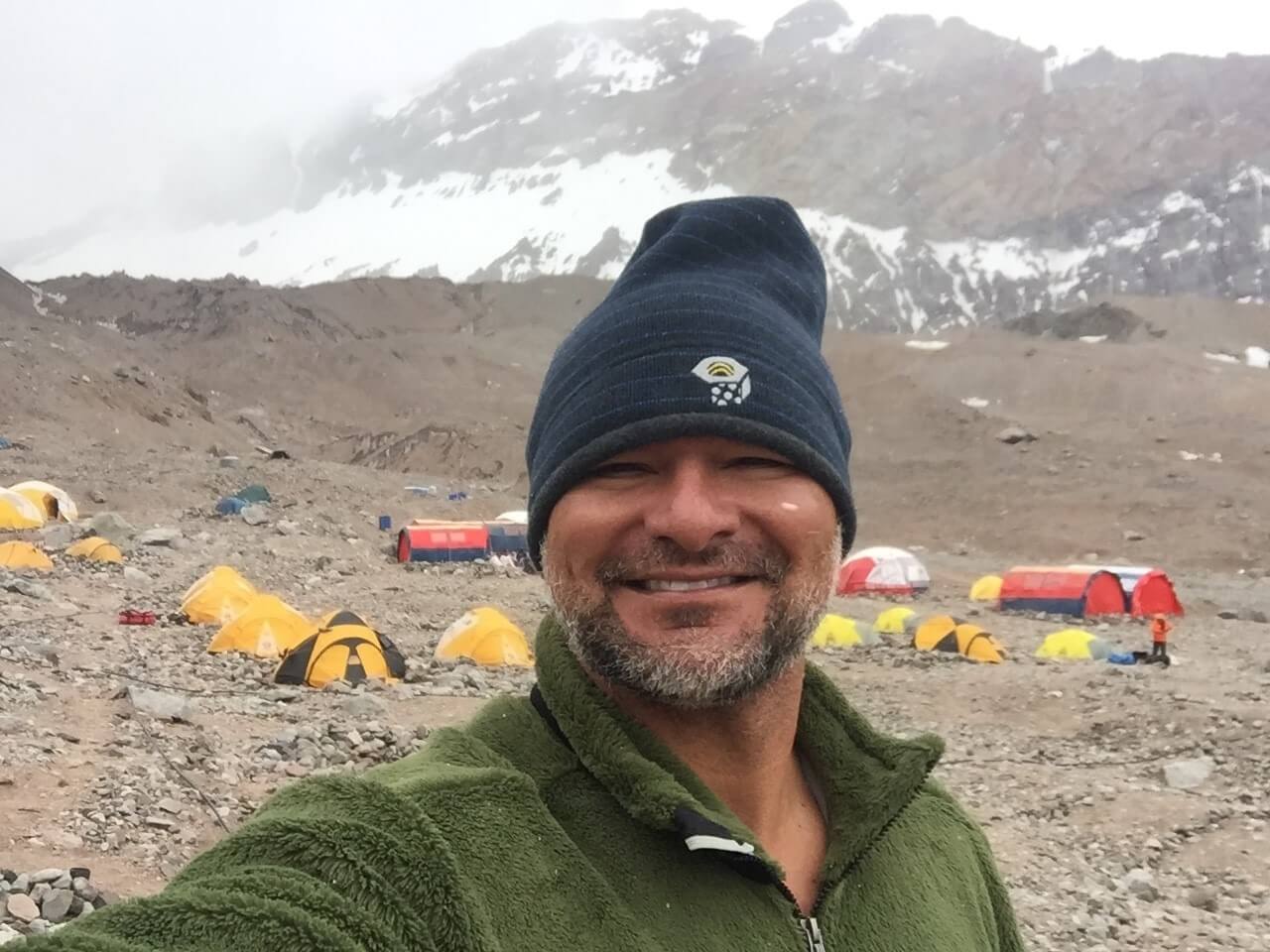
When starting his ascent of Aconcagua in Argentina, Ralph Mendoza could not have fathomed his biggest challenge would be how to get off the mountain before he died.

When starting his ascent of Aconcagua in Argentina, Ralph Mendoza could not have fathomed his biggest challenge would be how to get off the mountain before he died.

Mendoza’s problems started when the group’s guide encouraged everyone to climb too quickly every day toward base camp.

When Mendoza and his group reached base camp, he realized that his body had not yet adjusted to the altitude. He had never experienced this problem at such a relatively low altitude and immediately knew something was wrong.

  Altitude sickness had started to set in. Despite talking to the group’s guide about his difficulty at base camp, his concerns were dismissed as “just needing to acclimatize.”

After 36 hours at base camp and then another rapid climb toward Camp 1 at 16,500 feet, Mendoza’s body started to shut down. The decision was made that he and a guide should turn back and descend to base camp.

“I started to get confused, hypothermic and short of breath. On the way down, I was hallucinating. I thought someone had dropped a doll. I went to pick it up and it turned out the doll was just some stones,” Mendoza recounted.

After waiting several hours to see a doctor at base camp, Mendoza realized his chances of getting down the mountain quickly were slim. After the base camp doctor advised him not to ascend further, Mendoza asked about his options. He was told that he could pay for a guide to walk or a mule to ride for a two-day trip down the mountain.

Another option was to join the line of people who had chartered a helicopter for several thousand dollars. However, there was no guarantee when he would be evacuated, since people had been waiting for two days for an open seat.

Mendoza felt worse about his situation when the doctor told him to go home and train harder, without providing any other medical advice or treatment. Feeling alone and abandoned, Mendoza retreated to his tent to consider his options and to rest for the remainder of the night. That night, however, proved to be anything other than relaxing.

“I woke up unable to breathe,” he recalled. “Because it was zero degrees outside with high winds and I was able to breathe sitting up, I decided to stay in the tent. Finally, after a few hours of sitting up, I grabbed all my gear in the tent and put it under me so I could stay propped for the rest of the night.”

In the morning, Mendoza told the head guide about his inability to breathe the night before. He was told, “That’s just the mountains.”

Mendoza realized that he wasn’t going to get the help he needed from anyone on the mountain, no matter his concerns or symptoms.

Luckily, Mendoza had rented a satellite phone before the trip and had secured a membership with Global Rescue for his expedition. When no one else would help him, Mendoza used his satellite phone to contact Global Rescue. Global Rescue operations personnel assessed his symptoms and decided that a medical evacuation was warranted.

“I felt that the people I communicated with Global Rescue were there for me when no one on Aconcagua was willing to help,” he said.

How Air Medical Services Helped Save Mendoza

Soon after, Global Rescue arranged for a helicopter to transport him from the mountain to a local military base for treatment. Mendoza was instructed to walk with his gear to the helicopter landing zone and wait for the helicopter that would be arriving for him. It was only when he collapsed on his way to the landing zone that anyone on the ground took his symptoms seriously. Disoriented and weak, he wasn’t even able to walk without assistance. Finally, after two days of increasing distress, the mountain rescue team and his guide provided the medical attention he needed all along.

“If not for Global Rescue, I would have died on that mountain,” Mendoza said. “Through my own determination and the extraordinary lengths that Global Rescue went through to secure a helicopter for my evacuation, I’m alive today.”

Mendoza summed up his Aconcagua trip: “My days of adventure may have closed with this experience, but I am not embarrassed nor disappointed that my expedition ended the way it did. I tried something extraordinary. While the goal was to make the summit, the ultimate goal was to come home alive.”

Global Rescue memberships include personalized advisory services, 24/7/365 emergency assistance and evacuation services at no additional cost to you. To learn more about membership benefits, click here.

Share This:

Concerns for Travel to Turkey

Global Rescue fields questions from our members all over the world every day. Since the U.S and Turkey recently suspended visa services, members with plans to travel to Turkey have inquired about how they may…

Concerns for Travel to Turkey


Global Rescue fields questions from our members all over the world every day. Since the U.S and Turkey recently suspended visa services, members with plans to travel to Turkey have inquired about how they may be impacted.


Our Security Operations personnel provide the following update:


The suspension of all visa services for U.S. citizens at Turkish diplomatic missions in the U.S. continues for a third week. The sustained suspension impacts sticker visas at Turkish Consulates and Embassies within the U.S., as well as all e-visa and border visas issued to citizens of the United States. The suspension is a reciprocal action to measures taken by the United States and it is highly likely that the suspension will be reversed once U.S. missions in Turkey resume processing visas for Turkish citizens. However, the duration of the suspension is not currently known as both governments continue to work towards a diplomatic solution.


U.S. citizens with visas to Turkey issued prior to October 8 have not been affected by this suspension. Similarly, U.S. citizens are still permitted to transit Turkish airports on their way to or from another country. U.S. citizens are advised to contact the Turkish government directly, as in some cases they may be able to secure a visa at a Turkish mission within another country. Also, U.S. citizens whose flights did not originate from the United States may be able to apply for a visa on arrival to a Turkish airport, however, these regulations are subject to change.

Share This:

‘Super Malaria’: What You Should Know

Recent news reports about ‘super malaria’ are on the minds of many travelers. What exactly is ‘super malaria’ and to what extent should travelers be concerned about it?


‘Super Malaria’: What You Should Know

Recent news reports about ‘super malaria’ are on the minds of many travelers. What exactly is ‘super malaria’ and to what extent should travelers be concerned about it?

Dr. Phil Seidenberg, who spent five years working in Zambia as Global Rescue’s African Regional Medical Director, has treated many malaria patients over the years. Below he responds to questions about ‘super malaria’ and shares advice regarding malaria prevention and treatment.

Q: What is ‘super malaria’?

A: Super malaria’ is a term coined by the media that refers to resistance strains of malaria which have emerged in the Greater Mekong Sub-region (GMS): Laos, Myanmar, Cambodia, Thailand and Southern Vietnam.  There is no medical or scientific term called ‘super malaria.’

Q: Is ‘super malaria’ new?

A: No, it is not new. The public health and scientific communities have known about it since 2008.  However, based on recently published reports from the region, it is gaining a much larger footprint in Southeast Asia, which has everyone alarmed.

Q: What is malaria resistance?

A: Malaria resistance refers to strains of the parasite which seem resistant to the most commonly and effectively used treatments for malaria.  For many years, the World Health Organization (WHO) has recommended a two-drug therapy for simple infections caused by malaria — medications commonly referred to Artemisinin Combination Therapy (ACT).  ‘Super malaria’ thus refers to cases in the GMS which are showing resistance to ACTs, something that seems to be more common and growing at an alarming rate.

Q: Is malaria resistance new?

A: No, malaria resistance is not new.  In fact, malaria resistance has been around ever since we’ve figured out how to treat malaria, but we have always been able to develop newer medications or combinations of medicines to combat the resistant infections.

Q: Can ‘super malaria’ be treated?

A: Yes, ‘super malaria’ can be treated.  Health facilities in the region have already begun using a different combination of ACTs, ones that include mefloquine.  Mefloquine is a commonly prescribed malaria prophylactic for people traveling into malaria regions, particularly by US travelers prescribed by US physicians.

Q: What should I do if I plan on traveling to this region?

A: The simple answer is to continue to do all the things travelers should do when traveling into areas where there’s malaria:

  • Use strong insect repellants
  • Be sure to cover your arms and legs to prevent mosquito bites (particularly at sunrise and sunset)
  • Sleep under mosquito nets when they’re available or bring them with you
  • Try to keep windows and doors closed at night when sleeping to prevent mosquitoes from entering your room
  • Check with your doctor to see if you should be taking preventive medications prior to traveling. They’re readily available.

Q: Is there anything else I should do?

A: Yes, you need to be aware of ‘super malaria’ if you’re traveling into a region where it’s known to occur: Laos, Cambodia, Thailand, Myanmar and Vietnam.  For the best updated information, visit the Centers for Disease Control and Prevention (CDC) or WHO websites for country-specific information on places you plan to travel.

Also, Global Rescue always recommends that travelers going to malaria regions consider picking up Rapid Diagnostic Tests (RDTs) and treatment medications from the local pharmacies when you arrive in country.  RDTs can be used by you to test yourself or a travel companion with a simple pin prick if you’re worried about malaria. They can also be used when returning home if you develop any symptoms for malaria: fever, headache, body aches, flu-like symptoms, nausea and vomiting.  Remember, it usually takes some time between being bitten by a mosquito carrying malaria until you develop signs and symptoms of the infection.  Picking up medications can also be helpful, as often times these treatment medications are not readily available in the United States.

 Areas where there is resistant malaria present currently


For any further questions, please reach out to us at Global Rescue (617-459-4200 or memberservices@globalrescue.com). We can always help you plan for a safe and healthy trip.

Share This:

MISSION BRIEF: October 2017

Every day, Global Rescue personnel are involved in medical, security, and travel operations all over the globe. Here is a snapshot of some of our recent activity.

MISSION BRIEF: October, 2017

Every day, Global Rescue personnel are involved in medical, security, and travel operations all over the globe. Here is a snapshot of some of our recent activity.

– MEDICAL –

CANADA – Deployed a critical care specialist to accompany a member who suffered a severely broken leg after a horse fell on him while he was traveling in British Columbia. The specialist advised and assisted the member until he returned home to the United States.

ALASKA – Medically evacuated a member who began suffering from severe chest pain while traveling in Alaska. The member’s internal defibrillator activated, and the member had to be evacuated to a nearby hospital for admission. The member was discharged a few days later, but experienced complications, and required further advisory services from Global Rescue doctors.

KENYA – An employee of a Global Rescue nonprofit partner required assistance after she began to suffer severe abdominal pain while in Kenya. Global Rescue personnel advised the employee on treatment options including medication, and provided continued assistance when she continued to experience symptoms after her discharge from a medical facility.

SWITZERLAND – Provided medical evacuation for a competitive skier who suffered lacerations in a training accident when her ski came loose and cut her knee. Global Rescue personnel worked with the team coach and trainer to coordinate her care before flying her back to the United States for treatment.

INDONESIA – Assisted and advised a member who was bitten by a monkey while traveling in Bali. Assistance included advisory on wound care, and facilitating the shipment of rabies vaccination supplies to the member’s destination lodging, where she was able to administer the medication with the help of local medical personnel.

SRI LANKA – Advised and monitored the progress of a member who contracted Dengue fever while traveling in Colombo. Global Rescue doctors analyzed the member’s medical records and blood tests.

NORWAY – Provided a medical escort to the mother of a member who suffered multiple pulmonary emboli while traveling in Bergen. A Global Rescue specialist was dispatched to meet the member’s mother, and supplied her with an oxygen tank for the flight home. Complications ensued, and the specialist remained in Norway with the member’s mother until the member arrived to take over while she recovered enough to continue travel.

ALASKA – Advised the client of a corporate partner who was stricken with a cardiac event while traveling near Dutch Harbor. Global Rescue personnel coordinated with the U.S. Coast Guard to provide a medical evacuation for the client from her ocean vessel to a nearby medical facility via Coast Guard Cutter and helicopter. The client was then taken by ambulance to a major medical facility for treatment.

DENMARK – Advised and assisted a member who was bitten by a tick while traveling in Copenhagen, and was concerned about contracting Lyme disease.

CHINA – Advised and assisted a member who has a history of allergies and began to experience a sore throat exacerbated by altitude sickness.

COLOMBIA – Advised a member who was stung by a large wasp or hornet while traveling in the jungle, and subsequently suffered pain and swelling. Global Rescue vetted a local medical facility, confirming that it would be an appropriate place for the member to seek treatment.

GREENLAND – Assisted a member who was hiking the Greenland Arctic Trail when fellow hikers informed her of a large wildfire. Global Rescue contacted local authorities, who advised that the member should turn around immediately.

UKRAINE – Provided medical advisory services to a member who began suffering rashes while traveling in Kiev. The member was able to furnish Global Rescue doctors with photographs of the rashes, and Global Rescue located a nearby pharmacy where he could obtain remedies to treat the reaction.

SOUTH AFRICA – Provided ground transportation for a member who was stricken with severe back pain while traveling in Cradock, and required ambulance service to a nearby medical facility.

EL SALVADOR – Provided medical evacuation for the mother of a Global Rescue corporate partner’s employee after they employee’s mother suffered a stroke. The mother was taken from her home in El Salvador to Johns Hopkins Hospital in Baltimore.

SWITZERLAND – Provided medical evacuation for a student at one of Global Rescue’s partner schools after she suffered a knee injury while skiing, and arranged for airline travel with wheelchair and baggage assistance on the ground.

NEW ZEALAND – Provided travel assistance and medical advisory to a member of one of Global Rescue’s partner associations after he developed cellulitis in his leg due to two ingrown hairs.

BAHAMAS – Advised a member whose daughter began experiencing serious ear pain while on vacation in Compass Cay. Located a suitable medical facility for the family to visit if the daughter’s condition worsened, and provided analysis from a Global Rescue doctor.

ARGENTINA – Advised and assisted the client of a Global Rescue partner tour operator after the client suffered a broken leg while skiing in Argentina.

TANZANIA – Advised a member whose daughter suffered frostbite on her feet after summiting Mount Kilimanjaro.

SWITZERLAND – Assisted a student at one of our partner schools who had to be hospitalized after she was injured when a snowboarder collided with her on a mountain.

FRANCE – Advised a member and her family after she suffered an arm injury while skiing in Mont-de-Lens. Global Rescue doctors analyzed the member’s X-ray from a local hospital and determined she may require treatment for a small fracture. The member was able to fly home with assistance.

CHINA – Provided medical advisory to a member who suffered frostbite while climbing in Muztagh Ata. Global Rescue doctors recommended non-prescription remedies after analyzing photographs of the member’s injuries.

GERMANY – Provided advisory and support to a member and her son after she began experiencing shortness of breath while traveling in Nuremberg, helping her rebook her flight arrangements to come home once she was fit to fly.

MALAWI – Provided advisory services to the employee of a Global Rescue corporate partner who began to suffer from hemorrhoids while traveling in Malawi.

– SECURITY & TRAVEL –

MULTIPLE LOCATIONS – Monitored, advised and assisted members and partners who were affected by the Atlantic hurricane season. This year’s storms brought devastation to the greater Houston area, Puerto Rico, the Florida Keys, and many island locations in the Caribbean. Global Rescue helped stricken and stranded members and their families find shelter and means of evacuation by land, air, and sea, while monitoring the status of the storms in real time.

GHANA – Provided security advisory to a group of students from a Global Rescue partner school that were traveling in Accra and heard from other students that warnings had been issued about a “likely terrorist attack.” Global Rescue personnel helped the students understand the nature of the warnings, which were actually updates to current language and not an escalation in warning level.

Categories:

News
Share This:

Security experts: “It would’ve taken ‘airport like security’ to stop Vegas shooter”

Share This:

Active shooters and crowds: Staying safe

On the evening of October 1, a gunman opened fire on a crowd at a concert on the Las Vegas strip. At least 58 people were killed and 500 injured in the worst mass shooting…

On the evening of October 1, a gunman opened fire on a crowd at a concert on the Las Vegas strip. At least 58 people were killed and 500 injured in the worst mass shooting in modern United States history.

The incident was particularly deadly because the gunman was able to take advantage of the crowd of concert-goers being clustered together in an area that was vulnerable to an attack from above. Authorities reported that he opened fire with a military-style assault rifle from a room on the 32nd floor of a hotel next to the open-air concert venue.

Global Rescue Security Operations personnel monitor and analyze acts of violence throughout the world 24 hours a day, 7 days a week. While there is inherent risk in attendance or participation at large public gatherings, they offer some words of advice on what to do if you ever find yourself in a situation like the one that took place in Las Vegas on October 1.

WHAT TO DO IN AN ACTIVE SHOOTER SITUATION

The Department of Homeland Security’s definition of an active shooter is, “[a]n individual actively engaged in killing or attempting to kill people in a confined and populated area; in most cases, active shooters use firearms(s) and there is no pattern or method to their selection of victims.”

Global Rescue suggests three options if you find yourself in the middle of an active shooter incident: Run, hide, or fight.

1. RUN

Your best bet is usually getting as far away from the assailant as quickly as you can, but panicked running can be just as dangerous as staying still. Here’s how to run smart:

Have an escape route and plan in mind before you take off running.

Put something between you and the assailant – Walls are obviously best, but tall furniture and other large, solid obstacles are helpful too.

Know where the assailant is, and whether he or she is near your escape route.

2. HIDE

If running isn’t an option – and many times it isn’t – your next best plan is to hide and wait things out. Since active shooter situations usually don’t last long, you may very well be able to survive simply by staying out of sight for as little as 15 minutes, but you need to have a strategy when you hide:

Hide in silence – that means setting your cell phone to silent (don’t turn it off – you may need it), as well as making radios, computers and other devices as quiet as possible.

Lock the door – if you can get into an enclosed room, lock the door and/or barricade it with furniture and other heavy, solid items. Even after securing the room, make sure everyone inside stays behind solid objects for additional protection. Be aware that the assailant might bang on the door, yell for help, or otherwise try to get you to open up.

Turn off the lights and close any blinds to prevent shadows from appearing under the door.

If you feel confident that the assailant won’t be able to hear you, call for help using a phone, email, text or radio to get first responders moving toward you. Be ready to provide information in a calm, clear manner:

  • What is happening?
  • Your name and location, including building name and room number.
  • Number of assailants, their physical features including gender, race and age, their location, color and style of clothing, weaponry, and languages and commands they use.
  • Number of people at your location.
  • Number of potential victims at the location.
  • Number and types of injuries.

3. FIGHT

Your primary goal is to create enough space and time between you and the assailant to escape to relative safety. Fighting an armed assailant is the last resort, the choice you should make only when your life is in imminent danger and all other options have failed. But if it comes down to a fight, be aggressive, violent, and tactical:

Create a plan and work as a team.

Get control of the weapon. If you choose to fight, this is your key objective. Until the weapon is neutralized, there is a threat.

Use improvised weapons – tools, sporting goods, anything hard that will break bones. Find solid objects that you can lift and throw them at the assailant.

Blind the shooter. Spray cleaning products, fuel, salt, pepper – anything that burns or blinds.

AFTER THE SHOOTING ENDS

Emergency services might not enter the area until they are sure the site is secured, and when they do, they need to know that you are not a part of the threat. Remain calm and follow instructions. Drop any items in your hands (i.e. bags, jackets). Raise your hands and spread your fingers – you may be asked to put them on your head. Avoid quick movements such as reaching out to officers for safety, pointing, screaming or yelling.

FOUR WAYS TO STAY SAFE IN A CROWD

Even after the Las Vegas assailant was confirmed dead, the crowd in Las Vegas was a panicked mass of people trying to get to safety. The shooting had stopped, but the danger of a large, chaotic crowd was still present.

Before you go to an event or area where a large crowd is expected, know how to keep yourself and your companions safe in the event of violence or other unrest.

Do your homework. Before your event, check the venue’s website. Find a schematic of the venue and either print and/or save a copy to a phone or device you’re bringing with you. All group members should be familiar with where the parking lot or bus loading zone is in relation to where their seats are. If a large-scale incident takes place, cell service will likely be disrupted, so identify two potential points inside the venue and at least one outside the venue where the group can rally if you get separated. This point should be easily identified from a distance and not impacted by a large crowd; raised signposts or banners are good for finding in a chaotic crowd, and lots of light in the area would be a big plus.

Prepare to spend more time getting in and getting out. Added security at major events will delay entry into the venue. Prepare for this by adhering to the venue’s prohibited items list. Bring proper clothing – jacket, raincoat, hat, gloves – not just for the event but more importantly for unexpected situations and wait times in unsheltered areas. Be ready to walk longer distances than anticipated, and possibly to run. Wear or bring comfortable shoes. If something causes an evacuation of the venue, it may not be possible to take the most direct route back to your transportation – try to scout out alternate routes, just in case. Enter the venue with a charged phone and consider taking a spare external charger as well.

Stay together inside the venue. Keep group members close, and if you’re walking around the venue, travel in pairs. Tell others in the group that you’re leaving and be specific: “Jane and I are going to get another pretzel from the vendor outside zone M420, we’ll be back in 10 minutes and have our phones. We’ll let you know if we get delayed.”

Understand incident response. Unless you’re in imminent danger, stay where you are and take all instructions from competent authority. Avoid rushing to an exit and getting caught up in a large and panicky crowd. If you are forced into a crowd, attempt to stay near a wall and walk purposefully. Use the predetermined rally points to collect your group; having the additional point outside the venue will be helpful in a forced evacuation if authorities do not permit waiting at an inside rally point.

Share This:

Fall Travel: Beware your digital security blind spots

Joseph Mroszczyk, Intelligence Products and Services Manager for Global Rescue, offers this advice for travelers this fall to avoid compromising their digital safety.

Fall Travel: Beware your digital security blind spots

You use passwords, anti-virus software and due diligence to protect yourself from malicious attacks that could harm your home computer. But what about when you travel? How can you keep yourself safe when you aren’t in the comfort and security of your own home, but in a strange place with unknown threats?

Joseph Mroszczyk, Intelligence Products and Services Manager for Global Rescue, offers this advice for travelers this fall to avoid compromising their digital safety.

  • While traveling overseas, especially in non-Western countries, it is generally safe to assume that your online behavior and interactions are being monitored. While this may not always be the case, it will help establish a security-conscious mindset and make you more aware of what you’re doing on your phone or your computer. It is rare that authorities will confront a traveler regarding their online behavior, but you should still be concerned with protecting your privacy and preventing the compromise of any sensitive information, including personal identity, bank account information, family relations, etc.
  • Be aware of the political climate in your destination country. Conditions can range widely in terms of privacy of electronic communication. In some countries, comments made on social media can result in fines or arrests, or may result in additional questioning or scrutiny during customs screening. It is always safe to avoid making any political, social, religious, or other controversial comments online while traveling, and in some cases, even before travel.
  • Understand your unique risk profile. For instance, if you are a journalist traveling to an illiberal country to report on a controversial topic, you may be more susceptible to attempts at hacking or monitoring and may need to take more precautions, whereas if you are a tourist going to a modern Western country, the risks will be significantly less.
  • Use encrypted e-mail, not your personal email address, and log into a virtual private network (VPN) when on the internet. Do not send any emails while overseas on any private or personal issues that can wait until you are home. Alert friends and family of your trip before you leave and make sure they do not send you any sensitive or private information while you are traveling.
  • When possible, keep electronic devices with you at all times while traveling. If this is not practical, use a safe in the hotel room to store electronic devices while not in the room.
  • Utilize a hardline internet connection whenever possible. Wi-Fi connections are easily monitored or hacked by third parties. Use of a VPN will also minimize this threat when using Wi-Fi.
  • Password protect all electronic devices. Utilize a different password for each.
  • Ensure Bluetooth and Wi-Fi are turned off on all electronic devices when not in use, especially when doing work on the device (i.e. typing a document).
  • Ensure virus detection software is up-to-date and present on all devices, including Windows-based smartphones and tablets.
  • Consider utilizing a “clean” device for typing purposes that never touches the internet.
  • Store all work files in an encrypted container located on a removable storage device that is secured when not in use.
  • Erase all unneeded documents and personal photos from devices before travel.
  • Download a commercial “secure deletion” program, or utilize the “secure empty trash” feature on a Mac. Remember, even if data is deleted using the recycle bin, it can still be retrieved.
  • Maintain a low electronic footprint while traveling. For example, do not post to social media during the trip and ensure past postings and/or connections cannot be misconstrued as hostile. Maintain private settings on all profiles. Ensure any location tracking mechanisms on your phone are disabled.
  • Travelers to certain countries should assume their data has been compromised if they connect to the Internet or other networks.As much as possible, do not conduct sensitive business, such as banking, while overseas or on any unsecured networks.

Global Rescue provides security, medical, and intelligence services to travelers every day, all over the globe. Being a Global Rescue member makes you a safer traveler anywhere you go. For more information, go to GlobalRescue.com.