Categories:
NewsSeptember 19, 2017
Categories:
NewsSeptember 17, 2017
September 15, 2017
UNITED KINGDOM – At least 22 injured in terrorist attack on London Underground on 15 September
15 September 2017, 13:14 GMT
Severity: High
Location(s) affected: London, England, United Kingdom
Event Summary
At least 22 people were injured in an explosion on a London Underground train—also known as the Tube—on 15 September in what is being treated as a terrorist attack. None of the injuries are believed to be life-threatening. The explosion occurred at approximately 08:20 local time at the Parsons Green station. Police have since confirmed that the explosion was due to an improvised explosive device (IED) with a timer. The Parsons Green station remains closed with a large security cordon set up. Police have not said whether anyone has been arrested in relation to the incident. Security has been increased across the transportation system, and authorities have said that a heightened security presence should be expected in public spaces in the city into the weekend.
Analysis
This is the fifth terrorism incident in the country so far in 2017, and according to police, at least six other terrorist plots have been thwarted. The international terrorist threat level in the United Kingdom remains at “Severe,” the second-highest level on a five-level scale, indicating that an attack is “highly likely.” Other attacks this year have included a van ramming attack at a mosque, a van ramming and knife attack around the London Bridge, a vehicular ramming and knife attack on Westminster Bridge and near Parliament, and a suicide bombing at Manchester Arena. The London Underground was targeted in a series of attacks on 7 July 2005 in which 56 people were killed and over 700 were injured.
Advice
Personnel are advised to avoid the area until the situation normalizes.
Expect significant travel disruptions in the affected areas due to police activity.
Monitor the local media and our website for further updates.
Categories:
Missions & Member TestimonialsAugust 21, 2017

The state Supreme Court of Connecticut, ruling on questions in the Hotchkiss case of a private school student who became ill and suffered brain damage on a trip to China, stated that “schools must warn and protect students from the risk of insect-borne diseases when organizing trips abroad.”
According to a New York Times article, justices also said in the 5-0 ruling that the $41.5 million verdict awarded to the student in a federal court lawsuit in 2013 should not be reduced. The case now goes back to the 2nd U.S. Circuit Court of Appeals in New York for determination based on the Connecticut court’s answers to these two questions.
Cara Munn, a teenager on a Hotchkiss School-sponsored trip to China in 2007, fell ill with an insect-borne disease that was contracted while on a hike. A local clinic misdiagnosed her condition and she was transferred to a hospital in Beijing where it took weeks before she was flown to the United States – by her parents. She permanently lost her ability to speak and some of her cognitive ability.
Munn sued the boarding school, saying school officials failed to warn students about the risks of insect-borne diseases in China before the trip, failed to protect them and take precautions such as using insect repellent during the trip, and failed to have protocols for medical emergencies, parental notification and evacuation.
Harvard Law Professors John Goldberg and Ben Zipursky commented, “a school owes its students a duty to be vigilant of harms that may befall them on a trip organized by the school, and to exercise due care to protect against such harm…regardless of whether that activity takes place on school grounds or halfway around the world.”
The judgment against the Hotchkiss School highlights an important issue confronting travel study programs. Organizations that have a Duty of Care program, including comprehensive pre-trip health and safety information and emergency action plans and resources, place themselves in a better position to respond and protect their students and personnel, as well as minimize their legal risk.
August 17, 2017
At least 13 dead, 50 injured in Barcelona attack
The Global Rescue Intelligence Team is monitoring an ongoing situation in Barcelona, Spain, where a vehicle rammed into a crowd of people in the Las Ramblas area earlier today. Below is the team’s report as of 15:00 Eastern on Thursday, 17 August:
Event Summary:
Authorities confirmed that at least 13 people were killed and 50 others injured in a vehicle ramming terrorist attack in the Las Ramblas area near Placa de Catalunya in Barcelona on 17 August. At least ten victims were injured seriously. The driver of the van reportedly fled on foot and authorities have made one arrest in connection with the attack. There are also reports that one suspect has been killed in a shootout with police.
Earlier reports stated that two gunmen had also entered a nearby restaurant, Luna de Istanbul, and possibly took hostages, but local police have refuted this. Unconfirmed reports earlier indicated that gunfire was heard in the area of the La Boqueria Market. It remains unclear currently how or whether the incidents are related.
The US Consulate in Barcelona has advised US citizens to avoid the Las Ramblas area and to follow local media. Nearby metro and train stations have been closed and the area has been evacuated.
The situation is ongoing and details are continuing to emerge.
Analysis:
Las Ramblas is a popular tourist destination in Barcelona with many shops, restaurants, cafes, and other attractions.
There have been numerous vehicular ramming attacks within the past year as terror groups like the Islamic State (IS) have encouraged their followers to use this tactic, which requires little in terms of training or equipment and is easily executed by ‘lone wolf’ attackers. Authorities and security personnel in cities around the world have been on high alert recently after a number of recent vehicle ramming terrorist attacks, including in France and the United Kingdom. Most recently, on 9 August, six French soldiers were injured in a car ramming attack in Levallois-Perret, a suburb to the west of the capital, Paris. Since July 2016, more than 100 people have been killed in vehicle ramming attacks in France, Germany, United Kingdom, and Sweden.
Advice:
- Personnel are advised to avoid the Las Ramblas area until the situation is deemed safe.
- Expect significant travel disruptions in the affected areas due to police activity.
- Monitor the local media for further updates.
Categories:
Missions & Member TestimonialsAugust 11, 2017
“Forget about the pain and the soreness, it’s simply not about that either
because they don’t really exist.”
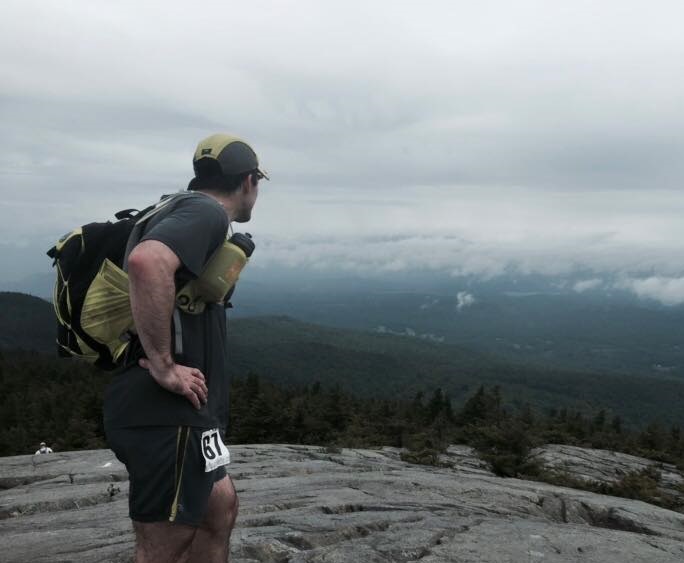
This summer, Global Rescue’s Aaron Laurich, Supervisor, Security Operations, will tackle the Ragged 75 Stage Race, a challenging 3-day, 75-mile race with approximately 13,500 feet of elevation gain. The route includes very technical single-track, steep climbs and descents, double track, fire roads, dirt/gravel roads and pavement.
The Ragged 75 Stage Race was the brainchild and legacy of New Hampshire runner and hero Chad Denning. Chad suddenly passed away in 2014 while on a training run with friends, just weeks after hosting the inaugural event. “Chad was an inspiration to all and we run this race in hopes of keeping that inspiration alive,” said Aaron.
With his sights set on his third completion of the race (he finished in 2014 and 2015), Aaron shared details on his training regimen, mental preparation, and advice for anyone considering such a daunting race.
1.What kind of necessary training did you do to physically prepare yourself for this race?
I mainly try and run a lot. I’ve been running nearly my whole life. My dad was a gifted runner and he used to take me running with him, usually when I’d been bad or if I needed a stern talk. I guess I just ran with him enough that the habit stuck. I also have a really high energy dog that, according to my wife, is a more productive member of society after he’s been running hills for an hour with me; I’m nearly certain she’s talking about the dog. I do run a lot but it’s nice to break that up with other activities. I try to swim twice a week. I really enjoy mountain biking and paddleboarding, which help keep things fun and prevent training from becoming this task I feel I’m required to do.
2. How do you mentally prepare yourself to conquer the challenges of this race?
Strip away all the extraneous data. It’s not about that day’s mileage or elevation gain. It’s not about how far away the aid-station is. Forget about the pain and the soreness, it’s not about that either because they don’t really exist. It’s not about pace or heartrate. It’s simply about showing up. It’s about putting one foot in front of the other. It’s about just doing your best.
3. The race includes approximately 13,500 feet of elevation gain. What measures must you take to cope with the changes in elevation during the race?
There are certainly some step portions to this course although, fortunately, the max altitude for this run is just shy of 3000 feet. It’s a lot of up and down but we won’t have the ill-effects of racing at altitude, just some really steep New Hampshire trails.
4. Does this race pose certain dangers or challenges that you have not encountered in other races?
I’ve heard this trail best described by locals as “traditional New Hampshire trail” — meaning it has rocks and roots, lots of them. It can be steep (ok, really steep); it is not well-traveled, so route-finding can be difficult at times; there are long isolated sections of trail and aid stations or water drops are few and far between; wildlife encounters with something bigger than yourself are possible; weather can change 30-40 degrees during a day’s stage. This is all part of the appeal, of course.
5. What are some of your goals going into this race that you hope to accomplish by the end of the weekend?
Finishing the event is a goal, for sure, but I won’t be going so fast that I can’t take the time to enjoy some of the amazing scenery along the course. I’m just hoping to have a fun weekend and to run a safe and successful race.
6. What aspect of this race do you think will be the most challenging?
The cumulative effect of the stages, for sure. Each morning you can feel the previous day’s mileage hanging around like little ankle weights. For me, it always takes a few miles to shake that feeling off and get into a good rhythm for the day.
7. What aspect of this event are you most looking forward to?
My wife will tell you that the pre-race planning and packing is my favorite part. I’ll lay items out on tarps to organize it all and compare it against the different packing lists I’ve created. I geek out over the course maps, studying the route and the contour lines. I think she’s right — I get into that portion of the event.
8. What would you say is your greatest motivation for competing in an event like this?
I find it more useful than therapy.
9. What advice would you give to anyone who might be considering participating in a similar race?
Don’t overtrain, and keep it fun. Stay on top of your nutrition; the three days are cumulative and you have to keep that furnace from burning out. Pay attention on the course, it’s long enough without bonus miles. Lastly, take care of your feet.

August 3, 2017
The US Department of State (DoS) recently updated its safety and security advice for Mexico, warning travelers about recent allegations of “tainted or substandard alcohol” that has reportedly resulted in travelers becoming ill or “blacking out.” The DoS warns that those who choose to drink alcohol while in Mexico should “do so in moderation and to stop and seek medical attention if you begin to feel ill.”
This latest advice from the DoS comes after an investigation by the Milwaukee Journal Sentinel into the death of a Wisconsin woman who was vacationing at a resort north of Playa del Carmen in Mexico. She reportedly drowned in the resort’s pool while her bother, who survived, became unresponsive and was declared brain dead. Although the two had only been at the resort for two hours, the deceased woman was found to have a blood-alcohol content of 0.25 and her brother was found to have a 0.26. Following that report, at least three dozen other reports emerged of travelers “blacking out” or becoming ill while staying at resorts in Cancun and Playa del Carmen.
Mexico has long dealt with issues stemming from counterfeit alcohol. The country’s government estimates that 43% of the alcohol consumed in the nation is illegal and produced in unregulated facilities. The Mexican national health authorities have seized over 1.4 million gallons of adulterated alcohol since 2010. This alcohol was not only seized from locals, but from resorts and hotels catering to the tourism industry.
What is counterfeit alcohol? There are many ways that criminals attempt to increase profits by tampering with alcohol. The most obvious, and least harmful, would be to substitute a cheaper alcohol for a more expensive one. In general, no harm is done with this, aside from a customer drinking a cheaper alcohol than they ordered. This type of scam is labor-intensive and mostly relegated to small-time criminals.
The more insidious and deadly way in which alcohol can be tampered with is when organized criminals change the actual alcohol that is being bottled and sold. Due to taxes on alcohol, criminals want to use industrial alcohol that is not taxed. Organized crime groups or unscrupulous alcohol manufacturers will purchase large quantities of this industrial-grade alcohol and use it to make the product that goes into their bottles. They will either flavor it and ship it out as it, or use it to ‘cut’ their existing product to cut costs and increase output. This industrial- grade alcohol is much stronger than normal alcoholic drinks, and can raise a person’s blood alcohol levels to dangerous levels with just one drink. Also, industrial alcohols are not distilled to the same level of purity as drinking alcohols. Because of this, they can contain other chemicals, such as methanol, that can poison the drinker. Methanol is another type of alcohol, found in windshield wiper fluid, that is deadly poisonous. As little as 10 milliliters can be fatal and can cause permanent blindness. Methanol is produced in industrial quantities and has been used to taint alcohol in the past.
The signs and symptoms described in news reports about purported victims of tainted alcohol could also match various drugs known in the United States as ‘date rape’ drugs. In Mexico and other locations in the world, opportunistic individuals have put these drugs in tourists’ drinks without their knowledge, and have proceeded to rob and/or assault the victims.
How can poisoned alcohol be avoided in Mexico? Obviously, the foolproof solution is to refrain from drinking alcohol. Remember, all types of alcohol have been implicated, so avoiding certain types of alcohol is not an effective strategy. If you decide to drink alcohol on your trip, keep the following in mind:
- Hard liquor is the primary alcohol that has been found to be tainted. Stick with brands you are familiar with so that you can discern if the alcohol tastes “off,” and avoid strongly flavored mixed drinks that might mask the flavor or smell of tainted liquor. Establishments filling a name brand bottle with locally produced liquor is not unusual.
- Insist that any beer and wine be opened in front of you, and that any mixed drink be mixed in front of you. Refuse it if it tastes “off’ or strange.
- Keep an eye on your drink. Do not let anyone you do not know handle or carry your drink. If you have been out of sight of your drink, even for a short time, discard it.
- If you feel inebriated in a manner disproportional to the amount you drank, seek medical attention. Additional alcohol may still be waiting to be absorbed in your digestive tract, leading to alcohol toxicity. In addition, toxins in the drink may be present. Be sure to tell the Emergency Room physicians you believe you were served tainted alcohol.
- If you have been drinking, even a small amount, and you begin to feel strange, alert a trusted individual immediately and seek medical help.
- If you have been drinking and begin to feel strange while swimming, exit the water immediately. Sit or lie down on your side. Alert a lifeguard that you are not feeling well. Tell them what you were drinking.
- Global Rescue members who begin to feel ill should contact us immediately at +1-617-459-4200 or via the Global Rescue app.
Categories:
NewsJuly 31, 2017
Categories:
NewsJuly 26, 2017
Categories:
Missions & Member TestimonialsJuly 25, 2017
|
MISSION BRIEF: JULY 2017 |
|
Every day, Global Rescue personnel are involved in medical, security, and travel operations all over the globe. Here is a snapshot of some of our recent activity. – MEDICAL – NIGERIA – Performed a medical evacuation from Nigeria to a Lebanon medical facility for an employee of a corporate partner who was severely injured in a car crash. CALIFORNIA – Arranged a medical evacuation for an employee of a partner organization who suffered head and neck injuries in a fall while hiking. CANADA – Medically evacuated a member suffering from serious internal injuries after a motorcycle accident in British Columbia. NAMIBIA – Advised a member whose wife suffered temporary loss of consciousness and required a procedure for gastrointestinal issues, and helped identify options for a flight home to the United States. BAHAMAS – Provided advisory services to a student who experienced severe irritation in one of his eyes and forwarded treatment recommendations to his school. ZIMBABWE – Deployed paramedics to a member who became unresponsive after suffering a cerebral hemorrhage, and evacuated him to the United States. ARGENTINA – Advised the parents of a student who suffered complications from previously diagnosed sickle cell anemia and facilitated medical record exchange with a local medical facility. RWANDA – Provided treatment recommendations to a member whose son suffered a dog bite injury to his torso; tracked down the dog’s vaccination history to ensure it was free of any communicable diseases. INDIA – Provided advisory services to a member who suffered gastrointestinal discomfort and helped manage his antimalarial medication until he could be seen at a local facility. BAHAMAS – Coordinated treatment with an on-site physician for three students infected with a resistant species of head lice. KENYA – Provided charter flight information for a member who showed signs of a bacterial infection, and maintained contact with her until she was able to fly home. GERMANY – Arranged a medical consult for a student with a preexisting syndrome who suffered full body seizures and headaches. BHUTAN – Provided advice and assessment to a member suffering from persistent nausea and vomiting during her trip to Bhutan. PORTUGAL – Provided advisory services and coordinated a treatment and recovery plan for a member who dislocated his hip. TANZANIA – Provided advisory services to a member who suffered swelling and loss of sensation in her hands while climbing Mount Kilimanjaro. PERU – Provided advisory services to an employee of a corporate client whose child was seriously ill and helped the member locate a medical facility. TANZANIA – Advised a member whose medication was tampered with and potentially contaminated by a group of baboons. FRANCE – Provided consultative services and treatment to a 14-year-old member who fell and injured her arm while skiing. ECUADOR – Provided a comprehensive medical consult for a member who began suffering from aphasia. BAHAMAS – Consulted with a member who was diagnosed with viral conjunctivitis and made recommendations to expedite his recovery. ITALY – Provided medical advisory services to a member who suffered a severe reaction to mosquito bites. THAILAND – Advised a member who suffered gastrointestinal issues and fever after receiving a mosquito bite. CAMBODIA – Deployed a paramedic to accompany a member during his repatriation to the U.S. after he began suffering debilitating back pain and was unable to walk. – SECURITY & TRAVEL – UNITED KINGDOM – Worked with members and clients to locate staff and confirm their safety following the terrorist attacks at the London Bridge, Borough Market, and Vauxhall. PHILIPPINES – Assisted in locating employees of a corporate client after explosions and gunfire occurred in the Pasay City Area. GUATEMALA – Assisted an employee of a corporate client who misplaced her Green Card and was refused boarding on a flight back to the United States. Operations personnel obtained a digital copy of her Green Card and flight information and helped her return home. GUATEMALA – Employees of one of Global Rescue’s corporate partners requested a security consult after feeling minor aftershocks from a 6.8 magnitude earthquake. Security operations personnel investigated the situation and determined there were no reported threats or tsunami concerns in the area. PERU – Provided advisory services to an academic client that had a group of students impacted by protests and blocked highways near the airport. Security operations personnel established a communication plan to help the group make it safely to the airport on time. – INTELLIGENCE SERVICES – MULTIPLE LOCATIONS – Upon request from members and clients, Global Rescue provided assessments of the security and medical risks involved in travel to many destinations, including Turkey, Germany, the United Kingdom, Russia, Haiti, Pakistan, Qatar, Kazakhstan, Belarus, Kuwait, Botswana, Niger, South Africa, Zambia and several other African locations. These assessments included recommendations for suitable hotels, the effect a U.S. travel ban might have on travel, and local hospital and embassy information. |