Categories:
Press ReleaseFebruary 29, 2016
Boston, Mass., February 29, 2016 – The Zika virus has spread to many popular spring break destinations in the Caribbean, Mexico, and Central America. What’s a college student to do?
“The Zika threat can be minimized if students are prepared to recognize the risk, adjust their lifestyle and routines, and follow simple, sensible precautions,” said Chris Ewing, MD, Director of Medical Operations at travel risk and crisis management firm Global Rescue.
The Zika virus is an acute viral illness transmitted through the bite of an infected Aedes-species mosquito that has previously fed on a person infected with the Zika virus. The virus is suspected to cause birth defects and a rare condition of temporary paralysis. Women who are infected with the Zika virus while pregnant, or who become pregnant while the virus is still in their bloodstream, are at an increased risk of birth defects — including microcephaly, a serious birth defect of the brain.
In addition to mosquito-to-human transmission, there is emerging evidence that suggests Zika is gaining access to other fluids, including semen, and can be transmitted from human-to-human via sexual intercourse. However, while it has been confirmed that the virus only remains in the blood for a 5-7 day window, how long the virus can stay in semen is currently unknown.
Symptoms include sudden fever with rash, joint and body pain, headache, and conjunctivitis. Symptoms are usually mild and last from several days to a week. Approximately 1 in 5 people infected with the Zika virus will develop symptoms.
Global Rescue Medical Operations personnel offer these five tips to help minimize the effects of the Zika virus during spring break:
-
Focus on preventing bites – Prevention of bites by infected Aedes-mosquitos is the only effective means of avoiding infection while traveling in regions where the Zika virus is present. There is no vaccine to prevent Zika virus disease, and no medication available to treat Zika virus infection. The mosquito that transmits Zika virus bites during the day – especially early morning and dusk.
-
Prevention techniques:
-
Use insect repellents containing either DEET, picaridin, IR3535, or certain oil of lemon-eucalyptus or para-menthane-diol products.
-
Apply sunscreen first and then insect repellent. (Always follow the label instructions when using insect repellent or sunscreen.)
-
Treat clothing with permethrin or purchase permethrin-treated clothing.
-
When weather permits, wear long-sleeved shirts and long pants.
-
Use air-conditioning, and window/door screens to keep mosquitoes outside. If you are not able to protect yourself from mosquitoes inside your local accommodations, sleep under a mosquito bed net.
-
Reduce the number of mosquitoes inside and outside by emptying standing water from containers, such as flowerpots or buckets.
-
-
-
Practice safe sex – Sexual transmission of Zika virus from a male partner is possible. Condoms should be used by the male during every sexual encounter to help prevent Zika, HIV and other sexually transmitted diseases. According to the CDC, men returning from Zika-infected areas should use condoms or abstain from sex with a pregnant sex partner for the duration of their partner’s pregnancy.
-
Treat effectively – Take medication such as acetaminophen to relieve fever and pain. Do not take aspirin or non-steroidal anti-inflammatory medications such as ibuprofen. Get plenty of rest and keep well hydrated by drinking plenty of fluids.
-
Watch alcohol intake – Binge drinking can lead to alcohol-related rape and sexual assault, confusion, unconsciousness, seizures, vomiting, and the risk of death because of inability to breath. Avoid overconsumption of alcohol; the related decreased level of consciousness will impair judgment and ability to rationally make decisions related to the recommended Zika prevention techniques. Maintain situational awareness of your surroundings.
-
Research before you go – Be familiar with health concerns relevant to your destination. Visit the CDC website for travel alerts and warnings.
The Global Rescue Mobile App provides information and resources necessary to ensure travelers’ health, safety, and security. The app also offers comprehensive details to help travelers prepare in advance and to stay informed once they have arrived at their destination. Travelers can view information by filters including environment, health, infrastructure, unrest and violence.
To learn more, visit www.globalrescue.com or call +1-617-459-4200.
About Global Rescue
Global Rescue is a worldwide provider of integrated medical, security, intelligence, travel risk management and crisis response services to enterprises, governments and individuals. Founded in partnership with Johns Hopkins Medicine, Global Rescue’s unique operational model provides best-in-class services that identify, monitor and respond to potential threats. Global Rescue has provided medical and security support to its clients, including Fortune 500 companies, governments and academic institutions, during every globally significant crisis of the last decade.
For more information, call +1-617-459-4200 or visit www.globalrescue.com.
Contact:
Ann Shannon
Global Rescue
617-426-6619
Press@globalrescue.com
Categories:
Missions & Member TestimonialsFebruary 24, 2016
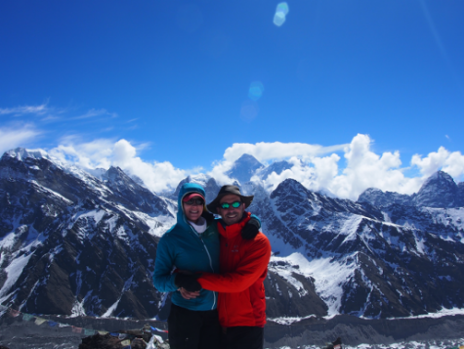
Honeymooners and Global Rescue members Brittany and Noah Myers in Nepal the day before the 2015 earthquake
In December 2015 in Geneva, Switzerland, Global Rescue participated in a two-day event designed to gather expert advice of private sector employers, recruiters, and service providers on the development of guidelines and effective practices to better protect and assist migrant employees caught in countries experiencing conflicts or natural disasters.
Today, we live in an age of increased mobility with over 232 million international migrants worldwide. As a result, when conflict or natural disasters hit, migrants are often present in the crisis-stricken country and affected by the crisis.
Those words lay the foundation for the Migrants in Countries in Crisis initiative (MICIC), launched by the United States and the Philippines to improve the ability of States and others, including the private sector, to better prepare for, respond to, and protect the rights and dignity of ‘migrants’ caught in countries experiencing a conflict or natural disaster. MICIC defines ‘migrants’ as non-citizens or non-nationals in the country experiencing a crisis.
The MICIC continues:
While many migrants are resourceful and resilient in the face of such situations, a variety of factors create particular vulnerabilities for migrant populations, with limited means to ensure their own safety. In some cases, migrants may be trapped, and unable to leave the crisis area. Some migrants may be unable to access humanitarian assistance or unwilling to leave, due to fear of the loss of their jobs and the source of their family’s income. In yet other contexts, migrants may need to seek refuge across borders in adjacent countries. Due to a lack of frameworks in these situations, international migrants may fall between the cracks of existing protection mechanisms and responses.
Global Rescue’s Jim Chiacchia served as a panelist in the session, Private Sector as Service Provider, moderated by Alfred Boll of the U.S. State Department. The discussion ranged from specific measures that can be taken to plan for the needs of migrant employees in potential crisis situations, including what kinds of transportation services are needed to get migrants in crisis situations to safety, and how emergency health and medical services can be best identified and provided in a timely and cost-effective manner.
MICIC highlighted the story of Global Rescue member Brittany Myers, who was honeymooning in Nepal in 2015 when the earthquake struck. Following her safe return home, Myers was inspired by her experience to raise money for small business needs in Nepal.
Categories:
Health & SafetyTravelFebruary 17, 2016
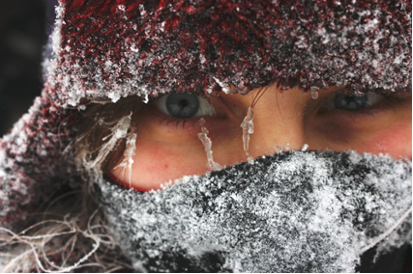
Skiing, snowboarding, snowshoeing and ice fishing are a few of the many outdoor activities Global Rescue members enjoy throughout the year. Common to all of these pursuits is exposure to cold temperatures, which can be dangerous for a number of reasons, with frostbite topping the list.
What is frostbite?
Simply put, frostbite is any injury to body tissues caused by exposure to extreme cold. It will most often affect extremities (fingers, nose, toes, ears) first, due to a bodily process known as vasoconstriction.
When exposed to cold, the body will draw warm, oxygenated, blood away from less-essential parts like the extremities and concentrate it into the body’s core. This allows key systems such as the heart, lungs and brain to stay warm and oxygenated for as long as possible, helping you survive. The effect of this process, however, is that extremities now lack warm, oxygenated blood.
This leaves them vulnerable to freezing. The situation can be exacerbated by alcohol and drug consumption, caffeine, dehydration, constricting clothing, cotton clothing and certain medications.
How do I know if I have frostbite?
Similar to heat burns, frostbite is divided into three levels of severity. These include: frostnip, also called superficial frostbite, partial thickness, or second degree frostbite and full thickness, or third degree frostbite.
Frostnip is the first stage of frostbite.
It affects the outermost layers of skin and tissue. Most people who have spent a significant amount of time outdoors in the cold have experienced it.
Characterized by pale or red skin in the affected area, frostnip can also be identified by a prickly or numb feeling with skin pliable to the touch.
Partial thickness frostbite is the second stage of frostbite.
This stage is more difficult to identify. It affects tissue deeper into the dermis and may present in a variety of ways.
Reddened skin can turn white, greyish blue, or appear wax-like. Some ice crystals may form on the skin as well.
Oddly enough, the skin may start to feel warm to the victim during this stage. After thawing, small blisters and localized swelling may form with associated mild pain.
Severe, or full thickness frostbite
This is the final and most serious stage – when frostbite has penetrated into the tissues, muscle and even the bone in the affected area. Numbness and a loss of all sensation characterize this stage. Large blisters (and swelling) will form on the skin after rewarming and be very painful and sensitive. Later the affected area may turn black. Serious cases may require amputation of the affected extremity.
I have frostbite. Now what?
For frostnip, relatively little treatment is needed. Gentle re-warming of the affected area will be satisfactory.
For partial or full thickness frostbite, further intervention is needed. First, the victim should shelter or be sheltered from the cold. Medical help should be sought immediately.
Treatment includes soaking the area in water not exceeding 104 degrees Fahrenheit. If the area is hard to the touch, do not press hard on it. If blisters form, do not pop them.
If you are in the field and no hot water or active rewarming is available, skin to skin contact is the best way to rewarm an area. Place bare hands or feet in an armpit, groin, or against the abdomen. For hands, you can do this yourself. For feet, you will need a partner. Then gently wrap the area in sterile gauze to prevent infection and gangrene.
Be very careful using a campfire, chemical or fuel powered hot packs/hand warmers, or camp stoves to rewarm areas. The ability to perceive temperature and pain will be severely diminished and burns (and worsening cellular tissue damage) can easily occur even with cheap hand warmers. A burn on top of frostbite will severely complicate recovery.
Be warned: the re-warming of frostbitten areas will be extremely painful, even incapacitating. High grade analgesics would be needed to control it.
Any frostbitten body part should be handled with extreme care to avoid further tissue damage. If the frostbite is on the foot and the person must walk to safety/rescue, the foot should not be re-warmed before reaching safety as the individual will no longer be able to walk once it is thawed.
Regardless, the most important thing is to get medical assistance as soon as possible. Do not expose the affected area to cold again after re-heating. It is critical that the frostbitten are not allowed to refreeze. This could cause serious tissue damage.
Monitoring for signs of hypothermia is also crucial during a frostbite incident because the two often go hand in hand. Signs of hypothermia include drowsiness, severe shivering, surges of warmth and slurred speech. Any altered mental status encountered in a cold or wet environment should instantly arouse suspicion of hypothermia.
Also remember, if someone is wet, due to immersion in water or sweat from overexertion, hypothermia can occur even in relatively warm temperatures (60 degrees Fahrenheit or less). If you or someone in your group is immersed in water, or is beginning to show the first signs and symptoms of hypothermia, it is time to self-evacuate and/or call for help.
Remember that some of the initial signs and symptoms of hypothermia include a marked change in personality and attitude and a loss of judgment. The brain loses its ability to coordinate and balance the body, speech is interrupted and finally, fine-motor skills are lost.
How can I prevent frostbite?
Contrary to popular belief, the temperature does not need to be extreme to present a risk of frostbite. Any temperature below freezing (32 degrees Fahrenheit), or exposure of skin to intense wind and moisture, can result in frostbite.
That being said, staying warm, dry, hydrated and prepared is the best way to prevent frostbite.
Wearing the right clothing is also essential. Know the weather and be prepared with extra layers and proper outerwear. The best way to stay warm when out in the cold is to wear light, non-constricting, layered clothing that will allow for easy blood flow to your extremities while also providing the insulation that your body requires.
If your hands or feet become cold while you are outside, stop and fix it by adding or changing layers before you develop frostbite.
Whether you’re seeking advice or immediate medical or security assistance, Global Rescue operations centers are staffed 24/7/365 to assist our members. Click here to contact us about the benefits of membership..
Categories:
Health & SafetySecurity & IntelligenceTravelFebruary 3, 2016
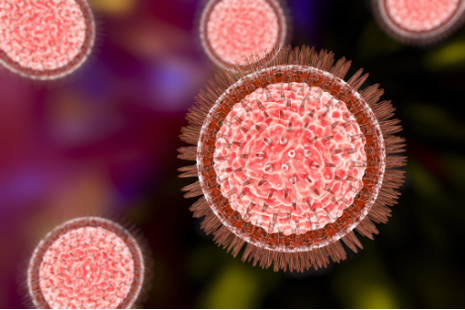
On 01 February 2016, the World Health Organization (WHO) declared a Public Health Emergency of International Concern to initiate a coordinated international response to minimize the threat in affected countries and reduce the risk of international spread of the Zika virus.
The WHO found no public health justification for restrictions on travel or trade to prevent the spread of Zika virus.
Here is the latest information on the Zika virus from the Global Rescue Medical Operations team.
How does someone become infected with the Zika virus?
Zika virus disease is an acute viral illness of humans transmitted through the bite of an infected Aedes-species mosquito that has previously fed on a person infected with the Zika virus. There is also emerging evidence to suggest maternal – fetal transmission also may occur near the time of delivery, or late in pregnancy.
There are also isolated cases of transmission through sexual contact or blood transfusion. The virus remains in the blood for about a week. How long the virus remains in semen is currently not known.
What are the symptoms of the Zika virus?
Symptoms include sudden fever with rash, joint and body pain, headache and conjunctivitis. Symptoms are usually mild and last from several days to a week. Approximately 1 in 5 people infected with the Zika virus will develop symptoms.
What countries has Zika spread to?
According to the Centers for Disease Control and Prevention (CDC), the following have active Zika virus transmission:
Americas: Barbados, Bolivia, Brazil, Colombia, Puerto Rico, Costa Rica, Curacao, Dominican Republic, Ecuador, El Salvador, French Guiana, Guadeloupe, Guatemala, Guyana, Haiti, Honduras, Martinique, Mexico, Nicaragua, Panama, Paraguay, Saint Martin, Suriname, USVI, Venezuela.
Oceania/Pacific Islands: American Samoa, Samoa
Africa: Cape Verde
What is the risk for pregnant women?
Women who are infected with the Zika virus who are pregnant, or become pregnant, are at an increased risk of birth defects — including microcephaly, an abnormal smallness of a newborn’s head associated with incomplete neurological development. Emerging evidence suggests that maternal-fetal transmission also may occur near the time of delivery, or late in pregnancy.
What advice is there for pregnant women regarding Zika?
The U.S. Centers for Disease Control and Prevention has published guidelines regarding pregnancy and Zika here. The CDC recommends special precautions for pregnant women and women trying to become pregnant:
–Pregnant women in any trimester should consider postponing travel to the areas where Zika virus transmission is ongoing. Pregnant women who do travel to one of these areas should talk to their doctor or other healthcare provider first and strictly follow steps to avoid mosquito bites during the trip.
–Women trying to become pregnant or who are thinking about becoming pregnant should consult with their healthcare provider before traveling to these areas and strictly follow steps to prevent mosquito bites during the trip.
How can I protect myself against the Zika virus?
There is no vaccine to prevent Zika virus disease, and no medication available to treat Zika virus infection. Prevention of bites by infected Aedes-mosquitos is the only effective means of avoiding infection while traveling in regions where the Zika virus is present.
Prevention techniques may include:
–Using insect repellents containing either DEET, picaridin, IR3535, or certain oil of lemon-eucalyptus or para-menthane-diol products.
— Application of sunscreen first and then insect repellent. (Always follow the label instructions when using insect repellent or sunscreen.)
–Treating clothing with permethrin or purchase permethrin-treated clothing.
–When weather permits, wear long-sleeved shirts and long pants.
–Use air-conditioning, and window/door screens to keep mosquitoes outside. If you are not able to protect yourself from mosquitoes inside your local accommodations, sleep under a mosquito bed net.
— Reduce the number of mosquitoes inside and outside by emptying standing water from containers, such as flowerpots or buckets.
While the risk of Zika transmission through sex is low, the use of condoms should be considered as a precaution.
According to Public Health England, it is recommended that men should wear condoms for 28 days after return from a Zika transmission area if they experience no symptoms of Zika virus. Condoms are recommended for six months “following recovery if a clinical illness compatible with Zika virus infection or laboratory confirmed Zika virus infection” has been reported.
What are the origins of the Zika virus?
The Zika virus was discovered in 1947 in Zika Forest, Uganda. The virus was found to be present in Uganda’s Rhesus monkey population and the Aedes africanus mosquito. The first humans infected with Zika virus disease were reported in the early 1950s in Nigeria, Uganda, and Tanzania. The virus remained endemic to parts of Africa and Asia, until an outbreak on Yap Island and French Polynesia in the South Pacific in 2007and 2013 respectively. Other Pacific Islands including New Caledonia, Cook Islands, and Easter Island have reported outbreaks of ZVD.
In October 2015 the U.S. Centers for Disease Control and Prevention (CDC) published reports from the Federal University of Bahia, Salvador, Bahia, Brazil which confirmed cases of Zika virus disease in Camaçari, Bahia, Brazil. Further reports from Brazil in May 2015 reported that pregnant women who became infected with Zika virus disease had an increased risk of birth defects such as microcephaly.
Oahu, Hawaii, USA reported the first case of ZVD-related microcephaly in the United States. The infant’s mother had lived in Brazil during her pregnancy and the infant was likely infected within the womb, as hypothesized by both Hawaiian Department of Health officials and the U.S. Centers for Disease Control and Prevention.
Download the Global Rescue mobile app to access detailed country-specific Destination Reports developed by our worldwide team of intelligence analysts.
Questions about the Zika virus? Contact Global Rescue at 617-459-4200 or memberservices@globalrescue.com.
Categories:
NewsFebruary 3, 2016
Categories:
NewsFebruary 2, 2016
Categories:
NewsFebruary 2, 2016
Categories:
Health & SafetySecurity & IntelligenceTravelJanuary 25, 2016
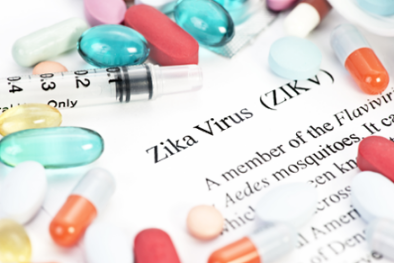
At the height of the outbreak in 2016, more than 200,000 probable cases of acute Zika virus disease were reported in Brazil, according to the World Health Organization. Travelers were warned about visiting the 68 countries where Zika was prevalent.
But as quickly as Zika ramped up — and made headlines — the epidemic faded from public view. WHO declared the end of the Public Health Emergency of International Concern in November 2016, and focus changed from emergency response to long-term commitment for prevention and control.
Does this mean that the threat has passed? Global Rescue experts say no, pointing to the Zika outbreak in Northwestern India in March 2019.
“Zika is present in Mexico, Central America, South America, the Caribbean, tropical areas of Southeast Asia, Oceania and parts of Africa. All travelers are at risk,” said Global Rescue’s medical operations personnel. “Real-time data isn’t always available and there are delays in reporting new cases.”
If you are traveling outside of the continental United States, you should check to see if there have been Zika outbreaks in your destination. The Centers for Disease Control and Prevention (CDC) offers a Zika travel map, and Global Rescue members have access to the latest health and security information through the My Global Rescue App.
As a refresher guide, here are some frequently asked questions regarding Zika.
What are the origins of the Zika virus?
The Zika virus was discovered in 1947 in Zika Forest, Uganda. The virus was found to be present in Uganda’s Rhesus monkey population and the Aedes africanus mosquito.The first humans infected with Zika virus disease were reported in 1954 in Nigeria. The virus remained endemic to parts of Africa and Asia, until an outbreak on Yap Island in the South Pacific in 2013. Other Pacific Islands including New Caledonia, Cook Islands and Easter Island have reported outbreaks.
In October 2015 the CDC published reports from the Federal University of Bahia, Salvador, Bahia, Brazil which confirmed cases of Zika virus disease in Camaçari, Bahia, Brazil. Further reports from Brazil in May 2015 reported pregnant women who became infected with Zika virus disease had an increased risk of birth defects such as microcephaly.
Oahu, Hawaii reported the first case of ZVD-related microcephaly in the United States. The infant’s mother had lived in Brazil during her pregnancy and the infant was likely infected within the womb, as hypothesized by Hawaiian Department of Health officials and the CDC.
How does someone become infected with the Zika virus?
Zika virus disease is an acute viral illness of humans transmitted through the bite of an infected mosquito that has previously fed on a person infected with the Zika virus. There is also emerging evidence to suggest maternal–fetal transmission also may occur near the time of delivery or late in pregnancy.
What are the symptoms of the Zika virus?
Zika symptoms include sudden fever with rash, joint and body pain, headache and conjunctivitis. Symptoms are usually mild and last from several days to a week. Approximately 1 in 5 people infected with the Zika virus will develop symptoms.
What is the risk for pregnant women?
Women who are infected with the Zika virus who are pregnant, or become pregnant, are at an increased risk of birth defects.
The Centers for Disease Control and Prevention has published a list of countries with past or current Zika virus activity. Their current guidance notes “until more is known, and out of an abundance of caution, CDC recommends special precautions for pregnant women and women trying to become pregnant.”
The CDC further advises women who are pregnant or are planning to become pregnant should consult with their health care provider before traveling to these areas.
How can I protect myself against the Zika virus?
There is no vaccine to prevent Zika virus disease, and no medication available to treat Zika virus infection. Prevention of bites by infected Aedes mosquitos is the only effective means of avoiding infection while traveling in regions where the Zika virus is present.
Zika prevention techniques may include:
- Using insect repellents containing either DEET, picaridin, IR3535, or certain oil of lemon-eucalyptus or para-menthane-diol products.
- Application of sunscreen first and then insect repellent. (Always follow the label instructions when using insect repellent or sunscreen.)
- Treating clothing with permethrin or purchase permethrin-treated clothing.
- When weather permits, wearing long-sleeved shirts and long pants.
- Using air conditioning and installing window and door screens to keep mosquitoes outside. If you are not able to protect yourself from mosquitoes inside your local accommodations, sleep under a mosquito bed net.
- Reduce the number of mosquitoes inside and outside by emptying standing water from containers, such as flowerpots or buckets.
Will Zika come to the United States?
As of 2020, the CDC reports no confirmed Zika virus disease cases from U.S. territories. However, cases have been confirmed in people who have traveled to Zika-infected countries or acquired it through sexual transmission.
Although it is impossible to predict whether the virus will spread to mosquitoes in the continental U.S., sporadic small-scale outbreaks of dengue and chikungunya — similar tropical mosquito-borne diseases spread by the Aedesmosquito — have been reported in south Florida and southern Texas.
Public health experts say any U.S. Zika outbreaks are expected to be small and short-lived. Countries that have experienced a rapid spread of Zika are poorer and lack adequate public health response capabilities, limiting their abilities to contain and combat the virus.
In the U.S., well-built homes, screened windows, air conditioning and access to mosquito preventative products are likely to limit or even prevent the spread of the virus.
Stay up-to-date on health and security risks before you travel. From daily event reports, monthly destination reports and specific information requests, a Global Rescue travel protection services membership is a perfect way to travel prepared. Click here to learn more.
Categories:
NewsJanuary 21, 2016
Categories:
Press ReleaseJanuary 19, 2016
Boston, Mass., January 19, 2016 – Global Rescue, a worldwide provider of integrated medical, security, intelligence, travel risk and crisis management services to enterprises, governments and individuals, today announced a partnership with theEducational Travel Community (ETC), an organization dedicated to promoting lifelong learning through travel and advancing the field of alumni and affinity travel. Global Rescue and ETC will collaboratively develop and communicate travel risk management and preparedness best practices to ETC members, and Global Rescue will be the official provider of travel risk and crisis management services to the ETC.
Through this alliance, Global Rescue and the ETC will collaborate to create benefits exclusive to ETC members, including:
-
Comprehensive education regarding travel risk and Duty of Care, including the requirement to disclose potential hazards and provide support to travelers during emergencies.
-
Online training in critical travel risk and crisis management topics and best practices, including emergency action planning.
-
Access to proprietary information and analysis of travel risk topics through ETC member online dashboards.
-
Preferred pricing on travel risk and crisis management preparedness for ETC members.
“Global Rescue’s unique travel risk and crisis management expertise will ensure ETC’s members have access to an intensive education program and information resources necessary to prepare for and address crises in an increasingly challenging global environment,” said J. Mara DelliPriscoli, President, Travel Learning Connections, Inc., and founder of the ETC. “Through this partnership, community members will reap the benefits of world-class education, training and access on risk topics that are critical to alumni and affinity travel planners, their respective institutions, travelers as well as to their purveyors of travel in the decade ahead.”
“ETC is well-positioned to become the leading forum for travel risk management content and training in the alumni and affinity travel industries,” said Global Rescue CEO Daniel L. Richards. “We share the ETC’s commitment to working with this community to improve preparedness, resiliency and to help reduce the risk of liability.”
At the annual Educational Travel Community’s 30th annual Conference in St. Louis, Missouri, January 24-27, 2016, Global Rescue will be a sponsor of the 2016 Risk Management Professional Development Program, an intensive series of workshops on building and auditing an organization’s integrative travel risk management program.
About the Educational Travel Community (ETC)
The Educational Travel Community (ETC) is a membership organization dedicated to promoting lifelong learning through travel and advancing the field of alumni and affinity travel. ETC and its annual Educational Travel Conference, roundtables and workshops offer professional development, mentoring, and networking opportunities for the travel planners at alumni associations, zoos, museums, cultural, and conservation organizations who are responsible for the planning, management and marketing of alumni, member, and donor travel programs, as well as the U.S. and foreign tour operators, travel suppliers and country/regional destinations serving special-interest and lifelong-learning group travel globally.
About Global Rescue
Global Rescue is a worldwide provider of integrated medical, security, intelligence, travel risk management and crisis response services to enterprises, governments and individuals. Founded in partnership with Johns Hopkins Medicine, Global Rescue’s unique operational model provides best-in-class services that identify, monitor and respond to potential threats. Global Rescue has provided medical and security support to its clients, including Fortune 500 companies, governments and academic institutions, during every globally significant crisis of the last decade.
For more information, call +1-617-459-4200 or visit www.globalrescue.com.
Contact:
Ann Shannon
Global Rescue
Press@globalrescue.com
617-426-6619