Loading...

Categories:

News
Share This:

Weather.com – What to Do If a Blizzard Traps Your Car

Share This:

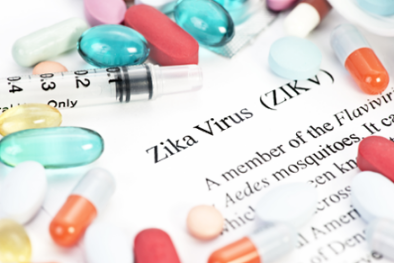
Zika virus: What you should know

Zika ramped up in 2016 — and made headlines — then the epidemic faded from public view until an outbreak in Northwestern India in March 2019. Does that mean the threat has passed? Global Rescue’s…

At the height of the outbreak in 2016, more than 200,000 probable cases of acute Zika virus disease were reported in Brazil, according to the World Health Organization. Travelers were warned about visiting the 68 countries where Zika was prevalent.

But as quickly as Zika ramped up — and made headlines — the epidemic faded from public view. WHO declared the end of the Public Health Emergency of International Concern in November 2016, and focus changed from emergency response to long-term commitment for prevention and control.

Does this mean that the threat has passed? Global Rescue experts say no, pointing to the Zika outbreak in Northwestern India in March 2019.

“Zika is present in Mexico, Central America, South America, the Caribbean, tropical areas of Southeast Asia, Oceania and parts of Africa. All travelers are at risk,” said Global Rescue’s medical operations personnel. “Real-time data isn’t always available and there are delays in reporting new cases.”

If you are traveling outside of the continental United States, you should check to see if there have been Zika outbreaks in your destination. The Centers for Disease Control and Prevention (CDC) offers a Zika travel map, and Global Rescue members have access to the latest health and security information through the My Global Rescue App.

As a refresher guide, here are some frequently asked questions regarding Zika.

What are the origins of the Zika virus?

The Zika virus was discovered in 1947 in Zika Forest, Uganda. The virus was found to be present in Uganda’s Rhesus monkey population and the Aedes africanus mosquito.The first humans infected with Zika virus disease were reported in 1954 in Nigeria. The virus remained endemic to parts of Africa and Asia, until an outbreak on Yap Island in the South Pacific in 2013. Other Pacific Islands including New Caledonia, Cook Islands and Easter Island have reported outbreaks.

In October 2015 the CDC published reports from the Federal University of Bahia, Salvador, Bahia, Brazil which confirmed cases of Zika virus disease in Camaçari, Bahia, Brazil. Further reports from Brazil in May 2015 reported pregnant women who became infected with Zika virus disease had an increased risk of birth defects such as microcephaly.

Oahu, Hawaii reported the first case of ZVD-related microcephaly in the United States. The infant’s mother had lived in Brazil during her pregnancy and the infant was likely infected within the womb, as hypothesized by Hawaiian Department of Health officials and the CDC.

How does someone become infected with the Zika virus?

Zika virus disease is an acute viral illness of humans transmitted through the bite of an infected mosquito that has previously fed on a person infected with the Zika virus. There is also emerging evidence to suggest maternal–fetal transmission also may occur near the time of delivery or late in pregnancy.

What are the symptoms of the Zika virus?

Zika symptoms include sudden fever with rash, joint and body pain, headache and conjunctivitis. Symptoms are usually mild and last from several days to a week. Approximately 1 in 5 people infected with the Zika virus will develop symptoms.

What is the risk for pregnant women?

Women who are infected with the Zika virus who are pregnant, or become pregnant, are at an increased risk of birth defects.

The Centers for Disease Control and Prevention has published a list of countries with past or current Zika virus activity. Their current guidance notes “until more is known, and out of an abundance of caution, CDC recommends special precautions for pregnant women and women trying to become pregnant.”

The CDC further advises women who are pregnant or are planning to become pregnant should consult with their health care provider before traveling to these areas.

How can I protect myself against the Zika virus?

There is no vaccine to prevent Zika virus disease, and no medication available to treat Zika virus infection. Prevention of bites by infected Aedes mosquitos is the only effective means of avoiding infection while traveling in regions where the Zika virus is present. 

Zika prevention techniques may include:

  • Using insect repellents containing either DEET, picaridin, IR3535, or certain oil of lemon-eucalyptus or para-menthane-diol products.
  • Application of sunscreen first and then insect repellent. (Always follow the label instructions when using insect repellent or sunscreen.)
  • Treating clothing with permethrin or purchase permethrin-treated clothing.
  • When weather permits, wearing long-sleeved shirts and long pants.
  • Using air conditioning and installing window and door screens to keep mosquitoes outside. If you are not able to protect yourself from mosquitoes inside your local accommodations, sleep under a mosquito bed net.
  • Reduce the number of mosquitoes inside and outside by emptying standing water from containers, such as flowerpots or buckets.

Will Zika come to the United States?

As of 2020, the CDC reports no confirmed Zika virus disease cases from U.S. territories. However, cases have been confirmed in people who have traveled to Zika-infected countries or acquired it through sexual transmission.

Although it is impossible to predict whether the virus will spread to mosquitoes in the continental U.S., sporadic small-scale outbreaks of dengue and chikungunya — similar tropical mosquito-borne diseases spread by the Aedesmosquito — have been reported in south Florida and southern Texas.

Public health experts say any U.S. Zika outbreaks are expected to be small and short-lived. Countries that have experienced a rapid spread of Zika are poorer and lack adequate public health response capabilities, limiting their abilities to contain and combat the virus.

In the U.S., well-built homes, screened windows, air conditioning and access to mosquito preventative products are likely to limit or even prevent the spread of the virus.

Stay up-to-date on health and security risks before you travel. From daily event reports, monthly destination reports and specific information requests, a Global Rescue travel protection services membership is a perfect way to travel prepared.  Click here to learn more.   

Categories:

News
Share This:

Yahoo Travel – Is Your Cruise Ship Prepared for a Terrorist Attack?

Categories:

Press Release
Share This:

Global Rescue Partners with the Educational Travel Community (ETC)

Boston, Mass., January 19, 2016 - Global Rescue, a worldwide provider of integrated medical, security, intelligence, travel risk and crisis management services to enterprises, governments and individuals, today announced a partnership with theEducational Travel Community…

Boston, Mass., January 19, 2016Global Rescue, a worldwide provider of integrated medical, security, intelligence, travel risk and crisis management services to enterprises, governments and individuals, today announced a partnership with theEducational Travel Community (ETC), an organization dedicated to promoting lifelong learning through travel and advancing the field of alumni and affinity travel. Global Rescue and ETC will collaboratively develop and communicate travel risk management and preparedness best practices to ETC members, and Global Rescue will be the official provider of travel risk and crisis management services to the ETC.

Through this alliance, Global Rescue and the ETC will collaborate to create benefits exclusive to ETC members, including:

  • Comprehensive education regarding travel risk and Duty of Care, including the requirement to disclose potential hazards and provide support to travelers during emergencies.

  • Online training in critical travel risk and crisis management topics and best practices, including emergency action planning.

  • Access to proprietary information and analysis of travel risk topics through ETC member online dashboards.

  • Preferred pricing on travel risk and crisis management preparedness for ETC members.

“Global Rescue’s unique travel risk and crisis management expertise will ensure ETC’s members have access to an intensive education program and information resources necessary to prepare for and address crises in an increasingly challenging global environment,” said J. Mara DelliPriscoli, President, Travel Learning Connections, Inc., and founder of the ETC. “Through this partnership, community members will reap the benefits of world-class education, training and access on risk topics that are critical to alumni and affinity travel planners, their respective institutions, travelers as well as to their purveyors of travel in the decade ahead.”

“ETC is well-positioned to become the leading forum for travel risk management content and training in the alumni and affinity travel industries,” said Global Rescue CEO Daniel L. Richards. “We share the ETC’s commitment to working with this community to improve preparedness, resiliency and to help reduce the risk of liability.”

At the annual Educational Travel Community’s 30th annual Conference in St. Louis, Missouri, January 24-27, 2016, Global Rescue will be a sponsor of the 2016 Risk Management Professional Development Program, an intensive series of workshops on building and auditing an organization’s integrative travel risk management program.

About the Educational Travel Community (ETC)

The Educational Travel Community (ETC) is a membership organization dedicated to promoting lifelong learning through travel and advancing the field of alumni and affinity travel. ETC and its annual Educational Travel Conference, roundtables and workshops offer professional development, mentoring, and networking opportunities for the travel planners at alumni associations, zoos, museums, cultural, and conservation organizations who are responsible for the planning, management and marketing of alumni, member, and donor travel programs, as well as the U.S. and foreign tour operators, travel suppliers and country/regional destinations serving special-interest and lifelong-learning group travel globally.

About Global Rescue

Global Rescue is a worldwide provider of integrated medical, security, intelligence, travel risk management and crisis response services to enterprises, governments and individuals. Founded in partnership with Johns Hopkins Medicine, Global Rescue’s unique operational model provides best-in-class services that identify, monitor and respond to potential threats. Global Rescue has provided medical and security support to its clients, including Fortune 500 companies, governments and academic institutions, during every globally significant crisis of the last decade.

For more information, call +1-617-459-4200 or visit www.globalrescue.com.

###

Contact:
Ann Shannon
Global Rescue
Press@globalrescue.com
617-426-6619

Categories:

News
Share This:

USA Today – Five myths about State Department travel warnings

Categories:

News
Share This:

TravelPulse – Confidence: What Travelers Want in Uncertain Times

Share This:

Attack on Istanbul: A worrisome trend

The tragic attack in Istanbul, Turkey, on 12 January 2016 raises many troubling questions. For an in-depth look at the situation, we spoke with Joseph Mroszczyk, Manager of Intelligence Products and Services at Global Rescue.

The tragic attack in Istanbul, Turkey, on 12 January 2016 raises many troubling questions. For an in-depth look at the situation, we spoke with Joseph Mroszczyk, Manager of Intelligence Products and Services at Global Rescue.

1. What are the details of the Istanbul attack?

At approximately 10:15 local time on 12 January, an explosion in the Sultanahmet district of Istanbul—an area of the city popular among tourists for its historic attractions—killed at least 10 people and injured 15 others in a suicide attack. According to reports, all ten of the people killed were German nationals and many of those injured were foreigners. Reports indicate that a Syrian man with ties to the terrorist group the Islamic State (IS) was behind the attack.

2. Has violence in Turkey increased recently?

Violence in Turkey has escalated over the past six months, ever since the Turkish government ramped up its counterterrorism efforts to include an enhanced partnership with the United States to combat the Islamic State (IS). The Turkish government is currently combatting the PKK (a Kurdish separatist group), DHKP-C (Marxist militants), and IS. These groups have all demonstrated the desire and/or capability to carry out attacks in the country, including in Istanbul. Though many recent attacks have primarily targeted Turkish government and security facilities, such sites are often located near areas frequented by tourists.

3. What other recent attacks have occurred in Istanbul?

This is the latest attack in what has been a string of attacks in Istanbul over the past year. In December alone there was a blast at the Sabiha Gokcen International Airport, claimed by the Kurdistan Freedom Falcons, which killed one aircraft cleaner and injured another, and also an explosion at the Bayrampasa Metro Station which injured five people. There have also been other attacks at Dolmabahçe Palace, police stations, and the US Consulate in 2015. Further, Turkish authorities warned of possible threats to public transportation in Istanbul in July.

In addition, the capital of Turkey, Ankara, has also witnessed increased terrorist activity over the past few months. On 30 December, Turkish authorities announced they detained two suspects believed to be planning a suicide attack during New Year’s Eve celebrations in central Ankara. On 10 October, twin explosions during a demonstration near the city’s central train station killed nearly 100 people and injured 245.

4. How are countries advising their citizens in the wake of this attack?

Many countries – such as Canada, Germany, France, the United Kingdom, and the United States – issued security messages to their citizens in Istanbul after the attack. Most of these messages advised citizens to avoid the Sultanahmet district, follow the advice of local authorities, monitor local media for new developments, and maintain situational awareness and vigilance while traveling in the area.

5. What does this attack mean for Turkey and for its tourists?

This recent attack—which is consistent with tactics associated with IS—represents another example of the deterioration of the security situation in Turkey over the past year. While the country’s southeastern border with Syria and Iraq has historically been a volatile region of the country, violence has recently spread to the streets of major cities like Ankara and Istanbul with devastating effects. Well-organized terrorist groups have demonstrated the intent and ability to carry out attacks against civilians in Turkey in retaliation for enhanced counterterrorism operations against their groups. Though many attacks in the past have specifically targeted Turkish government and/or security assets (particularly so among Kurdish and leftist militants), the recent trend of attacking civilian targets—including those popular among foreign tourists—represents a worrisome shift in terrorist tactics in the country. More attacks in the country, including in cities like Istanbul and Ankara, are likely.

6. What advice can you offer for tourists in Turkey?

  • Avoid large crowds and demonstrations, which may be seen as ideal targets for terrorist groups.
  • Avoid using public transportation, which have also been seen as prime targets.
  • Maintain a low profile and avoid congregating with large groups of Westerners and other foreigners.
  • Maintain situational awareness at all times. Report suspicious behavior, activities, or objects to the authorities.
  • Expect an increased presence of security forces in Istanbul and in other cities around the country. These increased security measures may result in travel disruptions.

If you are currently traveling in Turkey or have questions about upcoming travel, contact Global Rescue Security Operations at 617-459-4200 oroperations@globalrescue.com.


Categories:

News
Share This:

Yahoo Travel – Is Istanbul Safe for Tourists Right Now?

Categories:

News
Share This:

Travel + Leisure – Is Passport-Free Travel in Europe Dead?

Share This:

Travel Risk and Crisis Management guidelines for academic institutions

Global Rescue CEO and Founder Dan Richards delivered a presentation to help schools and organizations meet their "Duty of Care" and "Duty to Disclose" requirements to reduce the risk adverse outcomes from student travel and…

In the wake of the $41.7 million Hotchkiss School verdict, Global Rescue CEO and Founder Dan Richards delivered a presentation at The Association of Boarding Schools (TABS) annual conference to help schools and organizations meet their “Duty of Care” and “Duty to Disclose” requirements to reduce the risk adverse outcomes and resulting lawsuits from student travel and study abroad.

Richards began by relaying the story of Cara Munn, a teenager on the Hotchkiss School-sponsored trip to China, who fell ill with an insect-borne disease that was contracted while on a hike. A local clinic misdiagnosed her condition and she was transferred to a hospital in Beijing where it took weeks before she was flown to the United States. She permanently lost her ability to speak and some of her cognitive ability. Hotchkiss was ruled negligent by the court because they did not:  

  • Have an emergency action plan in place
  • Make advance arrangements to return any inured or ill students to the United States
  • Warn students they could be subject to insect-transmitted diseases
  • Ensure students took insect bite precautions
  • Include medical personnel on the trip

Richards cited an important statistic to the TABS audience: Travel comes with inherent risks: 1 out of 12 (8 percent) of travelers will seek care. He followed up with three major points:

  1. You have a legal duty of care to a person in your charge.
  2. You are open to a negligence suit if this is breached.
  3. The presence of a comprehensive “Emergency Action Plan” can significantly lower your liability.

TABS and Global Rescue – A New Alliance

In addition to the Preparedness 101 presentation, a new alliance between TABS and Global Rescue was announced at the meeting. Under the terms of the agreement, Global Rescue becomes the exclusive global medical and security evacuation provider to TABS, offering global travel risk and crisis management services.  TABS members benefit from Global Rescue’s worldwide medical and security response, travel risk, travel intelligence, and emergency action planning and training services. 

Here’s How Global Rescue Can Help Your School or Organization

For a comprehensive assessment and recommendation regarding a Travel Risk & Crisis Management Program for your school or organization, contact us.


Categories:

News
Share This:

Gothamist – 16 Travel Essentials for 2016

Categories:

Travel
Share This:

Holiday travel tips from a road warrior

As the holiday travel season approaches, Global Rescue interviewed the most experienced travelers we know -- our very own Operations personnel. Drew Pache, a Senior Manager in our Security Operations Department and a former Green…

As the holiday travel season approaches, Global Rescue interviewed the most experienced travelers we know — our very own Operations personnel. From remote corners of South Africa to the Himalayan mountains and the Great Wall of China, Global Rescue deploys our security and medical specialists around the world to assist our members. If anyone knows how to handle stressful travel, it’s this team.  

Drew Pache, a Senior Manager in our Security Operations Department and a former Green Beret, has some tips on staying safe and sane while on the road this holiday season.

1. Pack a small first aid kit

Everywhere I go, I always bring at least a few basic supplies, including Band-Aids, tweezers, Ibuprofen, Pepto-Bismol tablets, and some type of non-drowsy antihistamine. Super glue and a small sewing kit are great for keeping my clothes together in the field but can also be used on cuts in a pinch.

2. Stay hydrated

Most of the time when I’m feeling under the weather, it’s because I haven’t consumed enough water. Got a headache? Drink water. Feeling tired? Drink water. I always take an empty water bottle through security when flying and fill it up on the other side at a water fountain or sink. I stay away from alcohol, too. While grabbing a couple of beers might make the long flight a little better, it’s not worth feeling dehydrated and hungover on the plane. This is especially true on international flights.

3. Naps

I’m a huge fan of naps and will take one whenever I can. I’ve slept in planes, airports, vans, and the back of moving pickup trucks. I’ve learned a lot of things while at Global Rescue, but the ability to sleep anywhere is one of my favorites. So long as you keep it under 30 minutes, you’ll wake up feeling refreshed and ready for whatever’s next. I carry around a cheap pair of foam earplugs to block out jet engines, crying babies, and anything else that will wake me up.

4. Keep a good attitude

With so many people traveling at once, it’s always going to be difficult during the holidays. Getting stressed out isn’t going to make anything go faster. If your flight is delayed or even canceled, there’s no point in getting angry with the ticket agent since it’s not up to them when your flight takes off. In fact, just being nice to the ticket agent has gotten me more free upgrades than my frequent flier number ever has.