Categories:
Press ReleaseJuly 27, 2015
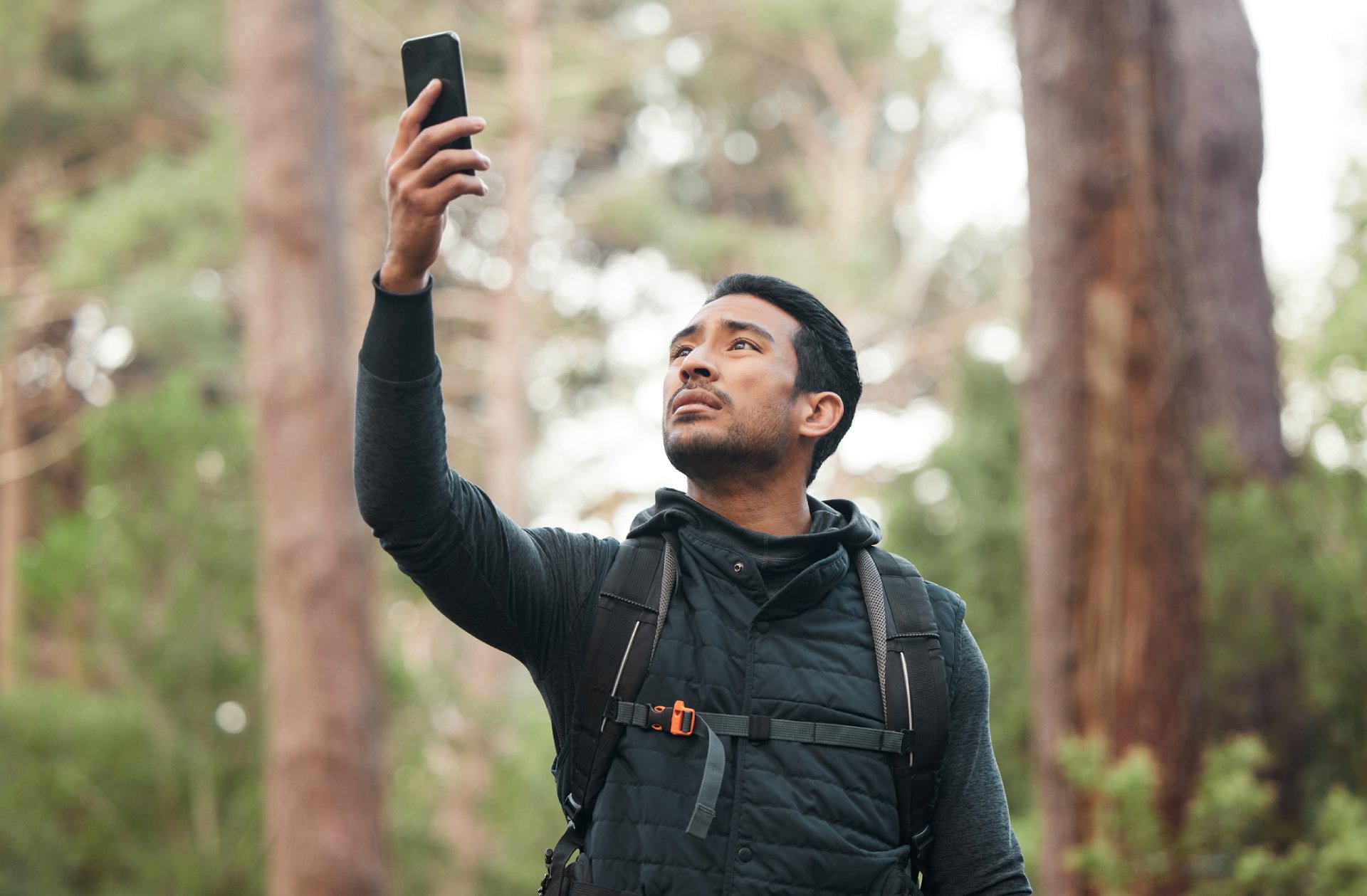
Boston, Mass., July 27, 2015 – As threats to global travelers increase in countries throughout the world, Global Rescue has developed an app to help keep travelers safe and support enterprises in meeting their legal Duty of Care responsibilities. The Global Rescue app puts critical medical, security and other essential real-time travel intelligence at travelers’ fingertips. In an emergency, the app also puts travelers in immediate contact with Global Rescue’s medical and security teams which are comprised of the paramedics, physicians and military special operations veterans who staff the company’s global operations centers.
“The need for real-time travel intelligence and crisis response services has never been greater,” said Dan Richards, CEO and founder of Global Rescue. “To stay safe while traveling abroad, travelers must have immediate access to critical information and a system that can be tailored to efficiently deliver that information. Mobile applications have also become an important asset for enterprises seeking to meet their Duty of Care responsibilities and our new app provides a combination of functionality and services currently unavailable anywhere else in the marketplace.”
Travelers are increasingly relying on mobile devices for updates during their travels. According to a recent survey by TripAdvisor, more than 87% of the 30,000 people surveyed reported using a smart phone while on their trips.
While many organizations recommend that travelers download applications that provide personal travel details such as airline or hotel booking applications, many travelers lack immediate access to travel intelligence information or communication capabilities that may be life-saving in the event of a medical or security emergency.
Global Rescue mobile app features include:
-
Destination Reports – Detailed information on over 200 countries, including: health and security risk assessments, entry and exit requirements, exchange rates, important phone numbers, weather conditions and other essential information. Travelers can access recent regional events, compiled by Global Rescue’s in-house intelligence analysts.
-
Real-time Alerts – Travelers can review real-time alerts delivering critical information on locations of interest. Global Rescue enterprise clients can configure their alerts by event severity, category and destination and immediately know which travelers are impacted.
-
Status and Location Updates – Travelers are able to indicate that they’re okay or in need of assistance by “checking-in” by using their mobile device to transmit their message with their GPS coordinates to Global Rescue’s operations centers and those they designate.
-
In-App Text Messaging – Secure two-way text messaging with Global Rescue’s operations professionals who are standing by 24/7 to answer travelers’ questions.
-
Emergency Notification – A one-touch emergency button that immediately alerts Global Rescue’s operations teams that a traveler is in distress with the GPS coordinates of the traveler’s location.
The Global Rescue app is designed for iOS (iOS 5 and above), Android (4.4 and above) and BlackBerry 10.2 and above) platforms. The app is now available on the App Store, Google Play, and BlackBerry App World.
For more information on the Global Rescue app or on the company’s services, call +1-617-459-4200 or visit www.globalrescue.com.
About Global Rescue
Global Rescue is a worldwide provider of integrated medical, security, intelligence, travel risk management and crisis response services to corporations, governments and individuals. Founded in partnership with Johns Hopkins Medicine, Global Rescue’s unique operational model provides best-in-class services that identify, monitor and respond to potential threats. Global Rescue has provided medical and security support to clients during every globally significant crisis of the last decade. Memberships start at $119 and entitle members to rescue and transport services to their home hospital of choice.
For more information, call +1-617-459-4200 or visit www.globalrescue.com.
Categories:
NewsJuly 23, 2015
Categories:
NewsJuly 11, 2015
Categories:
Missions & Member TestimonialsJuly 10, 2015
In a July 6th USA Today article, travel columnist Everett Potter explored common myths about medical evacuations. Is medical evacuation really just another name for travel insurance? Do credit cards offer the same type of coverage as medical evacuation? In Potter’s latest column, Global Rescue CEO Dan Richards debunks these myths with the real facts about medical evacuations. Read the article, here.
Categories:
Missions & Member TestimonialsJuly 8, 2015
Dr. Loren Greenway
Dr. Loren Greenway, CEO of the Wilderness Medical Society (WMS), leads the world’s foremost organization devoted to wilderness medical issues. The WMS has selected Global Rescue as its official medical and security provider for the past five years. Its members travel the globe exploring health challenges in remote and sometimes dangerous or extreme locations.
We spoke with Dr. Greenway about the latest developments at WMS, backcountry preparedness, and the partnership with Global Rescue.
What’s new with the Wilderness Medical Society?
WMS plans to launch a marine medicine diploma, covering environmental issues, diving issues, marine conservation issues and animal issues. So now alongside the mountain medicine diploma offered by WMS, there will be a diploma in marine medicine that’s never been seen before.
How did the marine diploma come to fruition?
Historically, our society has been mountain-centric. However there are many people who care about diving and marine science, desert medicine, jungle medicine, and all kinds of other things, and not so much about mountains. What we’re trying to do is add a multidimensional focus to wilderness medicine, so that when people hear the term ‘wilderness medicine’ they don’t automatically think only of climbing mountains.
Do you recommend that anyone heading into the backcountry take a course first?
From my perspective, everyone who goes into the wilderness should take a wilderness first aid course. They’re not that expensive. The Red Cross offers them. These courses stress the idea that you’re not going to be able to call 911 and expect someone to come and get you in a few minutes. That’s not the way it works in the real world. Trip leaders should have at least a wilderness first responder course, maybe a wilderness EMT, and they ought to have a lot more training than the ‘average Joe’ just hiking around in the backcountry. We’ve seen an increase in incidents that would be pretty preventable if people just had a little more savvy about themselves and the backcountry.
What kind of preventable incidents?
People twisting, spraining, cutting — mostly camp safety stuff. We do a lot of adventure travel and we always kind of start out with the ‘don’t be stupid’ kind of talks. Those seem to be really helpful.
Are you seeing an increase the use of satellite phones?
We have had long debates about whether or not we ought to provide sat phone coverage for all of our adventure trips, because in fact we can get cell coverage just about anywhere now. Sat phones are nice but they’re relatively expensive, and in many situations you can get good reception. However, it can’t be stressed enough that a good method of communication is really important.
Aside from phones, I always take with me and recommend that people have some kind of GPS locator that has the ability to communicate more than just where you are. If you’re stuck, you can say, “I’m stuck but I’m ok, I’m not going to die” or “I need help right away.” There are a handful of companies that provide that service. It’s mandatory for trip leaders but everybody else ought to have it too.
How would you describe the benefits of WMS membership to someone who is considering joining?
The benefit of membership in the Wilderness Medical Society is that we’re a not for profit, membership- based organization. We care more about safety, science, and our members than we care about making money. What that means is that not all trekking and expedition companies are equal. Some are a lot better than others and some care more about taking care of clients than others do. We put ourselves in the group that cares more about the client, the experience, and the science that we can generate than we care about making money off people.
WMS is now in its fifth year of the partnership with Global Rescue. How has this partnership benefited WMS?
The relationship that we have experienced over the last five years has been really positive for the Wilderness Medical Society in our adventures. We’ve tested Global Rescue’s services in the past in many different situations and it has worked out really well. I’ve heard some horror stories from people who thought that they had good evacuation coverage and it just didn’t come to pass when it was actually needed.
Global Rescue will be at the Wilderness Medicine Conference and WMS Annual Meeting in Breckenridge, Colorado, July 10-15, 2015.
Categories:
NewsJuly 6, 2015
Categories:
Missions & Member TestimonialsJuly 2, 2015
Brittany and Noah Myers, on top of Gokyo Ri the day before the Nepal earthquake
Brittany Myers and her husband, Noah, of New York City had just embarked on what was to be the trip of a lifetime. Married earlier this year, they delayed their honeymoon with plans to take a longer trip. Both are avid climbers and trekkers, so the ideal honeymoon destination was Nepal, where neither had been.
In late April 2015, when they had finally begun their trip, they were deep in the Gokyo Valley when the unthinkable happened. A 7.8 magnitude earthquake shook Nepal. Brittany and Noah were without a guide, intending to trek through Nepal completely on their own. Global Rescue provided much-needed support in the aftermath of the earthquake.
“When the wind blows in the Himalayas, it makes a lot of noise, so at first it didn’t really seem like anything,” Brittany said, reflecting on her experience. “It became loud very quickly and suddenly everyone was panicked.” Fortunately for Brittany and Noah, the earthquake was not particularly damaging where they were. They were unharmed. However, it had become difficult to gather accurate information about which parts of the country were affected, and other equally pressing concerns.
Immediately after the earthquake, rumors swirled. Without access to credible information, Brittany and Noah struggled with what to do next. The couple decided to retreat from the Gokyo Valley, and head to the more densely populated Khumbu Valley, where it would be more likely to find other trekkers and climbers with information. After a two-day walk, they arrived Dingboche, where there was the only working landline and satellite wifi service through the entire Everest region. Here they were finally able to reach home. Brittany reached her parents to let them know that she was okay. Brittany’s mother took it one step further. Remembering that her daughter was a member of the American Alpine Club, and that the AAC offered its members Global Rescue services, Brittany’s mother called Global Rescue to let them know her daughter’s location.
Global Rescue established communication with Brittany and provided timely and reliable information regarding the status of Lukla airport, among other updates. This information helped Brittany and Noah reach a decision about whether or not it was better to get out of the country as fast as possible, or to wait until the backlog at the airport had cleared. “We decided to extend our stay mostly because Lukla was in really bad shape,” said Brittany. “We extended our time and luckily, when we arrived in Lukla, it was relatively calm and we were able to leave easily.”
“The information from Global Rescue was essential. More than that, however, was the peace of mind Global Rescue provided when a medical issue arose.” In the last few days of the trip, Brittany became very sick. “It was the most awful I ever remember feeling,” Brittany recalled. “A Global Rescue team member who was communicating with me said there were paramedics in Lukla. I strangely felt much better the next morning and didn’t need the paramedics, but it was really helpful to know that I could reach out to them if I needed to.”
Despite their interrupted honeymoon in Nepal, Brittany has no reservations about returning in the near future. The couple is already planning their next trip for April 2016, one year after the earthquake. Back in the U.S., Brittany remains involved with the Nepal humanitarian effort. While in Nepal, she and her husband made contact with other trekkers and climbers who had already started to help with relief. Brittany and Noah assisted while there and continue to spread the word about aid donations and keeping the needs of Nepal in the spotlight.
Asked about Global Rescue membership for future travels, Brittany responded: “Absolutely. It was great to know that your team had more information than my family, and if I’d had major issues, your services would have been a great help too. Global Rescue was really on top of it and helped to calm my mind.”

Trekkers en route to Thame to meet with locals and coordinate delivery of roofing materials. Landslides are visible on side of the river.
Categories:
Missions & Member TestimonialsJune 26, 2015
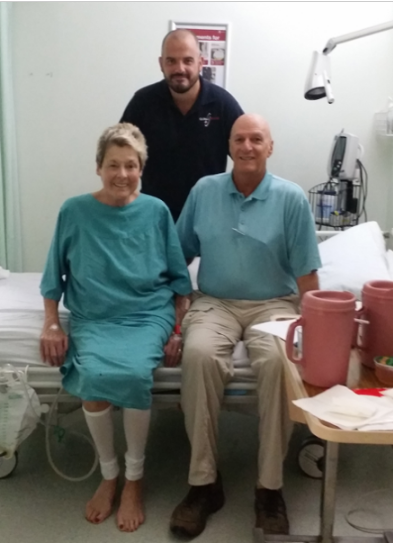
Marte Muelrath, Global Rescue Senior Specialist Paramedic Andrew Fraser (center) and Don Muelrath
When Don and Marte Muelrath decided to book a fishing trip off the coast of Northwestern Australia, they knew they were headed to a beautiful but remote environment. After flying from the U.S. to Perth, the Muelraths boarded an aircraft that flew them to the tiny town of Exmouth, located on a narrow spit of land that juts out into the Indian Ocean.
The marine wildlife and fishing in this part of the world are outstanding and both Don and Marte were looking forward to an enjoyable trip.
Unfortunately, it wasn’t meant to be. While en route to Australia, Marte began to experience belly pain that got progressively worse. They arrived in Exmouth in the evening after nearly a full day of travel and Marte’s discomfort had worsened to the point where they sought a referral to the nearest clinic to have her examined by a doctor.
As soon as they arrived at the small hospital and had access to communications, Don contacted Global Rescue for help.
“Not sure what is happening or what to do,” Don wrote. “We are about 22 hours of flight time from home. We live in Napa, California, and fly into San Francisco.”
As is often the case, local resources were limited. Marte had X-rays and an ultrasound but no MRI was available. The local physician diagnosed a potentially serious abdominal condition, but admitted that his diagnosis and ability to provide treatment were constrained by the lack of equipment. As this was occurring, Marte’s pain continued to worsen.
After receiving contact from Don, Global Rescue Medical Operations personnel, supported by Johns Hopkins Medicine, engaged immediately with the attending physician. It was obvious that Marte required further imaging, diagnostics and treatment beyond what the small hospital could offer.
After reviewing the records received from the hospital, Global Rescue’s medical team deployed a private, medically equipped aircraft to immediately transport Marte from Exmouth to Perth, where a medical center of excellence could provide further testing and treatment. Senior Specialist Paramedic Andrew Fraser was also deployed from Global Rescue’s Bangkok Operations Center to ensure that the best possible care was delivered and that information was being transmitted in a timely manner.
At the hospital in Perth, Marte’s diagnosis was confirmed and she was provided with the lifesaving treatment she needed.
“Global Rescue’s paramedic was incredible,” commented Don. “His knowledge, level of attention, and ability to get things done made our unfortunate experience ‘endurable.’ He was with us daily for the eight days my wife was recovering in an Australian hospital.”
Marte was stable enough to travel after a little more than a week in the hospital. Once she was ready to be discharged, Global Rescue’s Senior Specialist accompanied the Muelraths as they departed on the flight home. Upon arrival in Napa, California, Marte was admitted to a local hospital for further treatment.
Don, a fishing travel agent who runs Fly Fishing Adventures, noted that he is telling his clients about Global Rescue. “I’ve added the following to all our invoices for fishing trips: ‘Global Rescue has provided a very meaningful and beneficial service for us both personally as well as for many clients and we strongly recommend their evacuation services.’”
“We had heard a lot of good things about Global Rescue, but our personal experiences with you were more than we could have wished for!”
Categories:
Health & SafetySecurity & IntelligenceTravelJune 12, 2015
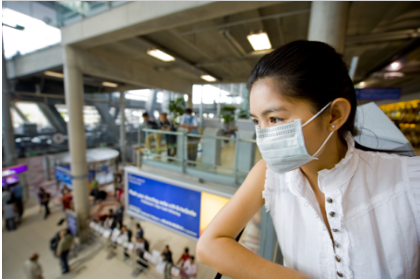
Last year, we posted a warning about MERS-CoV, or Middle East Respiratory Syndrome Coronavirus. This year, the list of countries affected by MERS has expanded significantly to include South Korea and China. As of June 12, 126 confirmed cases have been reported in South Korea, with 13 deaths. Approximately 3,680 other people are in quarantine in Korea and being monitored after contact with MERS-CoV patients.
According to data from the WHO on 11 June, 1,227 laboratory-confirmed cases of MERS-CoV have been reported worldwide, including at least 449 deaths, since September 2012. Thus far, MERS is most prevalent in Saudi Arabia, which has recorded over 1000 cases and 450 deaths. Meanwhile, the UAE has recorded 75 MERS-CoV cases, five of which were diagnosed in 2015. The UAE has the third largest number of cases in the world after Saudi Arabia and South Korea.
Before heading to regions affected by MERS, review risks, prevention and treatment.
Transmission:
The primary source of transmission is from infected animals to people working closely with the animals, with limited human-to-human transmission. Camels are suspected to be the main animal source of infection but this has yet to be confirmed by health authorities and investigations regarding the source are ongoing. The incubation period is 2-14 days.
Who is at risk:
–Older individuals (>65 years of age)
–Individuals with chronic diseases (e.g. heart disease, kidney disease, respiratory disease, nervous system disorders, diabetes)
–Individuals with immunodeficiency (congenital or acquired)
–Patients with malignancy
–Patients with a terminal illness
–Pregnant women
— Children
Signs and symptoms:
–Fever
–Cough
–Shortness of breath
–May have gastrointestinal symptoms such as diarrhea, nausea or vomiting.
It should be noted that not all infected individuals will exhibit symptoms. Those who have traveled to affected regions should be cautious, regardless of their activities or outward symptoms.
Treatment:
There is no specific treatment for MERS-CoV infection. The current treatment regimen involves supportive care to alleviate symptoms and provide support to vital organ functions.
Prevention:
- Observe good personal hygiene at all times.
2.Practice frequent hand-washing (before handling food or eating, after going to the toilet or when hands are soiled). Use alcohol-based hand sanitizer if soap and water are not available.
3. Avoid close contact with persons suffering from acute respiratory infections.
4. Cover your nose and mouth with a tissue when you cough or sneeze, then throw the tissue in the trash.
5. Avoid touching your eyes, nose and mouth with unwashed hands.
6. Get vaccinated against influenza and meningitis. While there is NOvaccination against MERS-CoV, vaccinations against influenza and pneumococcal infection can help prevent these common infections that have symptoms similar to MERS-CoV.
9. If you are traveling to the affected regions and have pre-existing chronic conditions, consult your doctor prior to your travels for medical travel advice.
10. Should you become unwell with fever and cough during or after your recent travel (within two weeks) to affected regions, wear a mask and seek medical attention immediately.
See additional recommendations and guidance on CDC’s MERS website:http://www.cdc.gov/coronavirus/mers/hcp.html
Contact Global Rescue Operations at 617-459-4200 or operations@globalrescue.com with questions regarding MERS.
Categories:
NewsJune 6, 2015
Categories:
Missions & Member TestimonialsJune 4, 2015
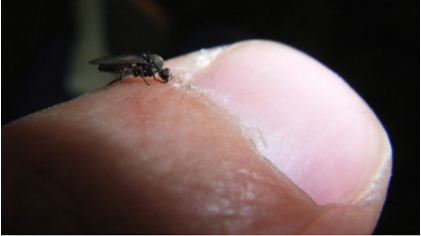
(Photo credit: Centers for Disease Control and Prevention)
As students travel abroad in increasing numbers, academic institutions are struggling to develop the strategies and resources needed to address developing risks. Last month, the Los Angeles Times reported that two Jewish groups were sued by the parents of four Los Angeles high school students after their children contracted Leishmaniasis, a disease that causes painful skin ulcers. The parents state that the trip leaders took no precautions to protect or inform the students of the possibility of contracting the disease despite having “previous problems” with sand flies on past trips. The parents state that the school failed in its “duty of care” obligations to the students. Duty of care is a legal concept that requires organizations such as tour operators and academic institutions to disclose the risks of travel to travelers and provide suitable medical and security resources as necessary.
Another more severe example occurred in 2007 when a teenager on a school trip to China contracted an insect-borne illness while hiking. The illness permanently damaged the teenager’s fine motor skills and ability to speak. A court case later awarded the teenager $41.7 million because the school failed its duty to disclose potential hazards and duty of care once the illness occurred. Trip leaders did not warn the students that they would be in an area with insect-borne diseases, took no steps to reduce the likelihood of contracting the disease, and failed to recognize and treat the disease once it started. If a proper risk management system had been in place, all three failures could have been avoided.
Tour operators and academic institutions around the world must develop plans to keep their travelers and students safe. The U.S., U.K. and EU have all developed legal frameworks that require organizations to have risk assessment and crisis management plans in place. These duty of care laws can have severe consequences for organizations that do not have proper protocols. Many organizations have developed uncoordinated solutions that look good on paper, but fail to provide sufficient support to their travelers in times of crisis.
We developed the Global Rescue Travel Risk and Crisis Management (TRCM) program specifically to help tour operators and academic institutions fulfill their duty of care obligations. Our TRCM program provides critical pre-planning and assistance, ensuring the highest likelihood of preventing emergencies and having positive outcomes in an emergency. With Global Rescue’s TRCM program, tour operators and academic institutions can be proactive and prepare for potential threats to travelers rather than just react to an emergency and face the consequences.
To learn more about the Global Rescue Travel Risk and Crisis Management Program, contact us at memberservices@globalrescue.com or 617-459-4200.