Loading...

Share This:

Global Rescue engaged in rescue operations following Nepal earthquake

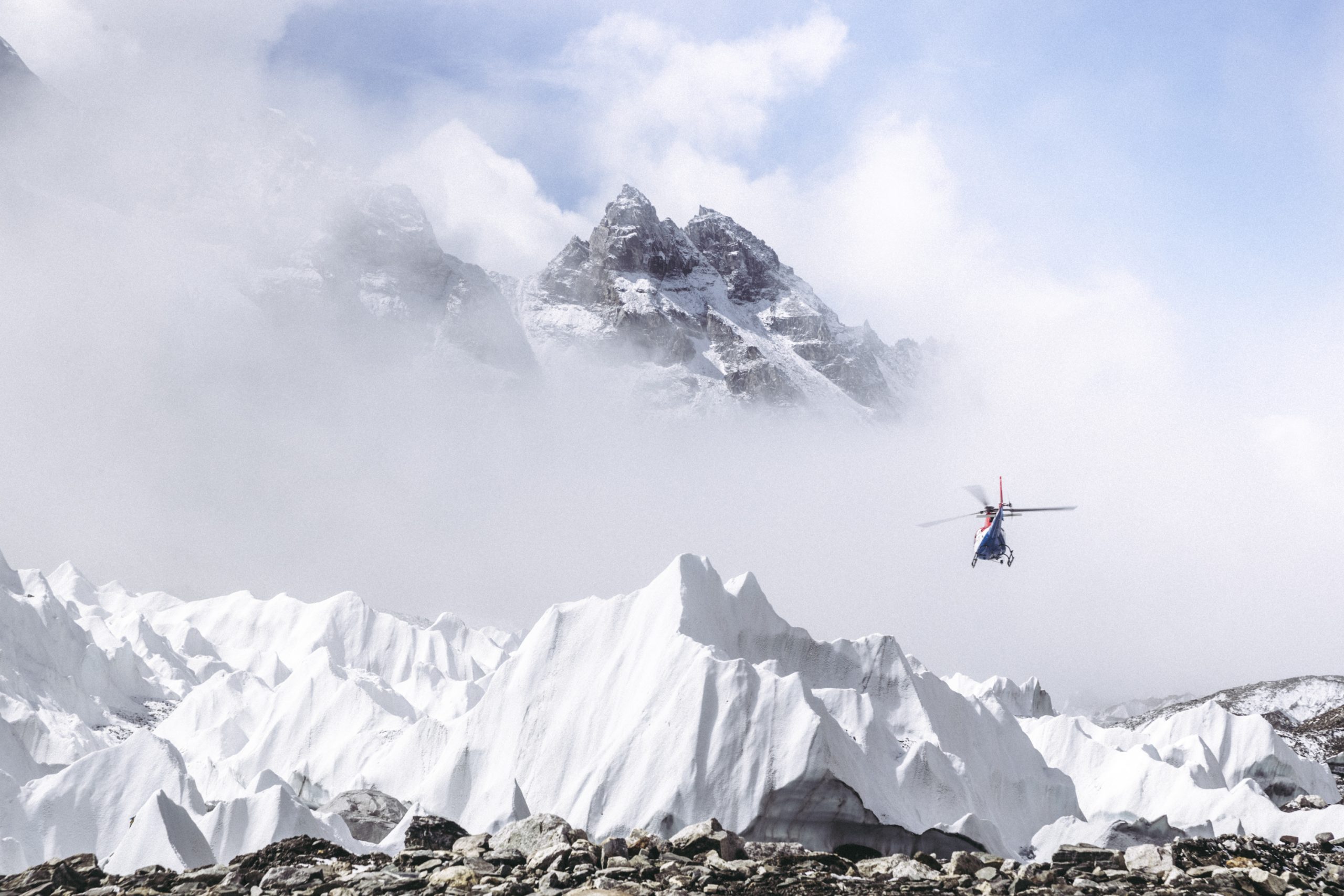
Following the worst earthquake to strike Nepal in almost a century, Global Rescue is actively engaged on the ground conducting rescue operations for clients and members impacted by the tragedy.

Following the worst earthquake to strike Nepal in almost a century, Global Rescue is actively engaged on the ground conducting rescue operations for clients and members impacted by the tragedy.

The earthquake resulted in hundreds of deaths, injuries, and at least one reported avalanche on Mount Everest. The quake struck on Saturday shortly before noon local time with an epicenter approximately 50 miles from the capital of Kathmandu.

Global Rescue is deploying additional personnel to join its team already in Nepal for the Himalayan climbing season. Following the quake and avalanche, we are communicating with and providing intelligence to clients and members in the region to ensure their safety and are actively coordinating air resources for evacuations.

“This tragedy is heartbreaking, particularly after the events of the 2014 climbing season,” said Dan Richards, CEO and founder of Global Rescue. “The scale of the disaster is very large and our operations teams are working around the clock to ensure the safety of our clients and extract those who need it to safety.”

Global Rescue’s trained personnel have been conducting rescue and evacuation missions in Nepal every season for more than a decade. Global Rescue typically performs dozens of helicopter evacuations in the Himalaya each year. The company regularly sends its medical and security teams, including former military special operations personnel, critical care paramedics and physicians, around the world to personally respond to members facing emergencies.

To request assistance, please contact Global Rescue Operations at 617-459-4200 or operations@globalrescue.com.


Categories:

Press Release
Share This:

Global Rescue Engaged in Rescue Operations Following Nepal Earthquake

Boston, Mass., April 25, 2015 -- Following the worst earthquake to strike Nepal in almost a century Global Rescue, a worldwide provider of integrated medical, security, intelligence, travel risk management and crisis response services to…

Boston, Mass., April 25, 2015 — Following the worst earthquake to strike Nepal in almost a century Global Rescue, a worldwide provider of integrated medical, security, intelligence, travel risk management and crisis response services to enterprises, governments and individuals, is actively engaged on the ground conducting rescue operations for clients and members impacted by the tragedy.

The earthquake resulted in hundreds of deaths, injuries, and at least one reported avalanche on Mount Everest. The quake struck on Saturday shortly before noon local time with an epicenter approximately 50 miles from the capital of Kathmandu.

Global Rescue is deploying additional personnel to join its team already in Nepal for the Himalayan climbing season. Following the quake and avalanche, the company is communicating with and providing intelligence to clients and members in the region to ensure their safety and is actively coordinating air resources for evacuations.

“This tragedy is heartbreaking, particularly after the events of the 2014 climbing season,” said Dan Richards, CEO and founder of Global Rescue. “The scale of the disaster is very large and our operations teams are working around the clock to ensure the safety of our clients and extract those who need it to safety.”

Global Rescue’s trained personnel have been conducting rescue and evacuation missions in Nepal every season for more than a decade. Global Rescue typically performs dozens of helicopter evacuations in the Himalaya each year. The company regularly sends its medical and security teams, including former military special operations personnel, critical care paramedics and physicians, around the world to personally respond to members facing emergencies.

To request assistance, please contact Global Rescue Operations at 617-459-4200 or operations@globalrescue.com.

About Global Rescue

Global Rescue is a worldwide provider of integrated medical, security, intelligence, travel risk management and crisis response services to corporations, governments and individuals. Founded in partnership with Johns Hopkins Medicine, Global Rescue’s unique operational model provides best-in-class services that identify, monitor and respond to potential threats. Global Rescue has provided medical and security support to clients during every globally significant crisis of the last decade. Memberships start at $119 and entitle members to rescue and transport services to their home hospital of choice.

For more information, call +1-617-459-4200 or visit www.globalrescue.com.

Categories:

News
Share This:

Outside Magazine – Rescue operations on Mt. Everest following a 7.9-magnitude earthquake – featuring Global…

Share This:

“When we were hit by windshear, I knew the plane was going to crash”– Global…

Global Rescue member Eric Lundahl, the owner of a sport fishing company, travels between Northern California and Baja Mexico monthly, often piloting his own Cessna 182.  Recently retired, the 61-year-old Lundahl became more heavily involved…

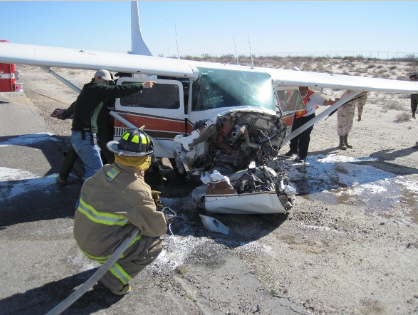
A plane crash in San Felipe, Mexico, caused extensive damage to Eric Lundahl’s Cessna 182, injuring Lundahl and his copilot

Global Rescue member Eric Lundahl, the owner of a sport fishing company, travels between Northern California and Baja Mexico monthly, often piloting his own Cessna 182.  Recently retired, the 61-year-old Lundahl became more heavily involved in his La Paz-based business. “I knew I would be traveling monthly, back and forth, for the next three to five years.  I decided it would be good if I had some sort of emergency coverage.”

Lundahl, a life-long pilot, purchased a Global Rescue membership in January 2014 as a precaution.  “Traveling these distances through Baja can have its challenges and dangers,” he said. “I had no idea I would need Global Rescue so soon!”

Lundahl left La Paz one morning in early November 2014, heading for his first stop near the U.S – Mexico border. But this was not to be a typical flight. “The winds were up pretty good, blowing 29 knots from the north,” he recalled. The heavy winds slowed his travel and made it necessary for an unscheduled landing in San Felipe, Mexico, for fuel. Upon final approach, he experienced windshear, which was “like the hand of God pulling the airplane into the ground.” 

The airplane hit the ground 50 yards short of the runway, skidded on to the runway, and came to rest.  Both Lundahl and the copilot were knocked out at the time of the landing. “Fortunately, we didn’t roll the airplane over,” he recalled.


Site of Eric Lundahl’s plane crash in San Felipe, Mexico

All four people on board were able to get free of the wreckage. Lundahl and his copilot had serious injuries which would require transport to a U.S. trauma center.

“My copilot was hurt fairly bad, and he was still unconscious,” said Lundahl. “I didn’t think I had any broken bones so I was able to get out of the airplane. I was loaded into a fire truck that arrived on the runway and was taken to the local clinic, where services were very limited. I mentioned that I carry Global Rescue, which is exactly for this kind of emergency. I called Global Rescue and explained what had happened. That’s where Global Rescue stepped in and saved me,” Lundahl said.

The Global Rescue operations team sprang into action.  “Every 30 minutes, I had a call from Global Rescue. They would call just to check on me, make sure that I was conscious, aware and being cared for, which was very good. Not long after, a very clean ambulance with an English/Spanish speaking doctor and a paramedic arrived, all arranged by Global Rescue.”

Lundahl was transported by ambulance to the border. “The crossing of the border into the United States can be horrendous – a couple of hours – in an automobile. For us, it was seamless. The Customs people knew who I was. They even knew that I had Global Rescue coverage.”

Once in the U.S., Lundahl was transported by helicopter to a San Diego trauma center.

“I got to my room and Global Rescue called to check that I was in my room and was well taken care of.  The next morning, I was pretty surprised when a young man walked into my room and said, ‘Hi, I’m your Global Rescue paramedic.’ He was there to oversee my medical care and to make sure I got home safely.  That was over and above what I expected. I did not expect that level of service.”

Lundahl underwent a battery of tests and remained in the trauma center for a couple of days.  “I don’t care much for hospitals and was itching to get out of there.  Global Rescue’s paramedic was very good about calming me down and making sure I got the proper care.”

Lundahl’s injuries were mostly facial, including a cut which severed all the nerves from the right side of his face. A few teeth were missing and he suffered a fractured bone in his jaw. Global Rescue’s paramedic remained with him until he was discharged and well enough to travel home.

Lundahl is on the road to recovery. “I am doing quite well, though still a little sore. I apparently crushed my right hand too. My face is still a little numb, but I’m coming back.  Not bad at all.”

Lundahl is thankful he made the decision to purchase Global Rescue.  “For 329 dollars a year for an individual medical membership, it’s very reasonable for the kind of coverage Global Rescue offers, so I decided to purchase it. I didn’t think I’d need it quite as soon as I did. Boy, am I glad I bought Global Rescue.”

Based on his experience with Global Rescue, Lundahl is spreading the word. “My sport fishing business handles more than 1,000 clients a year who travel in and out of Mexico.  We’d like to make sure that all of our clients are aware that Global Rescue offers this type of coverage. I also give several talks to flying clubs every year. You can be sure that I will bring up a few photographs of the crash and tell them, ‘Global Rescue is how you handle it.’”

Lundahl concluded:  “Global Rescue’s service was superb. I would recommend no other.”


Eric Lundahl catches a Rooster while fly fishing in the Sea of Cortez


Share This:

Emergency in Argentina — “Global Rescue was over the top!”

Barry and Cathy Beck organize trips for small groups in pursuit of the best fly fishing and photographic opportunities. They recently shared the story here about Global Rescue on their blog:

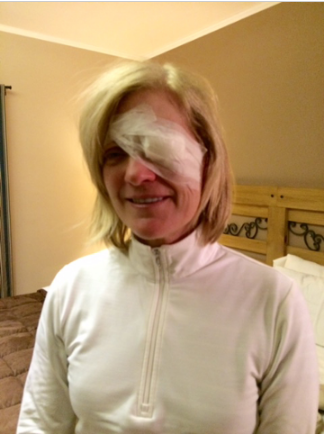
Fishing with an eye patch — Mary Innocenzi in Argentina (photo courtesy of Barry & Cathy Beck)

Barry and Cathy Beck organize trips for small groups in pursuit of the best fly fishing and photographic opportunities. They recently shared the story below about Global Rescue on their blog:

“We are in Argentina writing about Global Rescue from personal experience. A few days ago, Mary Innocenzi had trouble removing a contact lens after a particularly windy, dusty, day on the Malleo River. Her eyes were dry and scratchy when she got back to the lodge, but didn’t think too much about it. The next morning she had excruciating pain on the left side of her face and couldn’t open her left eye. We decided to take her into the clinic in San Martin de los Andes. On the way we learned that she had Global Rescue medical evacuation coverage so we called them from my cell phone in the car.

“We had heard reports about how good Global Rescue is in extreme medical emergencies and I wondered how this would go. We certainly had an emergency, but it wasn’t like a fractured pelvis in the middle of Bolivia or something like that. We were in a comfortable vehicle a few minutes away from good medical care. Well, I have to tell you that our experience with Global Rescue was over the top. Not only did they stay in constant contact with us, but they wanted to know all the details of treatment and were very concerned about Mary’s condition. Even after seeing a doctor in the local clinic and returning to the lodge, Global Rescue called several times to follow up on Mary and the treatment. We were all very impressed and decided right then and there that this is the medical evacuation company we want in any emergency while traveling anywhere!

“Mary suffered a cut cornea and has not had a comfortable week, but she continues to fish with an eye patch and she says it’s getting better everyday.”

Thanks for sharing this story, Barry and Cathy. We wish you a speedy recovery, Mary!


Categories:

Health & SafetyTravel
Share This:

The Master Packing List for the Outdoors

Each year, people head outdoors for many different reasons. While each season brings different outdoor environments, it can be challenging to compile a “master packing list” that covers the full range of outdoor activities.

Each year, people head outdoors for many different reasons. While each season brings different outdoor environments, it can be challenging to compile a “master packing list” that covers the full range of outdoor activities.

At Global Rescue, our operations centers are staffed by experienced nurses, paramedics and military special operations veterans. With decades of experience, our operations teams have lived and worked in conditions spanning Arctic cold to desert heat.

When it comes to packing for the outdoors, having the right equipment on the trail will not only keep you alive but it will also keep you comfortable, allowing you to fully enjoy whatever trip or activity you choose.

As you get ready to head outdoors, Global Rescue operations personnel recommends dividing your gear into three piles.

The first two piles of gear should be suitable to fit into a larger backpack and a smaller day pack. The third pile should be small enough to fit inside the pocket of your pants, or worn somewhere on your body.

What should be within these three piles? Find out below.

The Larger Backpack

These items are for living and comfort and include the following:

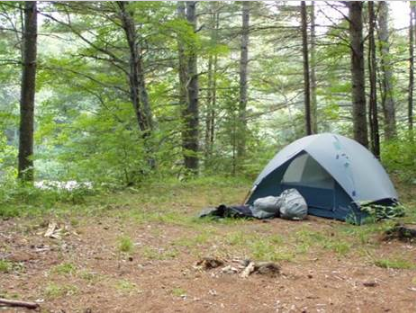
  • Tent/bivy cover
  • Sleeping bag
  • Sleeping pad
  • Mosquito net
  • Extra clothing

All of the items above are dictated by the climate and location you’re in, as is the necessity of a mosquito net. Global Rescue operations personnel also recommend waterproof bags to keep items dry.

  • Stove/cooking gear
  • Food/water
  • Towel
  • Hatchet

Food is obviously a necessity, but the type of food and the length of preparation are two things that are completely up to you. While some prefer a more spartan approach to food on the trail, others might choose a more elevated approach to back country cooking, opting to create a gourmet meal from the most meager ingredients.


The Day Pack

The second pile of gear goes in the day pack. When camping or hunting, you might opt to hike in under the full load. Once camp is set, then venture out on shorter trips from there. While the load of your gear is much lighter, you still need to have the basics on hand in case you get into trouble (or trouble finds you).

  • Water/snacks
  • Warming layer
  • GPS w/ extra (rechargeable) batteries
  • Solar charger
  • First aid kit
  • Head lamp
  • Socks
  • Space blanket
  • Foam pad (for sitting in cold, snowy conditions)
  • Fire-starting gear
  • Signal mirror
  • Satellite phone or texting device (for very remote locations)

The solar charger can be used to charge a cell phone, GPS, headlamp and anything else that can be powered with rechargeable batteries. You can even clip it onto your pack and it will charge as you hike.

We also have a post with tips for building a good first aid kit. Even though this kit is light and packs smaller than you’d think, it can help you in a variety of misadventures.

To be Worn or Kept in your Pockets

While these items are small enough to be worn on your body or kept in your pockets, it’s a good idea to regularly have them on you at all times.

  • Map of the area and a decent compass

While GPS devices are one of the miracles of the modern world, they can break or run out of batteries at the most inopportune times. It is also easier to terrain-associate with a map than with GPS.

  • Folding knife or multi-tool
  • Signal mirror
  • Cordage

Parachute cord is great because in a pinch it can be taken apart, or “gutted” and the smaller strings inside the outer covering can be used individually.

  • A pair of light but durable gloves

Hard experience can quickly teach even the most seasoned outdoor enthusiast to protect their hands, regardless of the temperature. Gloves can help prevent painful scrapes and punctures that are inevitable when traveling in the backcountry.

  • Some type of eye protection

This is important for more than just protection from the sun’s glare. Low branches can pose a nasty hazard, especially when moving in the woods after dark. An eye injury in the backcountry can be disabling and can almost guarantee a trip to the local ER (if one is available).

No matter your trip, your gear does not have to be fancy or high tech. Generally, the simplest solutions are the best.


Become a Global Rescue Member

Global Rescue memberships include personalized advisory services, 24/7/365 emergency assistance and evacuation services at no additional cost to you. To learn more about membership benefits, click here.

Share This:

Q&A with the American Alpine Club’s Phil Powers

American Alpine Club Executive Director Phil Powers has led dozens of expeditions to South America, Alaska and Pakistan's Karakoram Range, including ascents of K2 and Gasherbrum II without supplemental oxygen. Phil recently spoke with Global Rescue about the…

Phil Powers, Executive Director of the American Alpine Club
(Photo courtesy of the American Alpine Club)

American Alpine Club Executive Director Phil Powers has led dozens of expeditions to South America, Alaska and Pakistan’s Karakoram Range, including ascents of K2 and Gasherbrum II without supplemental oxygen. He made first ascents of the Washburn Face on Denali and of Lukpilla Brakk’s Western Edge in Pakistan, as well as the first winter traverse of the Tetons’ Cathedral Peaks.

Phil recently spoke with Global Rescue about the upcoming Himalayan season, the AAC’s new campgrounds, and the tremendous rise in popularity of climbing gyms.

Q. The climbing season in the Himalaya is under way now through the next few months. What are your expectations for this season?

A. In big ranges like the Himalaya, the combination of extreme objective hazard and human ambition lead to a huge potential for accidents. Samuli Mansikka, 36, and Pemba Sherpa, 35, were just killed this week while descending from a successful summit of Annapurna; the season is clearly under way. Global Rescue is very much aware of the propensity for accidents during this pre-monsoon season. 

Q.  What are the upcoming seasons for other popular climbing spots?

In addition to pre-monsoon in the Nepal Himalaya, there is also a season in the fall after the monsoon retreats. The Karakorum Himalaya, which is further from the influence of the Indian Ocean, has a summer season like North America. Most of the climbing in Alaska happens in late spring and early summer. In South America — places like Aconcaqua or Patagonia — climbers are active from December through February. Antarctica has a similar season.

Q.  Tell us about the AAC’s new campgrounds. Have you seen a marked interest in camping by AAC members across the country?

We are just opening our newest at the gateway to the Shawangunks in New York. The Gunks campground has been a long time coming and we are really excited to finally open it. The campgrounds are for everybody (though AAC members get a discounted rate) and, yes, they are well-used.

Q. How is the popularity of climbing gyms impacting the climbing community? What things should people keep in mind as they transition from indoor to outdoor climbing?

A. Gyms are the biggest single trend facing climbing today, maybe ever. The Climbing Business Journal states that there are over 300 major gyms in the U.S. with 40 more opening this year. We estimate that about 2,000 people sign releases at those gyms every day. In other words, around 2,000 people are at least giving climbing a try every day. Some will stick with it and some will go outside. People get pretty strong and confident in a gym setting very quickly and making the move to outdoor climbing presents very real dangers. At the AAC, we are developing lesson plans and courses in partnership with regional clubs, like the Colorado Mountain Club (CMC), so we can meet this need. Interestingly, whether the accidents we see have to do with improper knots, lowering mistakes, or rappel errors, a majority of them have to do with not double-checking the systems you use. Climb with a partner you trust, communicate well, and check each other at every step. And of course, remember to get your Global Rescue membership before you head out – I know I will.


Share This:

Global Rescue supports The Heroes Project

As the 2015 Himalayan climbing season begins, Global Rescue is proud to provide support to The Heroes Project and the group's attempt to summit Mt. Everest this year.

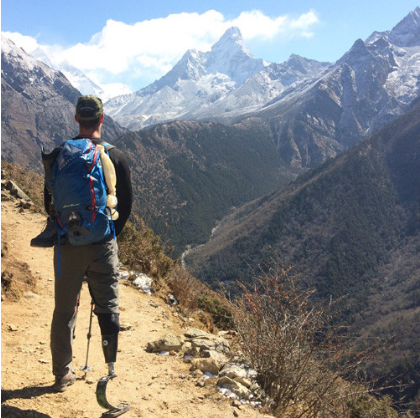
USMC SSgt. Charlie Linville during the 2014 Everest attempt (courtesy of The Heroes Project)

As the 2015 Himalayan climbing season begins, Global Rescue is proud to provide support to The Heroes Project and the group’s attempt to summit Mt. Everest this year. The Heroes Project was founded in 2009 and is comprised of three initiatives: (i) CLIMBS FOR HEROES which supports wounded veterans who climb mountains as part of their recovery process; (ii) HOPE FOR HEROES which supports community service programs that assist veterans and their families; and (iii) VOICE FOR HEROES which provides media support for veterans’ issues.

To date, The Heroes Project team, including veterans injured in Iraq and Afghanistan, has summited the highest peaks on six of the seven continents. Last year, an attempt to summit Everest was postponed following the tragic death of 16 Sherpas in an avalanche.  This climbing season, The Heroes Project team, which includes USMC SSgt. Charlie Linville, will be attempting once again to summit Everest. A documentary on The Heroes Project and their completion of the Seven Summits is scheduled to be released in late 2015.

Global Rescue is proud to provide travel risk and crisis management services to The Heroes Project climbers as they make their push for the world’s highest summit.


Categories:

News
Share This:

Hunter’s Horn – Global Rescue shares tips on “How to take care of yourself in…

Categories:

Health & SafetyTravel
Share This:

Altitude sickness: Life-saving tips for climbers

As another Himalayan climbing season begins, Global Rescue has some information to share that should help our members deal with altitude sickness. Global Rescue Associate Medical Director Eric Johnson, MD, has been practicing high altitude…

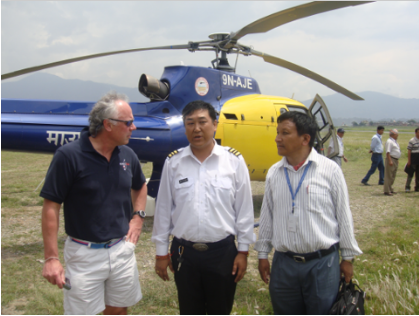
Global Rescue Associate Medical Director Eric Johnson, MD (left), in Nepal with aircraft personnel

As another Himalayan climbing season begins in earnest, Global Rescue has information to help members deal with altitude sickness. Global Rescue Associate Medical Director Eric Johnson, MD, has been practicing high altitude medicine for decades, is one of the founders of Everest ER (the medical clinic at Everest base camp), and is an expert in treating altitude-related illnesses. Dr. Johnson offers advice on how to recognize, treat and avoid altitude sickness.

What Is Altitude Sickness?

Altitude sickness is best defined as a series of symptoms that occur during travel at high elevation. It can affect anyone who travels at altitude, regardless of age, fitness level, gender or ethnicity. If you’ve had it before, you may be more prone to recurrence. Symptoms are generally diagnosed in three broad categories:

Acute Mountain Sickness (AMS)

AMS is the most common and least dangerous type of altitude sickness. The symptoms mirror those of a bad hangover and typically start at 8,000 feet in elevation. Symptoms usually start within a day or two of traveling to a new elevation and can include:

  • headache
  • feeling tired
  • feeling lightheaded
  • loss of appetite
  • trouble sleeping
  • nausea, sometimes with vomiting

High Altitude Cerebral Edema (HACE)

HACE is less common than AMS but much more serious. With HACE, the brain swells significantly, causing a loss of coordination both mentally and physically. HACE is especially dangerous to those climbing or mountaineering where the inability to ambulate (i.e., climb) can cost one’s life. These symptoms appear along with typical AMS indicators. The following symptoms of HACE typically start after one to three days at altitude:

  • extreme tiredness and weakness
  • trouble walking normally
  • confusion and irritability
  • acting drunk or confused

High Altitude Pulmonary Edema (HAPE)

HAPE is also less common but more dangerous than AMS. HAPE occurs when fluid accumulates in the lungs and usually starts after two to four days at elevation. The symptoms of HAPE are:    

  • coughing
  • feeling breathless, with worsening exercise tolerance; shortness of breath at rest
  • trouble walking uphill

Altitude Sickness Treatment

If climbers begin to experience symptoms from HACE or HAPE, they should descend immediately and NOT continue to ascend on their trek or climb.

In an emergency, some mountain clinics may use oxygen (“the” drug at altitude) and/or a Gamow bag, a portable hyperbaric chamber that can increase the atmospheric pressure inside of it.

Physicians may also prescribe medicines such as Acetazolamide (brand name Diamox) and Dexamethasone (brand name Decadron) to prevent and treat altitude sickness. If the issue is serious enough to warrant the use of these medicines, you should immediately descend.

Altitude Sickness Prevention

The best way to prevent altitude sickness is to add a day or two into your trip to let yourself acclimatize to the new elevation. Even if these days aren’t specifically scheduled, give yourself an extra floating day in case someone does come down with AMS and needs time to adjust.

It is also a good idea to stay in top shape while climbing or trekking. If you are traveling to a high elevation area, speak with your doctor about proper preparation.


Eric Johnson, MD, joined Global Rescue as an Associate Medical Director in 2009.  He is an expert in wilderness and altitude medicine and is a past President of the Wilderness Medical Society where he has served on the Board of Directors since 2006. Dr. Johnson also serves on the Board of Directors of the Himalaya Rescue Association and is a founding physician at Mt. Everest ER, the medical clinic located at Mt. Everest Basecamp.  Dr. Johnson is a graduate of the University of Minnesota and the University of Minnesota Medical School.


Share This:

In danger on Makalu: “The quick and very professional response of Global Rescue saved my…

In October 2014, Slovenian geography professor, experienced climber and American Alpine Club member Irena Mrak was attempting Mount Makalu (8463 m) and conducting glacier research on the slopes of the mountain, on the border of…

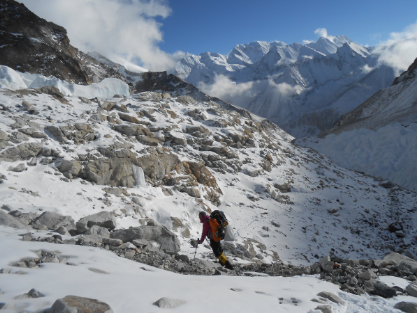
  Irena Mrak on the slopes of Makalu

In October 2014, Slovenian geography professor, experienced climber and American Alpine Club member Irena Mrak was attempting Mount Makalu (8463 m) and conducting glacier research on the slopes of the mountain, on the border of Nepal and China. After spending four weeks above 5800 m, she fainted on the last morning in Advanced Base Camp, after descending and cleaning the high camps the day before.

Mrak’s boyfriend, Dr. Tomaž Goslar, told The Himalayan Times: “On that day, her friends had called me in Slovenia to inform me that she had been complaining about difficulty in breathing and blurred vision. It was then that I felt something was seriously wrong.”

Her condition deteriorated quickly and she lost consciousness within four hours of the beginning of symptoms. She was airlifted from Makalu Advanced Base Camp to Lukla, where initial medical treatment was performed prior to continuing the transport to Kathmandu. 


The south face of the mountain 

At the time, Mrak was in critical condition. She had been admitted to the Intensive Care Unit and was breathing on a ventilator.  For several hours, her pupils were unresponsive, she did not react to pain, and her condition did not appear to be improving.  Hospital staff presumed that Mrak would not live due to severe High Altitude Cerebral Edema (HACE) but continued their efforts. 

Hospital staff called Global Rescue, and we immediately deployed one of our critical care paramedics to Mrak’s bedside in Kathmandu. Once our paramedic arrived, he quickly arranged to have all of Mrak’s medical records sent to the Global Rescue medical team for careful review by Global Rescue and Johns Hopkins physicians. The following day, Mrak showed signs of increased consciousness and began breathing spontaneously, ultimately regaining consciousness.  Once out of ICU, Mrak continued to receive treatment for HACE and for a retinal hemorrhage.

The Global Rescue personnel met with Mrak’s physicians, obtaining details regarding the retinal hemorrhage from the ophthalmologist who examined her and assisting with the management of her care by relaying information to and from the attending and Global Rescue’s physicians.

With all tests and lab values showing continuous improvement in the following days, the Global Rescue medical team recommended that Mrak would be ready to be discharged shortly and to fly home to Slovenia. Dr. Goslar, an ICU physician in Slovenia, had flown to Nepal to be with Mrak and accompanied her home. He expressed his gratitude to the Global Rescue team.

Today, Mrak has made a nearly full recovery. She continues to experience residual visual disturbance in both eyes.  Based on further ophthalmological evaluations, Mrak’s specific eye injury showed her case to be unusual, even exotic, since a similar case has not yet been recorded in the medical literature. After four months, she has regained some vision and can read with difficulty but still cannot see colors properly. Mrak is optimistic that it will resolve even though the doctors are unsure.  Her illness was most likely a result of complete physical exhaustion after long exposure to high altitudes, extreme weather conditions (cold and wind), and poor diet (canned food, low on vitamins).


 Irena Mrak 

“Global Rescue responded immediately and had their paramedic on site in less than 24 hours,” she noted.  “The Global Rescue operations personnel knew all the details about my case and could provide them to my family.  Global Rescue gathered all the necessary medical information from family members and shared them with hospital staff.  I would like to especially recognize the Global Rescue paramedic who attended to me for his professional attitude and warmth.

“Global Rescue did their job well. I have already informed the Alpine Association of Slovenia about our positive experience and will definitely recommend your services in the future,” she said.

Concluded Mrak: “The fast reaction of my climbing partner Mojca Svajger, the people in the ABC, Dr. Barun Rai, the American climber Garrett Madison and his Norwegian client Andrea, the Nepali staff, the doctors in Vajodha hospital in Kathmandu, and the quick and very professional response of Global Rescue saved my life.” 


Irena Mrak (center),with climbing partner Mojca Svajger (left), and Global Rescue paramedic Michael James (right).

(All photos courtesy of Irena Mrak)