Loading...

Share This:

Global Rescue supports The Heroes Project

As the 2015 Himalayan climbing season begins, Global Rescue is proud to provide support to The Heroes Project and the group's attempt to summit Mt. Everest this year.

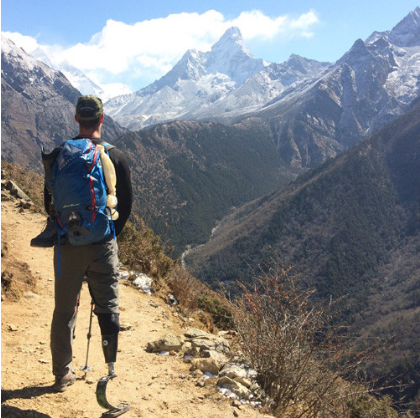
USMC SSgt. Charlie Linville during the 2014 Everest attempt (courtesy of The Heroes Project)

As the 2015 Himalayan climbing season begins, Global Rescue is proud to provide support to The Heroes Project and the group’s attempt to summit Mt. Everest this year. The Heroes Project was founded in 2009 and is comprised of three initiatives: (i) CLIMBS FOR HEROES which supports wounded veterans who climb mountains as part of their recovery process; (ii) HOPE FOR HEROES which supports community service programs that assist veterans and their families; and (iii) VOICE FOR HEROES which provides media support for veterans’ issues.

To date, The Heroes Project team, including veterans injured in Iraq and Afghanistan, has summited the highest peaks on six of the seven continents. Last year, an attempt to summit Everest was postponed following the tragic death of 16 Sherpas in an avalanche.  This climbing season, The Heroes Project team, which includes USMC SSgt. Charlie Linville, will be attempting once again to summit Everest. A documentary on The Heroes Project and their completion of the Seven Summits is scheduled to be released in late 2015.

Global Rescue is proud to provide travel risk and crisis management services to The Heroes Project climbers as they make their push for the world’s highest summit.


Categories:

News
Share This:

Hunter’s Horn – Global Rescue shares tips on “How to take care of yourself in…

Categories:

Health & SafetyTravel
Share This:

Altitude sickness: Life-saving tips for climbers

As another Himalayan climbing season begins, Global Rescue has some information to share that should help our members deal with altitude sickness. Global Rescue Associate Medical Director Eric Johnson, MD, has been practicing high altitude…

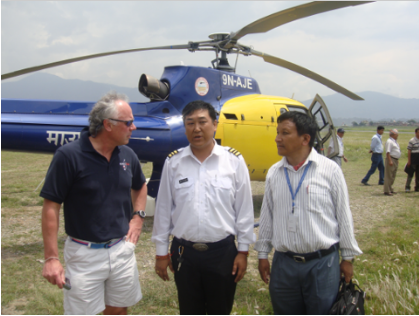
Global Rescue Associate Medical Director Eric Johnson, MD (left), in Nepal with aircraft personnel

As another Himalayan climbing season begins in earnest, Global Rescue has information to help members deal with altitude sickness. Global Rescue Associate Medical Director Eric Johnson, MD, has been practicing high altitude medicine for decades, is one of the founders of Everest ER (the medical clinic at Everest base camp), and is an expert in treating altitude-related illnesses. Dr. Johnson offers advice on how to recognize, treat and avoid altitude sickness.

What Is Altitude Sickness?

Altitude sickness is best defined as a series of symptoms that occur during travel at high elevation. It can affect anyone who travels at altitude, regardless of age, fitness level, gender or ethnicity. If you’ve had it before, you may be more prone to recurrence. Symptoms are generally diagnosed in three broad categories:

Acute Mountain Sickness (AMS)

AMS is the most common and least dangerous type of altitude sickness. The symptoms mirror those of a bad hangover and typically start at 8,000 feet in elevation. Symptoms usually start within a day or two of traveling to a new elevation and can include:

  • headache
  • feeling tired
  • feeling lightheaded
  • loss of appetite
  • trouble sleeping
  • nausea, sometimes with vomiting

High Altitude Cerebral Edema (HACE)

HACE is less common than AMS but much more serious. With HACE, the brain swells significantly, causing a loss of coordination both mentally and physically. HACE is especially dangerous to those climbing or mountaineering where the inability to ambulate (i.e., climb) can cost one’s life. These symptoms appear along with typical AMS indicators. The following symptoms of HACE typically start after one to three days at altitude:

  • extreme tiredness and weakness
  • trouble walking normally
  • confusion and irritability
  • acting drunk or confused

High Altitude Pulmonary Edema (HAPE)

HAPE is also less common but more dangerous than AMS. HAPE occurs when fluid accumulates in the lungs and usually starts after two to four days at elevation. The symptoms of HAPE are:    

  • coughing
  • feeling breathless, with worsening exercise tolerance; shortness of breath at rest
  • trouble walking uphill

Altitude Sickness Treatment

If climbers begin to experience symptoms from HACE or HAPE, they should descend immediately and NOT continue to ascend on their trek or climb.

In an emergency, some mountain clinics may use oxygen (“the” drug at altitude) and/or a Gamow bag, a portable hyperbaric chamber that can increase the atmospheric pressure inside of it.

Physicians may also prescribe medicines such as Acetazolamide (brand name Diamox) and Dexamethasone (brand name Decadron) to prevent and treat altitude sickness. If the issue is serious enough to warrant the use of these medicines, you should immediately descend.

Altitude Sickness Prevention

The best way to prevent altitude sickness is to add a day or two into your trip to let yourself acclimatize to the new elevation. Even if these days aren’t specifically scheduled, give yourself an extra floating day in case someone does come down with AMS and needs time to adjust.

It is also a good idea to stay in top shape while climbing or trekking. If you are traveling to a high elevation area, speak with your doctor about proper preparation.


Eric Johnson, MD, joined Global Rescue as an Associate Medical Director in 2009.  He is an expert in wilderness and altitude medicine and is a past President of the Wilderness Medical Society where he has served on the Board of Directors since 2006. Dr. Johnson also serves on the Board of Directors of the Himalaya Rescue Association and is a founding physician at Mt. Everest ER, the medical clinic located at Mt. Everest Basecamp.  Dr. Johnson is a graduate of the University of Minnesota and the University of Minnesota Medical School.


Share This:

In danger on Makalu: “The quick and very professional response of Global Rescue saved my…

In October 2014, Slovenian geography professor, experienced climber and American Alpine Club member Irena Mrak was attempting Mount Makalu (8463 m) and conducting glacier research on the slopes of the mountain, on the border of…

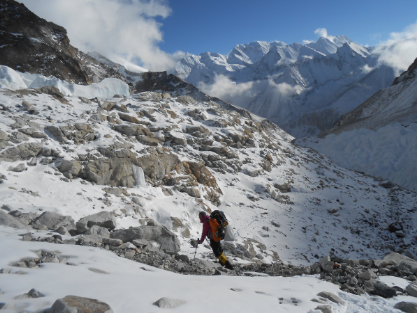
  Irena Mrak on the slopes of Makalu

In October 2014, Slovenian geography professor, experienced climber and American Alpine Club member Irena Mrak was attempting Mount Makalu (8463 m) and conducting glacier research on the slopes of the mountain, on the border of Nepal and China. After spending four weeks above 5800 m, she fainted on the last morning in Advanced Base Camp, after descending and cleaning the high camps the day before.

Mrak’s boyfriend, Dr. Tomaž Goslar, told The Himalayan Times: “On that day, her friends had called me in Slovenia to inform me that she had been complaining about difficulty in breathing and blurred vision. It was then that I felt something was seriously wrong.”

Her condition deteriorated quickly and she lost consciousness within four hours of the beginning of symptoms. She was airlifted from Makalu Advanced Base Camp to Lukla, where initial medical treatment was performed prior to continuing the transport to Kathmandu. 


The south face of the mountain 

At the time, Mrak was in critical condition. She had been admitted to the Intensive Care Unit and was breathing on a ventilator.  For several hours, her pupils were unresponsive, she did not react to pain, and her condition did not appear to be improving.  Hospital staff presumed that Mrak would not live due to severe High Altitude Cerebral Edema (HACE) but continued their efforts. 

Hospital staff called Global Rescue, and we immediately deployed one of our critical care paramedics to Mrak’s bedside in Kathmandu. Once our paramedic arrived, he quickly arranged to have all of Mrak’s medical records sent to the Global Rescue medical team for careful review by Global Rescue and Johns Hopkins physicians. The following day, Mrak showed signs of increased consciousness and began breathing spontaneously, ultimately regaining consciousness.  Once out of ICU, Mrak continued to receive treatment for HACE and for a retinal hemorrhage.

The Global Rescue personnel met with Mrak’s physicians, obtaining details regarding the retinal hemorrhage from the ophthalmologist who examined her and assisting with the management of her care by relaying information to and from the attending and Global Rescue’s physicians.

With all tests and lab values showing continuous improvement in the following days, the Global Rescue medical team recommended that Mrak would be ready to be discharged shortly and to fly home to Slovenia. Dr. Goslar, an ICU physician in Slovenia, had flown to Nepal to be with Mrak and accompanied her home. He expressed his gratitude to the Global Rescue team.

Today, Mrak has made a nearly full recovery. She continues to experience residual visual disturbance in both eyes.  Based on further ophthalmological evaluations, Mrak’s specific eye injury showed her case to be unusual, even exotic, since a similar case has not yet been recorded in the medical literature. After four months, she has regained some vision and can read with difficulty but still cannot see colors properly. Mrak is optimistic that it will resolve even though the doctors are unsure.  Her illness was most likely a result of complete physical exhaustion after long exposure to high altitudes, extreme weather conditions (cold and wind), and poor diet (canned food, low on vitamins).


 Irena Mrak 

“Global Rescue responded immediately and had their paramedic on site in less than 24 hours,” she noted.  “The Global Rescue operations personnel knew all the details about my case and could provide them to my family.  Global Rescue gathered all the necessary medical information from family members and shared them with hospital staff.  I would like to especially recognize the Global Rescue paramedic who attended to me for his professional attitude and warmth.

“Global Rescue did their job well. I have already informed the Alpine Association of Slovenia about our positive experience and will definitely recommend your services in the future,” she said.

Concluded Mrak: “The fast reaction of my climbing partner Mojca Svajger, the people in the ABC, Dr. Barun Rai, the American climber Garrett Madison and his Norwegian client Andrea, the Nepali staff, the doctors in Vajodha hospital in Kathmandu, and the quick and very professional response of Global Rescue saved my life.” 


Irena Mrak (center),with climbing partner Mojca Svajger (left), and Global Rescue paramedic Michael James (right).

(All photos courtesy of Irena Mrak)

Categories:

News
Share This:

Sports Afield – “Safari to Burkina Faso” highlights value of Global Rescue membership

Categories:

Press Release
Share This:

Global Rescue Continues to Provide Rescue Services in Nepal for Upcoming Climbing Season

Boston, Mass., February 27, 2015 – Against the backdrop of a harrowing 2014 Nepal climbing season with multiple fatalities, Global Rescue, a worldwide provider of integrated medical, security, intelligence, travel risk management and crisis response…

Boston, Mass., February 27, 2015 – Against the backdrop of a harrowing 2014 Nepal climbing season with multiple fatalities, Global Rescue, a worldwide provider of integrated medical, security, intelligence, travel risk management and crisis response services to corporations, governments and individuals, today announced that it will continue to offer on-the-ground support for climbers in Nepal during the upcoming Himalayan season, beginning in March.

Global Rescue conducts dozens of helicopter evacuations in the Himalaya each year. In 2014, the company rescued John All after he fell into a 70-foot Himalayan crevasse, and evacuated noted alpinist Ian Welsted during an attempt on the south face of Nuptse.

“Global Rescue is the only company of our type with ‘boots-on-the-ground,’” said Dan Richards, CEO and founder of Global Rescue. “Our trained personnel have been conducting rescue and evacuation missions in Nepal every season for more than a decade. In 2015, we are prepared to respond with resources in place to ensure a successful Himalayan season for the climbing community amidst an increased call for safety measures.”

The company’s personnel in Nepal attend to climbers who become sick or injured, or are in need of evacuation off the mountain. Global Rescue critical care medics accompany members during helicopter evacuations, and assist through medical evaluation, treatment and discharge from Kathmandu hospitals and clinics. Global Rescue regularly sends its medical and security teams around the world to personally attend to members facing emergencies.

Global Rescue has a longstanding relationship with the climbing community. The American Alpine Club has selected Global Rescue advisory, rescue and evacuation services for AAC members since 2007.

About Global Rescue
Global Rescue is a worldwide provider of integrated medical, security, intelligence and crisis response services to corporations, governments and individuals. Founded in partnership with Johns Hopkins Medicine, Global Rescue’s unique operational model provides best-in-class services that identify, monitor and respond to potential threats. Global Rescue has provided medical and security support to clients during every globally significant crisis of the last decade. Memberships start at $119 and entitle members to rescue and transport services to their home hospital of choice.

For more information, call +1-617-459-4200 or visit www.globalrescue.com.

Share This:

Measles: What you should know

With measles in the news following the outbreak originating at Disneyland in Anaheim, California, we would like to update Global Rescue members with facts about the disease and the current situation. Measles is an airborne,…

With measles in the news following the outbreak originating at Disneyland in Anaheim, California, we would like to update Global Rescue members with facts about the disease and the current situation.

Measles is an airborne, highly contagious but preventable infection caused by the measles virus.  It is transmitted via droplets from the nose or mouth of infected persons, and remains active in the air or on infected surfaces for up to 2 hours.  At highest risk for infection and complications are unvaccinated young children, however any non-immune person (one who has not been vaccinated, or was vaccinated but is not immune) can become infected.  Onset of symptoms typically occurs 10 to 12 days after exposure, and may last up to a week.

Measles infection is characterized by:

— Fever                                           
— Cough
— Runny nose
— Red, watery eyes
— Rash (flat red spots)

There is no specific antiviral treatment for the measles virus, though severe complications can be avoided via aggressive supportive care.  Proper nutrition and prevention of dehydration are key elements of measles treatment.  Antibiotics may be prescribed to combat additional complicating infections (such as ear/eye infections, or pneumonia).

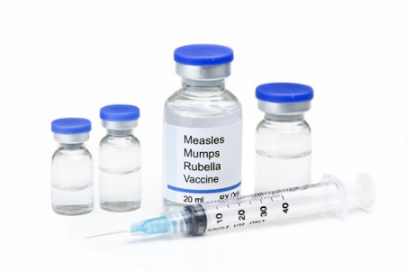
Routine vaccination for children is a key preventative measure, and the accepted public health standard.  A single dose of MMR vaccine is approximately 93% effective at preventing measles, if exposed to the virus; the effectiveness increases to 97% with two doses.  Though measles is not prevalent in developed countries, it is still prevalent within the developing world – and accounts for nearly 150,000 deaths each year.  

U.S. outbreak background

The current measles outbreak began when nine people—eight of whom were unvaccinated—were infected after visiting the Disneyland Resort in Anaheim, California in December 2014. Dozens of patients have been linked to Disneyland visitors. Although the source of the outbreak is unknown, authorities believe it may have been imported by an unvaccinated individual who was infected overseas.

U.S. current situation

As of 11 February, local health officials state that 110 measles cases have been confirmed across California. At least 39 of the cases were linked to the Disneyland. Approximately 60 percent of the patients were aged 20 years or older and the majority of the patients were unvaccinated. One in five of the patients required hospitalization. 

Nationwide, the Centers for Disease Control and Prevention (CDC) reports that at least 121 cases of measles have been confirmed across 17 states and Washington DC from 1 January to 6 February

U.S. outbreak forecast

Measles has not been considered endemic to the United States since a nationwide vaccination program eliminated the disease by 2000. Although sporadic outbreaks still occur throughout the country, most of these originate when an unvaccinated individual imports the case and is exposed to unvaccinated communities.

Outside the U.S.

While routine vaccinations have helped the U.S. reduce measles to very low levels, measles is still common in other countries. According to NBCNews.com, in 2014, Europe had 3,840 measles cases and Italy had 1,921 cases. In 2013, there were more than 10,000 cases across Europe. In the past five years, France has had more than 23,000 cases.

In 2014, the Philippines experienced a major measles outbreak that affected 57,000 people. China, Angola, Brazil, Ethiopia, Indonesia and Vietnam also experienced major outbreaks.

If you plan to travel internationally, consult the CDC recommendations for travelers here.


Categories:

Press Release
Share This:

Global Rescue Provides Sponsorship Support to The 431 Project

Boston, Mass., February 19, 2015 – Global Rescue, a worldwide provider of integrated medical, security, intelligence, travel risk management and crisis response services to corporations, governments and individuals, has sponsored The 431 Project.The mission of…

Boston, Mass., February 19, 2015 – Global Rescue, a worldwide provider of integrated medical, security, intelligence, travel risk management and crisis response services to corporations, governments and individuals, has sponsored The 431 Project.

The mission of The 431 Project is to help teens and young adults live healthy and active lives, aiming to drive social change by enabling information delivery and programs for non-profits, socially aware corporations, and individuals committed to helping the next generation lead healthier lives. For more information, see www.the431project.org.

The first 431 Project Inaugural Summit took place in Fall 2014 in Chittenden, Vermont, where Global Rescue CEO Dan Richards was a speaker.

About Global Rescue
Global Rescue is a worldwide provider of integrated medical, security, intelligence and crisis response services to corporations, governments and individuals. Founded in partnership with Johns Hopkins Medicine, Global Rescue’s unique operational model provides best-in-class services that identify, monitor and respond to potential threats. Global Rescue has provided medical and security support to clients during every globally significant crisis of the last decade. Memberships start at $119 and entitle members to rescue and transport services to their home hospital of choice.

For more information, call +1-617-459-4200 or visit www.globalrescue.com.

Categories:

Press Release
Share This:

American Alpine Club Selects Crisis Response Firm Global Rescue for Seventh Consecutive Year

Boston, Mass., February 12, 2015 – Global Rescue, a worldwide provider of integrated medical, security, intelligence, travel risk management and crisis response services to corporations, governments and individuals, today announced that the American Alpine Club…

Boston, Mass., February 12, 2015 – Global Rescue, a worldwide provider of integrated medical, security, intelligence, travel risk management and crisis response services to corporations, governments and individuals, today announced that the American Alpine Club has elected to renew its relationship with Global Rescue for the seventh consecutive year.

“With Global Rescue, American Alpine Club members are in the most capable hands in an emergency,” said Nat Matthews, Director of Operations with the American Alpine Club. “Global Rescue’s unique Trailhead Rescue Program is the only one we’ve found which will provide evacuations worldwide from the point of injury or illness, without requiring AAC members to get themselves to a hospital.”

Since 2007, Global Rescue has provided the highest quality rescue, advisory and evacuation services to American Alpine Club members. All AAC members receive Global Rescue evacuation services beyond the trailhead to the nearest hospital in case of serious illness or injury.

By upgrading to full Global Rescue membership, AAC members receive the additional benefit of emergency medical expertise from the world’s finest physicians at top-ranked Johns Hopkins Medicine. Further, full Global Rescue membership affords members the option to choose their own home-country hospital destination, allowing them to receive their treatment at the best facilities possible. Global Rescue’s 24-hour Operations Center is staffed with the company’s own critical care paramedics and Special Operations veterans as first-line call takers, able to immediately triage symptoms and provide first aid instruction over the phone. Global Rescue regularly sends its medical and security personnel around the world to personally attend to members in need.

“Global Rescue values our long-standing relationship with the AAC, one of the climbing community’s most trusted and respected organizations,” said Dan Richards, CEO and founder of Global Rescue. “American Alpine Club members can rest assured knowing that Global Rescue is standing by to help them when they need us most.”

About The American Alpine Club
The American Alpine Club is a 501(c)(3) charitable organization whose vision is a united community of competent climbers and healthy climbing landscapes. Together with our members, the AAC advocates for American climbers domestically and around the world; provides grants and volunteer opportunities to protect and conserve the places we climb; hosts local and national climbing festivals and events; publishes two of the world’s most sought-after climbing annuals, the American Alpine Journal and Accidents in North American Mountaineering; cares for the world’s leading climbing library and country’s leading mountaineering museum; manages the Hueco Rock Ranch, New River Gorge Campground, and Grand Teton Climbers’ Ranch as part of a larger lodging network for climbers; and annually gives $100,000+ toward climbing, conservation, and research grants that fund adventurers who travel the world. Learn about additional programs and become a member at americanalpineclub.org.

About Global Rescue
Global Rescue is a worldwide provider of integrated medical, security, intelligence and crisis response services to corporations, governments and individuals. Founded in partnership with Johns Hopkins Medicine, Global Rescue’s unique operational model provides best-in-class services that identify, monitor and respond to potential threats. Global Rescue has provided medical and security support to clients during every globally significant crisis of the last decade. Memberships start at $119 and entitle members to rescue and transport services to their home hospital of choice.

For more information, call +1-617-459-4200 or visit www.globalrescue.com.

Share This:

Ebola: What’s next?

In January 2015, TIME Magazine published an article stating that the Ebola epidemic may end by June 2015 in Liberia. That outcome can be achieved, according to researchers, only if current hospitalization rates continue, as well as…

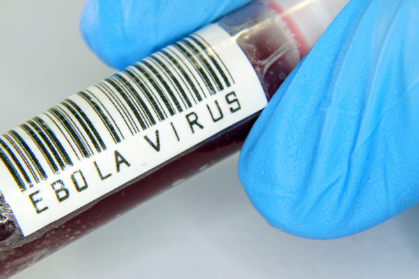
In January 2015, TIME Magazine published an article stating that the Ebola epidemic may end by June 2015 in Liberia. That outcome can be achieved, according to researchers, only if current hospitalization rates continue, as well as changes in cultural norms and burial practices.

As the focus shifts to ending the Ebola epidemic in the affected region of West Africa, there is cautious hope. According to the WHO situation report for 28 January 2015, there were fewer than 100 new confirmed cases reported in a week in the three most-affected countries (Guinea, 30; Liberia, 4; Sierra Leone, 65) for the first time since the week ending 29 June 2014. However, the WHO situation report for 4 February noted that the weekly case incidence increased in all three countries for the first time this year. There were 124 new confirmed cases reported in the week to 1 February.

While travel and commerce have resumed in other regions of Africa amidst decreased Ebola-related concerns, travelers to Africa should remain vigilant.

Global Rescue advises members to:

— Adhere to the U.S. Centers for Disease Control and Prevention (CDC) warning against non-essential travel to Guinea, Liberia and Sierra Leone. Travel to these affected West African countries should be avoided unless absolutely necessary. 

— Pay attention to U.S. State Department and WHO updates. Follow the World Health Organization guidelines.

— While hospital workers, laboratory workers and family members are at greatest risk of contracting the virus, individuals traveling to Ebola-affected countries should exercise basic health precautions including: 

— Avoid areas of known outbreaks 
— Avoid contact with infected individuals
— Strict personal hygiene including frequent hand-washing should be adhered to while traveling in endemic areas 
— Report any symptoms to health officials immediately

See more detailed recommendations in our previous post, Ebola: What you should know.

Contact Global Rescue at 617-459-4200 or operations@globalrescue.com with questions or concerns regarding Ebola.


Categories:

News
Share This:

Security Magazine – How to use executive protection services overseas: Global Rescue expertise featured

Share This:

A critical need for medical assistance on Kodiak Island, Alaska: “The follow-up from Global Rescue…

Global Rescue member Don Detwiler was hunting deer on Kodiak Island, Alaska, when his blood pressure spiked. Detwiler immediately suspected he knew what had happened.

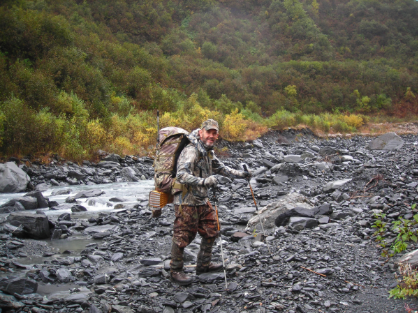
Don Detwiler in Alaska

Global Rescue member Don Detwiler was hunting deer on Kodiak Island, Alaska, when his blood pressure spiked.  Detwiler immediately suspected he knew what had happened.

“I was taking decongestants and I just knew I had a sinus infection,” he said. “It was pretty bad.  I shouldn’t have been taking decongestants because I have high blood pressure.”

After hunting for only one day, Detwiler decided to take a couple of days off, hoping that his blood pressure would return to normal without medical assistance. Despite two days of rest, his blood pressure would not come down. “I didn’t want to call home to get my wife to call our family doctor because I didn’t want her to know what was going on. She would just worry.” Instead, he called Global Rescue.

The Global Rescue operations team advised him to be seen at a hospital immediately. Detwiler was flown by mail plane to a Kodiak hospital where the Global Rescue medical staff oversaw his treatment. As it turned out, Detwiler’s condition was more serious that he thought. “It took about three weeks before my blood pressure went down to where it should have been,” he noted.


Global Rescue stayed in touch with Detwiler, constantly checking in on his progress. “The follow-up from Global Rescue was exceptional. I was impressed. There were multiple follow up phone calls.”

Detwiler, a Safari Club International member, does not intend to let this medical experience dampen his hunting plans. He states that he will not go anywhere without Global Rescue at his back. “I fully intend to renew my Global Rescue membership because I’m going to Mozambique in 2015, and I’m going to Turkey as well.”