Categories:
Health & SafetySecurity & IntelligenceTravelFebruary 9, 2015
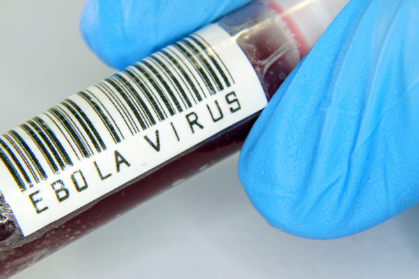
In January 2015, TIME Magazine published an article stating that the Ebola epidemic may end by June 2015 in Liberia. That outcome can be achieved, according to researchers, only if current hospitalization rates continue, as well as changes in cultural norms and burial practices.
As the focus shifts to ending the Ebola epidemic in the affected region of West Africa, there is cautious hope. According to the WHO situation report for 28 January 2015, there were fewer than 100 new confirmed cases reported in a week in the three most-affected countries (Guinea, 30; Liberia, 4; Sierra Leone, 65) for the first time since the week ending 29 June 2014. However, the WHO situation report for 4 February noted that the weekly case incidence increased in all three countries for the first time this year. There were 124 new confirmed cases reported in the week to 1 February.
While travel and commerce have resumed in other regions of Africa amidst decreased Ebola-related concerns, travelers to Africa should remain vigilant.
Global Rescue advises members to:
— Adhere to the U.S. Centers for Disease Control and Prevention (CDC) warning against non-essential travel to Guinea, Liberia and Sierra Leone. Travel to these affected West African countries should be avoided unless absolutely necessary.
— Pay attention to U.S. State Department and WHO updates. Follow the World Health Organization guidelines.
— While hospital workers, laboratory workers and family members are at greatest risk of contracting the virus, individuals traveling to Ebola-affected countries should exercise basic health precautions including:
— Avoid areas of known outbreaks
— Avoid contact with infected individuals
— Strict personal hygiene including frequent hand-washing should be adhered to while traveling in endemic areas
— Report any symptoms to health officials immediately
See more detailed recommendations in our previous post, Ebola: What you should know.
Contact Global Rescue at 617-459-4200 or operations@globalrescue.com with questions or concerns regarding Ebola.
Categories:
NewsFebruary 1, 2015
Categories:
Missions & Member TestimonialsJanuary 26, 2015
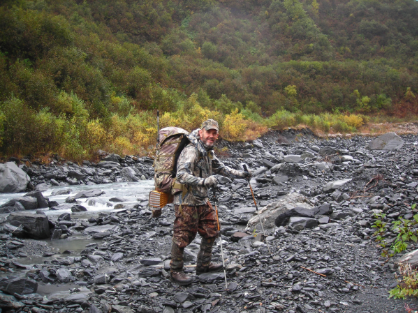
Don Detwiler in Alaska
Global Rescue member Don Detwiler was hunting deer on Kodiak Island, Alaska, when his blood pressure spiked. Detwiler immediately suspected he knew what had happened.
“I was taking decongestants and I just knew I had a sinus infection,” he said. “It was pretty bad. I shouldn’t have been taking decongestants because I have high blood pressure.”
After hunting for only one day, Detwiler decided to take a couple of days off, hoping that his blood pressure would return to normal without medical assistance. Despite two days of rest, his blood pressure would not come down. “I didn’t want to call home to get my wife to call our family doctor because I didn’t want her to know what was going on. She would just worry.” Instead, he called Global Rescue.
The Global Rescue operations team advised him to be seen at a hospital immediately. Detwiler was flown by mail plane to a Kodiak hospital where the Global Rescue medical staff oversaw his treatment. As it turned out, Detwiler’s condition was more serious that he thought. “It took about three weeks before my blood pressure went down to where it should have been,” he noted.

Global Rescue stayed in touch with Detwiler, constantly checking in on his progress. “The follow-up from Global Rescue was exceptional. I was impressed. There were multiple follow up phone calls.”
Detwiler, a Safari Club International member, does not intend to let this medical experience dampen his hunting plans. He states that he will not go anywhere without Global Rescue at his back. “I fully intend to renew my Global Rescue membership because I’m going to Mozambique in 2015, and I’m going to Turkey as well.”

Categories:
Missions & Member TestimonialsJanuary 9, 2015
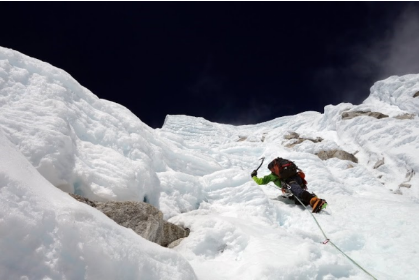
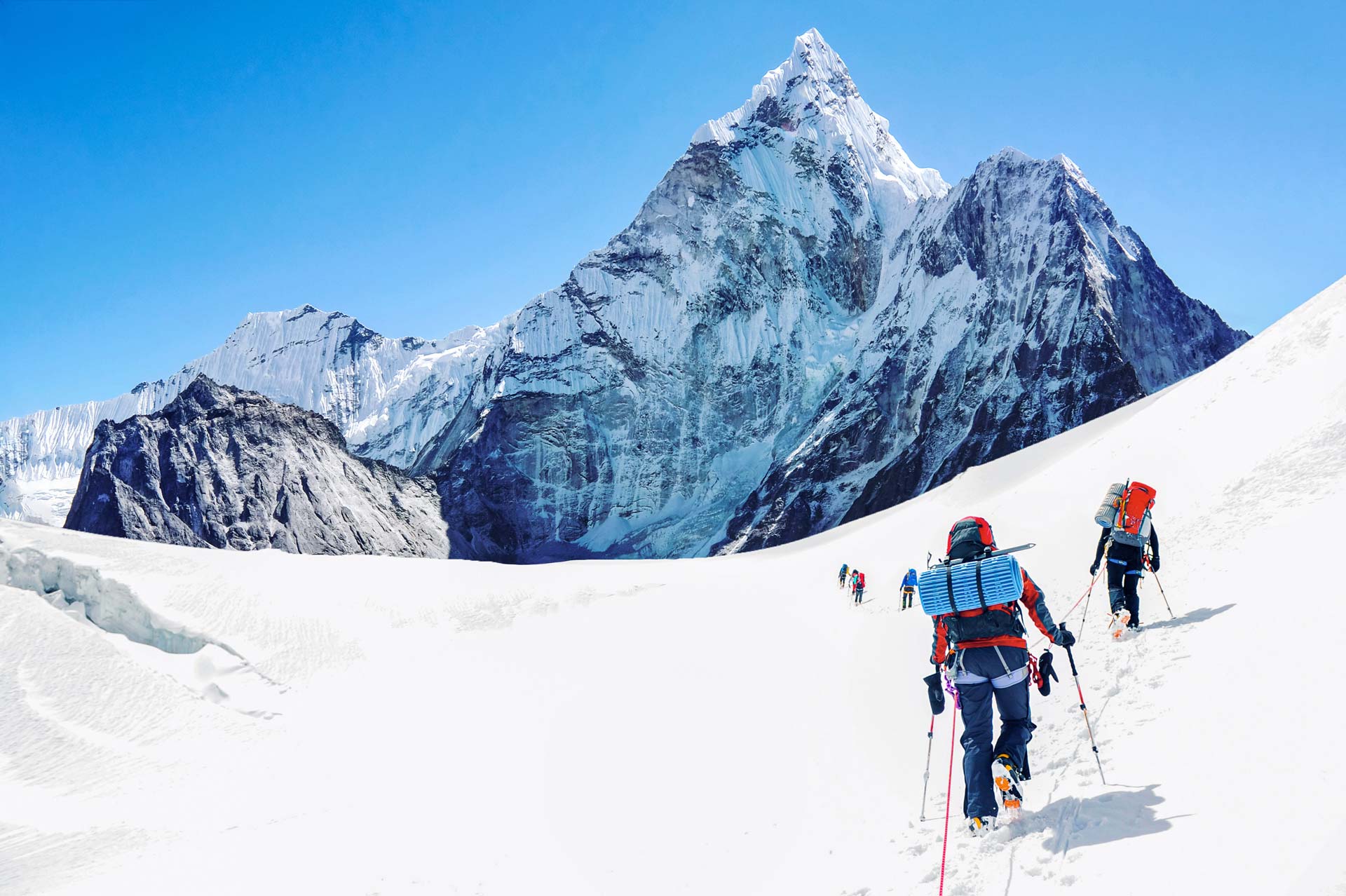
Ian Welsted climbing snow at 6,000 meters during his first attempt.
Noted alpinist Ian Welsted embarked on his first trip to Nepal in September 2014 to tackle the challenge of climbing the south face of Nuptse.
It is “one of the truly legendary big walls of the Himalayan mountains,” Welsted later described it in his Alpinist magazine account.

Jason Kruk at the team’s high point of 6,500 meters on their second attempt, looking up at the 7,750 meter west summit of Nuptse.
Welsted and climbing partner Jason Kruk had spent six weeks in a base camp at 5,400 meters on the south face of Nuptse. Following an attempt to climb to approximately 6,500 meters on the mountain, the pair realized that they would not be able to succeed in climbing it. They descended, headed to the nearest town and rested there for a couple of days. Their plan was to walk to Lukla, two or three days away, on a well-beaten trekking trail.
On the first day of hiking, as they had descended to about 3,800 meters, Welsted suddenly lost consciousness. After several minutes, he regained consciousness but he was experiencing headaches, weakness and nausea.
“Jason phoned Global Rescue,” Welsted said.
A Medical Evacuation to Kathmandu
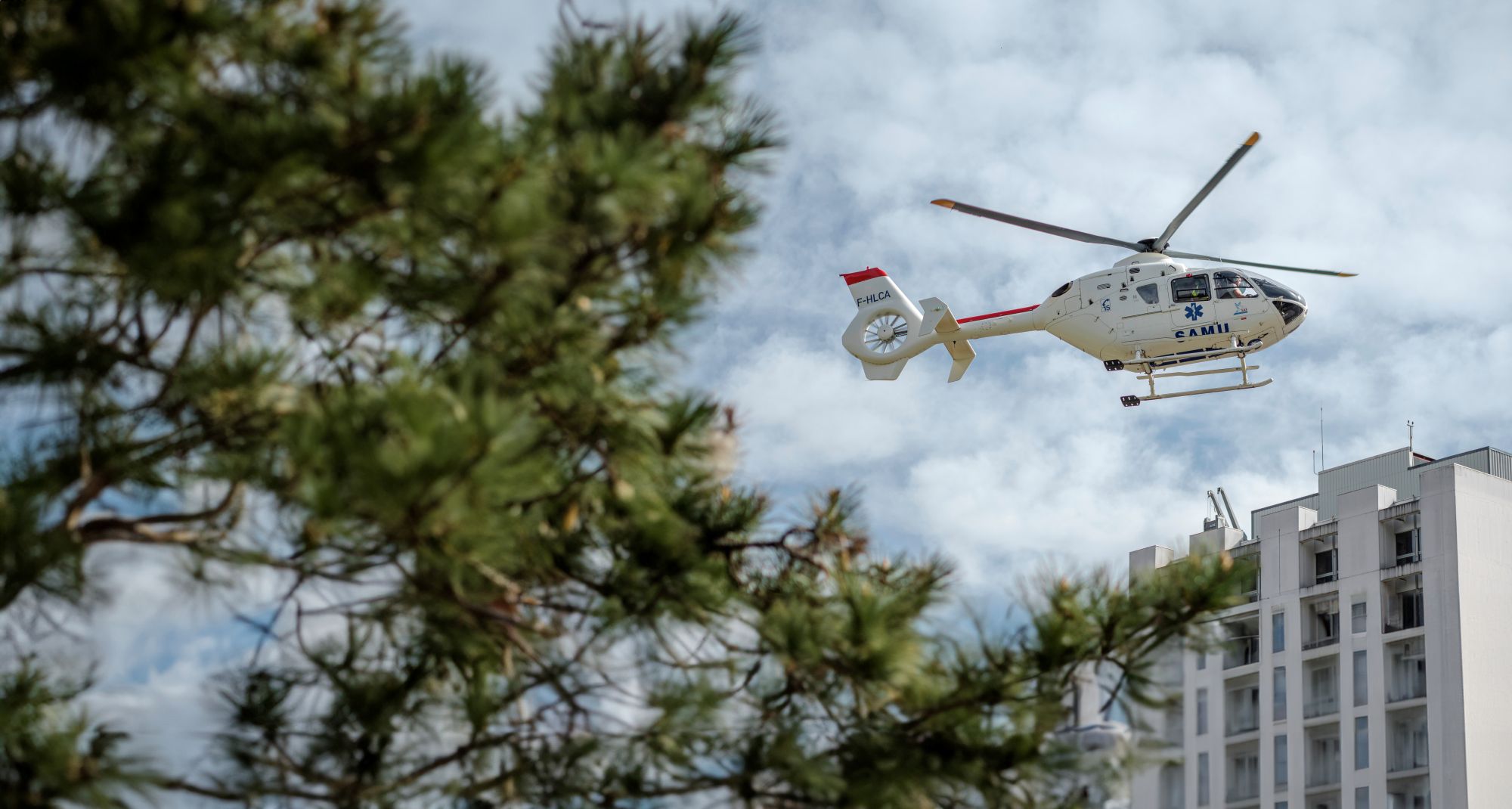
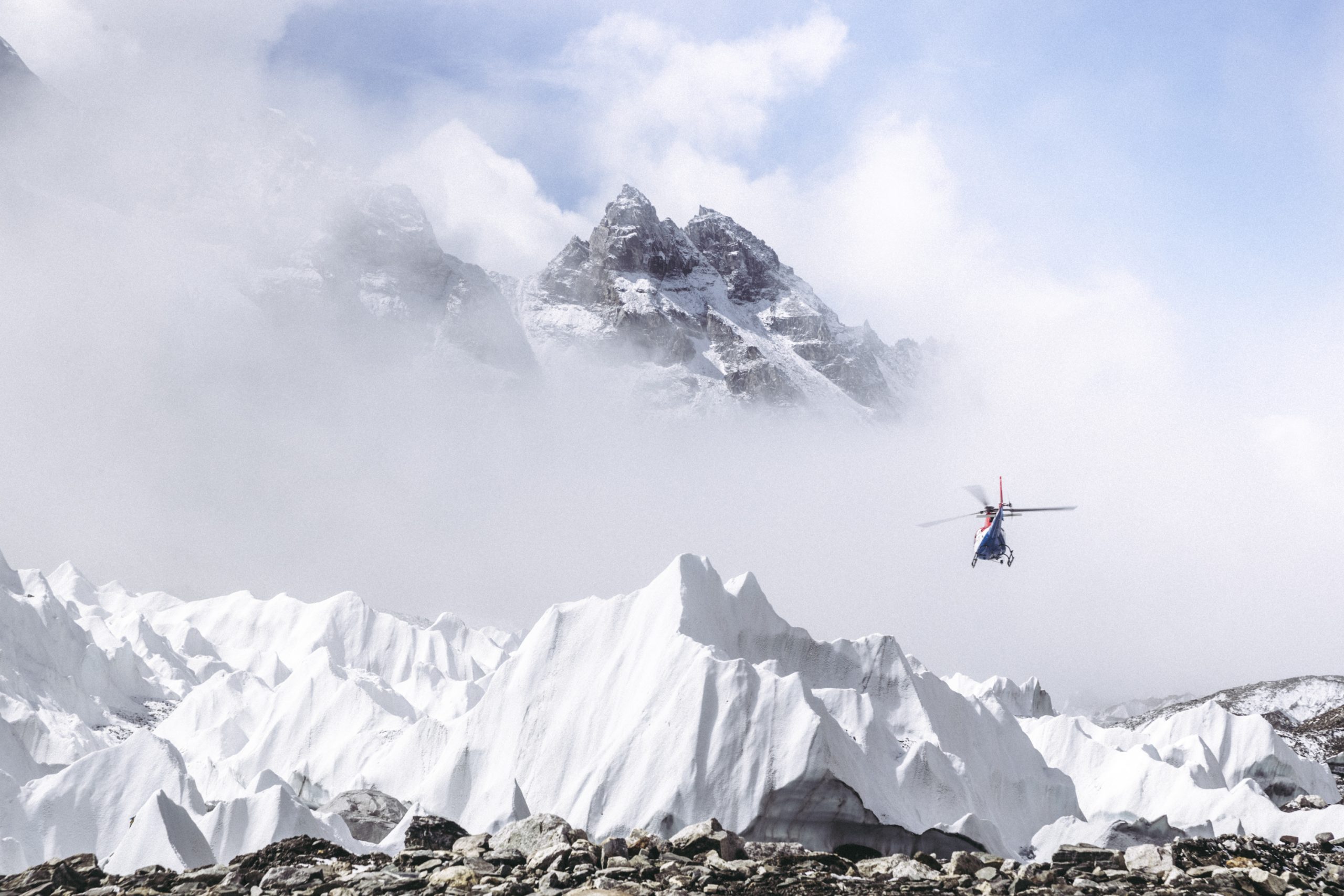
The Global Rescue operations team spoke with the guide accompanying the team and immediately arranged a helicopter evacuation to Kathmandu. Upon landing, Welsted was transported by ambulance to a hospital.
At the Kathmandu hospital, Welsted underwent a battery of tests, including an EEG, a CT scan and an MRI.
Welsted confirmed that while he had been taking good care of himself, he had never previously spent such a long period of time at such high altitude. Looking back, Welsted believes he passed out due to fatigue, stress, or some combination of the two.
“With Nuptse, you’ve got a base camp of 5,400 meters, which is certainly quite high. To climb at that altitude, you have to acclimate and we went for quite a long time,” he said. “Spending six weeks at 5,400 meters is the longest I’ve been at that high altitude for sure.”

Jason Kruk getting ready for the day in a lightweight tent at about 6,000 meters with the famous Ama Dablam peeking out from behind.
The Global Rescue team worked closely with Welsted’s doctor until Welsted was ready to be discharged.
Global Rescue’s Medical Evacuation Services for Mountaineering Trips
“One of the Global Rescue operations staff called me while I was still in the hospital and set everything in motion,” Welsted said. “Our tickets were changed so that I could fly home earlier. I thought Global Rescue services were great.”
Welsted advised Global Rescue once he had safely returned to Vancouver, offering his sincere gratitude, and noting that he would be renewing his membership.
“Global Rescue covered all of my needs, more than to my expectations,” Welsted said. “I was heli-evacuated quickly and efficiently and then transported to the top hospital in Kathmandu. Upon discharge, Global Rescue took care of changing my return date to Canada, which was very helpful as I was in no great condition to deal with tracking down airline details.”
Without Global Rescue coverage, I would be out of pocket for the helicopter evacuation, which I am told would have cost upward of $5,000. I was on a mountaineering trip which already had a considerable bill attached, so I was very glad to have the Global Rescue coverage.
I’ve shopped around quite a bit – for example, the British Mountaineering Council has some kind of rescue insurance – but Global Rescue seems to be the best way of doing things that I’ve found.”
Welsted, an American Alpine Club member who had previously traveled to Pakistan on three occasions, also recalled how he first learned about Global Rescue.
“Steve Swenson, who was president of the American Alpine Club, was the one who introduced the idea of Global Rescue to us and I joined the AAC to get a discount on the membership,” Welsted said. “I know Global Rescue had rescued Steve about two years ago in India. So, for climbers, Global Rescue definitely seems like it works really well.”
Welsted concluded, “I definitely will not go on a similar trip without Global Rescue in the future. After this experience, I will continue to recommend Global Rescue to all of my climbing partners and friends going on mountaineering trips overseas.”
Global Rescue memberships include personalized advisory services, 24/7/365 emergency assistance and evacuation services at no additional cost to you. To learn more about membership benefits, click here.

Jason Kruk low on the mountain at approximately 5,500 meters with Ama Dablam behind.
Categories:
NewsJanuary 7, 2015
Categories:
NewsDecember 30, 2014
Categories:
Missions & Member TestimonialsDecember 29, 2014
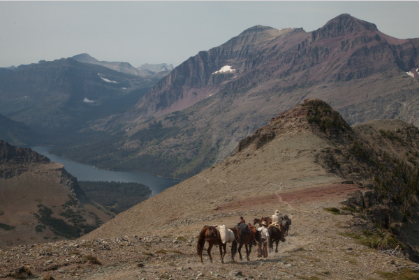
In spring of 2013, four graduates from Texas A&M University were beginning the trip of their dreams: riding 3,000 miles from the Mexican border to the Canadian border on horseback, using only wild mustangs. Global Rescue is pleased to have supported Ben Masters, Thomas Glover, Jonny Fitzsimons, and Ben Thamer throughout their adventure and upcoming documentary,Unbranded. In anticipation of the documentary’s release in winter 2015, Global Rescue spoke with Phill Baribeau, the director of Unbranded, for a glimpse into the making of the documentary.
Surprisingly, Baribeau had almost no experience with horses when he joined the project. He learned to ride well enough to travel 10 to 12 hours and 20 miles a day, with limited breaks for the horses. Masters, the leader of the Unbranded team, previously had completed a similar 2,000 mile trip in 2010. “He always wanted to do another trip, something bigger, and do it all with mustangs just because they’re built for mountain travel and they live out here,” said Baribeau. “Ben also wanted to show the public by doing a film how incredible these horses can be if you train them right.”
Baribeau and his filmmaking partner could not bring an entire crew, so they almost exclusively split the filming between themselves and collected more than 450 hours of footage over the journey’s five-month duration. “We were not filming all day every day, but definitely when it was scenic. At the same time, with horses you never know when something’s going to happen so you have to be ready at all times,” Baribeau said.

Baribeau learned the readiness lesson the hard way on his “worst day of the trip.” A few days into the journey and feeling overconfident, he was caught off guard. “We got off our horses to walk down a path, and I was talking to my buddy behind me, another guy filming. I walked right into the back of this horse and didn’t even see it coming. He kicked me in the thigh. I went down and I thought I broke my femur. I actually considered calling Global Rescue.”
Instead, after realizing that the bone was not broken but was just a bad hematoma, Baribeau took a few weeks off to recover before rejoining the expedition. However, the pain inflicted by the wild mustang could not ruin Baribeau’s memorable Unbranded experience, which included riding through the Grand Canyon and “across the Colorado River on a suspension bridge, and then Glacier National Park to end the trip.”

While wrapping up post-production, Masters will meet with Baribeau and bring along four of the horses from the journey. “We’re definitely going back to this spot below Yellowstone called the Thoroughfare. We’ll probably spend a week back there just camping and fishing. I’m glad he has horses so we can still get out.” For his part, Baribeau is excited to relive the trip — without cameras, for a change.


Unbranded director Phill Baribeau
Categories:
NewsDecember 23, 2014
Categories:
Health & SafetyTravelDecember 22, 2014
As many people prepare to travel this holiday season, Global Rescue offers these tips to help reduce the medical and security risks associated with traveling this season, particularly for those traveling abroad.
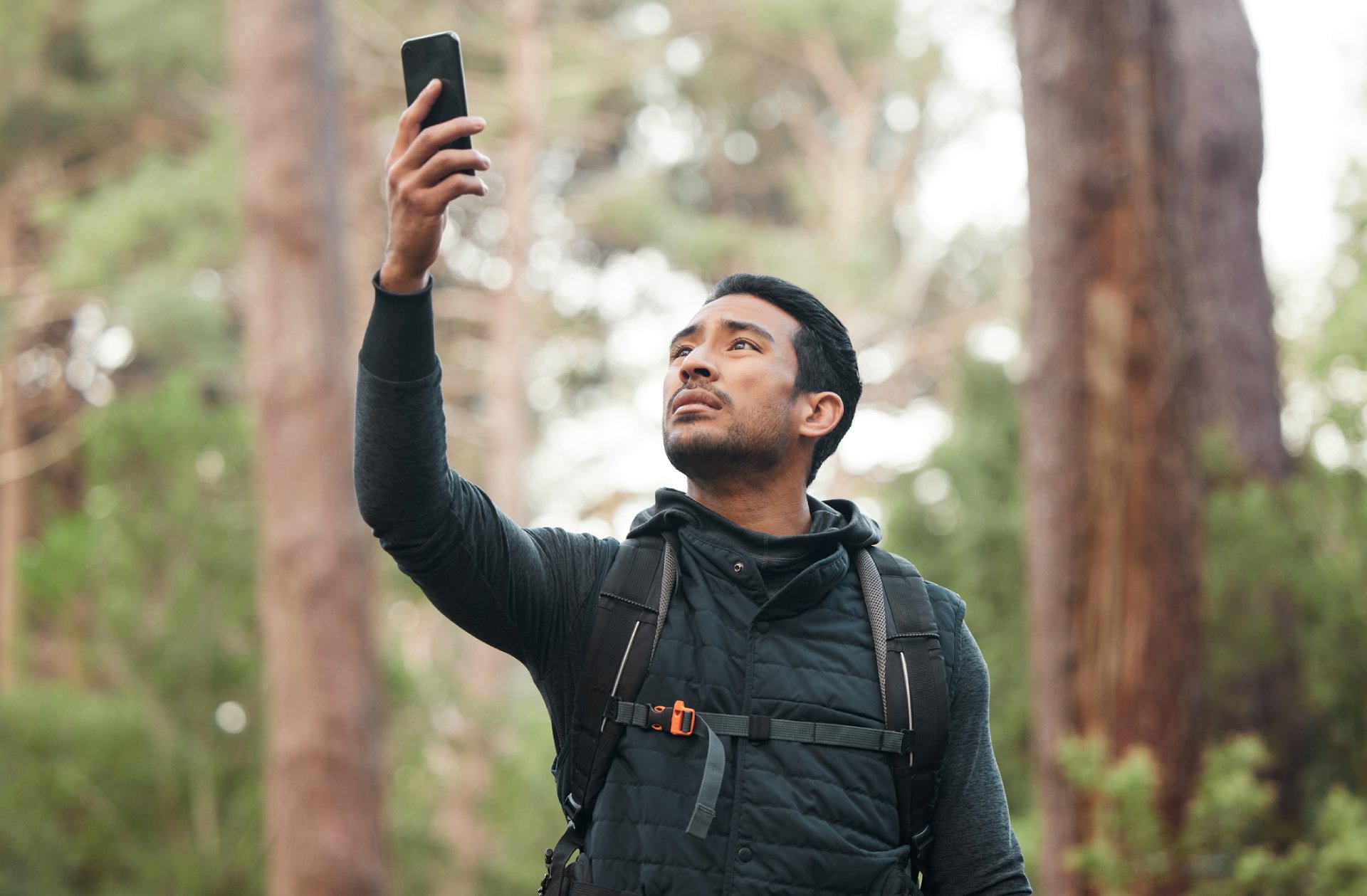
1. Have the ability to call for help, know how to call for help, and know where you would want to go for help. Outside of the U.S., dialing “911” does not work. Have a way to call for help: a local cell phone or SAT phone. Consider bringing an extra battery or portable charger for your phone or, if you have a smart phone, buying a battery phone case (such as Mophie) that will extend your phone’s battery life to avoid being caught with no way to communicate in an emergency. Know how to dial that number based on international calling configurations, and what number to call for emergency medical services.
2. Know your health insurance policy and service coverage. Know in advance whether your plan covers medical bills if you are hospitalized while traveling internationally. Do you have medical evacuation coverage for emergency medical transportation, and trip cancellation insurance in case you miss your flight due to a medical emergency? In any case, be sure to have a backup plan to pay for emergency care if needed in the event that the medical facility you visit will not work with your health insurance provider.
3. Bring your own pharmacy. Travel with basic over-the-counter medications and a small first aid kit, because there is no guarantee that you’ll find a pharmacy around the corner. Pain relievers, medications to control a fever, antacids, allergy medicine, antibiotic ointment, eye drops, decongestants, cold medicine, and yeast infection treatments are just a few items we take for granted that can be obtained easily at drug stores at home. Bring any necessary travel medications with you, such as malaria prophylaxis and traveler’s diarrhea treatment. Do not assume you will be able to source these medications in other countries. Any medications purchased abroad may not be subject to the same manufacturing standards and quality control you expect at home. If you take a prescription medication, be sure to bring double the amount that you need in case travel plans are delayed.
4. Be familiar with health and security concerns relevant to the location. There are general health advisories, health and security risk assessments and food and water safety precautions specific to different regions. Your travel medical provider should be able to review any individual health concerns specific to you and your medical history and your itinerary. Be sure you have the necessary information to prevent health and safety risks associated with your particular travel itinerary. Global Rescue members have access to GRID, our online intelligence platform, for detailed destination reports and up-to-the-minute information on global medical and security events.
5. Never travel without a Global Rescue membership. Medical and security emergencies can threaten your life at the worst possible time, when you’re away from home, far from friends, family and support. Global Rescue medical membership includes medical evacuations from anywhere in the world to your choice of home-country hospital, any time you are more than 160 miles from home and need hospitalization. Global Rescue excels at Field Rescues for medical emergencies requiring hospitalization in the event you are in a remote location and cannot get to a hospital on your own. Membership includes 24/7 medical advice and support from world class physicians at Johns Hopkins Medicine. By upgrading to include security, members protect themselves from non-medical emergencies. If Global Rescue determines that a member is in danger of imminent grievous bodily harm, we provide security and transport services, up to $100,000, from their location to the member’s home country. We strongly recommend a security upgrade whenever there is risk of natural disaster, civil unrest, terrorism, or war.
Categories:
Missions & Member TestimonialsDecember 18, 2014
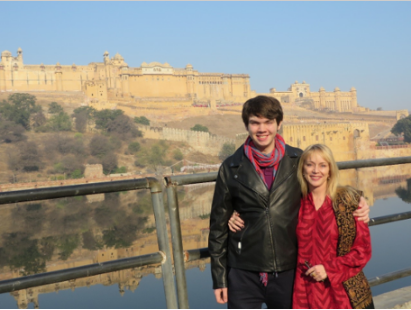
Every year, journalist Victoria Lautman travels to India for a few months. During one trip, accompanied by her 19-year-old son, Victoria and her son both became ill with separate and pressing illnesses that required support from Global Rescue.
“It was my son’s first time to India. He had been there two weeks, and it was a pretty packed two weeks,” explained Lautman. “He was sniffling a lot and it got worse and worse. I was running around trying to treat it myself, getting cold medicine from Indian pharmacies. Looking back, that’s when I should have called Global Rescue. The day we had to take a six-hour drive, he said, ‘Mom, I really think I need to see a doctor.’ So just before we got into the car, I called Global Rescue.”
Lautman continued, “The Global Rescue team provided me with a great deal of information, including instructions to reach an emergency room and the identity of an emergency medical technician.”
Lautman’s son was diagnosed with a sinus infection. He was prescribed multiple medications, including a “miraculous inhaler” that helped him breathe instantaneously.
Unfortunately, soon after her son’s recovery, Lautman caught a virus. Again, she called Global Rescue for medical advice. “Tests were ordered but showed nothing,” she said. “After a week, I was fully recovered and recommending Global Rescue to friends.”
“As a parent traveling pretty much anywhere abroad with a child, whether they’re a baby or 50 years old, to have absolutely no idea what to do to help them, particularly in a place like India, is daunting,” said Lautman. “You want to make sure you’re going to the right places because there are a lot of choices. In the first minute that I made contact with Global Rescue, it was literally like a giant boulder was taken off my shoulders.”
Categories:
Missions & Member TestimonialsDecember 12, 2014

We would like to share more of your frequently asked questions along with our responses. Do you have a question about Global Rescue membership? Add it in the Comments below.
Q: How do I know which membership plan is going to work for me? Do I need a 365 day plan to be covered all year?
A: The price of an annual membership is determined by the duration of a single trip abroad. For example if you purchase the “up to 45 days per trip” annual membership, then the duration of any one trip cannot exceed 45 days. However, you may take as many trips as you like during the year that are less than 45 days in duration. If your travel will exceed 45 days, there are additional membership plans available. Or if you are going on a short trip, memberships are available for as short as 7, 14, or 30 days.
Q: How do I contact Global Rescue in an emergency abroad?
A: In case of emergency, members should contact our Operations Centers at +1-617-459-4200, or email operations@globalrescue.com.
Global Rescue strongly recommends two-way communication capabilities in order to successfully perform an evacuation. We always recommend traveling to remote locations with a satellite phone and extra batteries. Not only do satellite phones enable two-way communication, but we can often track the member’s coordinates through his or her phone.
Q: Do I need to submit an itinerary or my medical history before I travel?
A: Submitting your travel plans to Global Rescue is not required; however, in the event of an emergency, it can be very helpful if you send them to us prior to travel.